Tokyo is home to a lot of districts full of lively, electrifying, and colourful energy. Think of Harajuku, Akihabara, and of course – Shinjuku. Tourists flock to Shinjuku for its extravagant nightlife, with a few travellers specifically seeking Ni-chome as it is the epicenter of Tokyo’s LGBTQ+ culture.
For those interested in exploring Tokyo’s queer scene, Ni-chome is your place to be. You’ve got the world’s highest concentration of gay bars and clubs here, yet beneath the neon lights and pulsing music you also have an array of queer spaces during the day.
In Ni-chome, you’ll find bookstores, cafés, and community spaces that showcase the strong sense of community in the district that reveals a dynamic environment where queer identity, history, and solidarity thrive. Read on to learn more about the cultural impact of Ni-chome and how you can maximise your stay through our daytime-first route guide.
The Roots of Ni-chome: The Origin Story of Tokyo’s Biggest LGBTQ+ District
Ni-chome’s history as Tokyo’s foremost LGBTQ+ neighbourhood traces back to the American Occupation of Japan from 1945 to 1952. Prior to this period, the area of Ni-chome served as a traditional red-light district, known as the akasen, until the passage of the Prostitution Prevention Law in 1956. Now that prostitution is illegal, the sex industry that once dominated Ni-chome began to diminish almost immediately.
As time went by, the district of Ni-chome organically transformed into an area for Tokyo’s emerging gay community to set up establishments such as tea shops and bars owned by the queer community. Throughout the 1950s, more queer-owned businesses and venues started rolling into the district, laying the foundation of Ni-chome’s vibrant and colourful atmosphere.
The Cultural Significance of Ni-chome
Ni-chome has been the site of several cultural milestones that shaped Tokyo’s LGBTQ+ community, such as the establishment of AKTA in 2003. AKTA is a community centre that originated as a response to urgent HIV/AIDS prevention needs within Tokyo’s gay and bisexual communities. Up to this day, this centre continues to offer information, consultation, and support for those with HIV/AIDS.

Image Credit: The Japan Times
In 1994, Japan’s first lesbian and gay pride parade took place around the streets of Shinjuku, including Ni-chome! It was another groundbreaking moment for LGBTQ+ visibility in the country. This event was a powerful movement driven by solidarity to push for LGBTQ+ rights and social acceptance. Now, Ni-chome hosts the parade annually as the “Tokyo Rainbow Pride,” bringing in members and allies of the queer community to spread the message of inclusion and equality across Japan.
Looking at Ni-chome now, you’ll notice that most tourists visit mainly for the gay bars and clubs… not knowing that this vibrant district has grown far beyond its nightlife! The queer spaces of Ni-chome aren’t only active at night, but also during the day.
You’ll find art galleries, cafés, bookstores, and retail stores that host day events for the LGBTQ+ community, plus major festivities like Tokyo’s annual International Lesbian & Gay Film Festival. Support centres are also very prominent here in Ni-chome, standing as a living testament to the rights fought for by the LGBTQ+ community over time.
What’s beautiful about Ni-chome is its interplay of tradition and innovation, constantly evolving to the current queer culture of Japan while preserving its historical roots. After all, Ni-chome remains to be Tokyo’s oldest and most iconic LGBTQ+ district for good reason.
While Ni-chome adapts to modern influences, especially from international queer communities, the district continues to honour its legacy of acceptance and resistance through their longtime residents and pioneering LGBTQ+ rights activists that have been around since the beginning.
Many establishments display memorabilia, photographs, and archives that tell stories of the district’s history as a hub for the LGBTQ+ community of Japan. At the same time, Ni-chome also continues to expand inclusion by integrating new cultural events, support services, and business ventures for the current LGBTQ+ community.
In Ni-chome, you remember the past, celebrate the present, and fight for the future of the many queer voices of Japan.
Cafés and Chill Spots Beyond Nightlife
Daylight suits Ni-chome. Swap late-night neon for cafés, galleries, and bookshops where conversation leads; begin near Shinjuku-sanchōme (新宿三丁目) Exit C8.
Mr.Tokyo BURGER’S café
Just a few minutes away from the Shinjuku Sanchome Station is Mr. Tokyo BURGER’S café, a queer-friendly burger joint inspired by the American West Coast. The restaurant’s interior is bright and stylish with white and blue tones, plus an open-air setup for sunny days.
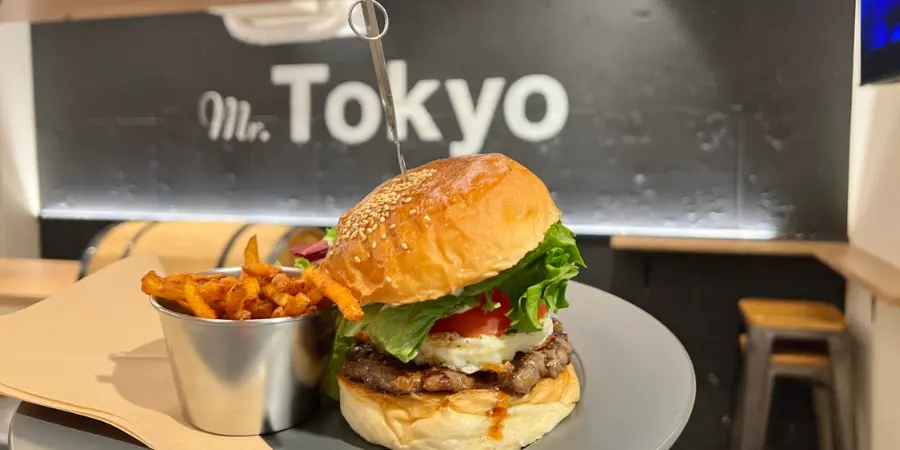
Image Credit: Smooth Life Magazine
You can’t eat here without trying out their signature burger “Mr. Tokyo,” which features a unique blend of eight types of nuts combined with avocado, cheddar cheese, a 100% beef patty, and all the other burger essentials served on fluffy buns! You can also enjoy their smoothies, fresh juices, and desserts including a homemade Basque cake with honey.
Price Range: ¥1,000 to 2,000 per person | Opening Hours: 11:00 to 21:00 (Open daily) | Location: 2 Chome−18−5 第2成光ビル 一階
Shinjuku Buan
Craving for a taste of Europe in Shinjuku? Shinjuku Buan is proud to serve Italian and French cuisine made with Japanese ingredients. The ambience of the restaurant is very unique, decorated as if you’ve stepped into a vineyard. They even have a walk-in cellar, which you can enter freely and check out over 1,000 bottles of Japanese wine!

Image Credit: Japan Gay Guide
Overall, Shinjuku Buan balances a laid-back feel with the upbeat energy of Ni-chome, giving you the opportunity to chill and relax among a diverse crowd of locals and tourists. Skip the nightlife and enjoy the calm, cool, and collected vibe of Shinjuku Buan.
Price Range: ¥1,000 to 2,000 per person | Opening Hours: 11:30 to 14:30, 18:00 to 23:30 (Weekdays) 11:30 to 14:30, 17:30 to 23:30 (Weekends) | Location: 2 Chome−7−1 不二川ビル 1階
ALAMAS CAFÉ
ALAMAS CAFÉ is a queer-friendly restobar right in the heart of Ni-chome. With its open-air design, you can easily see the interior from the outside with its Balinese-inspired ethnic décor. This establishment reflects Ni-chome’s colourful energy through its friendly vibe, happy hour deals, and lively music sessions featuring DJs and drag queen performances!
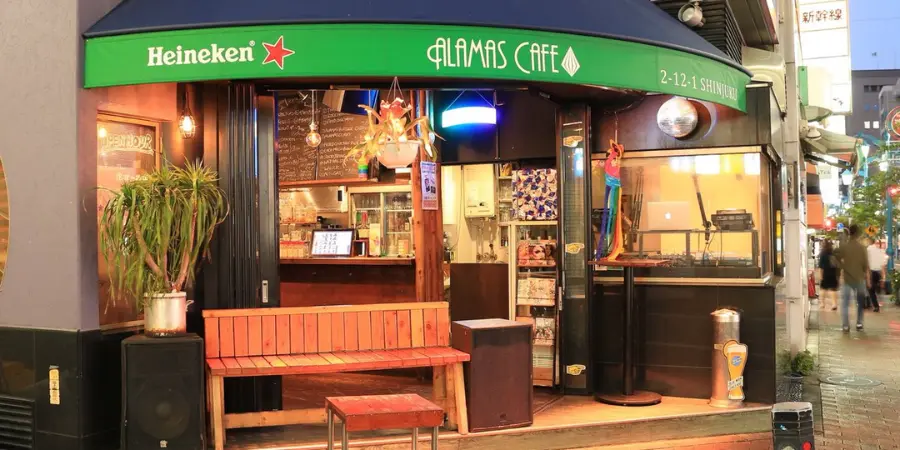
The café’s food does not disappoint either. ALAMAS CAFÉ offers a multinational cuisine with a focus on Mexican dishes like tacos. They also serve an array of beverages from coffee to cocktails! Seasonal specials also make a few visits from time to time to give you more reason to check out their diverse menu.
Price Range: ¥1,000 to 2,000 per person | Opening Hours: 15:00 to 00:00 (Sunday) 18:00 to 2:00 (Mon to Thurs) 18:00 to 5:00 (Fri to Sat) | Location: 2 Chome−12−1 Garnet, 1F
Shinjuku Dialogue
Café by day, bar by night – Shinjuku Dialogue is a café and bar driven by a goal to make the world a better place for all. During the day, it functions as a cosy café offering vegan and eco-conscious food and beverages, with seasonal dishes like miso soup, organic sweets, and specialty drinks such as their Amazake Tea Latte.

Image Credit: GaijinPot Travel
Shinjuku Dialogue is owned by an openly transgender woman named Syun who also facilitates “open dialogues” on the third floor of the space where you can talk about LGBTQ+ related issues and Sustainable Development Goals (SDGs). Another cool feature about this place is that a portion of proceeds from every drink is donated to a social cause!
Price Range: | Opening Hours: 18:00 to 23:00 (Wed to Fri) 11:00 to 17:00, 18:00 to 23:00 (Sat to Sun) | Location: 3 Chome−1−32 新宿ビル1号館 2階
Ashiyu Café & Bar Donyoku
In 2018, three queer women: Kei Izumi, Kaori Ooji, and Satoko Nagamura, decided to open an inclusive café in Ni-chome with a unique twist. In Donyoku, you can eat, drink, and enjoy a footbath! Yes, you heard that right, this café features foot baths (ashiyu) where you can soothe your tired feet while dining, drinking, or reading from their “travelling bookshelf.”
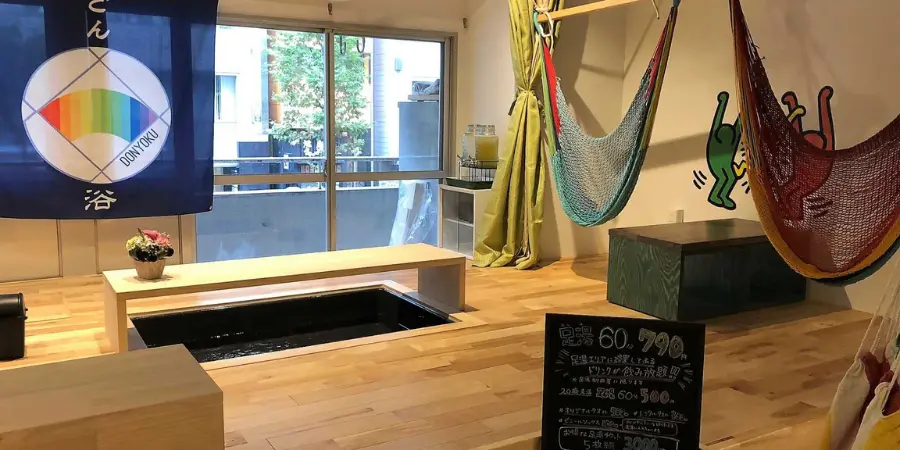
Image Credit: Tokyo Chase
The menu of Donyoku varies, consisting of Vietnamese banh mi sandwiches, roast beef plates, salads, and desserts. The café has a bright and colourful interior with large windows, rainbow-themed art, and even hammocks. Overall, Donyoku is a fun and safe space for everyone to relax and freely be themselves without judgment.
Price Range: ¥1,000 to 2,000 per person | Opening Hours: 14:00 to 22:00 (Sun to Mon, Wed to Sat) | Location: 2 Chome−7−3 ヴェラハイツ新宿御苑 203

Queer-Owned Bookshops, Zines, and Creative Hubs
Gold Finger
From the get-go, Gold Finger is a bar with alcoholic drinks, music, and dancing. You might wonder why we’re adding this to the list, but let us tell you why! In a little corner beside their dance floor sits a tiny library full of books on queer and lesbian subjects. Perhaps while you sip on a drink, you can read through their resources and learn more about queer culture, the bar itself, and Ni-chome in general!

Some nights, Gold Finger hosts mixers where you’re invited to meet and mingle with other eventgoers. As a lesbian bar, they usually host women-only nights but also open the place to all-queer events as well.
Price Range: ¥1,000 to 2,000 per person | Opening Hours: 17:00 to 00:00 (Sun to Thurs) 17:00 to 4:00 (Fri to Sat) | Location: 2 Chome-12-11
Art Bar Hoshio
Hoshio is a hodgepodge of establishments, it is a bar, restaurant, art gallery, music venue, and event space all-in-one! Every two weeks, the place hosts creative exhibitions featuring young and emerging artists such as musicians, photographers, and visual artists. The staff of the place is also manned by different kinds of art practitioners.

Image Credit: Time Out
As queer-owned space, majority of the events in Hoshio are heavily centred on LGBTQ+ themes with an aim to create a place where people can create relationships that transcend various boundaries through art, regardless of gender or sexuality. In Hoshio, every day serves as an avenue for creative queer expression!
Price Range: ¥1,000 to 2,000 per person | Opening Hours: 12:00 to 16:00 (Sun) 11:00 to 18:00 (Mon to Sat) | Location: 2 Chome−6−8 小沢ビル 1F
Pride House Tokyo Legacy
Ni-chome isn’t Ni-chome without Pride House Tokyo Legacy, Japan’s first permanent LGBTQ+ centre that offers free counselling services for queer youth and adults. They also host community events that raise awareness on LGBTQ+ issues and hold one of the largest collections of books on queer subjects.

Image Credit: Time Out
Ever since their opening in 2020, Pride House Tokyo Legacy has become a place of education, support, and celebration within the LGBTQ+ community of Japan. As a tourist, you can drop by and browse their books, attend their community gatherings, or simply enjoy their safe and welcoming environment.
Price Range: Free | Opening Hours: 13:00 to 19:00 (Sun to Tues, Fri to Sat) | Location: 1 Chome−2−9 JF新宿御苑ビル 2階
Merry Go Round
As a live music venue, Merry Go Round does not serve as a bar or nightclub. Rather, it’s a vibrant space that hosts a wide variety of live performances catered to music lovers of all kinds. Whether you’re into rock, punk, or alternative music: Merry Go Round caters to up-and-coming bands and artists who want to make a name for themselves in Ni-chome.

Image Credit: National Geographic
The venue of Merry Go Round has an intimate setting that attracts locals and visitors interested in underground and niche music genres. It has a friendly atmosphere that contributes to Ni-chome’s rich cultural tapestry beyond just nightlife. Here, you get to experience Tokyo’s dynamic music culture in such an inclusive environment.
Price Range: ¥2,500+ (depends on show rates) | Opening Hours: 14:00 onwards (depends on the show schedule) | Location: 1 Chome−31−3 ダイアパレス新宿1丁目 B
Loneliness Books
Loneliness Books is a queer, feminist, and gender-related independent bookstore and publisher based in Ni-chome. Founded by Yo Katami, Loneliness Books specialises in Asian queer literature, poetry, zines, and feminist works based across Japan and Asia. It aims to create a small yet welcoming space for marginalized queer people looking for connection.

Image Credit: Time Out Japan
Although the shop operates mainly online and through pop-ups, you can visit their store which acts as a reading room via reservation only. Every so often, Loneliness Books also holds intimate reading sessions at Tac’s Knot Café in Shinjuku as well.
Price Range: Books typically range from ¥700 to 4,000 | Opening Hours: Depends on reservation time | Location: 1 Chome−56−5 ホシノビル 401号室
Ni-chome Mini Itinerary: A Respectful Half-Day Route
Most itineraries for Ni-chome tend to focus on the nightlife aspect of the district, so we want to introduce to you a guide that explores Ni-chome during the day. Here’s a quick route you can follow that’ll bring you around the different daytime establishments of Ni-chome.
- Start → Arrive at Shinjuku-sanchome Station and use Exit C8 to access Ni-chome.
- 11:00 to 12:00 → From Shinjuku-sanchome Station, take a 1-minute walk to Mr.Tokyo BURGER’S Café for an early lunch without the crowds.
- 12:00 to 13:00 → Only two minutes down the street, walk to Art Bar Hoshio and check out the current art exhibition on display. Speak with the staff and listen to their stories about art in queer spaces!
- 13:10 to 14:10 → Further learn more about the queer community of Ni-chome by visiting Pride House Legacy Tokyo (10-minute walk) and explore the centre’s library, exhibits, and other activities found within the place.
- 14:20 to 15:20 → Rest your feet and proceed to Ashiyu Café & Bar Donyoku from Pride House Legacy Tokyo with a 10-minute walk. Avail of the footbath (¥790/hour) alongside a cup of tea and a book from their book collection.
- 15:25 to 16:30 → End your half-day trip to Ni-chome by visiting Shinjuku Dialogue, which is only a 5-minute walk from Donyoku. Have a light snack and participate in an open dialogue with Syun about the experiences of the LGBTQ+ community of Japan.
- Overall budget: ¥3,500 to 5,000
The Community Aspect: Living in Ni-chome
Ni-chome is a safe space for all, especially for the LGBTQ+ community. From gay men and lesbians to transgender individuals, everyone is welcome to celebrate a community of diversity, equality, and creativity. Although the LGBTQ+ community still remains as a marginalized group in Japan, they still make it a point to freely express their identities thanks to places like Ni-chome.

Image Credit: Time Out
In Ni-chome, you have a dense concentration of queer-friendly bars, restaurants, cafés, and support centres that create an inclusive atmosphere for all. Here, you can participate in a variety of events, performances, and cultural activities beyond bar nights that foster a sense of belonging. Ni-chome’s got the Tokyo International Lesbian & Gay Film Festival (usually held in June or July), the Tokyo Rainbow Pride (held every June), and frequent drag shows!
As you walk through the streets of Ni-chome, you will see how important this district is for the LGBTQ+ community of Japan. Ni-chome is more than just bars and clubs, it also serves as a platform for advocacy, education, and social justice through connection and celebration of the queer identity across generations and backgrounds.

Pitfalls and Etiquette (Read Before You Go)

Image Credit: World Nomads
Take Photos with Consent
In Japan, privacy and respect are deeply valued in their culture. This is emphasised in Ni-chome because some queer people are not comfortable being part of photos as they’re not open about their identities. If you capture any faces without clear consent, make sure to blur them before sharing photos online to maintain privacy and safety. Even with drag queens and queer performers, always ask for explicit permission before taking photos of them.
Be An Ally
Whether you are part of the LGBTQ+ community or not, it’s important to be kind and respectful to everyone regardless of sexuality and gender. While you’re in Ni-chome, avoid making assumptions about anyone’s gender or orientation. If you meet someone new here, use correct pronouns and refrain from asking invasive or overly personal questions. Listen respectfully and encourage healthy conversations to create trust and inclusivity.
Support Local
Ni-chome’s charm comes from its queer-owned businesses so make sure to support them! Besides paying a visit to these establishments, purchase their products and recommend them to your friends and family who plan to visit the area as well. Some places in Ni-chome accept tipping, so you may do so appropriately to show your support.
Sign Up For Newsletters and Listings
One of the best ways to advocate for the rights of the LGBTQ+ community in Tokyo is to stay informed. Sign up for newsletters and check out event calendars posted by community centres, bars, and stores as these platforms share updates about exhibitions, talks, parties, and volunteer opportunities for LGBTQ+ awareness and education.
Split Your Visit to Day or Night
Ni-chome offers very different experiences depending on the time of the day. We highly recommend that you split your visit into two parts: dedicate one trip to daytime events and then reserve an evening to enjoy the district’s nightlife. If you try to explore Ni-chome in one full day, you’ll end up tired trying to cram everything in one go. Enjoy Ni-chome in depth!
Final Thoughts
You think you’ve seen it all with Ni-chome’s nightlife, but after reading this, we’ve opened a new door for you to explore Tokyo’s most beloved LGBTQ+ district. The nightlife, while lively and iconic, is only one part of a rich and diverse neighbourhood that includes chill spots and creative hubs that contribute to a living legacy of queer identity and history.
As you walk through the streets of Ni-chome, look past typical stereotypes and tourist guides by visiting smaller venues, supporting queer-owned businesses, and participating in events that empower and sustain the neighbourhood’s unique spirit. See you in the upcoming Tokyo Rainbow Pride, perhaps?
Embracing Ni-chome’s past, present, and future means becoming part of a bigger story of empowerment, advocacy, and equality. Stand up for this remarkable community and you’ll discover connections and insights that resonate long after your visit ends.
References
1. [ALAMAS CAFE-誰でも入れる2丁目タコスのお店](https://alamas-cafe.net/)
2. [Mr.Tokyo BURGER’S cafeのご予約 – 新宿三丁目/ハンバーガー | 食べログ](https://tabelog.com/tokyo/A1304/A130401/13256926/)
3. [Shinjuku Buan – Shinjuku Gyoemmae/Bistro | Tabelog](https://tabelog.com/en/tokyo/A1304/A130401/13220501/ [Shinjuku Dialogue – GaijinPot Travel](https://travel.gaijinpot.com/shinjuku-dialogue/#:~:text=Shinjuku%20Dialogue%20was%20started%20in%20January%202019%20as,find%20it%20in%20Ni-chome%E2%80%99s%20neighboring%20district%2C%20Shinjuku%20San-chome.)
5. [donyoku.tokyo](https://donyoku.tokyo/)
6. [東京のレズビアンバー|BAR GOLD FINGER](https://www.goldfingerparty.com/bar/)
7. [Art bar星男 新宿2丁目 Art Bar Hoshio Shinjuku 2-chome](https://barhoshio.shopinfo.jp/)
8. [常設の総合LGBTQセンター | プライドハウス東京レガシー](https://pridehouse.jp/legacy/)
9. [MERRY-GO-ROUND](https://merry-g-r.com/)
10. [loneliness books](https://qpptokyo.com/)