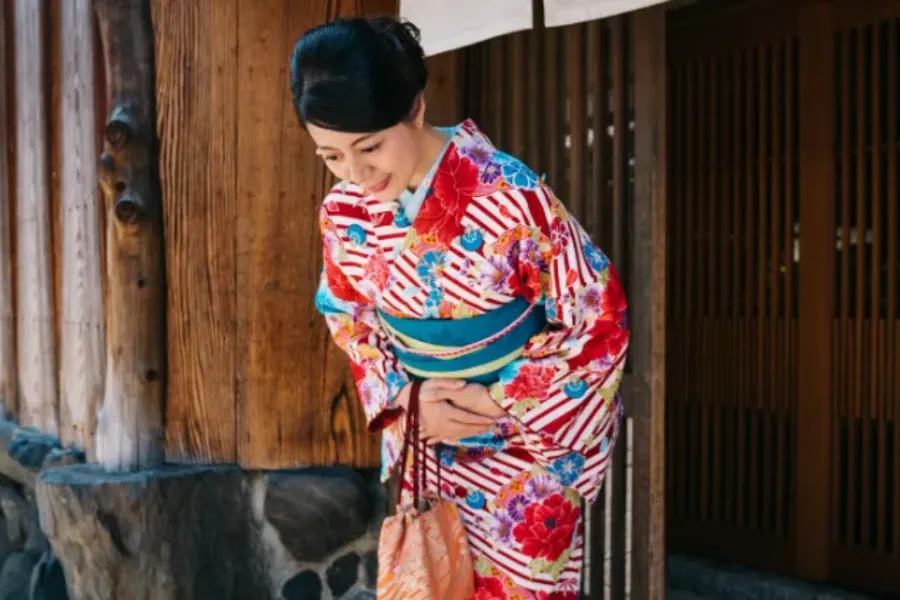
For a few short years, either side of the millennium, Japanese pop culture was loud, cute and gloriously plastic. Tamagotchi beeped in school bags, purikura booths plastered photos with glitter and hearts, and teenage girls in Shibuya turned fake tans and platform boots into a national look.
Now, that world has both a name and a fan base that mostly was not alive to see it the first time. It is called Heisei retro, a mash-up of Japanese Y2K energy and kawaii nostalgia, sometimes tagged online as Juminocore. It is one of the defining nostalgia trends in Japan today: equal parts fashion movement, collector’s hobby and creative rebellion against a too-perfect present.
Heisei Retro at a Glance
What is Heisei retro?
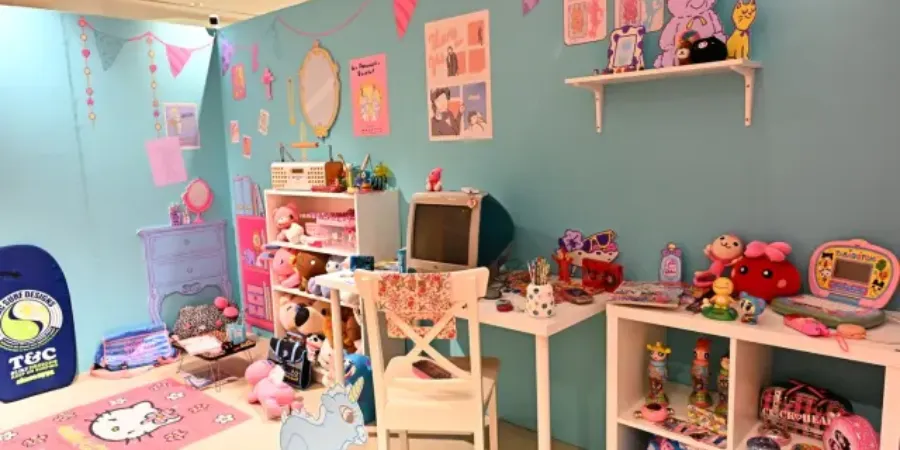
Heisei retro is the revival of the youth culture of late-1990s and early-2000s Japan: the fashion, gadgets, games, snacks and characters of the later Heisei era. The Heisei era itself ran from 1989 to 2019, which is why something so recent can already feel retro. The term is usually credited to Mero Yamashita, a self-described Heisei retro researcher who began using it in 2017. The one unspoken rule is that it must be cute. While the wider Y2K revival in the West leans futuristic and metallic, all chrome and low-rise denim, the Japanese version is softer, more colourful and more character-driven. It’s built on Sanrio, shoujo anime and a maximalist love of stuff. Think less about a single look and more about a feeling: bright, busy, a little childish on purpose, and unmistakably of its moment.
The two diverge more than they overlap:
| Heisei Retro | Western Y2K | |
| Origin | Japanese nostalgia for the Heisei era | Western nostalgia for the late 1990s to early 2000s |
| Style | Cute, colourful, maximal, mixed with anime and pop culture | Futuristic, glossy, metallic, tech-focused |
| Fashion | Gyaru, baggy fits, playful accessories | Low-rise jeans, baby tees, shiny fabrics |
| Tech icons | Flip phones, Tamagotchi, arcade culture | Early internet, iMac-era gadgets, MP3 players |
| Mood | Warm, playful, nostalgic | Sleek, futuristic, millennial/Gen Z retro |

Heisei retro fashion and styling
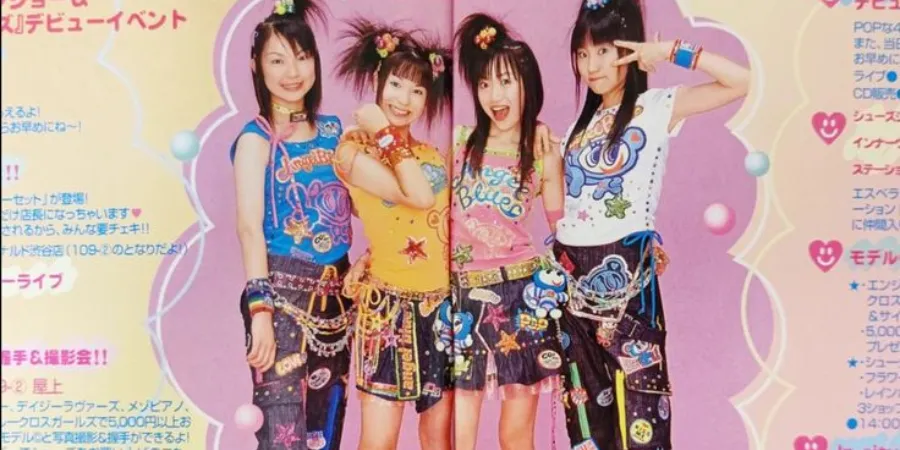
Heisei retro fashion takes its cue from Japanese street style of the period. Think of the base as colour and pattern over neutral minimalism: a raglan tee with a bold graphic, low-rise jeans or denim shorts, colourful ankle socks and chunky colour-block trainers, finished with an oversized hoodie when it turns cold. Accessories, then, carry the look. Belt loops and bag straps disappear under keychains, character charms, beaded necklaces, badges and elaborate fake nails. There is a loose rule that more is more, as long as one picks a colour scheme and commits to it. Done well, it looks joyful and deliberate, not messy.
Gyaru and kogal influence
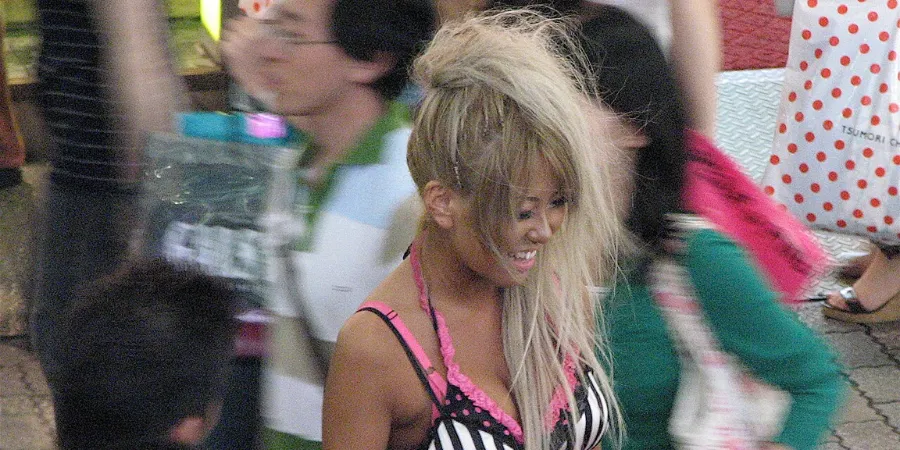
Two older subcultures sit underneath Heisei fashion. Gyaru, and its school-uniform offshoot kogal, gave the era its tanned skin, dyed hair, mini skirts, loose socks and platform shoes. It’s a rebellious break from the demure ideal of Japanese femininity at the time. Their influence runs through almost every Heisei retro outfit.
Accessories and the ita-bag
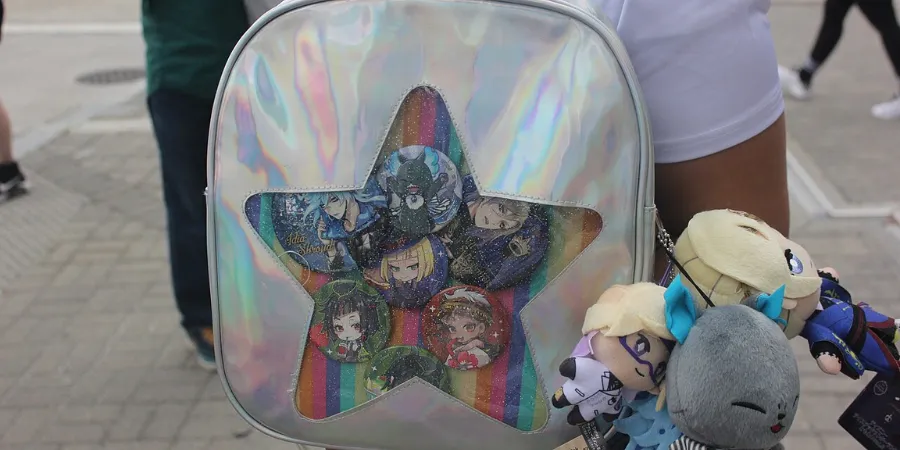
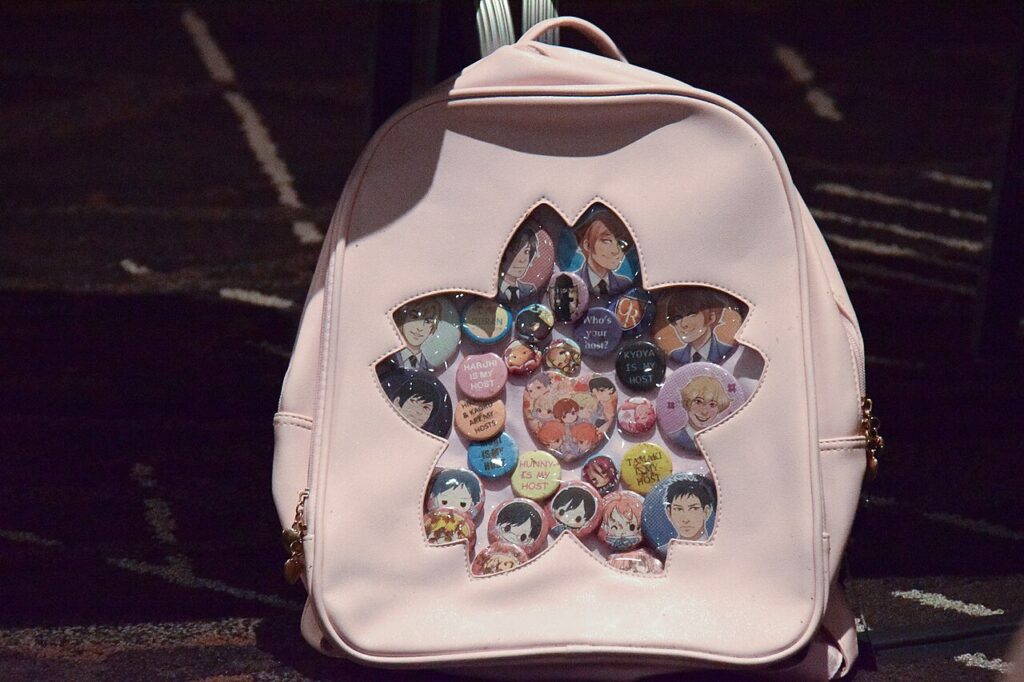
The ita-bag, literally a ‘painful bag’, is a handbag with a clear plastic panel designed to display a small army of plushies and character badges. Born in otaku collector circles as a way to carry someone’s devotion to a favourite character in public, it has since crossed over into mainstream fashion.
Oshikatsu: the fan culture behind the ita-bag
The ita-bag belongs to a wider fan practice called oshikatsu (推し活), which means actively supporting your oshi, your favourite idol, performer or character. Fans buy official goods, wear their oshi’s member colour and build home displays of their merchandise. A January 2026 survey by the marketing companies CDG and Oshicoco estimated that about 19.4 million people in Japan aged 15 to 69 take part, spending around ¥4.1 trillion a year.
Juminocore, explained
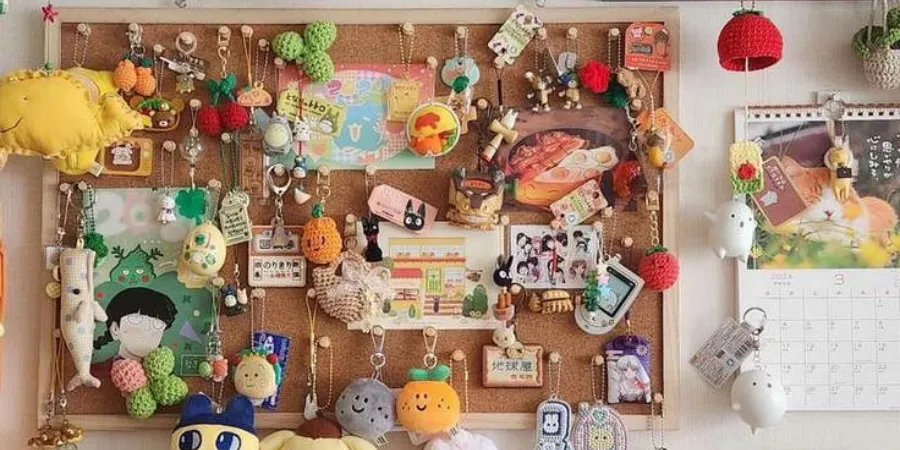
Juminocore is an internet aesthetic that took off on Pinterest and TikTok around 2024. Fan wikis usually credit the name to a TikTok jewellery maker who posts as Juminojewels. It borrows heavily from Heisei retro, built around dense, carefully arranged displays of kawaii trinkets, charms and stickers. Many Heisei retro fans treat the two as separate things: Heisei retro is nostalgia for real Japanese childhoods of the 1990s and 2000s, while Juminocore is a newer look assembled from that material online. It is worth knowing as its own term, because in the US it is now searched for more often than Heisei retro itself.
Heisei retro icons: tech, games and characters
Heisei retro runs on early digital culture and the kawaii characters that defined late-90s youth life. From beep-filled virtual pets to sticker-saturated photo booths and shoujo anime icons, these cultural touchstones are the heartbeat of the aesthetic.
Tamagotchi (1996) and early digital culture
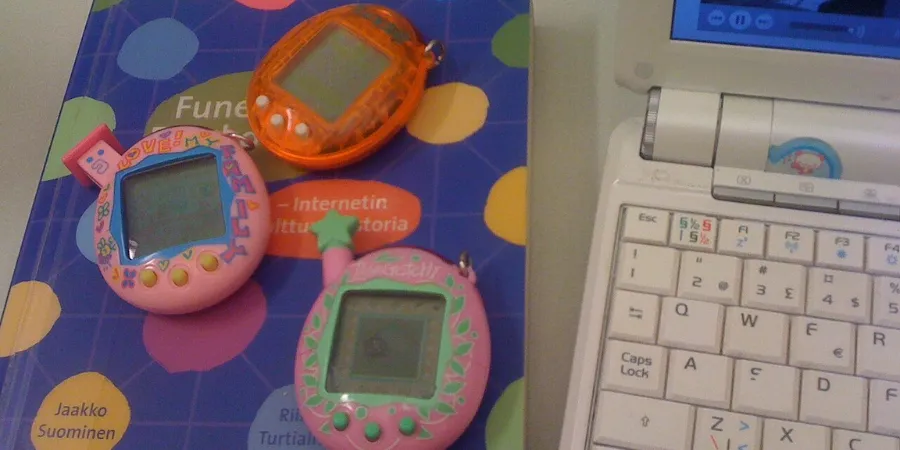
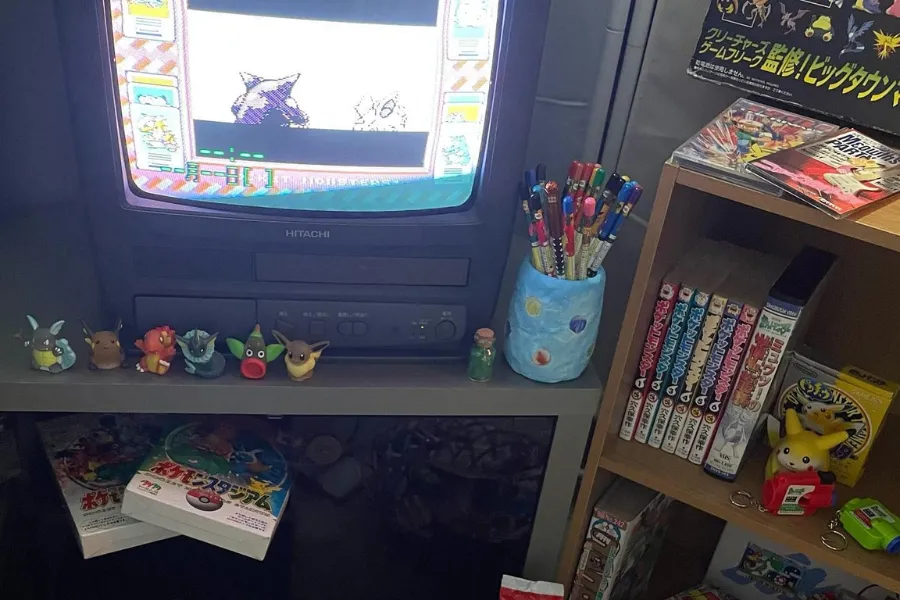
The Tamagotchi, released by Bandai in Japan on 23 November 1996, was a digital pet that beeped and needed feeding, cleaning, and playing. It accidentally became a schoolbag staple and conversation piece, going global in 1997. Alongside it came flip phones, compact digital cameras, MP3 players, and the original PlayStation and Game Boy Color. These gadgets feel tactile today: buttons to press, a screen with low resolution, a device that only does one thing. Even these “flaws” make up the reason why they’re nostalgic now.
Purikura and photo culture
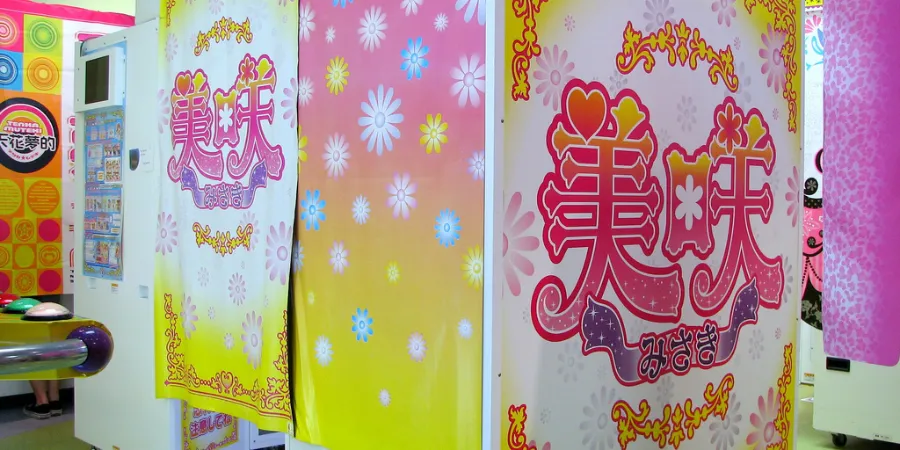
Purikura (print club) photo booths, the analogue ancestor of the selfie, are the social ritual at the centre of Heisei retro. The idea came in 1994 from Miho Sasaki, an employee at the games company Atlus, inspired by the craze for photo stickers among Japanese schoolgirls. Atlus and Sega launched the first machine, Print Club, in 1995. Early booths offered frames, stickers and cute lettering, and later models added beautifying filters and on-screen doodling. The boy band SMAP helped make it famous by handing out their own purikura on the TV Tokyo show Ai Love SMAP!, and about 45,000 machines had been sold by 1997. Today, purikura arcades still exist in Tokyo and other cities. Many still offer the same sticker-heavy, doodled photo strips.
The characters are the late-90s shoujo canon and its neighbours: Sailor Moon, Cardcaptor Sakura, Pokémon, and the full Sanrio cast from Hello Kitty to Pochacco, alongside pop idols like Morning Musume.

Where to experience Heisei retro
It’s easiest to feel Heisei retro in Tokyo. The city preserves the era’s fashion hubs, vintage toy shops, purikura arcades, and retro-style cafes.
Shibuya 109
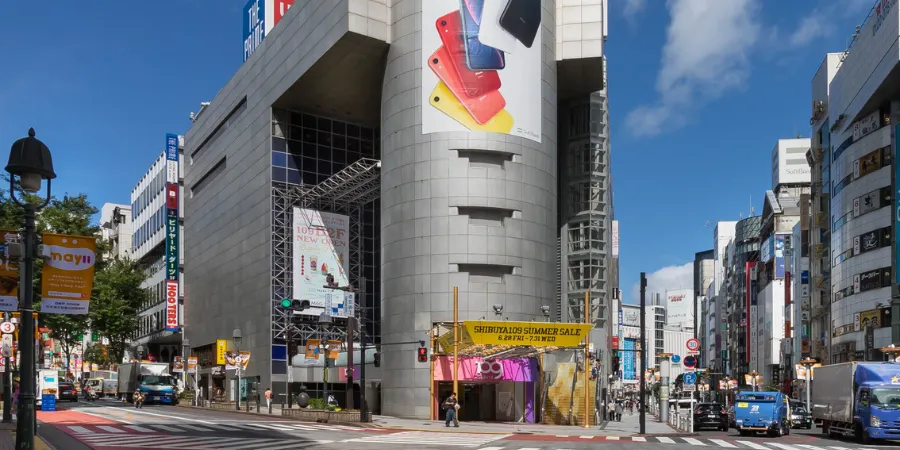
Shibuya 109 was the epicentre of Heisei fashion and still trades on that heritage, floor after floor of the descendants of the gyaru boutiques that made it famous.
Nakano Broadway
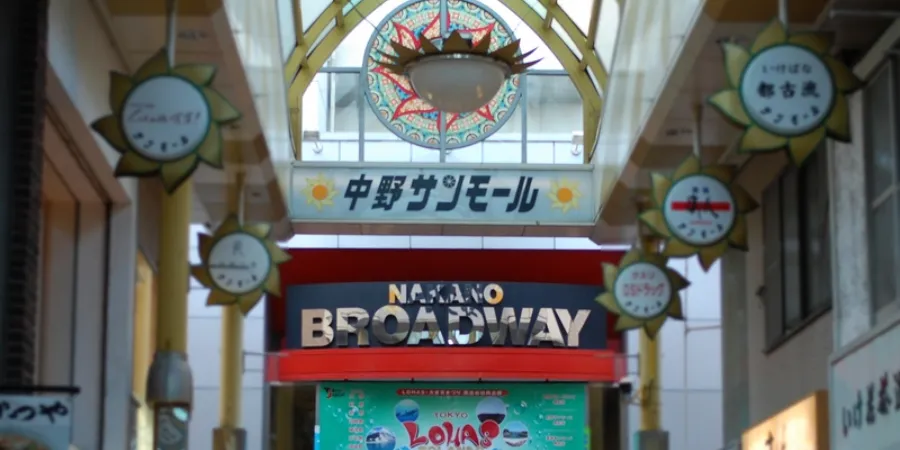
Nakano Broadway is the place for vintage toys, manga and idol memorabilia, a warren of small shops that reward an unhurried afternoon.
Purikura arcades, retro cafes and arcades
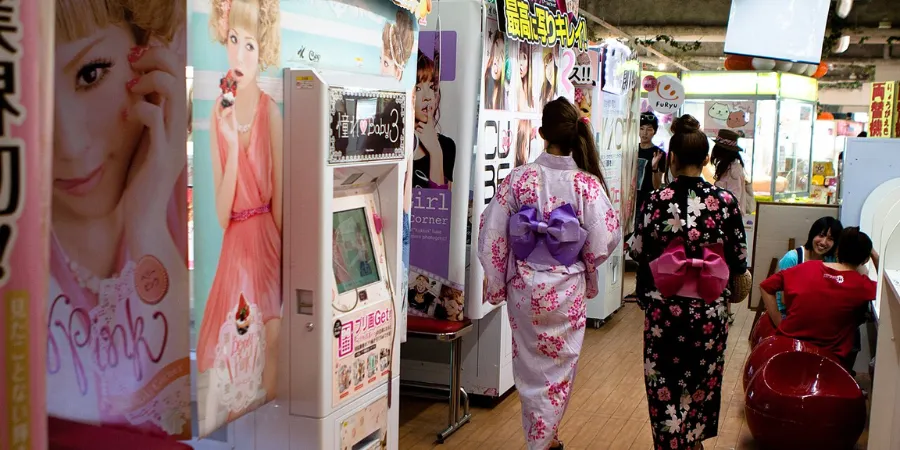
Retro game arcades and the Showa-and-Heisei style cafes that serve cream soda and napolitan give the aesthetic a physical home, and purikura arcades let people take part rather than just look, sticking their own glittered, doodled photo strip in their wallets on the way out. Today, modern machines heavily beautify and lighten skin, add stickers and effects automatically, and make it hard to get an unfiltered shot. That’s part of the fun, though.
Top Heisei retro items to collect
Collecting authentic Heisei-era pieces is one of the quickest ways to recreate the late 1990s and early 2000s aesthetic. Below are the most sought-after items, where to look for them in Tokyo and online, and price ranges based on recent sold prices on Yahoo! Japan Auctions in summer 2026, converted at about ¥209 to the pound. Prices move quickly, so treat them as a guide.
- Original Tamagotchi (1996 to late 1990s)
Where to buy: Yahoo! Japan Auctions records hundreds of sales of first-generation units; the vintage toy shops in Nakano Broadway are worth a look too, though stock varies.
Price guide: Most used originals in common colours sell for ¥400 to ¥5,000 (about £2 to £24), and unopened ones for ¥1,500 to ¥6,000 (£7 to £29). Rare variants such as the Angel and Devil Tamagotchi fetch ¥12,000 to ¥25,000 (£57 to £120). Bandai’s 30th anniversary reissue of the original costs ¥3,080 (about £15) new. - Purikura albums and sticker sheets
Where to buy: Purikura machines are still live in game centres around Shibuya, Ikebukuro and other amusement arcades. Blank Heisei-era purikura albums and official sticker sheets turn up on Mercari and Yahoo! Japan Auctions. Old photo strips of real people are not really traded, so the best way to get one is to take your own.
Price guide: Blank albums sell for ¥300 to ¥1,500 (about £1.50 to £7), and official or celebrity sticker sheets for ¥500 to ¥4,000 (£2.50 to £19). - Vintage Sanrio merchandise (Hello Kitty, Pochacco and more)
Where to buy: Yahoo! Japan Auctions lists thousands of Heisei-era Sanrio pieces; kawaii shops in Harajuku and on Takeshita-dori sell new retro-style goods.
Price guide: Small items such as clips, stickers and letter sets usually sell for ¥300 to ¥2,500 (about £1.50 to £12); plush toys and bundles for ¥1,000 to ¥10,000 (£5 to £48), with rare pieces going higher. - Gyaru-era clothing and accessories (platform shoes, loose socks, decorative keychains)
Where to buy: Mercari and Yahoo! Japan Auctions are the most reliable sources for original pieces. Vintage shops in Harajuku, Shimokitazawa and Koenji are worth browsing, but original gyaru items are hit and miss.
Price guide: Original loose socks sell for ¥1,000 to ¥12,000 (about £5 to £57), with long E.G. Smith pairs at the top end. Original platform boots are rarer, and the few recent sales sat at around ¥12,000 to ¥15,000 (£57 to £72). - Ita-bags and character badge sets
Where to buy: New bags from shops such as Zakkamart and WEGO, plus anime stores in Akihabara and Nakano Broadway; used bags and badge sets on Yahoo! Japan Auctions.
Price guide: A new ita-bag costs roughly ¥4,000 to ¥9,000 (about £19 to £43), and used ones sell for ¥1,000 to ¥4,000 (£5 to £19). Badge sets range from about ¥1,200 to ¥38,000 (£6 to £182), depending on the character and size. - Retro handhelds and early flip phones (for display)
Where to buy: Retro game shops such as BEEP and Yahoo! Japan Auctions, where these devices sell in large numbers.
Price guide: A working Game Boy Color sells for ¥5,000 to ¥13,000 (about £24 to £62), with boxed or limited colours costing more. Early Japanese flip phones (garakei), often sold untested, go for ¥1,000 to ¥5,000 (£5 to £24). - Idol and manga memorabilia (late 1990s to early 2000s)
Where to buy: Nakano Broadway, Mandarake and Akihabara for posters, photobooks and CDs; Yahoo! Japan Auctions for rarer items.
Price guide: Most photobooks and posters, including Morning Musume titles, sell for ¥300 to ¥3,000 (about £1.50 to £14), and only rare items climb past ¥10,000 (£48).
Why Heisei retro is back now
The revival is driven by the same platforms that killed the era’s analogue charm in the first place. Instagram, TikTok and Pinterest have turned Heisei nostalgia into a visual language that spreads fast. The trend bridges two audiences: those who lived through it and feel the pull of their own childhood, and a younger Gen Z discovering it second-hand and finding it impossibly charming. Part of the appeal is a reaction against the seamless, screen-flat present. A flip phone that only makes calls, a digital camera with a grainy sensor, a wall of plastic charms one can actually hold: these things are tactile and imperfect in a way a smartphone is not, and that imperfection is much of the point. In a culture that prizes the new, choosing the slightly broken old thing is its own small statement.
Frequently Asked Questions (FAQs)
What is Heisei retro?
Heisei retro is a revival of Japanese youth culture from the late-1990s and early-2000s. It encompasses fashion, gadgets, games and characters. The Heisei era ran from 1989 to 2019. Interestingly, the recent past now counts as retro.
Is Heisei retro the same as Y2K?
They overlap, but Y2K in the West leans futuristic and metallic, while Heisei retro is softer, cuter and more character-driven, built on Sanrio, shoujo anime and gyaru street style.
When did Tamagotchi originally come out?
Bandai released the Tamagotchi in Japan in 1996; it became a global craze by 1997 to 1998.
Where in Tokyo can I experience Heisei retro?
Key spots include Shibuya 109 for fashion, Nakano Broadway for vintage toys and manga, purikura arcades, and retro-style cafes and arcades.
How can I spot authentic Heisei-era merch?
Look for original branding, era-specific packaging, maker marks (Bandai, Sanrio), and seller provenance; photos of the item and closeups of labels help confirm authenticity.
What is Juminocore?
Juminocore is an internet aesthetic that grew on Pinterest and TikTok around 2024. It borrows from Heisei retro, with dense displays of kawaii trinkets and charms, and fan wikis credit the name to a TikTok jewellery maker who posts as Juminojewels.
Are purikura booths still available?
Yes, many purikura arcades in Tokyo and other Japanese cities operate today, though models and features vary. Check specific locations before visiting.
How can I recreate purikura-style photos at home?
Use a plain background, soft lighting, and mobile apps or photo editors for soft-focus filters, stickers and on-screen doodles; add props like character keychains and glitter for authenticity.