Oshikatsu (推し活) is the Japanese word for actively supporting your favourite person or character, your oshi. That can mean buying every single a singer releases, filling a bag with badges of an anime character, travelling across the country for a concert, or throwing a small birthday party for someone who will never know it happened.
It has grown from idol fan slang into one of the biggest consumer trends in Japan, and part of the same wave of Japanese fan and nostalgia culture now spreading online. This guide explains what the words mean, where they came from, what fans actually do, what it costs, and how to take part from the UK.
What This Oshikatsu Guide Covers
What oshi means: from the verb “to push”
Oshi (推し) comes from the verb osu (推す), which means to push, and also to recommend or back someone. Your oshi is the person you push forward: the member of a group you champion above the rest, or the character you would put your name to. Katsu (活) is short for katsudō, activity. Together, oshikatsu means oshi activities, everything you do to support your favourite.
An oshi can be almost anyone or anything. In a 2023 survey of 1,000 people by Rakuten Insight, 32.4 per cent of fans named a Japanese idol, 24.9 per cent a musician and 18.1 per cent a manga or anime character. Actors, VTubers, sports stars and K-pop members all count too.
What turns liking someone into oshikatsu is action. An oshi is someone you actively support, with your time, your money or your voice.


From idol message boards to a 2021 buzzword shortlist
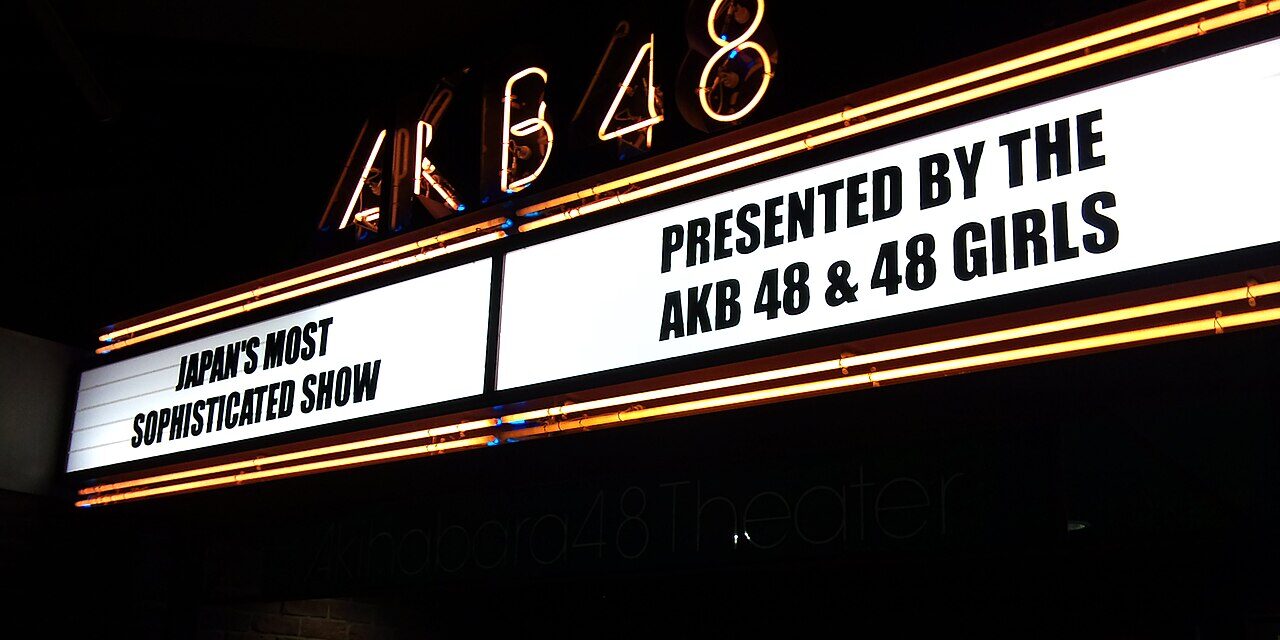
The word oshi began as slang among idol fans. Japan’s National Consumer Affairs Center, in its July 2023 bulletin, traces it to idol fan circles around the 1980s and says it spread through Morning Musume fans on online message boards. AKB48, the Akihabara idol group whose fans voted in annual elections between 2009 and 2018 to decide which members stood at the front, carried it into everyday speech.
Japan’s annual buzzword awards, run by the publisher Jiyu Kokuminsha and sponsored by U-Can, show how far it travelled. Oshimen, a fan’s favourite group member, was on the 2011 shortlist, and oshikatsu itself was nominated in 2021.
The same year, Rin Usami won the 164th Akutagawa Prize, one of Japan’s most prestigious literary awards, with Oshi, Moyu, a novel about a high school student whose life revolves around a pop idol. It is published in the UK by Canongate as Idol, Burning, translated by Asa Yoneda.
By 2025 the culture had produced its own spin-offs. Nui-katsu, taking plush toys of your favourite out and about, made that year’s buzzword shortlist.
19.4 million fans and ¥4.1 trillion: who does oshikatsu

The most quoted figures come from Oshikatsu Soken, a research unit run by the marketing companies CDG and Oshicoco. Their January 2026 survey of 23,125 people aged 15 to 69 estimated that 24 per cent of that age group, about 19.4 million people, do oshikatsu, and that the market is worth about ¥4.1 trillion a year. A year earlier, the same survey put the figures at 13.84 million people and about ¥3.5 trillion.
Averages hide a lot. The 2026 survey gave average spending of ¥209,716 a year per fan, but the median fan, the one in the middle, spends only about ¥40,000. A smaller group of heavy spenders pulls the average up.
It is far from a teenage hobby. Video Research found in 2024 that 62.1 per cent of Gen Z, which it defines as people aged 15 to 26, have an oshi, and about one in four people in older generations. The lifestyle company Harumeku found the same year that 46.1 per cent of the women aged 50 and over on its survey panel had one.
The government has noticed. A November 2025 column by Ministry of Finance staff described oshikatsu as a market expected to benefit a wide range of industries beyond tourism, retail and entertainment.
Ita-bags, member colours and plush photos: what fans do
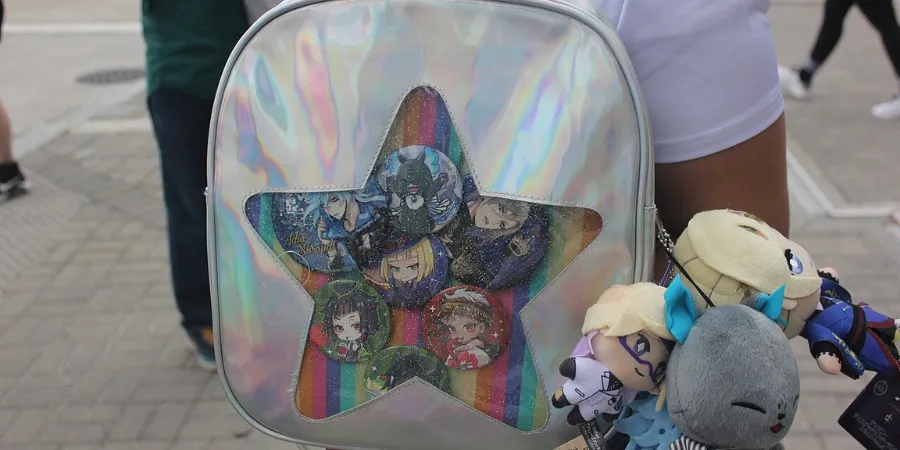
- Buying official goods. CDs, photobooks, acrylic stands, badges and plush are the backbone of oshikatsu, and many releases come in several versions.
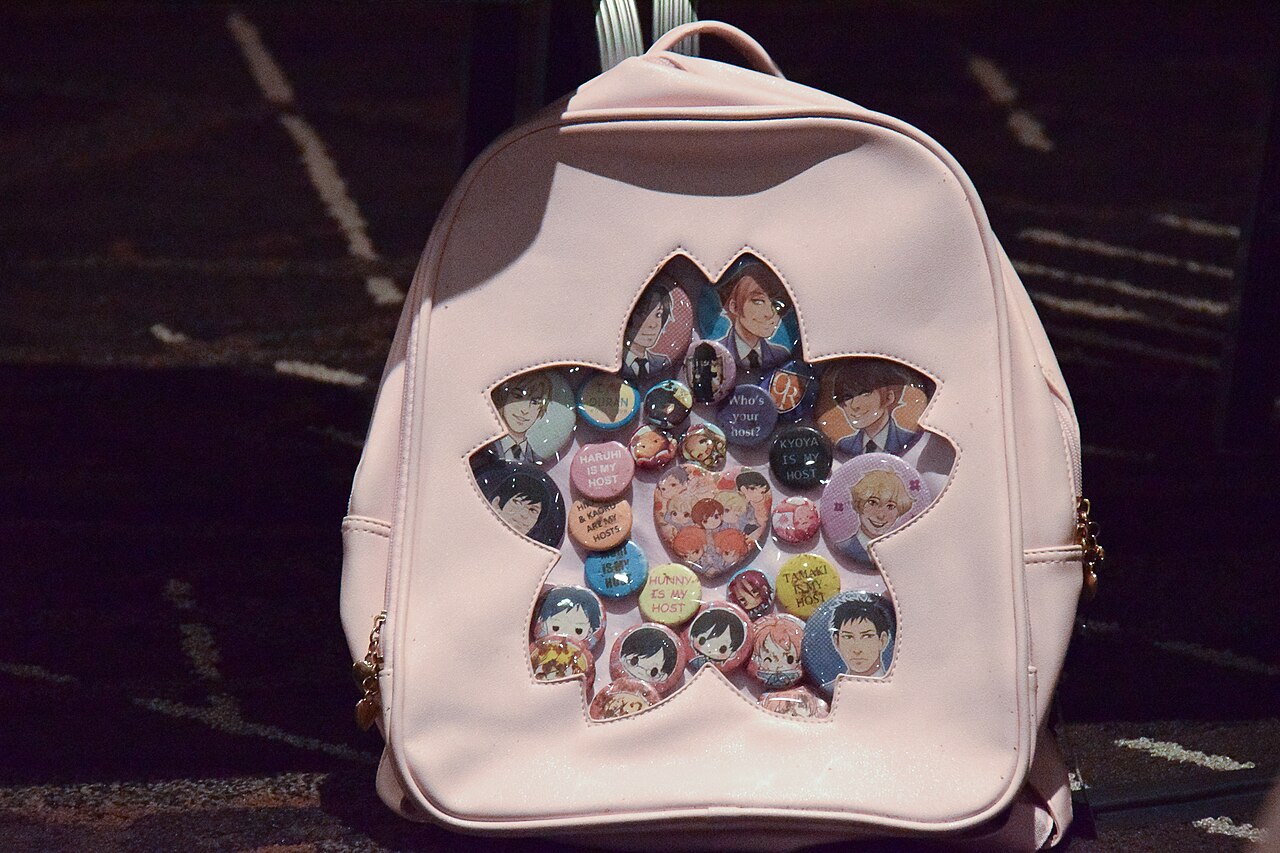
- Ita-bags. An ita-bag (痛バッグ) is a bag covered in badges, plush or keyrings of one oshi, often with a clear panel to show them off. Our guide to Heisei retro looks at how the ita-bag crossed into mainstream fashion.
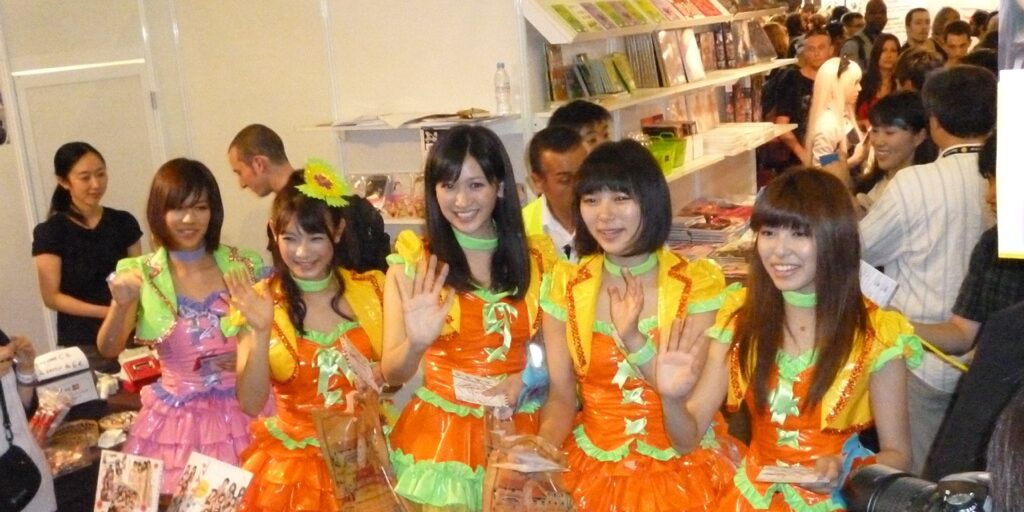
- Member colours. Many idol groups give each member an image colour. Fans wear their oshi’s colour, called oshi-iro, and light penlights in it at concerts.
- Home displays. A saidan (祭壇), literally an altar, is a shelf or corner at home arranged to show off merchandise.
- Plush photos. Nui (ぬい) are small plush figures of an oshi. Fans take them to cafés and on trips and photograph them, a habit called nui-dori.
- Pilgrimages. Seichi junrei (聖地巡礼), a pilgrimage to sacred ground, means visiting places linked to your oshi: filming locations, concert venues, or real places that appear in an anime.
- Birthdays and graduations. Fans often mark an oshi’s birthday with a celebration of their own, and gather to see a member off when they leave a group, which idol groups call graduation.





Kami-oshi, hako-oshi and dōtan kyohi: the words fans use
Japanese fan culture has a large vocabulary. These are the terms you will meet most often.
- Oshi (推し): your favourite, the person or character you support.
- Oshimen (推しメン): your favourite member of a group.
- Tan-oshi (単推し): supporting one member only.
- Hako-oshi (箱推し): supporting the whole group. Hako means box.
- Kami-oshi (神推し): your absolute favourite, supported with even more intensity than a tan-oshi.
- DD: short for dare demo daisuki, “I love anyone”, a fan who supports several people at once.
- Oshi-iro (推し色): your oshi’s member colour.
- Dōtan kyohi (同担拒否): refusing to befriend other fans of the same member.
- Saidan (祭壇): a home display of merchandise.
- Nui (ぬい): a plush figure of your oshi. Nui-katsu is doing things with it.
- Ita-bag (痛バッグ): a bag covered in your oshi’s badges or plush.
- Seichi junrei (聖地巡礼): visiting places linked to your oshi.
- Sotsugyō (卒業): graduation, when a member leaves a group.
- Oshi-zukare (推し疲れ): oshi fatigue, burning out from fandom.
Debt, fatigue and the cost of devotion
Oshikatsu has a cost, and Japanese regulators and researchers have started to count it. Japan’s Consumer Affairs Agency reported in its 2022 white paper that 42.1 per cent of people in their late teens and 31.8 per cent of people in their twenties spend money supporting celebrities or characters. The National Consumer Affairs Center has also warned about tipping on live streams, recording at least 102 complaints about it in 2021, nearly half involving minors.
A 2025 survey by the law firm Hibiki of 2,810 people who do oshikatsu found that 11.6 per cent had borrowed money for it, and that 8.4 per cent of those borrowers owed ¥1 million or more. Law firms that handle debt cases have an interest in the subject, so treat these figures as a warning sign for a minority of fans.
Fans have their own word for the emotional side: oshi-zukare, oshi fatigue, the exhaustion of keeping up with every release, stream and event. Simple limits help: a monthly budget, skipping releases you do not really want, and time away from fan accounts.
Oshikatsu in London and the UK

You can do oshikatsu without living in Japan. London now has official Japanese character shops, and anime and J-pop concerts reach the UK every season.
Where to buy oshi goods in London
- animate London, a pop-up from the Japanese anime retailer at The Sidings in Waterloo Station, sells badges, acrylic stands, keychains, figures, CDs and art books. Check its hours before you go.
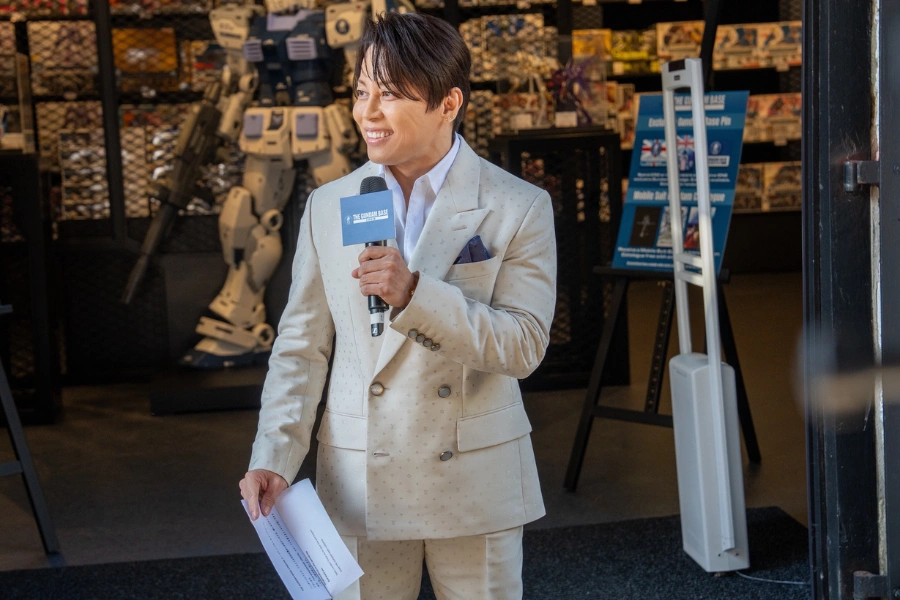
- The Gundam Base London opened on 3 July 2026 in the Stables Market, Camden, as the first permanent official Gundam store in the UK. Our interview with Bandai’s brand manager goes inside.
- Bandai Namco Cross Store Camden, next door, sells capsule toys, Ichiban Kuji prize draws, figures and character goods.
- Forbidden Planet London Megastore, at 179 Shaftesbury Avenue, carries a large manga range.
Concerts, conventions and screenings
- LiSA plays Troxy in London on 22 September 2026. Here is what to expect from her London setlist.
- The Sound of Epic Anime fills the Royal Festival Hall on 25 September 2026 and Symphony Hall, Birmingham, on 15 November 2026.
- MCM Comic Con London runs at ExCeL London from 23 to 25 October 2026.
- Scotland Loves Anime screens films at Glasgow Film Theatre from 6 to 8 November and in Edinburgh from 16 to 22 November 2026.
- MinamiCon 32 takes over the Novotel Southampton from 12 to 14 March 2027.
- Hyper Japan ran at Olympia London from 24 to 26 July 2026. Dates for 2027 have not been announced yet.
Buying from Japan: import costs
Much official merchandise is only sold in Japan, so UK fans often import it. GOV.UK sets out the rules:
- For goods worth £135 or less, the seller usually charges VAT at checkout, and Great Britain charges no customs duty on most goods at that value.
- For goods worth more than £135, you pay VAT, worked out on the total including postage and insurance, plus any customs duty, to the courier before delivery.
- The government plans to remove the £135 customs duty relief by October 2028 at the latest.
- Proxy buying services such as ZenMarket and Buyee buy from Japanese sites like Mercari and Yahoo! Auctions and send the goods on to you, for a service fee. ZenMarket’s fee starts at ¥300 an item.
Oshikatsu: Frequently Asked Questions
What does oshi mean?
Oshi (推し) means your favourite, the person or character you actively support. It comes from the verb osu, to push or recommend.
What is oshikatsu in English?
Oshikatsu translates roughly as oshi activities, or supporting your favourite. It covers buying goods, going to events, making fan displays and visiting places linked to your oshi.
Can your oshi be a fictional character?
Yes. Anime, manga and game characters are common oshi. In Rakuten Insight’s 2023 survey, 18.1 per cent of fans named a manga or anime character.
Can you have more than one oshi?
Yes. Fans who support several people at once are sometimes called DD, and fans who support a whole group are hako-oshi.
How much do Japanese fans spend on oshikatsu?
The January 2026 CDG and Oshicoco survey put average spending at ¥209,716 a year, but the median fan spends about ¥40,000.
Can you do oshikatsu in the UK?
Yes. London has animate’s pop-up at Waterloo and Bandai’s stores in Camden, UK concerts and conventions run through the year, and proxy services can ship official goods from Japan.