Haruki Murakami was 15 when he heard Art Blakey and the Jazz Messengers play in Kobe in January 1964. Ten years later he opened a jazz bar in Tokyo, and he was still running it when he wrote his first novel. By his own account, jazz is also what taught him how to write. This guide covers the bar, the records, the books he has written and translated about jazz, and the places where his jazz life can still be seen today, including Jazz at Peter Cat at the Barbican on 21 November 2026.
Inside Haruki Murakami's Jazz Bar and Record Collection
Art Blakey in Kobe, January 1964: where Murakami’s jazz began
Murakami was born in Kyoto in 1949 and grew up near Kobe. In January 1964 he went to see Art Blakey and the Jazz Messengers, with Freddie Hubbard on trumpet, Curtis Fuller on trombone, Wayne Shorter on saxophone and Cedar Walton on piano. He later told Harper’s Magazine that he “had never heard such amazing music” and was hooked.
Stan Getz came next. In a 2020 interview with the Japanese literary magazine Bungakukai, Murakami said the first Getz record he bought, while still at high school, was the 1961 album Focus.
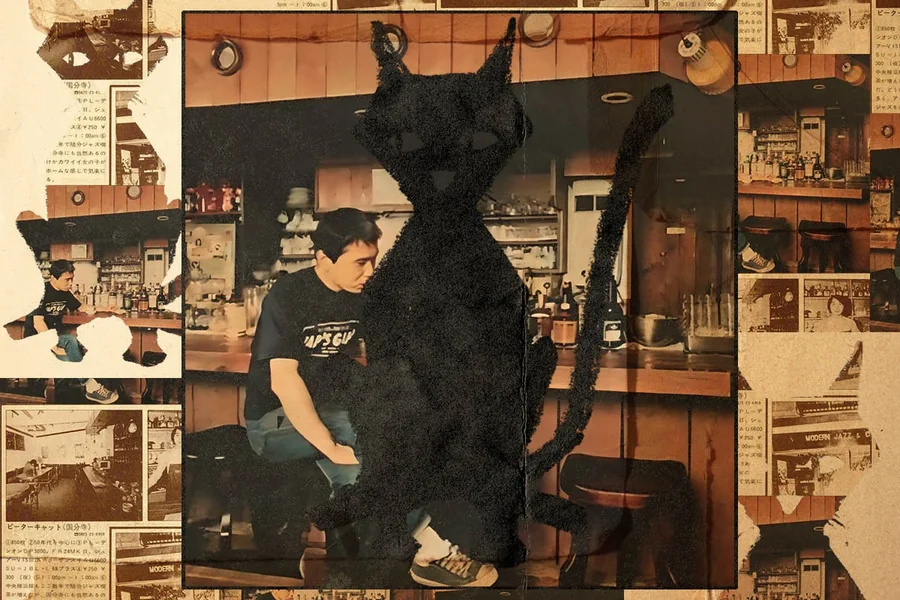
Peter Cat, the jazz bar Murakami ran from 1974 to 1981
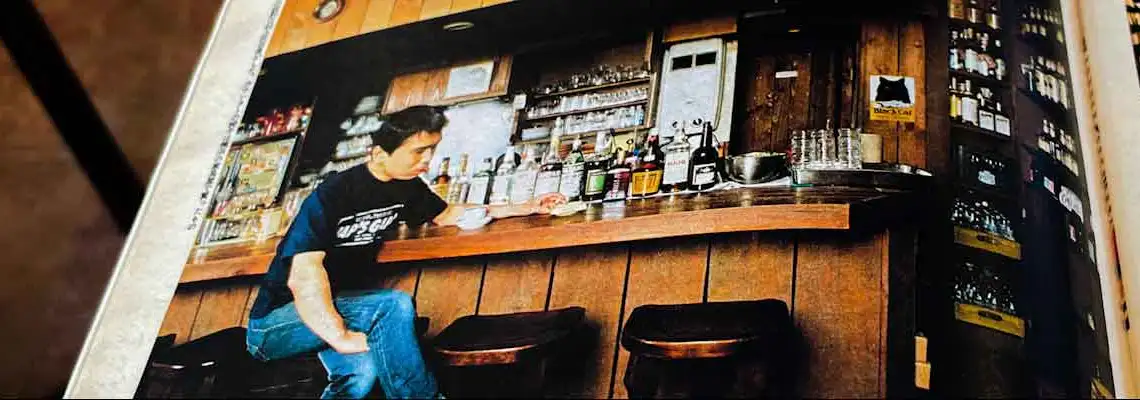
In 1974, aged 25 and still a student at Waseda University, Murakami opened a jazz bar with his wife Yoko. He named it Peter Cat, after one of their cats.
Kokubunji, 1974 to 1977
The first Peter Cat was a basement near Kokubunji Station in western Tokyo. It served coffee during the day and drinks and food at night, with live jazz at weekends. Murakami washed the dishes, mixed the drinks, swept the floor and booked the musicians. Between sets he played records from his own collection of around 3,000 LPs.
Sendagaya, 1977 to 1981
In 1977 the bar moved to a second floor room in Sendagaya, close to Jingu Stadium. The new Peter Cat had a grand piano and enough space for a quintet, and the couple filled it with cat ornaments. Business was good. Murakami closed the bar in 1981 to write full time.
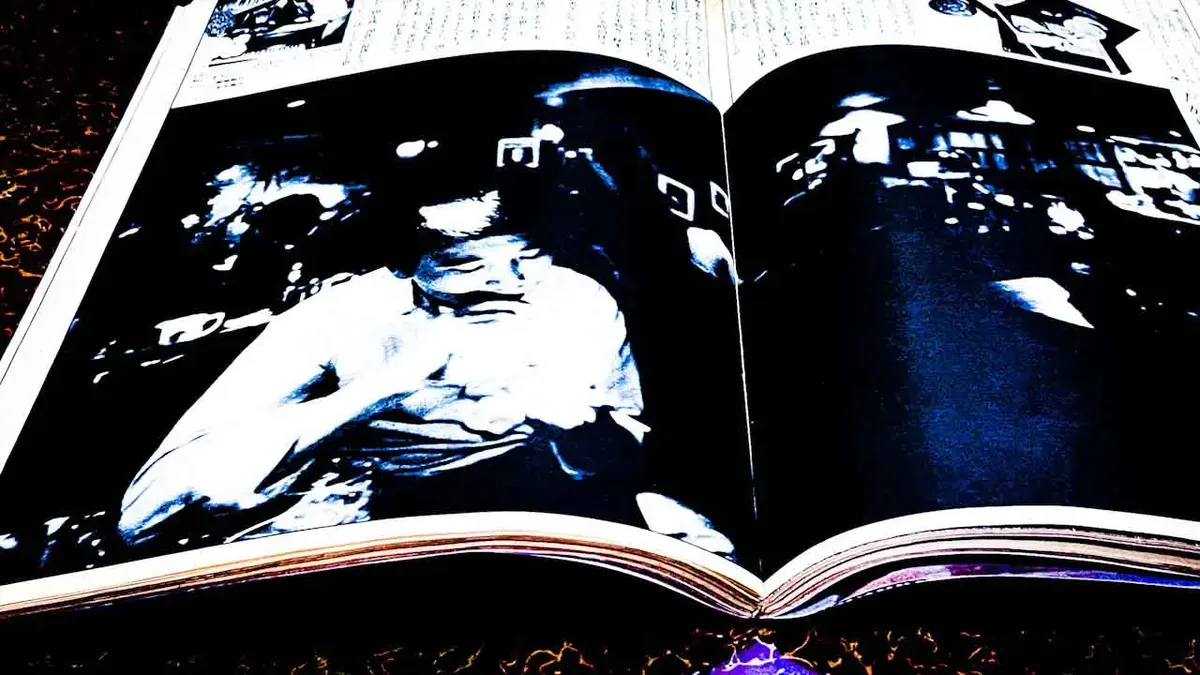
Peter Cat ran in the years when Tokyo’s jazz kissa, the cafés built for listening to jazz records, were still a normal part of city life. Its mix of daytime coffee, records and evening sessions came straight from that world.
The Jingu Stadium double that turned a bar owner into a novelist
In April 1978 Murakami went to the opening game of the Central League season at Jingu Stadium, a short walk from the Sendagaya bar. The Yakult Swallows were playing the Hiroshima Carp. When the American batter Dave Hilton hit a clean double, Murakami suddenly thought, as he recalled in Literary Hub, “I think I can write a novel.”
He wrote Hear the Wind Sing late at night at his kitchen table, after closing the bar. He began it in English on an Olivetti typewriter and then rewrote it in Japanese, and he has said that working within a small English vocabulary gave him a simpler style. The novel won the Gunzo New Writers Prize in 1979. He kept running Peter Cat for two more years.
Murakami’s rule that writing starts with rhythm
Murakami has never played jazz professionally, yet he says music is where he learned to write. In his 2007 essay “Jazz Messenger” for The New York Times, he set out the idea plainly: “Whether in music or in fiction, the most basic thing is rhythm.”
He went on to match each part of a jazz performance to writing. Melody is the arrangement of words to fit the rhythm. Harmony is the inner sound that supports those words. Improvisation, the part he says he likes best, is when the story comes “welling out freely from inside”. He has also said that he almost always works with music playing.
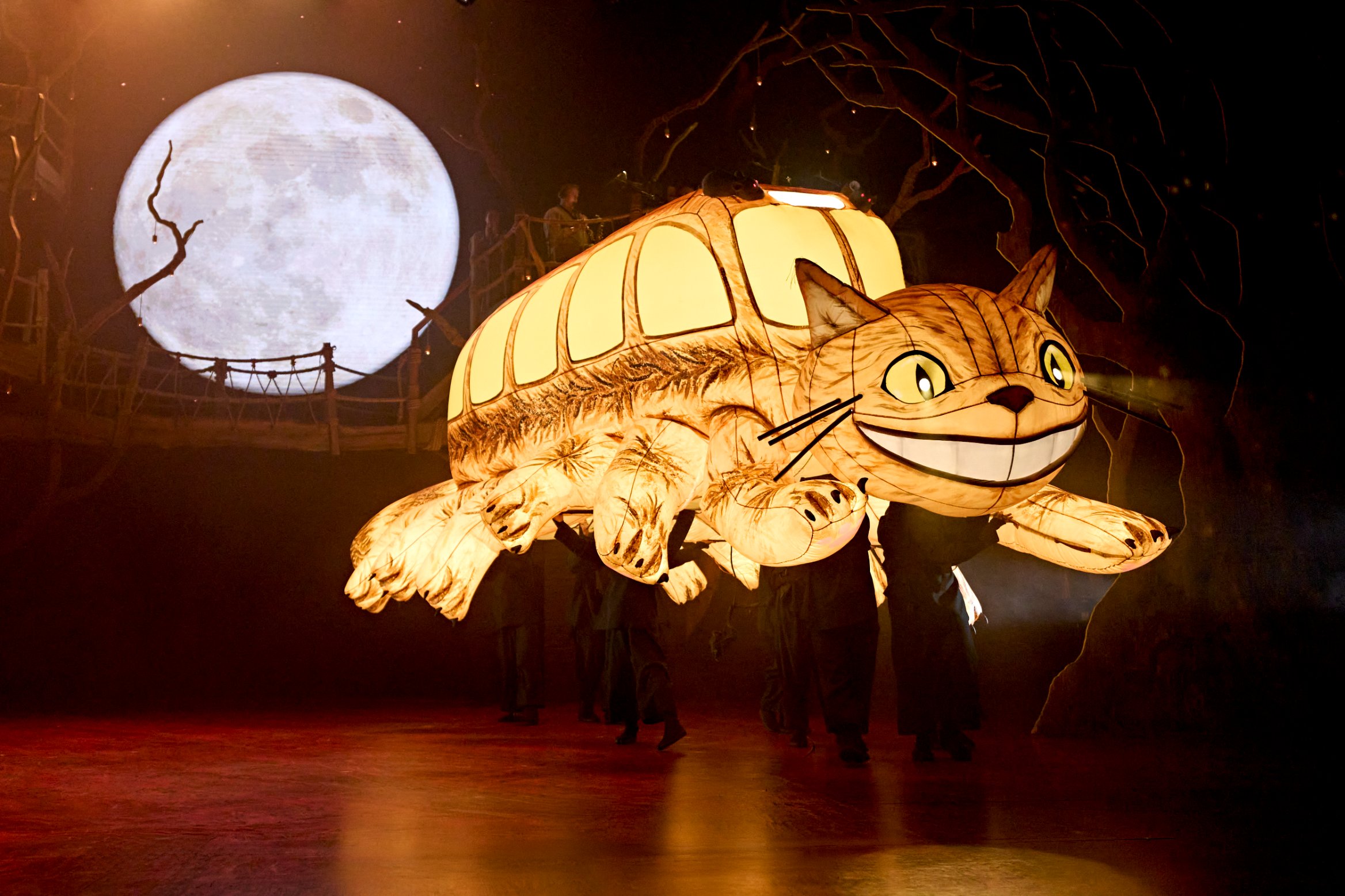

Jazz in Murakami’s novels and stories
Jazz turns up across his fiction, sometimes as a passing record on a turntable and sometimes as the setting for a whole book. If you are new to his books, he leads our list of Japanese authors to read. The London radio station NTS has put together a mix of the jazz named in his novels, which makes a good soundtrack for this section.
Norwegian Wood (1987) and DUG in Shinjuku
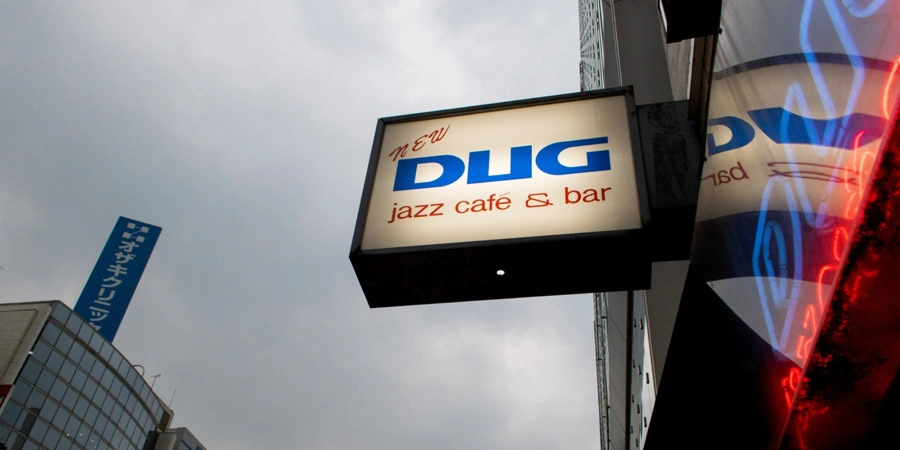
The novel takes its title from a Beatles song, and jazz runs through it too. Watanabe and Midori go down to DUG, a real jazz bar behind the Kinokuniya bookshop in Shinjuku, where Murakami himself often listened to Miles Davis’s Miles in the Sky. DUG closed for good on 27 June 2026, and our guide to Shinjuku’s jazz kissaten covers its history and the bars that are still open.
South of the Border, West of the Sun (1992)
This is the novel closest to his own life. Its narrator, Hajime, uses money from his father in law to open a jazz bar in Tokyo and ends up owning two. The title comes from the song “South of the Border”, which Hajime and Shimamoto, his childhood friend, listened to on a Nat King Cole record as children. The English translation by Philip Gabriel appeared in 1999.
After Dark (2004)
After Dark follows one night in Tokyo. Its young hero, Takahashi, is a trombonist, and the title shares its words with “Five Spot After Dark”, the opening track of Curtis Fuller’s 1959 album Blues-ette. Fuller was one of the musicians Murakami saw with Art Blakey in Kobe in 1964. Jay Rubin’s English translation came out in 2007. This is the track, from the Savoy Jazz label’s own channel.
Charlie Parker Plays Bossa Nova (2018)
In this short story, collected in First Person Singular (2020, English 2021), a student writes a review of an imaginary Charlie Parker album recorded in 1963. Parker died in 1955, so the record cannot exist. Years later, the narrator finds it in a record shop in New York. The story first appeared in English in Granta in 2019.
Portrait in Jazz and the Stan Getz biography
Murakami has also written about jazz directly. Portrait in Jazz, first published in Japan in 1997 and followed by a second volume, pairs his short essays on jazz musicians with portraits by the illustrator Makoto Wada. Each entry ends with a recommended record. The books have not been translated into English.
His love of Stan Getz led to a large translation project. In August 2019 the publisher Shinchosha released his Japanese translation of Donald L. Maggin’s biography Stan Getz: A Life in Jazz, a book of almost 600 pages. He has described the essence of Getz’s music as lyricism, with a cruel demon behind the beautiful spirit.
Not all of his writing on music is about jazz. Absolutely on Music, his book of conversations with the conductor Seiji Ozawa, is about classical music, and his essays also cover Schubert, the Beach Boys and Bruce Springsteen.
The record collection and the Haruki Murakami Library at Waseda

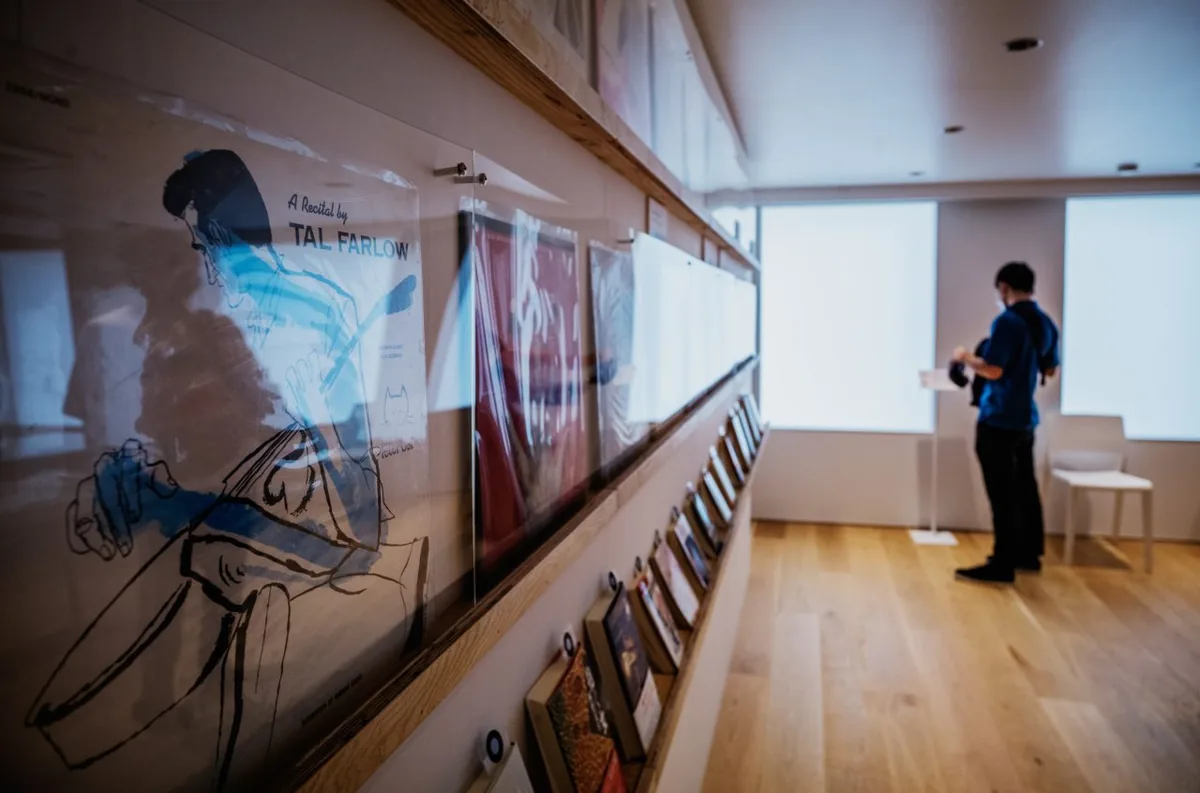
The figure most often quoted for Murakami’s record collection is around 10,000 LPs, most of them jazz. Murakami has given his records, manuscripts and other material to Waseda, his old university, where they are held at the Waseda International House of Literature, better known as the Haruki Murakami Library, which opened on 1 October 2021.
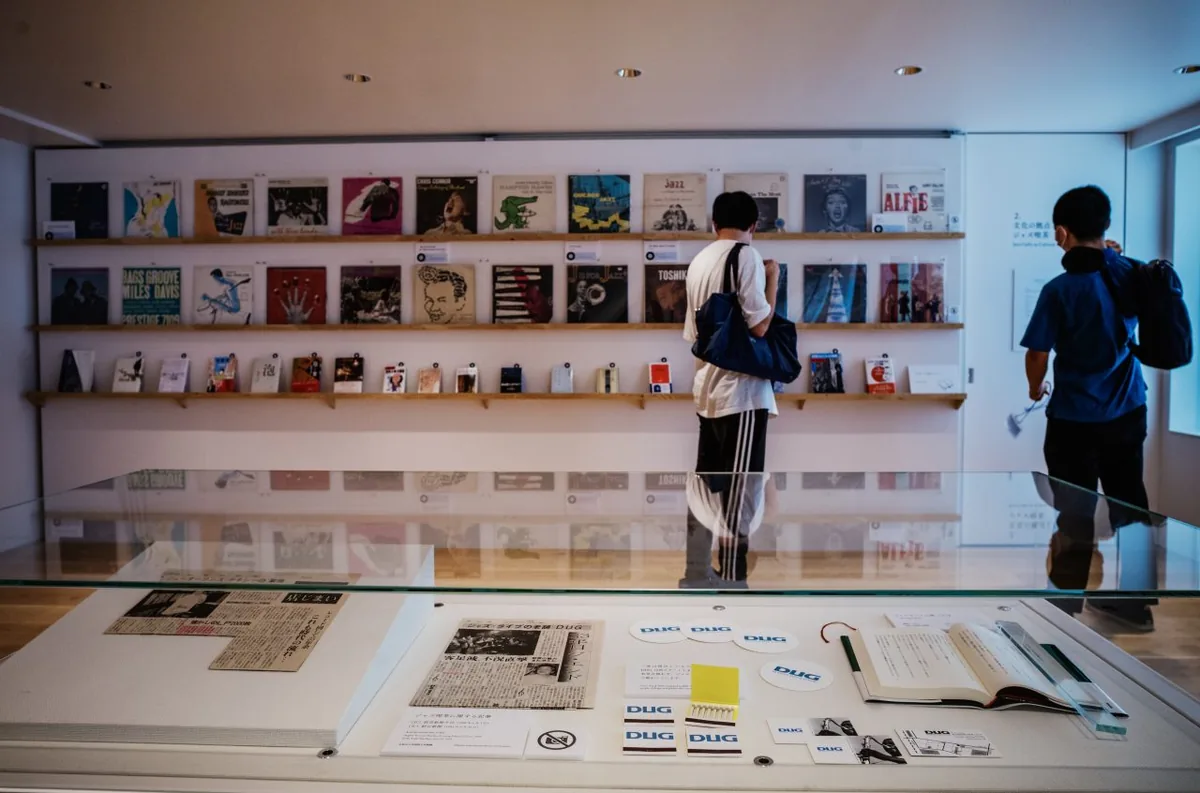
The building was designed by Kengo Kuma. It has an audio room that plays a selection of Murakami’s favourite music on a high end system, a recreation of his study with shelves of vinyl, furniture from Peter Cat, and a café run by students called Orange Cat, a nod to the old bar. Entry is free. The library is a seven minute walk from Waseda Station on the Tokyo Metro Tozai Line, and small groups do not need to book. It is one of the stops in our guide to Japan’s best libraries and bookshops. Waseda University’s own short film shows the inside of the building.
Murakami Radio on Tokyo FM
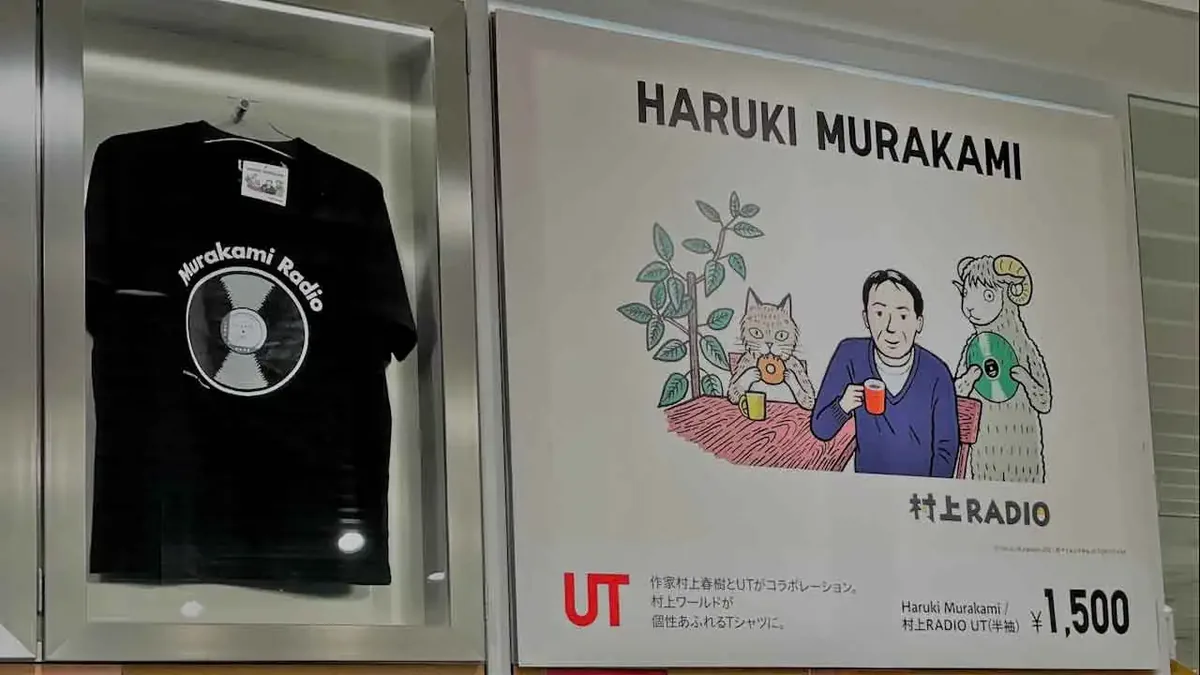
Since 5 August 2018 Murakami has hosted Murakami Radio on Tokyo FM, playing songs he loves and sharing the memories and stories behind them.
Jazz at Peter Cat at the Barbican, 21 November 2026
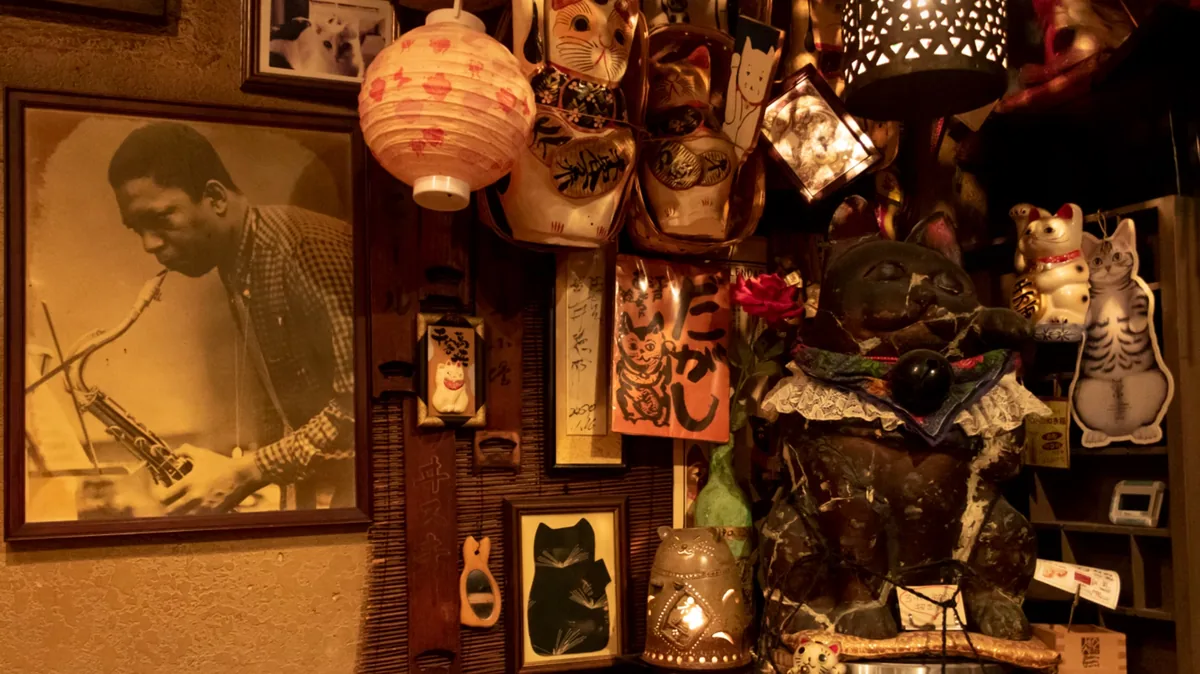
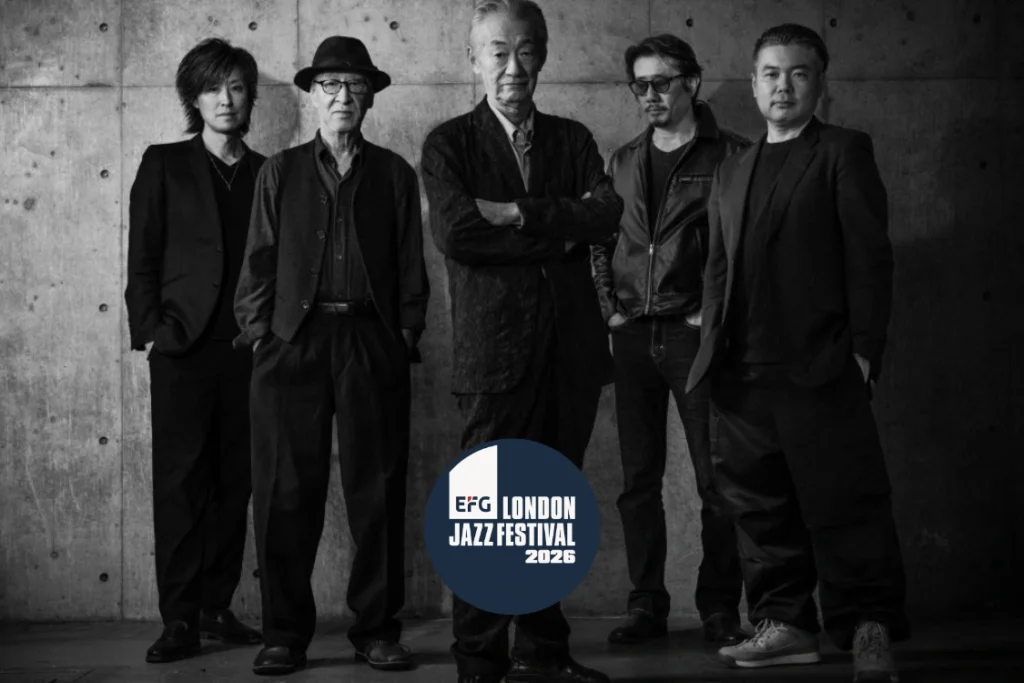
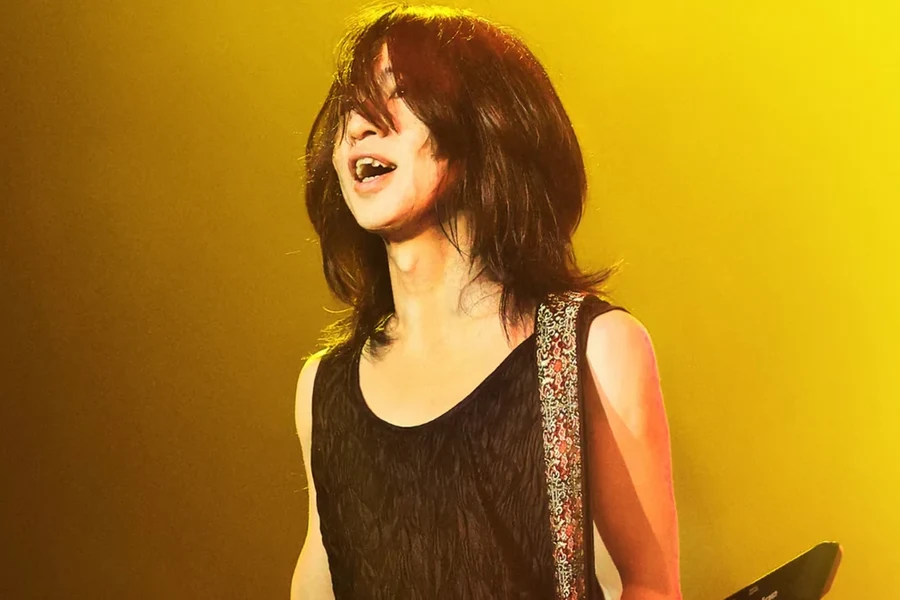
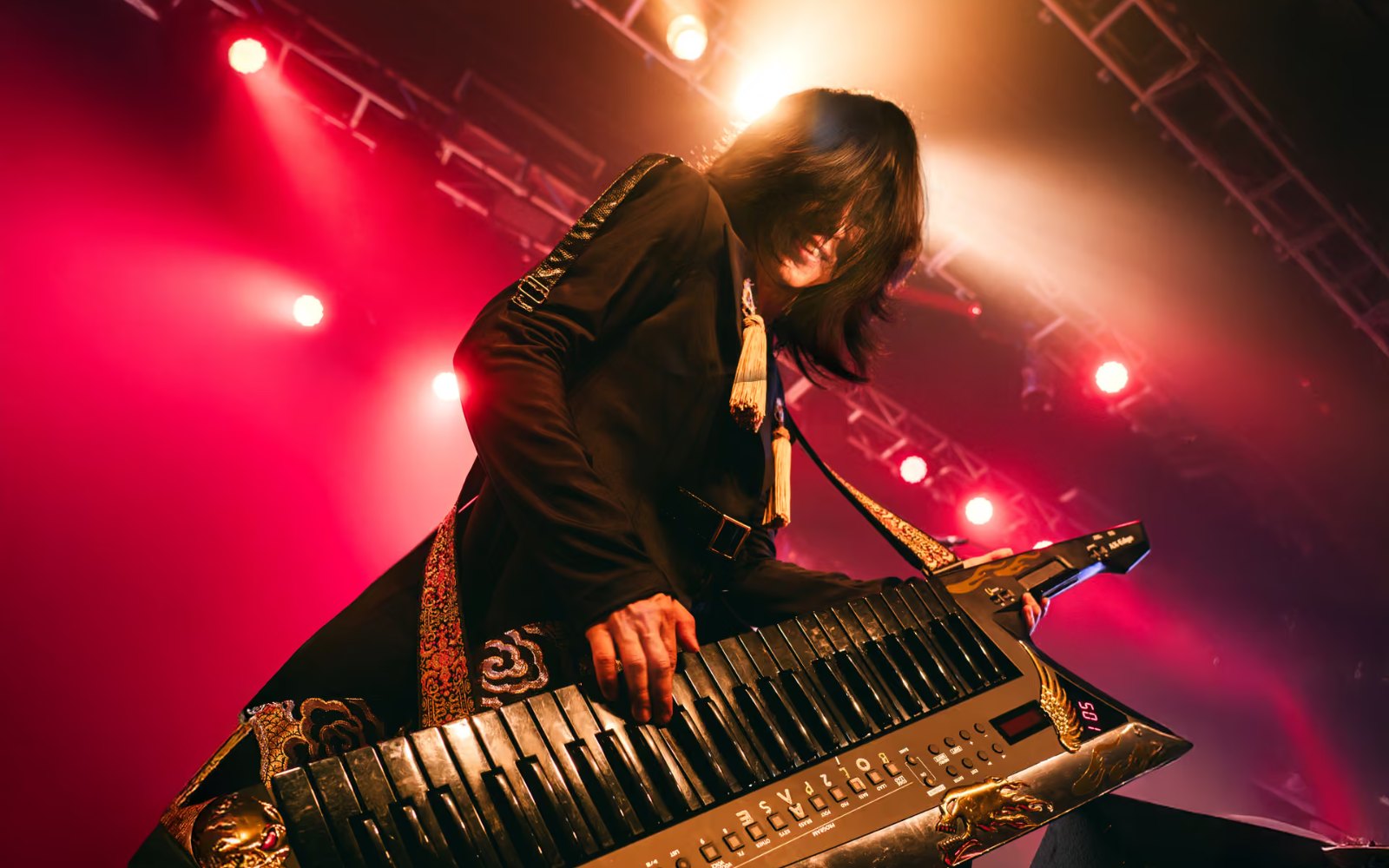
London gets its own version of Peter Cat this autumn. Haruki Murakami’s Jazz at Peter Cat recreates the feel of his Tokyo bar on stage at Barbican Hall, as part of the EFG London Jazz Festival. The line up is the Junko Onishi Trio, Sachi Hayasaka with TReS, and The Blend. Bassist Yoshio Suzuki, who founded The Blend, died on 23 September 2026 aged 80, and the other four members will play the show as he asked. Murakami has given the show his blessing but is not appearing.
Both performances are sold out, so check the Barbican’s event page for returns. For the other Japanese acts at the festival, see our guide to Japanese jazz at the EFG London Jazz Festival 2026, and for the longer story of how the music took hold in Japan, read about the rise of jazz in Japan.