Haruki Murakami has published 16 novels, from Hear the Wind Sing in 1979 to The Tale of Kaho, which came out in Japan in July 2026, plus six story collections and several books of non-fiction. Most readers start with Norwegian Wood for a realistic love story, or Kafka on the Shore or The Wind-Up Bird Chronicle for the dreamlike Murakami, and apart from his first three novels the books can be read in any order.
Below is every novel in order with its Japanese and English publication years and its translator, a guide to which book to pick first, his stories and essays, the new novel, and where his world of jazz and records can be seen in London and Tokyo.
Haruki Murakami’s books: key facts
- Novels: 16, counting the three volumes of 1Q84 as one
- Story collections in English: 5, plus the illustrated novella The Strange Library
- Main translators: Alfred Birnbaum, Jay Rubin, Philip Gabriel and Ted Goossen
- English language publisher: Penguin Random House, through Knopf in the US
- Newest novel: The Tale of Kaho (夏帆), Shinchosha, 3 July 2026, not yet in English
- Awards include: the Franz Kafka Prize (2006), the World Fantasy Award for Kafka on the Shore (2006) and the Princess of Asturias Award for Literature (2023)
Haruki Murakami's Books, Novel by Novel
No headings found.
Haruki Murakami’s Novels in Order
| No. | English title | Japanese title | Japan | English | Translator |
|---|---|---|---|---|---|
| 1 | Hear the Wind Sing | 風の歌を聴け (Kaze no uta o kike) | 1979 | 2015 in Wind/Pinball | Ted Goossen |
| 2 | Pinball, 1973 | 1973年のピンボール (1973-nen no pinbōru) | 1980 | 2015 in Wind/Pinball | Ted Goossen |
| 3 | A Wild Sheep Chase | 羊をめぐる冒険 (Hitsuji o meguru bōken) | 1982 | 1989 | Alfred Birnbaum |
| 4 | Hard-Boiled Wonderland and the End of the World | 世界の終りとハードボイルド・ワンダーランド | 1985 | 1991 | Alfred Birnbaum |
| 5 | Norwegian Wood | ノルウェイの森 (Noruwei no mori) | 1987 | 2000 | Jay Rubin |
| 6 | Dance Dance Dance | ダンス・ダンス・ダンス | 1988 | 1994 | Alfred Birnbaum |
| 7 | South of the Border, West of the Sun | 国境の南、太陽の西 (Kokkyō no minami, taiyō no nishi) | 1992 | 1999 | Philip Gabriel |
| 8 | The Wind-Up Bird Chronicle | ねじまき鳥クロニクル (Nejimaki-dori kuronikuru) | 1994 to 1995 | 1997 | Jay Rubin |
| 9 | Sputnik Sweetheart | スプートニクの恋人 (Supūtoniku no koibito) | 1999 | 2001 | Philip Gabriel |
| 10 | Kafka on the Shore | 海辺のカフカ (Umibe no Kafuka) | 2002 | 2005 | Philip Gabriel |
| 11 | After Dark | アフターダーク (Afutā dāku) | 2004 | 2007 | Jay Rubin |
| 12 | 1Q84 | 1Q84 (Ichi-kyū-hachi-yon) | 2009 to 2010 | 2011 | Jay Rubin and Philip Gabriel |
| 13 | Colorless Tsukuru Tazaki and His Years of Pilgrimage | 色彩を持たない多崎つくると、彼の巡礼の年 | 2013 | 2014 | Philip Gabriel |
| 14 | Killing Commendatore | 騎士団長殺し (Kishidanchō-goroshi) | 2017 | 2018 | Philip Gabriel and Ted Goossen |
| 15 | The City and Its Uncertain Walls | 街とその不確かな壁 (Machi to sono futashika na kabe) | 2023 | 2024 | Philip Gabriel |
| 16 | The Tale of Kaho | 夏帆 (Kaho) | 2026 | Not yet announced | Not yet announced |
Two notes on the dates. Alfred Birnbaum translated the first two novels in the 1980s for a Kodansha series aimed at Japanese students of English, and Murakami, who calls them immature, was reluctant to see them published in English more widely until Ted Goossen’s versions came out together as Wind/Pinball in 2015. Birnbaum also made an earlier translation of Norwegian Wood in 1989, but Jay Rubin’s 2000 translation is the one in British bookshops. Where a novel came out in the US and UK in different years, the table gives the first English edition.


Where to Start Reading Murakami
There is no wrong first book, but there is a wrong first book for you. Pick by the kind of story you like.
- If you want a realistic novel: Norwegian Wood (1987). Toru Watanabe looks back on his student years in late-1960s Tokyo and his love for two very different women. There are no talking cats or other worlds. It sold millions of copies among young Japanese readers and made Murakami famous, and it takes its title from the Beatles song.
- If you want the dreamlike Murakami: Kafka on the Shore (2002). A runaway teenager and an old man who can talk to cats travel separately towards the same town. It won the World Fantasy Award in 2006.
- If you want his biggest novel: The Wind-Up Bird Chronicle (1994 to 1995). A man looks for his missing cat, then his missing wife, and finds his way into a well and back to wartime Manchuria. At 607 pages in English, it is a long read.
- If you want something short: After Dark (2004) or South of the Border, West of the Sun (1992). After Dark follows one night in Tokyo; South of the Border is about a man who runs jazz bars, which is the closest Murakami has come to writing about his own life.
- If you want stories: First Person Singular (2021 in English). Eight stories told in the first person, including “Charlie Parker Plays Bossa Nova”, about a review of a record that cannot exist.
- If you want to see him on stage: Hard-Boiled Wonderland and the End of the World (1985), which the Barbican staged with Tatsuya Fujiwara in October 2026, alternates between a Tokyo thriller and a walled town of unicorns. Read it before The City and Its Uncertain Walls (2023), which returns to that town.
Do You Need to Read Murakami in Order? The Trilogy of the Rat
Only for the first three. Hear the Wind Sing, Pinball, 1973 and A Wild Sheep Chase are known as the Trilogy of the Rat: they share an unnamed narrator and his friend, the Rat, and work best read in that order. Dance Dance Dance (1988) brings the same narrator back to the Dolphin Hotel from A Wild Sheep Chase, so read it after the trilogy. Every other novel stands alone. The two 2023 and 1985 “walled town” books are linked by a setting, not a plot.

Murakami’s Short Story Collections in Order
| Collection | English | Japan | Translator | Stories |
|---|---|---|---|---|
| The Elephant Vanishes | 1993 | 2005 (compiled after the English edition) | Alfred Birnbaum and Jay Rubin | 17 stories from 1980 to 1991 |
| After the Quake | 2002 | 2000 | Jay Rubin | 6 stories written after the 1995 Kobe earthquake |
| Blind Willow, Sleeping Woman | 2006 | 2009 (compiled after the English edition) | Philip Gabriel and Jay Rubin | 24 stories from 1980 to 2005 |
| Men Without Women | 2017 | 2014 | Philip Gabriel and Ted Goossen | 7 stories |
| First Person Singular | 2021 | 2020 | Philip Gabriel | 8 stories |
The Strange Library (2014 in English, translated by Ted Goossen) is a short illustrated novella about a boy locked in a library, revised from a 1982 story. For more Japanese short fiction beyond Murakami, our guide to Japanese books beyond Murakami explains how one Tokyo reader picks titles for people who only know his name.


Murakami’s Non-fiction: Running, Music and Memoir
| Book | English | Japan | What it is |
|---|---|---|---|
| Underground | 2000 | 1997 and 1998 | Interviews with survivors and members of Aum Shinrikyo after the 1995 Tokyo sarin attack |
| What I Talk About When I Talk About Running | 2008 | 2007 | A memoir of running and writing |
| Absolutely on Music | 2016 | 2011 | Conversations with the conductor Seiji Ozawa, translated by Jay Rubin |
| Murakami T | 2021 | 2020 | Short essays on the T-shirts he collects |
| Novelist as a Vocation | 2022 | 2015 | Essays on how he became a writer, translated by Philip Gabriel and Ted Goossen |
| Abandoning a Cat | 2026 as a book | 2019 | A memoir of his father, translated by Philip Gabriel; an English version appeared in The New Yorker in 2019 |
His two volumes of jazz essays, Portrait in Jazz, have never been translated. Our feature on Haruki Murakami and jazz covers them, along with the bar he ran and the records that appear in his novels.
The Tale of Kaho, Murakami’s 2026 Novel
Murakami’s 16th novel, 夏帆 (Kaho), subtitled The Tale of KAHO, was published in Japan by Shinchosha on 3 July 2026, in 352 pages. Its heroine is Kaho, a 26-year-old picture book author, and Shinchosha describes it as his first full-length novel with a woman as the sole main character. It grew out of a four-part serial in the literary magazine Shincho between June 2024 and March 2026, and the first part appeared in English in The New Yorker in 2024, translated by Philip Gabriel, as The Guardian reported.
No English edition had been listed on harukimurakami.com, the site of his English language publisher, when this guide was checked on 31 October 2026. Japan Nakama will add the date here when it is announced.
Jazz in Murakami’s Books, and the Barbican Murakami Season
Before he was a novelist, Murakami ran Peter Cat, a jazz bar in Tokyo, from 1974 to 1981, and records turn up across his books. In Norwegian Wood, Watanabe and Midori drink at DUG, a real Shinjuku jazz bar; our guide to jazz kissaten in Shinjuku tells its story and lists the bars that are still open.
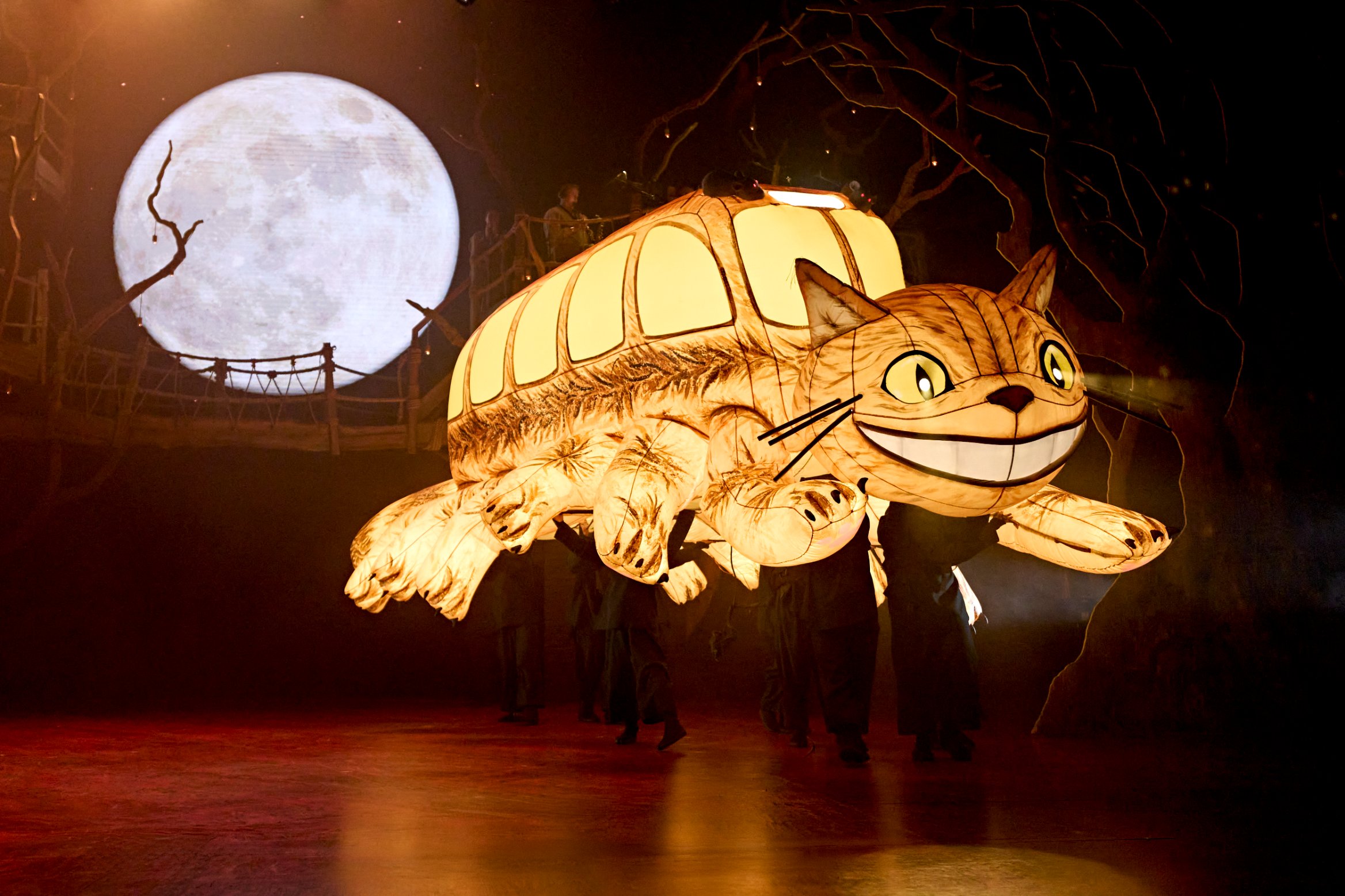
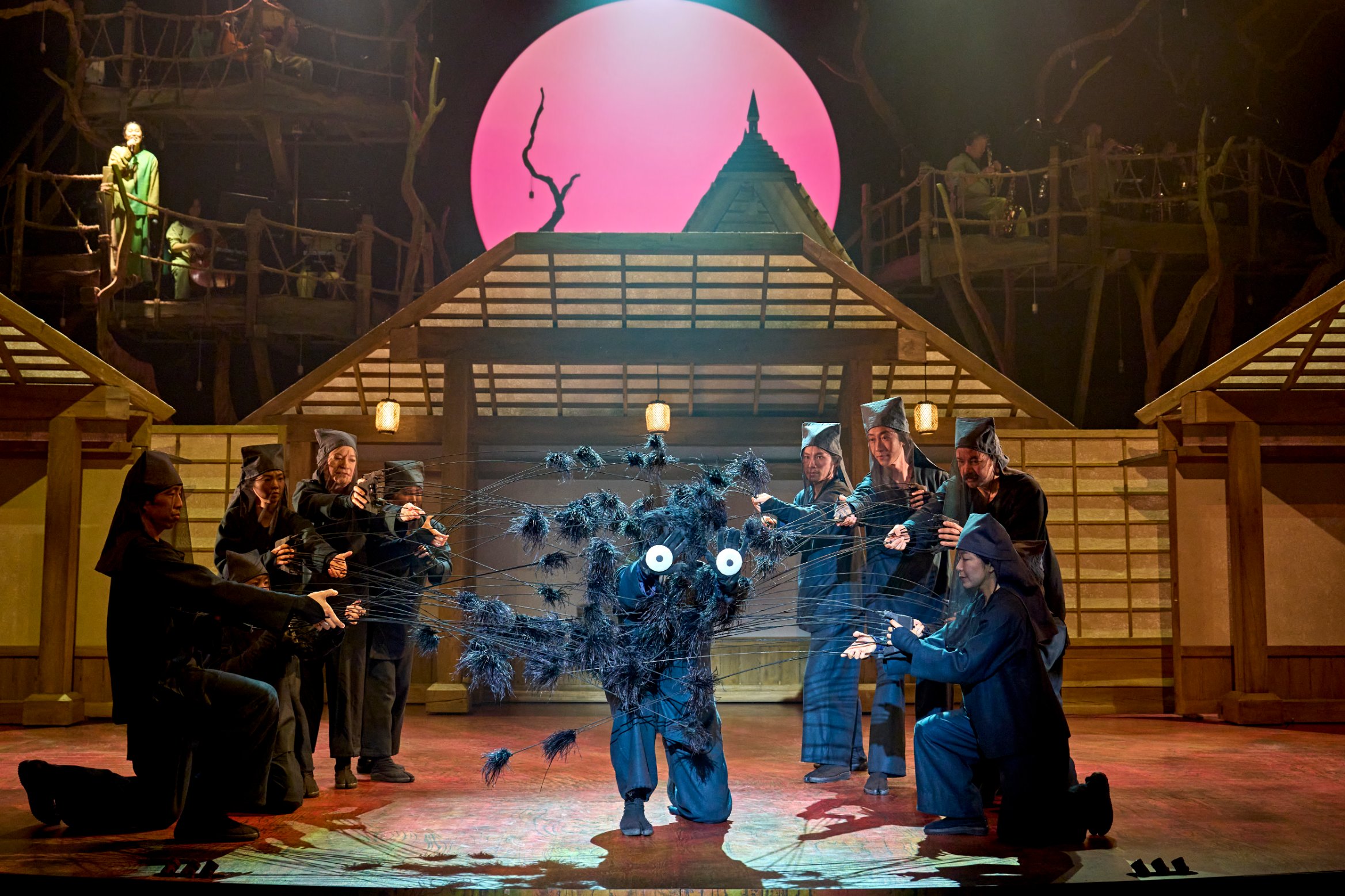
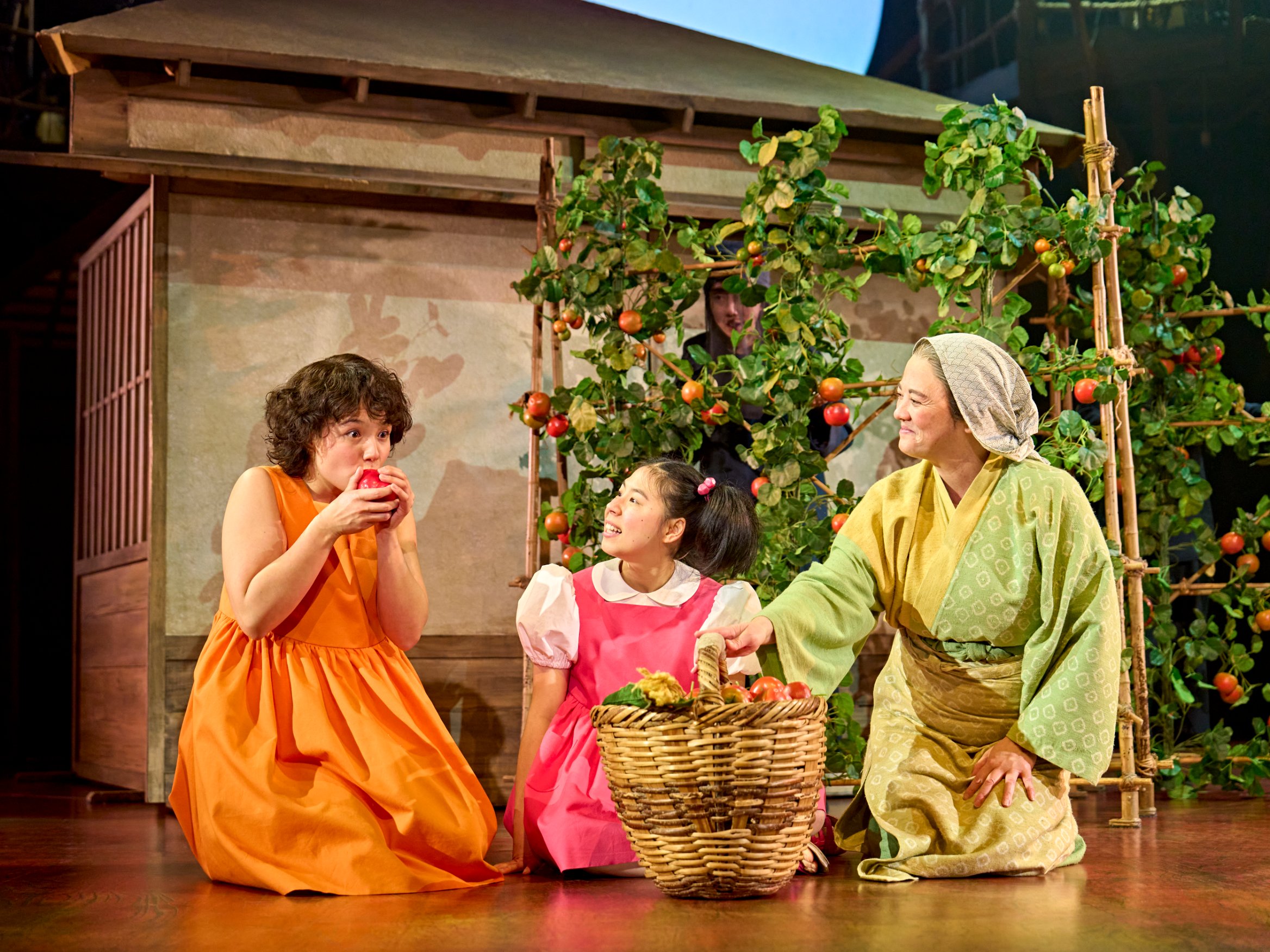
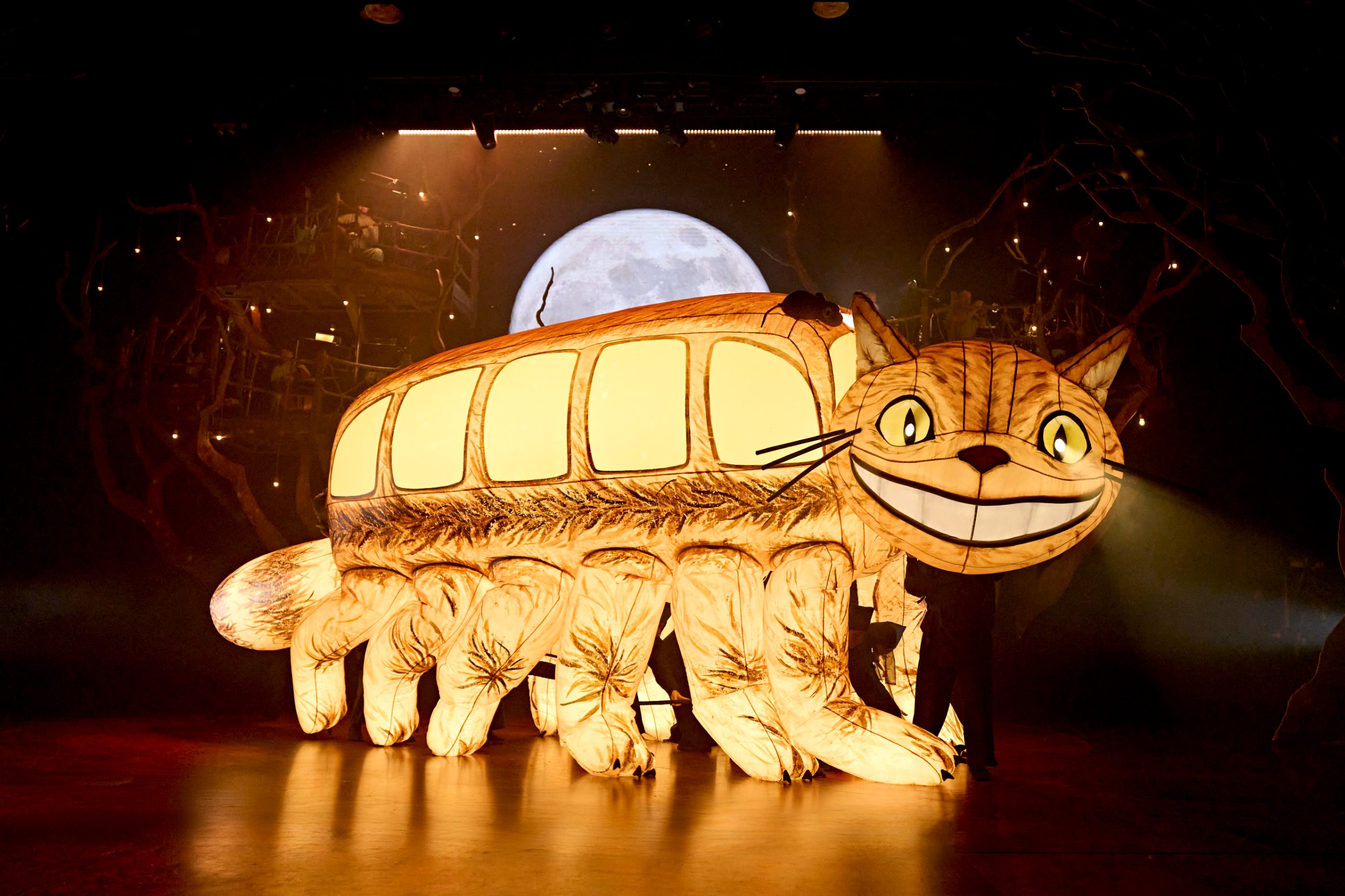
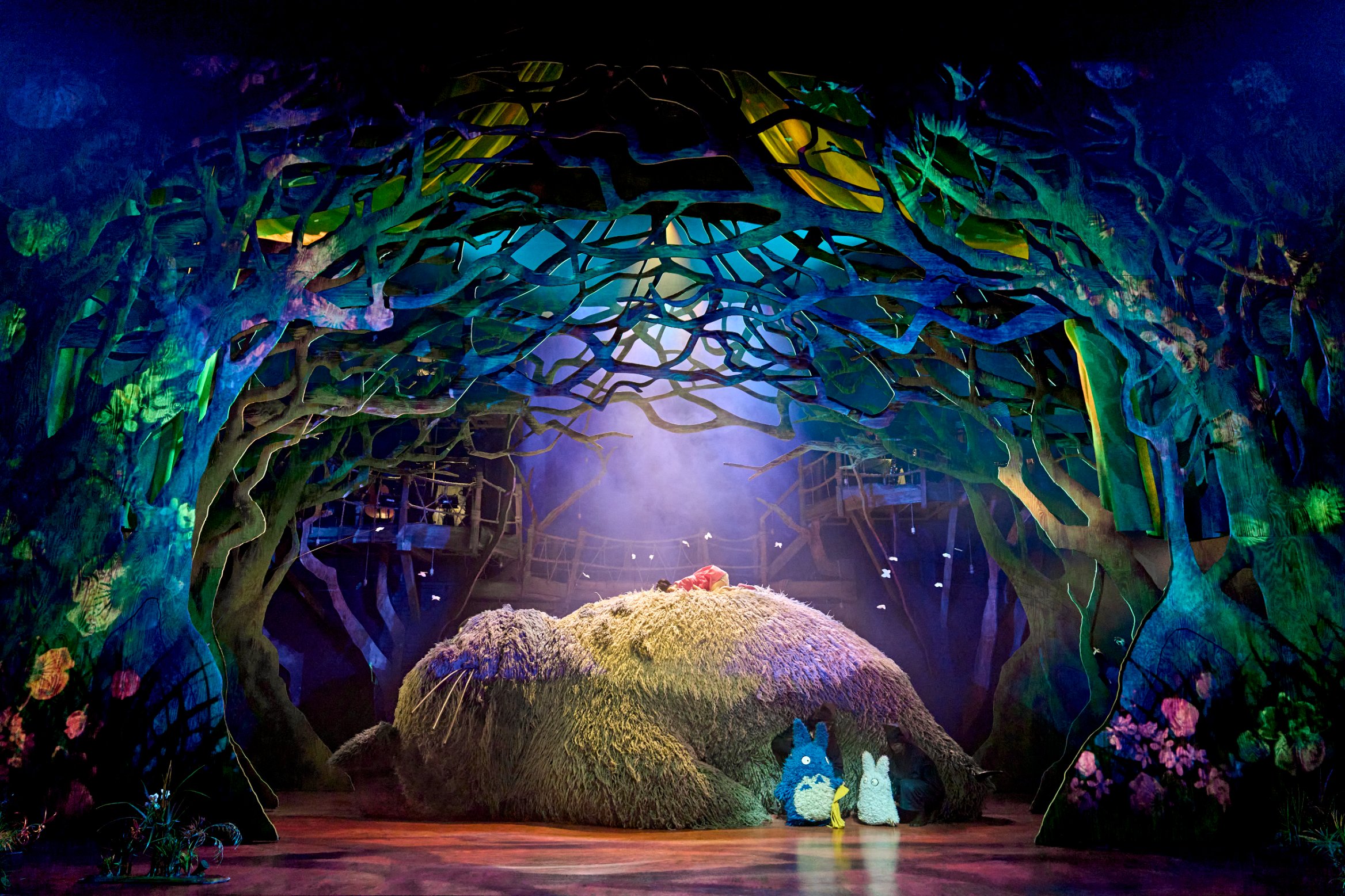
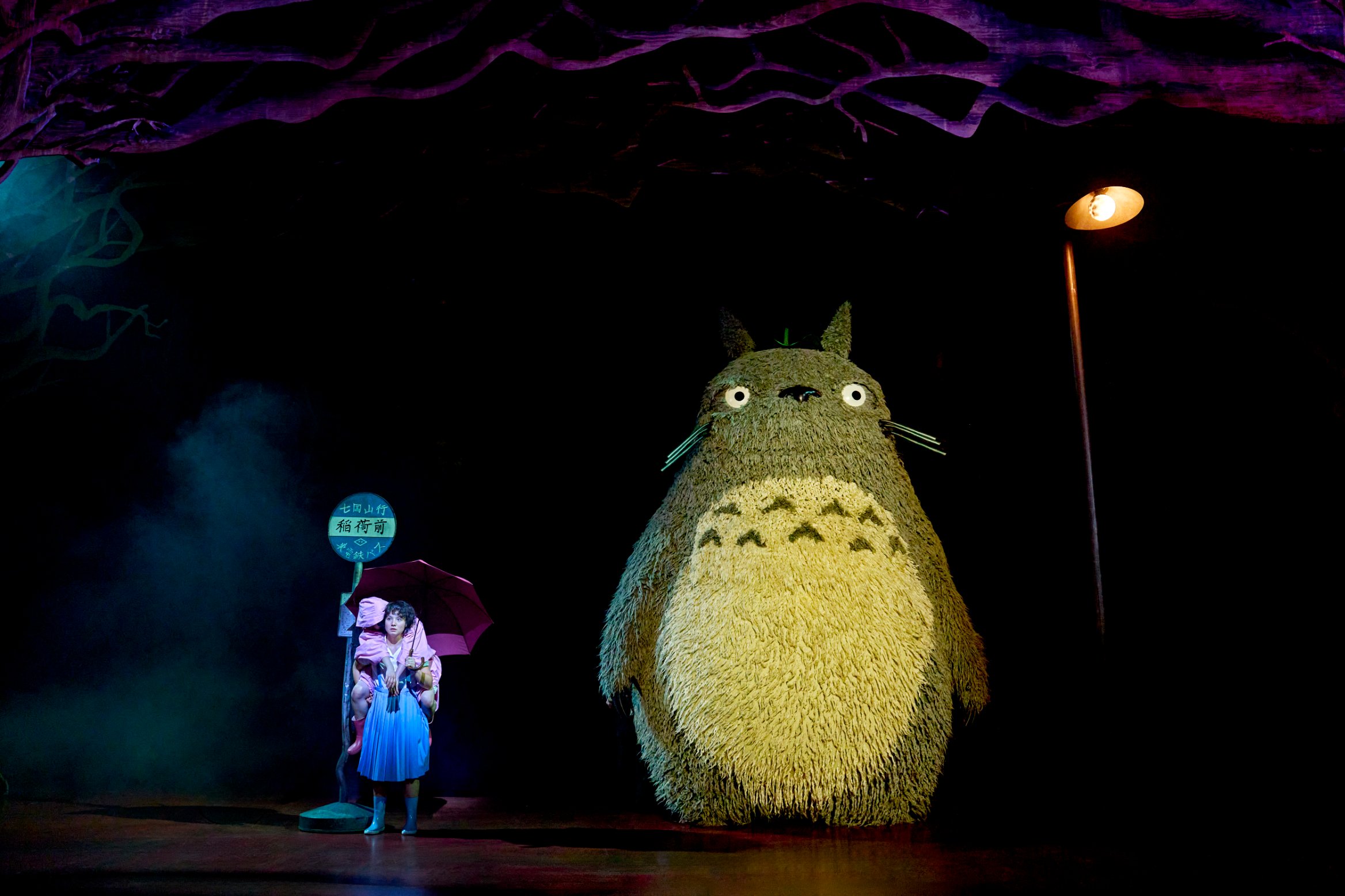
In autumn 2026 the Barbican in London ran a Haruki Murakami season. It opened with a stage version of Hard-Boiled Wonderland and the End of the World from 8 to 11 October, and on 11 October Murakami read from The City and Its Uncertain Walls on stage with Simon McBurney. The season closes with Haruki Murakami’s Jazz at Peter Cat at the Barbican on 21 and 22 November 2026: both Saturday shows sold out, and a Sunday 2pm performance was added with tickets from £34, including a £4 transaction fee. Check the Barbican’s event page for availability.
Visiting the Haruki Murakami Library in Tokyo

Murakami studied drama at Waseda University from 1968 and has given the university his manuscripts, books and records. They are housed in the Waseda International House of Literature, known as the Haruki Murakami Library, a remodelled campus building by Kengo Kuma that opened on 1 October 2021. Inside are a listening room with an audio system for records, a recreation of his study, the piano from Peter Cat and a café called Orange Cat.
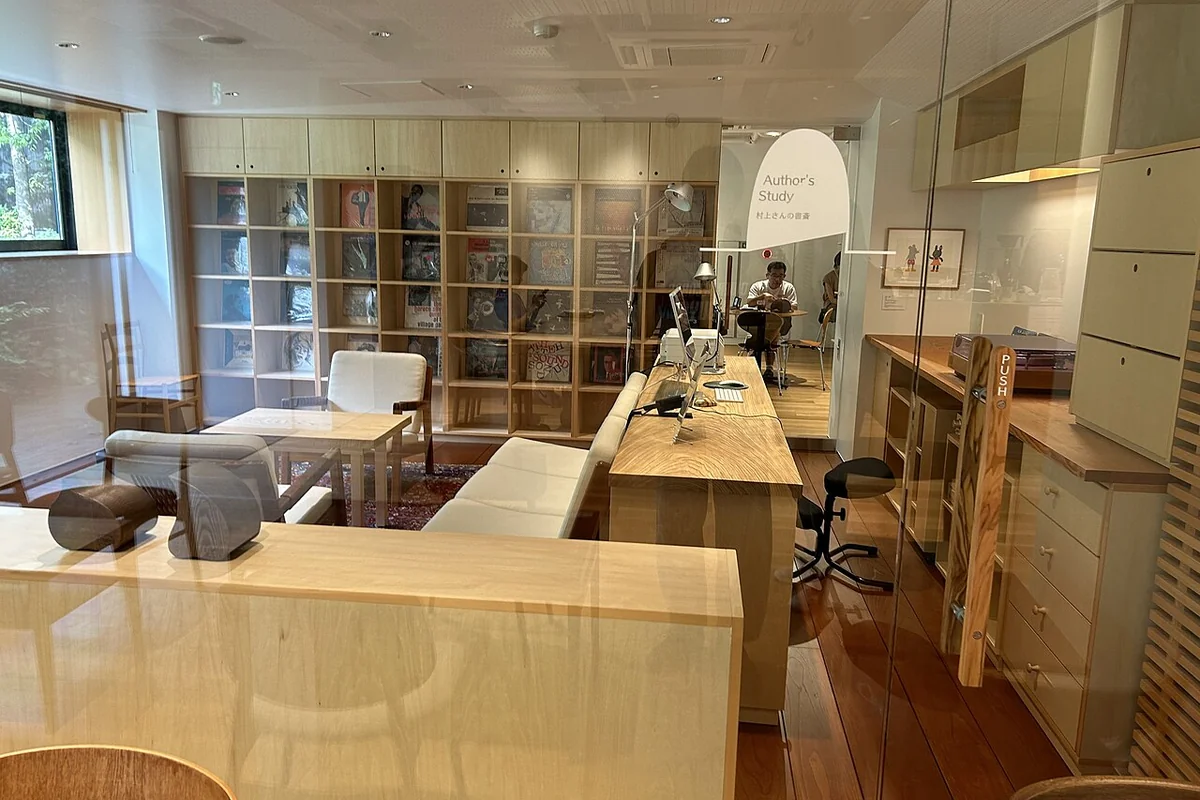
Entry is free. The library is a seven-minute walk from Waseda Station on the Tokyo Metro Tozai Line (exit 3a or 3b), and groups of under 21 people can walk in without booking. Opening days change, so check the library’s visitor page before you go. It is one of the stops in our guide to the best libraries and bookshops in Japan.
Haruki Murakami Books: Questions
Which Haruki Murakami book should I read first?
Norwegian Wood is the easiest way in if you like realistic fiction: a love story set in late-1960s Tokyo, with no supernatural elements. If you want the strange, dreamlike Murakami, start with Kafka on the Shore, which won the World Fantasy Award in 2006. For something short, try After Dark or the stories in First Person Singular.
Do you have to read Murakami’s books in order?
No, with one exception. Hear the Wind Sing, Pinball, 1973 and A Wild Sheep Chase form the Trilogy of the Rat and share a narrator, so read them in that order, followed by Dance Dance Dance, which continues his story. Every other novel stands alone and can be read in any order.
How many books has Haruki Murakami written?
Murakami has published 16 novels, counting the three books of 1Q84 as one novel, most recently The Tale of Kaho in Japan in 2026. In English there are also five short story collections, the illustrated novella The Strange Library, and non-fiction including Underground, What I Talk About When I Talk About Running and Novelist as a Vocation.
Is there a new Haruki Murakami book?
Yes. The Tale of Kaho (夏帆) was published in Japan by Shinchosha on 3 July 2026. It is his first full-length novel with a woman as the sole main character, a 26-year-old picture book author. No English publication date had been announced as of 31 October 2026. Abandoning a Cat, a memoir of his father, came out as a book in English in 2026.
Who translates Haruki Murakami into English?
Four translators have done most of the work. Alfred Birnbaum translated the early novels, including A Wild Sheep Chase and Hard-Boiled Wonderland. Jay Rubin translated Norwegian Wood, The Wind-Up Bird Chronicle and After Dark. Philip Gabriel has translated most books since Sputnik Sweetheart, and Ted Goossen translated Wind/Pinball and co-translated Killing Commendatore.