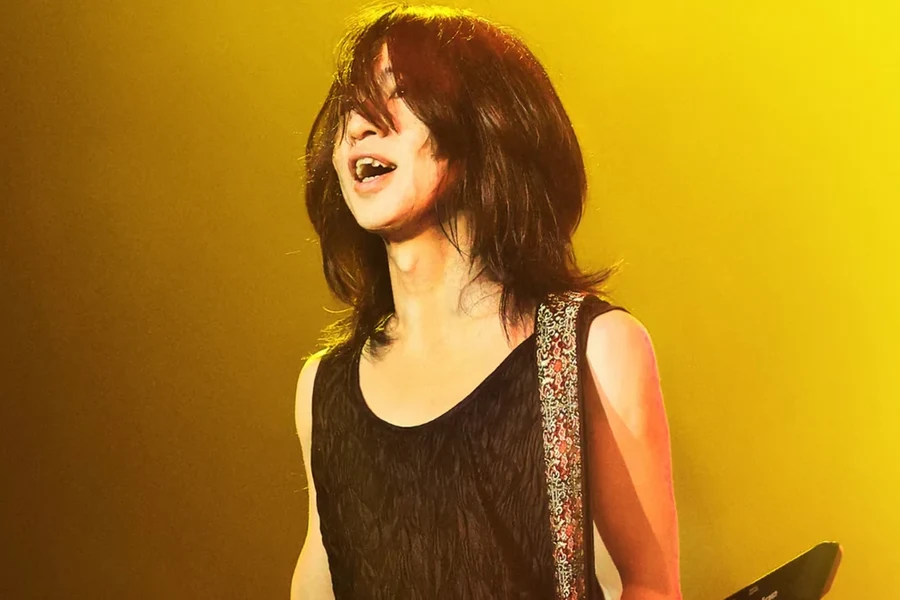
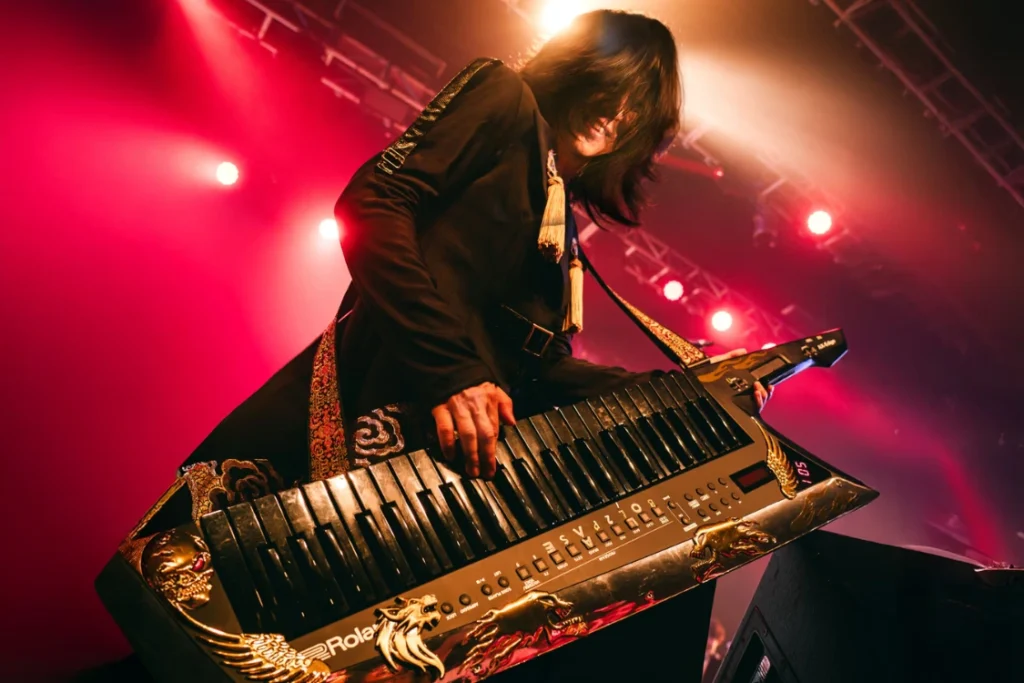
On Thursday 17 September, a cinema beside the National Exhibition Centre in Birmingham showed a concert that had been performed in Los Angeles in July. The audience brought penlights, and plenty of them came in costume. The following morning, nine hololive talents appeared at VeXpo in the halls next door, billed as the Japanese agency’s first outing at a UK convention.
Both were arranged by a British company. Virtual Stage Productions licenses hololive’s concerts and stages them in European venues, and it has been quietly building the machinery to do that for four years. Its founder, Ruicheng Lei, rarely gives interviews. He answered ours in writing, and what came back is a plain account of how a virtual performer ends up on a stage in the Midlands, and why the people who book rooms for a living should start paying attention.
What This VTuber Concert Interview Covers
Four years of building a network across European venues
Japanese artists who want to tour Europe run into the same wall. The audience is there, the demand is measurable, and almost nobody on the ground knows how to put the show on. Lei started the company to sit in that gap.
One of the challenges most frequently raised by Japanese artists looking to enter Europe is the lack of specialist local infrastructure. Over the past four years, we have built an extensive network across the continent, spanning major music venues, festivals, conventions and production partners, to support events of this kind.
The hololive work did not begin with a pitch deck. It began with a conversation at an industry meeting, and Lei says the answer he gave was simply that his team was ready:
When the opportunity arose during an industry meeting, we said we were ready to take it on. From there, the relationship developed naturally. Today, our team provides the local knowledge, production infrastructure and operational support required to bring these shows to European audiences.
The company’s back catalogue shows the build-up. Before this year’s tour it had already staged hololive’s All for One concert in London and on a European run, and produced the Virtual Theatre strand at Hyper Japan.
Virtual Stage Productions, in brief
- Founded by Ruicheng Lei, and registered in the UK as Vocafest Ltd.
- What it does: 3D live production and motion capture, licensed productions, live audio visual work, and its own standalone events.
- Previous work: hololive’s All for One in London and on a European tour, two editions of the Virtual Theatre at Hyper Japan, Tokimeki Teatime and Full Steam Ahead.
- Stated aim: a sustainable model for VTuber concerts and hybrid digital and live productions across Europe.


A performance sent live from Japan to a room in Birmingham

There are two different jobs here, and it is worth separating them. The Birmingham cinema date was a screening of hololive English 4th Concert -Serendipity-, recorded at the Shrine Auditorium in Los Angeles on 3 and 4 July 2026. The VeXpo appearances are something else entirely: the talents perform in Japan, in real time, and that performance has to arrive in a hall in Birmingham in a state fit to watch.
For VeXpo, talents perform live, with that performance transmitted and presented to the audience in the UK. Delivering this successfully requires close coordination between teams in both countries, reliable transmission systems and a venue production setup capable of translating a virtual performance into a compelling live experience.
That dependency on Japan is the part Lei wants to change. He says the company is building its own production kit for VTuber shows, with the aim of making them here rather than receiving them:
At the same time, we have been developing a range of bespoke in-house production solutions specifically for VTubers. The UK has a strong technical and creative sector, so our longer-term ambition is to produce more of these experiences locally. We hope to showcase some of those capabilities in the coming years.
Chant guides, call books and the first thirty seconds

A hololive screening is not a quiet night at the pictures. The tour’s own rules make that plain: penlights are welcome as long as they are under 20cm, cosplay is encouraged, seating is unreserved, and the room is expected to make noise. In Japan that is ordinary. In a British cinema it asks something of people.
We run our shows as chant-friendly events, reflecting the atmosphere audiences would experience in Japan. The greatest challenge is often encouraging people to feel comfortable enough to open up, join the crowd and participate.
Calls and chants in Japanese idol culture are not improvised. They are learned, and there are documents for them. Lei says his team helped produce some of the earliest English ones, which is an unusually practical thing for a promoter to take on:
Once that first barrier is broken, the energy can be extraordinary. We have also supported the development of some of the community’s early call books and chant guides, helping audiences understand how they can take part while still allowing everyone to enjoy the event in their own way.
The penlight colours are not decoration either. Each talent has a colour, and lighting yours is a way of saying which one you are there for, the same habit that runs through Japanese oshi fan culture.
Birmingham, Milan, Barcelona, Paris, Düsseldorf and Berlin

Birmingham was the opening night of six. The rest of the Serendipity screening tour runs into late October:
- Cineworld Birmingham NEC, Birmingham, 17 September 2026
- UCI Cinemas Bicocca, Milan, 26 September 2026
- Phenomena Experience, Barcelona, 3 October 2026
- UGC Ciné Cité Bercy, Paris, 10 October 2026
- UFA-Palast Düsseldorf, Düsseldorf, 17 October 2026
- Colosseum Berlin, Berlin, 18 October 2026
The original Los Angeles concert ran over two nights with two different setlists. European audiences get both in one sitting, on one ticket. Tickets started at €50 across Europe, and at £55 for the Birmingham date, which was ticketed separately as a VeXpo collaboration.
What the Serendipity concert actually was
The show being screened is a large one. It was staged at the Shrine Auditorium in Los Angeles on 3 and 4 July 2026, with all fifteen members of hololive English performing across the two nights, plus four guests from the agency’s Japanese and Indonesian branches: Ookami Mio, Tsunomaki Watame, Vestia Zeta and Kobo Kanaeru.
Seven units were put together specially for it, pairing talents who do not usually perform together, and the title track Serendipity was performed for the first time there. Both nights closed on All for One, the theme from the previous year’s New York concert.
The nine talents who came to Birmingham for VeXpo were Hakos Baelz, Ouro Kronii, Shiori Novella, and the four members of the hololive English -Justice- generation, Elizabeth Rose Bloodflame, Gigi Murin, Cecilia Immergreen and Raora Panthera, joined by Ayunda Risu and Moona Hoshinova from hololive Indonesia.
Six cities in five weeks gives a promoter a lot of information about where an audience actually is. Asked what those nights have told him, Lei did not reach for numbers:
As a long-time fan myself, I believe the strongest appetite comes from the desire for genuine human connection. We live in an age where almost everything is instantly available online, but that has only made shared, in-person experiences more valuable.
These events give fans an opportunity to meet one another, celebrate something they care about and create memories that cannot be replicated through a screen. That sense of community is what consistently stands out at every show.
It is worth saying what that means in practice. Every one of these concerts is available to watch at home, and the Los Angeles show had streaming tickets of its own. People are still paying to sit in a room with strangers and watch it together.



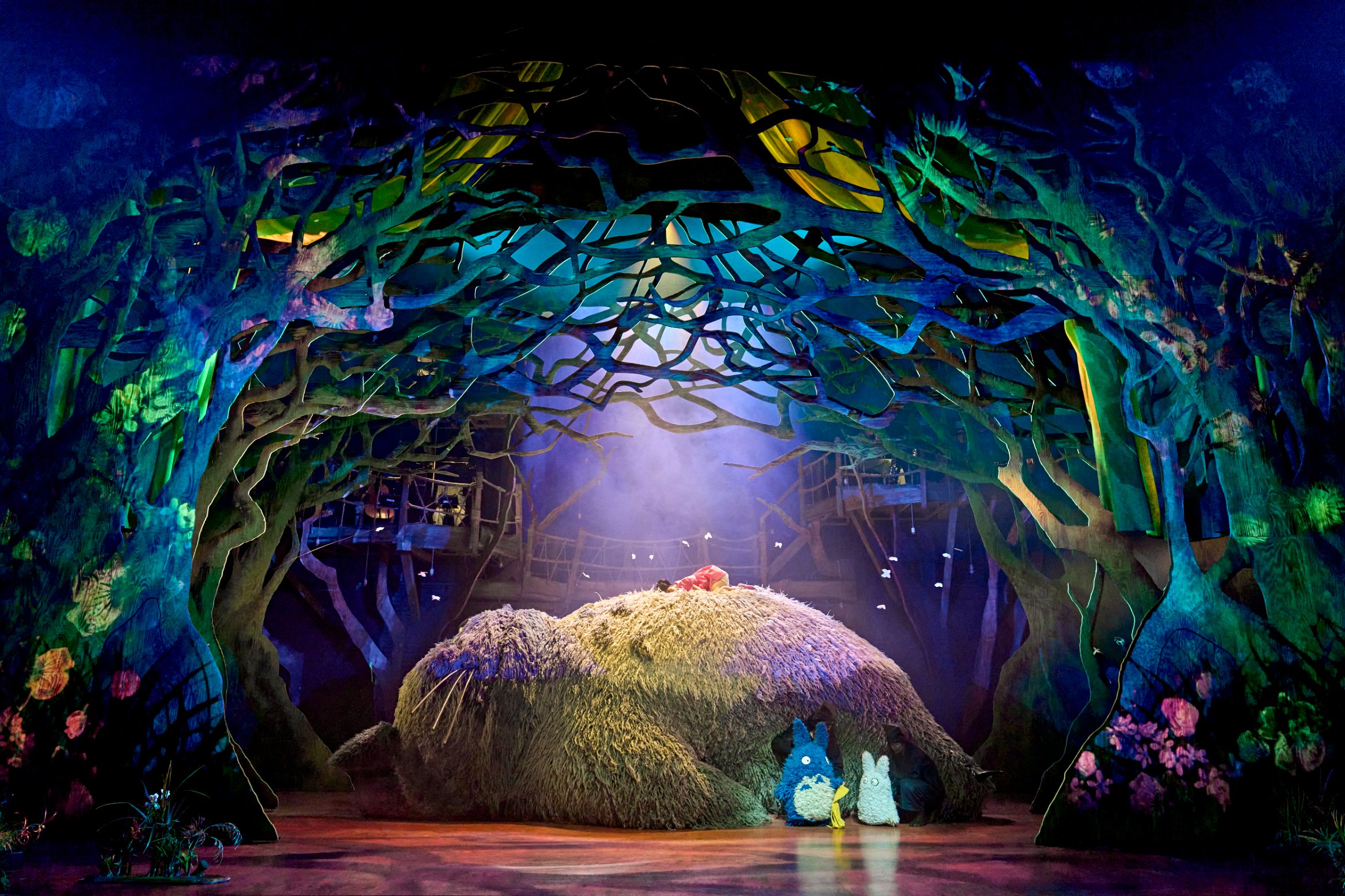
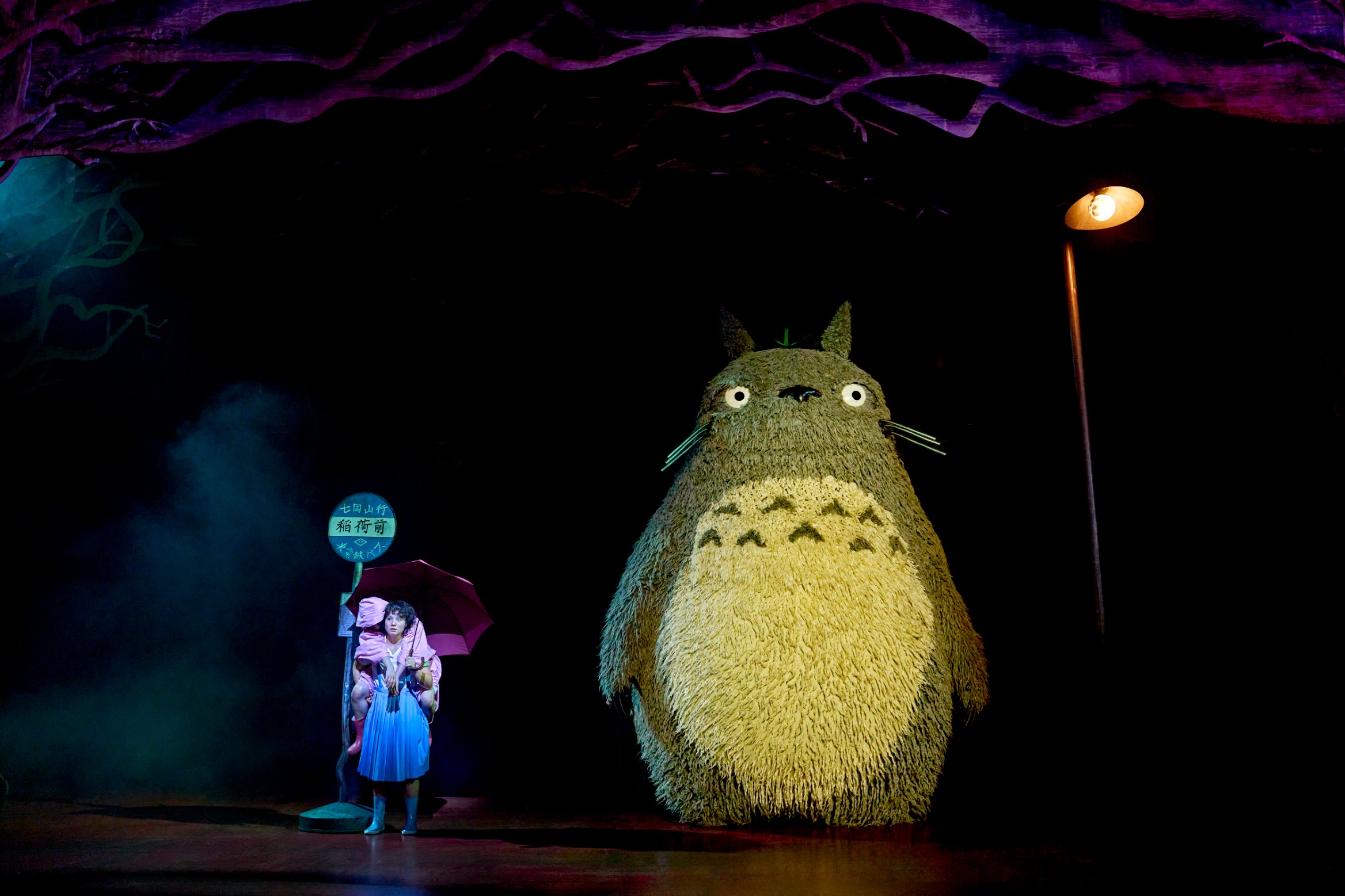

A sector attracting performers, producers and technical specialists

Lei’s sharpest answer came when we asked what the UK live events industry still gets wrong about this world. He has clearly had the conversation more than once.
Some parts of the live-events industry still view anime and related culture as casual entertainment aimed primarily at younger audiences. In reality, the sector has become highly professional, commercially significant and creatively ambitious.
It is attracting talented performers, producers and technical specialists who are actively choosing to build their careers within it. VTuber entertainment is not simply an online niche. It is developing into a sophisticated global industry with an increasingly important place in live entertainment.
The accounts support him. Cover Corporation, the company behind hololive, is listed on the Tokyo Stock Exchange and reported revenue of ¥43.4 billion for the financial year ending March 2025, with 679 employees as of May that year. Anime music has been filling British halls on the same curve, which is why a full orchestra is playing Naruto and Demon Slayer scores at the Royal Festival Hall this month.
The two years he will not talk about yet
We asked whether the UK is a one-off curiosity for VTuber live events or the start of something that stays. The answer was short, and deliberately so:
This is absolutely the beginning of something with lasting potential. Without revealing too much at this stage, I think fans across the UK and Europe will have a great deal to look forward to over the next two years.
For now, the remaining Serendipity dates are on sale through the tour’s own site, and hololive’s convention appearances are listed on hololive Meet, the brand COVER uses for its stage events. VeXpo runs at the NEC until Sunday 20 September.