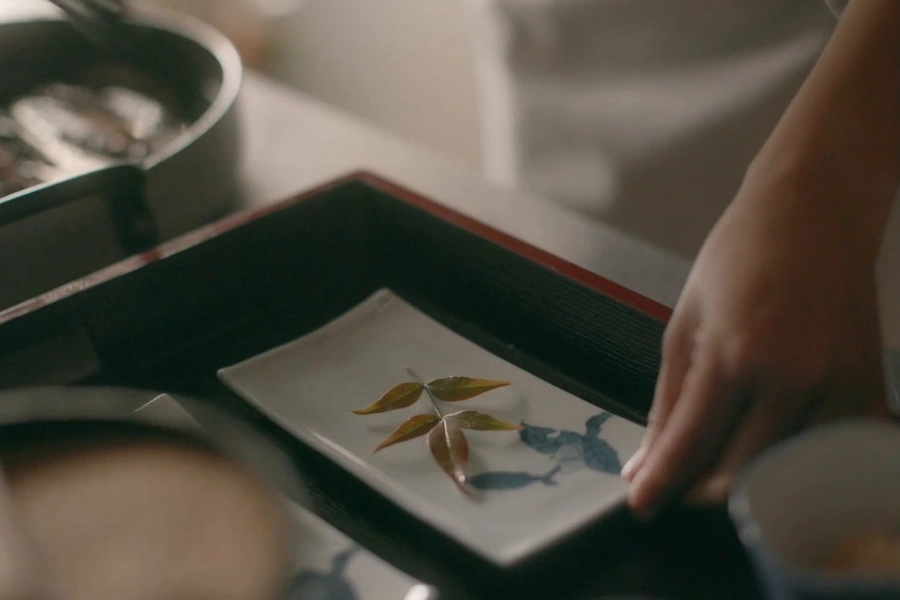
Disclosure: This feature is published in partnership with Japan Classic. Editorial selections and writing remain independent.
Before porcelain lit up European salons or minimalist mugs became design icons, Japanese ceramics were already telling stories—shaped by hand, marked by fire, and steeped in centuries of quiet ritual. These weren’t just vessels; they were reflections of nature, philosophy, and the lives of those who used them. A softly cracked glaze, an uneven rim, a shadow left by ash—each detail speaks volumes about the culture that shaped it.
At Japan Classic, every bowl, cup, and plate tells a story. From the earthy textures of Mino ware to the quiet elegance of wabi-sabi tea bowls, Japanese ceramics reflect a culture where beauty lives in the everyday.
From fire-lit rituals to modern studios, Japanese ceramics trace a story of culture, craftsmanship, and quiet beauty. This article follows that journey—through historical eras, regional styles, and the enduring philosophy of wabi-sabi—revealing how simple vessels carry centuries of intention, imperfection, and artistry into everyday life.
The History of Japanese Ceramics

From ancient fire-lit rituals to contemporary studio innovation, the history of Japanese ceramics is a living timeline of culture, craft, and philosophy. Each era below tells its own story—shaped by the hands of its time, and fired with the spirit of its age.
Jōmon Period (c. 14,000–300 BCE)

Think ancient hands shaping clay by firelight, pressing ropes into wet surfaces to leave behind swirling, primal patterns. These were the first Japanese potters—hunter-gatherers crafting what are now some of the world’s oldest ceramics. Jōmon pottery wasn’t just functional—it was expressive, organic, alive. Coiled by hand and often dramatically decorated, these vessels evoke a deep connection to the natural world and the sacred rhythms of early life.
Yayoi Period (300 BCE–300 CE)

From wild patterns to calm utility.
As rice farming took root in the lowlands of Japan, so too did a new approach to pottery. Gone were the dramatic swirls of the Jōmon—replaced by smooth, quietly elegant shapes designed for storage, cooking, and daily use.
The Yayoi period marked Japan’s shift from wandering to settlement, and the ceramics bear witness to that story: simpler, steadier, and shaped by the rhythms of an agricultural society.
Heian Period (794–1185)

Lady Murasaki writing The Tale of Genji
Ceramics of the courtly elite.
During the Heian era—Japan’s classical golden age—aristocratic life flourished in Kyoto through art, poetry, and elaborate rituals. Influenced by Chinese imports, artisans explored celadon glazes, subtle silhouettes, and serene elegance.
No longer just for the hearth or field, pottery became an aesthetic pursuit—an expression of aristocratic taste and spiritual contemplation. Every cup, every bowl, was a brushstroke in the visual poetry of Heian culture.
Kamakura Period (1185–1333)

Function forged by discipline.
In an age dominated by the rise of the samurai, pottery took on a new tone—humble, hardy, and resilient. Kamakura ceramics were workhorses: bowls for rice, jars for pickles, plates for everyday meals. But within this simplicity was a kind of quiet strength. These wares reflected the discipline of their time—crafted not for show, but for endurance, utility, and unspoken grace.
Muromachi Period (1336–1573)
 With the rise of the tea ceremony came a dramatic shift in taste: a reverence for the rustic, the imperfect, the understated.
Momoyama Period (1573 to 1603)
Enter Raku ware, first made in Kyoto in the late sixteenth century by the potter Chōjirō for the tea master Sen no Rikyū. Shaped by hand and fired quickly at a low temperature, these bowls embodied wabi-sabi, the profound beauty of impermanence and imperfection.
In the tea hut, these seemingly simple vessels became objects of meditation, inviting drinkers into a tactile dialogue with texture, warmth, and spirit.
Edo Period (1603–1868)

Edo period street scene from the Tōkaidō road series, depicting travelers arriving at a post town teahouse, with thatched-roof buildings and rural life in the background. This ukiyo-e print captures the everyday charm and movement of 19th-century Japan.
Porcelain dreams and everyday art.
Arita. Kutani. Imari. During the vibrant Edo era, kilns across Japan exploded with creativity. Though the country was largely closed to the outside world, limited trade through the port of Nagasaki allowed Japanese porcelain to quietly dazzle Europe.
The discovery of porcelain clay in Kyushu sparked a revolution—delicately painted tea sets and export-bound vases carried Japanese craftsmanship across continents. Pottery was no longer a luxury for the elite. It filled merchant shops and commoner homes alike, reflecting a culture alive with invention, beauty, and daily joy.
Meiji Era (1868–1912)

Hand-colored photographs from the Meiji period, showcasing everyday life in Japan—traveling performers, rural workers in straw garments, and musicians with traditional shamisen instruments.
Japan steps onto the world stage.
When Japan opened its borders in the Meiji period, its ceramics travelled far and wide—wowing crowds at World Expos and influencing Western tastes. Artisans adapted, blending traditional methods with Art Nouveau flourishes and Victorian grandeur.

They didn’t abandon the old ways—they reimagined them. Meiji ceramics glittered with innovation, proof that tradition can evolve without losing its soul.
Modern Era (20th Century–Present)
 Today, Japanese ceramics continue to inspire and adapt. In studios from Tokyo to Tokoname, artists rework ancient forms through modern lenses—minimalist, sculptural, playful, or profoundly spiritual.
Some keep to centuries-old traditions; others push boundaries. Yet all remain rooted in the elemental poetry of clay. Each cup, plate, and vase is more than an object—it’s a story. A fusion of hand and earth. A celebration of the past, shaped for the present.
The Philosophy of Wabi-Sabi: Imperfect Beauty

At the heart of Japanese ceramics lies the aesthetic of wabi-sabi—a deep appreciation for imperfection, impermanence, and the quiet beauty found in natural irregularities. In the world of yakimono (焼き物), a slight asymmetry, a spontaneous glaze drip, or a network of fine crackles isn’t considered a flaw—it’s a mark of authenticity, time, and human touch.
A handmade Japanese ceramic bowl may bear slight asymmetry, a spontaneous glaze drip, or delicate crackles known as kannyū—fine, web-like lines that emerge naturally as the glaze and clay body cool at different rates. Far from being flaws, these crackles are celebrated in Japanese aesthetics as a mark of time and transformation.
Over years of use, tea and other liquids gradually tint the kannyū, deepening its character and forming a visible record of shared moments.


Who Are Japan Classic

In a tranquil Kyoto garden, ceramicist Hayato Eihara found inspiration among mossy lanterns and koi ponds. Raised amid the tea houses and artisan traditions of Kyoto, he developed a deep reverence for Japanese aesthetics—especially the quiet elegance of handmade ceramics. This passion led him to establish Japan Classic, an online shop curating the work of Japan’s master ceramicists for a global audience.
As Eihara has said on the Japan Classic website: “I like touring Japanese gardens. There are many beautiful things in the world. I established this site because I want to spread the beauty that exists in Japan to the world.”
Through Japan Classic, Eihara shares the wabi-sabi (侘び寂び) philosophy and the spirit of artisans who uphold centuries of ceramic tradition—connecting Kyoto’s serenity with homes around the world.
Everyday Objects with Lifelong Value

Wim Wenders’ Until the End of the World (1991) reflects the same blend of Japanese aesthetics, function, and cultural storytelling seen in these ceramics.
Japan Classic is committed to selecting pieces that harmoniously blend form, function, and cultural storytelling. From plates and bowls to cups, vases, and sake vessels, each curated item carries practical use while embodying traditional elegance.
Plates & Bowls
Handmade Japanese ceramic bowls and plates elevate daily dining experiences. Whether it’s the earthy textures of Mino ware or the refined porcelain of Arita ware Japanese tableware, each plate serves not merely as dinnerware but as a canvas for culinary presentation, bringing joy and mindfulness to every meal.
Cups & Sake Vessels
Japanese pottery like the rustic charm of Shigaraki ware sake cups (guinomi) showcases intentional imperfections, highlighting the essence of wabi-sabi. Cups for tea or sake, whether glazed porcelain from Hasami ware or earthenware from Kasama ware, offer tactile pleasure alongside functionality, enriching simple daily rituals.
Cooking Utensils & Vases
Japan Classic also features Japanese earthenware cookware and elegant vases. Traditional cooking vessels, such as Seto-ware donabe (earthenware pots), bring slow-simmered authenticity to one-pot meals. Vases handcrafted in styles like Japanese raku pottery enhance living spaces, merging aesthetics with natural simplicity.
Ceramic Origins: Japan’s Regional Styles

Japan Classic draws from Japan’s most storied ceramic regions, curating a collection that reflects both the depth of tradition and the individuality of each maker. Across kilns from Gifu to Saga, subtle variations in glaze, colour, and form emerge not by accident but through age-old techniques and the unpredictable beauty of the firing process—ensuring no two pieces are ever exactly alike.
Mino Ware – Gifu Prefecture

Everyday Beauty from the Mountains of Gifu
In the forested valleys of Gifu Prefecture, Mino ware has been part of daily Japanese life for over 1,300 years. As one of Japan’s oldest and most diverse ceramic traditions, it blends rustic charm with creative freedom. Shino offers creamy white glazes and soft textures; Oribe stands out with vivid greens and playful forms; Ki-Seto adds a golden warmth ideal for seasonal dishes.
What defines Mino is its practicality—made for use, not display—and its embrace of irregularity.

Japan Classic’s Mino collection features playful dotted cups, slip-glazed rice bowls, and vibrant Yamashofu pieces rich with floral detail. From shell-textured plates to faceted mugs, each item blends everyday function with expressive craftsmanship rooted in regional tradition.
Arita Ware – Saga Prefecture, Kyushu
Legacy in Porcelain, Painted in Blue

Arita, a small town in Saga Prefecture, gave birth to Japan’s first porcelain in the 17th century. Its discovery sparked a revolution—local potters quickly developed a mastery of the material, producing refined wares decorated in rich cobalt blue, vermilion, and gold. These pieces, admired for their crisp lines and luminous surfaces, travelled far beyond Japan’s borders, exported through the port of Imari in Saga Prefecture — which is why these Arita wares are also known internationally as Imari ware.
Unlike ceramics rooted in earthiness or texture, Arita is defined by clarity. Forms are fine, balanced, and often minimal—designed to showcase surface artistry and precision. The craftsmanship is exacting, but never cold; it reflects a deep cultural value for harmony, discipline, and quiet beauty.

Japan Classic’s Arita collection combines fine porcelain craftsmanship with playful, timeless charm. From Tokushichi Kiln’s delicate vine arabesque plates and watercolour strawberry bowls to Yamahira Kiln’s wood grain-textured coffee cups and demitasse sets, each piece is designed for both beauty and use. These are refined objects made to be part of real life—inviting touch, serving meals, and adding quiet elegance to daily rituals.
Hasami Ware – Nagasaki Prefecture, Kyushu
Porcelain for Modern Living

For over 400 years, the town of Hasami in Nagasaki Prefecture has quietly refined a ceramic tradition built around simplicity, durability, and daily use. Emerging during the Edo period, Hasami ware took porcelain out of aristocratic circles and into everyday life—making beauty accessible, repeatable, and useful.
Unlike more ornate styles, Hasami focuses on clean silhouettes and practical design. Forms are consistent, stackable, and easy to integrate into contemporary spaces. Indigo blue motifs and soft white porcelain remain signature features, but the appeal lies in the balance between form and function. These pieces are made to be used again and again—whether for breakfast coffee, shared meals, or quiet rituals.

Japan Classic’s Hasami collection brings together this utilitarian elegance with outstanding craft. From stacking mugs and minimalist plates to refined soup bowls, the selection is built for those who appreciate understated design and tactile quality.
Shigaraki Ware – Shiga Prefecture
Fired by Nature, Formed by Time

Dating back to the 8th century, Shigaraki ware is one of Japan’s Rokkoyō or Six Ancient Kilns — alongside Bizen, Echizen, Seto, Tamba and Tokoname — and is deeply tied to its surrounding landscape. The local clay—rich in iron and feldspar—fires to warm orange hues, often punctuated by natural ash glaze effects created in wood-burning kilns.
Shigaraki pieces feel raw, grounded, and honest. Surfaces are rough, shapes often irregular, and colours shift unpredictably depending on where the piece sat in the kiln. It’s a style that doesn’t chase perfection—it lets the fire speak.

Japan Classic’s Shigaraki collection embraces the quiet character of raw, fire-touched pottery. Ash-glazed bowls by Seiji Okuda, matte slipware by Masaki Domoto, and rustic mugs by Taizo Yamamoto reflect a style shaped by flame and earth. These pieces favour texture over polish—honest forms that feel lived-in, expressive, and deeply rooted in tradition.
Seto Ware – Aichi Prefecture
Tradition, Innovation, and Everyday Function

Seto, in Aichi Prefecture, has been a driving force in Japanese ceramics for over a thousand years. It’s so integral to the craft that the term setomono is used in Japan to refer to ceramics in general. Seto is known not for one defining look, but for its pioneering role in glaze experimentation—producing a wide range of styles, from celadon and porcelain to rustic stoneware and high-fired clay cookware.

Seto grew out of the nearby Sanage kilns, which were already making ash-glazed stoneware in the Heian period. By the thirteenth century Seto was the only centre in Japan producing glazed ceramics in quantity, known as Ko-Seto (Old Seto), and that spirit of adaptation still runs through its pottery today. With such versatility, Seto ware is less about a single aesthetic and more about utility, openness, and creative evolution.
Japan Classic’s Seto collection showcases the region’s craft diversity—from Hiroko Takayama’s intricate glassware to Yui Higuchi’s ash-glazed ceramics and Kiyoshi Haraguchi’s delicate brass spoons. Each piece is chosen for its refined detail, tactile quality, and connection to Seto’s tradition of everyday artistry.
Kasama Ware – Ibaraki Prefecture

Tucked into the rolling hills of Ibaraki Prefecture, Kasama ware stands apart for its individuality. Unlike many traditional kilns with tightly defined styles, Kasama has long encouraged experimentation.
Potters here are not bound by strict rules—they’re guided by curiosity, texture, and artistic expression. The result is a region where styles vary dramatically: from soft, glazed stoneware to bold, sculptural forms. What connects Kasama ceramics isn’t surface appearance—it’s the sense of hand, the presence of the maker, and a quiet confidence in doing things differently.

Japan Classic’s Kasama collection highlights warm, tactile pieces made for various occasions. From hand-pinched bowls to ridged mugs and Tokusa-patterned plates, each item reflects the maker’s hand and the region’s quiet, expressive style.
From Kyoto to the World: Connecting Through Craft

Hokusai (2021) by Hajime Hashimoto echoes these ceramics by showing how Japanese art transforms everyday objects and scenes into enduring expressions of beauty, craft, and cultural memory.
By bringing handmade Japanese ceramics into global homes, Japan Classic not only preserves traditional craft but also enriches everyday living experiences, turning simple acts like dining or drinking tea into profound encounters with culture and history.
Through the careful curation of beautiful, functional objects that embody centuries-old techniques and aesthetics, Japan Classic ensures these traditions remain vibrant and accessible, resonating with people around the world who appreciate the elegance of timeless beauty.







References
- About Arita | Saga Ceramics Industtrial Association|Official website of the association of traditional crafts, Imari and Arita porcelain kilns. (n.d.). About Arita | Saga Ceramics Industtrial Association|Official Website of the Association of Traditional Crafts, Imari and Arita Porcelain Kilns. https://www.aritayaki.or.jp/en/arita
-
Authentic Japanese Tableware Shop | Handmade Pottery & Mugs. (2026, June 1). Japan Classic. https://www.japanclassic.shop/
-
Hikari Spirits. (2024, August 23). Hikari Spirits. https://hikarispirits.com/
- Kogei Japonica. (2025b, August 14). What is Hasami Ware? A Detailed Explanation of Its Main Features, History, Origins, and Manufacturing Process. Kogei Japonica |. https://en.kogei-japonica.com/media/crafts/hasami-ware/
-
Seto Ware – Google Arts & Culture. (n.d.). Google Arts & Culture. https://artsandculture.google.com/story/seto-ware-art-research-center-ritsumeikan-university/eQVhmPVktHehLw?hl=en
- Shigaraki ware. (2016, July 10). 陶器の日公式サイト. https://yakimono.or.jp/production-areas/shigaraki-ware