The word “butoh” is easier to whisper than shout. The avant-garde Japanese dance form intentionally evades definition. It is counter-cultural, created in opposition to traditional movement forms such as ballet, by founders Tatsumi Hijikata, Kazuo Ohno, and his son Yoshito Ohno. Yet it also has strong heritage. Its practitioners often wear white body paint, echoing traditional Japanese performing arts such as kabuki and noh. This is in service to another legacy, German expressionism, both the movement of its neuer tanz and the aesthetics of its cinema. Butoh is contradictory: old and young; regional and global; controlled and wild. In today’s world of contradictions it is beyond relevant, and has developed a global community. But it still is subtle enough to miss, amidst the sea of our attention-economy.
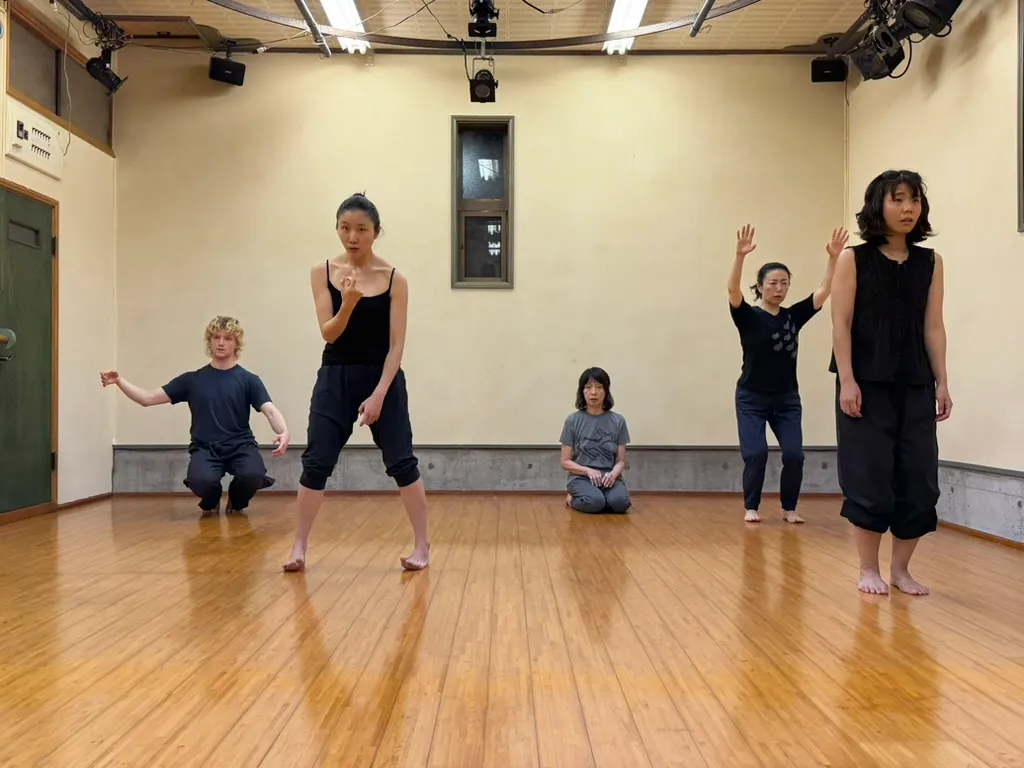
Rebellious Bodies Festival seeks to remedy that. It is an event that showcases Japanese butoh in the UK and, for the first time this year, Norway. It presents new performances, rare film screenings, and artist-led workshops by masters of the form. The impact is two-fold. The opportunity to experience novel art is always a valuable one. Additionally, the festival is a unique resource for those who wish to study butoh, as a form of personal development or for their own practice.
Butoh is contradictory: old and young; regional and global; controlled and wild.
Rebellious Bodies Festival
The festival was founded by director Mai Burns in 2023. Burns studied butoh herself, under the tutelage of Yoshito Ohno and Mitsuyo Uesugi. The throughline of their practice, and of Rebellious Bodies itself, is the distinct philosophy of Kazuo Ohno. Butoh was expansive from its inception. Hijikata’s theory of practice leaned towards the technical, the body was a vessel to be contorted and choreographed according to his butoh-fu, in service to provocative symbolism. Ohno, conversely, favoured improvisational work that centred the artist’s emotional self. It is often first encountered in artist-led workshops, personal development spaces, or other direct teaching. Both philosophies have produced exceptional art, and few consider them mutually exclusive. However, Hijikata’s arresting imagery and butoh-fu made the greater impact on international butoh.
This is what Burns encountered when returning to the UK, in 2022. She had practised butoh while living in Japan, having been introduced to it during her International Performance Research MA. This was an organic development of her work in other performing arts, including ballet and shintaido. With a move back to the UK on the horizon, Burns sought to maintain her relationship with the form professionally and, more crucially, personally. As such, she resolved to not return until she could bring her butoh back with her. She dedicated any remaining time in Japan to working on her performance, Homecoming, which crystallised her experience with the form. Upon returning, she connected with British butoh communities. There, she found that a primary influence was Hijikata’s butoh. Ohno’s butoh, which Burns had developed such a close relationship with, did not have as much overt representation. Since then Burns, via Rebellious Bodies, has worked to rectify that.
Burns resolved to not return until she could bring her butoh back with her.
Rebellious Bodies
The first festival took place in London, Birmingham, Newcastle and Jersey. It began with a collaboration between Burns; IKLECTIK programme curator Keiko Yoshida; and Toshio Mizohata, Representative Director of NPO Dance Archive Network. Nicole Watson, the director of Surface Area Dance Theatre, also supported that first edition, and Surface Area is supporting the Newcastle performance of Mother Forest in 2026. What began as a smaller-scale exhibition, in honour of Yoshito Ohno, grew into an immediately successful multimedia festival. Performances by Uesugi, Takao Kawaguchi and Vangeline were supplemented with talks, film screenings, workshops and a breadth of musicians and composers. “Rebellious Bodies” was, and is, the moniker for a wide variety of individual events. It celebrates Kazuo Ohno’s philosophy by celebrating the unique contributions of each artist.
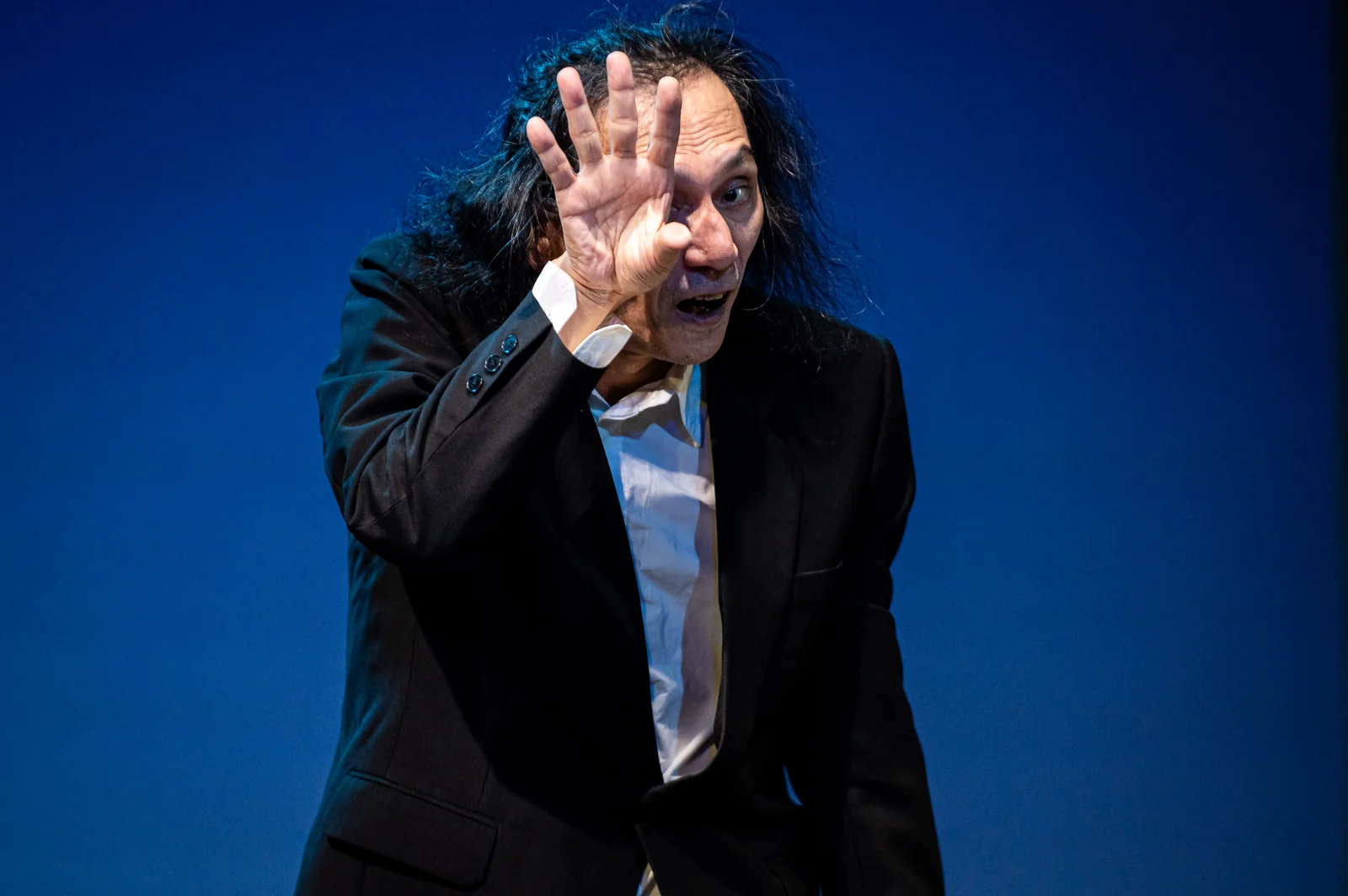
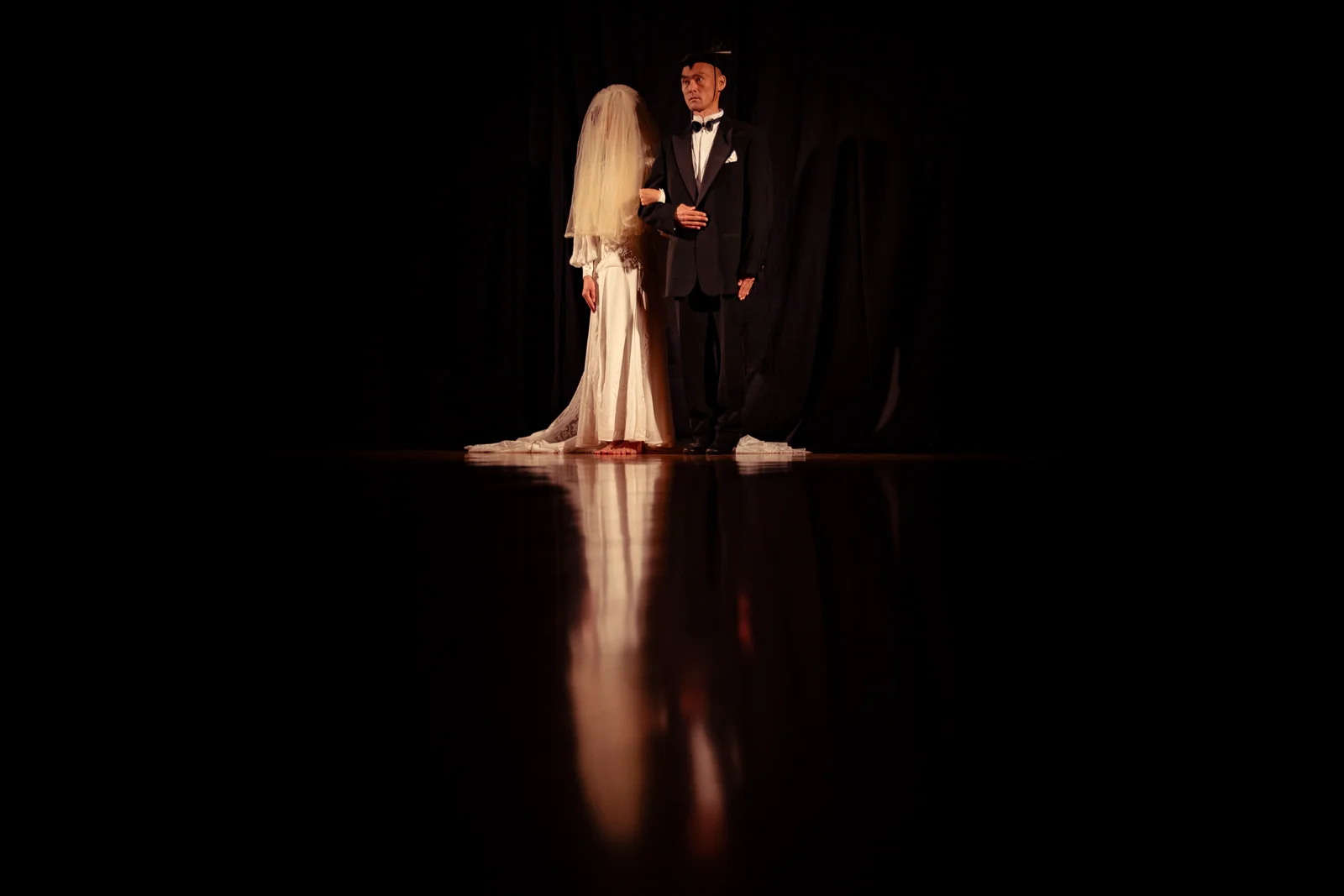
In 2025, Rebellious Bodies brought duet MUTSUMINEIRO to the UK for a special weekend of butoh. Mutsumi and Neiro met while studying under Yoshito Ohno, at the Kazuo Ohno Dance Studio, and have collaborated ever since. Their duality is a recurring theme throughout their work, folding a new dimension into a form that often expresses or erases a singular self. They showcased their signature piece, Tonight or Never…, in London, supported by Burns’ own performance, and hosted an accompanying workshop. This novel opportunity to study under two masters proved popular. 2026’s workshops, which offer an opportunity to study under five, are already selling out.

2026’s Interconnected Artists
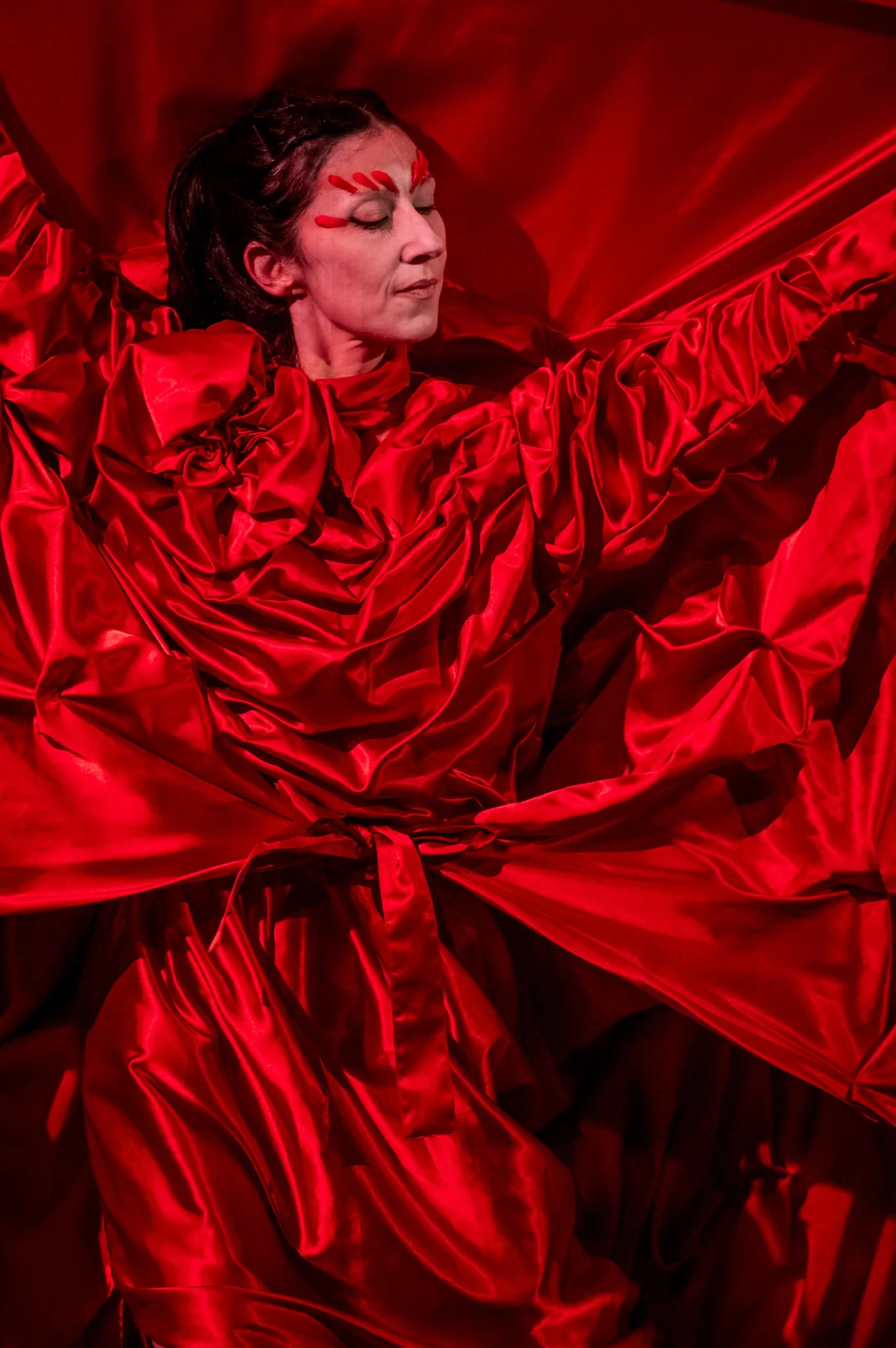
Ohno’s butoh is made up of lineal teacher-student relationships. This is characteristic of a Japanese art form, made distinct by an individualist, rather than an imitative or iterative, ethos. It is this lineage that Rebellious Bodies 2026 is celebrating, more than ever before. The festival is a pastiche of events in London; Newcastle; Bangor, Wales; and Tønsberg and Tjøme in Norway. Its centrepiece is a unique, collaborative performance by five artists of the Ohno school, Mother Forest. The senior artist of this year’s festival is Mitsuyo Uesugi, who studied under and performed with Ohno before becoming one of the world’s first solo, female, butoh artists. In 1980, she performed alongside him at The Place Theatre, London. On 13 November 2026 she returns with her solo, A Requiem for Her, and on 14 November she joins new inheritors of butoh, who have incorporated her teaching into their personal evolutions of the form, in Mother Forest. The aforementioned MUTSUMINEIRO, for example, continue to be heavily guided by her practice.
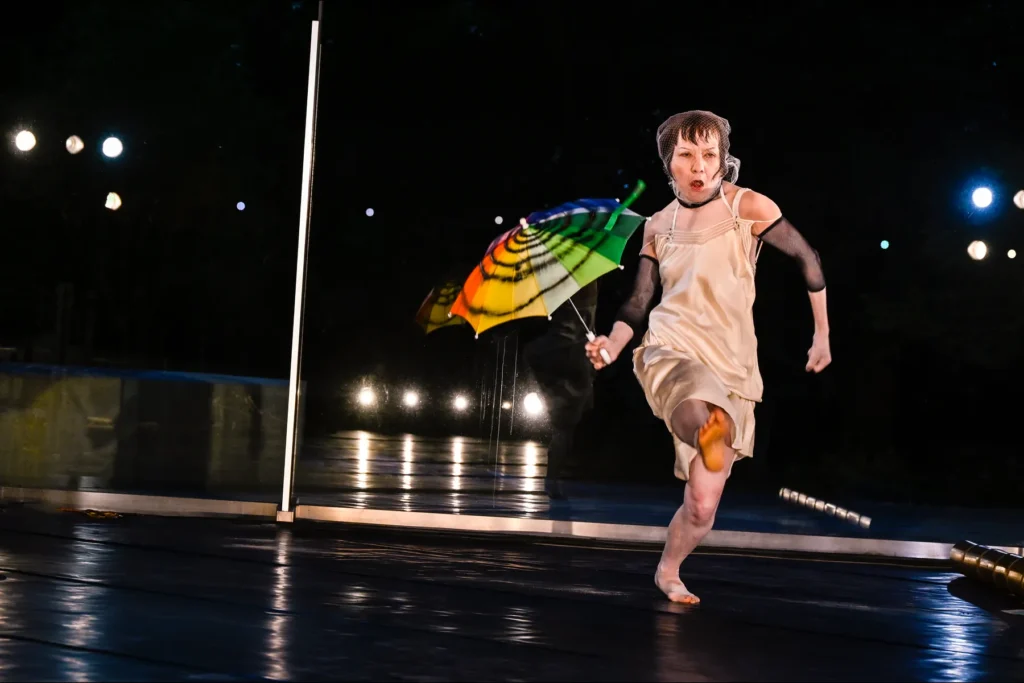
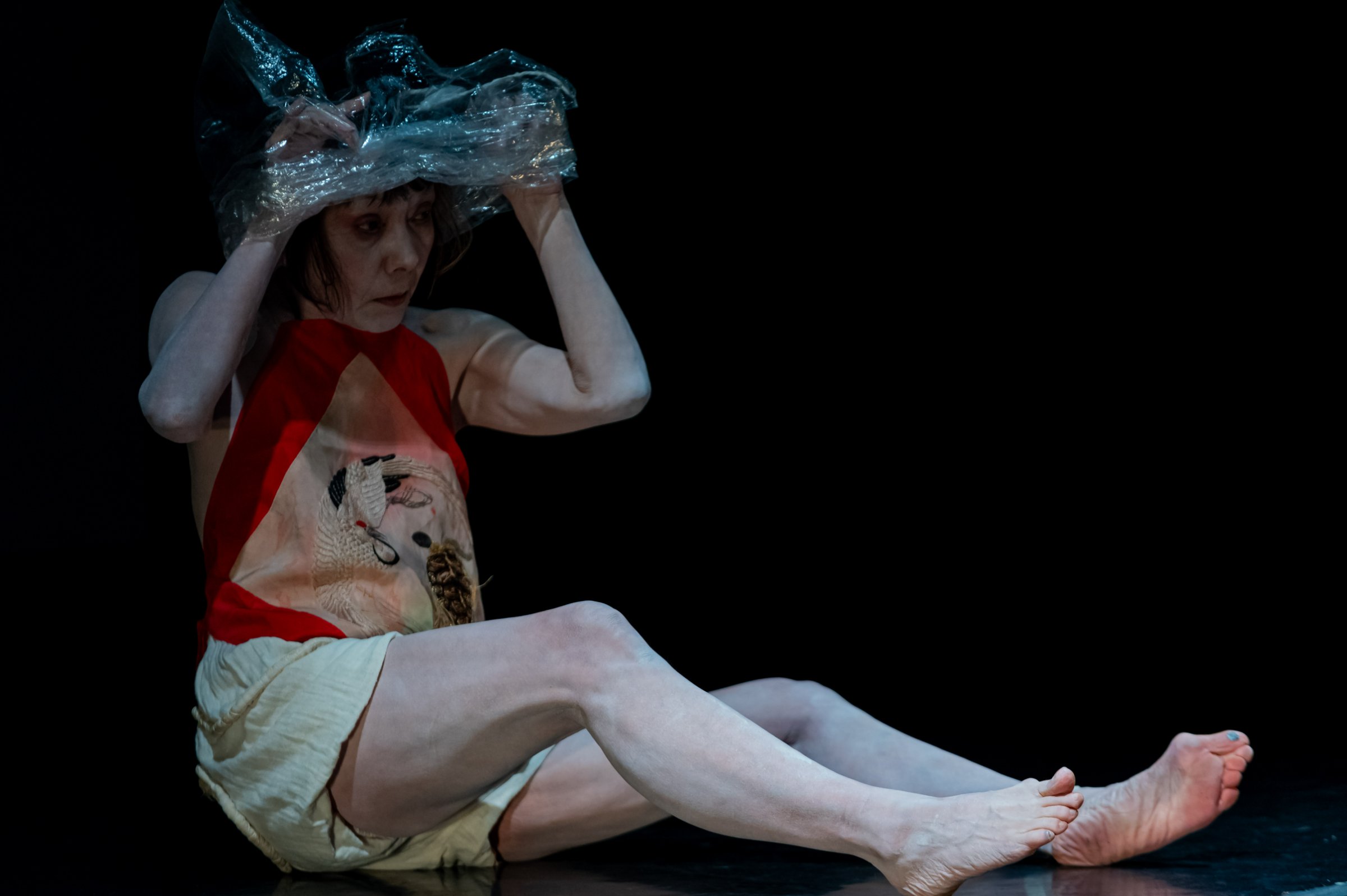
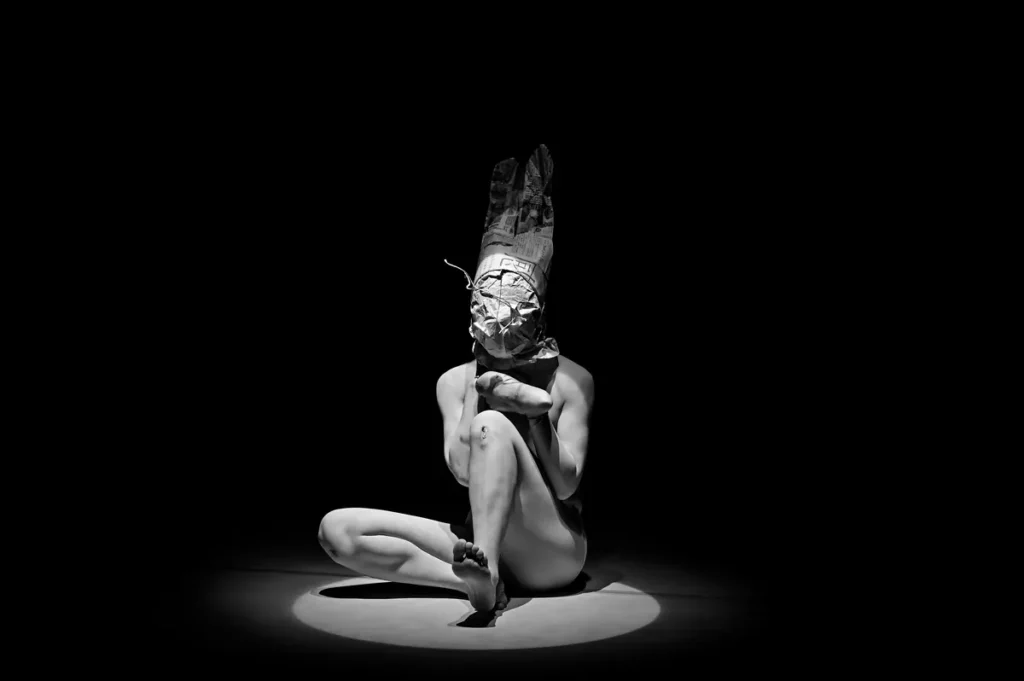
Makiko Takamatsu is another talent who has worked with Uesugi, since 2002. They co-created the film for Melancholia – A Portrait of M two decades later. Takamatsu is a butoh dancer that bridges the relationship between butoh and cinema. She danced at the avant-garde cabaret founded by Hijikata, Shogun, where she also shot her award-winning film, Idleness Dada Theater. She is known for haunting, cinematic performances, and will be bringing her signature piece, Naked Rabbit, to this year’s festival.
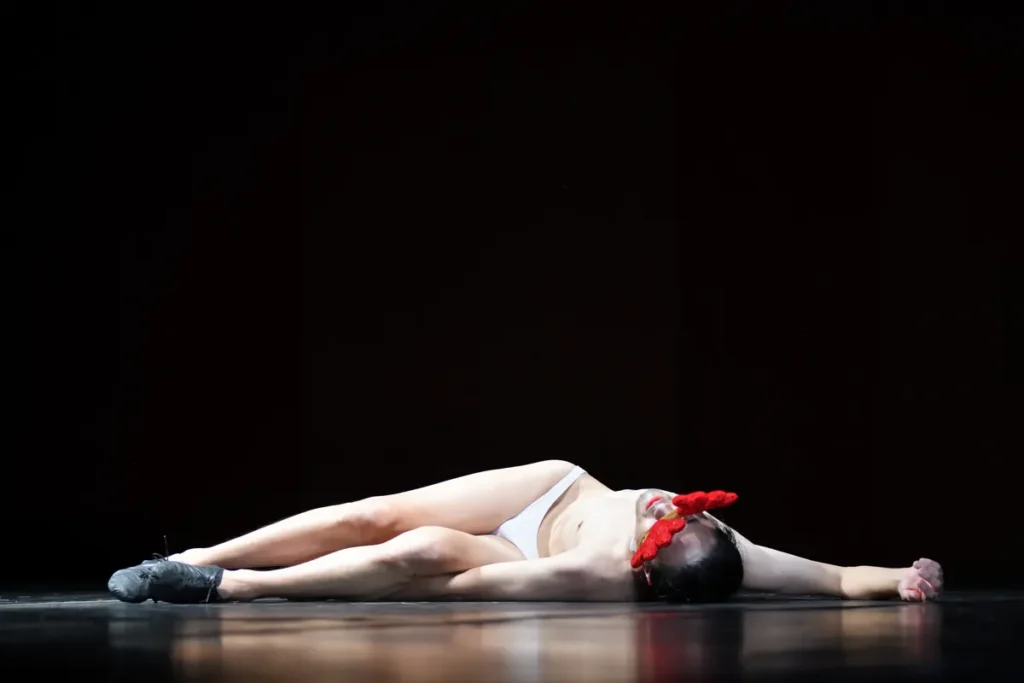
Another student of Ohno school who incorporates Hijikata is Seiji Tanaka, who has since gone on to found his own butoh studio. Like Takamatsu, he has a relationship with a key influence on Butoh. In this case, it is Germany, where he has performed critically acclaimed pieces, in addition to Belgium and Switzerland. A recent example is Messe de Muromachi, alongside Ensemble Muromachi. Rebellious Bodies 2026 will be the UK debut of this striking talent.
Ohno’s influence is spreading at a gentle pace, via close, personal relationships with those he worked with.
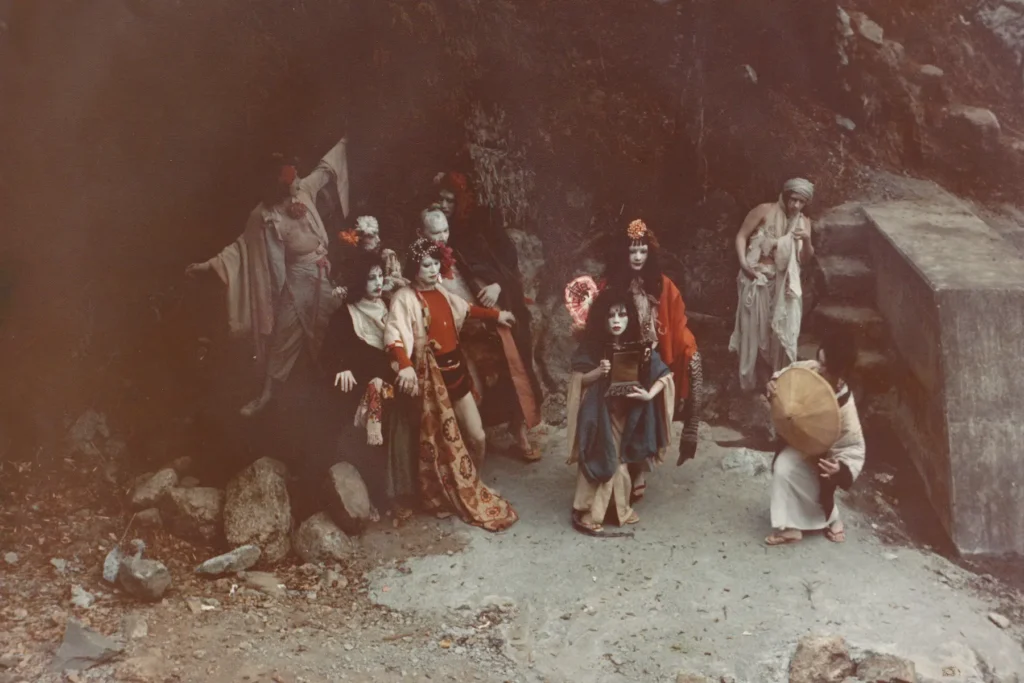
And, of course, Kazuo Ohno himself is also central to the festival, with screenings of his Mr O experimental film trilogy being held across a variety of locations. These rare films will each have a different screening location in London, accompanied by an introductory talk. The final piece, Mr O’s Book of the Dead, will have an additional screening in Tønsberg. The films veer between haunting and wry, and represent a window into butoh’s beginnings.
As in 2023, Rebellious Bodies 2026 isn’t exclusively showcasing Japanese artists. In Norway, Janne Hoem will present For Valuska, a new piece with physical actor Jens Stenstadvold and Swedish artist Carl Michael von Hausswolff. In the UK, Butoh North Wales will feature a talk and a performance by Melissa Pasut. This will be dedicated to Dymphna D’Arcy, a butoh dancer from North Wales.
A Global Philosophy
Ohno’s influence is spreading at a gentle pace, via close, personal relationships with those he worked with. They became pioneers in their own right, and built close, personal relationships with those they taught. But for adherents to Ohno’s way of thinking, personal connection does not depend on personal interaction. For example, Takao Kawaguchi never met Ohno, but refined his craft by carefully studying archive footage of Ohno. Improvisational workshops exchange Ohno’s ideals without a direct line to the master himself. Ohno’s inclusive philosophy of spontaneous self-expression has imbued butoh with one more beautiful contradiction. Butoh is from a specific place, forged by a specific group of artists, in a specific historical moment. But it is also from everywhere, and for everyone. And because of that, it is timeless.
Written by Jonathan Firbank