Ahead of Chiten’s The Gambler at The Coronet Theatre (5–15 Feb 2026), we sat down with director Motoi Miura (三浦基). The conversation looks at how he builds scenes from fragments, uses kukangendai’s live score to shape tension, and times surtitles so sound leads sense. Readers will find clear viewing cues, practical show details, and Miura’s own words in English and Japanese.
Who is Motoi Miura (三浦基)?
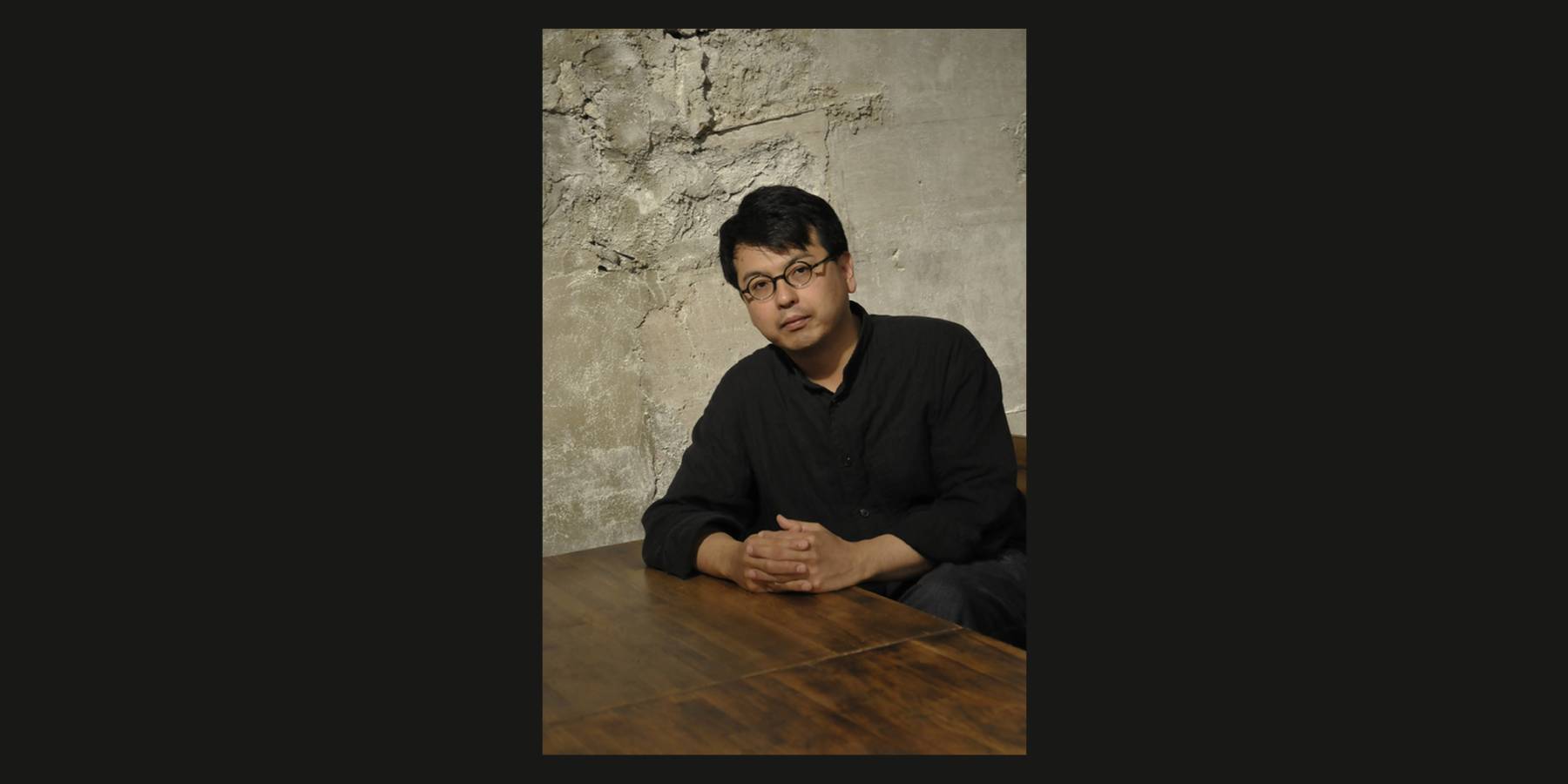
Motoi Miura, the visionary director of the Kyoto-based theatre company Chiten, who is known for his experimental and fragmented approach to classical texts.
Artistic Director of Chiten (地点), Kyoto. Miura trained within contemporary Japanese theatre circles (including a period with Seinendan) before founding Chiten, a company known for rigorous text work, repetition as structure, and treating language as sound. His productions often layer voices, interrupt flow, and employ deliberate stillness to store and release emotion.
For The Gambler, Miura teams with kukangendai (空間現代) to create a musical architecture that mirrors roulette’s cycle—spin, hold, release. The staging runs ~75 minutes with no interval, performed in Japanese with English surtitles. Fixed betting calls recur (“赤 / Red”, “Zero”), and selective subtitling later in the show focuses attention on other lines and on the actors’ physical score. The result is a compressed, rule-driven world where rhythm, gesture, and sound guide what the audience perceives and when.
In Conversation with Motoi Miura
Writing under pressure / constraints
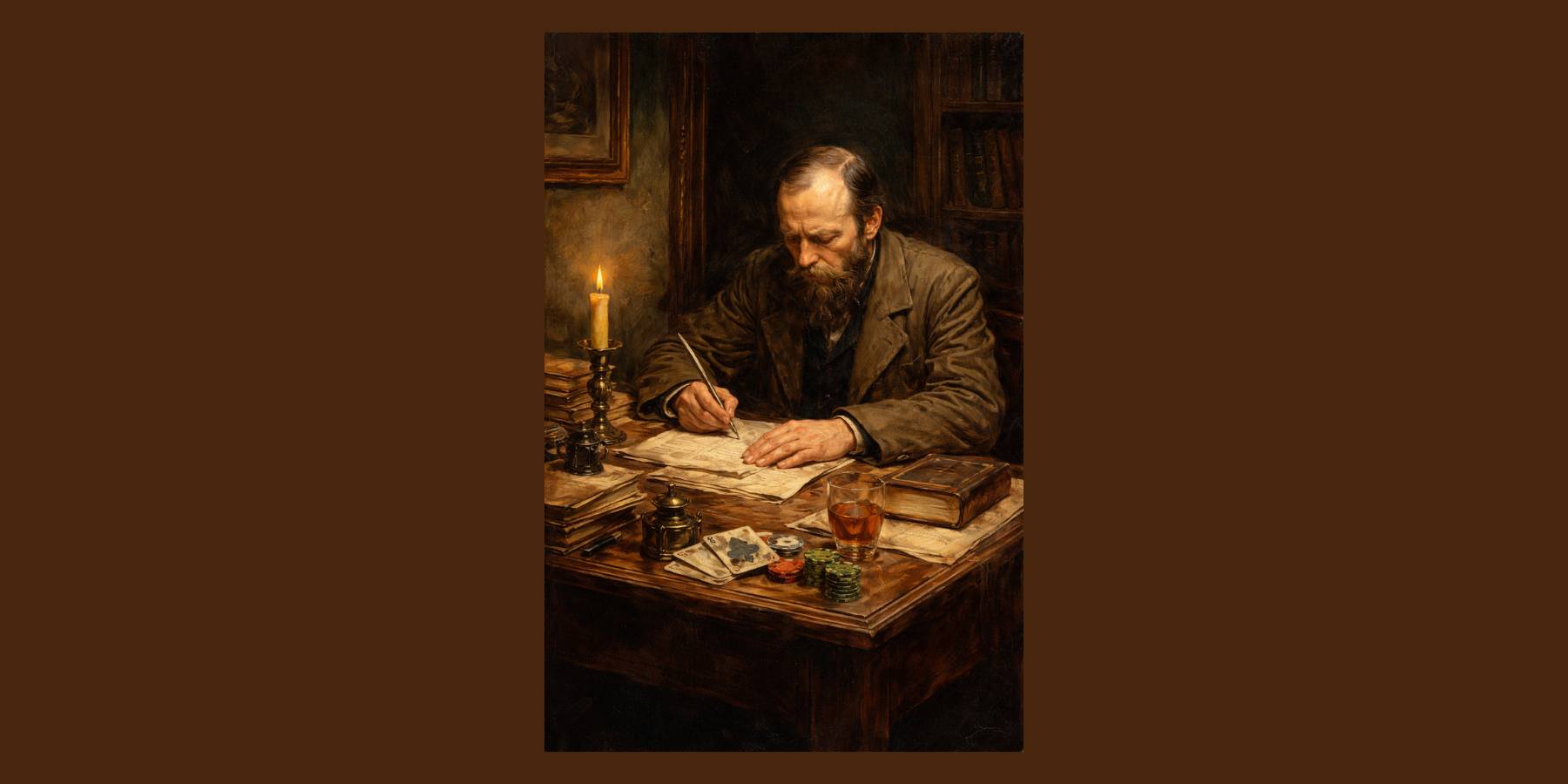
Japan Nakama: Dostoevsky wrote The Gambler in thirty days. What constraint or deadline informed your version, and how did that urgency shape your approach?
ドストエフスキーは30日の期限で『ギャンブラー』を書いたことで知られています。この作品を製作するにあたり、このような期限や制約を設けましたか?それはどのように作品に影響しましたか?
Motoi Miura: I didn’t copy the “30 days” rule. I worked with his sense of haste and speed and built the production with that energy in mind.
ドストエフスキーは、当時、借金の返済のために短期間で『ギャンブラー』を書いたことは有名です。私はこの作品を演出する時に、特に30日の期限にこだわったわけではありませんが、彼の焦燥感やスピード感を意識して制作しました。
AI, authorship, and “coded” storytelling
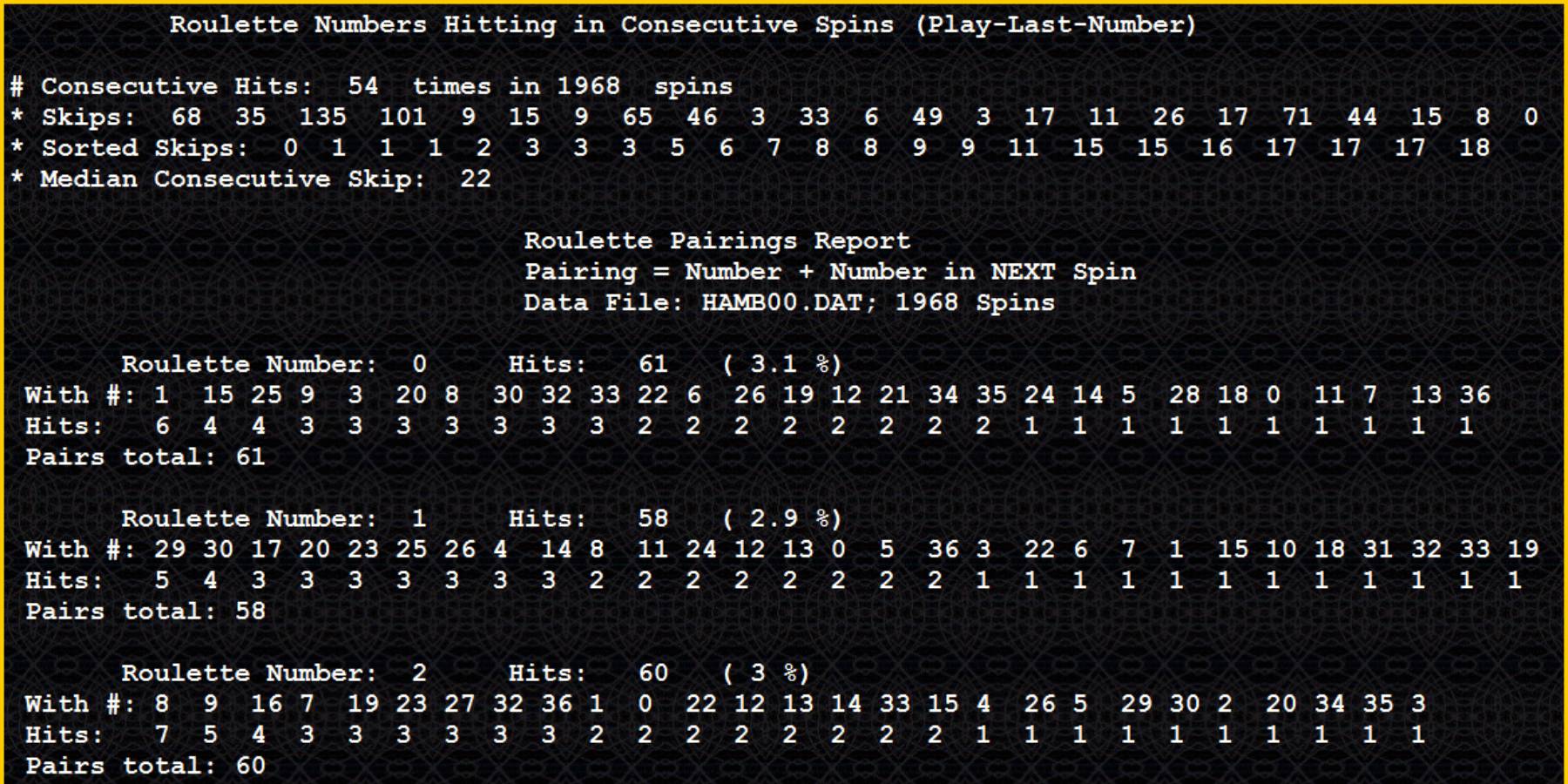
A detailed Roulette Pairings Report analyzing the frequency of consecutive number hits and pairings over nearly 2,000 spins. Source: Saliu.com
Japan Nakama: You’ve described The Gambler as feeling coded or assembled. How did that affect staging and tone?
『ギャンブラー』をAIが作成したかのような、分離し、コード化され、組み合わされた文章として観じるとして、その感覚は舞台の置き方や調度にどのように影響しましたか?
Motoi Miura: We treated roulette’s mathematics as stage grammar. Lines are recombined to reflect chance in relationships. Everyone still follows one rule set: the roulette game. That shared code shapes behaviour on stage.
ルーレットという数学的な要素を取り入れた舞台装置にしました。人間関係も偶然性に満ちたものであるという考え方に基づき、台詞の文章を組み合わせました。『ギャンブラー』に登場する人々は、勝手きままな人間が多いのですが、唯一、ルーレットのゲームのルールには従っています。このマナーが演劇的なものになりました。
Japan Nakama: Beyond the “19th-century AI” joke, what role might AI play in future stage creation?
あなたは、ドストエフスキーを紙上の19世紀AIのように観じていますが、練習室でのラップの例を超えて、後続の舞台作りにAIが払う役割をどのように考えますか?
Motoi Miura: AI samples and organises the world at a scale beyond human grasp. Artists will use it; final choices must remain the artist’s.
ドストエフスキーは若い時、新聞記者を経験しています。そのため彼は、報道という立場から世界を記述する感覚を持っているわけです。AI技術は世界をサンプリングし、整理するものです。その情報量が人間の把握できる範囲を遥かに超えています。ドストエフスキーが19世紀のAIだというのは半分冗談ですが、あながち的を射ていると思ったのは、彼の世界認識がAIのように異常なほど範囲が広いからです。現代に生きる私たちが、今後AIを活用することは必然だと思います。芸術家もそうだと思います。その上で最終的に芸術家個人の判断が重要になることは言うまでもありません。
“Tomorrow” as theme

Performers from the Chiten Theatre Company display intense expressions in a scene from their experimental adaptation of Dostoevsky’s The Gambler.
Japan Nakama: The final line “Tomorrow, everything will be settled” can read like avoidance. In your theatre practice, what does “tomorrow” mean?
最後の一文「明日、すべてが解決する」は避けのマントラのように読めます。この「明日」という言葉は、舞台作りの文脈の中であなたにとってどのような意味を持ちますか?
Motoi Miura: People often feel that today won’t change. I want audiences to leave the theatre wanting tomorrow.
もちろん、私たちは、現実が今日も変わらないと言う絶望感を抱きがちです。観客が舞台芸術を見て、劇場を出るとき、「明日」への渇望を抱いて欲しいと思っています。
Adapting Dostoevsky
Japan Nakama: What was uniquely challenging or revealing in adapting The Gambler?
『ギャンブラー』を変換するにあたり特に難しかったり発見があったりした点は何でしたか?
Motoi Miura: The novel moves readers through wins and losses. On stage, the task is empathy. Finding the emptiness even in victory was key.
『ギャンブラー』は、賭けに負けたり勝ったりすることで読者の感情が動く小説です。それを演劇で観客が感情移入できるのかどうかが難しいところです。いずれにせよ、勝っても虚しいという感覚を表現できたことが発見でした。
Aesthetic choices

A series of dramatic character studies from the Chiten Theatre Company’s production of The Gambler, showcasing the production’s emotional intensity and stark lighting.
Japan Nakama: You avoid period reconstruction. What space replaces historical detail?
歴史的な製作にならないように、ばっさりと時代性を掛けたステージングを行ったのはなぜでしょうか?その空間には何が生まれましたか?
Motoi Miura: I aimed for a cosmic space rather than a named place, so the characters’ interior life reaches the audience directly.
『ギャンブラー』ではロシア人だけではなく、いろいろな国の登場人物たちが活躍します。非常に国際的な世界です。私のねらいは、どこかのある場所を限定するのではなく、宇宙的な空間にしたかったのです。それによって、人物たちの精神性だけが届くようにしました。
Sound, rhythm, and kukangendai

Japanese art-rock trio Kukangendai, known for their experimental “math-rock” sound and rhythmic complexity. Source: Adelaide Now
Japan Nakama: How did you and kukangendai shape the musical architecture? Did sound lead image, or emerge from text?
Kukangendaiと一緒に、どのように音楽の構造を組みたてましたか?音は視覚より先にありましたか?それとも言葉のリズムから音が生まれましたか?
Motoi Miura: Sound came first. I asked for two anchors: the spin-to-stop tension of the roulette ball and the celebratory noise of a win.
空間現代にはじめに注文したのは、ルーレットに玉が入って、止まるまでの緊張感と、賭けに勝った時の賑やかな音楽でした。その組み合わせを基本としました。今回は、音楽が視覚よりも先行しました。
Rehearsal discoveries

An ensemble rehearsal for Chiten’s adaptation of The Gambler, featuring the company’s distinctive physical staging and intense character work.
Japan Nakama: What unplanned choice emerged in rehearsal and stayed?
練習過程で発見した、予定せずに出来ごころに残した選択は何かありましたか?
Motoi Miura: The actors began dance-like movements on their own. The humour worked, so we kept it.
ダンス的な動きは、練習過程で俳優たちが好き勝手にやり始めました。その動きがユーモラスでとても面白くなったと思います。
Compulsion, repetition, and performance language

A dramatic ensemble formation in Chiten’s experimental production of The Gambler, highlighting the company’s use of minimalist staging and striking lighting design.
Japan Nakama: How did you physicalise the rhythm of addiction and repetition?
『ギャンブラー』には、重複される行動が表現す「依存」のリズムがありますが、その身体性を演者とどのように練り上げましたか?
Motoi Miura: Repetition is a familiar tool in my work. In this piece, picture-like freezes repeat to store and heighten emotion.
繰り返しの方法は、私の演出ではポピュラーです。『ギャンブラー』でもそのリズムはあって、特徴的なのは俳優が絵のようにストップしているところです。何度もそれを繰り返すことで感情を溜めて昂らせることを目的としました。
Meaning via sound: breaking the pattern
Japan Nakama: Are there moments where you let meaning lead sound, and why?
Chitenの方法は意味よりも先に音のレイヤーでことばを展開させますが、『ギャンブラー』ではそのパターンをわざと破った場面はありましたか?それはなぜでしょう?
Motoi Miura: In explanatory passages, the speaker steps outside the set and uses a microphone. It aims for a Brechtian distance.
物語の解説をするようなせりふのシーンがあります。これは、登場人物の言葉というよりも作家の言葉です。そのようなシーンは、わざと舞台装置の外に出てマイクで語るようにしました。ブレヒト的な異化効果を目指しました。
Language, surtitles, and audience perception
Japan Nakama: What does working in Japanese with English surtitles enable?
日本語で演じながら英語サータイトルを用いることによって、単一言語の作品ではできないどのような技法的な手段が可能になりますか?
Motoi Miura: Characters are always betting; fixed calls like “Red!” and “Zero!” recur. As audiences start to understand without reading, we omit some titles so attention can shift elsewhere. Sound and text work as an ensemble.
今回の上演では登場人物が、常に賭けを行っています。彼らは赤!ゼロ!などと決まった文句を周期的に叫んでいます。それらの単語は、やがて字幕なしでも観客は理解しはじめますから途中から省略してゆきます。そのぶん、他のセリフの字幕に集中しやすくなるようになります。日本語の音の響きと字幕による視覚の情報がアンサンブルになるようにします。
Japan Nakama: How might the different rhythms of surtitles and speech affect English-speaking audiences?
サータイトルと演技のリズムが分かれるこのデュアリティは、英語話者の観客にどのような体験をもたらすと思われますか?
Motoi Miura: If music, bodies, and words feel like a new language, we’ve done our job—almost like watching extraterrestrials perform.
音楽のリズム、俳優の身体性、言葉の響き、全てが新しい言語のように感じられるといいと思います。日本語で上演していても日本の観客はまるで別の言語で聞いているような感覚になる時が、地点の舞台ではよくあります。まるで宇宙人のパフォーマンスを見るような体験をもたらせたら成功です。
“Defeat as bright”
Japan Nakama: How does defeat function as a hopeful or aesthetic gesture here?
あなたのノートで「敗北が明るい」という表現がありました。この作品の中で、敗北をどのように期待と美意識のジェスチャーとして扱われたのでしょうか?
Motoi Miura: Defeat warns and teaches. The piece traces the desire to go on, even when you lose.
現実はいつだって満足できるものではなく、人間は欲望を持ちます。敗北は人生における時々の警告です。そこからしぶとく生きる術を見つけることが期待されます。『ギャンブラー』は、どんなに敗北しても前に進もうとする欲望の物語でしょう。
After 75 minutes
Japan Nakama: What do you want the audience to leave with—especially newcomers to your work?
『ギャンブラー』を75分間観た後、特に初めてあなたの作品に接した観客にはどのような感情や質問を持ち帰ってほしいと思われますか?
Motoi Miura: A sense of total performance—music, bodies, and the resonance of words. If they mimic a line on the way out, we succeeded.
総合芸術としてのパフォーマンスを感じで欲しく思います。それは音楽や俳優や言葉の響きなどのアンサンブルです。観客が劇場を出るとき、俳優の口真似をしながら会話していたら成功です。
Stillness on stage

A striking ensemble formation from the Chiten Theatre Company’s experimental production of The Gambler, featuring the production’s signature minimalist staging and vertical light design.
Japan Nakama: What does stillness mean in your staging?
静止の瞬間にこそ、あなたの作品は最も響くように感じます。舞台における「静けさ」はあなたにとってどのような意味を持ちますか?
Motoi Miura: “Nothing” works when the rules before and after are clear. Stillness is the moment those rules crack; we prepare the conditions for that break.
何もない、ということを表現することは、その前後を整えなければなりません、それは、私の舞台では作品におけるルール作りから始まります。「静けさ」は、そのルールに亀裂が入るときだと思っています。私はそのような亀裂が生まれるべくして生まれることを期待して演出しています。


The Gambler at The Coronet: Event Info
- Title: The Gambler — Chiten (地点)
- Where: The Coronet Theatre, London
- Dates: Thu 5 – Sun 15 Feb 2026
- Times: 19:30 (plus Sat 14 Feb matinee 14:30)
- Running time: ~75 minutes, no interval
- Language: Japanese with English surtitles
- Advisories: depictions of gambling addiction; flashing lights
- Tickets: £20–£60; members up to 20% off; concessions and groups available
- Offer: 10% off for Japan Nakama readers with code CHITENNAKAMA
Tip for surtitles: choose a seat with a clean sightline to the caption board (centre–mid often balances body and text).