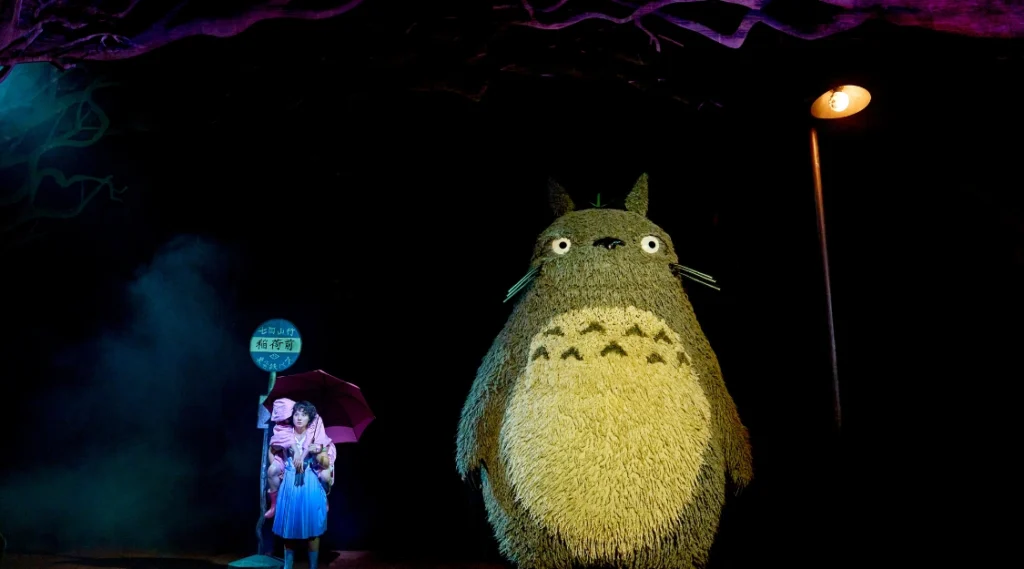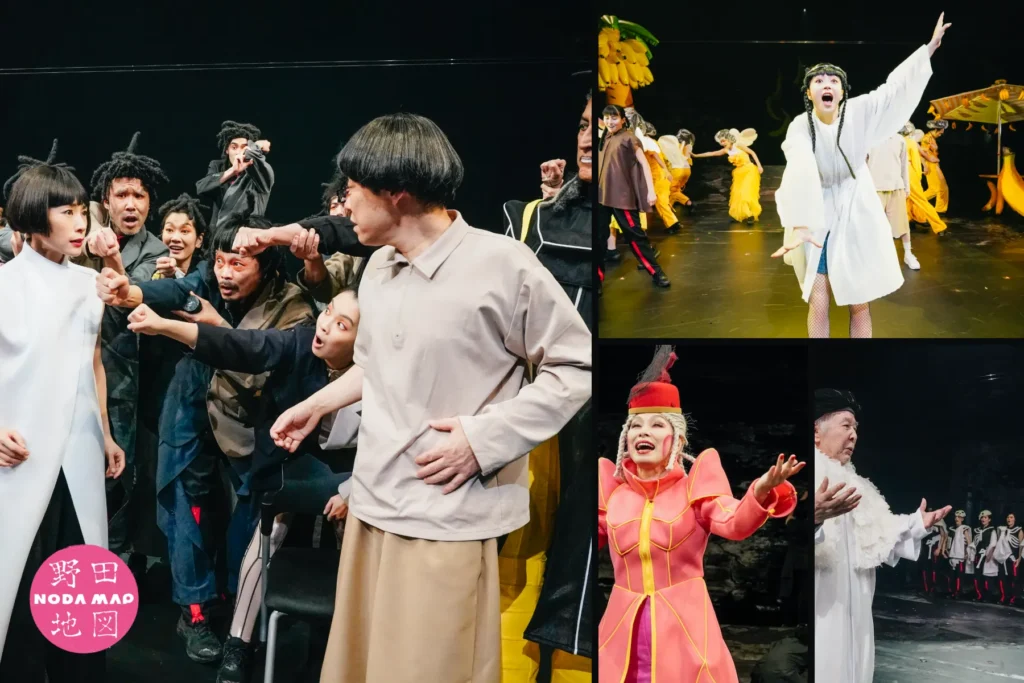
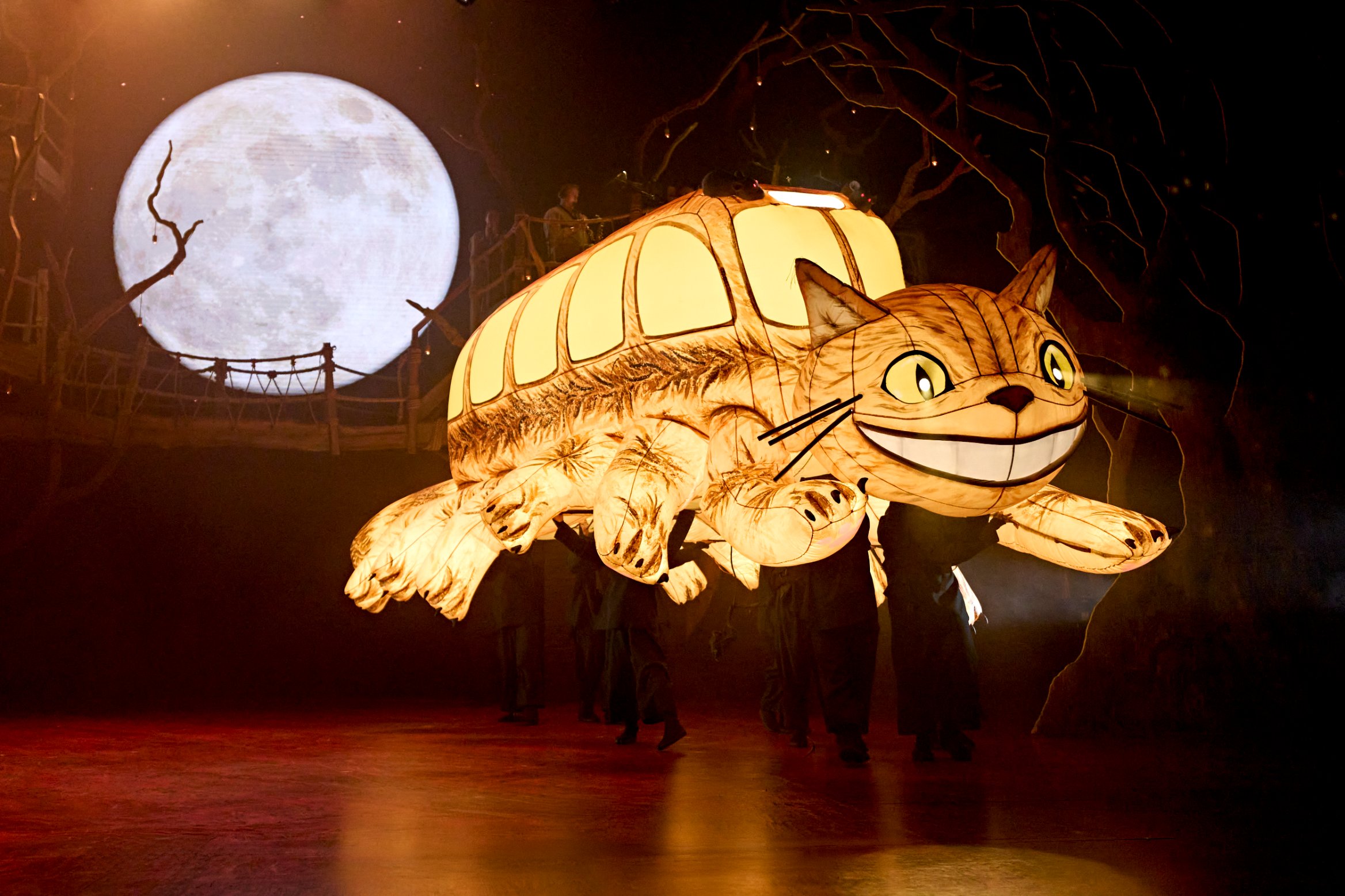
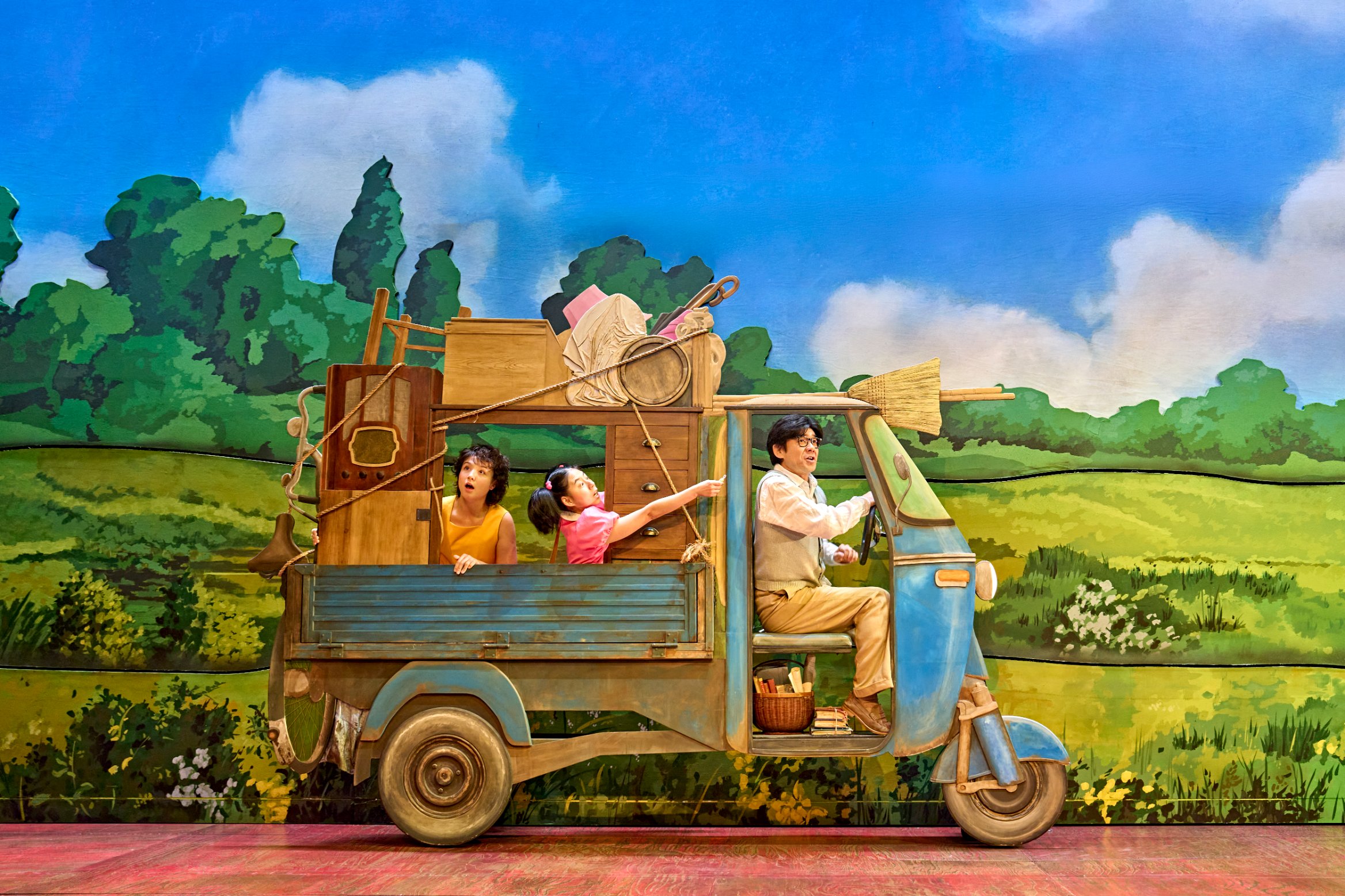
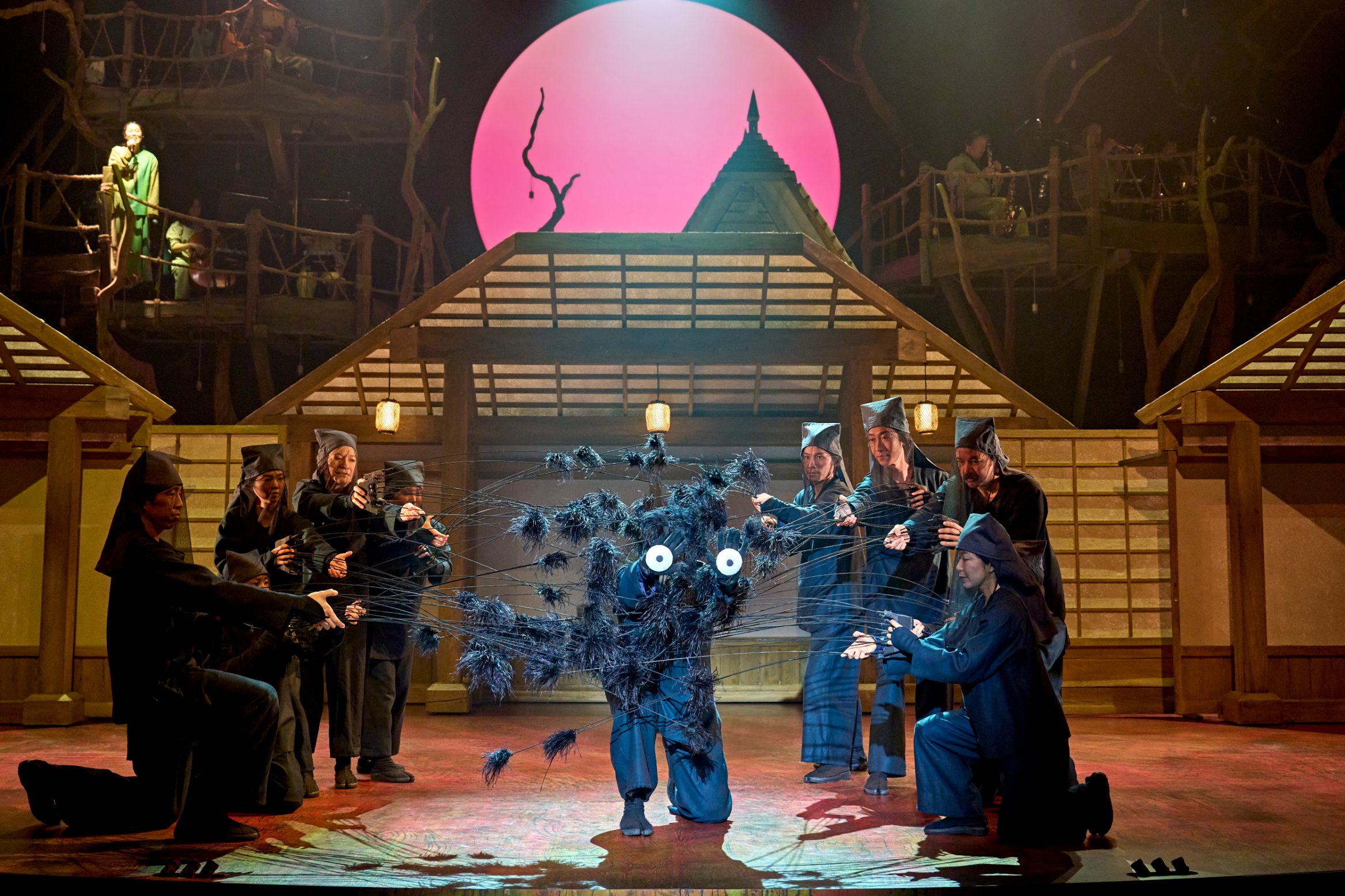
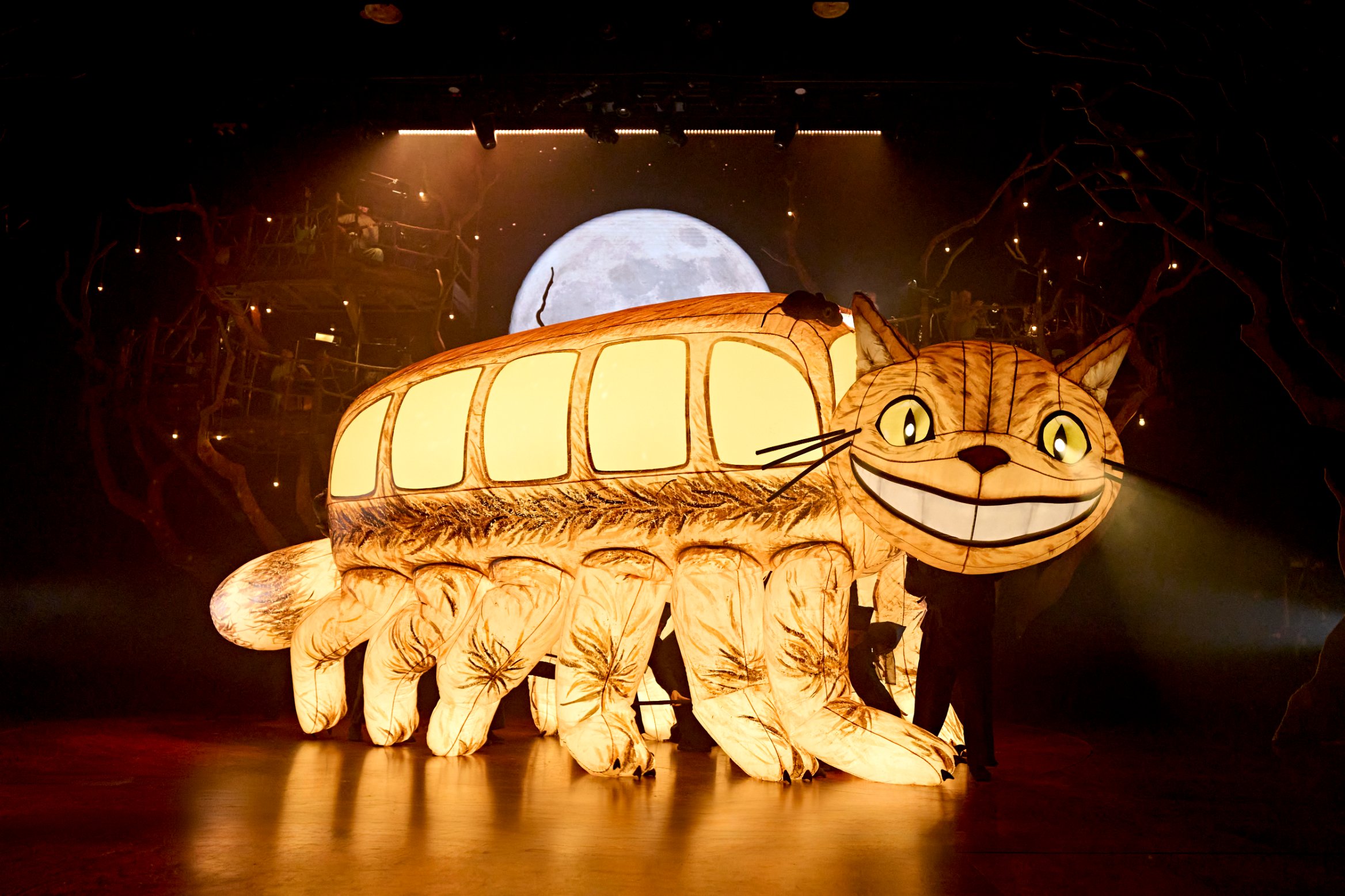
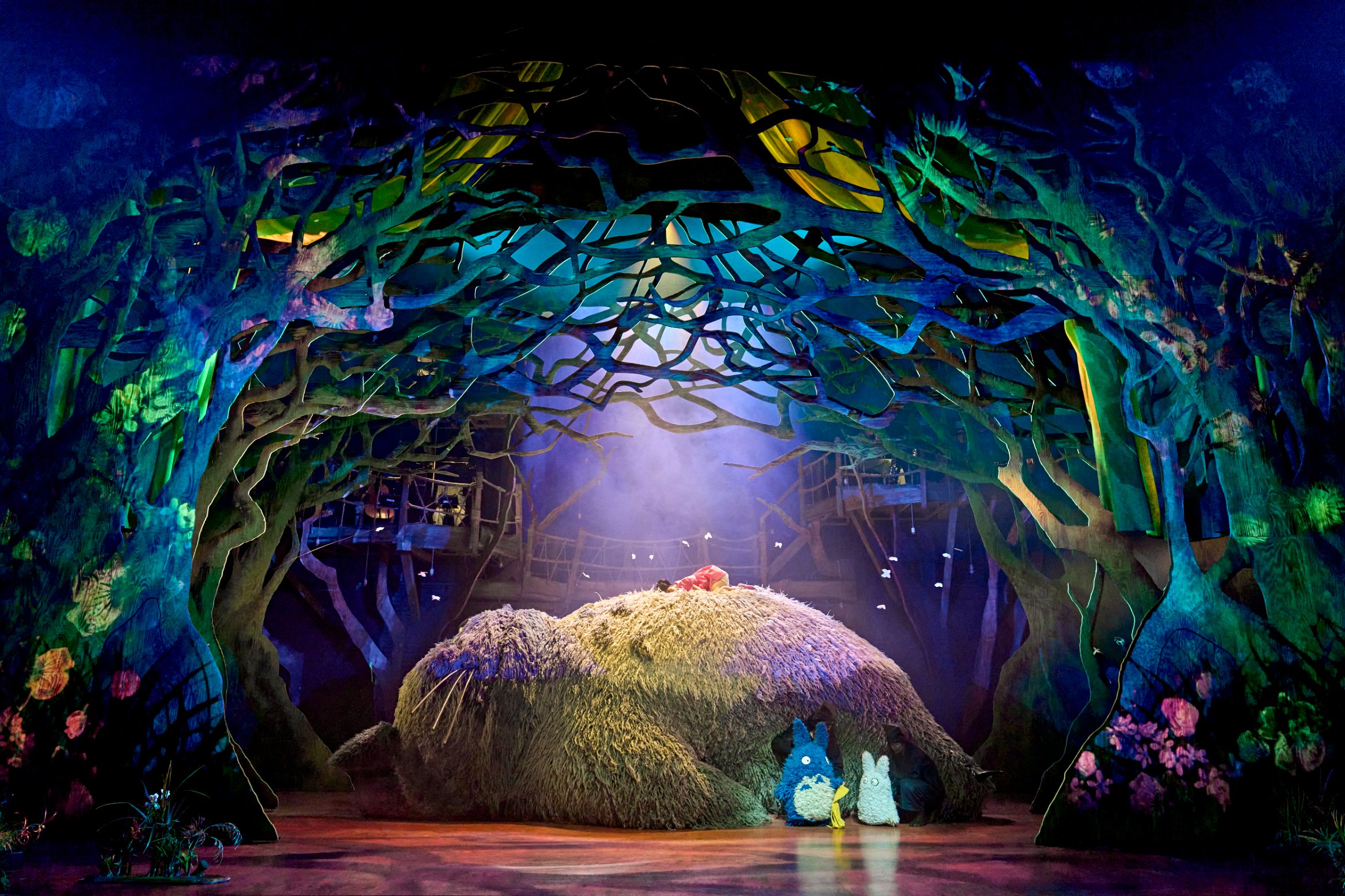
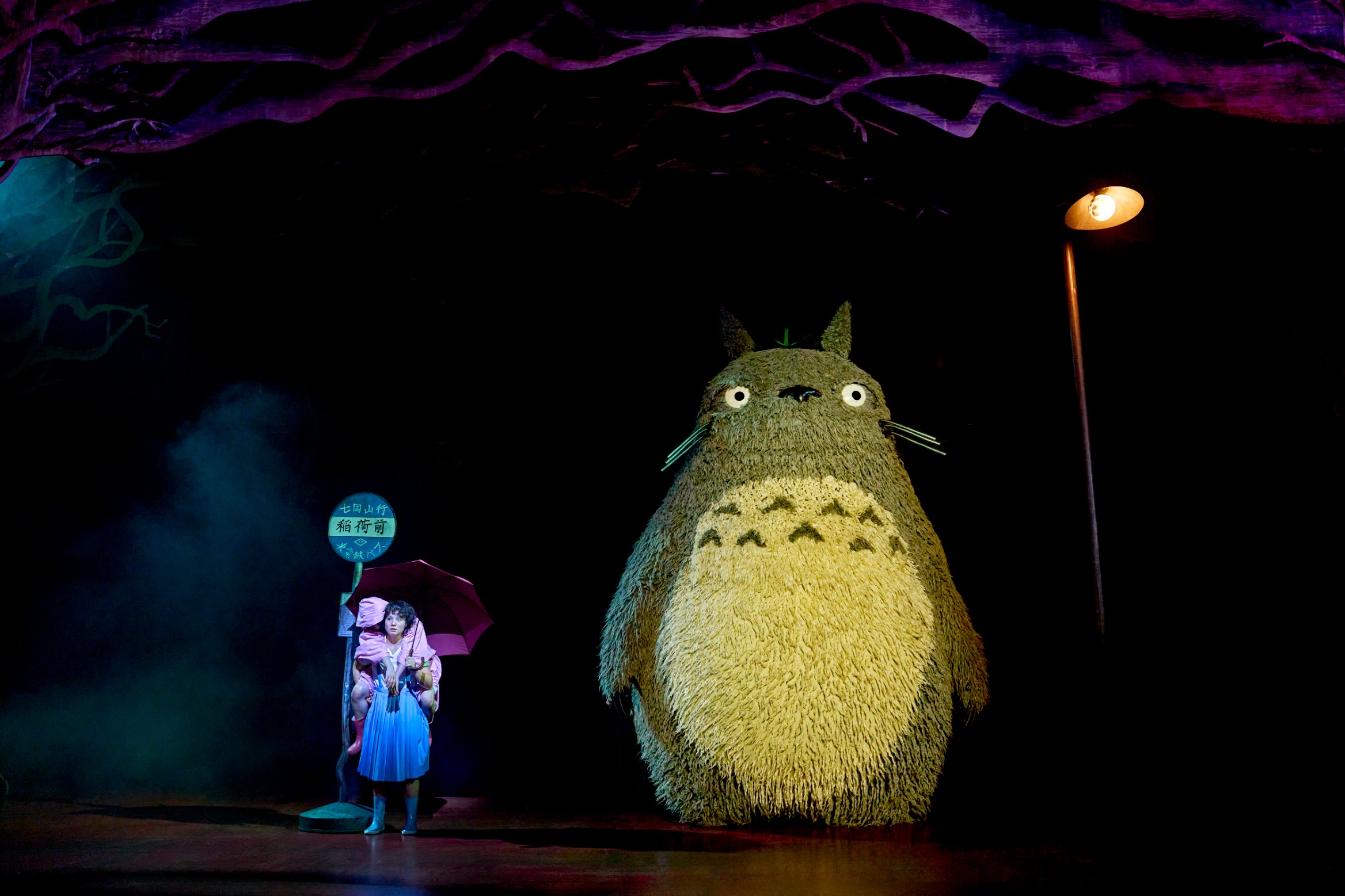
When Death Note: The Musical opens at the Barbican this summer, one of the biggest questions for fans is how a story so tied to its manga and anime look will translate to living, breathing actors on a stage. That job falls to costume designer Sachiko Nakahara, who was nominated for an Olivier Award for Best Costume Design for Spirited Away and has built a reputation for carrying Japan’s most iconic stories from page and screen into the theatre. We spoke to her about reinterpreting Light Yagami and the Shinigami, the line between anime exaggeration and what actually works on a real body, and why Japanese storytelling continues to travel so far beyond Japan. Nakahara also shared her original costume design sketches for the production with Japan Nakama.
Costumes of Death Note
Bringing Death Note: The Musical to London
The Barbican production introduces Death Note: The Musical to a major London audience. What excites you most about bringing the show to the UK?
“I’m most excited about the opportunity to share a Japanese story that has been loved by audiences around the world in a completely new way. Many people may already know Death Note through the manga or anime, but a stage production offers a very different experience. It’s not just the costumes. It’s the set design, the music, the lighting, and the actors performing live that bring the story to life in a way that feels immediate and deeply human. I’m really looking forward to seeing how audiences in London respond to that experience.”
Japanese manga and anime have become hugely influential in global popular culture. What role do you think Death Note has played in that cultural journey?
“I think Death Note is one of the works that showed the world manga and anime can tell sophisticated stories that appeal not just to children, but to adults as well. It explores universal themes like justice, morality, and the nature of power, which is why it has resonated with audiences across so many different cultures.
At the same time, it’s an incredibly entertaining story, with compelling psychological drama and an extraordinary imagination behind it. I believe it has played an important role in introducing the richness of Japanese storytelling to audiences around the world.”

Translating anime and manga into stage costume
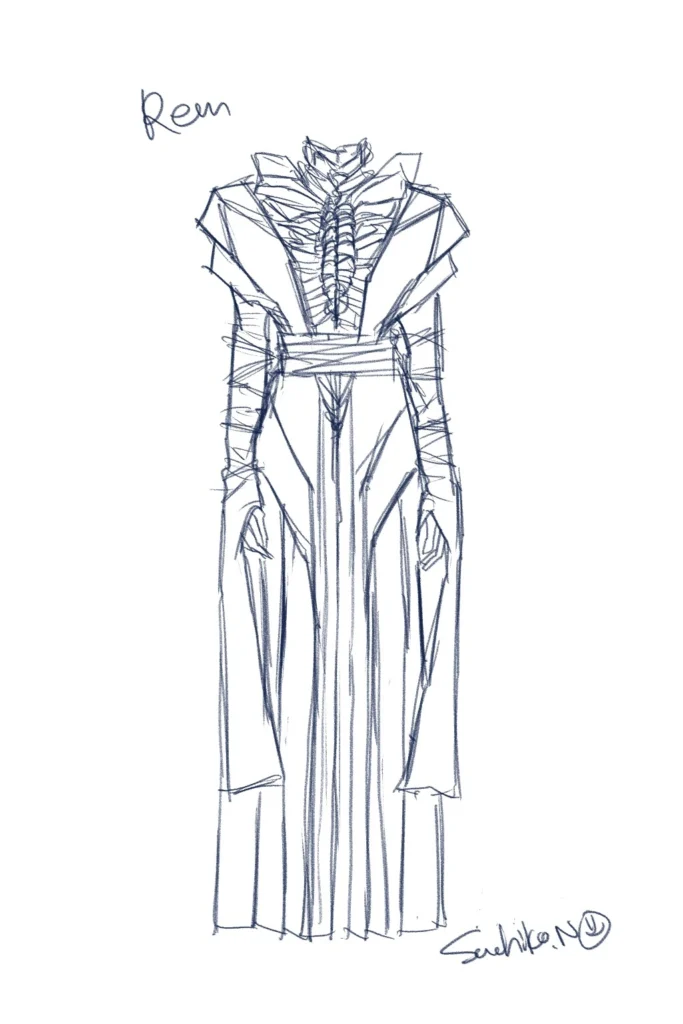
Death Note has such a distinctive visual identity, beloved by fans around the world. How did you approach translating the manga and anime aesthetic into costumes for the stage while making them feel fresh and theatrical. Did you feel a responsibility to honour their expectations, or did you see the stage production as an opportunity to reinterpret the characters visually?
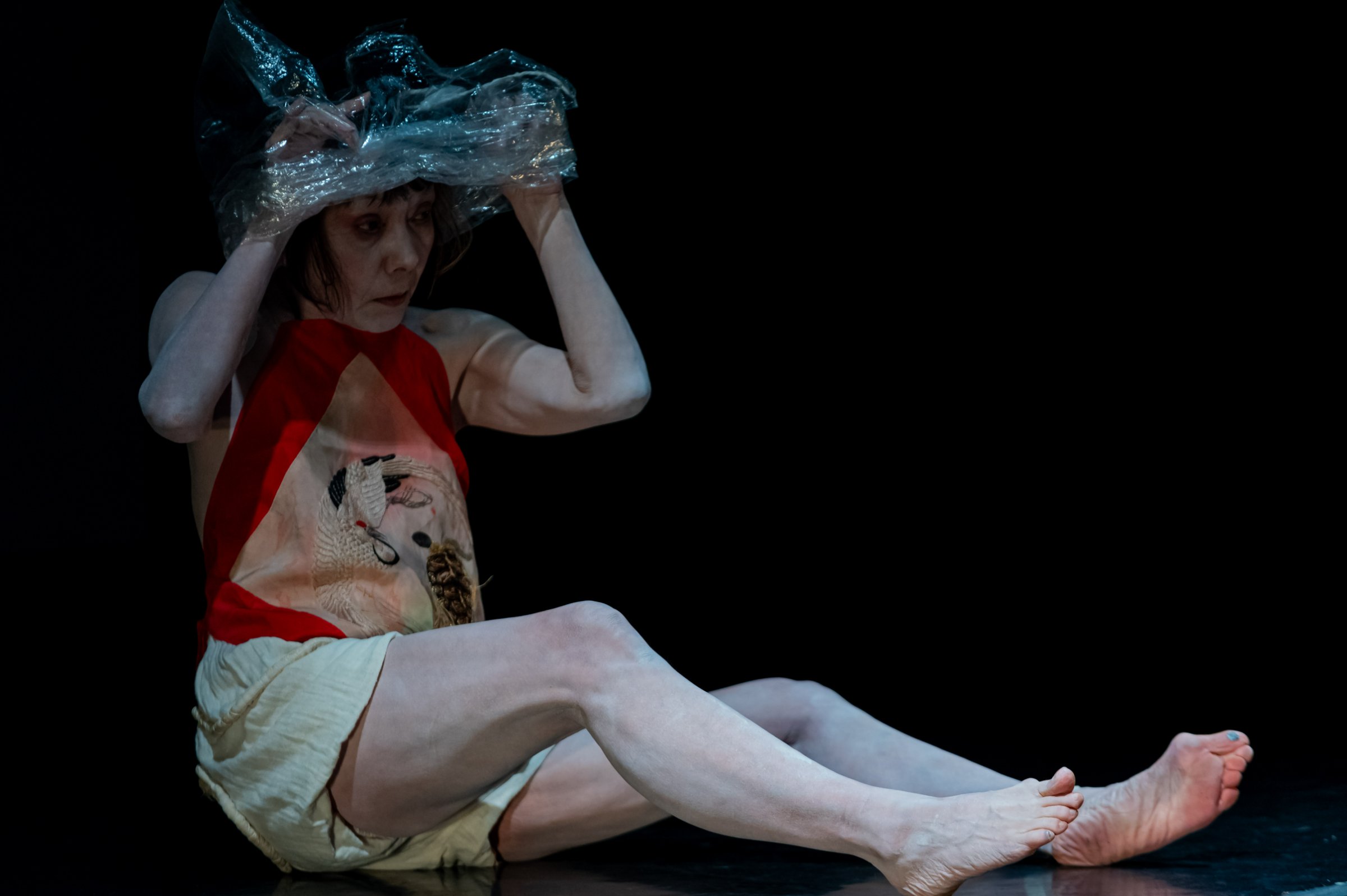
“The original characters are already deeply loved by fans around the world, so it was very important to respect the essence of each one. At the same time, theatre has its own visual language. It’s brought to life by real actors, so rather than trying to recreate the original illustrations exactly, I focused on capturing the essence and atmosphere of each character.
From there, I reimagined how they could be expressed through contemporary Japanese fashion while creating a cohesive visual look for the cast as a whole. Even as fashion and society continue to evolve, I wanted audiences to recognise each character immediately and feel that they naturally belong and exist in the world of this stage production.”
Can you talk us through your design process? Do you begin with sketches, fabrics, colours, or conversations with the director and creative team?
“It always begins with conversation. I spend a lot of time talking with the director and the rest of the creative team about the story, its themes, and the characters. Once we have a clear shared vision for the production, I begin my research and start developing ideas through sketches.
Choosing the right fabrics is also a crucial part of the process. The texture, colour, and silhouette of each costume all contribute to the audience’s first impression of a character. As the story unfolds, the costumes also need to reflect each character’s emotional journey. It’s a highly collaborative process, so we go back and forth through many discussions, refining each design until it feels exactly right.”
When you first read a character, what do you look at first: the silhouette, the colour, or the personality the drawing is trying to show?
“The first thing I look at is the character’s personality. I want to understand what they’re thinking, what they want, and how they see the world around them. I also think about the environment they live in and how that has shaped who they are. Once I have a clear understanding of the character, the silhouette and colour palette begin to emerge naturally. Costume design is ultimately about storytelling, so I always start by exploring the character from the inside out.”
Are there any aspects of anime characters that you definitively know you need to suspend or omit because they just don’t work in real life?
“Yes, definitely. One of anime’s greatest strengths is its ability to use visual exaggeration. But certain elements, such as hairstyles, silhouettes, or intricate design details—can look unnatural when translated directly onto a real actor. Some designs are beautiful precisely because they exist as illustrations. For me, the goal is never to reproduce every detail exactly. What’s important is capturing the spirit of the original design and expressing its appeal in a way that feels authentic and believable on stage.”
Designing Light Yagami and the Shinigami
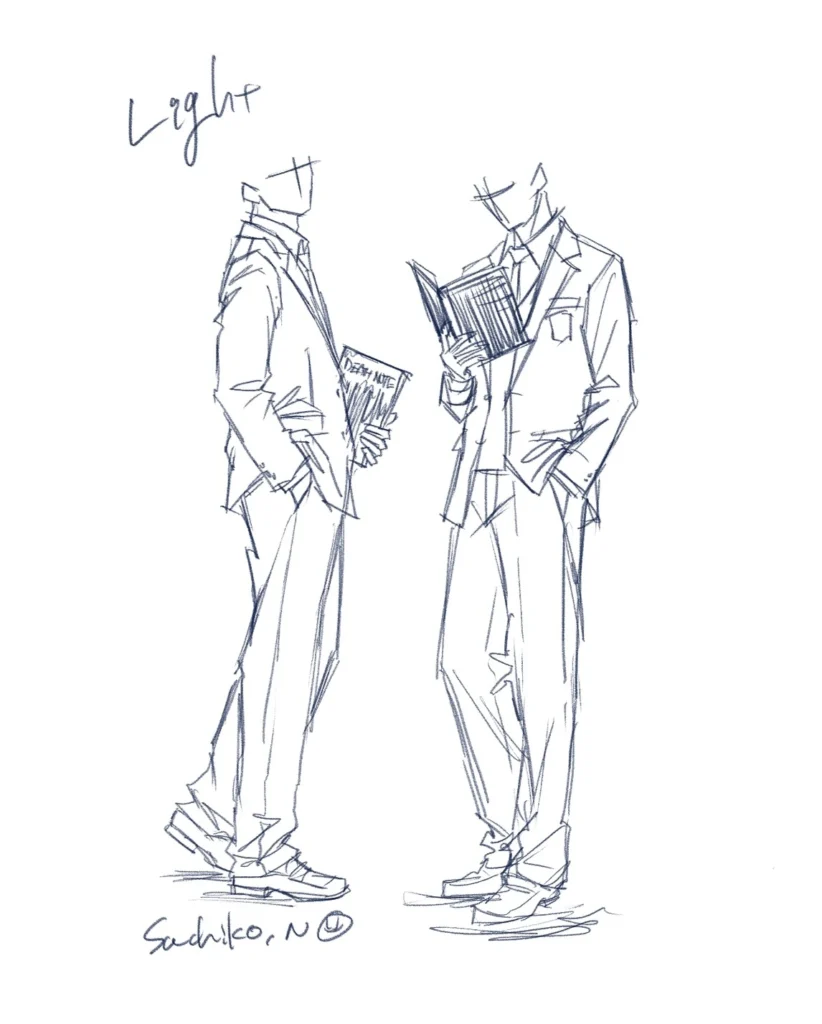
Light Yagami undergoes a dramatic transformation throughout the story. How did his costumes evolve to reflect his psychological journey and growing obsession with power?
“I’d rather not give away too much, because I’d love audiences to experience that journey for themselves in the theatre. But as the story progresses, I wanted Light’s costumes to become gradually more refined and controlled.
At the beginning, there’s a sense of youthfulness and everyday normality, but over time they start to reflect a growing confidence and a stronger sense of authority. Rather than making dramatic changes, I focused on subtle shifts in silhouette, texture, colour, and even the way the costumes are worn. My aim was to let the costumes quietly reflect his psychological transformation, allowing the audience to sense those changes almost subconsciously.”
Costume, practicality and why Japanese design travels
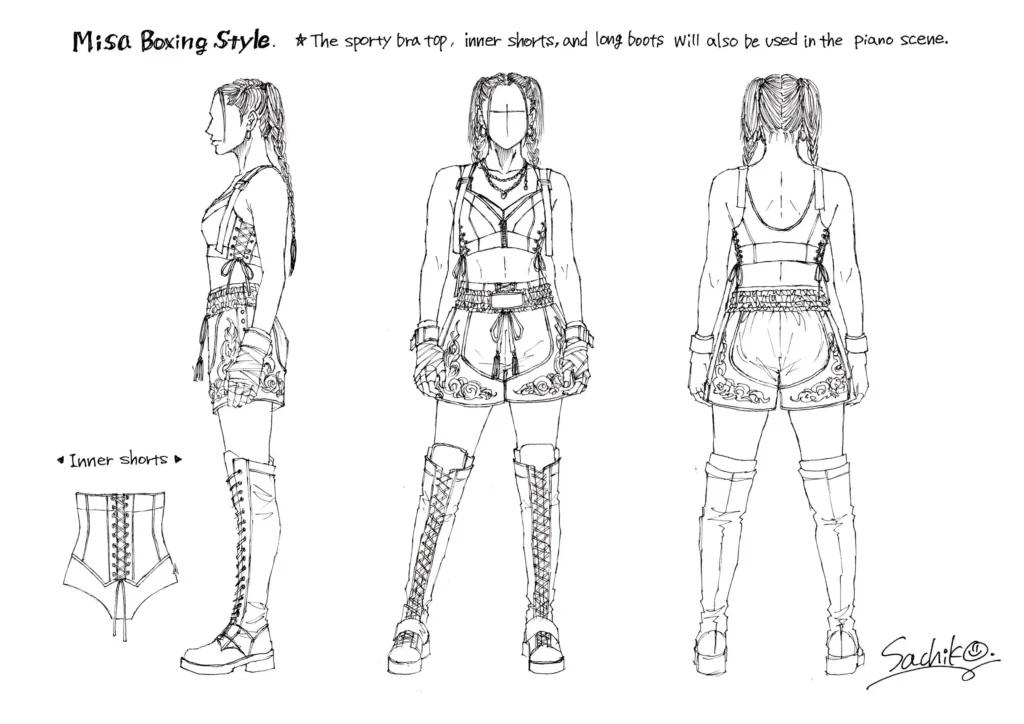
The show features a large ensemble and fast-paced staging. How do you balance practicality with artistry, ensuring costumes are durable, comfortable and still visually striking night after night?
“That’s one of the biggest challenges in costume design. No matter how beautiful a costume is, it doesn’t succeed if the actors can’t move safely and comfortably. So from the very beginning, I consider practical aspects such as quick changes, durability, and ease of maintenance as an integral part of the design process. At the same time, it’s important not to let practicality become the only priority.
Costumes need to support the actors while also enriching the visual world of the production. My goal is to achieve both. Ideally, the audience never notices the technical solutions behind the costumes. They simply become immersed in the world of the story.”
Anime fans can be very protective of how a character looks. Have you ever made a choice you knew some fans would resist, and stood by it?

“Yes. Every stage adaptation involves interpretation. If I make a choice that differs from the original, it’s never for the sake of being different. It’s because I believe that choice best serves the story, the actors, and the experience of live theatre. My priority is always to preserve the essence of the characters. I have enormous respect for both the original work and its fans, but theatre has its own strengths and its own way of telling a story. If a creative choice helps communicate the story more effectively on stage, then I believe it’s the right one to make.
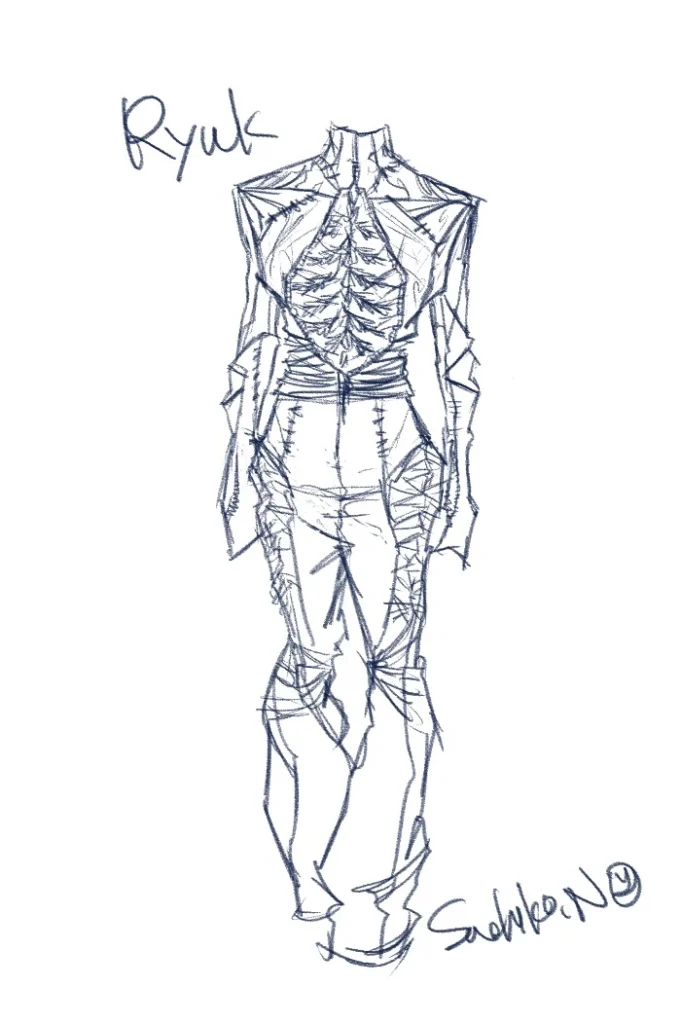
One example is the designs of the Shinigami. As I learned more about how they are perceived in the UK, I became increasingly aware that there can be quite different cultural interpretations. In Japan, Shinigami are not always seen simply as frightening or sinister figures. They can also be understood as beings who exist on the boundary between life and death, carrying a sense of mystery and, at times, even reverence. With that in mind, I wanted to return to those traditional Japanese ideas and blend them with the unique personalities of the Shinigami in Death Note. I understand that some fans who are expecting the original visual designs may find this interpretation surprising. But because we’re presenting the production in London, I felt it was meaningful to offer a vision of the Shinigami that is rooted in Japanese culture while still remaining true to the world of the story.“
The musical balances dark themes with moments of humour, romance and spectacle. How do costumes help establish the tone of each scene and support the emotional journey of the audience?
“Costumes can communicate so much about a character before they even speak. Through colour, texture, and silhouette, they can subtly shape the audience’s emotions and establish the atmosphere of a scene. Death Note moves between darker moments and more vivid, spectacular sequences, and my aim was to support those shifts while maintaining a cohesive visual world throughout the production. Ultimately, I see costumes as playing a quiet but essential role in drawing the audience into the story, often without them even realising it.”
Death Note is now reaching audiences far beyond Japan, including its upcoming run at the Barbican Theatre, London. What aspects of Japanese design and storytelling do you think resonate so strongly with international audiences?
“I think one of the most compelling aspects of Japanese storytelling is its willingness to embrace complexity. Characters are rarely defined in simple terms of good and evil, which gives the audience space to interpret the story and reflect on it for themselves. I also think there’s a unique balance between rich imagination and meticulous attention to detail in Japanese design. To me, it’s that combination – something you can find across manga, anime, and theatre – that resonates with audiences beyond cultural boundaries and continues to captivate people around the world.”
From Spirited Away (for which you were nominated for an Olivier Award for Best Costume Design) to Death Note: The Musical, you have helped bring some of Japan’s most iconic stories to life on stage. What draws you to these worlds, and what do you hope audiences take away from experiencing Death Note: The Musical live on stage?
“I’m drawn to stories that combine rich imagination with a deep exploration of human nature. Spirited Away and Death Note are very different works, yet both ask profound questions about human choices and identity. I’m also fascinated by the use of “space” in storytelling – the idea that not everything needs to be explained, leaving room for the audience’s imagination. I find it incredibly rewarding to explore how that sense of openness can be expressed through costume and stage design.
For audiences experiencing Death Note: The Musical, I hope they first enjoy it simply as a great piece of entertainment. At the same time, I’d be delighted if it also encourages them to reflect on the questions it raises and perhaps continue those conversations with others even after the show. I believe Death Note continues to resonate because it explores themes that remain relevant no matter the time or place. Finally, I hope audiences leave with an appreciation not only for the unique experience of live theatre, but also for the cultural background from which the original Japanese work emerged. It would mean a great deal to me if those different layers could be felt and appreciated throughout the performance.”


See Death Note: The Musical at the Barbican

Death Note: The Musical runs at the Barbican Theatre in London from 30th July to 12th September 2026. With costume design by Olivier-nominated Sachiko Nakahara, a live score and a full ensemble, it is a chance to experience one of Japan’s most influential stories reimagined for the stage, with a Shinigami design rooted in Japanese ideas of the boundary between life and death rather than the familiar illustrations alone. The full company has now been announced, from Xander Pang as Light Yagami to Colin Ryan as L. Tickets are available now at DeathNoteTheMusical.com.