Tokyo comprises 23 special wards, 26 cities, 5 towns and 8 villages. This can be quite baffling for people who don’t have such a structure in their own country. But it really tells you just how expansive Tokyo is! When visiting this enigmatic city, the special wards you’re most likely to travel around are Shibuya, Shinjuku and Chiyoda. These hold the most popular sights. This article is about finding those secret spots in between the must-sees. We’ll go through these three popular wards with those hidden gems that are just as worthwhile as Shibuya Scramble or Golden Gai.
In Shibuya, we’ll see the whole city skyline from a hidden rooftop. Then stroll along picturesque, green alleys to one of the best breweries in town. Passing by Shinjuku, we’ll explore where Asian expat communities have made their homes and businesses. Last stop Chiyoda, where perhaps the city’s ‘cutest’ street lies. ‘Lies’ is quite literal here: it’s located underneath Tokyo Station! Get your notepad and pen out, and get ready to add these to your itinerary.
Hidden Gems in Tokyo Wards
Shibuya: Atré Ebisu Rooftop Gardens and Log Road Daikanyama
Known for:
- Shibuya Scramble (the world-famous crossing)
- The Hachiko Statue (the Akita dog that kept waiting for his owner at Shibuya Station for nearly 10 years after the owner died)
- Meiji Jingu Shrine (dedicated to the deified spirits of Emperor Meiji and his consort, Empress Shoken)
It’s funny how little things become majestic when they are done in Tokyo. Getting your hair done, staying in hotels in between moving from one house to another, window shopping with a date. Some of my fondest memories happened where Ebisu spills over into Daikan-yama.
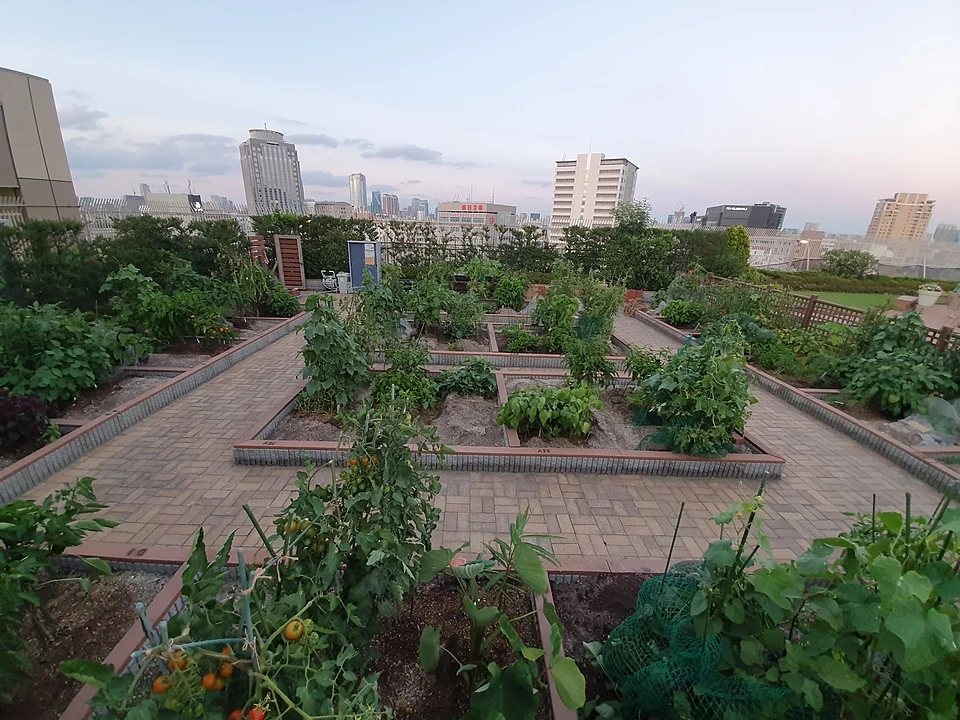
From Shibuya station, you can get to Ebisu in just 2 minutes on the Yamanote line. Before even leaving the station, you’re invited to a hidden oasis above. Atré Ebisu is a shopping centre that’s connected to the station, and both of its buildings have a rooftop garden on the 8th floor. The Green Garden on the main building opens at 10am and closes at 7pm from April to September, 6pm in March and October, and 5pm from November to February. The West Building’s rooftop garden opens 10am to 9pm (10am to 2pm while the summer beer garden is running). Both close in rain or bad weather. From up here, you can take in the magnificent Shibuya skyline.
Part of the main building’s roof is given over to Soradofarm Ebisu, a members’ allotment where local office workers and families rent small plots to grow their own vegetables. It reopened after a renewal in September 2026.
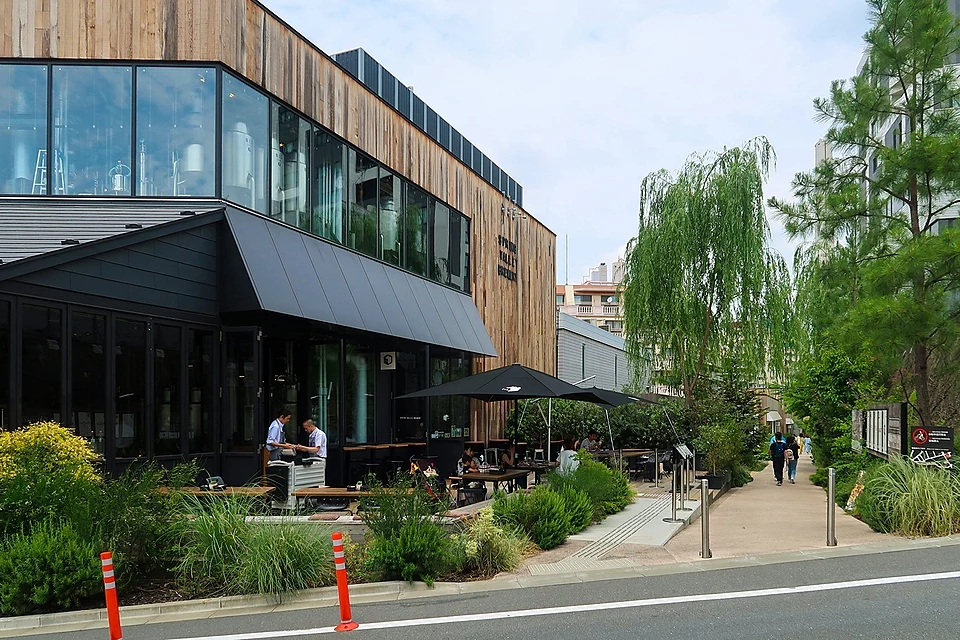
I’d suggest opting out of wining and dining at the shopping centre, and instead heading over to Log Road Daikanyama, a walkway of shops and planting laid out on the former Tokyu Toyoko Line tracks, about 9 minutes’ walk from Ebisu Station. You’re back down on the ground, but it’s every bit as green as a rooftop garden (well, as green as the largest city in the world can get!).
The Tokyoites’ beer hall, Spring Valley Brewery Tokyo, is here. Kirin’s craft beer brand has its own brewery on site, and the flagship beer is Hojun 496. The beer in question is named after 496, a ‘perfect’ number as defined by the ancient Greek mathematicians. I think no further selling points of the beer are necessary.
Follow the suburban side streets around here (I say suburban very lightly!), and you’ll find the cutest cafes, atmospheric bars, and unpretentious boutiques. This area might even make you think idyllic living is possible in Tokyo!


Shinjuku: Shin-Okubo Koreatown and Islam Yokocho
Known for:
- Shinjuku Gyoen National Garden (constructed where feudal Lord Naito’s private mansion was)
- Golden Gai (an array of quirky watering holes in small alleys)
- Kabukicho (host and hostess clubs, love hotels, and the Godzilla head on Hotel Gracery Shinjuku)
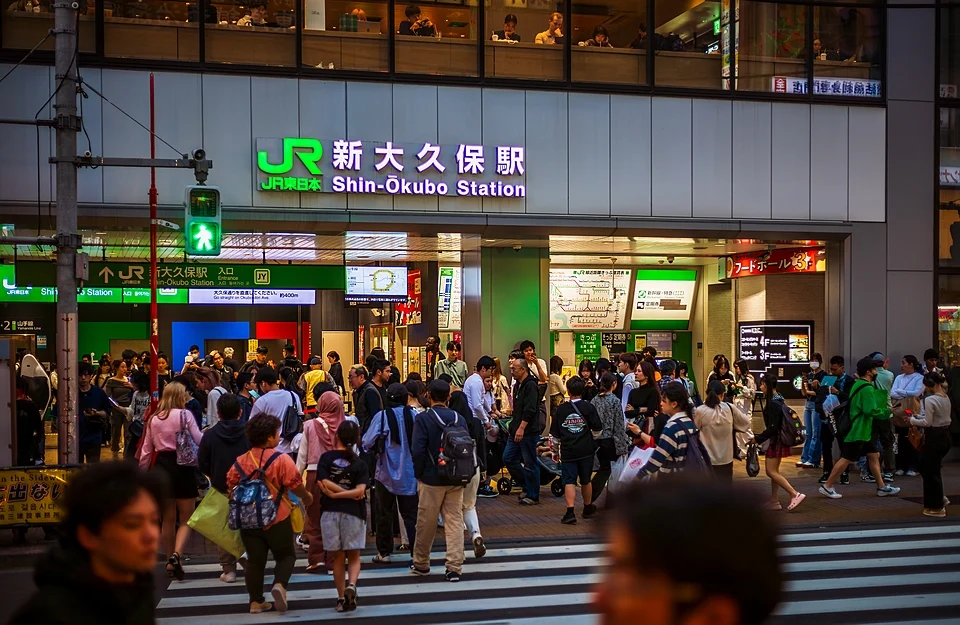
My favourite area of Shinjuku is Koreatown. You’ll probably be thinking, “if I wanted to experience Korean culture, I’d go to Korea, not Japan!”. Okay, okay, but hear me out. Tokyo is known for being pretty ethnically homogeneous. I like Shin-Okubo (Tokyo’s ‘Koreatown’, which Tokyo’s official tourism guide calls the largest Koreatown in Japan) for its diversity. Korean immigrants were joined here by Chinese, Vietnamese and Thai communities, along with residents from Muslim-majority countries.
First stepping foot in Shin-Okubo, you might think, “this place is for girls who are obsessed with K-Pop. This isn’t for me”. I encourage you to scratch under the surface.
Like anywhere in the world, to find the hidden gems, we must look to the side streets. Say you’re on a three-month trip to Japan. You’re telling me you’re not going to want a Japanese cuisine break? Islam Yokocho (Islamic Alley) can certainly help. This short street of halal grocers, restaurants and a small mosque serves residents from South Asia, Southeast Asia and the Middle East, so South Asian and Middle Eastern cooking is easy to find here.

Let’s say you do want to experience some Korean culture. Well, this is the place to eat Korean barbecue, cheese corn dogs and tteokbokki to your heart’s content. Want to stock up on products for your 10-step Korean skincare regime? The Korean beauty shop ‘Skinholic’ has you covered.
Chiyoda: Tokyo Character Street Under Tokyo Station
Known for:
- Akihabara
- Imperial Palace
- Tokyo Station
A train station, not always something you’d add to your ‘must-see’ list. Tokyo Station is a bit different. JR East promotes the station, its hotel, offices and shopping streets together as ‘Tokyo Station City’. The red bricks of the Marunouchi station building stand out in a city like Tokyo. Around 435,000 passengers board JR East trains here on an average day (434,564 in the 2024 financial year), yet the majority of them won’t be exploring what lies beneath the station.
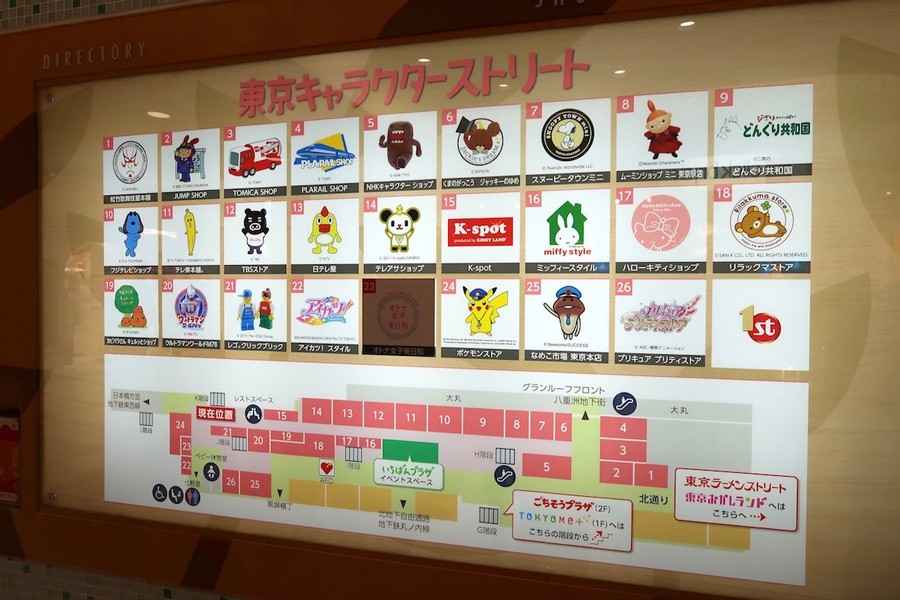
This is where you find Tokyo Character Street! Home to more than 30 shops, this ‘street’ within the ‘station-city’ has an array of cute character merchandise. It sits on the B1 floor of First Avenue Tokyo Station (Tokyo Eki Ichibangai), outside the ticket gates on the Yaesu side, and is open 10am to 8:30pm. Follow the signs for First Avenue from any Yaesu gate (or when in doubt, ask!). Can’t imagine going home without plushies? You’ll be spoiled for choice with the likes of the Pokémon Store, Donguri Kyowakoku for Studio Ghibli, and Sanrio for Hello Kitty.
Top tip: many shops here offer tax-free shopping to overseas visitors, so bring your passport. From 1 November 2026, Japan switches to a refund system: you pay the tax at the till, scan your passport at the airport before you fly home, and get the tax back once customs confirms your purchases are leaving Japan.

Characters from all over the world have shops here too: Snoopy and Miffy, to name a couple. For those looking for their next obsession, there are characters you won’t have even heard of that are only popular in Japan. TripAdvisor reviewers describe this place as “heaven” and the place where they found the best souvenirs. If you “grew up on anime”, this one’s for you.
Once you’ve satisfied your inner child, there are plenty more shops and restaurants to enjoy. In fact, one of the other nearby ‘streets’ is Tokyo Ramen Street, open 10:30am to 11pm. If you’re vegan, I definitely recommend T’s Tantan, where the whole menu is vegan. It is on the B1 floor of Gransta Tokyo, just outside the ticket gates.