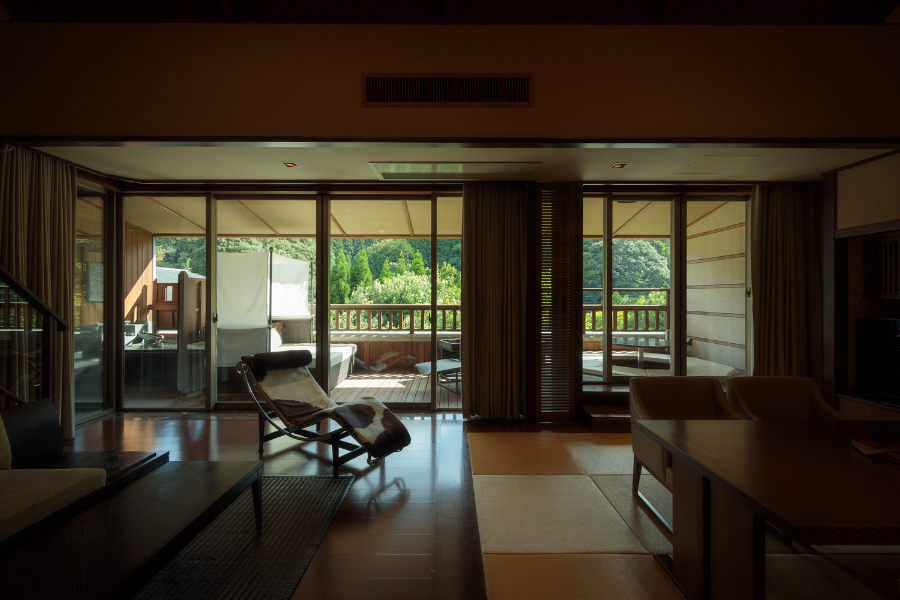
TADAIMA is a month of living and working in Shimoda, a small port town on the Izu Peninsula about two and a half hours from Tokyo by train, alongside the people who actually live there. The 2026 edition runs from 25 October to 22 November, and the four days at its centre are free and open to anyone.
It is run by ELENTO, a communication agency founded in Shimoda in 2020, and the name gives away the thinking. Tadaima is what you say when you come back through your own front door. The programme puts remote workers, entrepreneurs, researchers and volunteers into the daily life of a town that, like much of rural Japan, is losing young people faster than it can replace them.
TADAIMA 2026 in Shimoda
Shimoda, 25 October to 22 November 2026

The programme runs for 29 days. You can come for all of it, for a fortnight, or for a single afternoon, and the structure is built so that none of those feels like the wrong choice. Weekly potluck dinners, temple ceremonies, aquarium tours, pop-up coworking and community excursions run across the whole month, and the public events cluster in the first full week of November.
ELENTO says 34 per cent of past participants come back and 36 per cent arrived through a friend, which tells you more about the shape of the thing than any brochure line. It behaves less like an event with an audience and more like a community that opens its doors once a year.


The four free days, 5 to 8 November
This is the part worth knowing if you are anywhere near Japan in early November. The main events from 5 to 8 November are free and need no membership at all.
- 5 November, Academic Day. A workshop on regional revitalisation led by Tomas Nilsson of Linnaeus University in Sweden, putting the Shimoda situation next to how other countries have handled the same decline.
- 6 November. Still to be announced by the organisers.
- 7 November, Mirai Kaigi 2026. The pitch and dialogue day, where remote workers, researchers and local practitioners put ideas in front of each other and the town.
- 8 November, World Culture Festival. Built by the participants themselves, with music, games and traditions brought in by whoever has turned up that year.
Everything runs in English and Japanese with interpretation where it is needed, so no Japanese is required to take part in any of it.
Membership at $399 a month or $299 for two weeks
Membership buys you the parts of the month that are not public. The one month pass is $399 and the two week pass is $299, taken as a flexible fortnight anywhere inside the programme dates.
Both include an online meetup and housing support before you arrive, reserved seating at community gatherings, most of the community dinners and cultural experiences, a members-only channel, and a TADAIMA t-shirt. Month members also get the welcome and farewell parties with meals, weekly potlucks, family check-ins, temple ceremonies and aquarium tours, and they can take on the bigger roles: leading seminars at the local high school, joining business projects, and helping build the World Culture Festival rather than simply attending it. Two week members get the welcome or farewell party that falls inside their stay.
DJ Pleasure and the cave bar party on 10 November
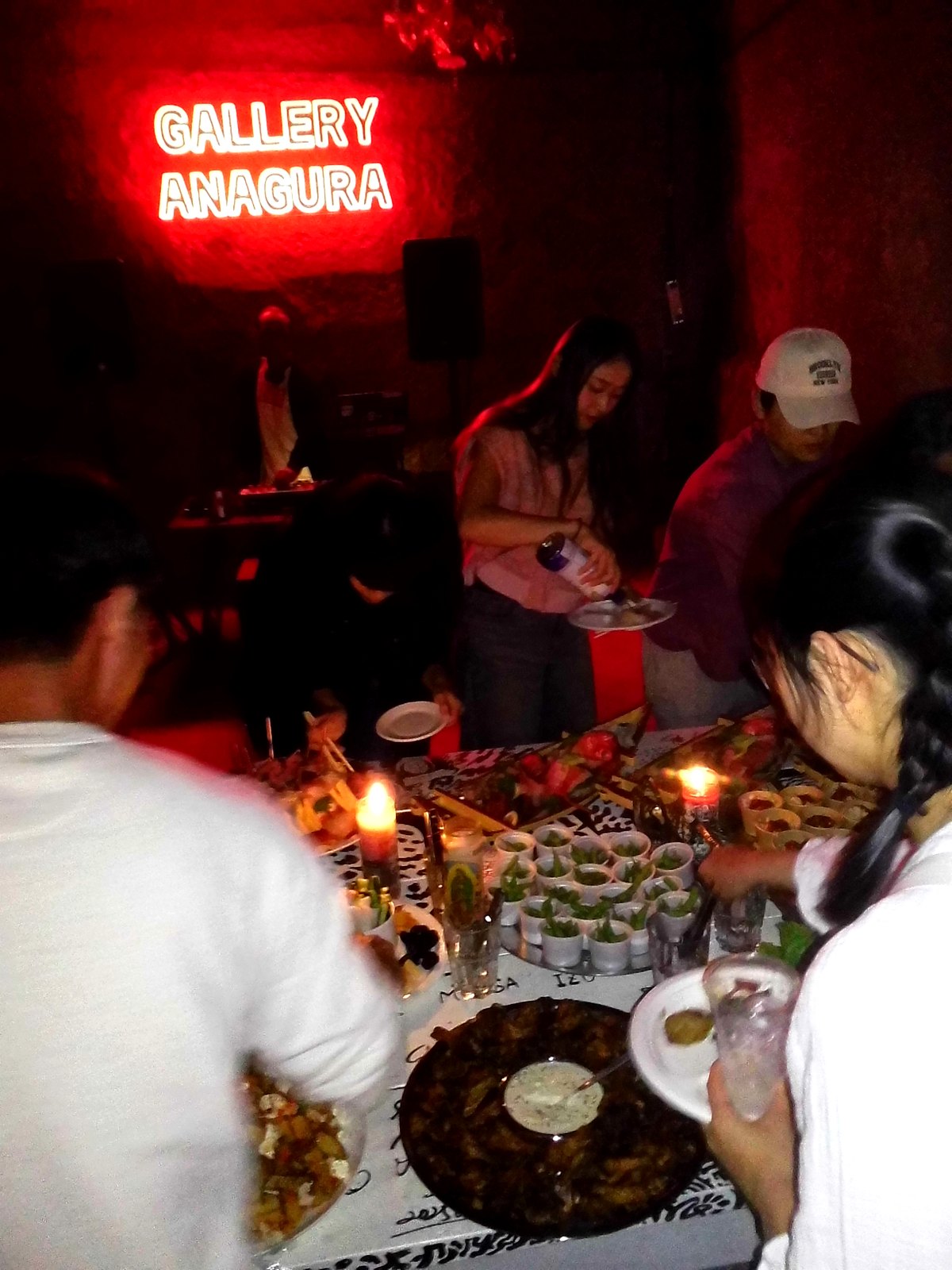
One night in the programme is ticketed separately, and it is the one people will talk about afterwards. On 10 November there is a party in a cave bar, with a set from DJ Pleasure, real name Yutaka Miyazaki, who has lived in Shimoda since 1999 and works professionally out of Ibiza.

Ticket details were still to be confirmed by the organisers at the time of writing, so check the official site before you plan a night around it.



ELENTO, Elena Tsukada and the glocal idea
ELENTO was founded in Shimoda in 2020 and describes what it does as glocal work, meaning global knowledge applied with local context rather than dropped on top of it. The core team is Elena Tsukada as founder, Haren Tambi as Chief of Happiness, Chiaki Yasumaru as Happiness Manager and Koki Wakabayashi coordinating the Local Friends side, with community leaders including Kiki Fukai and Naoki Umeda.
Elena Tsukada set out the reasoning when the first Shimoda edition launched:
“Japan is facing a rapid population decline, and the shortage of young people in rural areas is becoming critical. Shimoda, as a historical gateway to the world, is the perfect place to spark Japan’s modern ‘Re-opening.’”
Haren Tambi puts the same thing less formally:
“This isn’t just about coworking or cultural exchange. It’s about co-creating cool things, eating good food, learning from each other, and making meaningful contributions together.”
Shimoda, the port where Japan reopened
Shimoda is not a random choice of town. It is where Japan’s long closure to the outside world ended, and the place still carries the title of the city of opening. Running a programme about letting the world back into rural Japan from the harbour where the country first reopened is the kind of symbolism that would be heavy-handed if it were not simply true of the geography.
The surrounding Izu Peninsula is beaches, hot springs and mountain road, and Shimoda itself is small enough that a month is long enough to be recognised in the shops. That is largely the point. Japan’s shrinking rural communities do not need visitors who pass through.
Booking, housing and getting there
Booking is direct through the TADAIMA 2026 page, paid by card at checkout. Applications are open to digital nomads, remote workers, entrepreneurs, community leaders, creatives and volunteers, of any nationality and any profession.
Accommodation and transport are arranged separately from the membership, and the organisers warn that housing in Shimoda fills early, so that is the booking to make first rather than last. Members get housing support before arrival, which is worth using rather than working it out alone in a town this size.
Shimoda is about two and a half hours from Tokyo by train, which makes the free November days a realistic day trip from the capital if a month in a fishing port is more than you were planning.