How can one not love Japan? This country boasts shrines, temples, peaceful gardens, towering skyscrapers, and a quirky pop culture that has captured the hearts of many fans worldwide. It’s a country of contrasts, as it can be overwhelming and calming at the same time. When travelling to Japan, it’s easy to fall for it straight away, and there’s a good chance it will become one of your favourite destinations! As with any trip, the whole point of travelling to Japan is to make unforgettable memories and enjoy your stay in the country as much as you can.
However, if it’s your first time travelling to this beautiful destination, there are probably many questions in your mind, and you may feel overwhelmed about how you should plan your trip. If this is you, don’t worry, we’ve got your back! In this blog, we’ve put together some tips to help you turn your Japan trip into one you’ll remember forever. Keep reading!
A first-timer's guide to Japan
Best time to visit Japan by season
While there’s not really a “bad” time to go to Japan, some seasons will be more enjoyable than others, depending on what you want to do in the country. For instance, if you want to enjoy winter activities such as snowboarding, skiing, or seeing Mount Fuji, it only makes sense to plan your trip in winter. On the other hand, if you want to have fun at local festivals and relax at the beach, summer is the best season for visiting Japan.
In general, however, tourists choose to visit the country in spring or autumn because the weather is at its most comfortable, and you can enjoy the cherry blossoms and the autumn leaves, respectively. Ultimately, it’s really up to you to decide, so take the time to think about what you would like to do during your trip.



Capsule hotels, ryokan and Western-style hotels
There are several types of accommodation in Japan, so you can choose where to stay based on your preferences. If you want something unusual, try a night in a capsule hotel. If you want a taste of Japanese culture, there’s no better place to stay than a traditional ryokan, a Japanese inn where guest room floors are covered with tatami mats and furnished with a low table surrounded by legless chairs and cushions.
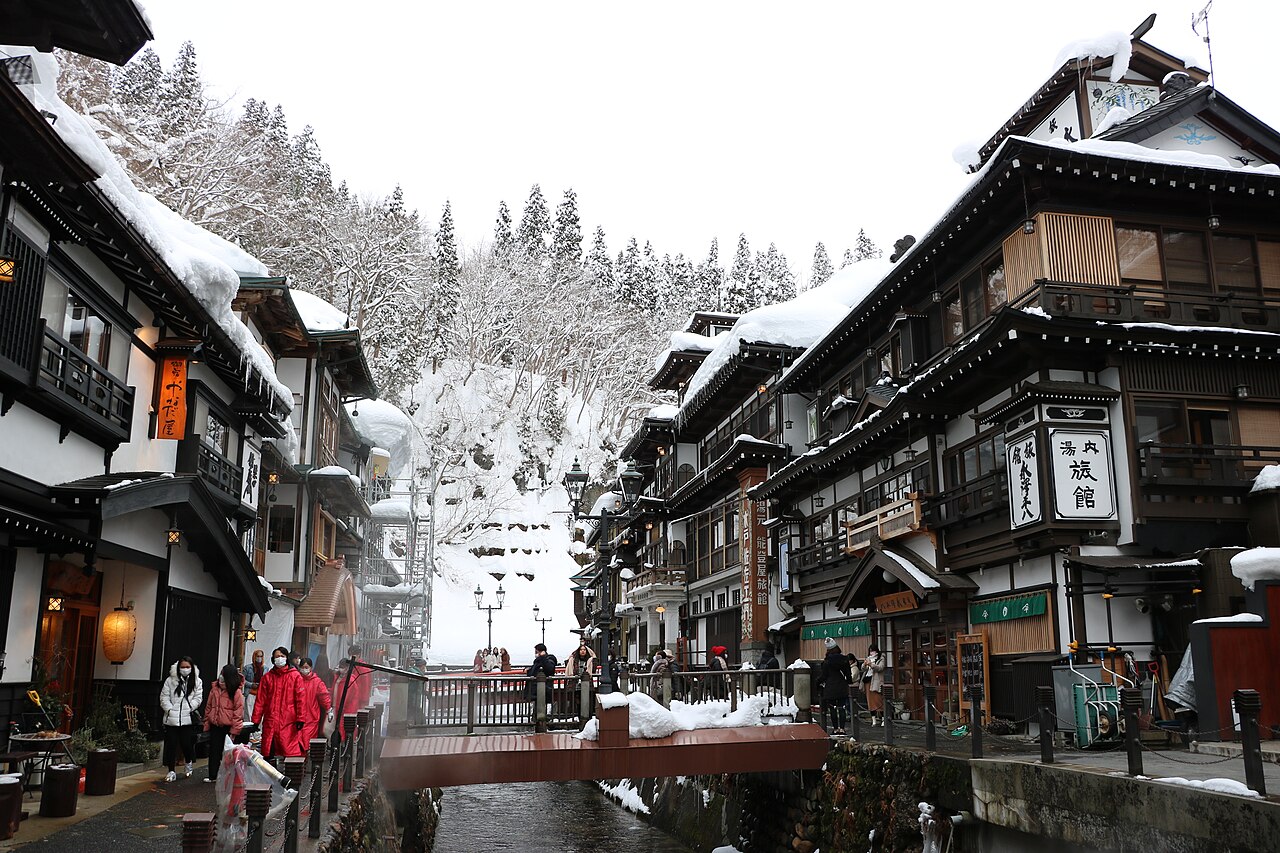
For sleeping, instead of a bed, there’s a futon mattress, and for bathing, there is either a private bathroom or a communal facility. You also have the option to stay in a hotel room, which is Western-style and includes many amenities, from pyjamas and slippers to shampoo and toothbrushes.
Getting around Japan by train, bus, taxi or hire car
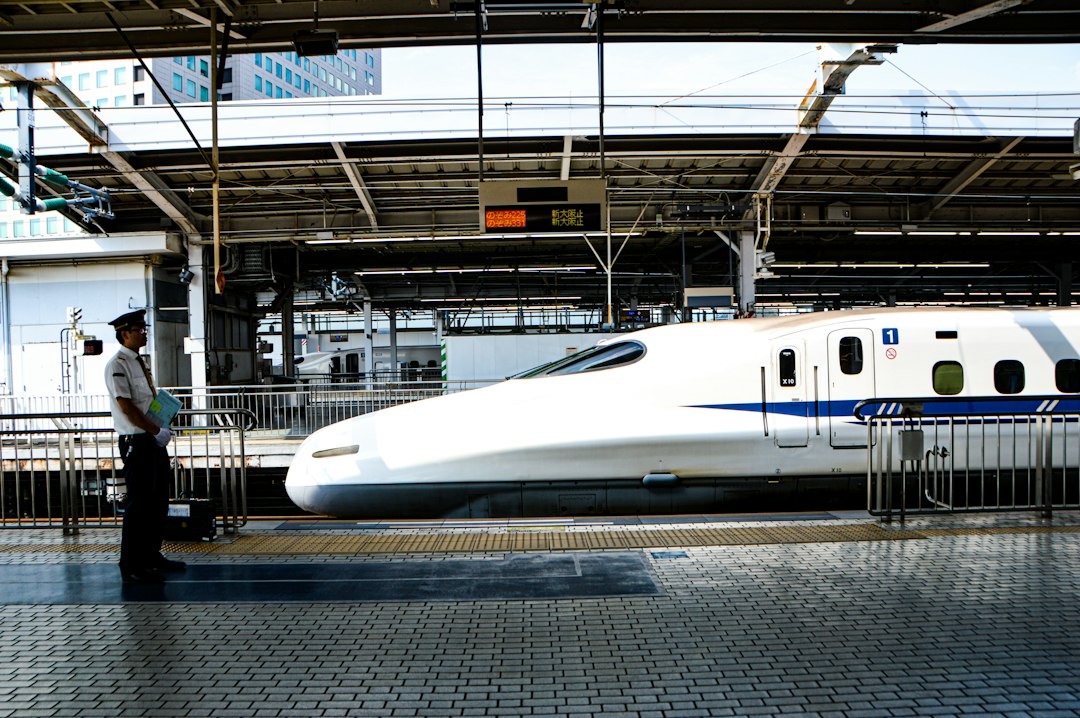
There are plenty of ways to get around Japan. The rail network is reliable, and trains are graded by how many stations they stop at, from local services that call everywhere to rapid and express trains that skip the smaller stations. If you’re planning to travel a lot, it’s a good idea to buy a Japan Rail Pass ticket. It may seem expensive, but it can be a good deal depending on the train trips you make. You can also take the subway, the bus or a taxi, but if you’d like more freedom to explore at your own pace, you may want to hire a car.
Japan drives on the left, as the UK does, and you’ll need the 1949 version of the International Driving Permit to drive there. Safety comes first whenever you’re behind the wheel, so stick to the traffic rules, keep your attention on the road and drive carefully at all times.
Learning basic Japanese phrases before you go
This is probably no surprise, but you need to know that Japanese is the primary language in Japan. While English is taught in schools, many people aren’t comfortable using it in a conversation. English is more widely spoken in large tourist centres like Kyoto and Tokyo than in smaller towns. We recommend trying to learn a few phrases and greetings before travelling to Japan, as this will be greatly appreciated.








Temple and shrine etiquette: shoes off and voices down
For a nice experience in Japan, it’s worth following cultural etiquette, particularly when visiting temples and shrines. When entering a temple building, be sure to remove your shoes: you will either receive a plastic bag in which you can carry them or be asked to leave them at the entrance. Most temples have no strict dress code, but keep your voice down and show respect while you’re there.
Japanese food for first-timers: oshibori, chopsticks and soft serve ice cream
Japan is famous for dishes such as noodle soups, rice bowls, sushi and hot pots, but don’t worry if these aren’t your favourites: there are plenty of Western food options too, so you won’t go hungry. Eating out in Japan comes with its own customs. At the start of a meal you’ll usually be handed a warm, damp towel called an oshibori for wiping your hands, and some restaurants place a basket beside the table for your bags.
Not every restaurant provides forks and spoons, and some only have chopsticks, so it’s a good idea to learn how to use them before you travel. Make time for Japanese soft serve ice cream too. It’s rich and creamy and comes in local flavours, including cherry blossom and green tea.
Japan is easy to travel around if you plan ahead
Japanese people are truly welcoming, and the great news is that the country is really easy to travel around! If you plan in advance, chances are, you will have an unforgettable time in the country! Happy travels!