Japan can feel overwhelming on a work trip—tight schedules, packed stations, and a full diary leave little room to plan, let alone meet the right people. This guide helps you slot networking into a real itinerary, so introductions happen alongside site visits, client calls, and train hops.
We’ll show you how to prime contacts before you fly, handle meishi (名刺) etiquette without stress, and use digital tools—OWN Card, eSIMs, and smart apps—to swap details in seconds. You’ll find co-working hubs, expat meetups, and flagship events in Tokyo, Kyoto, and Osaka, plus simple kits like OWN Tag to keep bags (and your day) on track.
The goal: make meaningful connections without derailing your schedule. Use this playbook to turn tight schedules into trusted intros—without missing your train or your targets.
Busy weeks to note: Golden Week (late Apr–early May), Obon (mid-Aug), and year-end/New Year (late Dec–3 Jan) compress diaries and last trains—book earlier and expect slower replies.
Research Your Contacts for Business in Japan

Before your trip, take some time to review your contacts who live in or frequently travel to Japan. You likely already have several connections in your network who can help introduce you to others during your stay.
Reach out to let them know you’ll be visiting via Linkedin, email or other social channels. Ask if they can recommend any business events, conferences, or informal meetups to attend where you can meet fellow travellers and locals.
A simple pre-trip line works: “In Tokyo 10–13 Mar; exploring fintech partnerships—open to a 15-minute coffee near Ōtemachi?” It’s specific, easy to accept, and respects the calendar.
Put the Feelers Out on Instagram and LinkedIn
Before your trip, start by putting the feelers out on these platforms. Share a post or story about your upcoming visit to Japan and express your interest in connecting with local professionals or like-minded individuals.
Post on LinkedIn and Instagram 1–2 weeks before you fly: dates, cities (e.g., “Tokyo 12–16 Mar, Osaka 17–18”), sectors, and what you’re hoping to discuss. Tag relevant companies, hashtags, and venues; keep it specific so the right people can self-select.
DM with intent (and context)
Reach out with short, tailored messages—who you are, why you’re visiting, the overlap in your work, and one clear ask (coffee near Ōtemachi? five-minute call?). Show you’ve read their recent posts or case studies; relevance earns replies.
Make your LinkedIn headline and “About” painfully clear; pin a post with your Japan dates, calendar link, and preferred topics. On Instagram, use a Story Highlight (“Japan ’26”) with your schedule and contact method.
Ask for warm introductions (shōkai 紹介)
A mutual intro is gold in Japan. Brief your referrer with two crisp lines: your role and purpose (“exploring fintech partners, Tokyo 12–16 Mar”) and a simple value add for the recipient. An anchored shōkai borrows credibility, accelerates scheduling, and turns first meetings into trusted conversations.
Get personal recommendations
Politely request pointers to meetups, talks, or industry salons. Many professionals will suggest a community night, a niche event, or a good café for quick chats. Keep a running list and slot options into gaps in your itinerary.
Understanding Japanese Business Culture

Japanese business culture is deeply rooted in the country’s history and values, characterised by a strong emphasis on respect, loyalty, and long-term commitment. In Japan, business relationships are built on trust and mutual respect, often referred to as kizuna. Understanding these cultural nuances is essential for building strong relationships with Japanese companies and individuals.
Two lenses help decode the room. Honne (本音) is someone’s true view; tatemae (建前) is the socially appropriate stance. In practice, a polite “that may be difficult” can mean “no”—and saving face matters more than blunt rejection. Read the context, invite candour privately, and offer face-saving alternatives.
Equally central is wa (和), or harmony. Decisions favour consensus, civility, and continuity; sharp confrontations and rapid pivots are rare. Prepare concise materials, signal flexibility, and allow for nemawashi (根回し)—the quiet pre-alignment done before a formal decision. The payoff is durable partnerships grounded in mutual respect.
Dress & gifts: business-smart (navy/grey); small, quality omiyage (tea, biscuits) given/received with two hands. Nomikai: attend if invited—one drink is fine; thank the host next morning.


Japanese Communication Styles and Etiquette

Japanese communication styles and etiquette are highly formal and polite, reflecting the broader cultural emphasis on respect and harmony. In business settings, it is customary to use formal language and titles, such as “sensei” (teacher) or “shacho” (company president), when addressing colleagues or superiors. Politeness and indirectness are key, and direct confrontation or criticism is generally avoided.
Nonverbal communication is also highly valued in Japan. Body language and facial expressions can convey a great deal of information. For example, a bow is a common greeting, and the depth and duration of the bow can convey different levels of respect and deference. When communicating with Japanese business partners, it is important to be mindful of these nonverbal cues.
Cultural nuances, such as the concept of “honne” and “tatemae,” can make it challenging to understand a person’s true intentions or feelings. Additionally, humor and sarcasm are often avoided in business settings, as they can be easily misinterpreted. Being aware of these communication styles and etiquette can help you navigate interactions with Japanese business partners more effectively. Learn more about networking etiquette and how to avoid culture shock by exploring our detailed guide here.
Prepare A Digital Business Card for Business Card Exchange
Bring plenty of business cards with you to share during your trip. But if you want to maximise your networking opportunities, consider making a digital business card through Adobe so you can instantly exchange contact details online.
Adobe’s online design tool makes it easy to create a professional digital business card complete with your photo, company info, email, phone number, and more. You can instantly share your digital card via text, email, AirDrop or social media – no printing required. Having an on-the-go digital card saves time collecting contacts in Japan.
Smart tools for travellers: OWN Card and OWN Tag
Networking in Japan runs smoother when your tools do the admin for you. Two small upgrades make a big difference:
OWN Card (next-generation business card).

Swap stacks of paper meishi (Japanese business cards) for a single NFC card you can update in seconds. Tap to share a polished, live profile—photo, role, links, and contact details—straight to a phone wallet. It’s ideal for conferences and café meet-ups where you want a clean handover without printing.
Explore designs such as Own Black, White or Green, and artist collaborations like Black Sun, Industrialization, and Manicómio Abstract to match your brand tone.
OWN Tag (smart luggage/daypack tag).
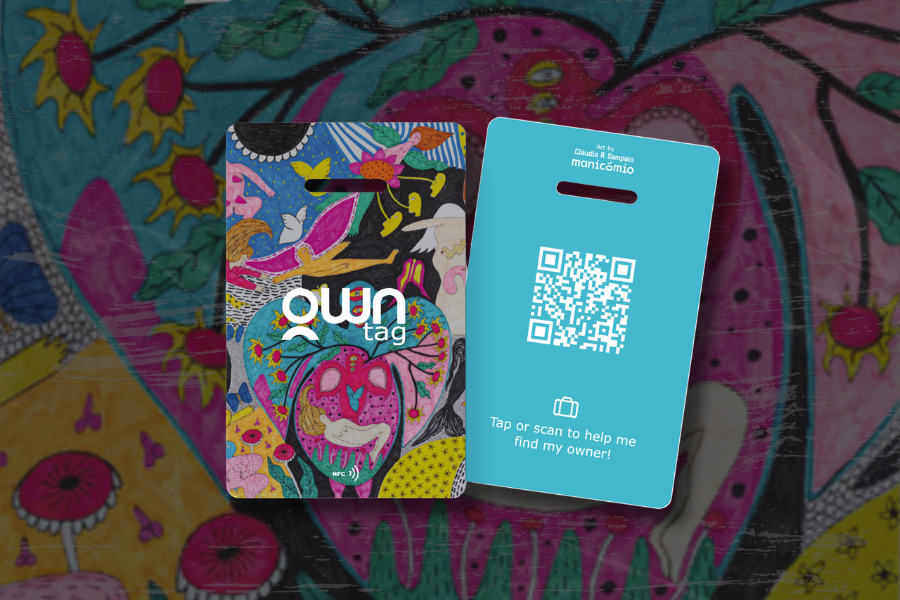
Meetings mean movement—station to office, coworking to izakaya—and bags can get separated. OWN Tag is a credit-card sized tag with NFC + QR that opens a secure page for the finder to message you (location included) without exposing your email or number. Attach one to your daypack and another to your carry-on; add a short Japanese line in your profile (「持ち主に連絡してください。英語可。」) to make returns painless. It’s battery-free, airline-safe, and water-resistant—good for rainy commutes and crowded platforms.
Browse tags: Choose from 21 designs to match your style.
Reader offer: save 15% with code JAPAN15. Travel smarter with OWN Tag—the sleek digital tag that keeps your luggage connected.
How they work together in Japan:
Use OWN Card for fast, professional contact exchange at events; use OWN Tag as the quiet safety net for bags in transit. One helps you connect; the other helps you reconnect with your gear—exactly what a busy week of meetings, trains, and coffee chats needs.
Join Relevant Online Communities

Connect with Japan-focused groups on networking sites like LinkedIn or Meetup.com. Introduce yourself as a visitor and ask about events or meetups you could attend during your specific travel dates.
You may be able to attend a local professional chapter meeting or set up casual coffee dates with other travellers. These digital connections are invaluable for helping you tap into the local scene. Joining these online communities can also help you find networking events that are crucial for foreign businesses entering the Japanese market.
Expat Meetup Groups in Tokyo
Tokyo Expats: A vibrant community aimed at helping expats in Tokyo connect and thrive. This group organizes a variety of events, from social gatherings to professional networking opportunities, allowing members to share experiences and support each other in navigating life in Tokyo.
Tokyo Entrepreneurs and Startups Meetup: This dynamic group fosters innovation and collaboration among professionals across industries. They host networking events, seminars, and casual meetups, providing excellent opportunities for career growth and entrepreneurial success. Whether you’re an experienced entrepreneur or new to the scene, this group offers valuable connections in Tokyo.
Tokyo International Friends: This group offers a platform for international residents and locals to connect through cultural and social events, providing a great opportunity to build relationships in Tokyo.
Cafe Mickey: English conversation bar & cafe Mickey House has been in Takadanobaba, Tokyo for over 30 years. There are many customers from a variety of countries. Come meet our interesting and fun customers & staffs! We have 16 kinds of language tables, you can enjoy conversation with Japanese craft beer, whisky, and Sake! https://mickeyhouse.jp/english/
Expat Meetup Groups in Kyoto
Kyoto International Community House Meetup: This group offers a platform for international residents and locals to connect through cultural and social events, providing a great opportunity to build relationships in Kyoto.
Kyoto Startups: Focused on entrepreneurs and startups, this group hosts events and workshops to support innovation and networking among business-minded individuals.
Language Exchange Kyoto: This group is perfect for those looking to practice languages and meet people from diverse backgrounds. They host regular meetups for language practice and cultural exchange.
Expat Meetup Groups in Osaka
Osaka Tech and Startup: This dynamic community supports tech enthusiasts and entrepreneurs in Osaka by hosting regular meetups, workshops, and networking events, facilitating idea exchange and collaboration in the tech industry.
Digital Nomads Osaka: Networking with Locals & International: This group caters to digital nomads and professionals eager to expand their network in Osaka. It offers business-related events and opportunities for connecting and collaborating with locals and international peers.
Osaka International Meetup: This vibrant group connects international residents and locals through a wide range of social and cultural events. It’s an excellent platform for networking and cultural exchange, offering opportunities to meet new people and explore Osaka together.
Seek Out Japanese Business Culture Exchanges
Don’t limit networking to formal business interactions only. Look for opportunities to share true cultural exchanges with new Japanese contacts by participating in uniquely local experiences together. Websites like Internations can be invaluable resources for finding such cultural exchange opportunities and connecting with locals.
Attend a lively izakaya dinner, sing karaoke, or hike Mount Takao. These informal settings are ideal for forging genuine bonds with new Japanese contacts that feel more like friendships than professional relationships.







Attend Professional Networking Events
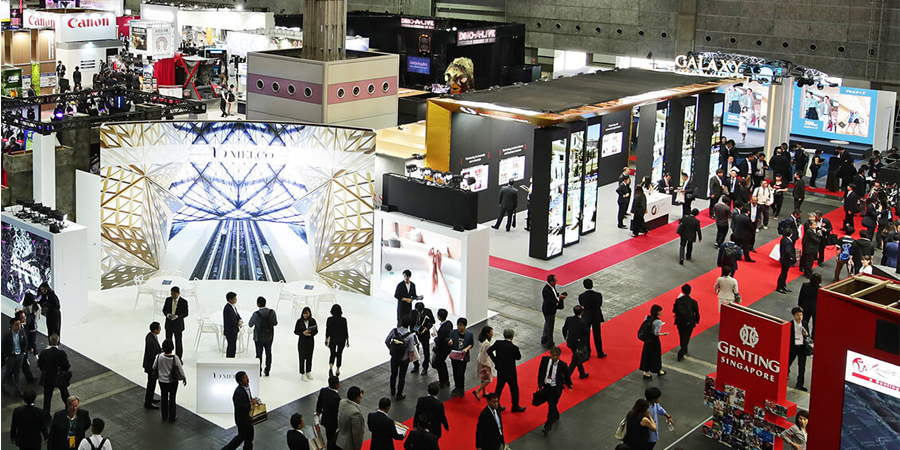
Image credit: The Metropolis
When visiting Japan, attending expos and business events is an excellent way to network with foreign employers and employees. Here are five notable events where you can connect with international professionals:
CEATEC Japan: Known as the Combined Exhibition of Advanced Technologies, CEATEC is one of Asia’s largest technology and electronics trade shows. It attracts global companies and professionals interested in the latest innovations and trends in the tech industry.
Tokyo Game Show: This is a major event for the gaming industry, drawing international developers, publishers, and enthusiasts. It’s a great opportunity to meet professionals from around the world who are involved in game development and marketing.
Foodex Japan: As one of Asia’s largest food and beverage exhibitions, Foodex Japan brings together international exhibitors and visitors from the food industry. It’s an ideal platform for networking with foreign companies and exploring new business opportunities.
Japan IT Week: This comprehensive IT trade show covers a wide range of topics, including AI, IoT, and cybersecurity. It attracts IT professionals and businesses from around the globe, providing ample networking opportunities.
Tokyo International Gift Show: This event focuses on lifestyle and consumer goods, attracting international buyers and sellers. It’s an excellent venue for connecting with foreign companies and exploring new market trends.
Try to attend at least one professional event during your trip. This is a prime opportunity to connect in person with like-minded locals and internationals who share your industry interests and career goals.
Pro tip: Arrive with a 20-second elevator pitch and a clear ask (“pilot feedback”, “local partner intro”). Save venue names in Japanese and nearest station exits; last trains in big cities thin after 00:00–00:30.
Navigating Japanese Business Hierarchy
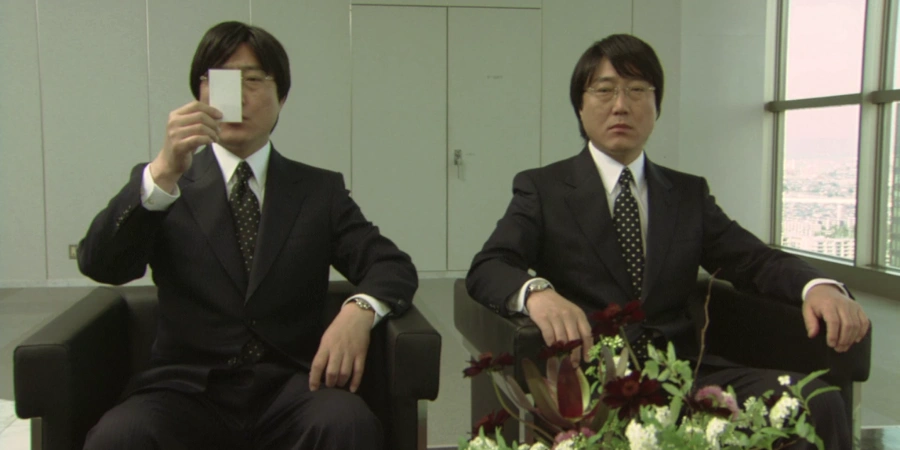
Japanese business hierarchy is highly structured and formal, with a strong emphasis on respect and deference to superiors. The concept of “senpai” (senior) and “kohai” (junior) is deeply ingrained in Japanese business culture. Senior colleagues or superiors, referred to as “senpai,” are shown great respect, while junior colleagues or subordinates, known as “kohai,” are expected to be deferential.
When navigating Japanese business hierarchy, it is essential to understand the different levels of hierarchy and to show appropriate respect to superiors. For example, when meeting with a Japanese business partner, it is customary to bow and use formal language and titles. Understanding the roles and responsibilities within a Japanese company is also important. The “shacho” or president of a company is typically the highest-ranking executive, while the “bucho” or department head oversees specific departments or divisions.
By respecting the hierarchical structure and showing deference to superiors, you can build stronger relationships with Japanese business partners and navigate the business environment more effectively.
Where to Stay on a Business Trip to Japan

Skip the isolated hotel room in favour of a bustling hostel or guesthouse environment. Backpacker-style lodging makes it easy to swap travel stories and tips with fellow travellers. Don’t be afraid to share what you do for work – you never know who you might forge a valuable connection with.
Here are the top three hostels perfect for networking with people travelling through Japan for business or creating content:
Tokyo: UNPLAN Shinjuku
Located in the vibrant Shinjuku district, UNPLAN Shinjuku offers a modern and welcoming space for travelers. With its lively common areas and regular social events, this hostel is ideal for meeting fellow professionals and content creators. The staff often organizes networking activities, making it a great spot to connect with like-minded individuals.
Kyoto: K’s House Kyoto
K’s House Kyoto is renowned for its friendly atmosphere and excellent facilities. Situated near Kyoto Station, this hostel attracts a diverse crowd, including business travelers and digital nomads. The communal kitchen and lounge areas provide ample opportunities to engage in conversations and share experiences with other guests.
Osaka: The Stay Osaka Shinsaibashi
Located in the bustling Shinsaibashi area, The Stay Osaka Shinsaibashi is a popular choice for those looking to network with other travelers. With its spacious common areas and vibrant social scene, this hostel offers a perfect environment for exchanging ideas and building connections. The staff often hosts events and activities that encourage interaction among guests.
Many hostels also organize social events, group tours, pub crawls, and other networking activities. Take advantage of these built-in opportunities to bond with fascinating people from around the world.
The Follow Up
You’ve met people, exchanged meishi (名刺), and landed a few warm shōkai (紹介). Strike while the iron’s hot and turn chance meetings into working relationships.
- Same day (or within 24 hours): send a brief thank-you with one concrete next step (share a deck, propose a 15-minute call, or suggest a date you’re back in town).
- Reference the moment: anchor your note to something specific you discussed—a market stat, a product demo, or the café you met in—so you’re instantly memorable.
- Make it easy to say yes: offer two time windows, include your digital card/OWN Card link, and attach only what was requested.
- Loop in the introducer: a short “thanks for the shōkai” keeps the trust triangle intact.
- Log and schedule: add contacts to your CRM or a simple sheet; set a reminder for a light-touch check-in 2–3 weeks later.
Template (trim to fit): “Thanks again for meeting at Hibiya yesterday—loved your point on cross-border onboarding. As discussed, here’s the one-pager. If useful, happy to share a 10-minute demo next Tue 10:00–12:00 or Thu 15:00–17:00 JST. My details are here [OWN Card link]. Arigatō and speak soon.”
Exploring Co-Working Spaces in Japan
As a business traveler in Japan, co-working spaces are a gold mine for creating connections efficiently whilst on a business trip. Co-working spaces in Japan offer the perfect blend of productivity and networking opportunities. These spaces provide a professional environment where you can work efficiently while connecting with other entrepreneurs, freelancers, and professionals.
Make sure to pair an OWN Card for instant contact swaps and an OWN Tag on your bag for stress-free transits.
Here are the top co-working spaces to check out in Tokyo, Kyoto, and Osaka. UK companies can benefit from these spaces by leveraging local networking opportunities, understanding market demands, and navigating the legal requirements for setting up businesses in Japan.
Top Co-Working Spaces in Tokyo
WeWork Shibuya Scramble Square: Located in the heart of Tokyo, WeWork Shibuya Scramble Square offers stunning views of the city and a vibrant community of professionals. With modern amenities and flexible membership plans, it’s an excellent choice for both short-term and long-term work needs.
Hapon Shinjuku: Known for its unique blend of traditional Japanese aesthetics and modern workspaces, Hapon Shinjuku provides a serene environment that fosters creativity and focus. It’s an ideal spot for those seeking inspiration in their work.
The Hive Jinnan: Situated in the trendy Shibuya district, The Hive Jinnan is a popular choice for startups and creatives. It offers a range of facilities, including meeting rooms, event spaces, and a rooftop terrace for networking events.
Top Co-Working Spaces in Kyoto
Impact Hub Kyoto: This co-working space is part of a global network that supports social entrepreneurs and innovators. Located in a beautifully restored traditional building, Impact Hub Kyoto provides a collaborative environment for like-minded individuals.
.andwork @ The Millennials Kyoto: Drop-in desks inside a slick pod-hotel; hourly or day passes, central for meetings around Kawaramachi. Its edge is convenience—fast Wi-Fi, loads of outlets, and on-site phone booths so you can switch from desk work to quick calls without leaving the building.
Co-nnect Kyoto: Conveniently located near Kyoto Station, Co-nnect Kyoto provides a comfortable and well-equipped workspace. It’s an excellent venue for professionals to meet, collaborate, and exchange ideas in a vibrant setting.
Top Co-Working Spaces in Osaka
Osakan Space: Located in the bustling Namba district, Osakan Space is known for its friendly community and vibrant atmosphere. It hosts regular networking events and workshops, making it an ideal place to build business relationships.
The DECK: Situated in the heart of Osaka, The DECK offers a creative and collaborative environment for entrepreneurs and freelancers. With its flexible workstations and event spaces, it’s a hub for innovation and collaboration.
H1O Osaka: Situated in the heart of Osaka, H1O Osaka is a dynamic co-working space for startups and entrepreneurs. It offers modern facilities and regular networking events, creating an ideal setting for business development and connecting with local professionals in the Japanese market.
These co-working spaces in Japan not only provide a productive work environment but also offer opportunities to connect with local professionals and expand your network in the Japanese market.
Common mistakes to avoid
Treating meetings as one-off transactions is the quickest way to stall progress. In Japan, trust accrues through steady behaviour and reliable follow-ups, not a single impressive pitch. Read the subtext: a polite “that may be difficult” often signals a firm no, and pushing harder in the moment only narrows the path forward.
Give decisions room to form
Through nemawashi (根回し), quiet pre-alignment with stakeholders before the formal meeting—then arrive 5–10 minutes early, exchange meishi (名刺) properly (stand, two hands, pause to read), and keep your tone measured. Avoid idioms and ambiguity, confirm key points in a brief written recap, and be patient; hurried chasing erodes credibility, while spaced, value-adding check-ins build it.
Immerse—then connect
Blend work with small, local moments and relationships follow naturally. Join an industry talk or a community meetup after hours, ask the barista near your co-working space for a lunch tip, and turn the chat at an izakaya counter into a short coffee the next day. Platform queues, language exchanges, even a shared taxi from a trade show—each is a chance to compare notes without pressure. Not every conversation becomes a lead, but curiosity, good manners, and a few well-chosen invites often open the most durable doors.
Final Words
Blend smart preparation with respectful etiquette and a few well-chosen tools. OWN Card gets your details across in seconds, and OWN Tag keeps your kit connected across stations, lockers, and hotels. Block 30 minutes nightly for follow-ups, save key venues in Japanese, and check the last trains before dinner. Your next Japan trip won’t feel overwhelming; it’ll feel organised.