
Language requirements are strict and essential for daily survival and academic performance, even in English-taught programmes.
For Japanese-taught programmes, universities typically expect students to demonstrate proficiency through standardised exams such as the Japanese Language Proficiency Test (JLPT), often at the N2 level or higher. However, meeting the minimum requirement does not always mean being fully prepared. Academic Japanese involves formal writing, discipline-specific vocabulary, and an indirect style that differs from conversational fluency.
Even students who pass JLPT N2 or N1 may struggle with lectures, readings, and report writing if they have not practiced academic contexts specifically.
What to expect
Entrance Examinations

In addition to language exams, some programmes require entrance examinations, written assessments, or interviews. These are not standardised across institutions, which means preparation varies widely.
At Tokyo University of Science, applicants to certain graduate programmes may be required to submit academic transcripts, pass a subject-based written examination, and complete an interview.
For science and engineering tracks, the written exam may test foundational knowledge in mathematics or physics rather than advanced specialisation. In interviews, faculty members often focus less on “right answers” and more on whether the applicant understands the programme structure and can explain why they chose that specific department.
One former applicant shared that during their interview, they were asked:
“Why study this field in Japan instead of your home country?”
While technical questions are present, discussion centred on long-term plans, research interest, and whether they understood the workload. The takeaway: being able to explain your choices calmly mattered more than academic brilliance alone.


Statement of Purpose
The Statement of Purpose, or SOP, is another component students frequently underestimate. Japanese universities tend to value clarity, sincerity, and long-term intent over dramatic storytelling. Admissions committees want to know why you chose Japan specifically, how the programme fits into your academic or professional trajectory, and whether you are likely to complete the programme without issues.
Overly emotional narratives or vague enthusiasm can work against applicants, so avoid writing things like “Experiencing life in Japan is my number one dream in life after watching Freiren.”
Instead, an effective SOP might say:
“I want to pursue a Master’s in Urban Planning because of my work on a coastal resilience project during my internship. Through that experience, I learned how policy and design work together to protect vulnerable communities. The programme at Kyoto University has courses and faculty expertise that align with my goals, especially in climate adaptation and community engagement. This preparation will help me build a career designing equitable infrastructure plans.”
Understanding these requirements early helps students avoid wasted applications and misaligned expectations. Language, exams, and written statements are not hurdles to rush through; they are signals of readiness, both to universities and to yourself.
Language Schools & Pathway Programmes
Language schools and pathway programmes occupy a unique space in Japan’s education ecosystem. They are often marketed as stepping stones into universities, and are a great place to start, especially when compared to trying to learn Japanese on your own.
According to Tokyo Galaxy Language School, one of their students named Jeong started taking their preparatory class.
With the school’s guidance, she improved her Japanese to the highest level and prepared for essay and interview, and got accepted to all the schools she applied for: Chiba University, Tokyo Institute of Technology, and Nagoya University. In 2017, she was hired as a faculty member at prestigious University of Tokyo.
Japanese language schools typically offer intensive instruction designed to bring students from beginner or intermediate levels to academic readiness. For students who lack the language proficiency required for degree programmes, these schools can provide structure, immersion, and time to adjust to life in Japan.
Many also assist with exam preparation, university applications, and visa compliance.
Pathway Programmes
Pathway programmes, which may combine language study with academic preparation, are often tied to specific universities or partner institutions. These programmes can be beneficial for students whose academic background does not fully meet direct entry requirements or who need time to adapt to Japanese academic norms.
Some offer conditional progression into degree programmes if performance benchmarks are met, while others function more as preparatory experiences without guaranteed outcomes. Understanding which type you are entering is critical before enrolling.
It is also important to acknowledge the financial and emotional costs of these pathways. Language schools and preparatory programmes require tuition, living expenses, and time, often without the same scholarship opportunities available to degree students. For some, this investment pays off by creating access that would otherwise be impossible. For others, it becomes an expensive detour that delays long-term goals. Honest self-assessment is essential when deciding whether a pathway programme is a strategic bridge or a postponement.
Free, Online, & Low Cost Resources for Learning Japanese
Native Japanese on YouTube and online lessons are also helpful. Elizabeth from studyinjapan.org shares:
“I was also enjoying learning the language when I was taking online lessons while still in America. It was one session per week and that made me want to improve my Japanese a lot quicker, have more opportunities to speak to the locals, and meet people who are as interested in the language as much as I do.”
Ultimately, language schools and pathway programmes work best for students who view them as foundational training rather than trial runs. They reward consistency, effort, and clear goals. When used intentionally, they can transform an abstract desire to study in Japan into a realistic, achievable plan. When entered casually, they can amplify uncertainty instead of resolving it.
With language readiness and entry pathways clarified, the next part of this guide turns to the practical realities that determine whether studying in Japan is financially and legally sustainable: costs, scholarships, visas, and the often-overlooked expenses that shape daily student life.
Costs, Scholarships & Affordability
Tuition and living expenses

Below is a table that compares the cost between expenses in Tokyo vs. regional cities. Broadly, it is more affordable to study outside of Tokyo.
| Expense Category | Tokyo (23 Wards) | Regional City (Osaka/Fukuoka/etc.) |
| Annual Tuition (National) | ¥535,800 to ¥642,960 | ¥535,800 |
| Admission/Enrollment Fee | ¥282,000 (One-time) | ¥282,000 (One-time) |
| Monthly Rent (1R/1K) | ¥87,000 to ¥120,000 | ¥45,000 to ¥75,000 |
| Utilities (Gas/Water/Elec) | ¥12,000 to ¥15,000 | ¥10,000 to ¥12,000 |
| Food/Groceries | ¥45,000 to ¥60,000 | ¥35,000 to ¥45,000 |
| Transport (Commuter Pass) | ¥10,000 to ¥15,000 | ¥5,000 to ¥10,000 |
| National Health Insurance | ¥2,000 to ¥3,500 | ¥1,800 to ¥2,500 |
| Phone & High-Speed Internet | ¥8,000 to ¥12,000 | ¥7,000 to ¥10,000 |
| Set-up Costs (Move-in Fees) | ¥350,000 to ¥500,000 | ¥150,000 to ¥300,000 |
| Total Monthly Estimate | ¥170,000 to ¥230,000 | ¥110,000 to ¥160,000 |
| Total Annual Estimate | ¥2.8M to ¥3.6M | ¥1.9M to ¥2.5M |
*Information above is from JASSO (Japan Student Services Organization) and the Ministry of Education (MEXT).
Your real total expenses depend mostly on rent, commute, and the city you choose to study in.
Scholarships and funding opportunities
Scholarships are often mentioned as a major advantage of studying in Japan, especially government-funded programmes that offer robust support. The MEXT (Monbukagakusho) Scholarship, for example, routinely covers tuition, a monthly stipend, and even round-trip airfare for eligible students, making it one of the most generous awards available internationally.
MEXT stipends vary by student type, with undergraduate students often receiving around ¥117,000 per month and research or graduate students receiving slightly more. This can go a long way toward covering basic living costs, especially if you manage housing carefully. Yet, there’s intense competition for these awards, and eligibility criteria include academic merit, clear research plans, and sometimes age or field restrictions, meaning that many hopeful applicants don’t receive them on their first try.
Beyond MEXT, organisations like JASSO (Japan Student Services Organization) also offer smaller monthly stipends. For example, around ¥48,000/month for some university students, and many Japanese universities have their own internal scholarships or tuition waivers, but these are often limited and competitive as well.
Gabriel Cruz, a student in Osaka, said that their tuition was nearly free thanks to a faculty-specific scholarship, but they still budgeted tightly since their stipend didn’t fully cover food and travel. Such examples remind us that scholarships help, but they rarely eliminate all financial planning needs.








Hidden Costs & Legal Essentials
Additional fees and day-to-day costs
While tuition fees for international students in Japan can be relatively predictable, a range of additional fees and everyday costs often catch incoming students off guard. On top of standard tuition and enrolment, most universities charge admission, facility, and student association fees at matriculation, sometimes totaling tens of thousands of yen.
For example, some institutions may list enrolment and health check fees separately from tuition on their published schedules. Beyond school bills, everyday living costs quickly add up.
According to Refer Japan, a typical breakdown from official guidance shows that housing, food, transportation, utilities, and insurance can push a student’s annual costs well over ¥2,000,000 (~USD 13,000), not including personal or entertainment expenses.
Anecdotally, many students share that textbooks and supplies can add another ¥20,000 to ¥50,000 per year depending on major and curriculum.
Many first-time renters in Japan experience the shock of higher upfront housing costs: landlords frequently require a security deposit, non-refundable key money, and agency fees: together amounting to the equivalent of 3 to 6 months’ rent before move-in. Some older listings even include additional mandatory services (e.g., pest control or meal plans), which can inflate the total cost.
This sample cost of living breakdown by Saitama University can help you create your own ballpark estimate for your stay in Japan.
Visa compliance, bureaucracy, and legal rules
Studying in Japan means complying with immigration and visa regulations that are strictly enforced.
A student visa comes with clear expectations around maintaining full-time enrolment, attendance, and adherence to work-hour limitations. Working beyond the legal limit (usually 28 hours) can lead to warnings, disciplinary action, or even visa non-renewal.
It’s also essential to update your address with immigration whenever you move, file residence registrations on time, and renew your visa before it expires. Universities and immigration authorities rarely accept ignorance as an excuse, and failure to comply can result in issues ranging from administrative warnings to deportation in serious cases.
“Paperwork is very strict in Japan. Sometimes it takes me a whole day to do those processes.” Says Kim Dao in her one of her “week in my life” vlogs. As a YouTuber who has lived in Japan since 2011, she has to deal with Japanese bureaucracy regularly.
Many processes in Japan operate on fixed schedules, and delays can cascade. Late paperwork can mean missed semesters, lost housing options, or visa complications.
In the next section, we will tackle daily life and well-being when studying in Japan.
Health, Insurance, and Safety Beyond the Basics
Healthcare and insurance
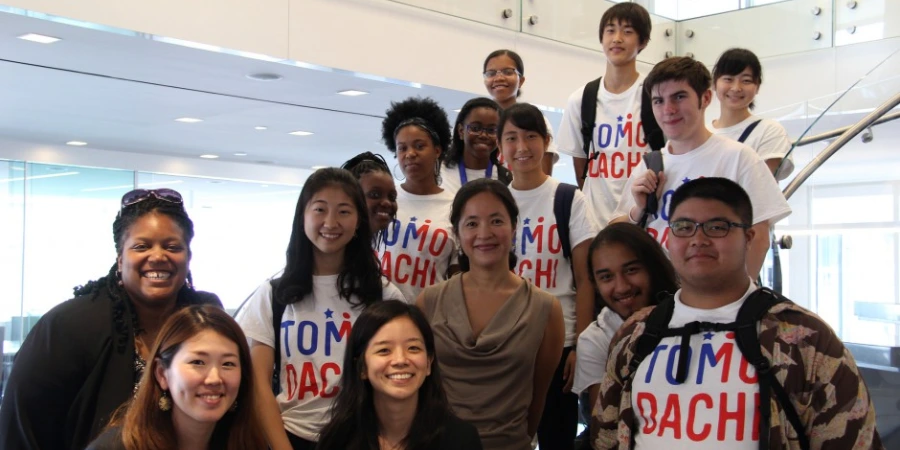
Japan’s healthcare system is often cited as a major benefit for residents. But for international students, it comes with mandatory enrolment and out-of-pocket costs.
All students staying longer than three months are required to enrol in National Health Insurance, which typically costs around ¥1,500 to ¥3,000 per month depending on municipality and income. Once enrolled, this public coverage pays 70% of most medical costs, but students still cover the remaining 30% themselves. This “Student Health Insurance in Japan” guide by Pacific Prime covers the entire process.
Registering for health insurance requires navigating documentation at local city or ward offices. You must register at a local city or ward office soon after arrival, bring documents like your residence card and student ID, and sometimes fill out income declarations to receive student discounts on premiums.
Private or university-related supplemental insurance may also be recommended to cover gaps or emergencies, especially if you plan to travel domestically or engage in fieldwork.
Students who skip careful planning sometimes discover these costs the hard way. For example, Reddit accounts from some MEXT recipients show variable insurance bills due to municipal calculation differences, with some paying a few thousand yen per month and others temporarily billed higher amounts due to income reporting quirks.
Mental Health
Loneliness, culture shock, and academic pressure are among the most commonly reported difficulties for students living abroad for the first time, making it important to understand practical ways of coping with homesickness while studying abroad.
According to surveys by the Japan Student Services Organization (JASSO), over 50% of international students report stress related to language barriers, academic expectations, and isolation from family support networks. These challenges often peak several months after arrival, once the initial excitement wears off and daily realities set in.
Mental health services do exist in most cities, but access can vary widely by institution and region.
Many universities now offer counselling services, and some provide sessions in English or other languages, though availability may be limited or appointment-based. JASSO’s Student Support Handbook encourages students to research mental health resources before arrival, as navigating counselling systems or local clinics can be intimidating without Japanese proficiency.
International students often describe relief upon discovering informal support networks such as international student lounges, peer mentors, or professors willing to listen. These everyday points of contact can make a significant difference, reinforcing that mental health support in Japan often combines institutional resources with personal initiative.
International student Dan Lin, 19, gets homesick easily. The solution? Nightly calls with family!
Safety & Personal Security
Japan is widely regarded as one of the safest countries in the world, with very low rates of violent crime. Official statistics from the National Police Agency consistently show low levels of assault and robbery, contributing to Japan’s reputation as a secure environment for students. For many international students, this sense of safety is immediately noticeable in daily life: walking alone at night, using public transport, or leaving belongings unattended in cafes.
However, personal safety is not automatic. Petty theft, bicycle theft, and scams targeting foreigners (fraudulent phone calls, housing-related scams, and overpriced products).
In addition, Japan is prone to natural hazards, including earthquakes, typhoons, and occasional flooding. Government agencies strongly recommend that residents, including students, familiarise themselves with local emergency procedures, disaster alert apps, and evacuation routes provided by municipalities and universities. Students who take time to register for emergency alerts, attend campus safety briefings, and learn basic emergency vocabulary in Japanese report feeling more confident and prepared. This “Emergencies and Disasters” Handbook can help you prepare, since Japan is one of the most seismically active nations in the world.
Student Life, Housing & Part-Time Work

Housing options and challenges
Student accommodation in Japan ranges from university-managed dormitories to private apartments and shared housing.
University dorms are often the most affordable and convenient option, especially for first-year students, and can provide a built-in social community. However, they are usually competitive and governed by strict rules, such as curfews, limited guest policies, or fixed move-in and move-out dates.
Private apartments offer greater independence but come with significant upfront costs, including deposits, key money, and guarantor fees. Share houses are increasingly popular among international students because they lower initial costs and offer social interaction, though they may sacrifice privacy. Choosing housing requires balancing budget, commute time, and personal lifestyle preferences, and many universities recommend securing accommodation as early as possible.
Daily life logistics
Living in Japan involves mastering practical systems such as transportation cards, grocery shopping, utilities, mobile phone plans, and banking. While these systems are efficient, they rely on rules and forms that are largely in Japanese.
Early preparation such as the following are essential to prevent frustration:
- opening a bank account
- setting up a mobile phone
- understanding public transit
This step-by-step video by Leilani Rika talks about finding both work and housing in Japan as a foreigner.
Mart-time work considerations
Many students supplement living costs with part-time jobs. Student visas typically allow work up to 28 hours per week during term time, and more during vacations. However, part-time work should be approached cautiously. Jobs requiring Japanese proficiency can provide valuable language practice, while English-friendly work is available but limited and often less lucrative. Balancing academic commitments, language study, and employment requires careful planning to avoid burnout.
“When I came to Japan, I didn’t know what to do but teachers helped me a lot. They suggested several part-time jobs for me, and it was very helpful. Now I have no issues living in Japan because of such teachers.” Says university student Nguyễn Thị Hồng Ánh from Syonan Academy.
Teachers who teach a lot of international students often have the best recommendations for part-time jobs.
Reality Checks & Long-term Outcomes
Dropout rates and challenges for international students
Dropout rates for international students in Japan are higher than many initially expect, but the reasons are often less about academic incapacity and more about adjustment and administrative challenges.
Language barriers, cultural differences in classroom interaction, and navigating bureaucracy can create stress that affects performance and motivation. According to JASSO surveys, a significant portion of student attrition is linked to difficulty adapting to Japanese academic norms and day-to-day living rather than failing exams alone. (jasso.go.jp)
Early engagement with Japanese language programmes, academic advisors, and peer support networks has been shown to improve retention and satisfaction.
For example, Ritsumeikan University offers campus language exchange groups and weekly study sessions.
International students report that these made the difference between feeling overwhelmed and successfully completing the semester. Proactive planning and seeking available support structures are critical strategies for navigating academic pressure and reducing the risk of dropout.
“One of the keys to having a successful study experience in Japan is to actively interact with the people around you, including Japanese students, other international students, and local community members.”
After Graduation (job hunting, work visas, alumni networks)
Job hunting in Japan
Graduation does not automatically guarantee employment in Japan. Japanese employers typically expect applicants to demonstrate Japanese proficiency, cultural familiarity, and experience with the country’s formalized job-hunting process (shūshoku katsudō), which begins a full year before graduation.
This funny video by Will Bennett covers the job hunting process, as well as the complexities for foreigners:
English-only jobs exist but are limited, often in multinational corporations or specific industries. Students aiming to work in Japan must plan well in advance, balancing language development, internships, and networking.
Work visas and long-term residency
Obtaining a work visa requires sponsorship from a Japanese employer, which is contingent on academic qualifications, language ability, and field of work. The process can be competitive and bureaucratic, with strict documentation requirements.
Long-term residency or permanent settlement in Japan is possible, but it demands careful planning, stable employment, and understanding of immigration regulations. Students should enter their programmes with realistic expectations about the post-graduation pathway.
Alumni networks and ongoing support
Alumni networks can play an important role in bridging the gap between graduation and employment. Universities, language programmes, and international student organisations often maintain networks that facilitate mentoring, job referrals, and social support.
Proactively engaging with these networks during study can provide significant advantages when seeking employment or pursuing further education in Japan.