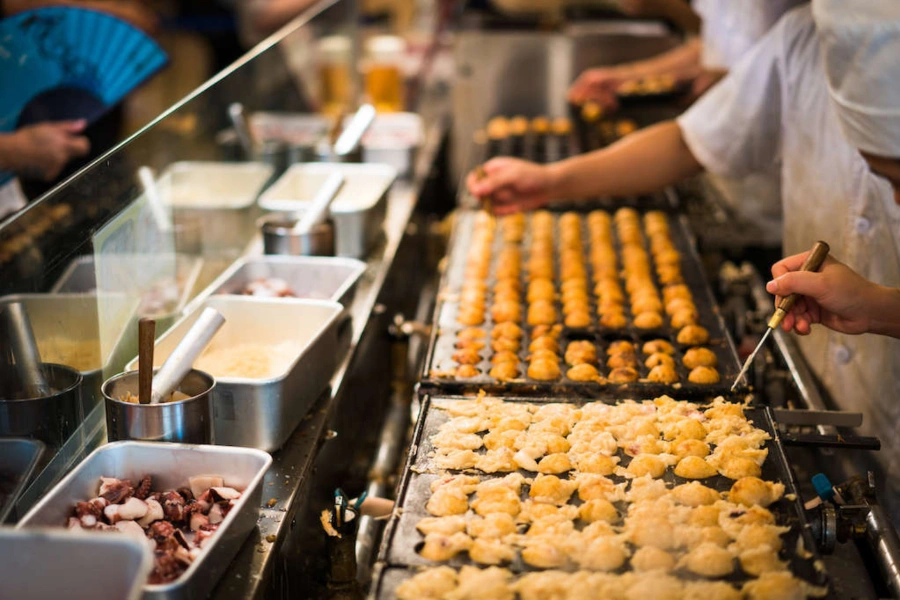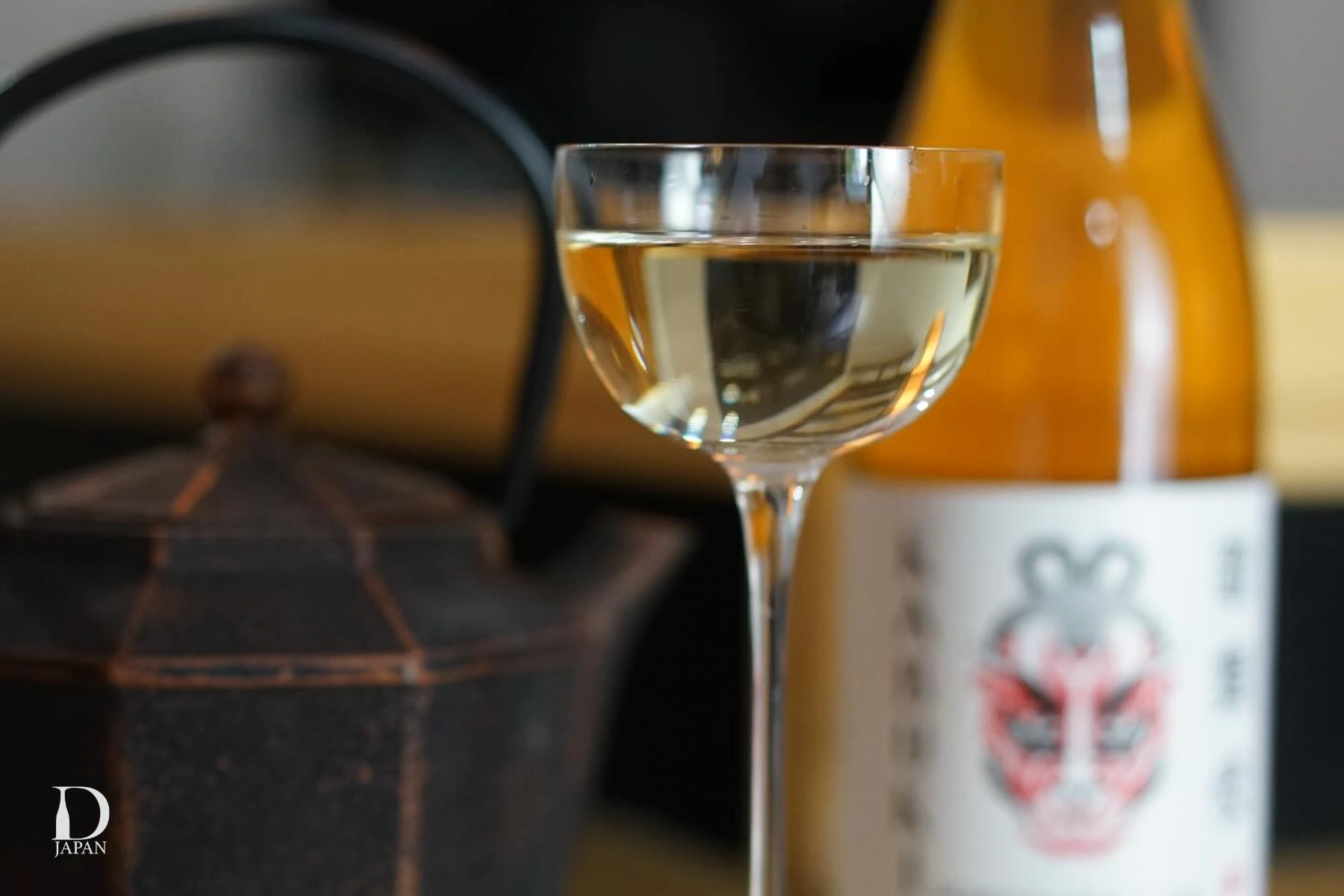
Two days, four sessions, and hundreds of pours inside one Victorian hall in Westminster. Drink Japan 2026 returns to Lindley Hall on Friday 25 and Saturday 26 September, bringing sake breweries from Kyoto to Niigata, whisky from the foot of Mt Fuji, a Government of Japan spirits zone dedicated to shochu and awamori, free masterclasses, taiko drummers and Japanese opera under one roof.
With so much on the floor, the sessions go quickly. This guide covers every confirmed exhibitor, what each is pouring, and which stands deserve your first hour, so you arrive with a plan rather than a wristband and good intentions.
Sake, whisky, shochu, tea and the masterclass timetable
How the two days work
The event runs in four ticketed sessions across the two days:
- Friday 25 September, 12pm to 4pm: the trade preview, and open to the public too at £30. Entry is complimentary for trade with professional registration, and it is the best access of the weekend if you work in drinks, hospitality or retail.
- Friday 25 September, 5pm to 9pm: open to everyone.
- Saturday 26 September, 12pm to 4pm: open to everyone.
- Saturday 26 September, 5pm to 9pm: open to everyone, and usually the first to sell out.
Last year’s edition ran three sessions inside St Mary’s Church in Marylebone; 2026 moves to Lindley Hall and adds a trade-only Friday afternoon.
Every session includes the exhibition floor, live performances and the masterclass programme. Tastings happen at the stands, and the complimentary masterclasses are registered at the venue ticket gate on the day, first come, first served. Evening sessions sell fastest, so book ahead on Eventbrite and get 5% off automatically if Saturday night is your plan.


The sake breweries, brands and importers in attendance
Sake is the heart of the event, and the 2026 line-up spans nearly four centuries of brewing. These are the producers pouring at Lindley Hall.
Dassai
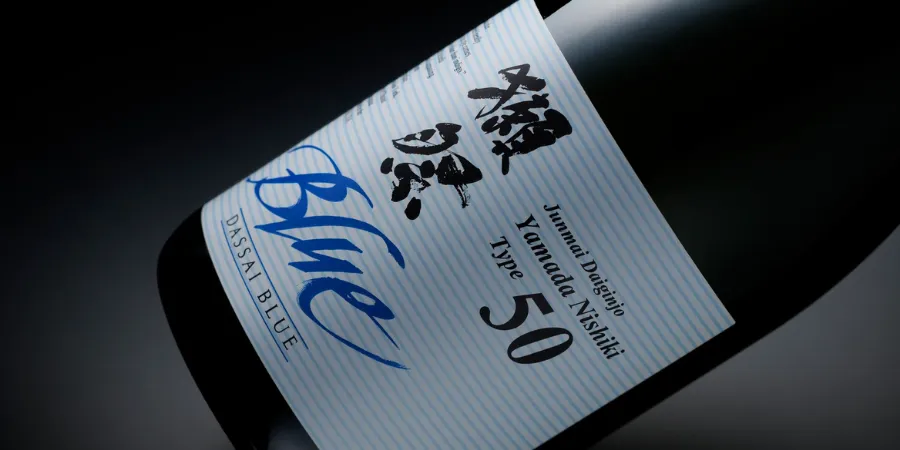
The Yamaguchi brewery that became a global shorthand for premium junmai daiginjo. Dassai polishes further and ferments slower than almost anyone, and its stated philosophy for 2026 is opening a new era rather than leaning on tradition. If the queue is short, start here; if it is long, come back, because it will not get shorter.
Gekkeikan
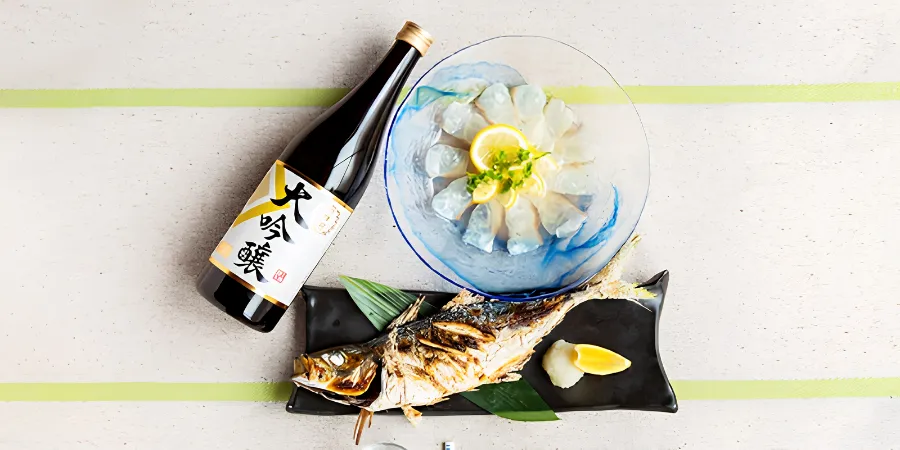
Founded in Fushimi, Kyoto in 1637, Gekkeikan is one of the oldest companies in the world still doing what it was founded to do. At Drink Japan it is pouring Horin Junmai Daiginjo, a soft, melon-toned flagship, alongside its low strength Gekkeikan Sparkling, a good first pour if you are easing in.
Hakkaisan
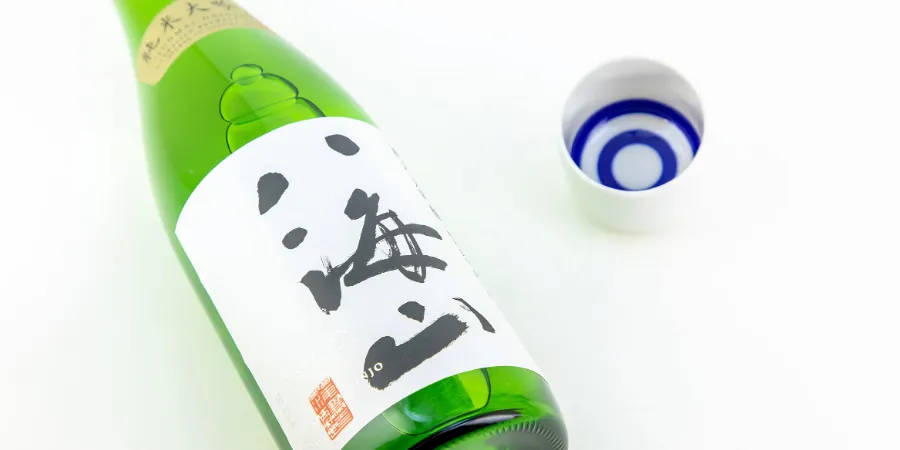
From Niigata snow country, established 1922, and brewing with meltwater from Mt Hakkaisan itself. Hakkaisan is the benchmark for the clean, dry, quietly precise style Niigata is famous for. Taste it next to a richer Kyoto or Hyogo sake and the regional differences stop being abstract.
Akashi-Tai
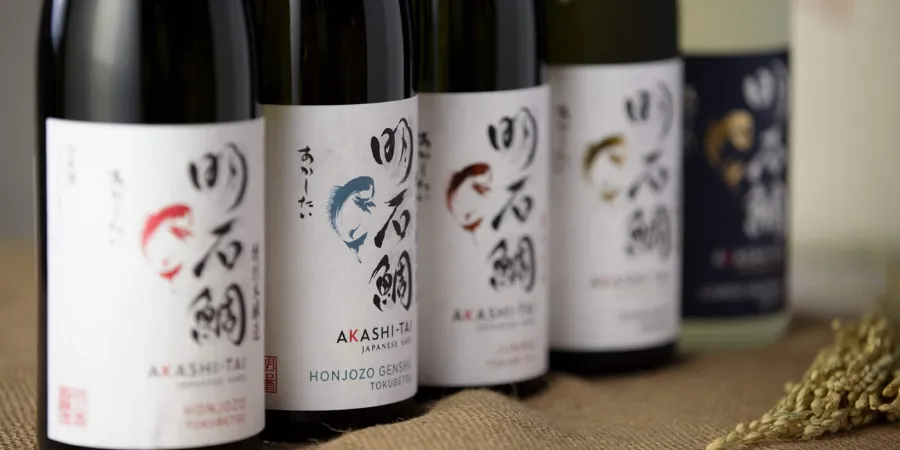
A family brewery in the fishing town of Akashi, Hyogo, where the Yonezawa family have brewed since 1856 and the present company dates from 1917. Toji Kimio Yonezawa still makes everything by hand in small batches. Akashi-Tai sakes are built for the table, which makes sense from a brewery a few streets from one of Japan’s best fish markets. UK drinkers may recognise the bottles; the people pouring them are the rarity.
Urakasumi
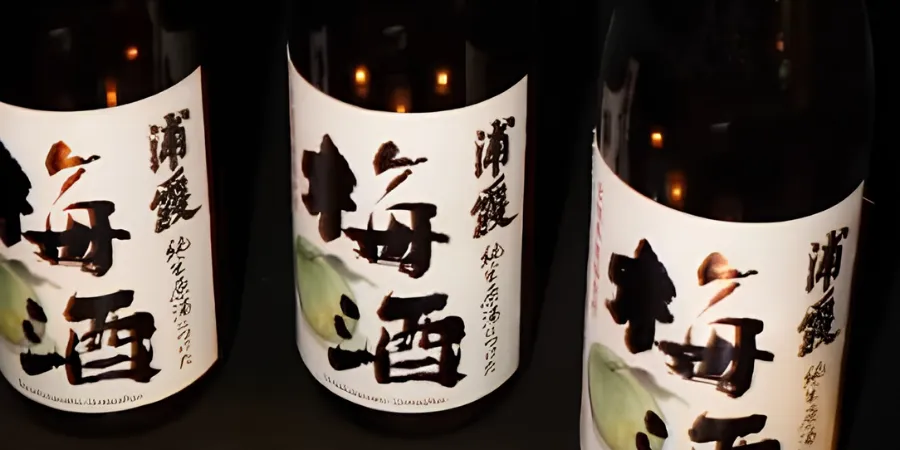
Founded in 1724 on Shiogama Bay in Miyagi, Urakasumi is the birthplace of the Association No. 12 yeast that shaped modern aromatic sake. It is bringing a serious flight: Zen, Honjikomi, its Umeshu, the M label, and a Kimoto Kioke brewed the old way in wooden vats, a style very few UK importers carry.
Kikusui
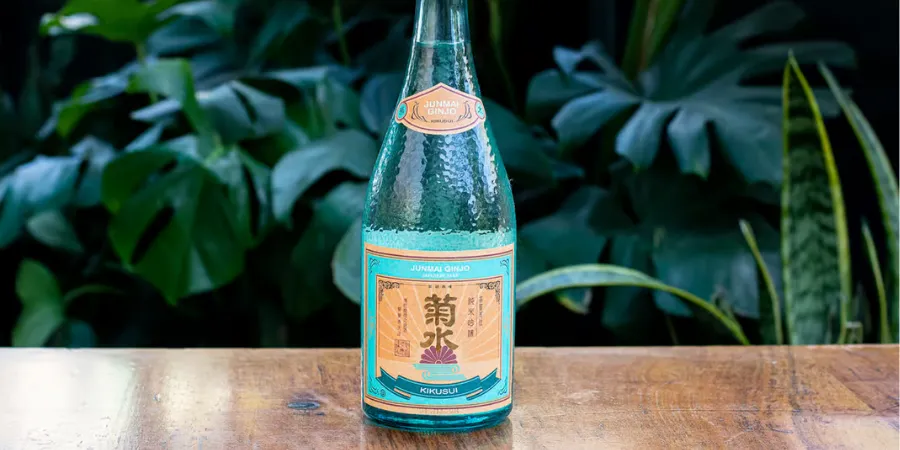
The Niigata brewery best known in the UK for Funaguchi, the unpasteurised nama sake in the little gold can. Kikusui appears on this year’s confirmed brand list, and if the Funaguchi range is on the table, it is one of the most approachable introductions to fresh, undiluted sake you can get.
Chiebijin
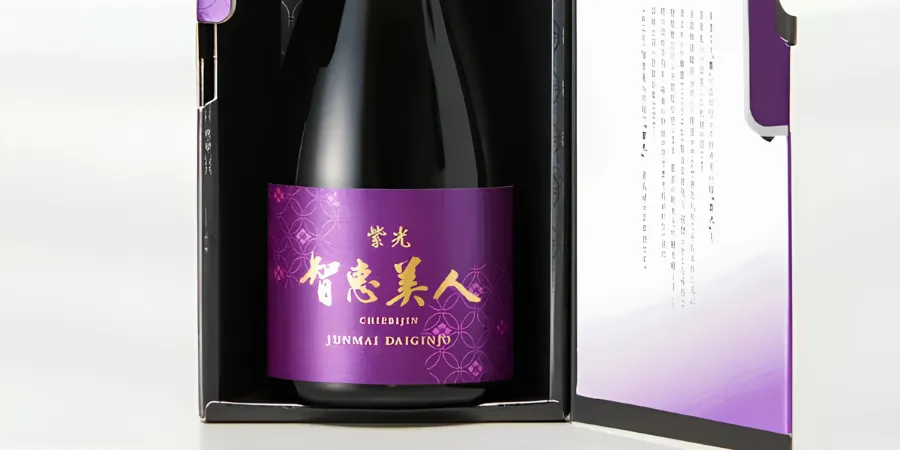
Nakano Sake Brewery has made Chiebijin in the castle town of Kitsuki, Oita since 1874, drawing on spring water the brewery says has taken Monde Selection Grand Gold three years running. The sake carries its own honours, an IWC Sake Trophy in the Junmai category in 2026 and a Kura Master Président Award in 2018. Alongside its gently sweet junmai it pours a black tea umeshu, a plum liqueur infused with tea, and one of the most distinctive things at the show.
Houraisen
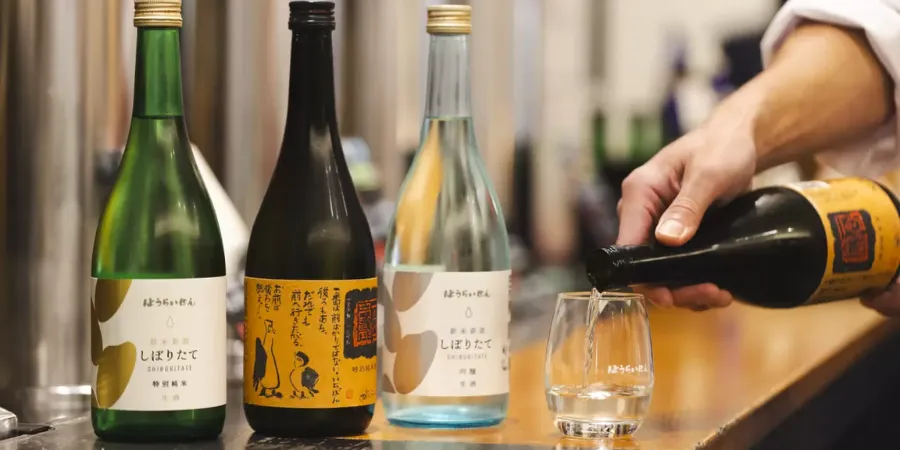
Sekiya Brewery, established 1864 in the Aichi mountains, runs two production sites and grows rice in its own paddies, which is still unusual in sake. Houraisen’s range rewards slow tasting, so save it for a moment when you are ready to stand still and pay attention rather than graze.
MIO Sparkling Sake
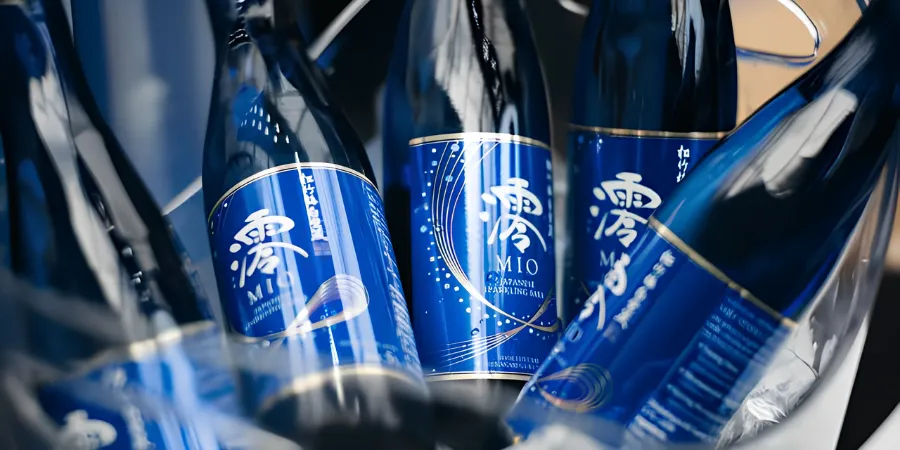
If you have ever wondered what sparkling sake actually is, this is the stand that answers it: sake carbonated to around 5% alcohol, light, sweet and closer to a spritz than a spirits pour. MIO comes from Takara Shuzo, founded 1842, and is brewed at Shirakabegura in Nada, Hyogo. Both MIO and the drier MIO Clear are pouring.
HeavenSake
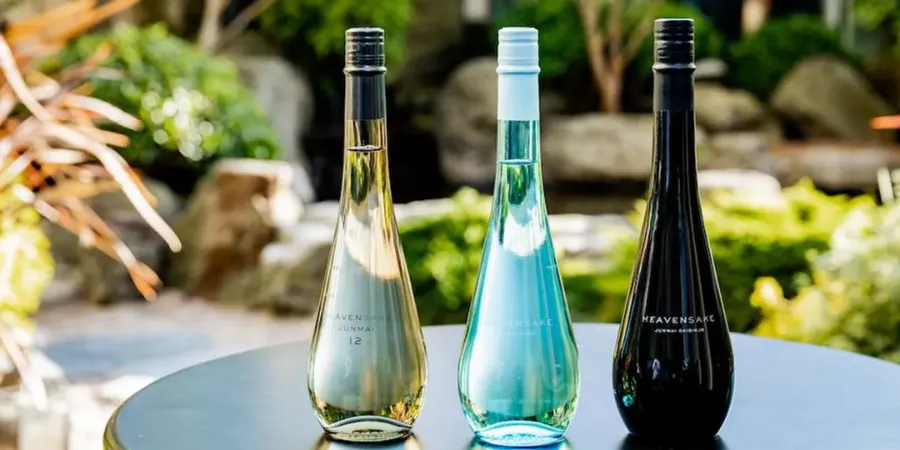
A French and Japanese collaboration in which Régis Camus, one of Champagne’s most decorated cellar masters, blends sake with celebrated Japanese breweries. The Label 12, Label Azur, Label Noir and Label Orange cuvées are aimed at wine drinkers, and Label Orange is blended with Urakasumi, which is pouring here too, so taste the two back to back.
The importers on the floor
Three of the UK’s key sake gatekeepers are also pouring. Tengu Sake, IWC Sake Merchant of the Year six times over, is the stand to ask where to actually buy what you loved, since its online shop ships nationwide. Mai Sake brings a curated list and runs sake events across London year round. Tazaki Foods, the major UK and European distributor, pours from its portfolio including Ichinokura, Kubota and Tosatsuru, three names that rarely share a table.
Whisky and spirits
Japanese whisky needs little introduction to UK drinkers now, and if you want the full story before you go, our guide to Japanese whisky covers the history, the houses and how to read a label. The wider craft spirits scene, from single malts to the Japanese gin boom, has followed the same trajectory: scarce, awarded, and worth tasting at the source when the chance comes.
Nikka Whisky
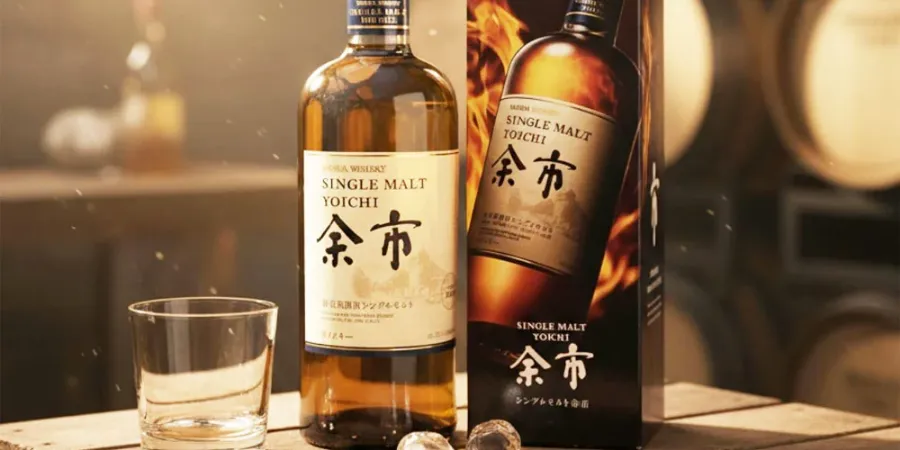
Founded by Masataka Taketsuru, the chemist who brought whisky making home from Scotland, Nikka remains the name most UK drinkers reach for after Suntory. Expect pours from across the range; if Coffey Grain or From the Barrel is open, take the measure and ask about the Coffey stills, which are a story in themselves.
Fuji Japanese Whisky
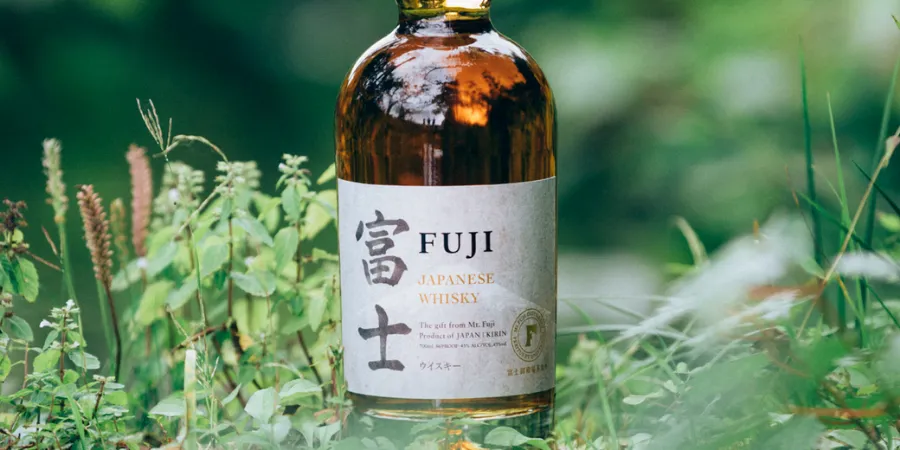
Distilled at the foot of Mt Fuji, where the distillery draws soft snowmelt water filtered through volcanic rock. Fuji is showing both its Single Grain and Single Malt, and the grain is the one to try: it is the house speciality, made on three different types of still, and much harder to find in UK retail than the malt.
The Spirits of Japan zone: shochu and awamori
New for 2026 and presented by the Government of Japan, this zone is the single strongest reason to buy a ticket. Through the Okinawa Awamori Distillers Association it gathers around ten island distilleries, most of which have never poured in the UK, including Yaesen and Ikehara from Ishigaki, Izena, Iheya and Yoneshima from their namesake islands, Yanbaru from Ogimi village, and Sakimoto from both Onna and far flung Yonaguni.
Two stands stand out. Kamimura from Uruma City describes its Danryu label, launched in 1968, as the pioneer of oak cask-aged awamori, and its spirits have been poured at the Marché du Film ceremony at Cannes in both 2025 and 2026. Yamakawa of Motobu is famed for kusu, awamori matured for years into something closer to a fine aged rum. Alongside the awamori, the zone pours the three classic shochu styles, sweet potato, barley and rice, and professional bartenders run hands-on cocktail workshops through each session.
What is shochu, and how is awamori different?
Shochu is Japan’s homegrown distilled spirit, usually 25% to 30% alcohol, single distilled from sweet potato, barley or rice, and drunk neat, on ice or with hot water. Awamori is its older Okinawan cousin, made from long grain Thai style rice with black koji, and often aged in clay pots. Awamori is considered Japan’s oldest distilled spirit, and outside Okinawa even Japanese drinkers rarely see the range being poured here.


Beer and wine
Two very different Japanese beer stories share the floor. Sapporo, the country’s oldest brewery, and Orion, the Okinawan lager that rarely leaves the islands, are both pouring; our guide to Japanese beer brands is the pre-reading if you want the history behind the labels. Orion on draught in London is a genuine rarity, so treat it accordingly.
Katsunuma Winery represents Japan’s quietly excellent wine industry from Yamanashi, the home of the koshu grape. Koshu is pale, delicate and built for the same food sake loves, and almost none of it reaches the UK. A small pour here saves you a flight.
Tea
Japanese tea holds its own corner of the programme. AWAIDO leads Beyond Matcha, a modern Japanese tea experience running as a complimentary masterclass on Friday evening, moving past the matcha latte cliche into single cultivar sencha, gyokuro and roasted hojicha. If you are driving, or simply pacing yourself, the tea stands are where to spend the middle of your session.
The food: Eat Tokyo and the suppliers
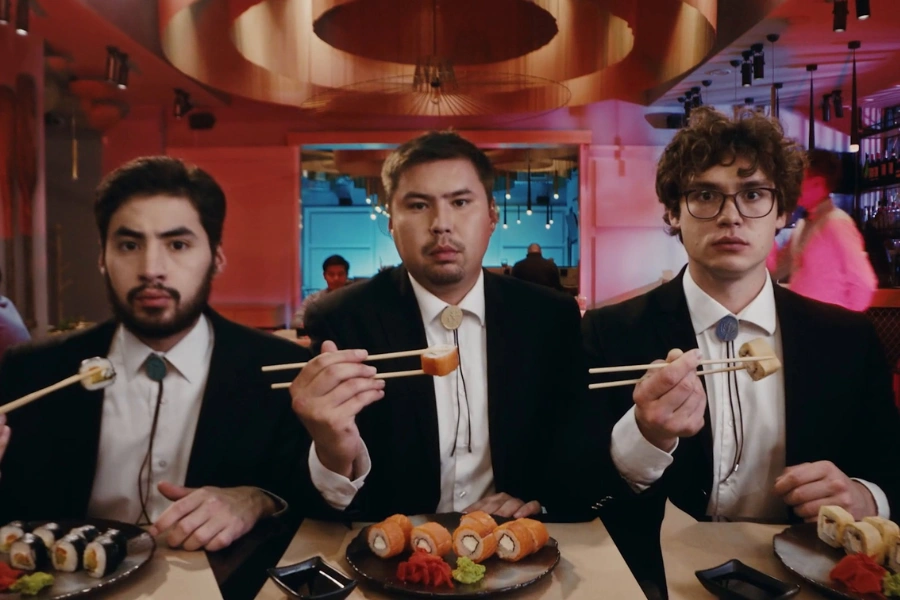
Eat Tokyo, the restaurant group whose queues stretch down Old Compton Street, is the featured restaurant, serving through all four sessions. Expect the generous, unfussy cooking that built its reputation, sushi and sashimi sets, donburi and izakaya standards, priced to fuel a tasting session rather than end it.
Around it sit the suppliers who stock the UK’s Japanese kitchens: Clearspring with its organic Japanese range, Yutaka, Mizkan of rice vinegar fame, and Japan Food Express, most with samples to try and products to talk through. It is proper food rather than token stalls, and the sensible rhythm is to eat between flights of sake rather than after them. A session runs four hours and the food serves throughout, so there is no need to front load.
Cultural organisations
A cluster of institutional stands rewards a slower lap. Japan House London brings its Kensington High Street programme of design and gastronomy. JNTO can turn a sake you loved into an itinerary around its brewery. JETRO and the Niigata Industrial Creation Organization represent the trade side, the UK Bartenders Guild runs the professional end of the cocktail programming, and the International Wine Challenge, whose sake awards shape what gets imported, completes the set.
If you only have two hours
A single session disappears fast, so here is the Japan Nakama shortlist, in tasting order:
- Spirits of Japan zone first, while your palate is fresh. Nothing else in the hall is this hard to taste anywhere else in Europe.
- Urakasumi for the Kimoto Kioke.
- Dassai before the queue builds.
- Chiebijin for ten minutes and the black tea umeshu.
- Fuji Whisky to finish, with the Single Grain.
And three pours you will struggle to find outside Japan:
- Kamimura’s cask-aged awamori, fresh from its selection for the 2026 Cannes gala.
- Yamakawa’s aged kusu, awamori matured towards aged rum territory.
- Orion on draught, straight from Okinawa’s beaches to Westminster.
Joining the free masterclasses
Every masterclass is complimentary and runs on the Main Hall Stage. There is no advance booking: register at the venue ticket gate when you arrive, and places go on a first come, first served basis, so sign up before you start tasting.
Friday 25 September
| Time | Session | Notes |
|---|---|---|
| 13:00 to 13:30 | Sake Unlocked: Taste, Pair, Discover, supported by the National Tax Agency of Japan | Trade session only |
| 14:30 to 15:00 | The Spirit of Okinawa: Discover the World of Awamori | Trade session |
| 18:00 to 18:30 | Beyond Matcha: A Modern Japanese Tea Experience by AWAIDO | Open session |
| 19:30 to 20:00 | The Art of Awamori: From Tradition to Innovation | Open session |
Saturday 26 September
| Time | Session | Notes |
|---|---|---|
| 13:00 to 13:30 | Discover Awamori: Okinawa’s Timeless Spirit | Afternoon session |
| 14:30 to 15:00 | Sake Unlocked: Taste, Pair, Discover, supported by the National Tax Agency of Japan | Afternoon session |
| 18:00 to 18:30 | Masterclass to be confirmed | Evening session, check back |
| 19:30 to 20:00 | Taste, Evaluate, Enjoy: A WSET Sake Masterclass | Evening session |
The WSET session on Saturday evening is the pick for anyone considering the formal sake qualifications, and the awamori sessions pair naturally with a visit to the Spirits of Japan zone straight afterwards.
Visiting on trade Friday
The Friday 25 September, 12pm to 4pm session is built for buyers, sommeliers, bar teams and retailers, and entry is free with professional registration. The floor is at its quietest, the brewers are at their freshest, and the importers who can actually get products onto your list, Tazaki, Tengu Sake and Mai Sake among them, have time to talk. The 13:00 Sake Unlocked masterclass runs exclusively for this session. Register in advance through the event site rather than on the door.
Planning your visit
Where: Lindley Hall, Royal Horticultural Halls, 80 Vincent Square, Westminster, London SW1P 2PB. Around ten minutes on foot from Victoria, Pimlico or St James’s Park.
Lindley Hall, Royal Horticultural Halls
When: Friday 25 September, 12pm to 4pm (the trade preview, public tickets also on sale) and 5pm to 9pm; Saturday 26 September, 12pm to 4pm and 5pm to 9pm.
Tickets: each session is ticketed separately, on sale now via Eventbrite. Trade entry to Friday afternoon is complimentary with professional registration.
Masterclasses: free with your session ticket; register at the ticket gate on arrival.