
Matcha’s resurgence can be traced to a simple truth: it looks incredible on camera. The drink’s naturally vivid and bright green hue stands out in a sea of beige lattes. On TikTok and Instagram where visuals dictate trends, this matters enormously.
The Cultural Snap: How Green Took Over
Over the last year, iced matcha lattes (layered with oat milk, splashed with yuzu syrup, or topped with cold foam) have become a universal shorthand for a certain type of online aesthetic: soft, clean, productive, and a little bit luxurious. This visual wave has translated into real-world behavior.
Café menus across London, New York, and Seoul now feature matcha as a centerpiece beverage, often accompanied by themed pastries or seasonal drops designed specifically for social media virality. Time Out’s report that UK matcha sales surged 202% in 2023 confirms that the trend is not just cultural or visual—it is commercial, measurable, and widespread. In other words, matcha isn’t just “back”; it’s dominating café culture in a way it hasn’t since the early wellness boom of the mid-2010s.
The Calm-Energy Pitch (and Why It Resonates Now)

Bright green, finely ground matcha tea powder displayed with traditional Japanese tea ceremony tools. Source: Omakase
While matcha’s appearance helps it go viral, its benefits are what keep people drinking it. Unlike coffee, which delivers a sharp spike of energy followed by an equally dramatic crash, matcha’s combination of caffeine and L-theanine provides a very different experience. L-theanine modulates caffeine’s effects, encouraging a state often described as “calm focus”—alert but centered, energized but steady.
The Indiependent notes that this is particularly appealing to Gen Z, a generation that has become markedly more vocal about anxiety, overstimulation, and burnout. For them, matcha is not framed as a tool to grind harder but as a ritual: something intentional, soothing, and compatible with a more sustainable approach to productivity. When influencers film themselves whisking matcha slowly or pouring it over ice in natural light, they’re reinforcing that message.
The drink, then, becomes a lifestyle marker symbolizing balance, wellness, and gentler self-discipline rather than the hustle culture. This position is a major part of matcha’s current revival and distinguishes it from the earlier matcha moment, which leaned more heavily on its “superfood” reputation.


From Niche to Everywhere: Cafés, Menus, and Limited Drops
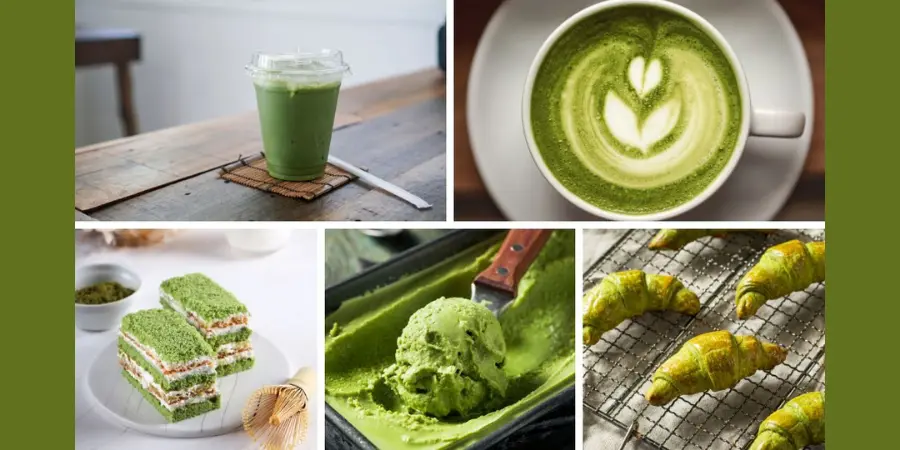
A visual representation of the versatility of matcha, used in drinks, pastries, and desserts. Source: Riching Matcha
For years, ordering matcha meant walking into a specialty tea shop or a wellness café that catered to a specific demographic. Today, it’s as accessible as a caramel macchiato. Major international brands such as Starbucks, Pret, and Blank Street have fully integrated matcha into their standard menus. Many now experiment with innovative flavors (e.g., brown sugar matcha, pistachio matcha, matcha cold foam) to appeal to customers who crave novelty as much as familiarity. Independent cafés, meanwhile, are competing through exclusivity, releasing limited-edition blends, single-origin Uji matcha, matcha flights, or creative pairings like matcha tiramisu.
This broad adoption signals a dramatic shift: matcha is no longer a niche drink consumed by wellness enthusiasts but a regular, everyday beverage choice. Like oat milk, it has crossed the threshold from “trend” to “default option”.
Demand Shock: Tourism, TikTok, and the Supply Squeeze

Vast green tea fields being harvested with the iconic, snow-capped Mount Fuji visible in the distance. Source: Tokyo Weekender
Behind the green drinks lies a more complicated economic story. As matcha gained popularity online, demand for high-quality Japanese matcha rose significantly faster than the supply. The Hustle reports that visitors to Japan are now buying matcha in bulk, with some even reselling it informally abroad to meet demand.
But true ceremonial matcha cannot be mass-produced quickly. The process is painstaking: tea bushes must be shaded for two to four weeks, leaves must be hand-picked at the right moment, and stone-milling, which is crucial for achieving matcha’s silky powder, can take over an hour to produce just 40 grams. Compounding this, Japan’s agriculture ministry (MAFF) notes that the country’s farming workforce is rapidly aging, with fewer young farmers entering the field. This means production capacity is shrinking at the very moment global interest is peaking.
As The Hustle highlights, auction prices for high-grade tencha have surged, rising by as much as 170% in Kyoto, forcing producers to either raise prices or ration their supply. Some industry experts fear that if demand continues at this pace, lower-quality matcha from non-traditional regions could flood the market, blurring the line between authentic Japanese matcha and generic “green tea powder”. For a deeper understanding of how matcha fits into Japan’s wider tea tradition, explore our crash course on Japanese green tea.
How to Buy Well Amid the Boom (A Quick Decoder)
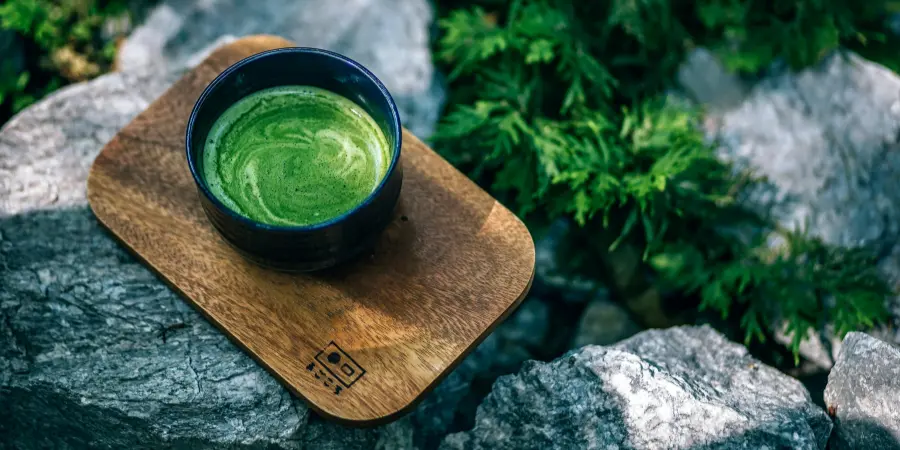
A vibrant matcha drink served outdoors on a wooden tray, blending traditional ceremony with natural aesthetics. Source: Pexels
The surge in popularity has brought a wave of confusing marketing terms such as “ceremonial”, “premium”, “barista blend” that often obscure more than they clarify.
True ceremonial matcha always comes from first-harvest leaves grown under shade and stone-milled for texture. It should be bright green with a naturally sweet, grassy aroma and a smooth, creamy mouthfeel. Anything dull, yellowish, or bitter likely indicates older leaves, improper storage, or a product diluted with less expensive tea powders.
When assessing labels, origin matters; regions like Uji (宇治) in Kyoto (京都) remain the gold standard due to their centuries-old cultivation practices and terroir. Organic certifications, milling dates, and airtight packaging are also meaningful indicators of quality. Consumers should also be cautious at cafés, where many “matcha lattes” use pre-sweetened mixes with fillers, sugar, or milk powder. Such blends may be green but bear little resemblance to traditional matcha.






Make It Stick: Three Everyday Routes + a 7-Day On-Ramp
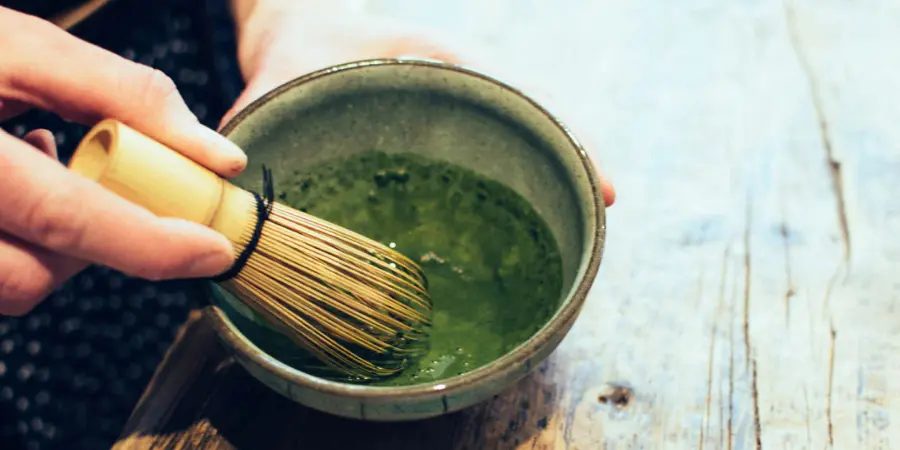
A traditional bamboo whisk (*chasen*) being used to whisk matcha powder and hot water into a frothy texture. Source: Keicha Matcha
For matcha to become a sustainable habit, preparation needs to feel approachable rather than intimidating.
A traditional usucha (薄茶) is the purest expression: simply whisking three grams of matcha with a small amount of hot water between 75 and 80°C until a fine foam appears. For those who prefer a creamier experience, whisking the matcha with a splash of hot water before adding warmed milk produces a silky latte with deeper flavor. Shaking matcha with cold water and ice in a bottle creates a refreshing iced version ideal for busy mornings.
Just as important as technique is storage. Matcha is highly sensitive to heat, light, and oxygen, and keeping it tightly sealed in the fridge preserves its color and complexity. A seven-day on-ramp (experimenting with hot, iced, and latte variations) helps newcomers discover what they enjoy most, making the ritual feel personalized and repeatable.
Reality Check: Price, Quality, and What “Authentic” Looks Like

A visual quality guide illustrating how the shade of green in matcha powder reflects its quality and freshness. Source: Matcha.my
With demand rising and supply tightening, pricing has become a reality check for consumers. High-quality ceremonial matcha is expensive by nature, and the recent inflation of tencha auction prices has made it even more so. Producers like already raised prices by double-digit percentages. Authenticity, therefore, requires understanding that good matcha will never be cheap; its cost reflects manual labor, careful cultivation, and artisanal processing.
Consumers should expect to pay more for matcha from respected regions such as Uji and should remain wary of suspiciously inexpensive products. The current global appetite for matcha has also led to counterfeits, blends with lower-grade tea powder, and misleading labeling. As the market grows, the tension between authenticity and accessibility will only intensify.
Next Steps: Pick Your Starting Lane
New drinkers often feel overwhelmed by the range of matcha options, but choosing a starting point becomes easier when guided by purpose. Those curious about the ritual and flavor will likely enjoy beginning with a classic starter set that includes essential tools. Purists who value depth and nuance may gravitate toward ceremonial tins made from first-harvest leaves. Those motivated by wellness or functional benefits often prefer collagen-infused or enhanced blends. Matcha’s versatility means there is no single “right” entry point… only the one that aligns with your goals, pace, and palate.
Brand Spotlight & Reader Offer: Matcha & CO (Sponsored)
About Matcha & CO

Matcha & Co. products, displayed alongside the essential bamboo whisk for preparation. Source: Walk Eat Die
Matcha & CO has positioned itself as an accessible bridge between traditional Japanese craftsmanship and modern wellness culture. The brand partners with fifth-generation farmers in Uji (宇治), Kyoto (京都), ensuring that each tin reflects the region’s legacy, nutrient density, and careful processing methods. Their philosophy centers on purity: no additives, no preservatives, and fully organic cultivation. Educational resources on whisking, water temperature, and equipment make their products beginner-friendly without compromising authenticity.
Three Easy Starts
Matcha Starter Set

The Matcha & Co. starter set, featuring organic matcha powder and an electric frother for modern preparation. Source: Matcha & Co. Official Site
This set is perfect for beginners, featuring a metal frother, chasaku scoop, and matcha specially selected for easy and consistent preparation. It’s designed to help you quickly master the right ratios and create a smooth, frothy cup every time—ideal for usucha-style drinks or a quick morning boost.
Ceremonial Tin (Premium or Reserve)
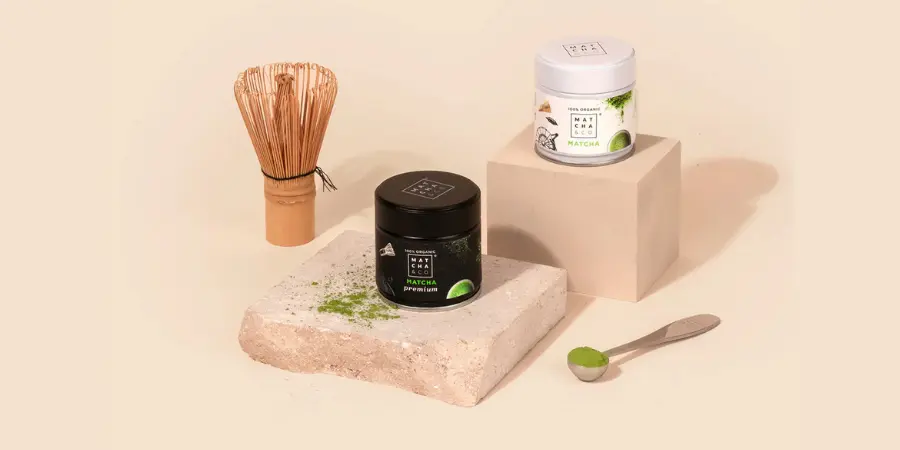
A collection of Matcha & Co. products, featuring premium powder and the traditional bamboo whisk for preparation. Source: Matcha & Co. Official Site
For those seeking a more refined experience, these tins contain first-harvest leaves that deliver vivid color, a creamy mouthfeel, and complex, nuanced flavors. Whether enjoyed as a traditional usucha or in a luxurious latte, these tins bring the elegance of Japanese ceremonial matcha to your cup.
Matcha Collagen
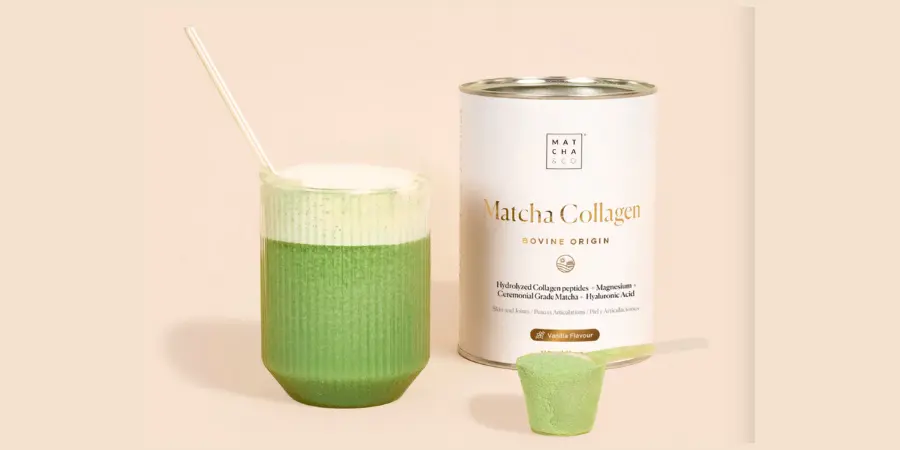
Matcha & Co. Matcha Collagen supplement, combining ceremonial-grade matcha with collagen peptides. Source: Matcha & Co. Official Site
Tailored for wellness-focused drinkers, this blend combines ceremonial-grade matcha with hydrolyzed bovine collagen, hyaluronic acid, and magnesium to support skin health and joint function. It mixes seamlessly into lattes, smoothies, or post-workout shakes, offering both nourishment and the sustained energy boost matcha is known for.
First-time customers can use the code NAKAMA15 for 15% off (affiliate disclosure applies), making the transition into matcha both approachable and enjoyable.