Japanese pottery covers everything from unglazed, wood-fired stoneware jars to hand-shaped Raku tea bowls and finely painted Arita porcelain. Most of its famous styles are named after the town or region where they are made, and many grew up around the tea ceremony from the 16th century onwards.
This guide explains the six ancient kilns, Raku ware and the Western firing method that borrowed its name, the porcelain of Arita and Imari, Hagi and Mashiko, the friendship that carried Japanese pottery to Cornwall, and where to see and buy it in the UK.
Japanese Pottery Styles, From Bizen to Raku
No headings found.
Japanese pottery: key facts
- Japanese words: yakimono (焼き物, fired things) for ceramics in general; setomono, after the town of Seto, is also used for ceramics as a whole.
- The six ancient kilns: Echizen, Seto, Tokoname, Shigaraki, Tamba and Bizen, in production since medieval times and named Japan Heritage in 2017.
- Raku ware: hand-shaped tea bowls first made by Chōjirō for the tea master Sen no Rikyū in Kyoto, now in the hands of the 16th generation of the Raku family.
- First Japanese porcelain: Arita, Saga Prefecture, 1616.
- The UK link: the Leach Pottery, St Ives, founded in 1920 by Bernard Leach and Hamada Shoji.
- See it free in London: the Toshiba Gallery of Japanese Art at the V&A, South Kensington.
The Six Ancient Kilns of Japanese Pottery: Echizen, Seto, Tokoname, Shigaraki, Tamba and Bizen
Japan had many medieval pottery centres, but six have kept working without a break from the Middle Ages to the present day. The ceramics scholar Fujio Koyama grouped them together around 1948 as the Six Ancient Kilns, or Nihon Rokkoyō, and in spring 2017 the six towns were certified as Japan Heritage.
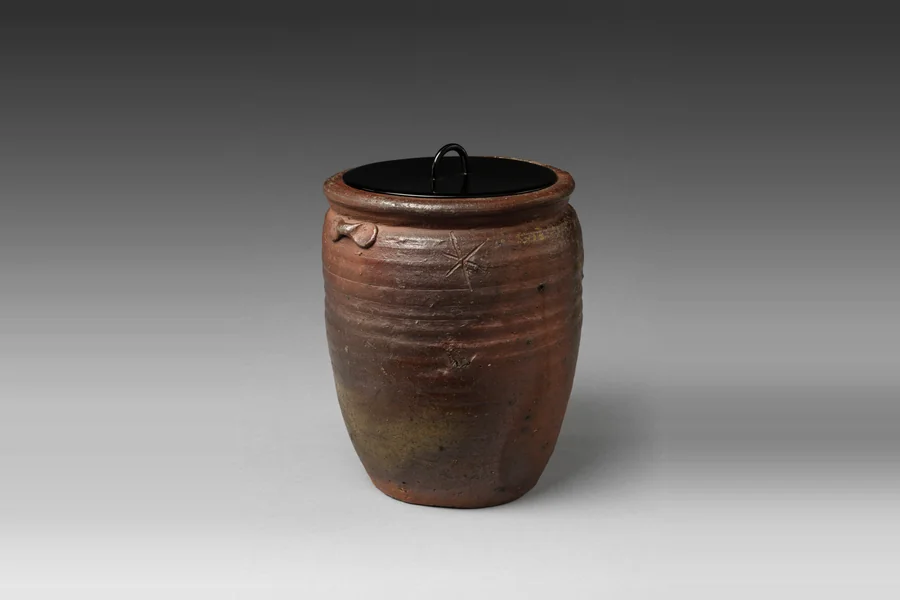
Tokoname, Shigaraki and Bizen made their name with yakishime, stoneware fired hard and high without an applied glaze. In a wood-fired kiln, ash from the fuel can land on the pots and melt into a natural glaze, so the colour of each piece depends on where it sat in the fire. Seto went the other way and became known for its glazes.
| Kiln | Where | What it is known for |
|---|---|---|
| Echizen | Echizen, Fukui | The only one of the six on the Sea of Japan coast. Its wares were called Kumaga or Oda ware until Fujio Koyama renamed them Echizen ware in 1947. |
| Seto | Seto, Aichi | Glazed ceramics. Setomono became a Japanese word for ceramics in general. |
| Tokoname | Tokoname, Aichi | The largest of the six. Big unglazed jars, shipped by sea across Japan, and clay pipes when railways and sewers spread in the Meiji era. |
| Shigaraki | Koka, Shiga | Unglazed stoneware from clay laid down by an ancient Lake Biwa. Storage jars from the 13th century, tea bowls from the late 16th. |
| Tamba | Tambasasayama, Hyogo | Ash-glazed jars and mortars from the late Heian period; climbing kilns and the potter’s wheel arrived in the early Edo period. |
| Bizen | Bizen, Okayama | Unglazed, richly varied surfaces that tea masters admired from the late 16th century. |
Seto has the oldest origin story. In Arts and Crafts of Old Japan (1904), Stewart Dick tells how Katō Shirozaemon, known as Tōshirō, travelled to China in 1223 to study its kilns and came home six years later to make a dense brown stoneware with a rich glaze. The tea caddies credited to him were already treasured by collectors in Dick’s day. The Six Ancient Kilns council still names Katō Shirozaemon Kagemasa as the founder of Seto ware.
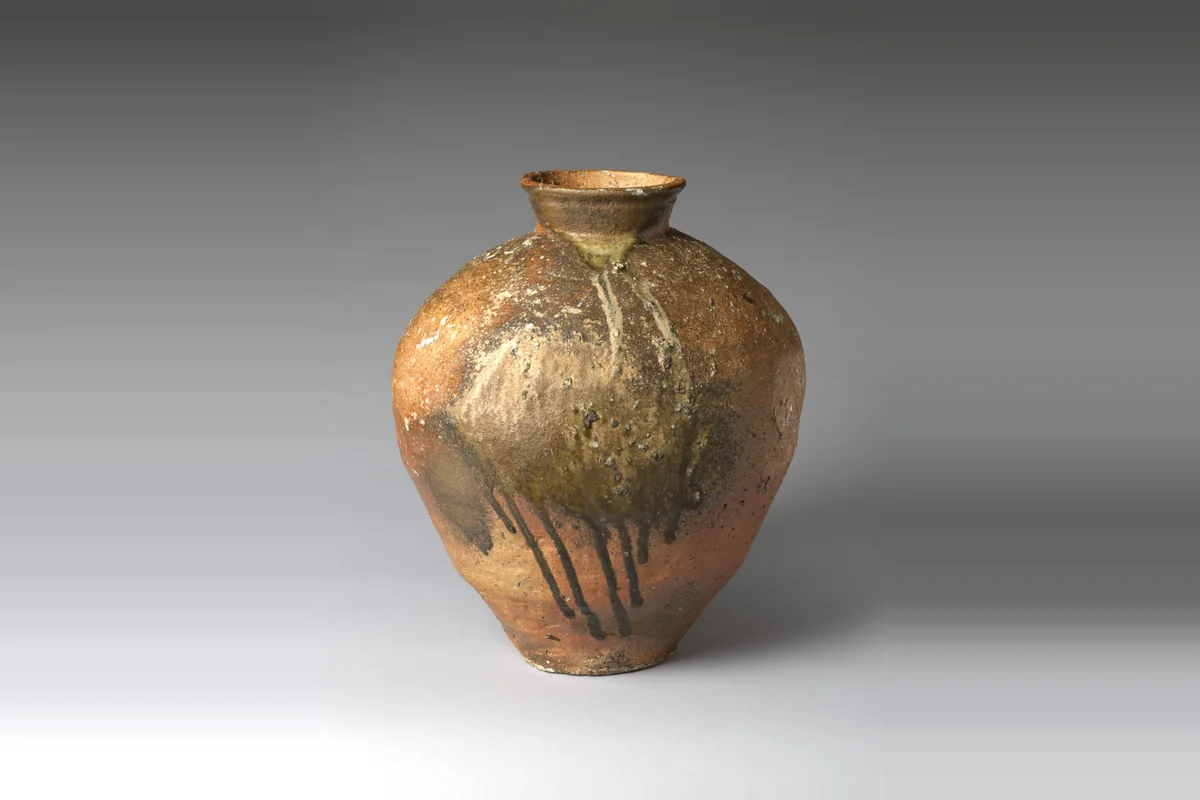
Bizen is the one tea drinkers ask for by name. Its potters in the Inbe area fire the clay bare, so every change of colour on the surface comes from the kiln itself. The Azuchi-Momoyama period (1573 to 1603) turned these plain farmhouse wares into prized tea utensils, and the same taste for rough, natural surfaces runs through the tea ceremony described in our guide to chanoyu, Japan’s tea ceremony.


Raku Pottery: Chōjirō’s Tea Bowls and the Western Raku Firing
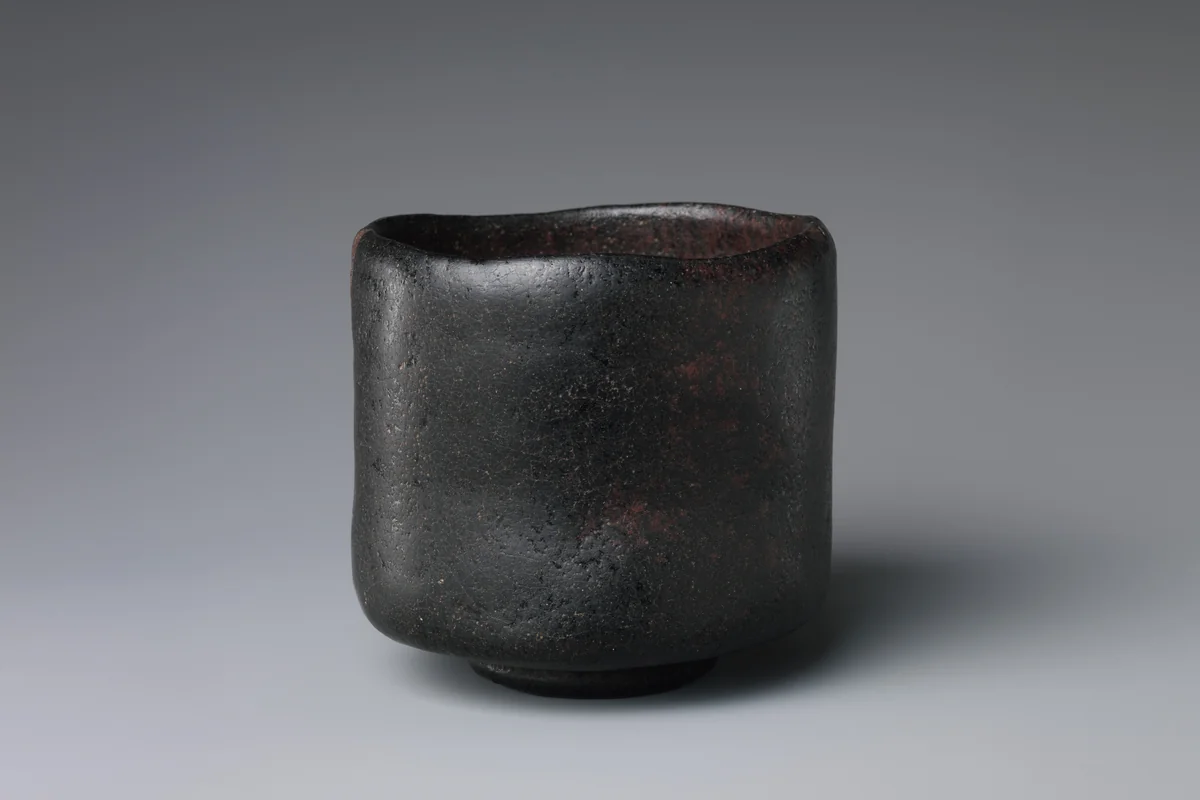
Raku ware began in Kyoto in the late 16th century, when the potter Chōjirō made black and red tea bowls for the tea master Sen no Rikyū. The bowls are shaped by hand without a potter’s wheel, fired at a low temperature and left without decoration, which suited Rikyū’s spare wabi style of tea. According to the Raku Museum in Kyoto, the family has now made tea bowls for more than 450 years, and the current head is the 16th generation, Raku Kichizaemon XVI.
The name is traditionally said to come from a seal bearing the character raku, meaning enjoyment, presented by the warlord Toyotomi Hideyoshi. Stewart Dick described the result in 1904: soft and porous, thickly glazed, uneven in shape, comfortable in the hand and pleasant against the lips. The Raku Museum in Kyoto opens from 10am to 4.30pm, with last entry at 4pm, and closes on Mondays except national holidays.
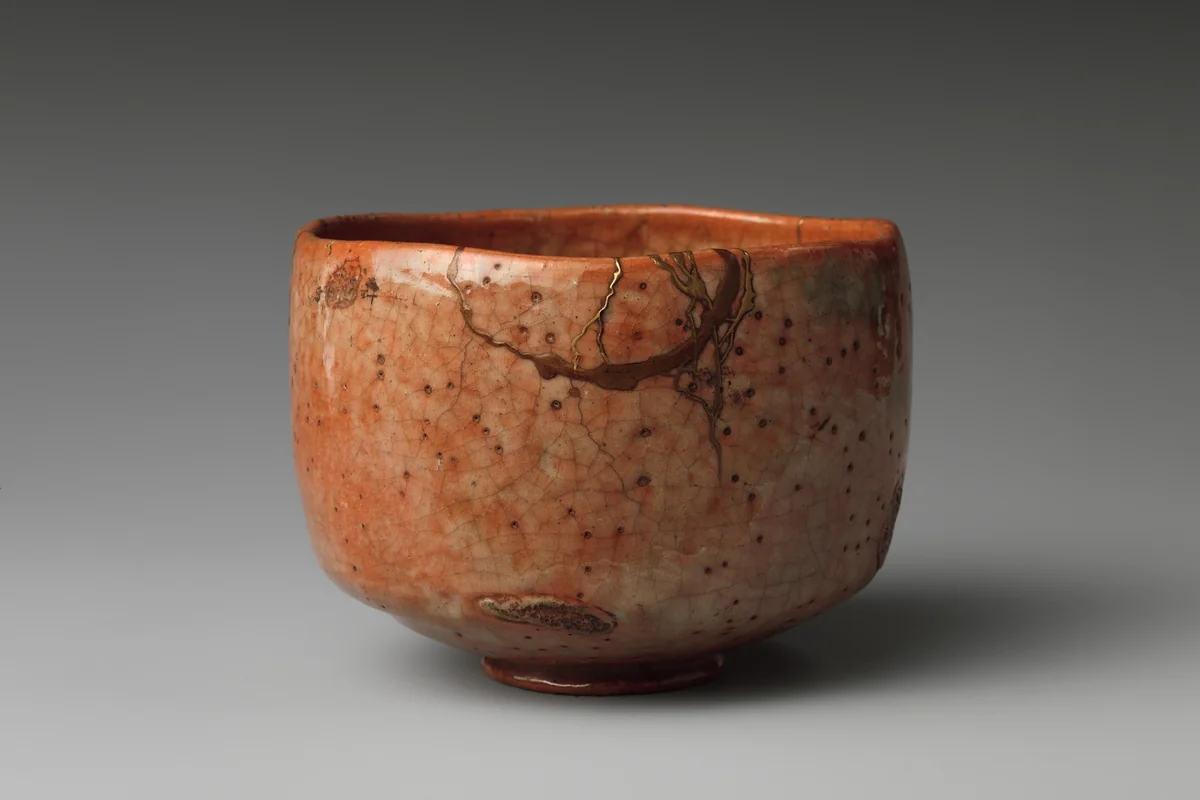
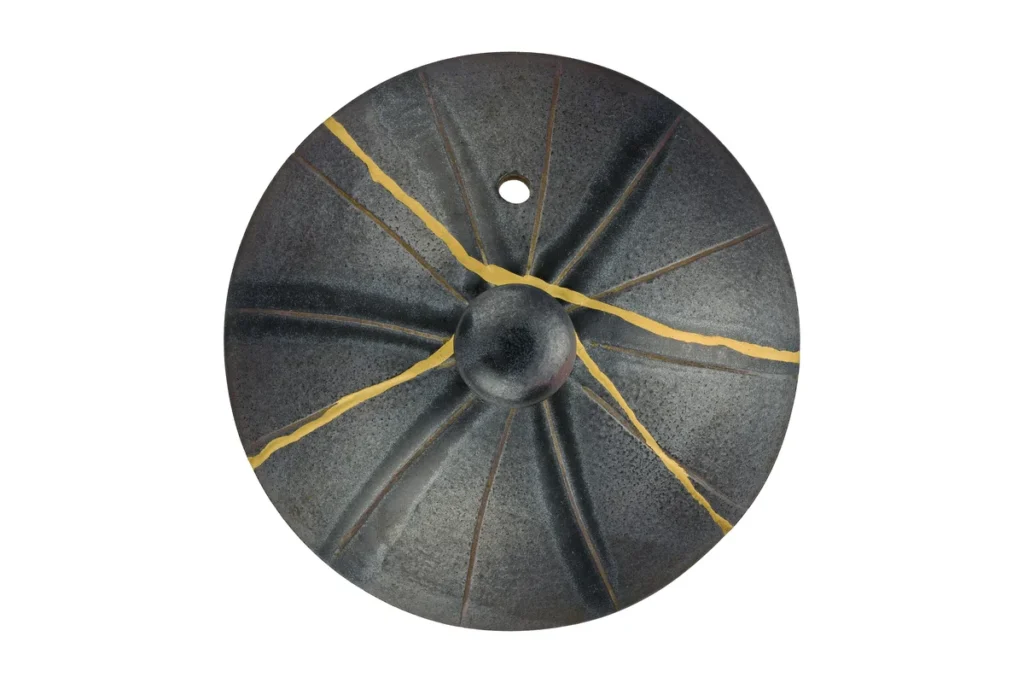
Look closely at the bowl above and you will see a gold seam across one side. Soft, low-fired Raku cracks more easily than stoneware, and owners have long mended favourite bowls with lacquer and gold, the craft explained in our guide to kintsugi and urushi lacquer.
Why UK potters say “raku” for something else
Search for raku pottery in Britain and most results describe a firing method used in studios across the country. The link is Bernard Leach. In 1911, at a raku party in Tokyo with his friend Tomimoto Kenkichi, he watched guests decorate pots that were fired in minutes, and he decided on the spot to become a potter, as the Leach Pottery’s history records. He wrote about raku in A Potter’s Book (1940), and American potters went on to develop their own versions.
In Western raku, a glazed pot is lifted out of the kiln red hot and placed in a metal bin with leaves, straw or sawdust, then the lid is closed to starve it of oxygen. That smoky finish, with its crackled glazes and dark stains, is what most UK raku classes teach, and it is the technique behind the raku week on The Great Pottery Throw Down, as Gathered’s raku guide explains. Japanese Raku bowls are pulled hot from the kiln too, but they are cooled in air, without the combustible bath.
Arita and Imari Porcelain, From 1616 to the Dutch Trade
Japan’s porcelain began in Arita, a small town in Saga Prefecture on the island of Kyushu. The Saga Ceramics Industrial Association dates it to 1616, when a Korean potter, Kanagae Sanbee, better known as Ri Sanpei, made porcelain from the rich Izumiyama porcelain stone. He was one of many Korean potters brought to Japan after Hideyoshi’s invasions of Korea in the 1590s, and their skills shaped kilns across Kyushu.
Arita’s wares left Japan through the nearby port of Imari, so in Europe they became known as Imari ware. Dutch traders at Nagasaki shipped them west in quantity. Stewart Dick noted in 1904 that the crowded, heavily coloured export pieces bore little resemblance to what Japanese buyers chose for themselves, including the restrained enamelled designs associated with the Kakiemon kiln, and that factories across Europe copied the export style.
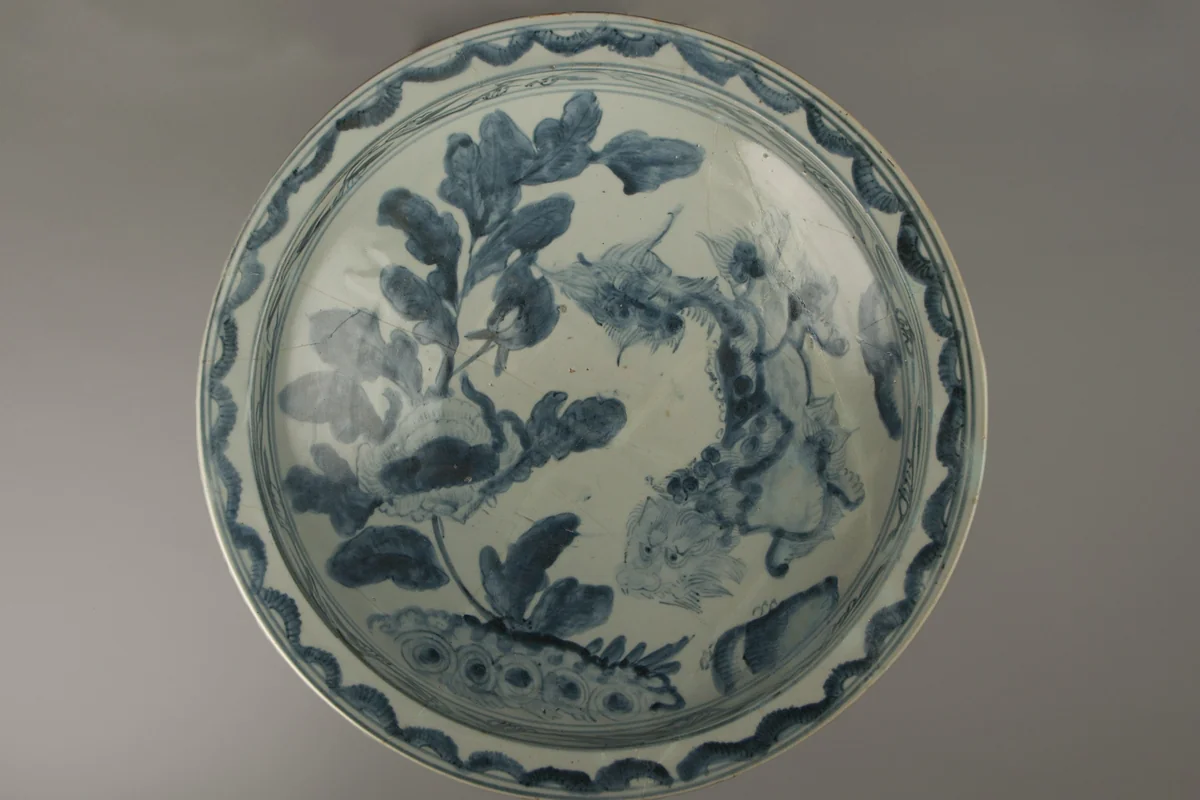
For everyday Arita and Mino tableware sold in the UK today, our feature on Japan Classic’s regional ceramics looks at the makers behind the plates and cups.
Hagi Ware and Hamada Shoji’s Mashiko
Hagi ware comes from Hagi, on the Sea of Japan coast of Yamaguchi Prefecture. Like Arita, it grew from Korean pottery traditions, and it has been bound up with the tea ceremony from the start. Its soft clay and crackled glazes let tea seep in over time, and a Hagi bowl is said to change colour with years of use, the quality behind the Japan Foundation’s exhibition title “Seven Transformations”.
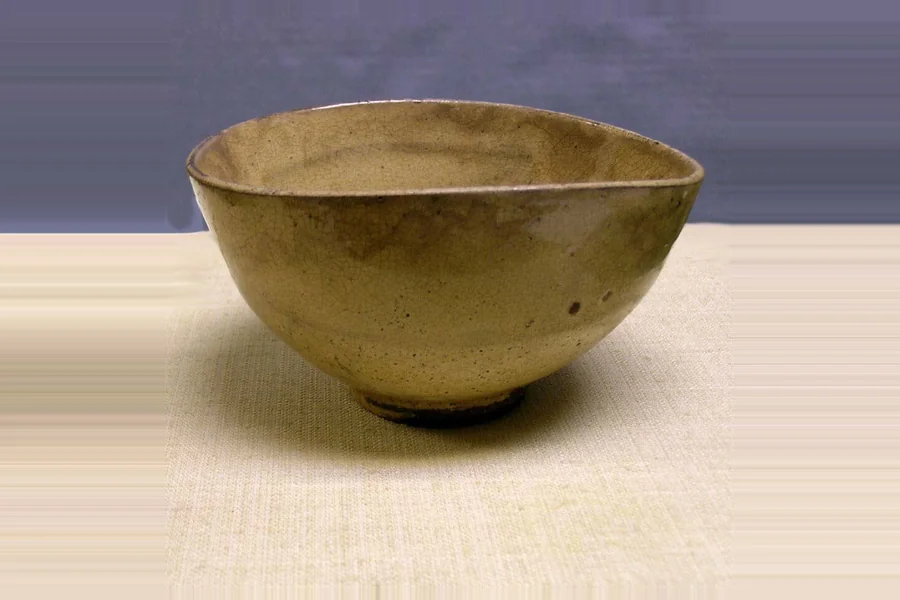
Mashiko, in Tochigi Prefecture north of Tokyo, became famous through one potter. Hamada Shoji (1894 to 1978) settled there after his years in England and built a working pottery that drew on local clay and country forms. He was named a Living National Treasure in 1955, Japan’s official honour for a master of a traditional craft, and with his friend Yanagi Sōetsu he was a leading figure in the Mingei folk craft movement, which valued useful, anonymous everyday wares. Part of his home is now the Shoji Hamada Memorial Mashiko Sankokan Museum, which he founded in 1977 to share the pieces he had collected.




Bernard Leach, Hamada and the Leach Pottery in St Ives
Bernard Leach was born in Hong Kong on 5 January 1887 and spent his first years in Japan with his grandparents. After that 1911 raku party he trained in Japan, worked on Yanagi Sōetsu’s estate at Abiko and met Hamada. In 1920 the two men founded the Leach Pottery in St Ives, building a climbing kiln and a raku kiln at the top of the Stennack. Hamada stayed until 1923, when he went home after the Great Kantō earthquake.
The Leach Pottery is often called the birthplace of British studio pottery, and generations of potters trained there. Its museum and exhibition spaces are closed for restoration at the time of writing, but the shop at Higher Stennack, St Ives, Cornwall TR26 2HE, opens Monday to Saturday from 10am to 5pm, about a 20 minute walk uphill from the town centre. Check the Leach Pottery’s visit page before travelling.
Where to See and Buy Japanese Pottery in the UK
| Place | What you will find | Cost |
|---|---|---|
| V&A South Kensington, London | The Toshiba Gallery of Japanese Art, from a collection the museum has built since 1852, including ceramics. | Free |
| Maak, 40 Earlham Street, Covent Garden | Elemental, an auction of 139 lots of modern and contemporary Japanese ceramics, on view 14 to 19 November 2026. | Free to view |
| Japan House London, 101 to 111 Kensington High Street | A shop selling ceramics from Japanese makers, plus a changing programme of exhibitions and talks. | Free entry |
| Leach Pottery, St Ives | The pottery Leach and Hamada founded in 1920; the shop is open while the museum is restored. | Free to browse |
Maak’s November sale is the best chance this year to handle work by Hamada Shoji and his family, Kyoto’s Sōdeisha sculptors and young makers born in the 1990s. Our guide to Maak’s Elemental ceramics auction has the viewing hours, estimates and the 17 chawan tea bowls in the sale.
If you own a broken piece, or would like to try mending one, our round-up of kintsugi workshops in London compares prices, dates and materials, from two-hour taster classes to a five-session urushi course.
Japanese Pottery: Questions and Answers
What are the main types of Japanese pottery?
Most styles are named after where they are made. The six ancient kilns, Echizen, Seto, Tokoname, Shigaraki, Tamba and Bizen, are known for high-fired stoneware, much of it unglazed. Kyoto gave the world Raku tea bowls. Arita in Kyushu made Japan’s first porcelain in 1616, sold abroad as Imari ware. Hagi and Mashiko are known for tea wares and folk pottery.
What is the difference between Japanese pottery and porcelain?
Pottery in the broad sense covers earthenware such as Raku and stoneware such as Bizen and Shigaraki, made from local clays. Porcelain is made from porcelain stone and fired to a hard, white, glassy body. In Japan it began at Arita in 1616, using the Izumiyama porcelain stone, and was exported through the port of Imari.
Is raku pottery Japanese?
Yes. Raku ware began in Kyoto in the late 16th century with Chōjirō’s tea bowls for Sen no Rikyū, and the Raku family still makes them. The raku firing taught in many UK studios is a Western development: Bernard Leach saw raku in Tokyo in 1911, and potters in the West later added the smoky bath of leaves or sawdust.
Can you drink from raku pottery?
Japanese Raku bowls are made for matcha and are used in the tea ceremony. Raku is low fired, though, and Stewart Dick described it in 1904 as soft and porous, so it needs gentle care. Western raku pieces, with crackled glazes and smoked clay, are often made as decorative work, so ask the maker before using one for food or drink.
Where can I see Japanese pottery in London?
The V&A’s Toshiba Gallery of Japanese Art in South Kensington is free. Japan House London on Kensington High Street sells ceramics by Japanese makers. Maak’s Elemental auction of modern and contemporary Japanese ceramics is on view, free, at 40 Earlham Street, Covent Garden, from 14 to 19 November 2026, and visitors are invited to handle the pots.
What links Japanese pottery to St Ives?
In 1920 Bernard Leach, who had trained as a potter in Japan, founded the Leach Pottery in St Ives with the Japanese potter Hamada Shoji. Hamada worked there until 1923, then settled in Mashiko. The pottery became a training ground for British studio potters, and its shop at Higher Stennack is open Monday to Saturday while the museum is restored.