Most kintsugi workshops in London are two to three hour taster classes that cost between £35 and £70 and send you home with a repaired piece. Nearly all of them use epoxy resin and metal powder, which sets in a session but is not food safe; traditional urushi lacquer kintsugi takes weeks and is taught in London only in occasional multi-week courses.
Below are the London classes we could verify on each studio’s own booking page on 31 October 2026, with prices, lengths, materials and the next dates, followed by the urushi options and kits for repairs at home.
London Kintsugi Workshops Compared
No headings found.
What kintsugi is, in 60 seconds
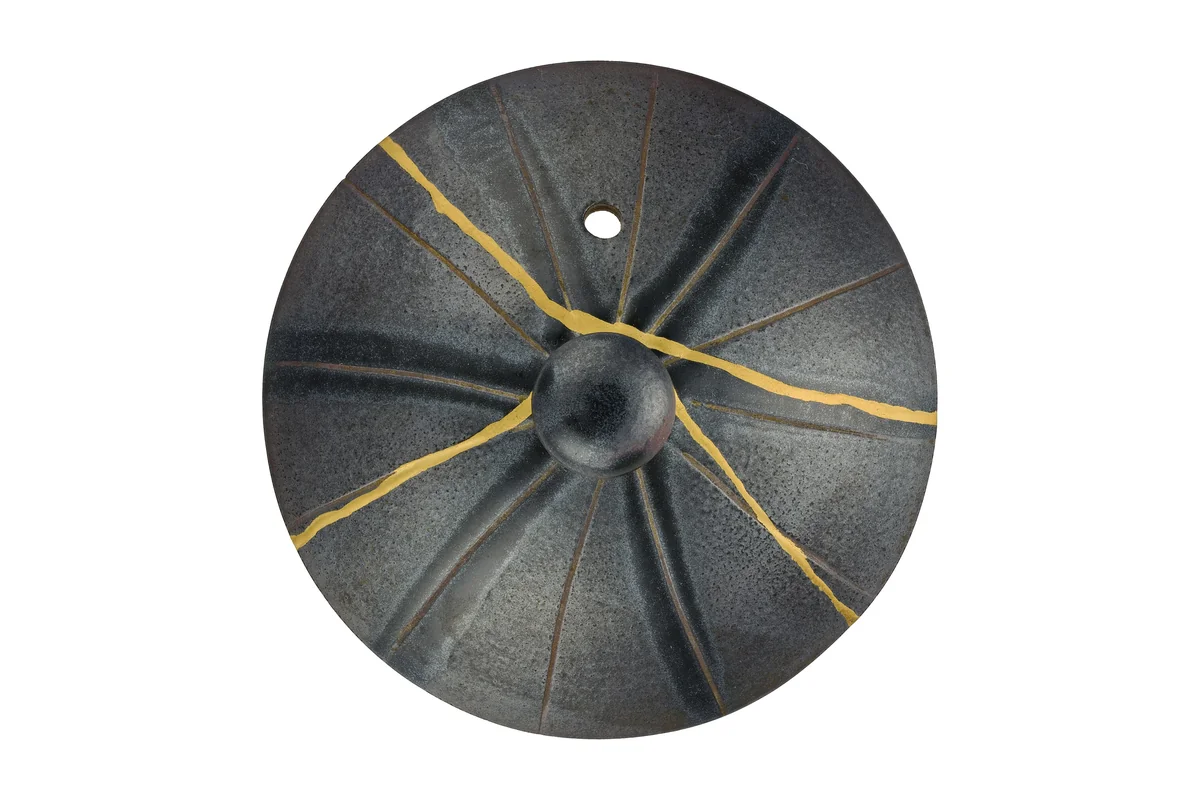
Kintsugi (金継ぎ, golden joinery) is the Japanese craft of mending broken ceramics so the repair shows. In the traditional method the pieces are rejoined with urushi, the sap of the lacquer tree, built up in thin layers that cure slowly in warm, damp air, and only the final line is dusted with gold. A full traditional repair takes months. Our guide to wabi-sabi and kintsugi explains the thinking behind the gold.
Urushi Lacquer or Epoxy Resin: The Two Kinds of Kintsugi Class
The word kintsugi covers two quite different crafts, and the class description usually tells you which one you are booking. Look for the words urushi or lacquer, or for epoxy, resin, glue or “modern kintsugi”.
| Modern kintsugi (epoxy) | Traditional kintsugi (urushi) | |
|---|---|---|
| Glue | Epoxy resin or epoxy putty | Urushi lacquer mixed with rice or wheat flour |
| Finish | Gold or silver powder, or a gold-coloured metal mix | Real gold or silver powder over lacquer |
| Time | One session of two to three hours | Several sessions over weeks; a full repair can take three months or more |
| Food safe | No, display only | Yes, once fully cured |
| Skin reactions | None from urushi | Raw urushi can cause allergic reactions in some people |
| Typical London price | £35 to £70 | £280 for a five-session course (TOKOBO, summer 2026) |
Epoxy is the honest choice for a first try. You learn how a break is cleaned, joined, filled and gilded, and you leave with a finished piece that day. Urushi is the real craft, but it hardens only in humidity, needs patience between coats and can irritate the skin, which is why London studios teach it in small, seasonal courses. Our explainer on urushi lacquer and the history of kintsugi goes deeper into how a traditional repair is built up.

Kintsugi Workshops in London, Compared
Checked on each provider’s own site or booking system on 31 October 2026. Prices are per person.
| Workshop | Where | Length | Price | Materials | Next dates | Ages |
|---|---|---|---|---|---|---|
| Kinboru Studios, Kintsugi Pottery Class for Beginners | 21 Buckle Street, Aldgate, E1 8DB | 2 hours | £52 on ClassBento | Epoxy resin with a gold micro-metal mix | Fridays to Sundays through November and up to 20 December 2026, at 12pm, 3.30pm and some 7pm sessions | 18+ |
| Cernamic, Deptford Kintsugi Workshop and Festive Kintsugi Workshop | 2 Harton Street, Deptford, SE8 4DQ | 2 hours | £35 | Handmade ceramics repaired with gold; check the method when booking | On Cernamic’s booking calendar | Check when booking |
| Precious Scars Studio (Kira Smith), kintsugi and gintsugi workshops | Mainly Cernamic, Deptford; also Rouge, 158 Stoke Newington High Street, N16 7JL | 2.5 to 3 hours | £70 at Rouge | Epoxy, finished with genuine gold or silver powder | No public dates listed after 18 October 2026; private bookings by email | 12 to 16 with a parent or guardian; adults |
| TOKOBO, Kintsugi with Urushi | Unit 74, Regent Studios, 8 Andrews Road, Hackney, E8 4QN | Five 2-hour Sunday sessions | £280 (summer 2026 course) | Urushi lacquer; real gold or silver powder on request | Summer only; 2027 dates not yet published | Check when booking |
| HYPER JAPAN Festival, Kintsugi Workshop with Yuki Nakamura | Olympia, Hammersmith Road, W14 8UX | 1 hour | Separate workshop ticket plus festival entry | Easy-to-handle adhesives and gold-coloured materials | Ran 24 to 26 July 2026 and sold out; 2027 not yet announced | 16+ |
Map of Kinboru Studios
Where to Learn Kintsugi in London, Studio by Studio
Kinboru Studios, Aldgate: the most dates this winter
Kinboru has the fullest timetable of the classes we checked, with two-hour beginner classes most Fridays, Saturdays and Sundays through November and December. The class includes the ceramic piece, an epoxy resin and gold micro-metal mix, and all tools, and you take your repaired piece home. Its own booking system lists the studio at 21 Buckle Street, near Aldgate East; ClassBento shows some dates at Bermonds Locke, 157 Tower Bridge Road, so check the venue on your ticket. Classes are for over 18s. Book through Kinboru’s London classes page.
Precious Scars Studio, Deptford and Stoke Newington: gold or silver finishes
Kira Smith has repaired ceramics since 2018 and teaches small classes of up to eight. Her public workshops use modern epoxy methods finished with genuine gold or silver powder, on ceramics salvaged from London pottery studios, and you can bring a broken piece of your own (check first if it is an heirloom). Most run at Cernamic in Deptford; her gintsugi class at Rouge in Stoke Newington uses silver and costs £70 for two and a half hours. She also takes traditional urushi repair commissions, which take about three months. Dates appear on Precious Scars Studio’s workshops page.
Cernamic, Deptford: the lowest price
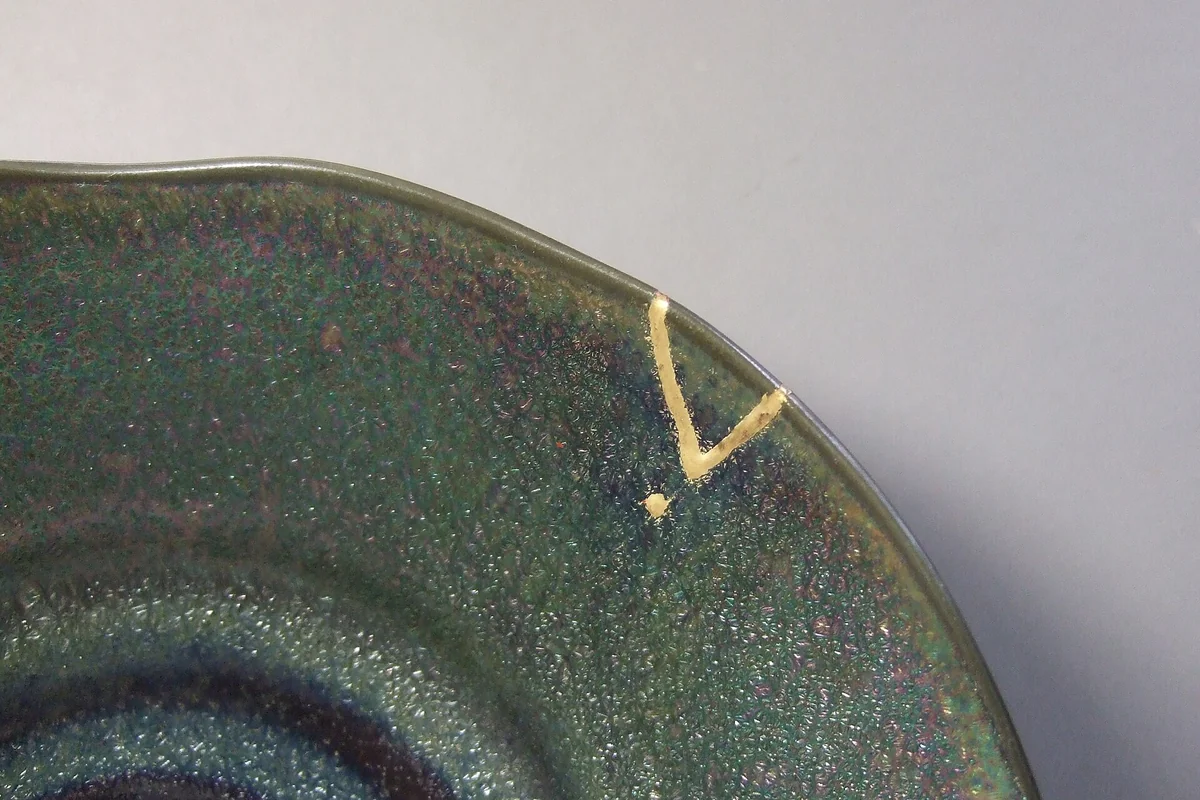
Cernamic’s Deptford studio lists a two-hour Kintsugi Workshop at £35, the lowest price we found, plus a Festive Kintsugi Workshop at the same price for the run-up to Christmas. You repair handmade ceramics with gold. Cernamic’s listing does not name the glue, so ask when you book if the method matters to you. See Cernamic’s Deptford classes.
TOKOBO, Hackney: urushi lacquer over five Sundays
For the traditional method, TOKOBO’s summer course runs over five Sunday mornings of two hours each and follows the urushi process, adapted to the UK climate. You bring three to five broken pieces with simple damage, such as clean cracks or small chips, and pieces in more than three parts may be too complex for the time. The studio can guide you to a food-safe finish and sells a beginner’s kit for £38. The 2026 course ran from 26 July to 30 August at £280; watch TOKOBO’s classes calendar for 2027.
Beyond London: Kintsugi Oxford and HYPER JAPAN
Kintsugi Oxford was founded by Nishikawa Iku, from Kōchi in Japan, who learned the craft assisting the Kyoto lacquer artists Shimode Muneaki and Sato Takahiko at workshops at the Ashmolean Museum and the Pitt Rivers Museum. She has led urushi workshops and an online talk for Japan House London, and Kintsugi Oxford sells materials and kits. At HYPER JAPAN Festival in July 2026, the London-based ceramic artist Yuki Nakamura, who teaches ceramics at Morley College, ran one-hour sessions using adhesives and gold-coloured materials; every session sold out.



Kintsugi Kits for Repairs at Home
Kits come in the same two kinds as classes. Most are epoxy with metal powder: quick, beginner friendly and for display only. Urushi kits take weeks, need a warm, humid place to cure, and raw urushi can cause allergic reactions. TOKOBO sells a beginner’s kit for £38 to students who want to carry on at home, and Kintsugi Oxford stocks materials, tools and kits. If you are mending something you love, a class first is the safer route.
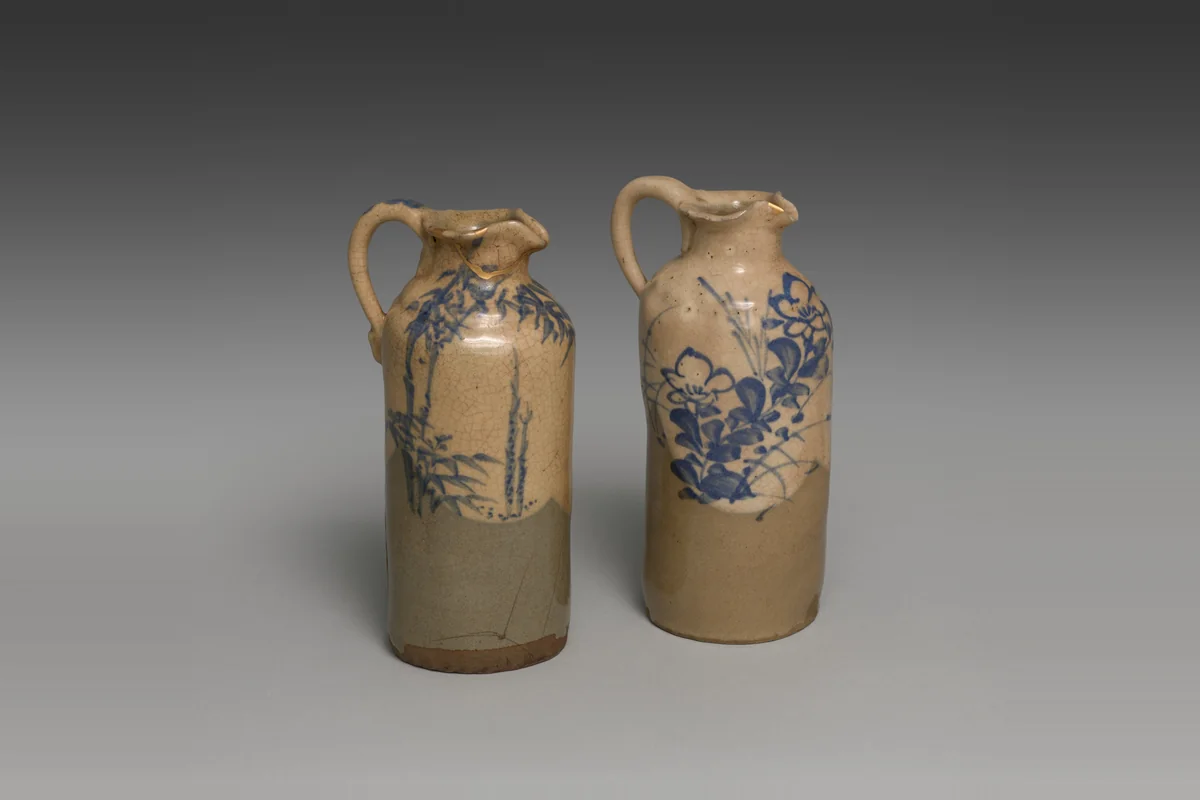
Repairs look best on pots with character, and London has good places to find them. Japanese and Japanese-inspired potters sell at the Yokimono Japanese market in London, next held on 7 and 8 November 2026, and our guide to Japanese pottery styles explains why some old tea bowls carry gold seams of their own.
Kintsugi Workshops in London: Questions and Answers
How much does a kintsugi workshop cost in London?
Taster classes cost between £35 and £70 per person. On 31 October 2026, Cernamic in Deptford listed a two-hour workshop at £35, Kinboru Studios was £52 on ClassBento, and Precious Scars Studio’s silver gintsugi class at Rouge was £70. TOKOBO’s five-session urushi course cost £280 in summer 2026. Prices include the ceramic piece and materials.
Is a piece repaired in a kintsugi workshop food safe?
Usually not. Most London workshops use epoxy, and Precious Scars Studio’s FAQ says those repairs are for decoration only. Only traditional repairs in urushi lacquer with real metal powder are food safe, and only once fully cured. TOKOBO’s urushi course can guide you to a food-safe finish. Hand wash any repaired piece and keep it out of the dishwasher and microwave.
Can I bring my own broken pottery to a kintsugi class?
Often, yes. Precious Scars Studio welcomes your own piece but asks you to check first if it is complex or an heirloom. TOKOBO’s urushi course asks you to bring three to five pieces with simple damage, such as clean cracks or small chips, and warns that pieces broken into more than three parts may not be finished in time. Kinboru includes a ceramic piece.
How long does traditional kintsugi take?
A traditional urushi repair takes weeks to months, because each layer of lacquer must harden in warm, humid air before the next goes on. Precious Scars Studio quotes about three months or more for a traditional commission, depending on humidity and season. That is why urushi is taught over several sessions, such as TOKOBO’s five Sundays, while epoxy classes finish in an afternoon.
Can children do kintsugi?
Some classes take younger makers. Precious Scars Studio accepts 12 to 16 year olds with a parent or guardian, HYPER JAPAN’s festival workshop was for ages 16 and up, and Kinboru Studios’ London classes are for over 18s. Raw urushi can cause allergic reactions, which is one reason HYPER JAPAN gives for using other adhesives in its beginner sessions.