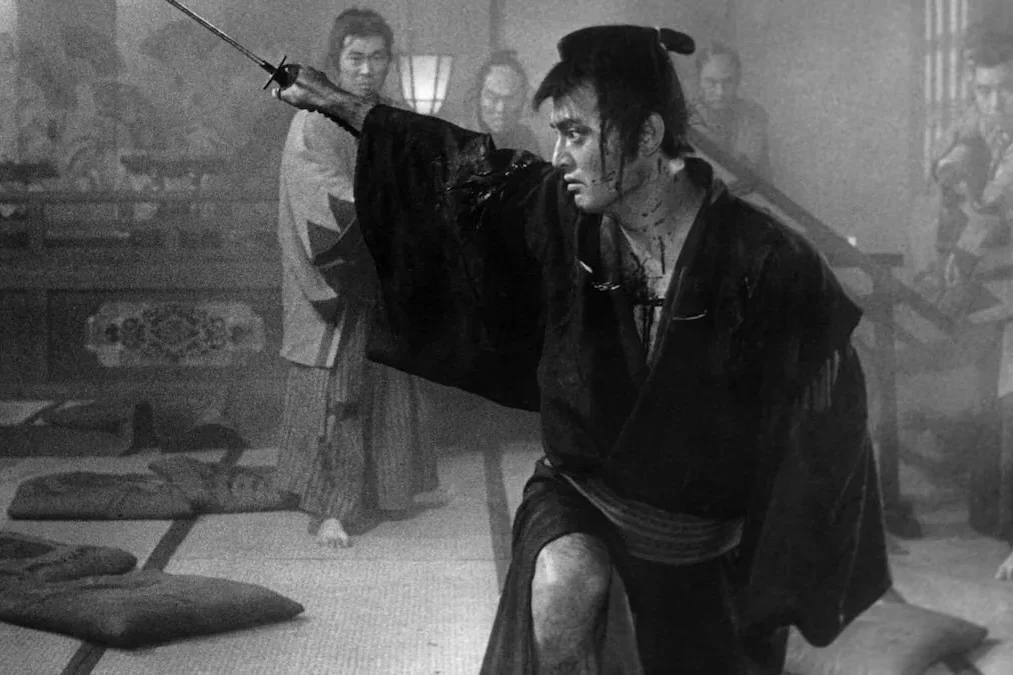
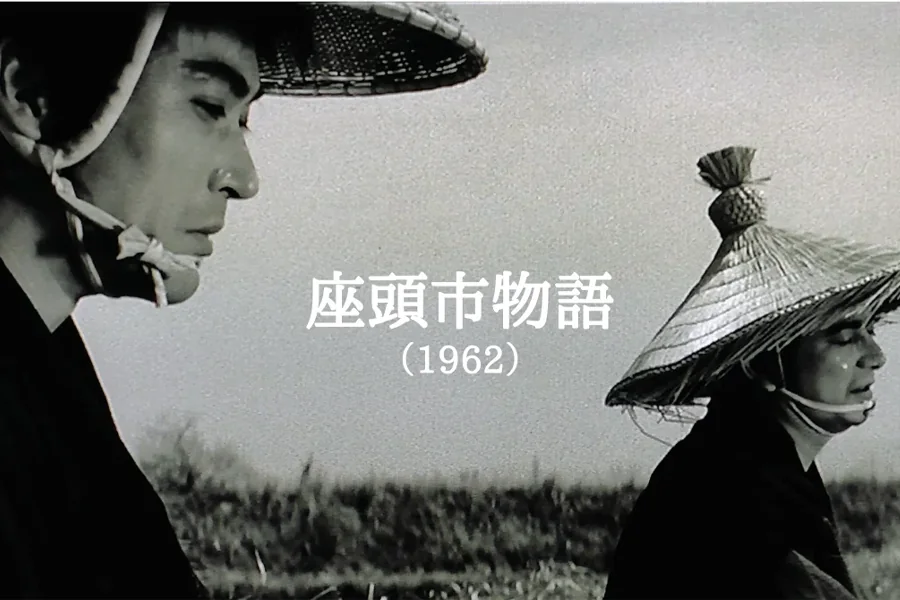
Japanese cinema has always had a unique way of holding a mirror to society while infusing stories with an emotional rawness that resonates far beyond the screen. From the post-war dramas of Kurosawa and Ozu (known famously for directing Tokyo Story) to the experimental youth culture narratives of Shunji Iwai and Sion Sono, Japanese filmmakers have consistently captured generational shifts with striking honesty.
Now, in 2025, a new voice emerges. Neo Sora’s debut feature, HAPPYEND, is not just a film. It is a cultural statement, a cinematic rave, and a love letter to youth resisting control. For long-time enthusiasts of Japanese cinema like myself, HAPPYEND is one of the most important releases in years, marking the arrival of a daring new filmmaker whose voice feels both urgent and timeless.
With its UK cinema release on September 19, HAPPYEND is set to spark conversations about surveillance, rebellion, and the resilience of friendship. But before its official release, audiences have a rare chance to immerse themselves in its world at the Special Preview Screening + DJ Night at ICA on September 18, featuring a live set by Toshiki Ohta. This unique celebration was more than a screening. It was a cultural event bridging cinema, music, and youth resistance.
The Story of HAPPYEND: Friendship and Resistance in Dystopian Tokyo
At its heart, HAPPYEND follows Yuta and Kou, two best friends navigating the pressures of a near-future Tokyo gripped by AI surveillance and authoritarian rule. But this is not a bleak dystopia. It is alive with the pulse of youth. Director Neo Sora presents Tokyo not as a sterile, oppressive city, but as a living, breathing space where neon-lit streets, underground clubs, and small moments of joy still resist the tightening grip of control.
The film’s narrative is not simply about rebellion. It is about friendship as resistance, about how joy, music, and human connection become weapons against conformity. This choice makes HAPPYEND distinct from traditional dystopian tales. It feels closer to Shunji Iwai’s dreamy reflections on adolescence fused with the raw, politically charged energy of 1990s Japanese underground cinema.
Neo Sora: A Director’s Bold Debut
For cinephiles who track emerging Japanese directors, Neo Sora is a name to watch. The son of renowned composer Ryuichi Sakamoto, Neo Sora carries forward a lineage of artistry but firmly establishes his own cinematic identity.

In HAPPYEND, his direction is bold yet tender. The film is visually stunning, filled with handheld camera work that places viewers directly in the chaos and intimacy of youth. His framing often lingers on fleeting gestures such as hands brushing against each other or stolen glances that remind us how fragile and vital connection is in a world designed to suppress individuality.
Sora’s use of techno music as a narrative pulse is particularly inspired. Rather than functioning as background, the soundtrack becomes an active character, driving energy, shaping mood, and embodying resistance. The result is a film that feels less like a passive experience and more like being pulled into a cinematic rave of rebellion.


The Cast: A New Generation of Japanese Talent
HAPPYEND introduces a cast of rising actors who embody the restless energy of modern Japanese youth.
- Hayato Kurihara and Yukito Hidaka bring depth to Yuta and Kou, portraying them not as archetypal rebels but as complex young men caught between fear and defiance.
- Shina Peng and Kilala Inori add vibrancy and dynamism, grounding the group’s rebellion in authenticity.
- Veteran performers like Makiko Watanabe and Shiro Sano provide gravitas, bridging generations of Japanese cinema within the film.
This ensemble highlights what makes Japanese film culture so rich. It thrives on the constant interplay between emerging talent and seasoned veterans, ensuring stories remain both fresh and deeply rooted.
HAPPYEND as a Reflection of Modern Japan
Japanese cinema has always grappled with questions of identity, modernity, and generational tension. HAPPYEND continues this tradition while reframing it for the 21st century, where technology and surveillance have become the defining anxieties of youth.

The film asks: What does it mean to grow up in a society where every move is tracked, recorded, and judged by unseen systems? Instead of giving a bleak answer, Neo Sora presents a vision where rebellion is not only possible but necessary. The teenagers in HAPPYEND do not simply fight against control; they create their own spaces of joy, friendship, and music. In this sense, the film feels like a celebration of life itself, echoing the vibrancy of Japanese youth culture that has always thrived in the face of rigid societal expectations.
The Soundtrack: Techno as Rebellion
Music has always played a central role in Japanese youth culture, from the rock ballads of the 1960s student protests to the Shibuya-kei movement of the 1990s. In HAPPYEND, techno music becomes a powerful symbol of unity and resistance.
The soundtrack pulses with hypnotic beats, echoing the underground club scenes of Tokyo where young people have long found spaces of freedom. Each track intensifies the film’s momentum, creating a visceral connection between the audience and the characters on screen. By the time the credits roll, the rhythm lingers in your body, reminding you that the rebellion does not stop when the lights come up.
This choice also makes HAPPYEND deeply relevant to global audiences. The universal language of techno transcends borders, making the film feel as much a communal experience as a cinematic one.




Special Preview Screening at ICA: A Cultural Event

Before the nationwide release, HAPPYEND had its Special Preview Screening at ICA on September 18, an event that perfectly captured the spirit of the film. The evening began with the screening itself, followed by an electrifying DJ set by Toshiki Ohta, part of the KHFM collective.
The preview was more than just an introduction to the film. It was an immersive cultural experience where cinema and music collided. Attendees were invited not just to watch but to participate, to celebrate youth culture, and to feel the same rebellious energy that fuels the story of Yuta and Kou.
For fans of Japanese cinema, the ICA preview felt like a rare opportunity to experience the film in the way Neo Sora intended, surrounded by sound, movement, and community.
UK Cinema Release: Where to Watch
For those who missed the ICA preview, HAPPYEND officially hits UK cinemas on September 19.
Screenings will be held at:
- Picturehouse
- Curzon Cinemas
- ICA
- The Garden Cinema
The release strategy is significant. By partnering with some of the UK’s most respected independent cinemas, HAPPYEND positions itself not only as a niche Japanese import but as a cultural event meant to be widely seen and discussed.
With ongoing screenings planned, there will be plenty of chances for audiences across the UK to experience the film.
For more details visit ICA’s official event page.