When it comes to travelling, staying connected to the internet has become an essential part of the experience for various reasons. From navigation apps to communicating with loved ones, having reliable internet access while abroad is crucial. As technology continues to advance, staying connected through travel wifi options continue to increase, giving travellers the freedom to choose which one suits them best.
Two popular options for maintaining connectivity while travelling in Japan are eSIMs and Japanese pocket WiFi rentals. Both options have their own unique features and advantages, and understanding the differences between them is essential for making an informed decision. Here’s everything you need to know to make the best choice for your travel needs.
How an eSIM and a Pocket WiFi Router Work
Pocket WiFi Rental Costs in Japan
Where to Rent and Collect a Pocket WiFi in Japan
Where to Purchase a Japan eSIM?
The Pros & Cons of a Japanese eSIM
The Pros & Cons of Japanese Pocket WiFi
Why an eSIM Suits Most Japan Trips Better Than Pocket WiFi
Jetpac Japan eSIM: Data Packs from 1GB to Unlimited
Travel Often? JetFlex Lets You Skip Buying New Data Every Time
Become a Jetpac eSIM VIP Member with the JetPro Plan
Switching from Pocket WiFi to a Jetpac eSIM

Image Credit: William Fortunato (from Pexels)
How an eSIM and a Pocket WiFi Router Work
If you’re not familiar with these devices, then let’s first define what they are and how they work.

Image Credit: Wifi-Honpo
What Is an eSIM?
An eSIM, short for “embedded SIM,” is a small programmable chip built into a phone, tablet or smartwatch. A physical SIM card has to be swapped in and out by hand, while an eSIM plan is downloaded straight onto the device, which makes it one of the easiest ways to get online when travelling to Japan.
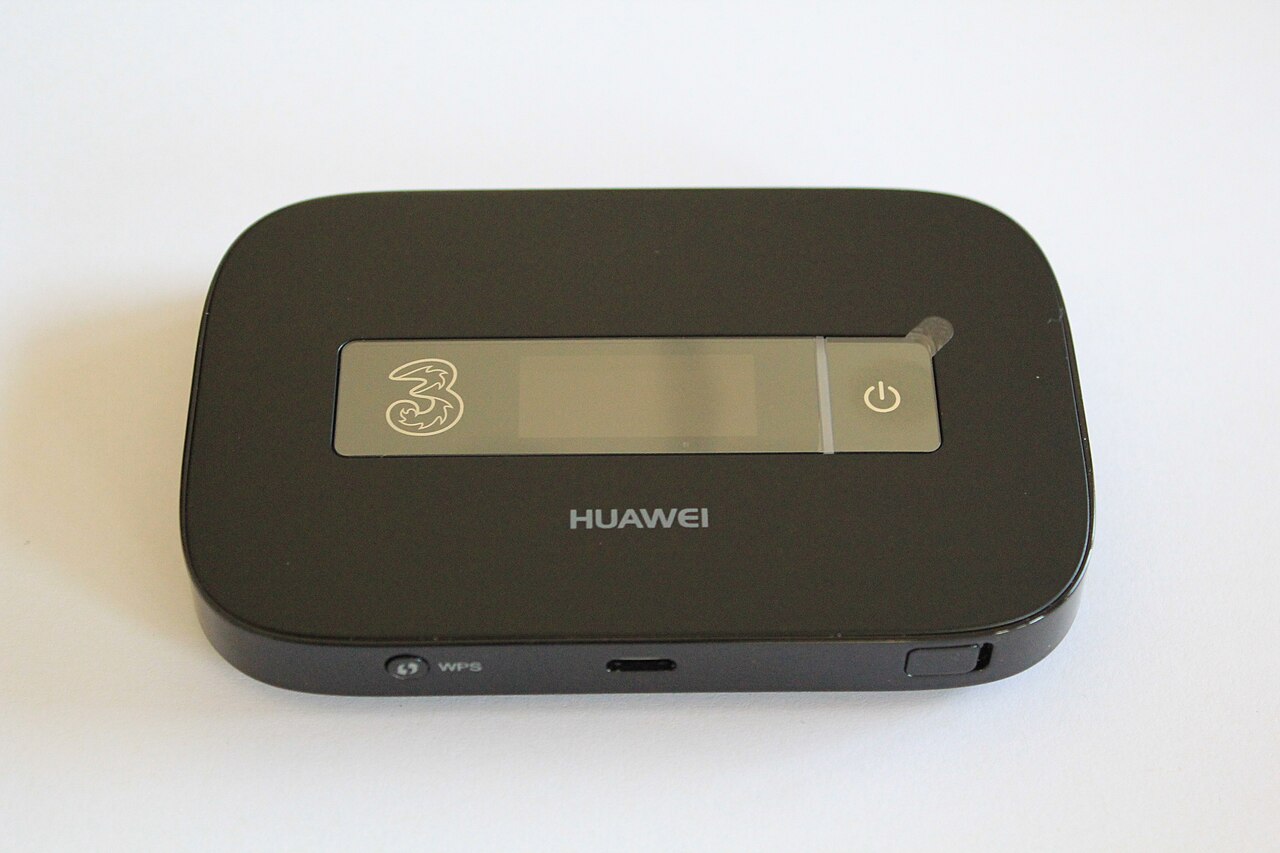
Image Credit: Katie Chan / Wikimedia Commons (CC BY-SA 3.0)
What Is Pocket WiFi?
Pocket WiFi, such as Japan Wireless Pocket WiFi or WiFiBOX, is a portable router that connects to local cellular networks, providing secure internet access for multiple devices. It’s a great option for families or groups travelling together in Japan, as one device can support several users.
Rental routers can be collected at major airports such as Haneda and Narita, which is convenient, but the device then has to travel with you all day. When deciding between pocket WiFi and an eSIM in Japan, consider ease of use, whether you need to connect more than one device, and overall convenience for your trip.
Pocket WiFi vs eSIM in Japan: Cost, Setup and Group Size

What Shapes the Cost: Data, Trip Length and Devices
The pricing structures for both options can vary based on factors such as data allowances, rental durations, and additional fees. Before figuring out which option is more cost-effective, it’s best to understand your travelling lifestyle such as how much WiFi you’ll be using, your duration in Japan, and how many devices need to be connected to the internet.
Pocket WiFi Rental Costs in Japan
Japanese pocket WiFi revolves around rental durations and data allowance. Meaning, it is not a one-time purchase so you’ll have to pay the rental fee again if you ever travel to Japan a second time around. Pocket WiFi rental companies typically offer daily, weekly, or monthly rental options, with discounted rates for longer rental periods.
When renting Pocket WiFi in Japan, particularly from companies like Japan Wireless, costs can add up quickly for extended stays.
For example, Japan Wireless advertises its unlimited data pocket WiFi from US$5.20 a day on its own website (checked October 2026). At that rate a 14-day rental comes to about US$73 (roughly £55), and that is before optional extras such as device protection cover or charges for a late return.
For longer trips, the cost of pocket WiFi in Japan can exceed expectations, so budget-conscious travellers should consider these accumulating charges.
Additionally, once you’ve purchased a pocket WiFi plan, it can be inconvenient to change data allowances or upgrade your plan mid-trip, as this often requires returning to the rental company to modify the terms, something that can be time-consuming and disruptive to your travel plans.
Do I Need More Than One Pocket WiFi in Japan?
This ultimately depends on the size of your group and how many devices you’ll be connecting. Pocket WiFi devices typically allow multiple connections (usually 5 to 10 devices at once, and Japan Wireless routers take up to eight), making it suitable for families or groups travelling together. However, if you are travelling in a larger group and planning to use several data-heavy devices, such as streaming on multiple phones or laptops simultaneously, one pocket WiFi may not be sufficient.
Also, if you have a travel group with different schedules and you’re often splitting up, it could be useful to have more than one device. This ensures that everyone stays connected without overloading a single unit, compromising speed and reliability.
Pocket WiFi rental in Japan can be costly so carefully consider your group’s data needs before deciding.

Japan eSIM Cost
With Jetpac eSIMs, travellers to Japan enjoy flexible and affordable data plans suited to a variety of needs. At the time of writing (October 2026), Jetpac’s Japan packs start at £4.50 (US$5) for 3GB valid for one day, which suits budget-conscious users on a short stopover. Jetpac offers plans with options for both light data use, such as browsing and social media, and heavier data consumption.
Visitors to Japan can easily top up their data without worrying about overpaying for unused data, all from the convenience of your own phone within the Jetpac app.
For longer stays, Jetpac’s 30-day packs run from 5GB at £8.50 (US$10) to 40GB at £29 (US$34.99), and its unlimited data packs cover anything from 3 days at £9.50 (US$10.99) to 30 days at £54.50 (US$65.99).
You can find more details on Jetpac’s rates here.
Buying and Setting Up Each Option
One aspect to also consider when purchasing a device for travel WiFi is how accessible it is to find one and how easy it is to set it up. eSIMs and pocket WiFi rentals are very different when it comes to purchasing and setting them up.
Where to Rent and Collect a Pocket WiFi in Japan
Renting a pocket WiFi in Japan is a simple process, typically done online before your trip. Having said that, despite being able to rent your Japan pocket WiFi in advance, several other steps are necessary before and at the end of your trip. This is something to bear in mind.
Japan Wireless, for example, lets you collect your router at Narita, Haneda, Kansai, Chubu Centrair, Fukuoka or New Chitose airports, have it waiting at your hotel for check in, ship it to a residence in Japan, or pick it up from its Shimbashi office in Tokyo. The router is posted to your chosen pickup point before your rental starts.
When the rental ends, Japan Wireless supplies a prepaid return envelope that you drop into any postbox in Japan by the deadline the following day, and late returns are charged. The device often comes with easy-to-follow instructions for a quick setup.
Do I need more than one pocket WiFi in Japan?
It depends on your group’s size and data needs. Compare how many connections each rental router allows with the number of phones, tablets and laptops in your group before you book.
Where to Purchase a Japan eSIM?
Unlike physical devices like pocket WiFi, an eSIM can be purchased online and activated instantly without the need for shipping or pickup. With providers like Jetpac Japan eSIM, all you need is an unlocked phone that supports eSIM, such as a recent iPhone, Samsung Galaxy or Google Pixel.
Once purchased, simply download the app (Android, Apple), choose your eSIM Japan data plan, and follow the easy setup instructions.
Since the eSIM is virtual and integrated into your phone, there’s no need to return it, offering hassle-free connectivity throughout your trip.



The Pros & Cons of a Japanese eSIM
From cost-effectiveness to easy activation, there are many benefits to owning an eSIM. However, it’s also important to point out some challenges one may face with an eSIM. Let’s break it down!
Pros
- Cost-Effectiveness
- Flexible Data Plans: Catering to all kinds of travellers in Japan. This means that travellers who are travelling alone or are staying for a short while can purchase affordable plans so that they don’t need to waste extra money buying bulks of data.
- Same Day Activation
- Just download the app and make your purchase before travelling to Japan.
- No Physical Pickups or Returns
- eSIMs are very convenient when it comes to using it immediately since purchasing and activating a travel eSIM is a straightforward process that can simply be done online or on an app.
- No SIM Card Loss
- Because an eSIM is not a physical card and is integrated into your device, there is no need to worry about losing or damaging your SIM. This makes it easier for travellers to keep track of their SIM, eliminating the risk of losing it.
- Easy Network Switching
- This is helpful for frequent travellers who need to easily switch between different eSIMs for various countries without the hassle of swapping physical SIM cards every time you change locations.
- Eco Friendly
- When people do not need to use their SIM cards anymore, they simply throw them away. Since SIM cards are made out of plastic, this contributes to the problem of plastic pollution around the world. With eSIMs, it can easily be deactivated online without the need of throwing away a physical device.
Cons
- Limited Device Connectivity
- Although some eSIMs can provide hotspot networking for other devices to connect to, they cannot provide strong connectivity and coverage to multiple devices simultaneously. Therefore, eSIMs are not recommended for sharing amongst big travelling groups who need to connect to the same WiFi.
- Limited Device Compatibility
- Older phones and some budget models do not support eSIM, and the phone also has to be unlocked from its network, so check before you buy. Jetpac suggests dialling *#06#: if an EID number appears, the phone is eSIM compatible.
The Pros & Cons of Japanese Pocket WiFi
After analysing the benefits and challenges of an eSIM, it’s also fair to see what features and limitations a pocket WiFi has to offer for travellers.
Pros
- Multiple Device Connectivity
- A key benefit of pocket WiFi is its ability to simultaneously connect multiple devices to the portable wifi, including smartphones, laptops, and tablets. This is why it’s recommended for travellers who need numerous devices connected making it one of the best Internet Options in Japan.
- Big Data Plans
- Pocket WiFi rentals are often recommended for big travelling groups or travellers who are staying for a long time since most pocket WiFi rentals offer unlimited data or big monthly data plans.
- Coverage and Reliability
- Since pocket WiFis have been in the market long enough, its technology has improved to offer reliable internet connectivity with good coverage in many areas of Japan.
Cons
- Additional Fees and Charges
- Since most pocket WiFi devices are rented, this means that there is an extra cost for rental fees and delivery charges. At the same time, pocket WiFi routers in general are more expensive.
- Extra Device Risk
- Pocket WiFi is a physical router, which means that it is an extra device to your travel gear. It’s one more weight to carry, plus there is a risk of damaging or losing it, which may lead to more costs.
- Limited Battery Usage
- Pocket WiFi devices need to be charged regularly, which means you need to bring a separate charging cord or batteries. This can be a hassle since it is an added responsibility keeping your pocket WiFi from running out of battery.
- Pick Up and Delivery Hassle
- Upon purchasing or renting a pocket WiFi device, you cannot activate it immediately without the item itself, which must be picked up or delivered to your assigned address. This means you will have to purchase it a few days before your trip so that it arrives on time for your trip. Later on, you will also need to ship it back or else you will be fined.
- Lack of Troubleshooting Support
- If your pocket WiFi malfunctions, you’ll likely need to mail the device back and wait for a replacement, which can lead to significant time, hassle, and potentially extra costs.
Why an eSIM Suits Most Japan Trips Better Than Pocket WiFi

Overall, eSIMs have gained popularity in the world of overseas travel due to their affordability and accessibility. Upon comparing the travel eSIM and pocket WiFi, an eSIM will still provide more convenience and flexibility in terms of cost-effectiveness, quick activation, and easy network switching.
An eSIM offers the advantage of seamless connectivity upon arrival. This eliminates the need to visit local stores or kiosks to purchase and install a physical SIM card, and it makes buying data and keeping an eye on your usage easy.
The versatility of an eSIM allows travellers to access the internet on their devices with ease. Fortunately, more mobile device manufacturers and network providers are supporting eSIM as its use grows quickly. eSIM companies such as Jetpac are ensuring that travelling with an eSIM is the most efficient and convenient way to stay connected thanks to their data plans, coverage, and reliability.








Jetpac Japan eSIM: Data Packs from 1GB to Unlimited

After learning more about the many convenient ways to stay connected, it’s time to test out and enjoy the ultra convenience of an eSIM. There are many different kinds of eSIMs out there, but which one is best for Japan? Learn more about Jetpac’s Japan Travel eSIM, a SIM designed to accommodate any kind of traveller looking to explore the beauty of Japan, whether it’s the modern cities or the countryside of this diverse country.
The Jetpac Japan Travel eSIM offers a wide variety of data plan options, from 1GB up to 40GB plus unlimited data packs. At the time of writing (October 2026), prices run from £4.50 (US$5) for 3GB over one day to £29 (US$34.99) for 40GB over 30 days. Each pack is valid for its stated number of days once you connect to a network overseas, and a pack you have not yet used stays valid for three months from purchase.
As the best eSIM for Japan travel, Jetpac provides reliable data service throughout the country. Its Japan packs run on the KDDI and Rakuten networks, with 5G where available, so coverage reaches almost all regions of Japan.
Instead of wondering “Where can I buy a SIM card?” in Japan, you can simply install and activate Jetpac’s eSIM from the comfort of your home.
Jetpac’s focus on international travellers visiting Japan, makes it one of the best travel eSIM providers. Here’s why:
- Affordable plans: Jetpac offers some of the most competitive pricing in the market, ensuring that travellers get the best value for their money.
- Global coverage: Jetpac covers more than 200 destinations, so the same eSIM works for trips that take in other countries as well as Japan.
- User-friendly app: Jetpac’s app makes it easy to monitor your data usage, purchase additional plans, and stay in control of your connectivity while travelling.
Travel Often? JetFlex Lets You Skip Buying New Data Every Time
JetFlex is Jetpac’s data-only subscription for frequent travellers. You get a set amount of global data every month (5GB or 10GB at the time of writing), paid monthly or quarterly, so there is no need to buy a new pack before each trip. The allowance works across more than 90 countries, Japan included, which makes it ideal for multi-destination trips.
If the monthly allowance runs out, you can add a one-time Jetpac pack in the app and carry on. The minimum subscription is three months, and unused data expires at the end of each month. The plan is perfect for those who prioritise freedom and flexibility in their mobile data experience.
Learn more about JetFlex here.
Become a Jetpac eSIM VIP Member with the JetPro Plan
Level up your travel experience with the JetPro Plan, tailored for frequent travellers seeking more data and exclusive perks.
JetPro members get 7GB of global data per month across more than 90 countries. The plan also includes one Airport Lounge Access Pass every month, redeemed through DragonPass, plus Fast Track passes, and each lounge pass code stays valid for nine months.
Choose monthly or quarterly payments (the minimum subscription is three months) and enjoy VIP-level benefits that make every journey smoother and more luxurious.
Find more details about JetPro here.
Switching from Pocket WiFi to a Jetpac eSIM
Say goodbye to physical SIM cards and WiFi devices and enjoy the convenience of eSIM connectivity. Let the Jetpac Japan Travel eSIM make your trip to Japan fun, exciting, and worry-free, making it one of the best internet options in Japan.