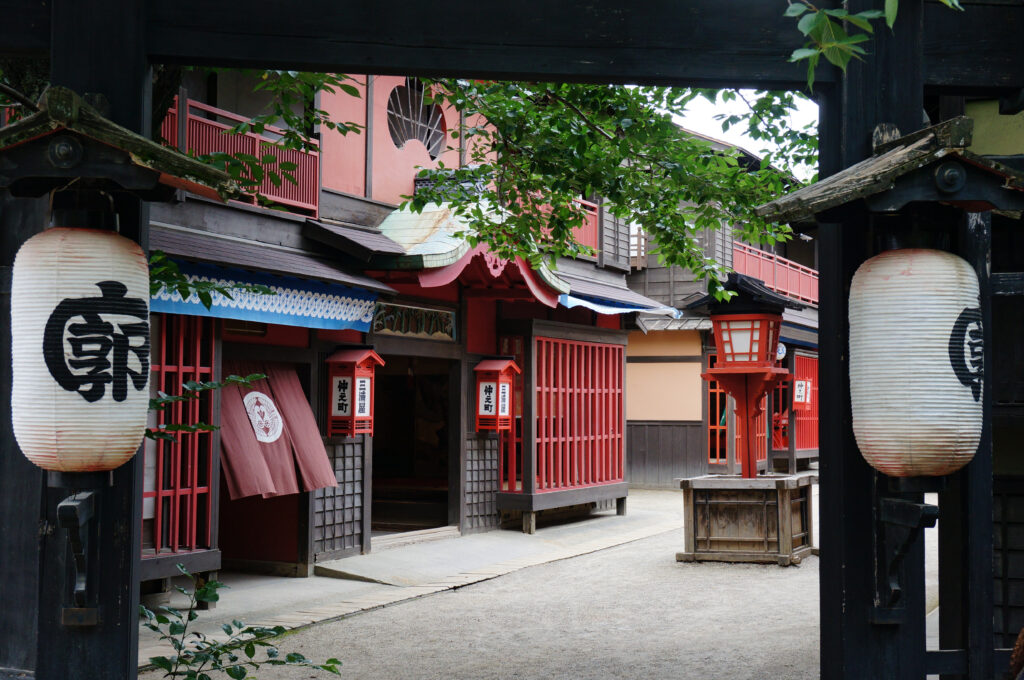
In February 2024 alone, the Japan National Tourism Organization (JNTO) counted 2.79 million overseas visitors, and the monthly total passed 3 million in March. Those who were part of these crowds saw first-hand how travel to the country has come alive again since Japan reopened its borders after the pandemic.
The full-year figures tell the same story. JNTO recorded 36.87 million visitors in 2024, a record at the time, and 42.68 million in 2025. The Japan Tourism Agency’s Tourism Nation Promotion Basic Plan keeps the government’s target of 60 million visitors a year by 2030.
It is undeniable that this global admiration for Japan can be attributed to its natural beauty, energy, and charisma. The government has also worked hard to put Japan at the forefront through what it calls the ‘Cool Japan’ strategy. What exactly is this Japanese soft power all about, and how did it contribute to where Japan is right now?
Cool Japan
Kobe 1995, Tohoku 2011 and Japan’s Economic Recovery
How Japan Responded to the Kobe and Tohoku Earthquakes
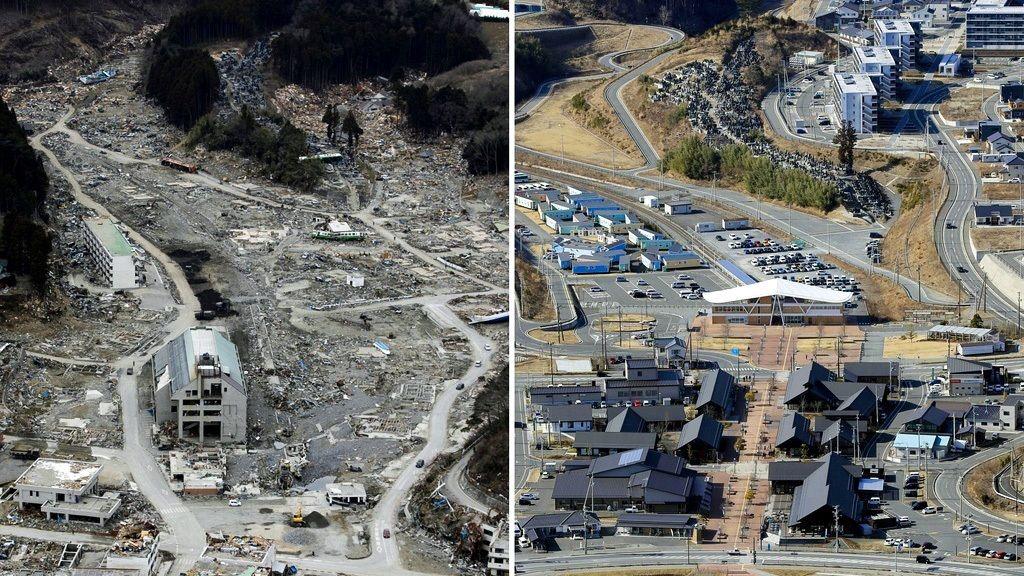
Japan’s rise as a tourism powerhouse wasn’t without its challenges. Between 1995 and 2011 the country faced a series of natural disasters, including the devastating 1995 Kobe earthquake and the 2011 Tohoku earthquake and tsunami. Both disasters hit tourism. JNTO figures show visitor arrivals fell 3.5% in 1995, and in 2011 they dropped by 27.8%, from 8.61 million the year before to 6.22 million.
However, Japan’s response to these crises showcased its remarkable resilience. The Japanese people’s unwavering spirit and their efficient disaster management systems left a strong impression on the global community. The world witnessed their discipline, selflessness, and focus on rebuilding their lives and communities. This display of resilience fostered a sense of admiration and respect for Japan’s character.
Recovery After the Lost Decade of the 1990s
Alongside these setbacks, Japan also worked through a long period of economic recovery. The “Lost Decade” of the 1990s, characterised by stagnation and deflation, slowly transitioned into a period of renewed growth. The government implemented a series of economic reforms, including deregulation, fiscal stimulus packages, and monetary easing by the Bank of Japan.
These measures helped to stabilise the financial system, boost consumer confidence, and encourage investment. As a result, Japan’s economy began to show signs of improvement in the early 2000s. This economic resurgence bolstered Japan’s image as a stable and technologically advanced nation, further piquing international interest.


Cool Japan Strategy: METI, the Cabinet Office and the Cool Japan Fund

How Cool Japan Became Government Policy From 2010
Recognising the growing global interest, the Japanese government turned “Cool Japan” into formal policy step by step. The Ministry of Economy, Trade and Industry (METI) set up a Cool Japan Promotion Office in 2010, a Minister of State for Cool Japan Strategy was appointed in December 2012, and the Cool Japan Fund was established by law in November 2013 to invest in Japanese businesses expanding overseas. Today the strategy is coordinated by the Intellectual Property Strategy Headquarters in the Cabinet Office. This nationwide effort aimed to promote Japanese pop culture, traditions, and technological advancements on the international stage.
Cool Japan had two main objectives. Firstly, it aimed to heighten Japan’s global image and influence through soft power, the ability to attract and persuade other countries through cultural appeal. Secondly, it sought to revitalise domestic industries, particularly those related to tourism, entertainment, and technology.
Cool Japan Programmes for Anime, Crafts, Food and Festivals
The campaign implemented various programmes and events to achieve its goals. These included:
Supporting the international exposure of Japanese music, anime, and video games:

The government provided financial assistance to Japanese cultural producers to attend international conventions and festivals. They also collaborated with foreign broadcasters and streaming platforms to distribute Japanese content overseas.
Highlighting traditional Japanese arts and crafts:
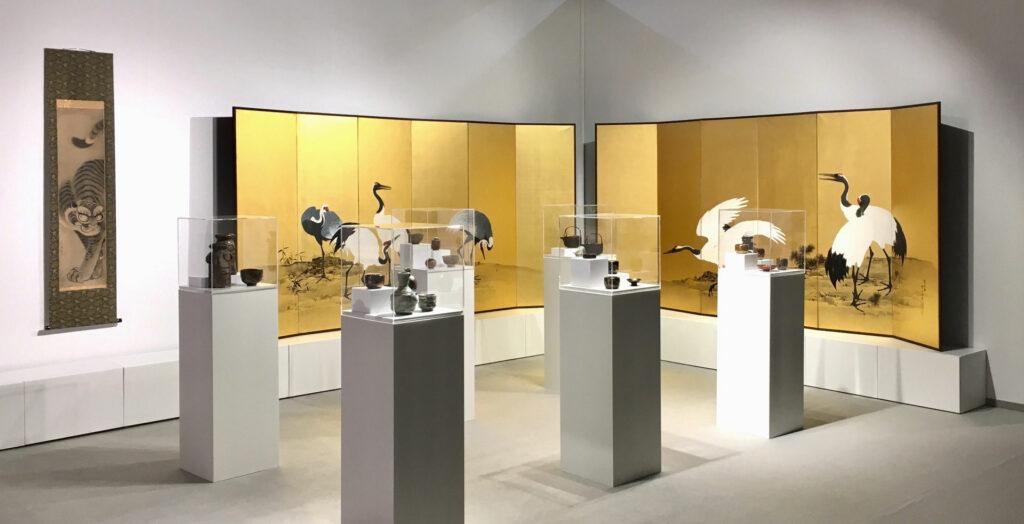
The campaign showcased the beauty and craftsmanship of traditional Japanese arts, such as kabuki theatre, calligraphy, and ikebana flower arranging. They also promoted the appreciation of Japanese aesthetics through exhibitions and workshops held around the world.
Promoting Japanese cuisine and fashion:

Japanese cuisine, known for its fresh ingredients, delicate flavours, and emphasis on presentation, was a major focus of the campaign. Government agencies organised culinary events and demonstrations featuring renowned Japanese chefs. Japanese fashion, known for its unique styles and emphasis on detail, was also promoted through international fashion shows and collaborations with global fashion brands.
Organising cultural festivals and exhibitions showcasing Japan’s rich heritage:

The “Cool Japan” campaign supported the organisation of cultural festivals and exhibitions in major cities around the world. These events showcased various aspects of Japanese culture, from traditional arts and crafts to contemporary pop culture. This allowed foreign audiences to experience Japan’s rich heritage firsthand.
Leveraging technology to create innovative tourism experiences:

The campaign recognised the growing importance of technology in the tourism industry. They supported the development of virtual reality experiences that allowed potential tourists to explore popular Japanese destinations remotely. Additionally, they encouraged the use of mobile apps to provide foreign visitors with information and recommendations while travelling in Japan.
J-Pop, Anime and the Rise of Anime Tourism
A significant contributor to the success of the “Cool Japan” campaign was the explosion of Japanese pop culture on the international scene, from J-Pop music to anime and video games. Catchy music, vibrant anime characters, and captivating video games resonated with a global youth audience.
Ayumi Hamasaki, Hikaru Utada, Pokémon and Dragon Ball Z

J-Pop artists like Ayumi Hamasaki and Hikaru Utada gained international followings. Anime series like Pokémon and Dragon Ball Z became global phenomena, captivating viewers with their imaginative storylines and animation styles. These forms of entertainment gave overseas fans a window into Japanese culture and made Japan itself feel cool and on trend.
Anime Pilgrimages, Akihabara and Theme Parks
The J-Pop boom fuelled a surge in tourism, particularly among younger generations. Firstly, fans of Japanese music and anime were eager to visit the real-life locations that inspired their favourite characters and stories. This gave rise to “anime tourism,” where fans travel to places featured in popular anime series. Additionally, districts like Akihabara in Tokyo, known for its electronics and anime stores, became popular tourist destinations. Lastly, theme parks featuring anime characters and storylines attracted a large number of visitors.
Bullet Trains, Robot Hotels and Ancient Temples

Bullet Trains and Robotics Beside Ancient Temples
Another aspect that has fuelled Japan’s tourist appeal is its reputation as a country at the forefront of technological innovation. Firstly, Japan’s bullet trains, advanced robotics research, and emphasis on green technology have earned it the reputation of being a nation “living in 2050.” Moreover, this unique blend of cutting-edge technology existing alongside ancient temples and serene gardens is a major draw for tourists. Furthermore, visitors can experience the juxtaposition of the future and the past within a single city. Lastly, this fusion of tradition and modernity creates a captivating and dynamic travel experience.
Japanese Design, Fashion and Art
Japan’s dedication to creative innovation extends beyond technology. The country boasts a thriving design scene, a unique approach to fashion, and a dedication to artistic expression. This constant push for creative boundaries adds another layer of intrigue for tourists seeking a glimpse into a society that values both tradition and progress.