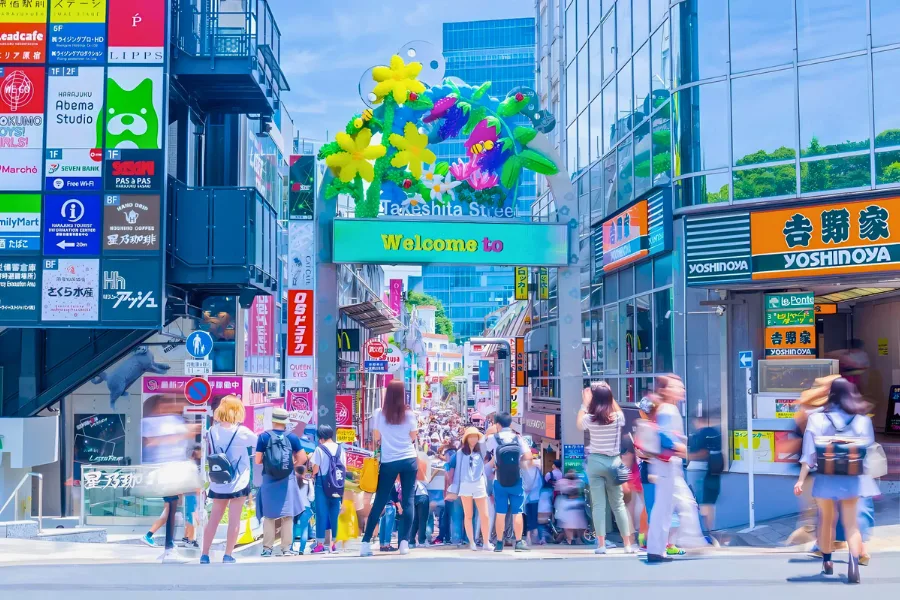
If you know anything about Japan, you’ll know that fashion is one of the defining features of day-to-day life. Clothes reflect certain attitudes and perspectives, and what better place to be blown away by bold fashion than Takeshita Street, Harajuku? Kawaii culture, the best clothing stores in Tokyo and big-name Tokyo streetwear brands: It’s all here and ready to be explored on a Harajuku tour!
In today’s article we’ll focus primarily on Takeshita Street, often referred to as ‘Tokyo fashion street’. It can be surprisingly easy to get lost amongst the endless Harajuku fashion stores, street performances and never-ending neon signs, so exploring Takeshita Dori on your own can feel like a daunting task. That’s exactly why our friends at MagicalTrip run Tokyo walking tours that show you all the right places with a local guide by your side. Their Harajuku Kawaii Fashion & Pop-culture Tour lasts three hours, runs in small groups of up to seven, and starts in front of the Omotesando (East) Exit of JR Harajuku Station, where your guide will be holding a MagicalTrip sign. So let’s get into their Harajuku tour! But first, you guessed it… Time for a quick history lesson.
Where Fashion Meets Playful Expression
1. Harajuku History: Iga Ninja, Washington Heights and 1970s Fashion
Technically, Harajuku isn’t even a place! While the area between Harajuku Station and Omotesando is known by the majority as Harajuku (原宿), the name was officially changed to Jingūmae (神宮前) in 1965. This came with a new address system for Tokyo, brought in so that addresses were easier to find and fewer parcels went astray. The name Harajuku still prevails today, in Tokyo and far beyond it, and the station still carries it: I’m sure if I had started this article by swapping out Harajuku for Jingūmae you would have no idea what I’m talking about!
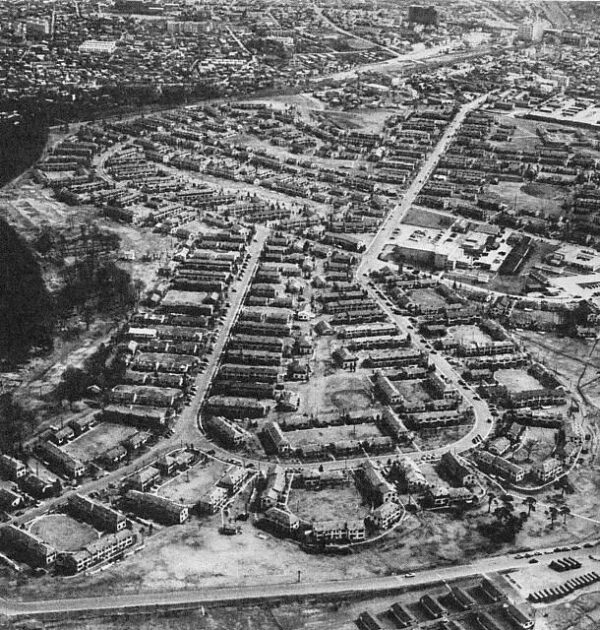
Harajuku’s story gets off to an exciting start in the Edo period, with ninja. Tokugawa Ieyasu rewarded the Iga warriors, widely regarded as ninja, with land in Harajuku village, and from there they helped defend the approach to Edo (modern-day Tokyo). The Meiji period began in 1868, after Japan had opened its ports to foreign ships in the 1850s, and the industrial revolution that followed built Tokyo up into a city much more like the one we know today. Fast forward to 1946, when ‘Washington Heights’ was built on the site of today’s Yoyogi Park. This was a housing complex for American service personnel and their families, and some of its former barracks later housed athletes at the 1964 Tokyo Olympics.
Milk, Pink House and the Rise of Kawaii Fashion
Moving through the 1950s and 60s, Harajuku brands began gathering Western attention. The 70s is when Harajuku really blossomed into what it is today, with Harajuku-based fashion designers breaking into the Western industry. From then on, kawaii culture grew, with clothing styles such as Lolita emerging. Harajuku brands such as ‘Pink House’ and ‘Milk’ led the fashion movement, with an emphasis on breaking societal norms for women.
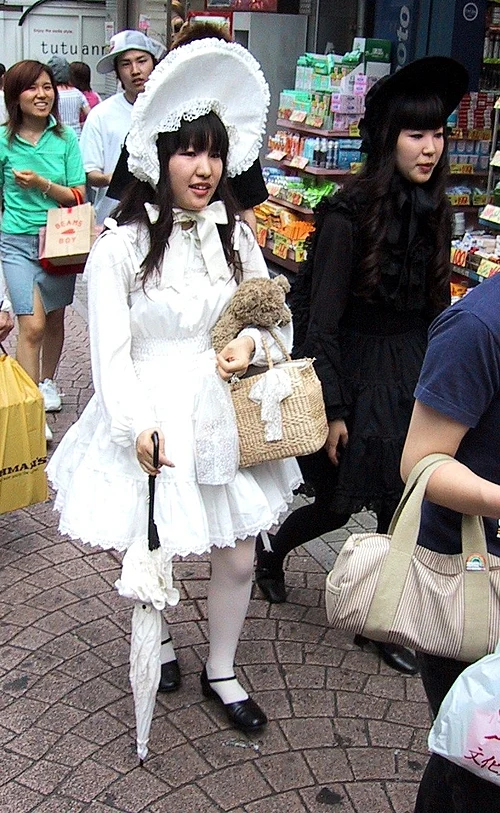
Kawaii Harajuku fashion became a major part of Tokyo street fashion as a whole, with the district being the centre for clothes shopping in Tokyo. Even to this day Harajuku is at the heart of bold and modern Japanese fashion. Take a walk down Cat Street or Takeshita Street on any given day and if anyone seems to be dressed oddly, it’s you in your ‘normal’ clothes! For locals looking to keep up with new Tokyo trends, observing Harajuku street fashion reveals all the new ideas and accessories. During your Harajuku tour, you can do exactly this: look out for recurring outfit themes and styles and perhaps try to imitate them during your inevitable clothes shopping.


2. Takeshita Street: 350 Metres of Fashion Shops and Crepes
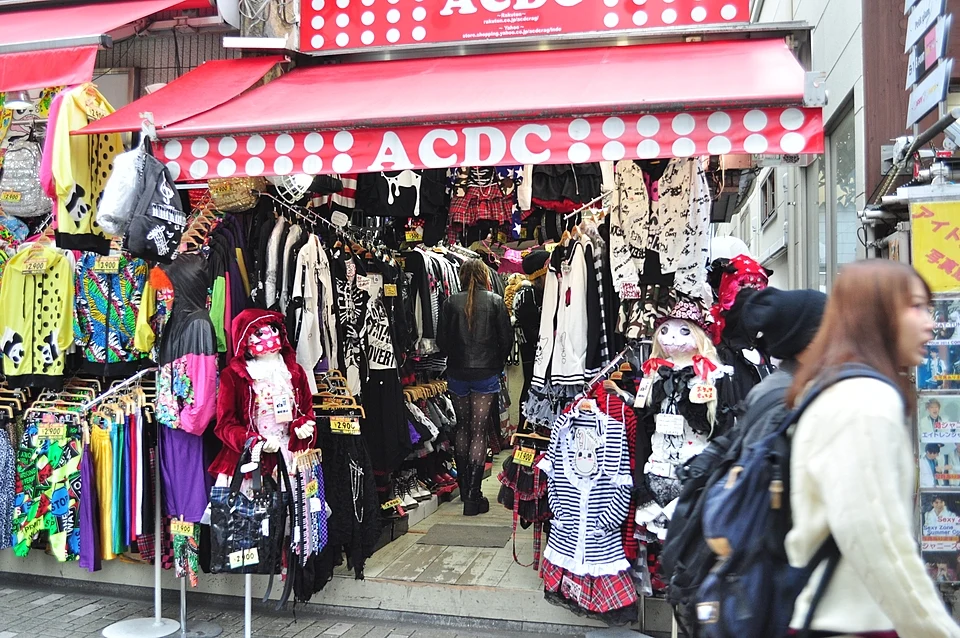
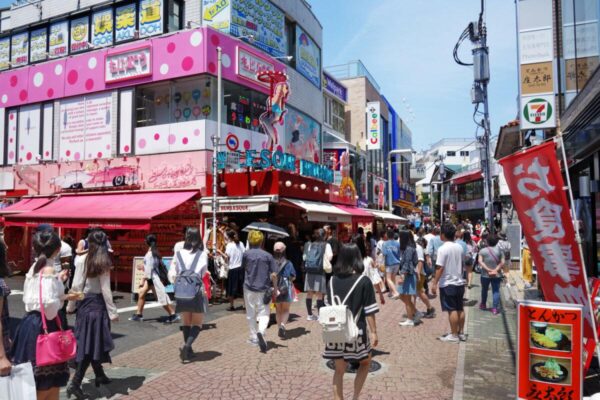
I’ve mentioned Takeshita Street a few times already, but what makes it special? Basically, this is the Harajuku street you should know. Your first stop with your MagicalTrip local guide will be this 350 metre shopping street, which starts just across the road from JR Harajuku Station… Well I guess it isn’t really a stop, as you spend some time trailing down Takeshita Dori’s bustling alleyways. What makes this shopping street special is its significance within Harajuku: if you had to pick one street to walk down, this would be it. From Harajuku crepes to chic boutiques, it’s all here.
Oh, and the Takeshita Street fashion scene is a prime example of the remarkable styles we see throughout Harajuku. Because of the sheer number of shops and cafes packed along the alleyway, MagicalTrip helps to make exploring Takeshita Street a lot more meaningful: your local guide can direct you to different stretches of the street depending on your personal preferences and interests. A fair warning: the shopping in Harajuku never truly ends!
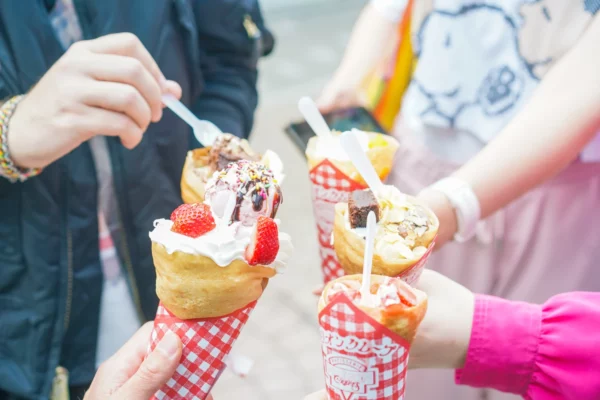
Other than fashion, one thing Harajuku is known for is its sweets, namely crepes, pancakes and candy floss. Two or three Harajuku street foods are included on this tour with MagicalTrip, so you can really get a taste for the area!
3. Projection Art and Tour Photos at Galaxy Harajuku
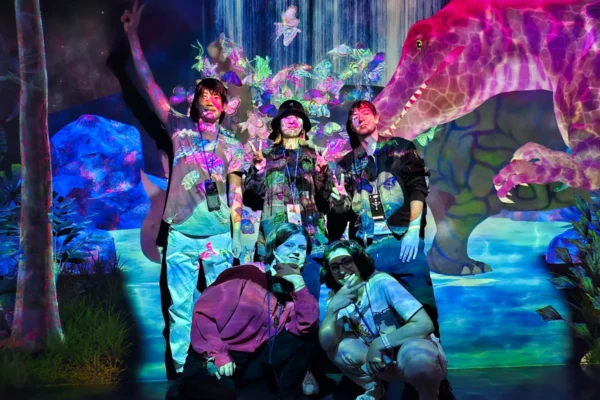
After exploring Takeshita Street, you’ll leave the crowded shopping streets behind for a while. As you may have gathered, this district of Tokyo celebrates all sorts of art, from fashion to dancing and street art. The next stop is Galaxy Harajuku, Samsung’s showcase building about seven minutes’ walk from the station, where immersive digital projections make a striking backdrop, so it’s time to start snapping away with the help of your guide! Your guide also takes photos throughout the tour and emails them to you afterwards. Along the way you will get the chance to admire outdoor murals and sculptures too. It’s really up to you to explore, since MagicalTrip’s Harajuku tour is built around you. So if you want to explore somewhere or something with your guide, go for it!
4. Cooking Okonomiyaki or Monjayaki in Ura Harajuku
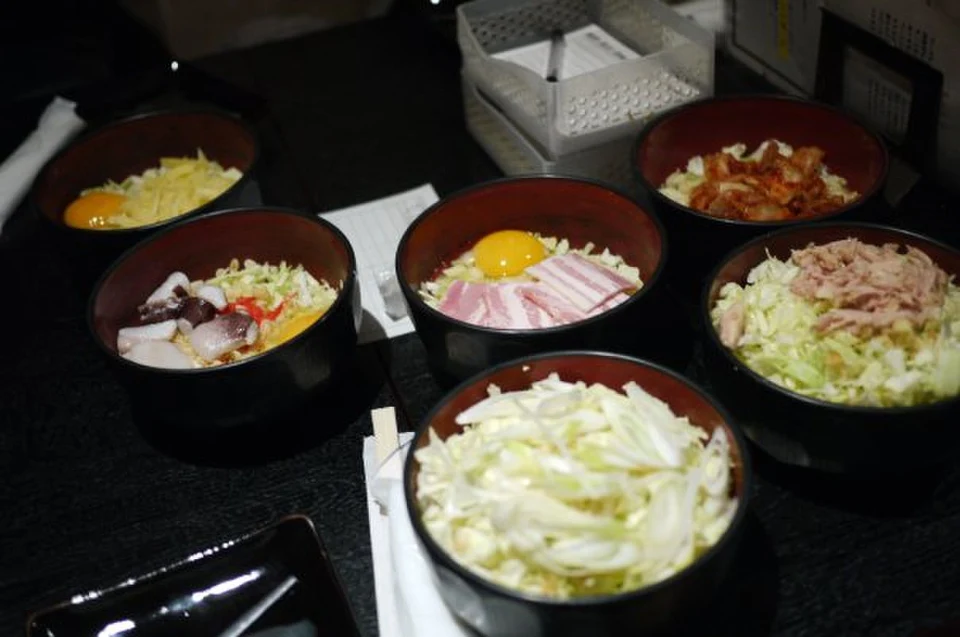
There’s no better way to round off a Harajuku tour than with some fresh okonomiyaki or monjayaki in Ura Harajuku, the quieter backstreets whose name means ‘hidden Harajuku’. And what’s more, you get to make it yourself, with your guide talking you through each step! For those of you who are unfamiliar with the term okonomiyaki, think of it as a savoury pancake. The base ingredients tend to be flour, egg and cabbage for the mix, but the additional topping options are limitless. Locals tend to enjoy sweetcorn, pork and bonito flakes (to name a few). It is often served with okonomiyaki sauce and mayonnaise. Monjayaki is its runnier Tokyo cousin, cooked on the same hot plate. For the vegetarians and vegans, don’t worry: MagicalTrip offers vegan, vegetarian and gluten-free menus, so you don’t miss out on some of the best okonomiyaki in Tokyo! Just let them know about any dietary needs at least one day before the tour.
The restaurant doubles as an exhibition space and studio for local Japanese artists, so you’ll surely be left feeling full, figuratively and literally!








Booking the MagicalTrip Harajuku Kawaii Fashion Tour
Well, that wraps up our look into the Harajuku shopping district. Go ahead, look for the same fashionable, kawaii and hip vibe anywhere else in Tokyo. But I’d be willing to bet nothing can match Harajuku’s clothing stores, street art and of course, the fashion.
Whether it’s for the Harajuku fashion or food experience, there is no denying that you need MagicalTrip by your side. With tours led by locals all over Tokyo at very affordable prices, make the most of your Harajuku trip with → MagicalTrip ←
If you’ve clicked the link above and booked already, why not build up the anticipation and enjoy a virtual Harajuku tour?