

Japan, a country known for its rich cultural heritage and breathtaking landscapes, is also a haven for spiritual seekers. From the tranquil Zen gardens of Kyoto to the sacred peaks of Yamagata, Japan’s sacred places offer a unique blend of tradition and nature that forms the core of its spiritual practices. This article aims to guide you through the top 10 spiritual places to visit in Japan, offering a deeper understanding of the country’s religious heritage and natural beauty.
Whether you’re planning your holidays in Japan or looking for a spiritual retreat, these destinations offer a unique blend of history, culture, and spirituality. From the bustling city of Tokyo to the serene temples of Kyoto, these Japanese tourist sites provide a glimpse into the country’s spiritual practices and beliefs, deeply rooted in Zen Buddhism and Shintoism.
So, whether you’re planning a Japan holiday or a holiday to Tokyo, this guide will help you discover the spiritual side of Japan, taking you on a journey through its most sacred sites and spiritual practices. Let’s embark on this spiritual journey and explore the top 10 spiritual places to visit in Japan.
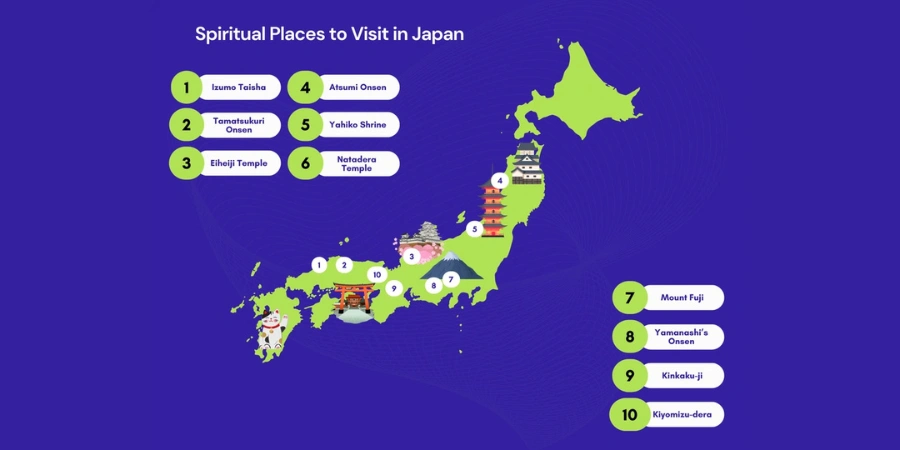
Map of Top 10 Spiritual Places to Visit in Japan
- Shimane Prefecture, home of Izumo Taisha and Tamatsukuri Onsen
- Izumo Taisha and the November gathering of the gods
- Tamatsukuri Onsen, a hot spring recorded in 733
- Fukui Prefecture, home of the Sōtō Zen head temple Eiheiji
- Eiheiji, founded by Dōgen in 1244
- Yamagata Prefecture and the three peaks of Dewa Sanzan
- Atsumi Onsen on the Atsumi River in Tsuruoka
- Niigata and Ishikawa, two prefectures on the Sea of Japan coast
- Yahiko Shrine at the foot of Mount Yahiko
- Natadera, a Kannon temple founded in 717
- Yamanashi Prefecture and the worship of Mount Fuji
- Climbing Mount Fuji as a pilgrimage
- Yamanashi’s hot springs near Mount Fuji
- Kyoto’s temples: Kinkaku-ji and Kiyomizu-dera
- Kinkaku-ji, the Golden Pavilion rebuilt in 1955
- Kiyomizu-dera and its wooden stage on Mount Otowa
Shimane Prefecture, home of Izumo Taisha and Tamatsukuri Onsen
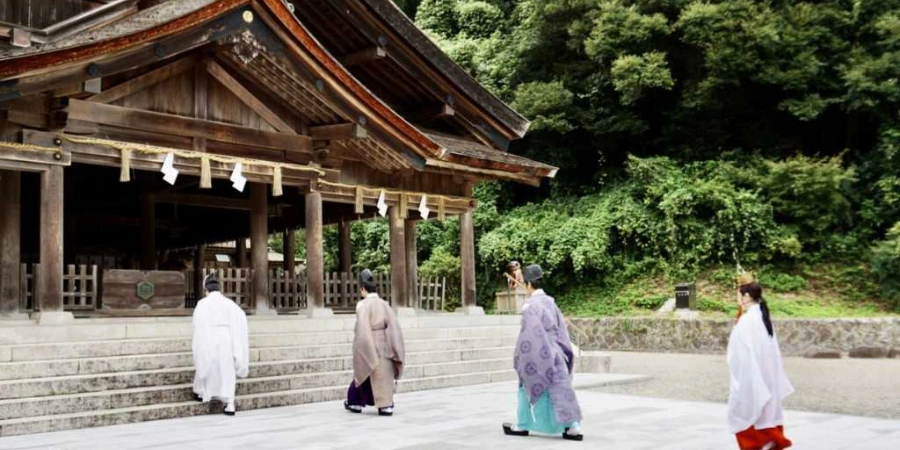
Miho Shrine in Shimane Prefecture. Image Credit: Unsplash
Unveiling the mystique of Shimane Prefecture, we find ourselves in the heart of Japan’s spiritual landscape. Ranked as the most spiritual prefecture by JRPass.com, Shimane is a place where tradition and spirituality converge, offering a unique experience for those seeking a deeper understanding of Japan’s religious heritage.
Shimane Prefecture, located in the Chūgoku region of Japan, is renowned for its deep spiritual significance. With 178 shrines and 196 temples per 100,000 people, it stands as a testament to the enduring presence of Shintoism and Buddhism in Japanese culture. Shimane offers a wealth of spiritual experiences that promise tranquillity, introspection, and a deep connection to nature.
Izumo Taisha and the November gathering of the gods
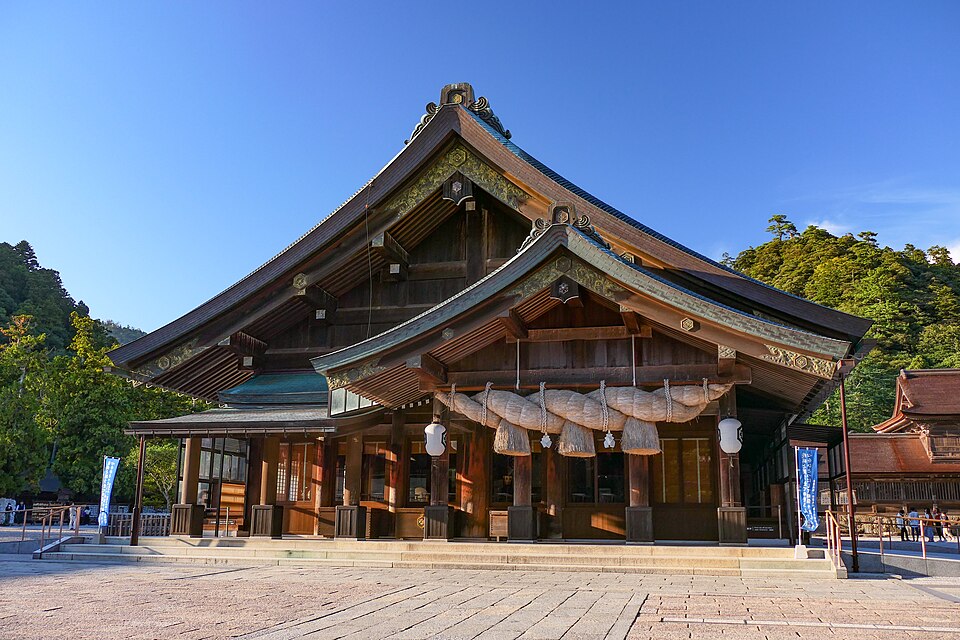
The haiden (worship hall) at Izumo Taisha. Image Credit: MaedaAkihiko / Wikimedia Commons, CC BY-SA 4.0
At the heart of Shimane’s spiritual prominence is Izumo Taisha, one of Japan’s oldest and most revered Shinto shrines. Dedicated to Ōkuninushi, the god of marriage and relationships, Izumo Taisha is believed to be a powerful spiritual site where gods gather annually. The shrine’s significance in Shintoism and its annual divine assembly make it one of the must-visit Japanese tourist sites for those interested in the country’s religious practices. The precincts are open from 6am to 7pm, although the area behind the main sanctuary closes at 4.30pm.
The gathering has a set time. In Izumo, the tenth month of the old lunar calendar is called Kamiarizuki, the month with gods, because the gods of the whole country are said to spend it at Izumo, deciding matters such as the harvest and who will marry whom. Everywhere else in Japan the same month is Kannazuki, the month without gods. Lafcadio Hearn, who lived in nearby Matsue in the early 1890s, recorded the belief in Glimpses of Unfamiliar Japan (1894). The shrine still welcomes the gods with the Kamimukae-sai ceremony on Inasa Beach after sunset on the 10th day of the 10th lunar month, which falls in November, so check the shrine’s calendar for the exact date if you want to time a visit. In 2026 the ceremony takes place on the evening of 18 November.
Many visitors pair Izumo Taisha with Yaegaki Shrine in Matsue, another shrine known for bringing couples together, dedicated to the god Susanoo and his wife, Princess Kushinada. Behind the main hall, in the shrine’s sacred forest, lies Kagami-no-ike, the Mirror Pond. Visitors buy a fortune paper at the shrine office, float it on the water and place a coin on top. If it sinks within about 15 minutes, love is said to be close at hand, and if it sinks close by, the future partner is someone you already know. Hearn watched lovers doing much the same thing with little paper boats and copper coins in the 1890s.
Tamatsukuri Onsen, a hot spring recorded in 733
Complementing the spiritual allure of Izumo Taisha is the renowned Tamatsukuri Onsen, known for its mineral-rich healing waters. One of the oldest hot springs in Japan, it appears as the Bath of the Deities in the Izumo no Kuni Fudoki, the gazetteer of Izumo Province compiled in 733, and its inns line the Tamayu River in Matsue. Home to 7 onsen per 100,000 people, Shimane offers a unique opportunity for spiritual rejuvenation through the onsen experience. The therapeutic qualities of Tamatsukuri Onsen, combined with the serene environment, make it an ideal destination for a Japan spiritual retreat.
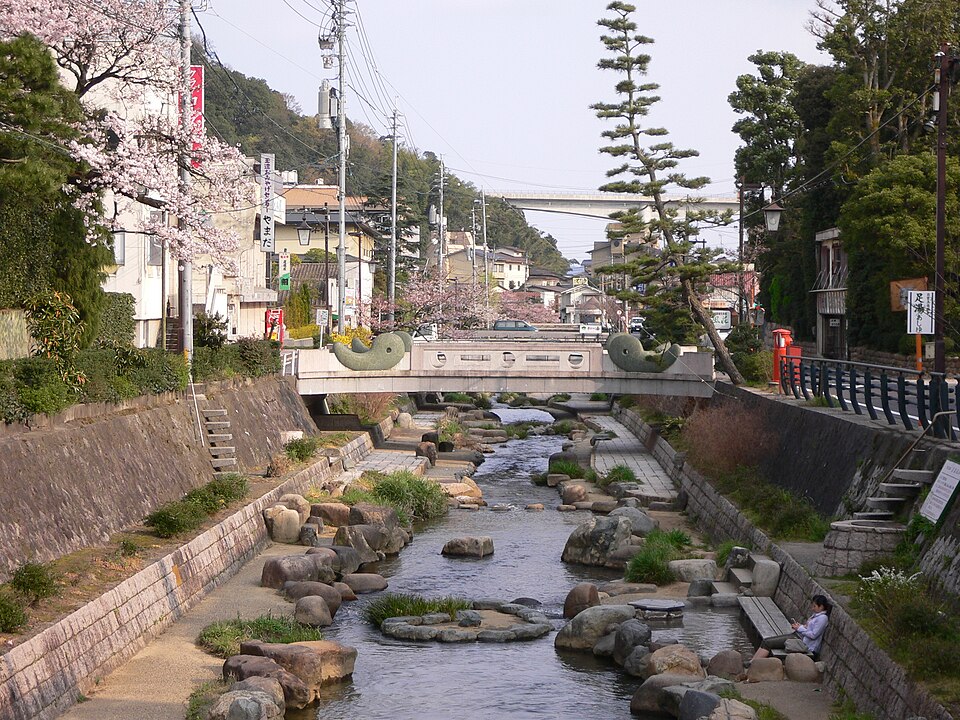
The Tamayu River at Tamatsukuri Onsen in spring. Image Credit: Matsue / Wikimedia Commons, CC BY-SA 4.0
Whether you’re seeking spiritual enlightenment or simply looking to immerse yourself in the rich cultural heritage of Japan, Shimane Prefecture offers a unique blend of tradition, nature, and spirituality that makes it one of the top places to visit in Japan.
Fukui Prefecture, home of the Sōtō Zen head temple Eiheiji
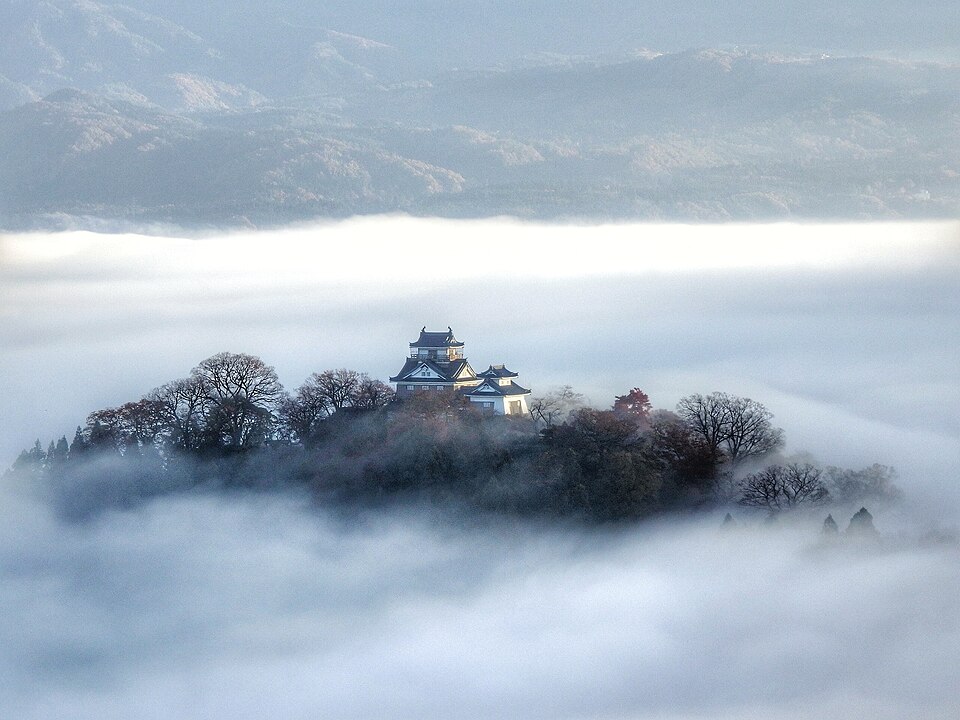
Echizen Ono Castle above a sea of clouds, Fukui Prefecture. Image Credit: Keisuke MAEDA / Wikimedia Commons, CC BY-SA 4.0
As we continue our spiritual journey through the places to visit in Japan, we arrive at Fukui Prefecture, a haven for Zen Buddhism. Located in the Hokuriku region of Japan, Fukui Prefecture places second in the list of Japan’s most spiritual prefectures, with an impressive 227 shrines per 100,000 people. Fukui offers a serene landscape that is deeply rooted in Zen Buddhist heritage.
Eiheiji, founded by Dōgen in 1244
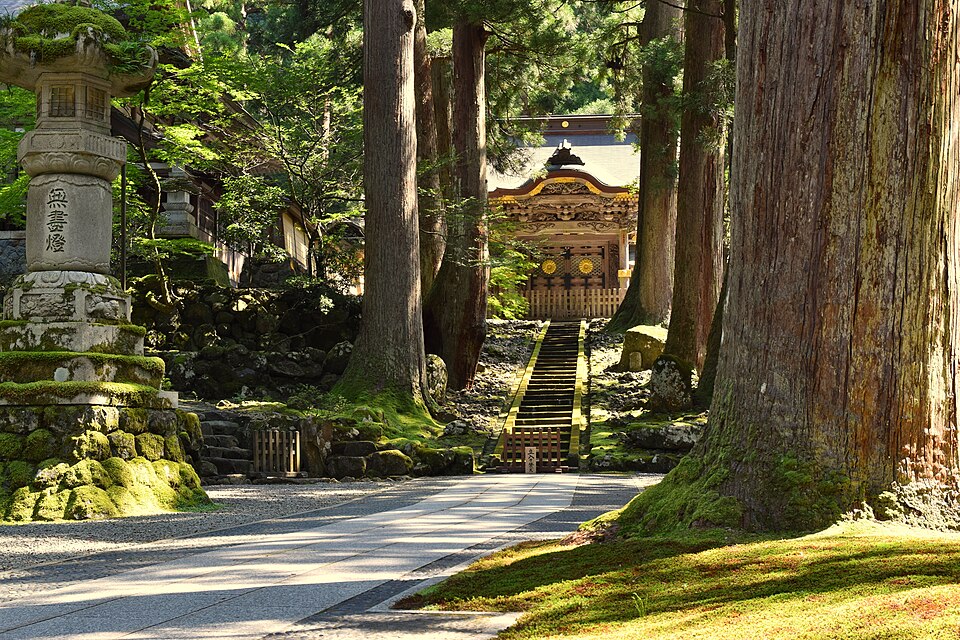
Cedars and stone steps at Eiheiji. Image Credit: 雷太 / Wikimedia Commons, CC BY 2.0
At the heart of Fukui’s spiritual landscape is Eiheiji Temple, one of the two head temples of the Sōtō school of Zen Buddhism, founded by the Zen master Dōgen in 1244. Engaging in Zen meditation at Eiheiji Temple offers an enriching experience of the monastic way of life. The temple’s tranquil environment, combined with the practice of Zen meditation, provides a unique opportunity for spiritual seekers to experience inner peace and spiritual growth.
Day visitors can walk through the halls of the working monastery, where monks still train, for 700 yen between 8.30am and 4.30pm. The temple’s one-night Sanzen stay, with zazen, temple meals and the morning service, is paused for international visitors through autumn 2026, so check the Eiheiji practice page before planning around it. Hakujukan, a hotel the temple backs at its gate, offers its guests some of Eiheiji’s activities. Whether you’re seeking spiritual enlightenment or simply looking to immerse yourself in the rich cultural heritage of Japan, Eiheiji Temple offers a unique blend of tradition, nature, and spirituality that makes it one of the top places to visit in Japan.


Yamagata Prefecture and the three peaks of Dewa Sanzan
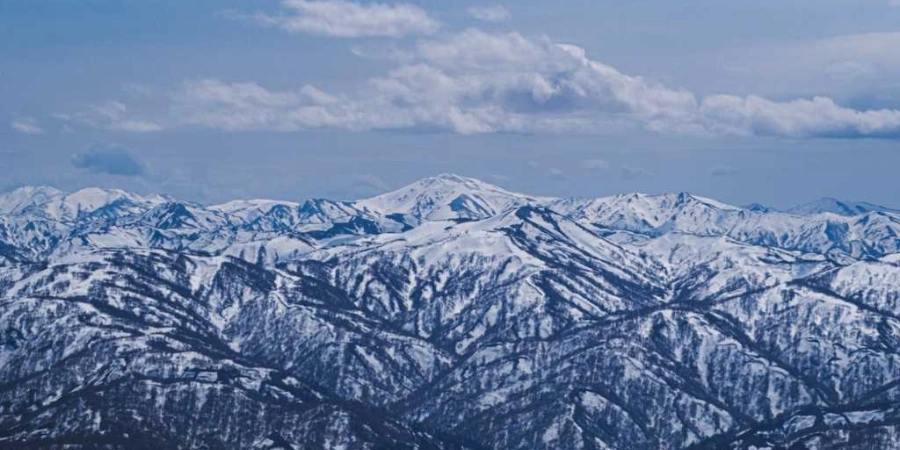
The peaks of Dewa Sanzan. Image Credit: Unsplash
Our spiritual journey through the places to visit in Japan takes us next to Yamagata Prefecture. Ranked third in Japan’s most spiritual prefectures, Yamagata is known for its three sacred mountains, Dewa Sanzan: Haguro, Gassan and Yudono. These peaks have been a pilgrimage site for centuries, offering a path to enlightenment for those who undertake the journey.
Atsumi Onsen on the Atsumi River in Tsuruoka
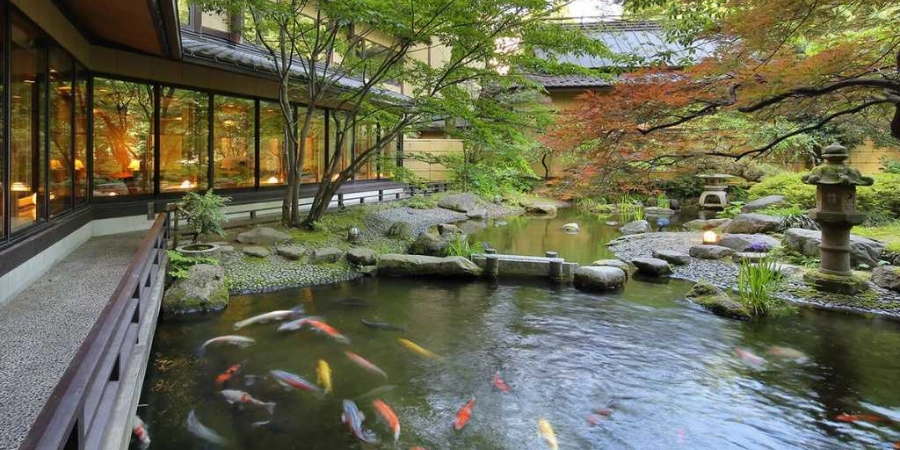
Hot spring ryokan in Atsumi. Image Credit: Tachibanaya
In addition to the sacred peaks, Yamagata Prefecture is also home to Atsumi Onsen, a hot spring resort with a rich history, set along the Atsumi River in Tsuruoka, where about 300 cherry trees line the bank and footbaths sit beside the water. Known for its therapeutic waters, Atsumi Onsen has been a place of relaxation and spiritual healing for centuries. The ryokan tradition, with its emphasis on hospitality and tranquillity, contributes significantly to the spiritual well-being of visitors.
Yamagata Prefecture offers a unique blend of natural beauty and spiritual practices that make it one of the top places to visit in Japan.
Niigata and Ishikawa, two prefectures on the Sea of Japan coast
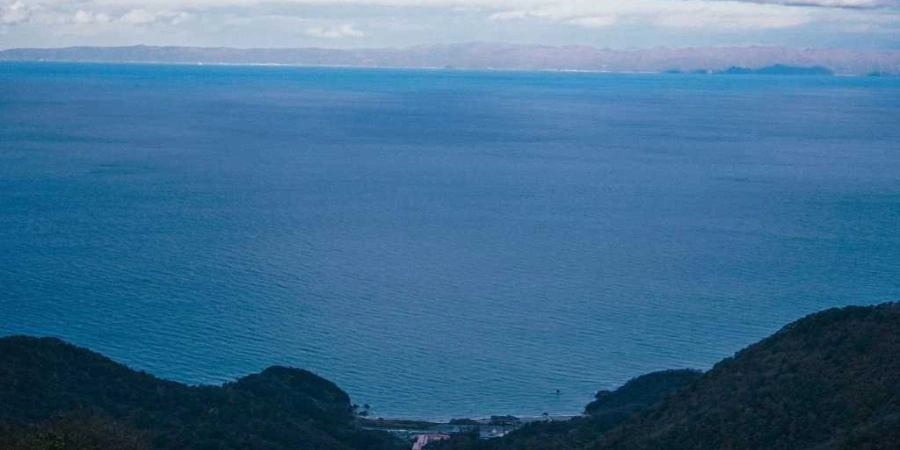
The coast of Niigata and Ishikawa Prefectures. Image Credit: Unsplash
Our spiritual voyage through the places to visit in Japan brings us to the coastal retreats of Niigata and Ishikawa Prefectures. These prefectures, each with a spirituality score of 8.9 out of ten, offer a combined look at the spiritual offerings of Japan’s coastal regions. These prefectures offer a unique blend of cultural and spiritual significance that makes them must-visit destinations on your Japan holiday.
Yahiko Shrine at the foot of Mount Yahiko
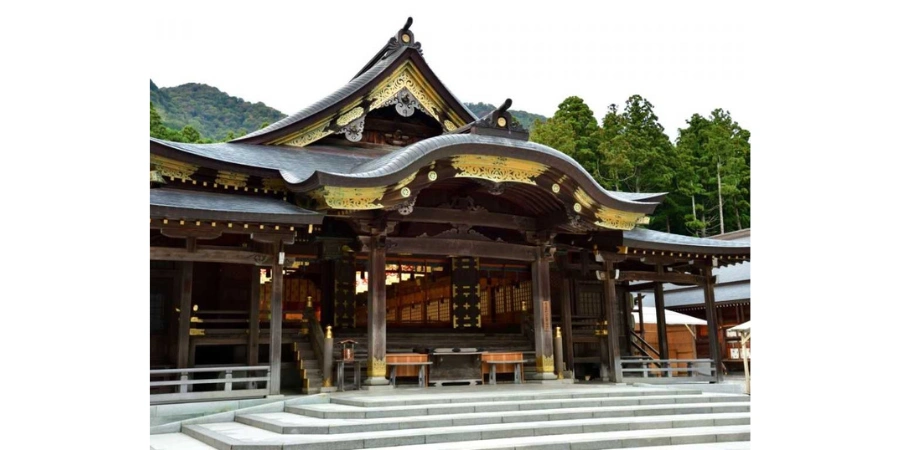
Yahiko Shrine. Image Credit: Discover Niigata
Niigata Prefecture, on the Sea of Japan coast of Honshu, is home to 217 shrines per 100,000 people. Among these, Yahiko Shrine stands out as the leading shrine of Echigo, the old name for Niigata. It is dedicated to Ame-no-Kagoyama-no-Mikoto, who, according to the shrine, taught the people of the area fishing, salt making and sake brewing and laid the foundations of rice farming. The shrine traces its founding back about 2,400 years, and it is a 15 minute walk from JR Yahiko Station. The shrine’s location at the base of Mount Yahiko adds to its allure, making it one of the top Japanese tourist sites for those interested in Japan’s religious practices.
Natadera, a Kannon temple founded in 717
Ishikawa Prefecture, much smaller than Niigata, is home to 167 shrines and 121 temples per 100,000 people. The most famous of these is Natadera Temple, an important spiritual site dedicated to the Buddhist deity Kannon. Exploring the history of Natadera Temple offers a glimpse into the temple’s devotion to Kannon, providing a unique opportunity for spiritual seekers to immerse themselves in the rich cultural heritage of Japan. The monk Taichō founded the temple in Komatsu in 717, and the weathered rock cliffs and caves around it have been revered as sacred for far longer. Admission is 1,000 yen for adults, and the temple is open daily from 9.15am to 4pm.
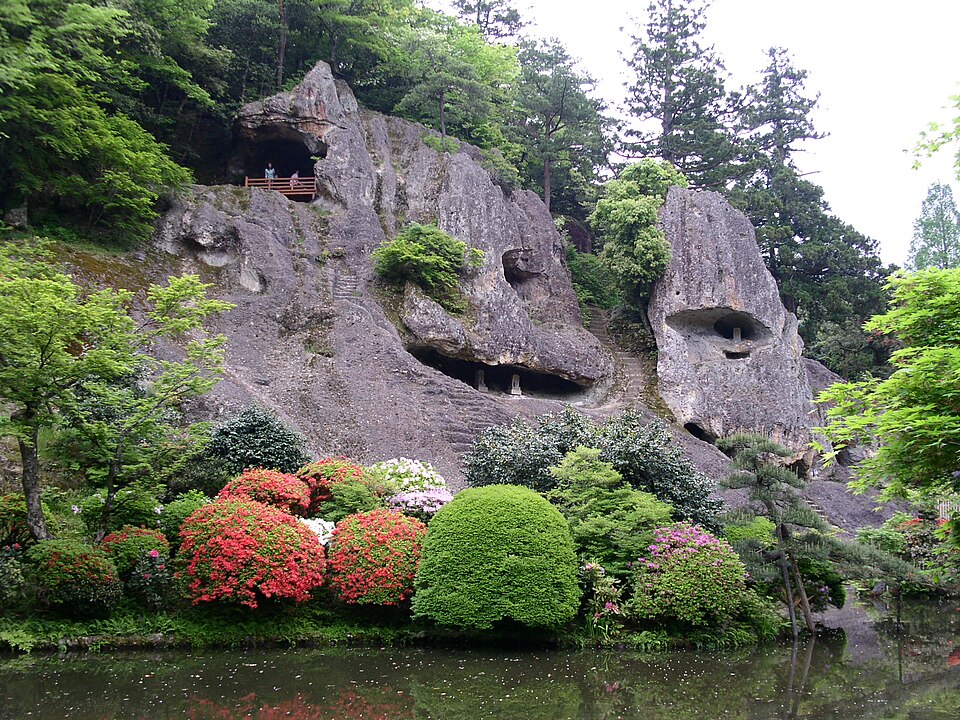
The Kiseki Yusenkyo rock garden at Natadera. Image Credit: Yasuhiro Kojima / Wikimedia Commons, CC BY-SA 2.0
Yamanashi Prefecture and the worship of Mount Fuji
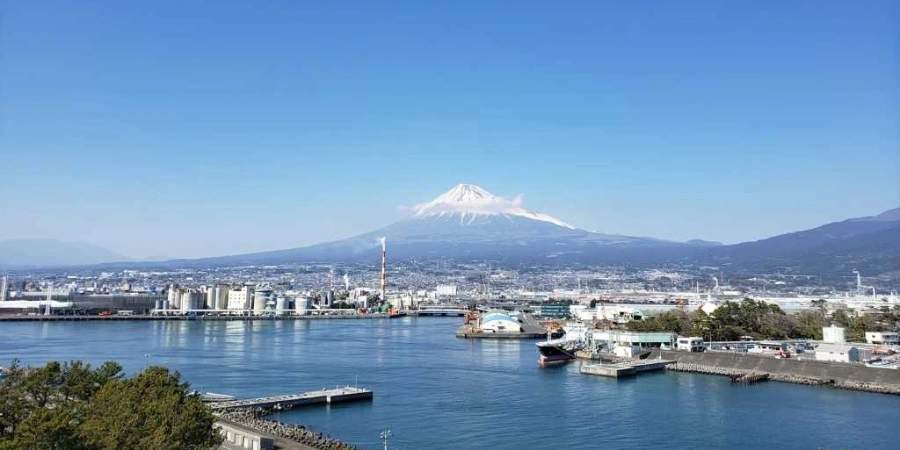
Mount Fuji seen from the coast of Shizuoka Prefecture. Image Credit: Unsplash
Our spiritual journey through the places to visit in Japan brings us next to Yamanashi Prefecture, home to the iconic Mount Fuji. Straddling both Yamanashi and Shizuoka prefectures, Mount Fuji has been a site of worship for centuries, revered in both Shintoism and Buddhism. The mountain’s sacred status and the tradition of climbing it as a spiritual quest intertwine Yamanashi’s spirituality with Mount Fuji, making it a must-visit destination on your Japan holiday.
Climbing Mount Fuji as a pilgrimage
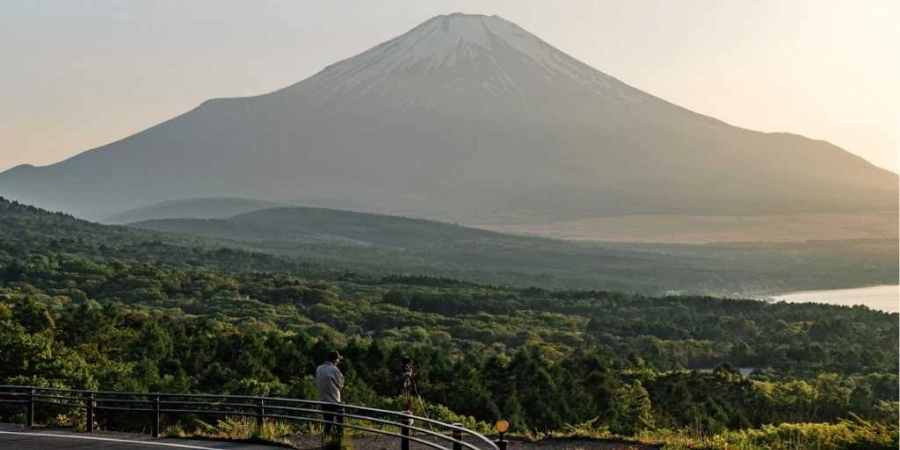
Mt. Fuji. Image Credit: Unsplash
Mount Fuji, Japan’s highest and most popular peak, has been a site of worship for centuries. Revered in both Shintoism and Buddhism, climbing Mount Fuji is considered a spiritual journey, as the mountain is seen as a ‘gateway to the heavens’. The sacred status of Mount Fuji in these religions and the tradition of climbing it as a spiritual quest make it one of the top Japanese tourist sites for those interested in Japan’s religious practices.
Pilgrims have climbed Fuji for centuries. When the American travel writer Eliza Scidmore made the ascent in the 1880s, she recorded in Jinrikisha Days in Japan (1891) that nearly thirty thousand pilgrims climbed the mountain each year, most of them farmers dressed in white and carrying staffs and bells. Many belonged to pilgrimage associations, known as Fuji-kō, whose members paid small yearly dues so that each could take a turn making the climb, and priests at the shrines along the path stamped their white clothing with red temple seals. Women had only been officially allowed to climb since 1872. Today the official climbing season runs for about two months each summer and ends on 10 September, and climbers pay a hiking fee, so check the official Mount Fuji climbing site before planning an ascent.
Yamanashi’s hot springs near Mount Fuji
Complementing the spiritual allure of Mount Fuji is the abundance of Onsen in Yamanashi Prefecture. With 13 onsen per 100,000 people, the highest number in the top five spiritual prefectures, Yamanashi offers a unique opportunity for spiritual rejuvenation through onsen bathing. The therapeutic qualities of these hot springs, combined with the serene environment, make them ideal destinations for a Japan spiritual retreat.
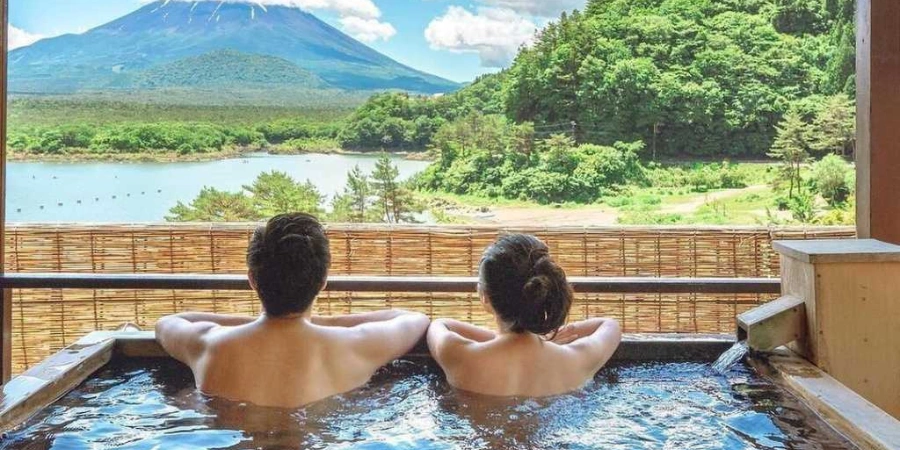
Enjoying an onsen bath across Mt. Fuji. Image Credit: Visit Japan / X








Kyoto’s temples: Kinkaku-ji and Kiyomizu-dera
As we continue our journey through the places to visit in Japan, we arrive at the timeless sanctuaries of Kyoto’s temples. Known for their enduring spiritual resonance, these temples stand as a testament to Kyoto’s status as a bastion of Japanese religious heritage. The temples of Kyoto offer a unique blend of architectural splendour and spiritual tranquillity that makes them must-visit destinations on your Japan holiday.
Kinkaku-ji, the Golden Pavilion rebuilt in 1955
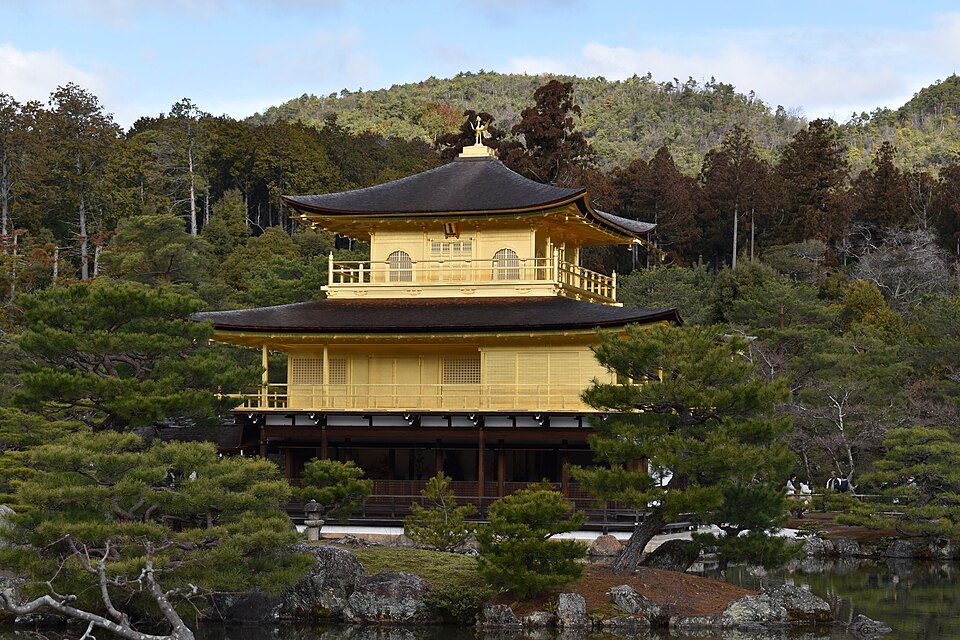
Kinkaku-ji (Rokuon-ji) Temple. Image Credit: Nacaru / Wikimedia Commons, CC BY-SA 4.0
Among Kyoto’s many temples, Kinkaku-ji, also known as the Golden Pavilion, stands out for its architectural and spiritual splendour. With its upper two floors covered in gold leaf, the pavilion reflects beautifully on the pond below, symbolising a harmony between heaven and earth. The temple serves as a symbol of harmony and reflection, making it one of the top Japanese tourist sites for those interested in Japan’s religious practices and architectural heritage.
The pavilion began as the retirement villa of the shogun Ashikaga Yoshimitsu, who began building it on the site in 1397, and it became a Zen temple after his death, as he had wished. The building standing today is a close copy completed in 1955, after a young trainee monk burned the original down in 1950, an event Yukio Mishima fictionalised in his 1956 novel The Temple of the Golden Pavilion. Admission is 500 yen, and the temple is open every day from 9am to 5pm.
Kiyomizu-dera and its wooden stage on Mount Otowa
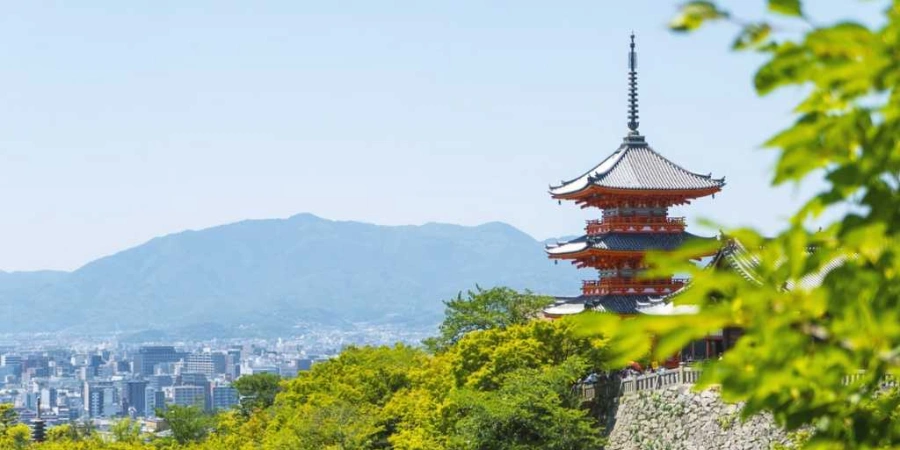
Kiyomizu-dera Temple. Image Credit: Unsplash
Another notable temple in Kyoto is Kiyomizu-dera, known for the wooden stage of its main hall, which stands on the steep slope of Mount Otowa and offers panoramic views of the city. The temple was founded in 778, and most of its present buildings, the main hall included, were rebuilt in 1633. It opens at 6am, with closing times that change through the year. Kiyomizu-dera is a place where one can gain a new perspective on spirituality. The temple’s panoramic views and its connection to spiritual clarity make it a must-visit destination for those seeking a deeper understanding of Japan’s religious practices.
Seven prefectures, from Izumo Taisha to Kiyomizu-dera
Our journey through the spiritual places to visit in Japan has taken us from the spiritual epicentre of Shimane Prefecture to the timeless sanctuaries of Kyoto’s temples. Along the way, we’ve explored the unique blend of tradition and nature that forms the core of Japanese spirituality. We’ve delved into the ancient traditions of Izumo Taisha, engaged in Zen meditation at Eiheiji Temple, considered a pilgrimage through Dewa Sanzan and immersed ourselves in the architectural splendour of Kinkaku-ji.
These destinations offer a unique blend of history, culture, and spirituality. They promise tranquillity, introspection, and a deep connection to nature. So, as we conclude our spiritual voyage across Japan’s prefectures, we invite you to immerse yourself in these sacred spaces.
Sources and further reading
- Lafcadio Hearn, Glimpses of Unfamiliar Japan, First Series (1894)
- Eliza Scidmore, Jinrikisha Days in Japan (1891)


