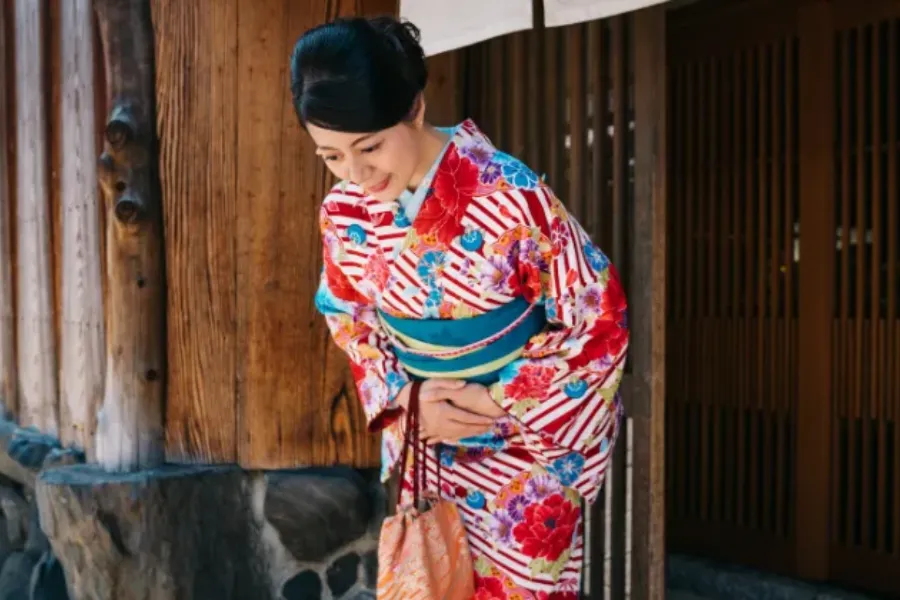
Japanese made products are expected to be a hit and a must-stock for 2026. For concept stores, this is the assortment that stops the scroll and earns the basket: where it’s from, how it’s made, and why it earns a place at home.
Across North America, Europe and the UK, the appetite for authenticity is reshaping shopping carts. Shoppers are leaving generic, mass-produced goods for items with craft, story and longevity. Made in Japan reads as precision, heritage and monozukuri (ものづくり)—the spirit of making well—so it sits naturally within this shift. Craft and design categories are expanding fast, from homewares and stationery to fashion accessories and collectibles; customers are willing to pay a premium for products that feel considered, durable and culturally grounded.
Naturally, travel is amplifying the trend. Japan welcomed 39.07 million visitors in Jan–Nov 2025, with 3.52 million in November alone, indicating continued strength in inbound travel. Store-visit rates rose across department stores, tourist shops, discount channels and boutiques versus 2019, while tax-free claims show momentum in wearables, leather goods and beauty. In short: people discover Japanese products in Tokyo and Osaka—then look to continue that experience at home. That’s your opening.
SUPER DELIVERY is the wholesale marketplace that lets you buy direct from Japanese makers, test in small lots, and ship everything as one consolidated international order.
2026 Japanese Products That Sell
From Discovery to Basket: 2026 Japan Categories to Back

Think of this as your “what’s-next” shelf from Japan. The objects here are tactile, giftable and easy to explain in a single sentence—exactly the kind that spark a pause, a question, then a sale. Each section spells out why it works, how to stage it, and which SKUs to trial in ones and twos. Use simple Entry / Mid / Premium tiers to build tidy ladders without quoting RRPs.
1. Japanese Stationery: planners, stamps, Washi & desk tools that stick
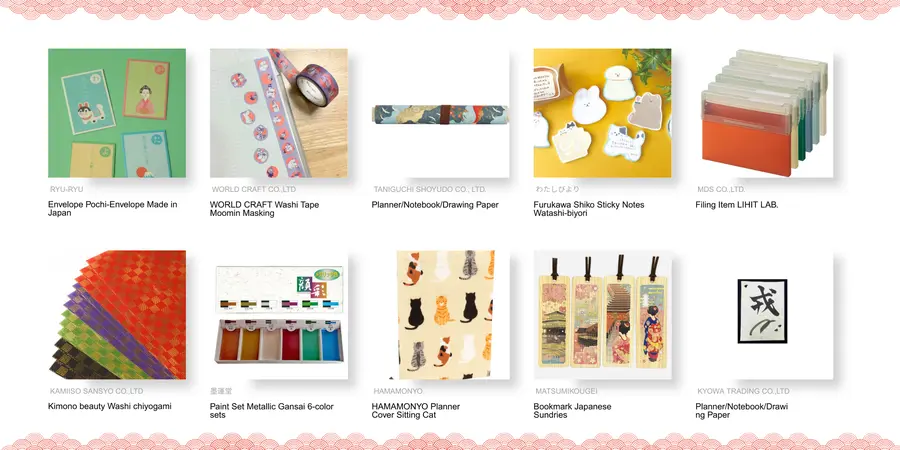
Japanese stationery’s modern boom grew out of monozukuri, the national habit of making everyday tools impeccably. Post-war pen and paper makers competed on smoothness, precision and durability, and that engineering standard spread from school desks to salaryman briefcases.
Refill culture meets daily design
By the 1990s–2000s, two powerful currents met: refill culture (don’t bin the body; replace the cartridge) and design-for-daily-use—compact stamps, micro-scissors, grid notebooks with paper calibrated for ink. At the same time, kawaii aesthetics and character licensing turned desk items into small joys rather than throwaways.
Retail did the rest. Loft and Tokyu Hands normalised “try-before-you-buy” bars for pens and stamps; specialist stores like ITOYA elevated paper to gift status; 100-yen shops democratised access; and cult brands—think Hobonichi planners,
Cult brands, global fans
Traveler’s Company notebooks, MT washi tape—built global followings on tactile quality and customisation. The upshot is a culture where adults still love stationery, where refills and accessories drive repeat visits, and where a modest £8–£25 basket can start a long, satisfying relationship with your shop.
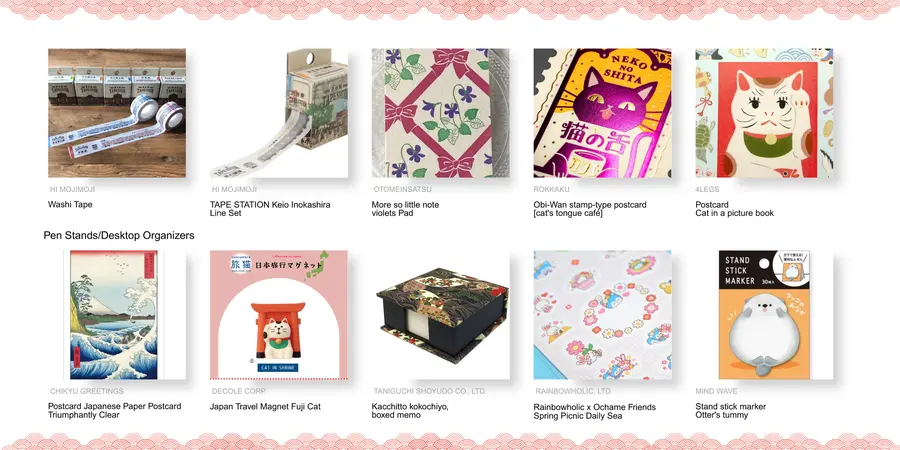
Washi, more than paper
Washi (和紙) isn’t just “nice paper”—it’s a UNESCO-recognized Intangible Cultural Heritage. Hand-made from long plant fibres and formed by the traditional nagashi-suki method, it’s unusually strong, resists yellowing, and endures: “Western paper lasts 100 years; washi lasts 1,000.”
Some sheets preserved in Nara remain legible after more than 1,300 years—proof that you’re stocking a material with real pedigree. That same strength and translucency is why washi tapes and stickers feel different in the hand: they tear cleanly, lift and reposition without fuss, and take ink beautifully.
From washi tapes and seals to perfectly balanced shears, the brief is simple: tools you enjoy using every day. That’s why people build little desk rituals—date stamp, note block, tape strip, done.
Curate a counter-ready edit with refillable favourites and quick gifts Explore Stationery.
2. Utsuwa (器) & artisan glassware
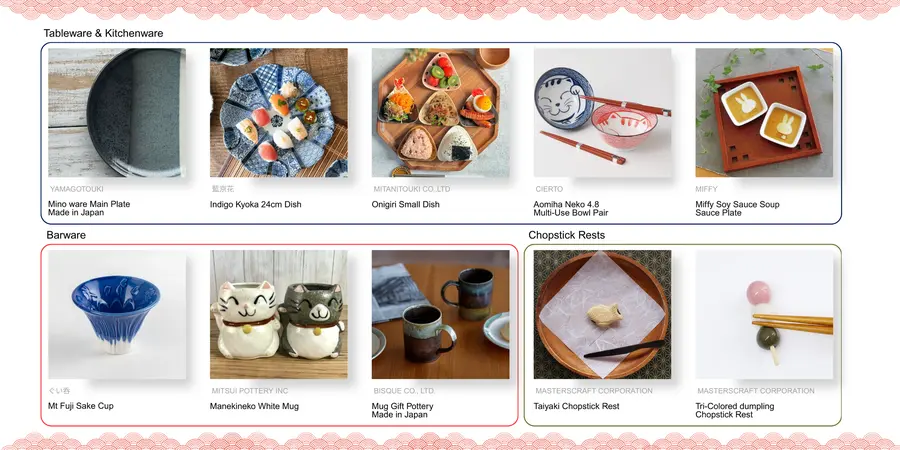
Utsuwa (器) literally means “vessel”, but in Japan it also hints at capacity—the idea that good tableware holds food, seasonality and hospitality together. Rather than a single look, utsuwa is a way of thinking about everyday ceramics: simple forms that feel good in the hand, show the maker’s touch, and make food look its best.
From breakfast rice in a humble chawan to a wide bowl for shared noodles, the vessel and the dish are considered as a pair.
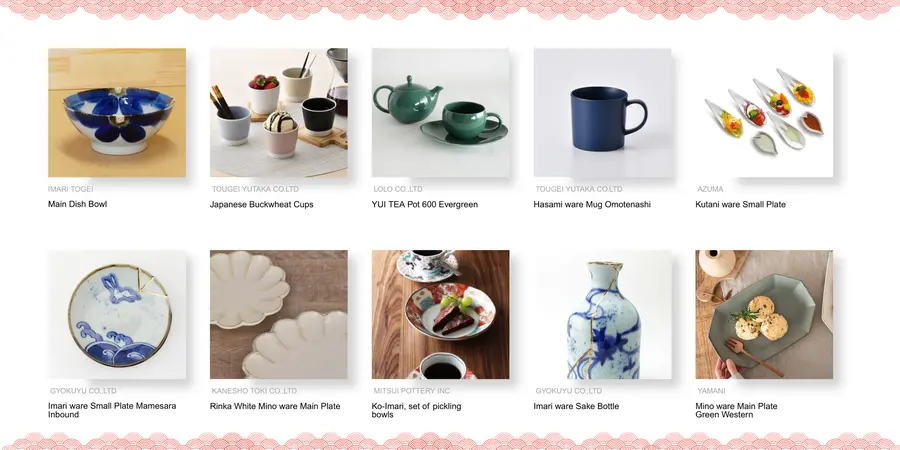
Why it sells
Utsuwa matches how people eat now: small plates for variety, bowls for rice and broth, pieces that stack and wash easily. Small differences, faint throwing lines, soft glaze pooling, light kannyū, are signs of handwork, not defects.
What to source on SUPER DELIVERY
- Rice and noodle bowls, side plates, chopstick rests, sake cups
- Clear, heat-resistant glass for summer drinks
- Neutral palette plus one accent glaze; reorder by the piece
Curate bowls, plates and glass that show craft at a glance. Start a low-risk test buy here: Utsuwa on SUPER DELIVERY.
3. Matcha at Home: tools for a calm, daily ritual
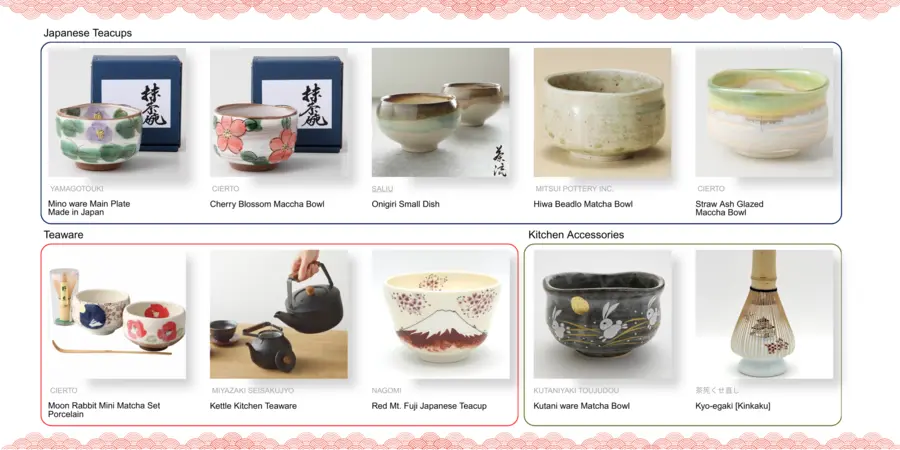
Think of matcha as a daily ritual: two minutes, beautiful tools, clean taste. The core set—chawan (bowl), chasen bamboo whisk), and chashaku (scoop), comes from 茶道 Sado, yet it fits modern habits: a mindful pause, then a drink that tastes clean and photographs well.
Add a sieve for clump-free foam, a chasen stand to keep the whisk in shape, and an airtight canister to protect the tea. It’s tactile, teachable in a minute on the shop floor, and perfect for bundles and refills.
Why it sells
Matcha is enjoying remarkable global growth, driven by wellness trends and inbound tourism. On SUPER DELIVERY, orders for matcha utensils have more than doubled compared with last year, with particularly strong demand from the U.S. and Australia. Popular items include spouted bowls for matcha drinks, along with traditional and “kawaii” designs that capture attention as both daily-use goods and thoughtful gifts.
- A wellness moment shoppers can repeat daily (and gift easily).
- Bundle-friendly: clear ladders from “first set” to “ceremony-leaning”.
- Demo-ready: a quick whisk at a tasting hour or a looping reel turns browsers into buyers.
- Refill economics: tea, canisters, and accessories drive repeat visits.
For the cultural backdrop—and why demand is surging—see our explainer: Why matcha is having a moment again.
Source it on SUPER DELIVERY
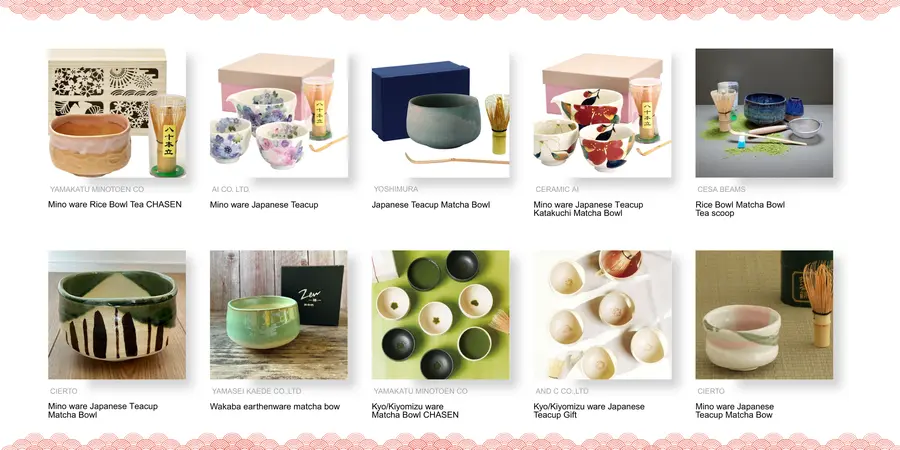 Bring the matcha ritual to your counter—bundle the basics, demo in a minute, and reorder by the piece. Start a low-risk trial here: Shop Matcha products on SUPER DELIVERY, or browse export-ready tea tools across makers.
4. Kawaii Charms and Collectibles

Kawaii grew from post-war youth culture and shōjo aesthetics into a full design vocabulary. In the early 1970s, rounded “cute” handwriting and soft-toned school goods spread through classrooms; companies followed with pocketable delights—think Sanrio’s character goods (Hello Kitty debuted in 1974), pastel stationery, and mascots that felt friendly rather than formal.
Through the 1980s–90s, character design jumped from notebooks to commuter passes, convenience stores, homewares and city branding—yuru-chara mascots made bank branches, train lines and prefectures feel approachable.
Global pop culture did the rest. Anime and manga exports, Harajuku street style, and internet fandom carried kawaii overseas, where it became shorthand for a uniquely Japanese blend of playfulness, clarity and emotional warmth. Today the language shows up everywhere—from museum shops to kitchen corners—with motifs that read instantly.
Why this works for retail in 2026
Original characters let you play in the kawaii space with tidy margins and no licensing constraints. Small, useful things become joyful gifts: a cat-face plate that stacks well, a Shiba inu tote that folds into a pocket, Mount Fuji tenugui that wraps a bento, a kitsune (fox) pen stand watching over a desk. These icons cue “Japanese” at a glance, Shiba inu, maneki-neko, Mount Fuji, kitsune, sleepy cats, bears, forest friends—so customers grasp the story in seconds and add one more item to the basket.
For fans of Anime
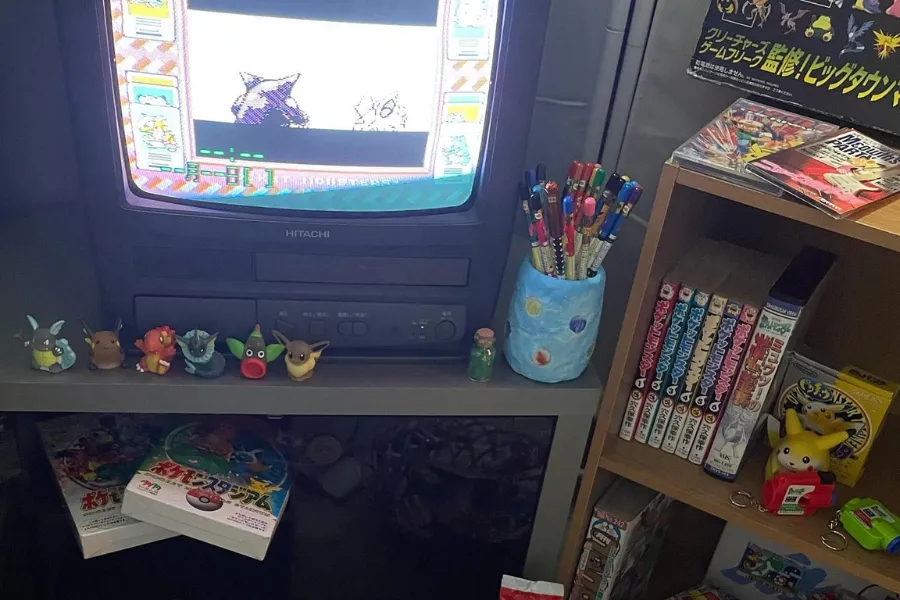
If you’d like the pulling power of licensed IP alongside originals, SUPER DELIVERY also lists official Pokémon and Studio Ghibli collections. Search the platform for current assortments and check each supplier page for export eligibility and territory notes (some lines are region-restricted). These ranges sit neatly with your kawaii edit—think Pikachu memo pads by the till, Totoro mugs beside mini plates—and keep baskets ticking up without complicating your licensing admin.
5. Handicraft Collection: kits, yarns & visible mending that build community
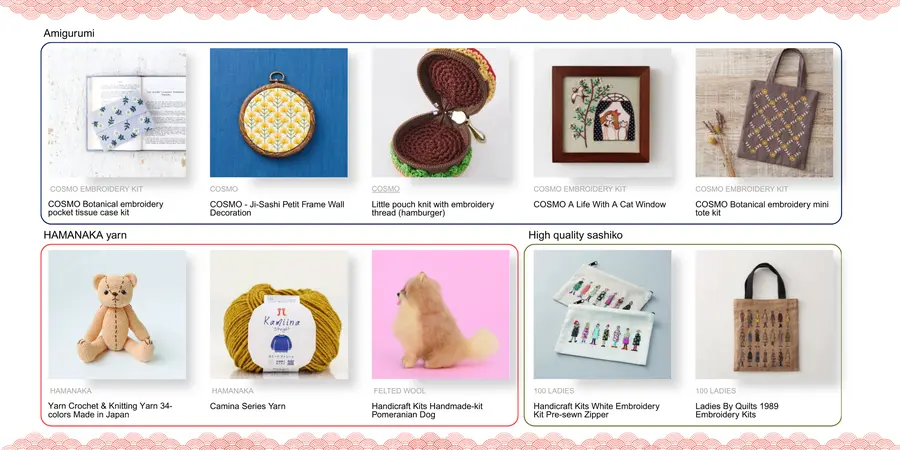
Work-with-your-hands sells the story and the Saturday workshop. Amigurumi (編みぐるみ) plush, sashiko (刺し子), and raffia-style yarn projects invite customers to make, not just buy, so they linger longer, share progress, and come back for refills. For yarn, stock plant-based raffia styles (e.g., eco ANDARIA) alongside cotton and wool to cover summer hats, bags and baskets.
Stitching that tells a story
Sashiko began as practical reinforcement stitching in rural Japan—white thread on indigo cloth to strengthen workwear and extend its life—evolving over centuries into the visible-mending aesthetic global shoppers recognise today (think boro patchwork and geometric running-stitch patterns).
Cute that builds community
Amigurumi, crocheted or knitted plush, went from a domestic craft to an overseas hit in the early 2000s, riding cross-generational fandoms and the shareability of small, characterful makes. It’s quick to learn, photogenic on social media, and naturally leads to “what’s next?” upsells (hooks, stuffing, safety eyes, yarn colourways).
Material note shoppers love
Plant-based raffia-style yarns (rayon from wood pulp) are light, hold their shape, and suit summer hats, baskets and small accessories. Put a small swatch at the till so customers can feel the difference.
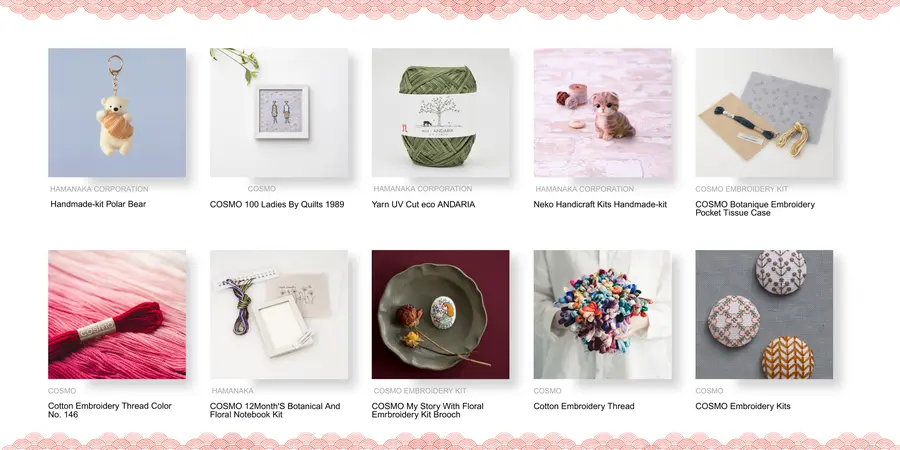
Set up a community-friendly craft corner in one order. Trial amigurumi, plant-based eco ANDARIA, and sashiko in small lots, mix makers in one basket, and receive a single consolidated shipment via SUPER DELIVERY: Start your Handicraft Collection.
6. Seki City (関市, Gifu) — blades with centuries in the hand
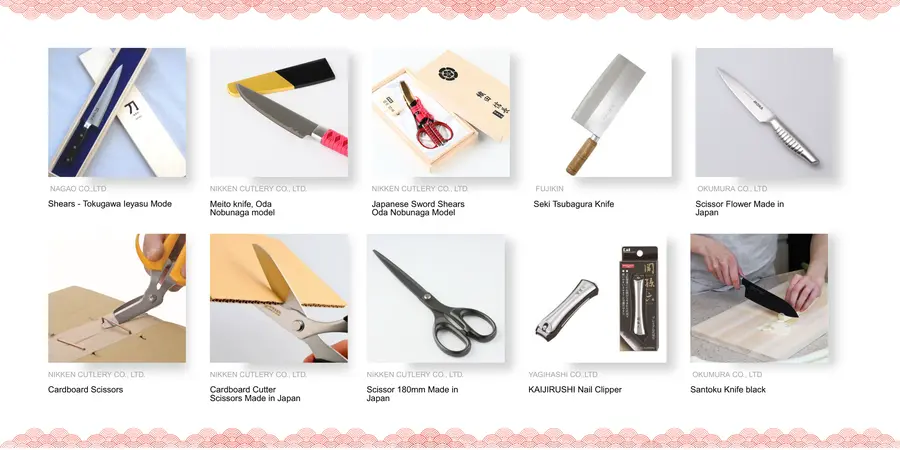
Seki grew up on steel and water. For 800+ years, since the Kamakura era, its smiths have forged everything from katana to kitchen knives, drawing on clean river systems for quenching and nearby ore and charcoal supplies. Today’s makers blend that lineage with modern steels and grinding: thin, lively edges; balanced handles; finishes that signal care, not flash. It’s craftsmanship you can feel the second a blade touches paper, card, or tomato skin.
Start sourcing
Test blades and scissors by the piece, mix multiple Seki makers in one basket, and receive one consolidated international shipment: Seki City blades on SUPER DELIVERY.
7. Bento Boxes
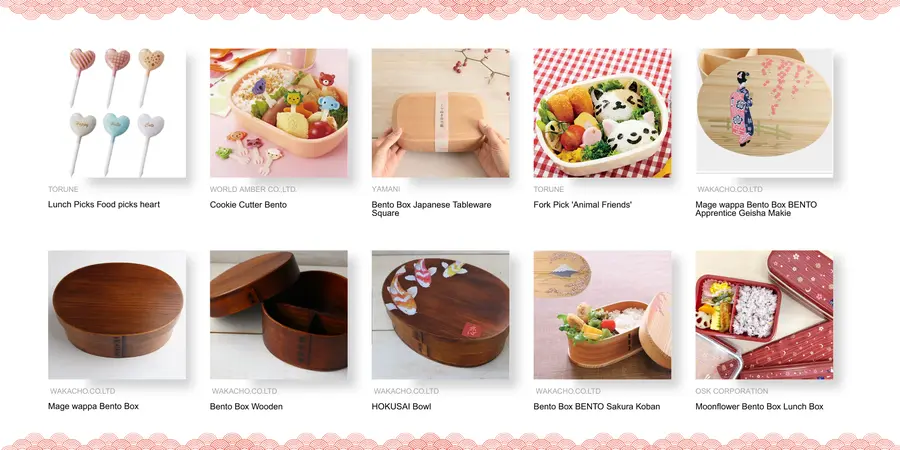
Bento culture isn’t just about packed lunches—it’s a beautifully considered expression of daily life in Japan. From the elegance of handcrafted wooden boxes to the charm of kawaii accessories, Japan has turned everyday eating into an art form. And SUPER DELIVERY’s curated selection captures this spirit in full.
For lovers of traditional craft, magewappa bento boxes are a quiet standout. Originating in Ōdate, Akita, these bent-wood lunch containers are made from steam-softened Akita sugi (cedar), shaped and tied with cherry bark or fastened using wooden pegs.
Each piece breathes simplicity and heritage—ideal for those who value form and function in equal measure. Browse examples like the Bento Box with Cherry Blossom Maki-e Design, Square Bento Box in Natural Wood Finish, or the Traditional Magewappa Bento Box with Suri-Urushi Coating, all made in Japan and finished with remarkable attention to detail.
At the playful end of Japan’s bento culture, cute design takes the spotlight. Picture stackable lunch boxes in soft pastels, character-themed accessories and a flurry of cheerful add-ons—think heart-shaped food picks, onigiri moulds, and silicone dividers. These details turn everyday lunches into something special, especially for children or anyone who loves adding a dash of fun to mealtime. For a taste of this kawaii aesthetic, check out the Heart Lunch Picks – Pastel Colour Set, or the super-cute Hungry Caterpillar Deluxe Training Chopsticks with Case.
Explore the full range of bento boxes and accessories on SUPER DELIVERY’s bento collection and discover how Japan turns lunch into a lifestyle.
Function you can taste
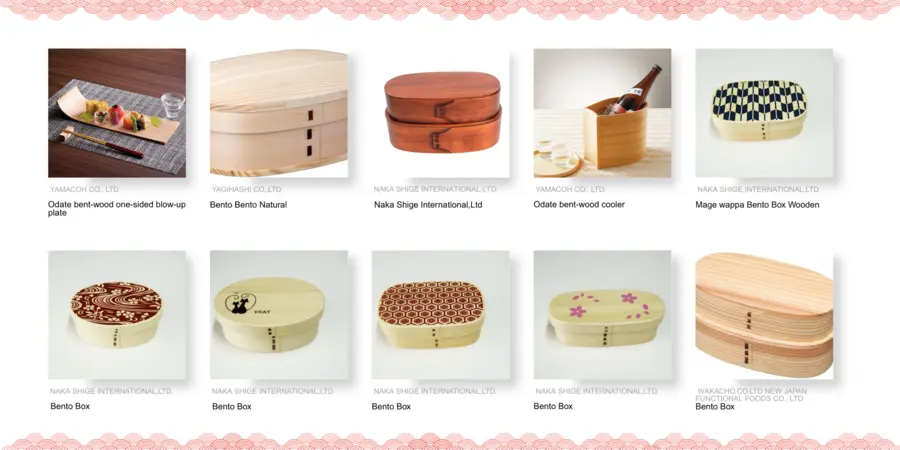 The cedar breathes, balancing moisture so rice stays plump, not soggy. The wood’s light antibacterial qualities help with freshness, and the thermal insulation keeps contents comfortable to hold.
That “one-line benefit” is retail gold: “Cedar breathes—your rice tastes better.” Curate your bentwood story—bento boxes, trays and tea tools—straight from Ōdate makers via the Magewappa collection.


Getting started with SUPER DELIVERY
Make your first drop count. Build a small, high-signal “Japan Edit,” ship it as one parcel, and use the first-order perk to de-risk the test.
New customers can unlock a free-shipping coupon on their first order — check the banner on the SUPER DELIVERY International landing page to apply it at checkout.
Your route to stock Made-in-Japan, minus the faff
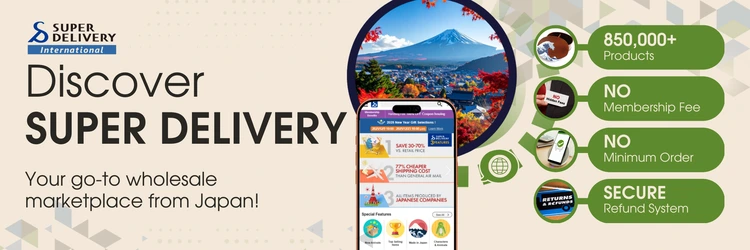
Established in 2002, SUPER DELIVERY is Japan’s B2B wholesale marketplace for verified business buyers. It connects you directly to Japanese makers—design-led labels, regional craft studios, heritage workshops, and contemporary brands, while handling export preparation and international dispatch.
- Scale & access (Jan 2026): 1,900+ vendors and 850,000+ items on SUPER DELIVERY International; supporting buyers in 134 countries.
- Small-lot testing: many products can be bought from one piece, so you can trial ranges without heavy MOQs.
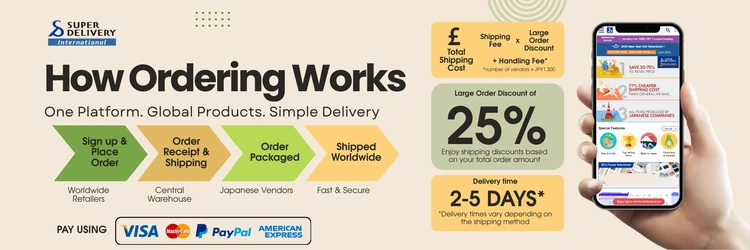
- One shipment, many makers: place a single checkout across multiple vendors; SD consolidates at its export warehouse (repacking, heavy-duty packaging, export documents) so you pay for one international delivery. Larger consolidated orders may qualify for better shipping rates.
- Transparent checkout: add items, pick a carrier (DHL, UPS, EMS, Air/Sea Mail, and others), and see totals before you confirm.
- Payment & support: pay by Credit Card, PayPal, or T/T. Card/PayPal is authorised at order and charged on dispatch. English support is available; damaged/lost items can be claimed within 14 days of delivery.
- Costs & timings: check typical delivery windows here: About Delivery Status and estimate freight by country/method; Shipping Fee Calculator.
- New buyer perk: Free shipping on your first order with a welcome coupon shown on SUPER DELIVERY’s International landing page—perfect for low-risk trials and consolidated baskets.
- Transparent totals: See carrier options and all costs at checkout (DHL, UPS, EMS, Air/Sea Mail, and others). Duties/taxes are set by your country and paid on arrival.
Action plan (7 quick steps)
- Create your account (International site) and get verified as a business.
- Shortlist 30–40 SKUs across 6–8 vendors (most items available from 1 piece) to test breadth without heavy MOQs.
- Build tidy ladders (Entry / Mid / Premium) inside each category (e.g., utsuwa bowls → side plates → chopstick rests).
- One cart, many makers: Add items from multiple vendors; checkout once.
- Consolidated export: SUPER DELIVERY repackages and consolidates at its export warehouse, so you receive one international shipment.
- Pick your carrier (DHL, UPS, EMS, Air/Sea Mail) and see totals before confirming.
- Merch & learn: Launch a 4-week micro-campaign (table card + demo + reel), track sell-through, reorder winners.
Costs & logistics (at a glance)
- Handling fee: JPY 1,300 per vendor (covers export prep and docs).
- Duties/Taxes: Set by your country; your carrier will contact you on arrival.
- Payment: Credit Card / PayPal / T/T. Card/PayPal authorised at order, charged on dispatch.
- Aftercare: Report lost/damaged items within 14 days for refund (SD points or PayPal).
Ready to start?
Create your free SUPER DELIVERY International account, build your first mixed-vendor cart, apply the first-order coupon if shown, and place one consolidated test order. Reorder monthly, refresh quarterly, and let your Japan Edit become the reason customers return.
SUPER DELIVERY FAQs for Retailers
Who can register?
SUPER DELIVERY is for verified business buyers (e.g., retail stores, online shops). Personal use isn’t supported. Your application is reviewed before approval. Register here.
Is there a minimum order quantity (MOQ)?
There’s no platform-wide MOQ. Individual vendors may set their own MOQs, but most items can be purchased from one piece. Check each product page for specifics.
Are prices wholesale?
Yes. Displayed prices are wholesale. Look out for platform promotions and events.
Which payment methods are accepted?
- Credit cards: Visa, MasterCard, American Express, JCB, Discover, Diners (charged in JPY; your card’s FX rate applies).
- PayPal: Order cap JPY 1,000,000 per order (converted at time of checkout); refunds follow PayPal rules and FX at time of refund.
- Bank transfer (T/T): Fees are borne by the buyer; pay in JPY and in full. If unpaid within 5 business days, the order is cancelled. Over/under-payments are reconciled per vendor; contact support if using Wise.
How much is shipping?
Shipping depends on carrier/method, weight/volume, and destination. There’s also a JPY 1,300 per-vendor handling fee for export prep/warehouse management. You can save up to ~25% on shipping by consolidating a larger order.
Which shipping methods are available? How long does delivery take?
Options include DHL, UPS, EMS, Air Mail, Sea Mail, plus regional partners (ECMS for UK/AU/US/CA; Pantos for KR). Delivery times vary by method and destination; choose speed vs. cost at checkout.
Do you help with customs clearance?
See official guidance: Customs Clearance & Import Tariffs.
Category/country notes:
- Tableware: Your customs may require import licences/product info. Request details from vendors if needed.
What’s the difference between the International and Japanese versions?
- Delivery address: International = ship outside Japan. Japanese version = ship to Japanese addresses (including forwarders).
- Pricing: International = duty-free export pricing (no Japan consumption tax).
- Range: Assortments can differ by supplier sales conditions. Tip: You can hold both accounts (separate emails) to suit your workflow.
How do returns/refunds work?
If items are damaged, defective, or lost, submit a request within 14 days of receipt. Refunds are issued via PayPal or SD points (usable on-site).
How does ordering across multiple vendors work?
You can place a single checkout across several vendors. Each vendor’s goods are processed with its own handling fee and shipping particulars; export paperwork is consolidated on the International flow.
Any best practices for first-time international buyers?
- Start with small lots (many SKUs are 1-piece MOQs) to test categories.
- Consolidate vendors per drop to optimise freight.
- Keep HS code guidance from your local carrier handy.
- For frequent imports, pre-register with your customs broker to speed clearance.