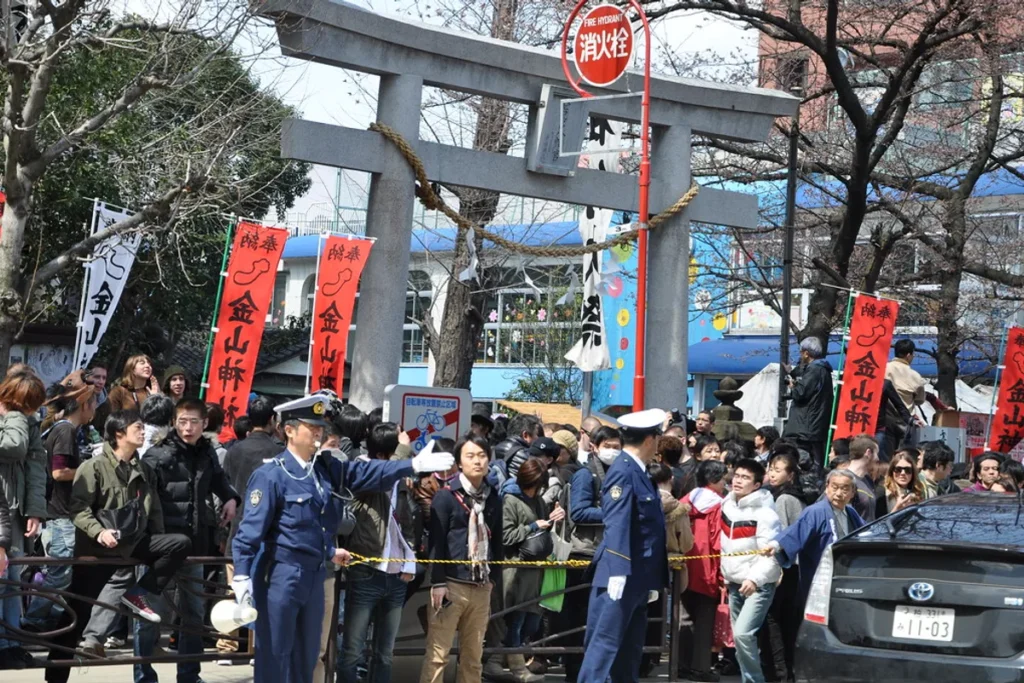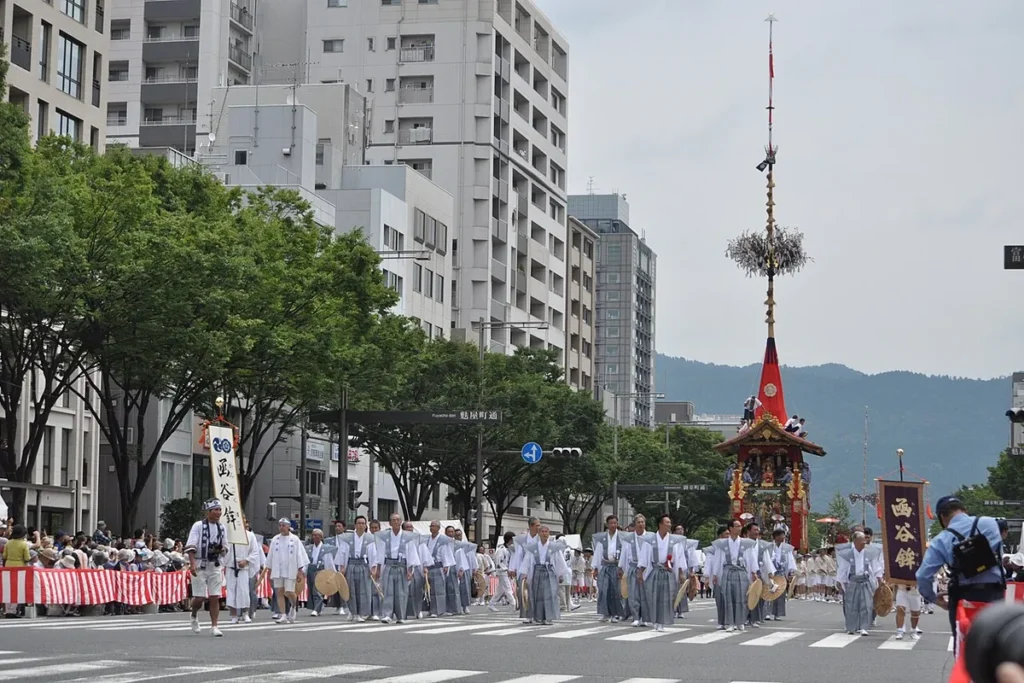
On winter nights in about 20 villages around Takachiho, in the mountains of Miyazaki Prefecture, local people dance for their guardian god from dusk until dawn in a chosen home. The dances are kagura, and they have been performed there for more than 800 years.
The same word sits inside Hinokami Kagura, the fire god dance that Tanjiro Kamado remembers in episode 19 of Demon Slayer. This guide follows kagura from its origin myth to the styles danced today, and shows what Demon Slayer’s version shares with the real thing.
What is kagura? Kagura (神楽) is Shinto music and dance performed for the kami, the gods of Japan’s native religion, and its name is written with the characters for god and music. It ranges from slow dances by shrine maidens holding bells to masked plays of gods and monsters. Most kagura is offered at shrine festivals, to give thanks for the harvest and pray for the year ahead.
Kagura Dance, From the Sun Goddess Myth to Hinokami Kagura
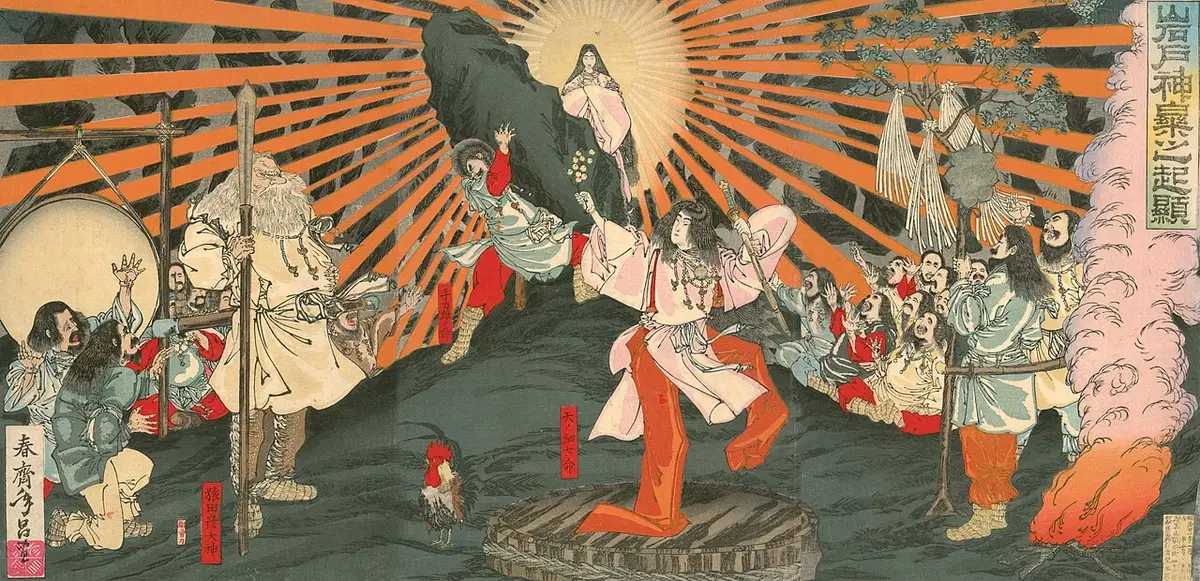
Ame-no-Uzume’s dance outside the sun goddess’s cave
Japan’s oldest chronicles, the Kojiki and the Nihon Shoki, tell how the sun goddess Amaterasu, furious at her brother Susanoo’s violence, shut herself in a cave and plunged the world into darkness. The gods gathered outside, and the goddess Ame-no-Uzume danced so wildly that they roared with laughter. Curious, Amaterasu opened the rock door to look, and light returned to the world. In Takachiho, Uzume’s dance is said to be the beginning of kagura.
W. G. Aston, in Shinto: The Ancient Religion of Japan (1907, chapter six), described kagura as dances with masks and music that act out scenes from the myths. He called it a prominent part of Shinto festivals at all times, and “the parent of the secular drama”.
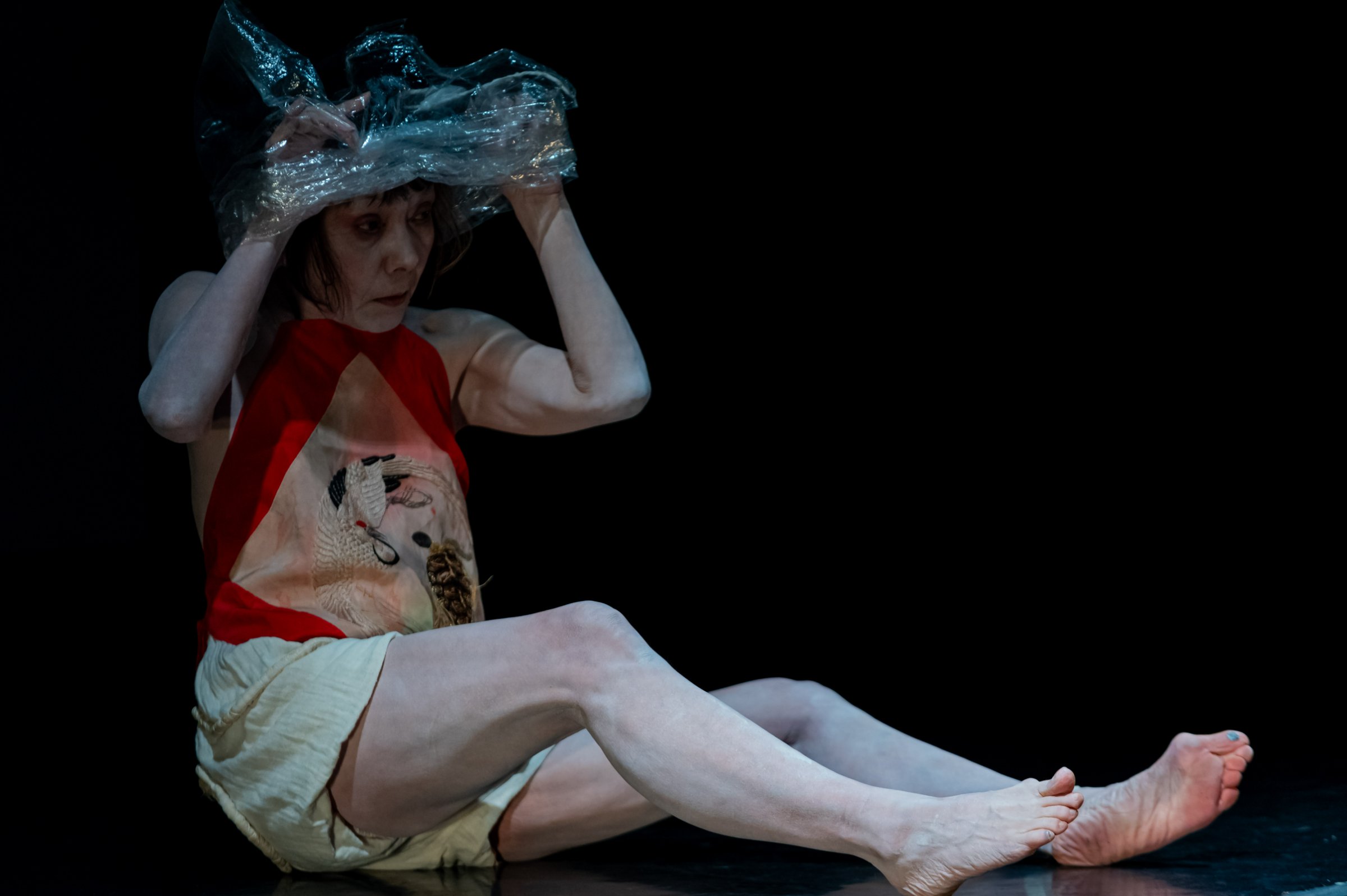

Miko kagura, the shrine maidens’ dance Lafcadio Hearn saw at Izumo
Kagura began as sacred dances by miko, the young women who serve at Shinto shrines. Lafcadio Hearn watched the miko-kagura of Izumo Taisha in Shimane, which he called Kitzuki, and described it in Glimpses of Unfamiliar Japan (1894).
At Izumo, he was told, the role of miko was hereditary, held by two families where there had once been more than 30, and a mother or sister taught the dance to the girl who would serve. The dancers were young women of 16 to 19, while other great shrines used girls of 10 to 12. The dance existed to give pleasure to the gods, and its steps had been kept unchanged since the beginning of the faith.
The miko danced with a suzu, a bronze handle hung with a cluster of small bells. Hearn traced its shape back to the spray of bamboo, tied with little bells, that Ame-no-Uzume held outside the cave.
Hearn also heard the story of O-Kuni, a Kitzuki miko who slipped away from the shrine with a ronin (a masterless samurai) named Nagoya Sanza. She is better known as Izumo no Okuni, who called herself a shrine maiden of Izumo Taisha and is credited with founding kabuki in Kyoto around 1603.
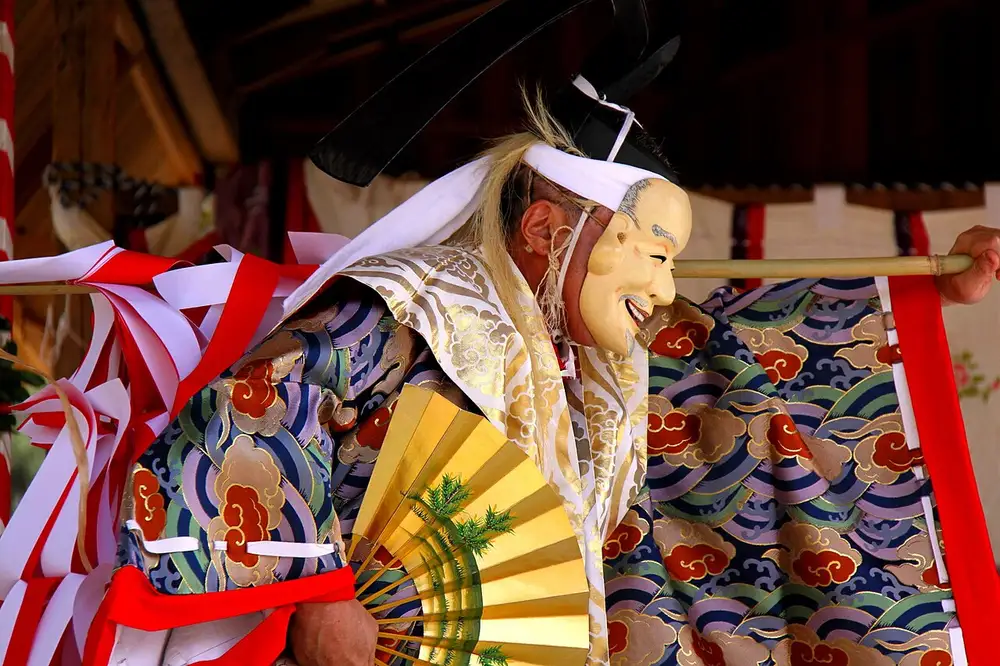
Takachiho’s yokagura: 33 dances from dusk until dawn
Takachiho, in northern Miyazaki, tells the story of the cave through its yokagura (night kagura), which runs from mid November to early February in about 20 communities. From dusk until dawn, local dancers perform 33 dances for their guardian god, giving thanks for the harvest and praying for the next. Masked dancers become the gods themselves, while neighbours watch, eat, drink and sing, and visitors who come along are treated as part of the ritual. Takachiho’s yokagura was named an Important Intangible Folk Cultural Property in 1978.
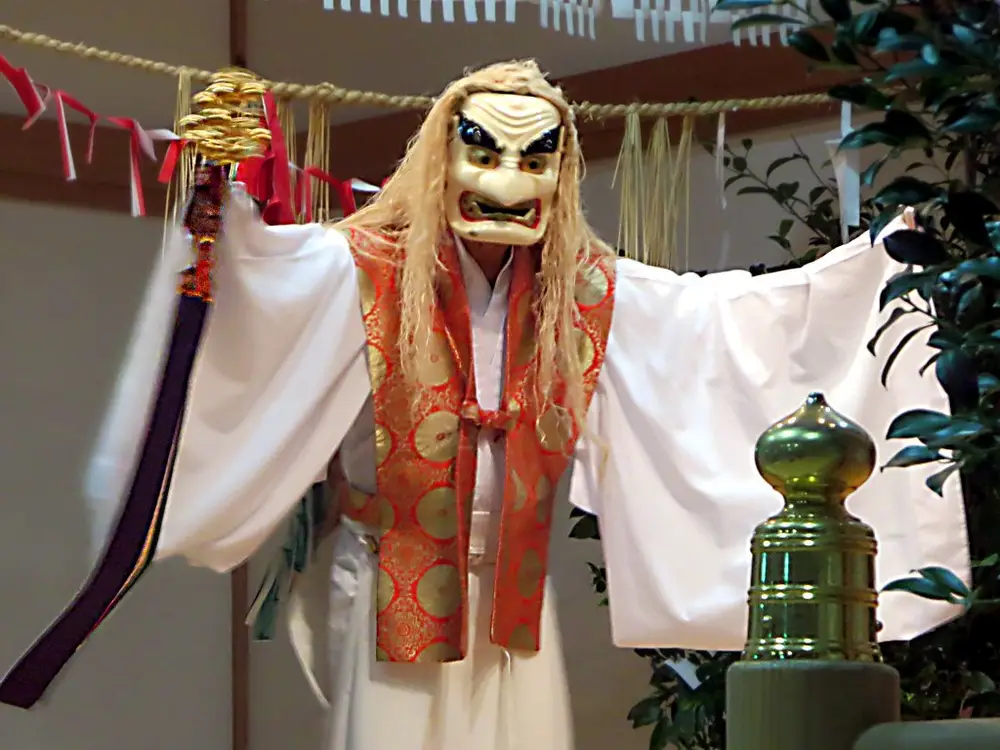
For anyone who cannot be there on one of those nights, the kagura hall at Takachiho Shrine puts on four of the 33 dances every evening at 8pm, all year round. They include Uzume’s dance and the dance of Tajikarao, the strong god who pulls the rock door open. The performance lasts about an hour, tickets cost 1,000 yen from junior high school age up, and some seats can be booked online in advance. The Takachiho tourism association has the latest details. Each year on 22 and 23 November, the shrine also performs all 33 dances over two days.
Iwami kagura and Susanoo’s fight with the serpent Orochi
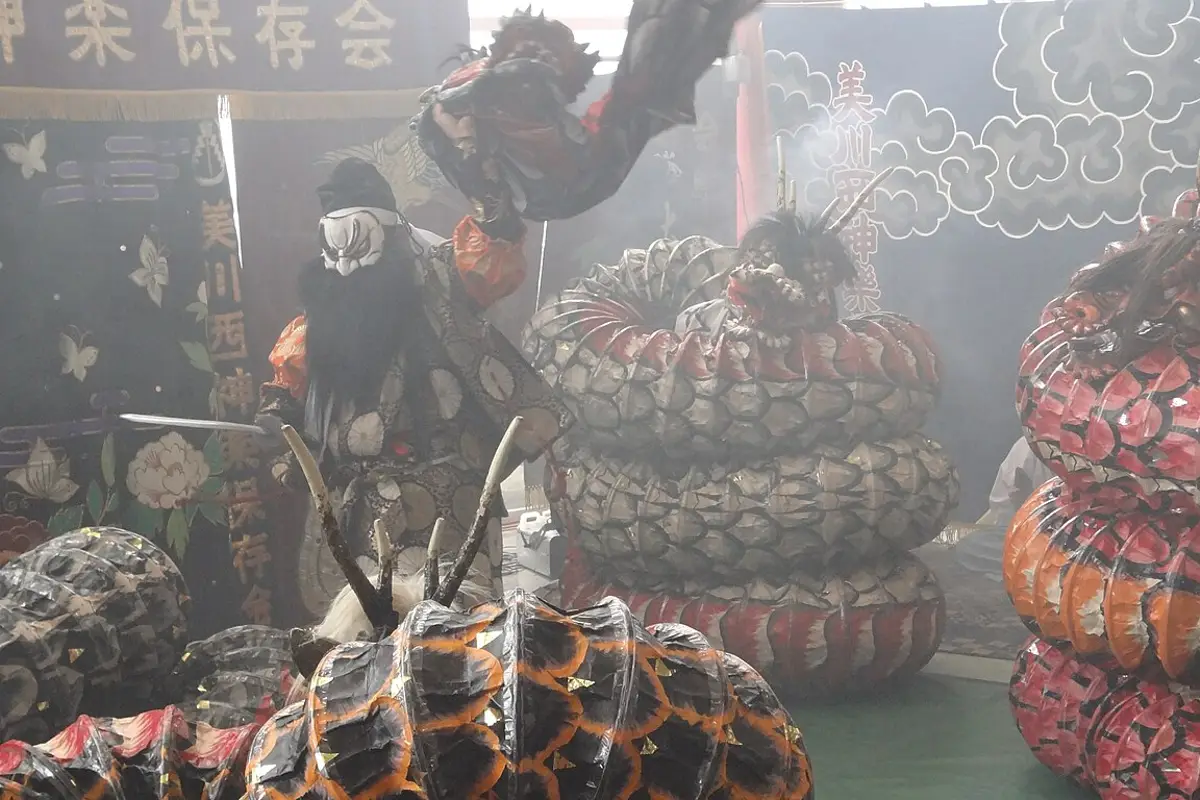
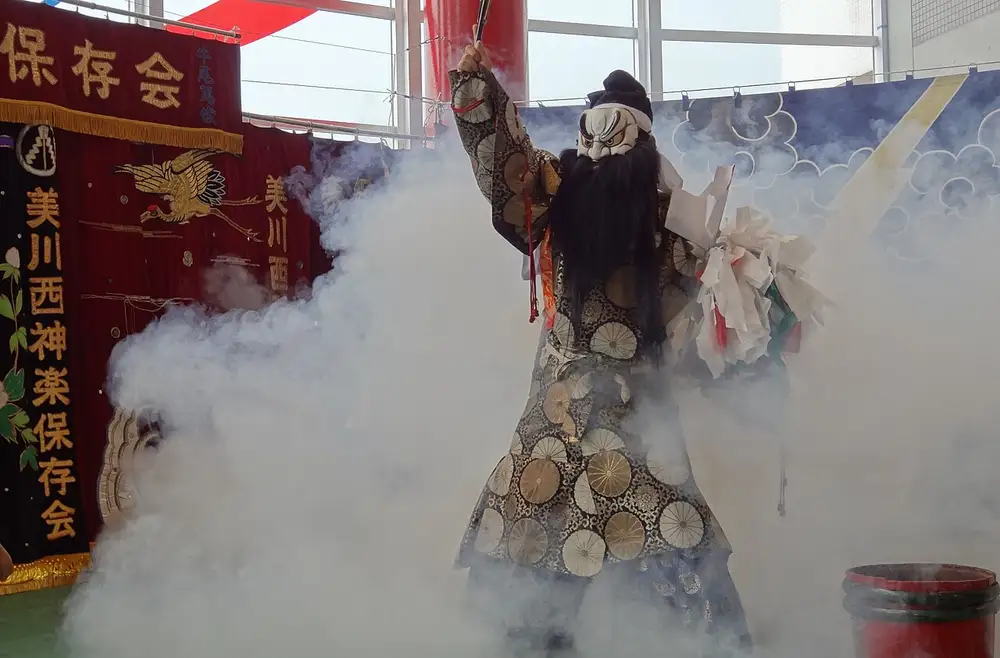
In the Iwami region of western Shimane, kagura became fast, flamboyant theatre. The Japan Foundation describes Iwami kagura as about 300 years old, known for its fast tempo and lavish costumes, with ritual dances and plays drawn from the myths, usually performed at autumn shrine festivals.
Its most popular play is Orochi. Susanoo, the same troublesome brother whose behaviour drove Amaterasu into her cave, slays a giant many-headed serpent, played by long coiled costumes that writhe across the stage in clouds of smoke.
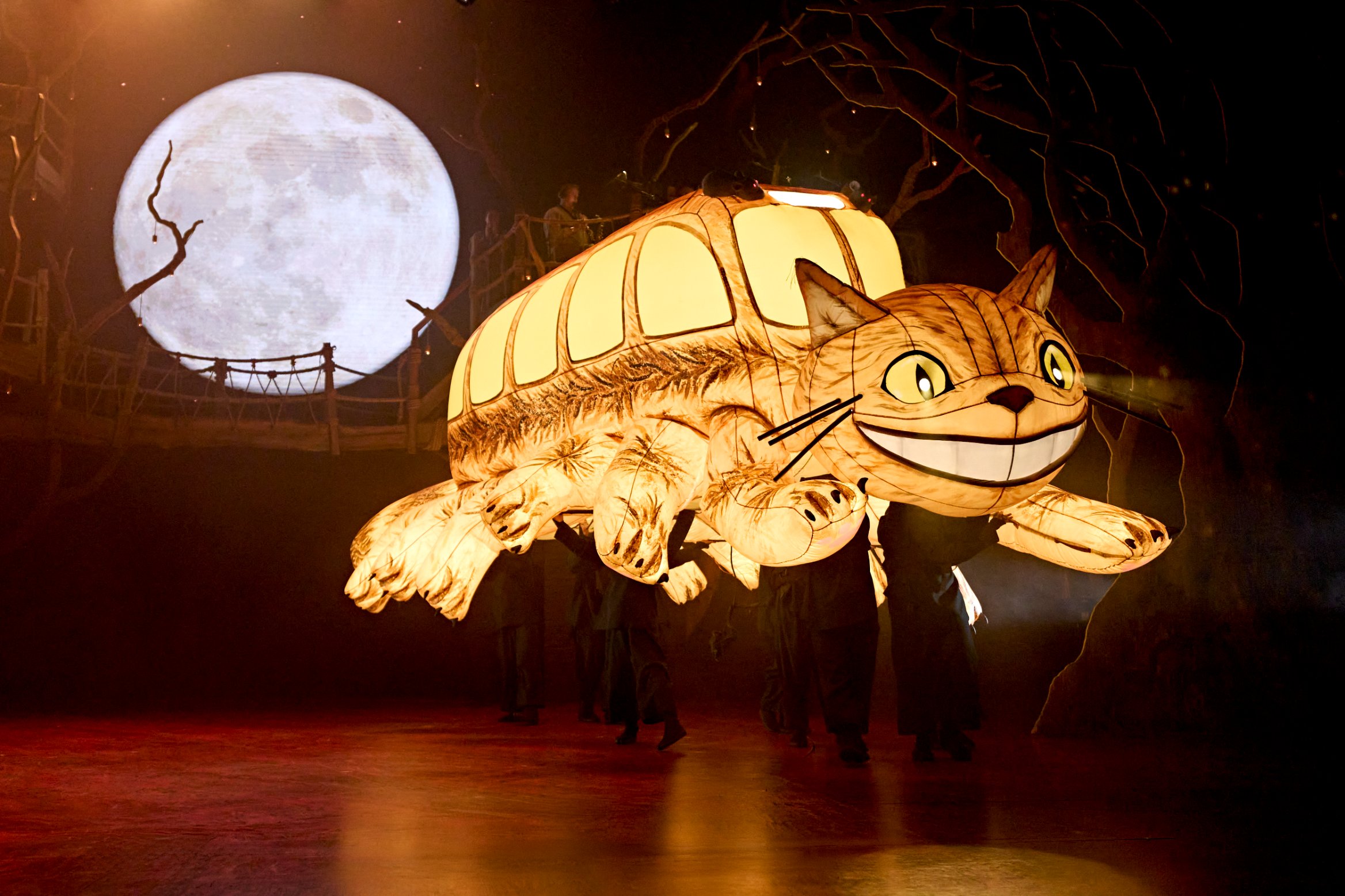
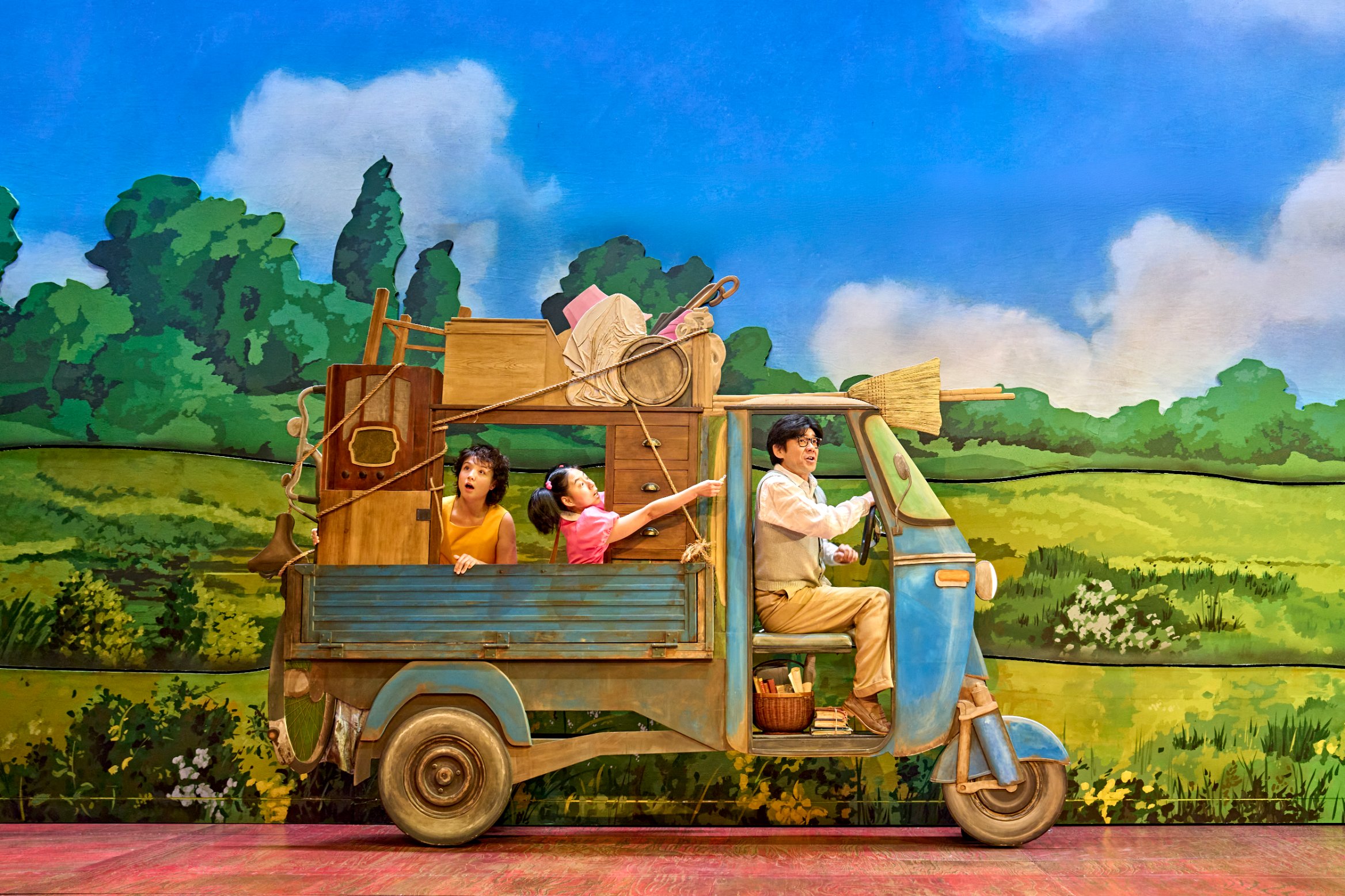
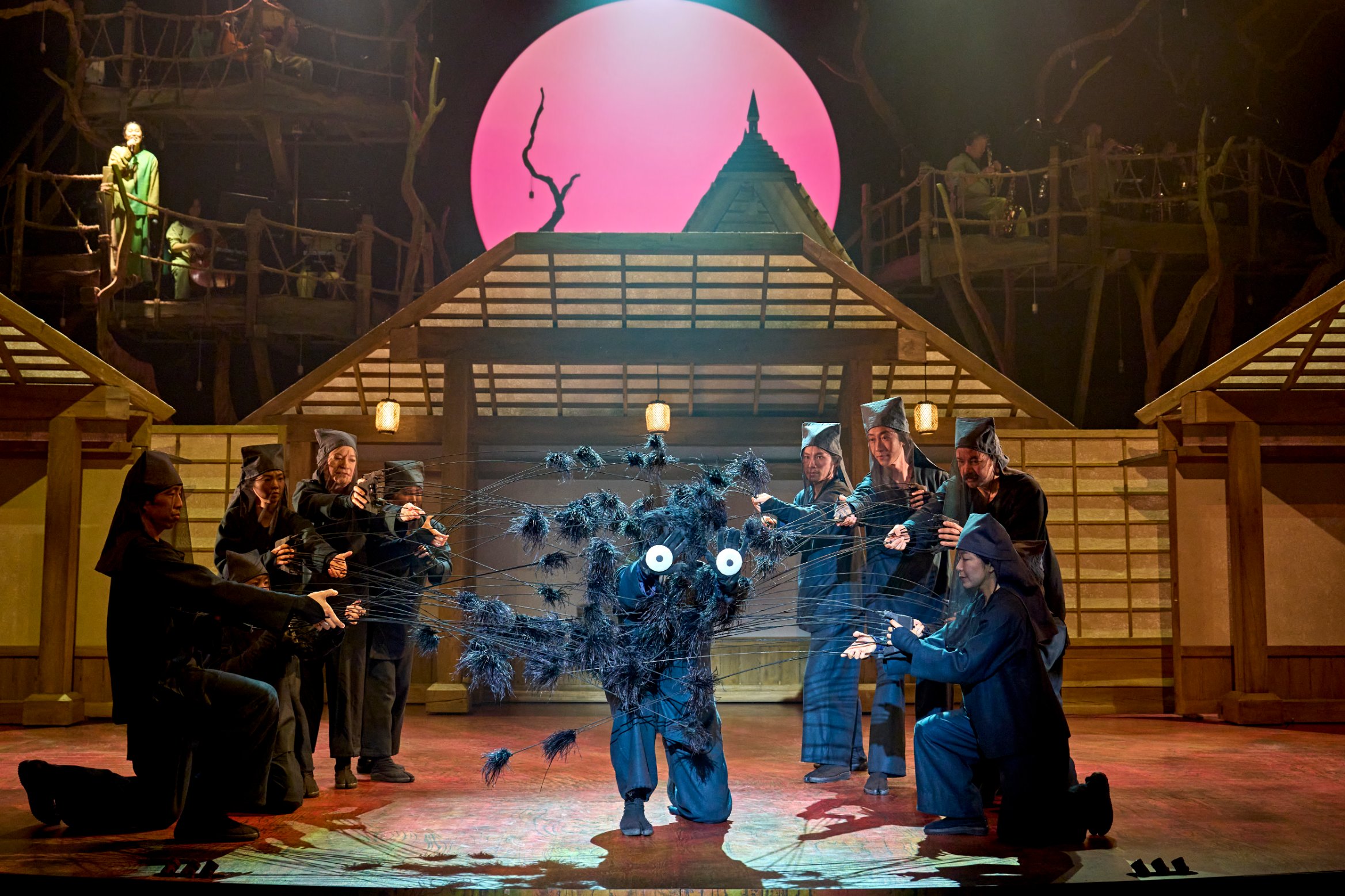
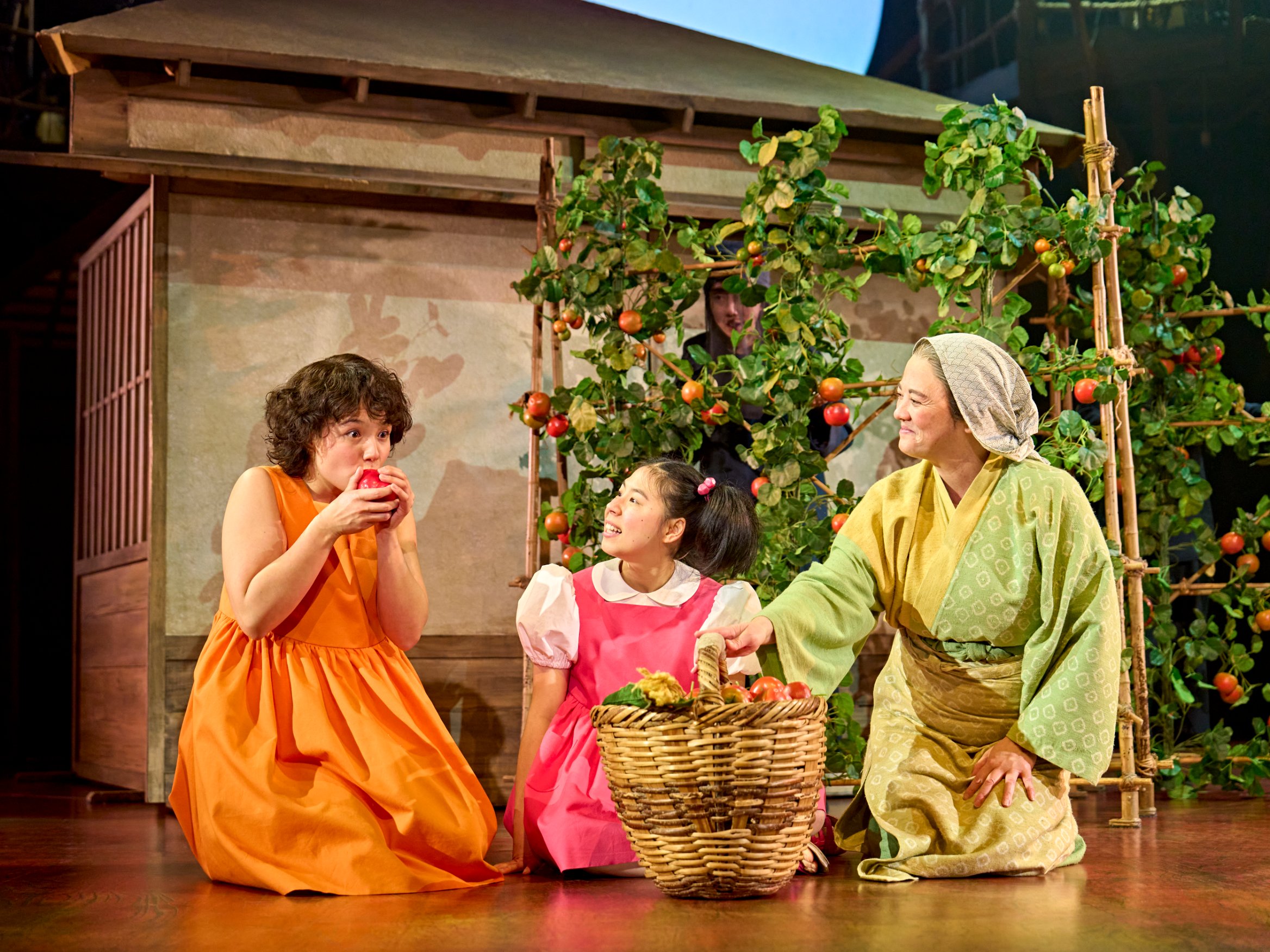

Hinokami Kagura in Demon Slayer, and what it shares with real kagura
Hinokami Kagura, the dance of the fire god, is invented. In Koyoharu Gotouge’s Demon Slayer, the Kamado family sell charcoal and live by fire, and every New Year they offer the fire god a dance for protection, performed through the night until dawn. Fittingly, kamado is the Japanese word for a traditional cooking stove.
Tanjiro remembers his father Tanjuro dancing it in the snow at the moment the demon Rui is about to kill him, in episode 19 of the anime, Hinokami, first broadcast on 10 August 2019. He turns the dance into a sword technique, and the story later reveals that it descends from Sun Breathing, the first Breathing Style. The dance also gives its name to The Hinokami Chronicles games.
The details echo real kagura. Like Takachiho’s yokagura, it is a winter dance offered to a god through the night until dawn. Like the miko dance at Izumo in Hearn’s day, it is handed down within a family.
Where to see kagura in Japan and in the UK
Kagura is still performed at shrine festivals all over Japan, and these are the most reliable places to see it.
| Where | Town | What to see |
|---|---|---|
| Takachiho Shrine kagura hall | Takachiho, Miyazaki | Four yokagura dances every night at 8pm, 1,000 yen |
| Takachiho villages | Around Takachiho, Miyazaki | All-night yokagura, mid November to early February |
| Takachiho Shrine festival | Takachiho, Miyazaki | All 33 dances over two days, 22 and 23 November |
| Mai no Za | Gōtsu, Shimane | The first theatre built for Iwami kagura, opened in April 2019 |
| Autumn shrine festivals | Iwami region, western Shimane | Iwami kagura, including Orochi |
Kagura has reached the UK too. In September 2019 the Ōtsu Kagura Troupe from Gōtsu brought Iwami kagura to National Museum Cardiff, to the British Library, where it performed Orochi, and to the main stage of Japan Matsuri in Trafalgar Square. The following week, on 4 October 2019, miko from Kasuga Taisha in Nara danced kagura at Japan House London, with a talk by the chief priests of Kasuga Taisha and Niukawakami Shrine.
Kagura Questions and Answers
Kagura (神楽) is written with the characters for god and music. It is the music and dance performed for the kami, the gods of Shinto.
In myth, kagura began with the goddess Ame-no-Uzume, whose dance outside a cave drew the sun goddess Amaterasu back into the world. In practice, it began as sacred dances performed by shrine maidens, and grew to include masked folk plays.
No. Hinokami Kagura is invented for Demon Slayer. Real kagura shares its core idea, a dance offered to a god and handed down in families and villages, and in Takachiho it still runs through winter nights until dawn.
In the story, yes. Tanjiro learns that the dance his family handed down comes from Sun Breathing, the first Breathing Style, created by the swordsman Yoriichi Tsugikuni.
Takachiho Shrine in Miyazaki performs four yokagura dances every night at 8pm. In western Shimane, Iwami kagura plays at autumn shrine festivals and at Mai no Za, a theatre in Gōtsu built for it.
Yes. In 2019 the Ōtsu Kagura Troupe performed Iwami kagura in Cardiff, at the British Library and at Japan Matsuri in Trafalgar Square, and miko from Kasuga Taisha danced at Japan House London.