Japan’s traditional instruments, called wagakki, fall into three families: plucked and bowed strings such as the shamisen and koto, bamboo winds such as the shakuhachi and shō, and the taiko drums. Most arrived from China, Korea or the Ryukyu Kingdom between the 6th and 16th centuries and were reshaped in Japan for court music, theatre, temple ritual and street festivals.
This guide covers the nine you are most likely to hear, at a festival in Trafalgar Square, on a kabuki soundtrack or in an anime score, with one real player to listen to for each and the places in the UK where they are played and taught.
Japanese instruments: key facts
- Japanese name: wagakki (和楽器), “Japanese musical instruments”
- Families: strings (shamisen, koto, biwa, kokyū), winds (shakuhachi, shinobue, hichiriki, shō), drums (taiko)
- Oldest ensemble: gagaku, the imperial court music, which uses the shō, hichiriki, flutes and drums
- Shamisen arrival: 16th century, from the Ryukyu Kingdom through the port of Sakai
- Where to hear them in London: Japan Matsuri in Trafalgar Square each autumn, plus regular community groups at SOAS
Traditional Japanese Instruments, from Shamisen to Shō
No headings found.
Nine Japanese Instruments at a Glance
| Instrument | Family | Where you hear it | A famous player |
|---|---|---|---|
| Shamisen (三味線) | Plucked string, 3 strings | Kabuki, bunraku puppet theatre, geisha music, Tsugaru folk music, Awa Odori | Takahashi Chikuzan; the Yoshida Brothers |
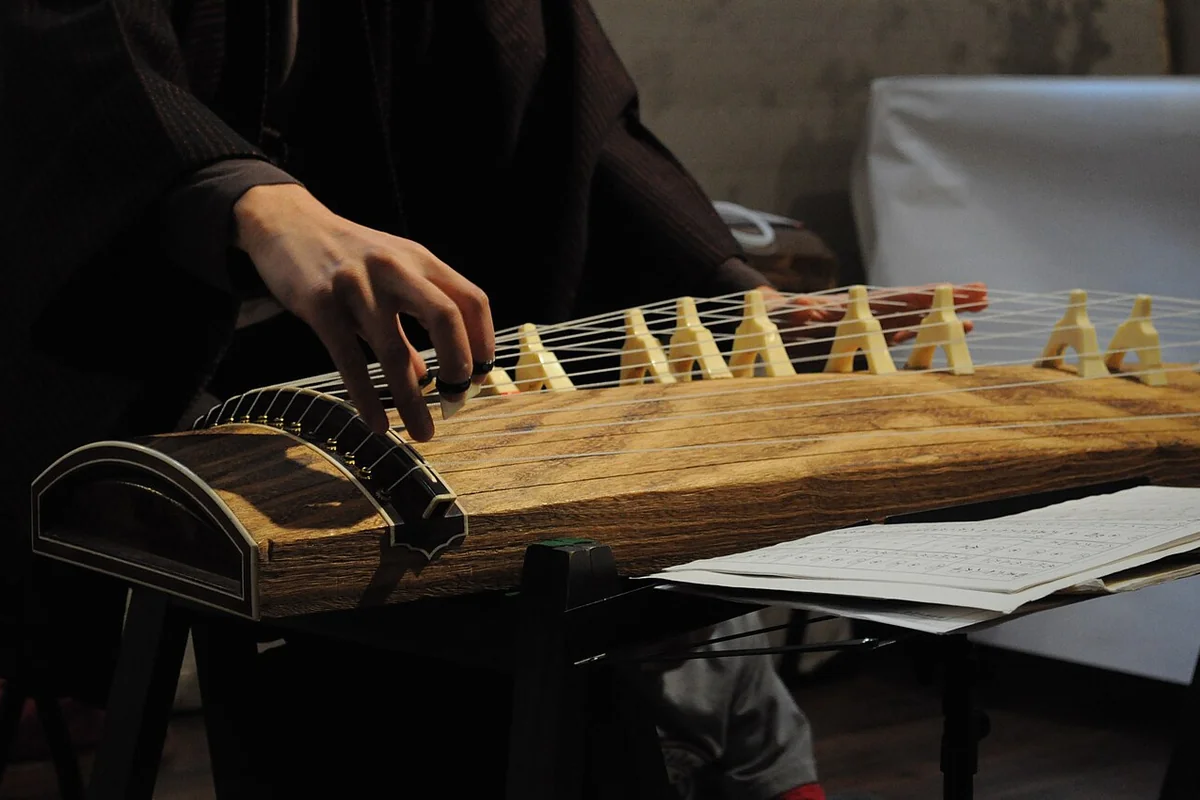
| Koto (箏) | Plucked zither, 13 strings | Solo and chamber music, New Year background music | Michio Miyagi |
| Biwa (琵琶) | Plucked lute, 4 or 5 strings | Recitation of The Tale of the Heike, Satsuma and Chikuzen ballads | Kinshi Tsuruta |
| Kokyū (胡弓) | Bowed string, 3 or 4 strings | Chamber music with koto and shamisen, Okinawan music | Shinei Matayoshi |
| Shakuhachi (尺八) | End-blown bamboo flute | Zen honkyoku pieces, chamber music, film and game scores | Katsuya Yokoyama |
| Shinobue (篠笛) | Side-blown bamboo flute | Festival bands, kabuki, folk song, taiko shows | The flautists of Kodo |
| Hichiriki (篳篥) | Double-reed pipe | Gagaku court music, Shinto weddings | Hideki Tōgi |
| Shō (笙) | Mouth organ, 17 bamboo pipes | Gagaku court music, contemporary classical music | Mayumi Miyata |
| Taiko (太鼓) | Drums, many sizes | Festivals, Obon dances, kabuki, stage ensembles | Kodo |
The strings come first below, then the winds, then the drums. If you only want one instrument, the shamisen and taiko each have a full guide of their own.

Japanese String Instruments: Shamisen, Koto, Biwa and Kokyū
Shamisen, the three-string lute of kabuki and Tsugaru
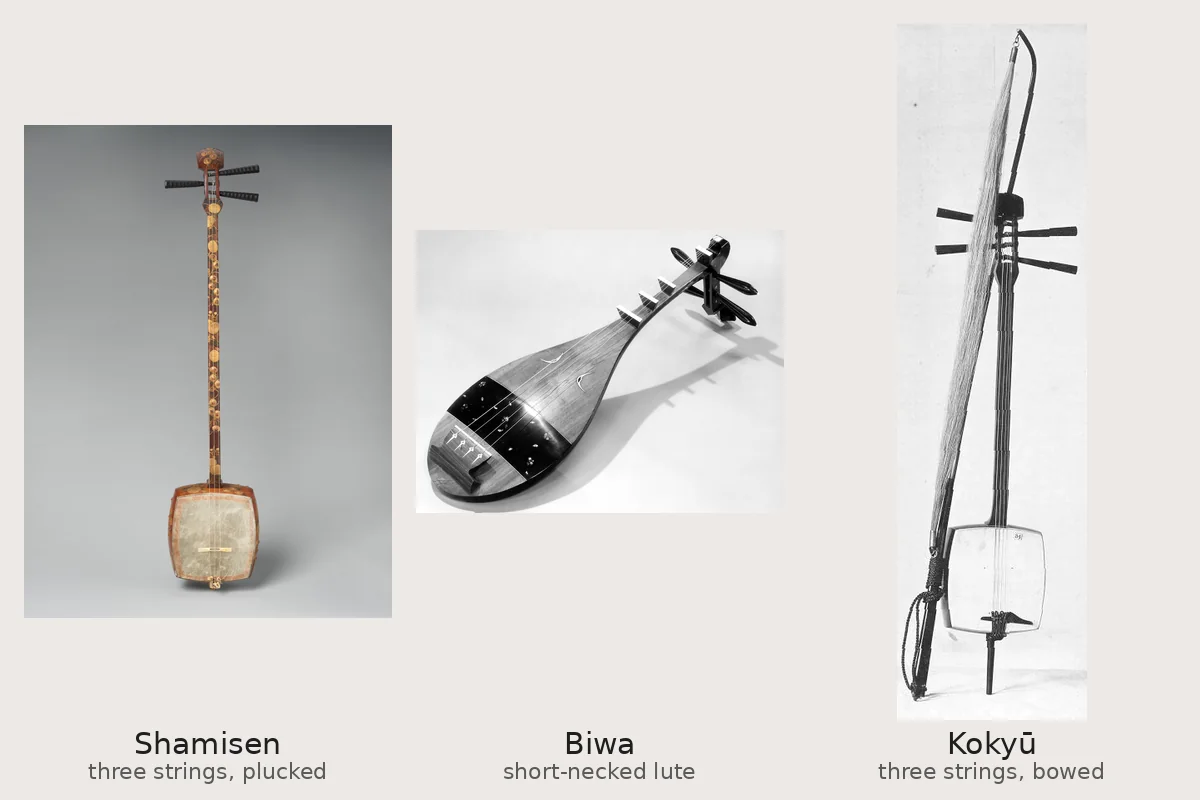
The shamisen has a long fretless neck, three strings and a small square body covered front and back with skin, so it sounds half guitar, half drum. Players strike it with a large plectrum called a bachi, which hits the string and the skin together. It reached Japan in the 16th century from the Ryukyu Kingdom, now Okinawa, where its ancestor, the snakeskin-covered sanshin, is still played. Zoë Kincaid, in Kabuki: The Popular Stage of Japan (1925), records it as the instrument that took over the early kabuki stage from the older Noh drums and flute.
There are three sizes, thin, medium and thick necked, and the thick Tsugaru shamisen from northern Japan is the one behind the fast, percussive playing most people picture. Our shamisen guide covers its history, the three types and the players to start with.
Koto, the 13-string zither played with ivory picks
The koto is a long wooden zither made from paulownia, with 13 strings stretched over movable bridges that the player slides to change the tuning. Alice Mabel Bacon, writing in Japanese Girls and Women (1902 edition, chapter two), described it as about six feet long, played kneeling, with ivory picks on the thumb, first and middle finger of the right hand, and “not unlike” the harp in sound.
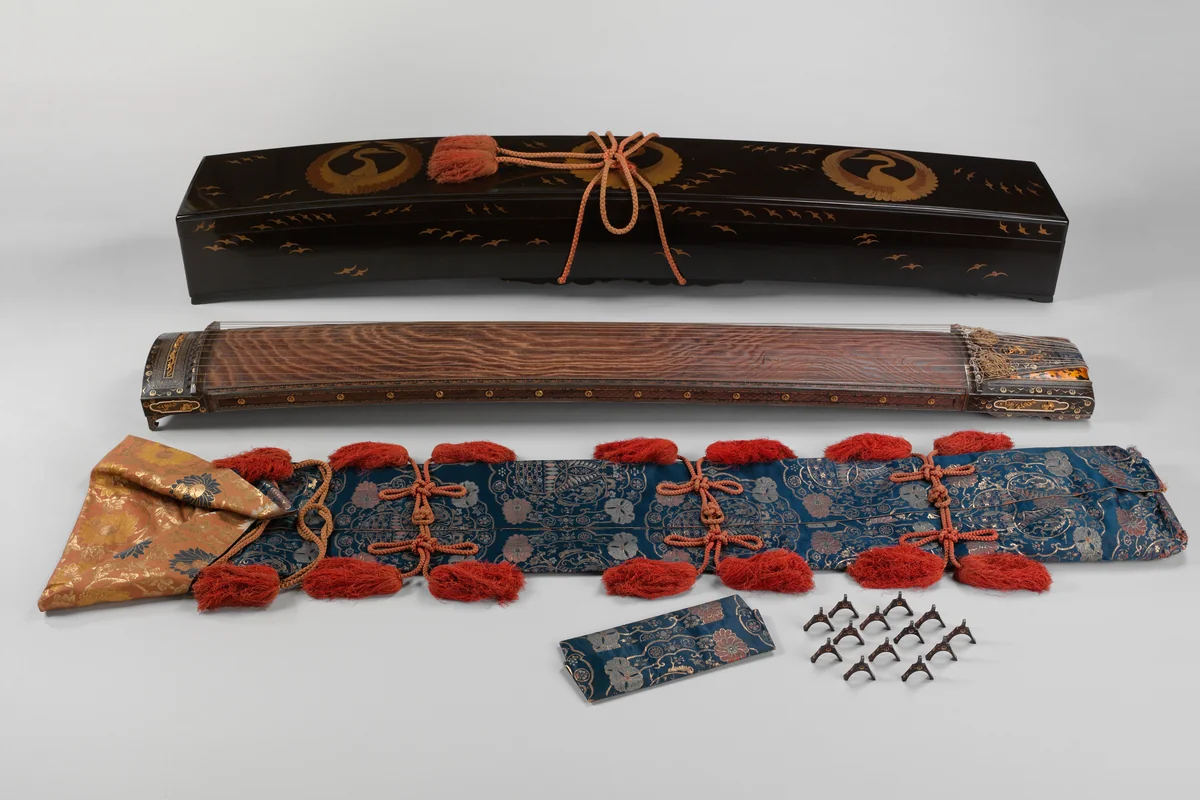
It came from China in the 7th and 8th centuries as a court instrument. The blind musician Yatsuhashi Kengyō (1614 to 1685) built the solo repertoire most koto players still learn, and Michio Miyagi, also blind, wrote Haru no Umi (The Sea in Spring) for koto and shakuhachi in 1929. In Japan it is still played over shop speakers every New Year, and Miyagi also invented a 17-string bass koto that is now common.
Biwa, the lute of the Heike storytellers
The biwa is a short-necked, pear-shaped lute with four or five strings, played with a wide plectrum. It reached Japan from China more than 1,200 years ago. Blind monks called biwa hōshi used it to chant The Tale of the Heike, the epic of the Taira clan’s fall at the sea battle of Dan-no-ura in 1185. Lafcadio Hearn’s ghost story Mimi-nashi-Hōïchi, in Kwaidan (1904), is about one of them: a blind player summoned at night to perform that battle for an audience of the drowned, who made “his biwa to sound like the straining of oars and the rushing of ships”.
The Satsuma biwa, from southern Kyushu, was used to train samurai of the Satsuma domain. Kinshi Tsuruta, who developed her own version of it, played it with the New York Philharmonic under Seiji Ozawa in November 1967 at the premiere of Tōru Takemitsu’s November Steps, alongside the shakuhachi of Katsuya Yokoyama.
Kokyū, the only Japanese string instrument played with a bow
The kokyū looks like a small shamisen held upright on the knee and played with a horsehair bow. It usually has three strings. It was once the third member of the sankyoku chamber trio with the koto and shamisen, until the shakuhachi took over that role in the 20th century. The Okinawan musician and instrument maker Shinei Matayoshi popularised a four-string version that widened its range.
Japanese Flutes and Wind Instruments: Shakuhachi, Shinobue, Hichiriki and Shō
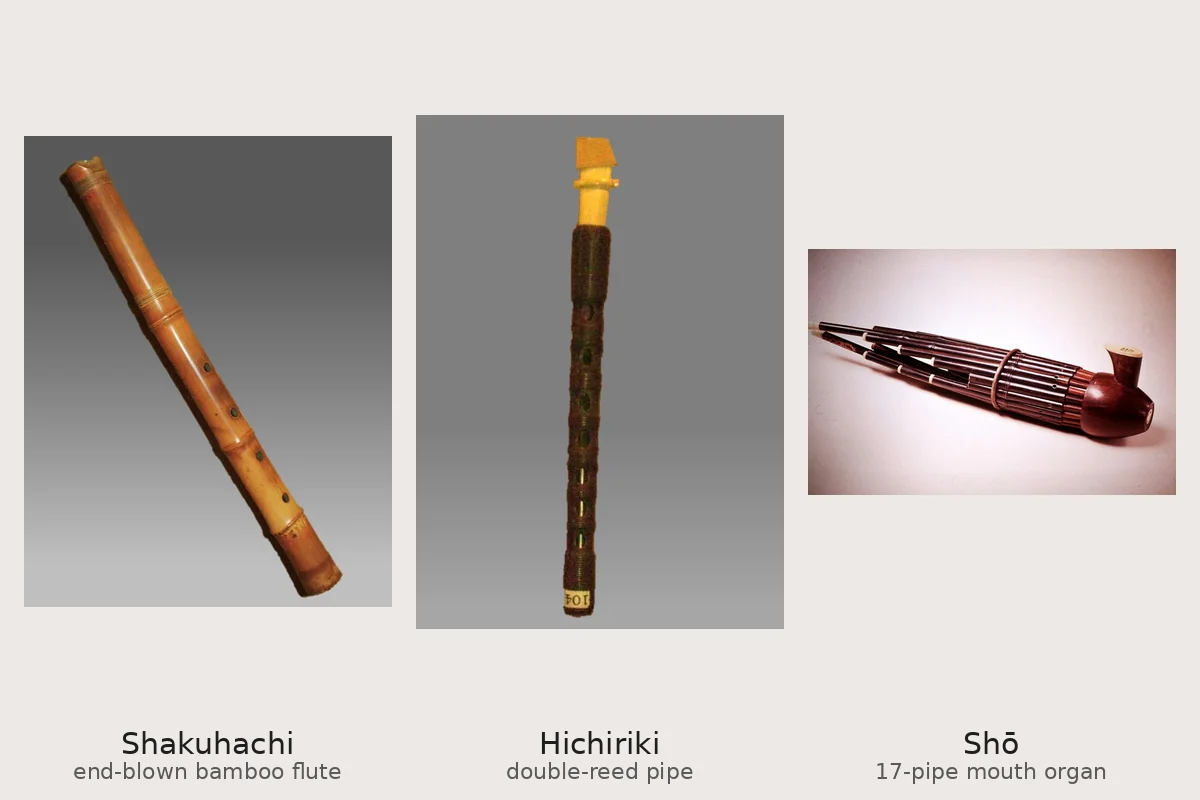
Shakuhachi, the bamboo flute of the komusō monks
The shakuhachi is an end-blown flute made from a single length of bamboo. Its name is a length: 1.8 shaku, about 54.5 centimetres. It has five finger holes, and players bend each note up or down by tilting the head, which gives the instrument its breathy, wavering voice. In the Edo period it belonged to the komusō, monks of the Fuke sect of Zen who wore basket hats over their heads and played honkyoku, solo pieces paced to the breath, as a form of meditation. The Meiji government abolished the sect in 1871.
If you want to hear a modern player push the instrument, the shakuhachi of Reison Kuroda on Dai Fujikura’s new album Reizei includes muraiki, a sudden burst of breath that sounds like a gust of wind.
Shinobue, the high festival flute
The shinobue is a side-blown bamboo flute with a bright, piercing sound that carries over a street full of drums. It leads the hayashi bands at festivals and plays in kabuki and folk song. There are three tunings: uta for singing, hayashi for festivals, and a “doremi” version tuned to the Western scale. Noh uses its own, harder-edged flute, the nōkan, which our guide to Noh theatre describes alongside the Noh drums.
Hichiriki, the double-reed lead of gagaku
The hichiriki is a short bamboo pipe with a large flat double reed. It is one of the two melody instruments of gagaku, the imperial court music, and the sound most visitors hear at a Shinto wedding. Players slide between notes with the lips in a technique called enbai, “salted plum”. Hideki Tōgi, who played in the Imperial Household’s music department from 1986 to 2000, left to record his own popular compositions on it.
Shō, the 17-pipe mouth organ that sounds when you breathe in
The shō is a ring of 17 slim bamboo pipes, 15 of them fitted with metal reeds, set into a small lacquered wind chamber. It sounds on both the in-breath and the out-breath, so it can hold a chord without stopping, and players warm it over a small heater between pieces so condensation does not silence the reeds. Its shape is said to copy a phoenix with folded wings. Lafcadio Hearn, in Glimpses of Unfamiliar Japan (1894), met a temple musician’s family who played it with the taiko, the hichiriki and the little waisted kakko drum at Buddhist festivals.
Mayumi Miyata was the first player to make the shō a solo instrument in contemporary music. She played the national anthem on it at the opening of the 1998 Nagano Winter Olympics and appears on Björk’s soundtrack for Drawing Restraint 9 (2005).
Taiko, the Japanese Drums
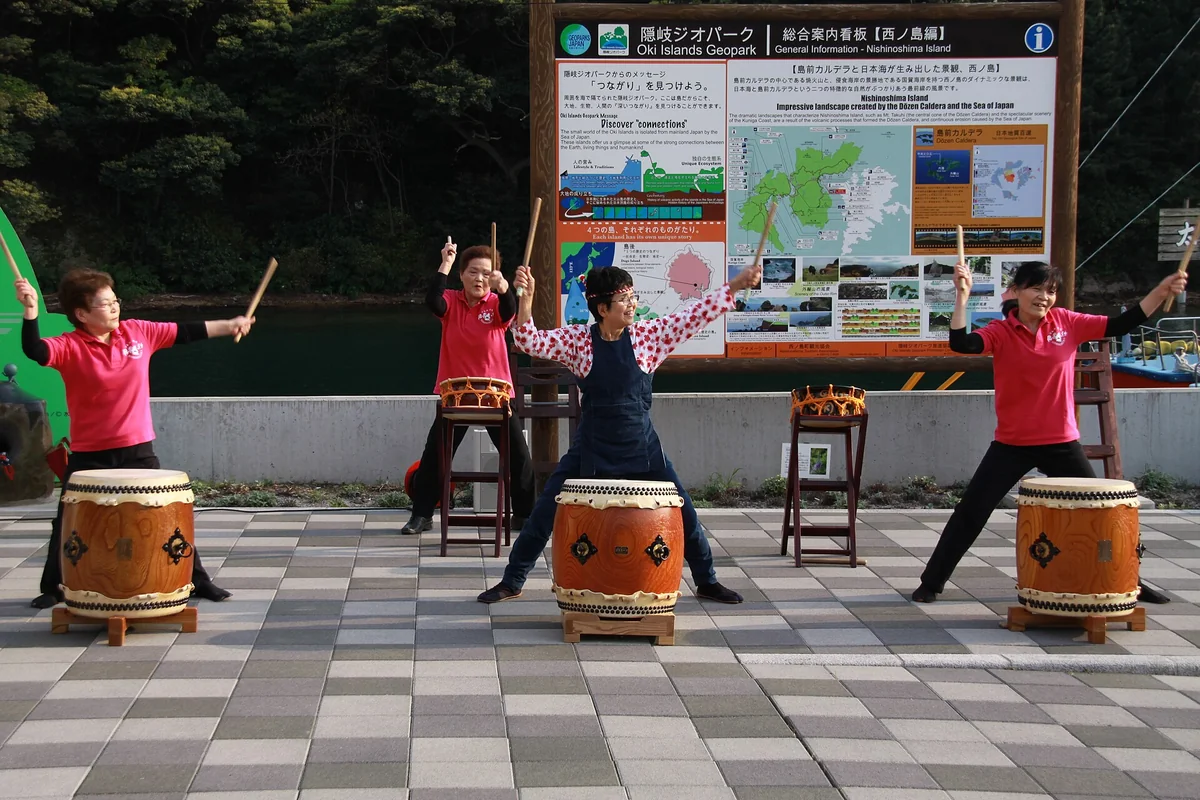
Taiko simply means drum, and Japan has dozens of them, from the huge ōdaiko that needs a stand of its own to the small rope-tightened shime-daiko that keeps time. Clay haniwa figures from the 6th century found in Gunma Prefecture already show drummers. For most of their history they belonged to shrines, temples, battlefields and festivals; the idea of a group of drummers playing a concert together only dates from 1951. Our guide to taiko drumming covers the types of drum, how the ensemble style began, Kodo and where to take a class in the UK.
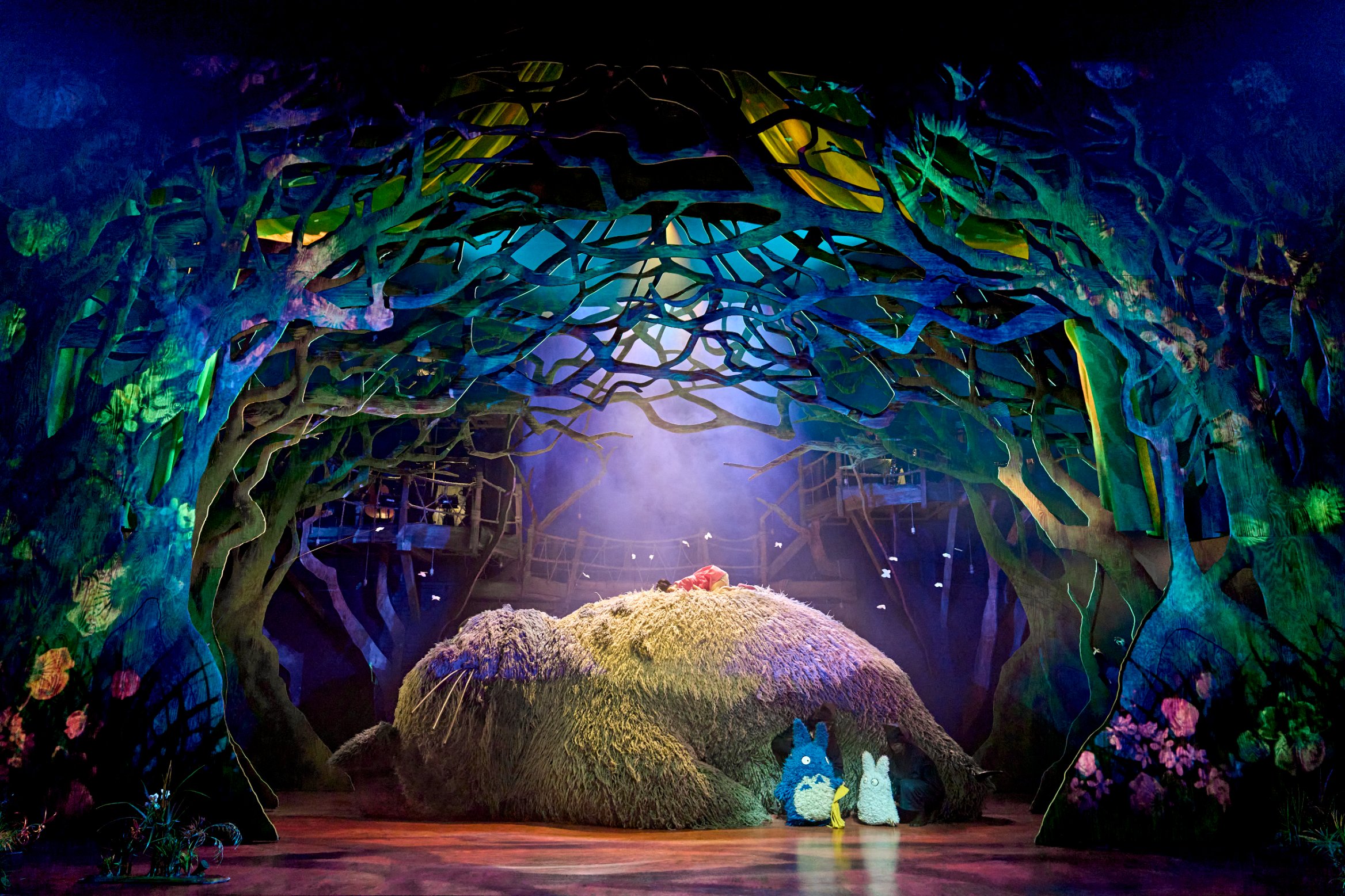
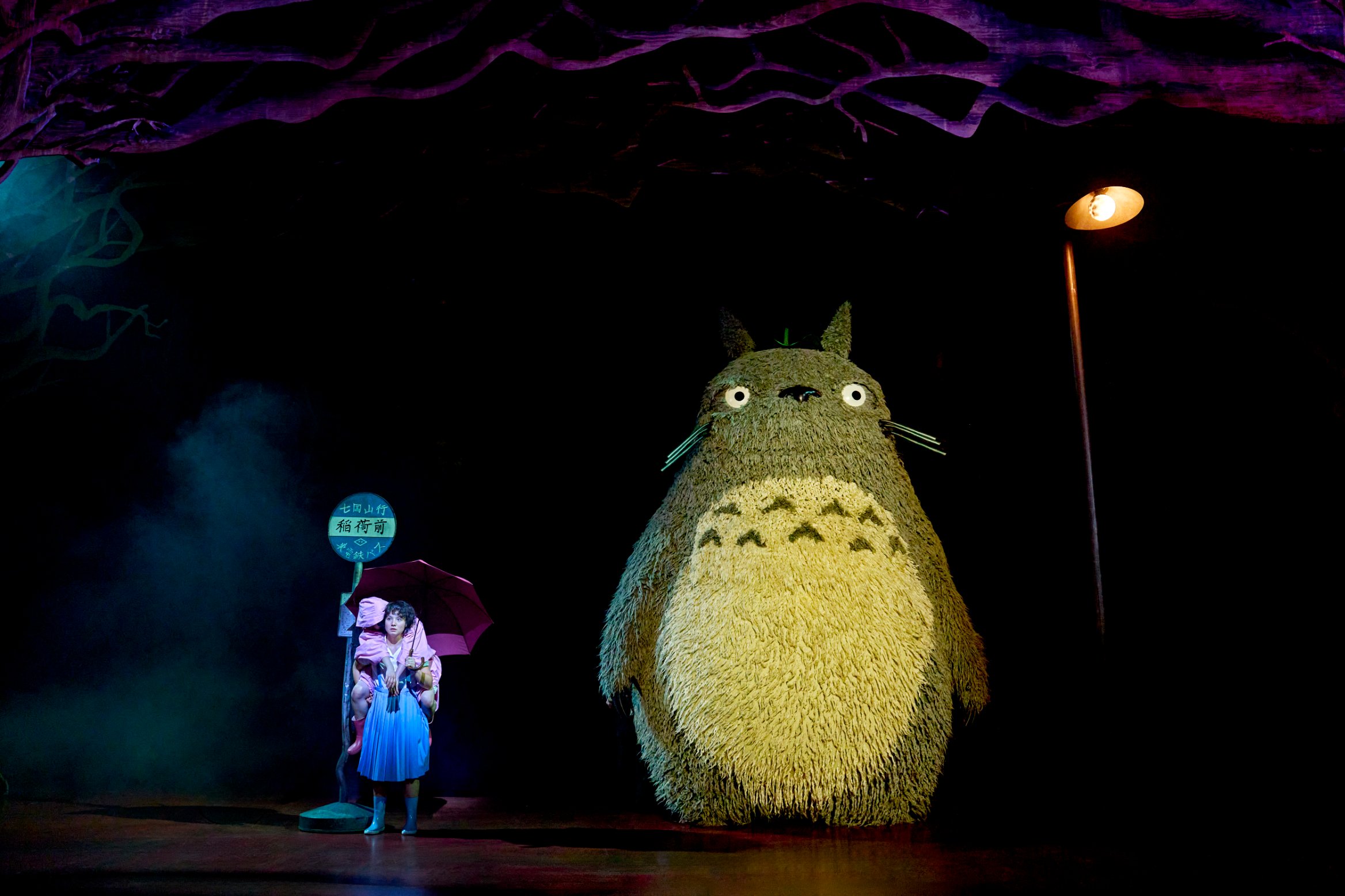

From Court Music to Anime Soundtracks
The oldest of these sounds is gagaku, the court music that came from the Asian mainland from the 7th century and is still performed by the Imperial Household. The shō, hichiriki, biwa and koto all entered Japan through it. The theatre added a second layer: the Noh drums and flute from the 14th century, then the shamisen, which, in Kincaid’s words, brought “strident, irregular rhythms” to kabuki and the puppet theatre from the early 1600s.
Western music arrived in the Meiji period and pushed many of these instruments to the margins, until composers such as Michio Miyagi and Tōru Takemitsu brought them back into concert halls. Today you are as likely to meet them on a soundtrack. Yasuharu Takanashi’s Naruto scores are built on shakuhachi, shamisen, shinobue and taiko, and the eight-piece Wagakki Band put koto, shakuhachi, shamisen and wadaiko into a rock line-up from 2013 until their hiatus at the end of 2024.
Where to Hear Japanese Instruments Live in the UK
The single best day of the year is Japan Matsuri in Trafalgar Square. The 2026 festival on Sunday 4 October brought shamisen, shakuhachi, koto, sanshin and taiko players to the same stage. The groups below also perform through the year, and several of them teach.
- SOAS Min’yō Group (London): founded by the late Dr David Hughes, this group sings Japanese folk song with shamisen, shakuhachi, flute and percussion players, and you do not need to be a SOAS student or speak Japanese to join. Details on the SOAS Min’yō Group site.
- London Okinawa Sanshinkai (London): Okinawan song on the sanshin, the shamisen’s ancestor, plus eisa drum dancing. Practices are on Saturdays from 3pm to 6pm in Room G52 at SOAS, and anyone can come along. In 2026 the group also played the Yokimono Japanese Market in Stratford in May. See the London Okinawa Sanshinkai site.
- Hibiki Ichikawa (London and Cambridge): a London-based Tsugaru shamisen player who played on the soundtrack of Kubo and the Two Strings. He teaches one-to-one at £40 an hour with a £10 first trial lesson, runs group classes at the Kaetsu Centre in Cambridge, and lends students an instrument. See his lessons page.
- Taiko groups: Taiko Meantime and the Tamashii School of Wadaiko-Dō both perform and teach in London; full details are in our taiko guide.
- Koto: the Sakura Cherry Tree Project brought koto, with Sakura Choir London and the soprano Nozomi Fukushima, to the 2026 Japan Matsuri stage. Its Japan UK Sakura site lists its events.
- Shakuhachi: the European Shakuhachi Society, founded in 2006, runs online workshops and a summer school (London hosted it in 2006 and 2011), open to beginners and non-members.
Kodo, the Sado Island ensemble that has given more than 7,500 performances in over 50 countries, last played London at the Royal Festival Hall on 6 and 7 March 2026. Its next international tour, announced on Kodo’s own site, is in the United States from January to March 2027, and no UK date had been announced when this guide was checked on 31 October 2026.
Questions About Japanese Instruments
What are traditional Japanese instruments called?
They are called wagakki (和楽器), which means Japanese musical instruments, as opposed to yōgakki, Western instruments. The best known are the shamisen, koto, shakuhachi and taiko. Older ones such as the shō and hichiriki survive mainly in gagaku, the imperial court music, while the shinobue and taiko dominate festival music.
What is the Japanese guitar called?
People usually mean the shamisen, a three-string, fretless lute with a skin-covered body, played with a large plectrum called a bachi. It sounds more percussive than a guitar because the plectrum strikes the skin as well as the string. The biwa, a pear-shaped lute, is the older Japanese instrument closest in shape to a guitar or mandolin.
What are Japanese drums called?
They are called taiko, which simply means drum. The big drum at the centre of a performance is the ōdaiko, the barrel drums on stands are nagadō-daiko, and the small rope-tightened drum that keeps the beat is the shime-daiko. Ensemble drumming on several taiko at once, called kumi-daiko, began in 1951.
What is the Japanese flute called?
There are several. The shakuhachi is the end-blown bamboo flute used in Zen meditation pieces and many film scores. The shinobue is the high side-blown flute of festivals, the ryūteki is the side-blown flute of court music, and the nōkan is the sharp flute of Noh theatre. Fue (笛) is the general word for a flute.
Can you learn a Japanese instrument in the UK?
Yes. In London, Hibiki Ichikawa teaches Tsugaru shamisen, the London Okinawa Sanshinkai teaches sanshin on Saturdays at SOAS, the SOAS Min’yō Group welcomes beginners to its folk song sessions, and several taiko groups run beginners’ classes. The European Shakuhachi Society runs online shakuhachi workshops open to all levels.