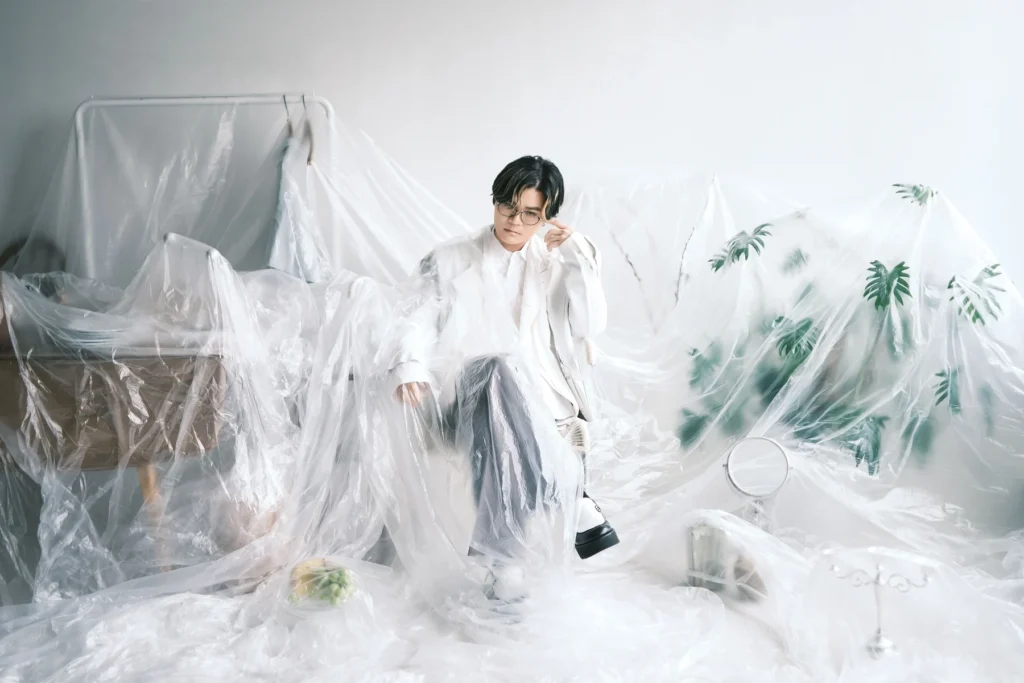
Hidejiro Honjoh rang Dai Fujikura one day with a simple wish: “I want to play with Claire Chase!”
Honjoh is a shamisen player, and has been Fujikura’s own shamisen teacher since the pandemic. Chase is the American flautist he wrote his Double Concerto for. The two had played together before and loved it, but nothing existed for shamisen and flute that they could play.
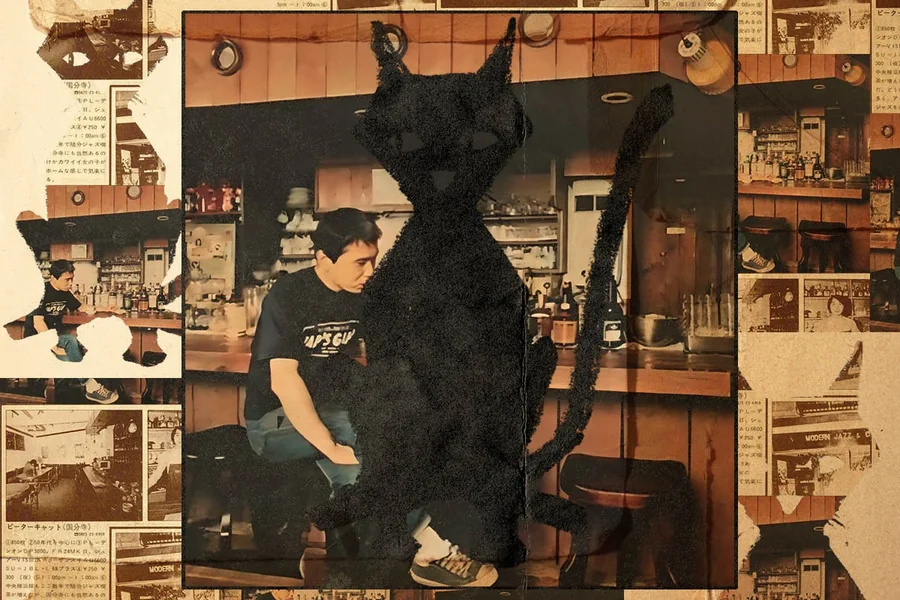
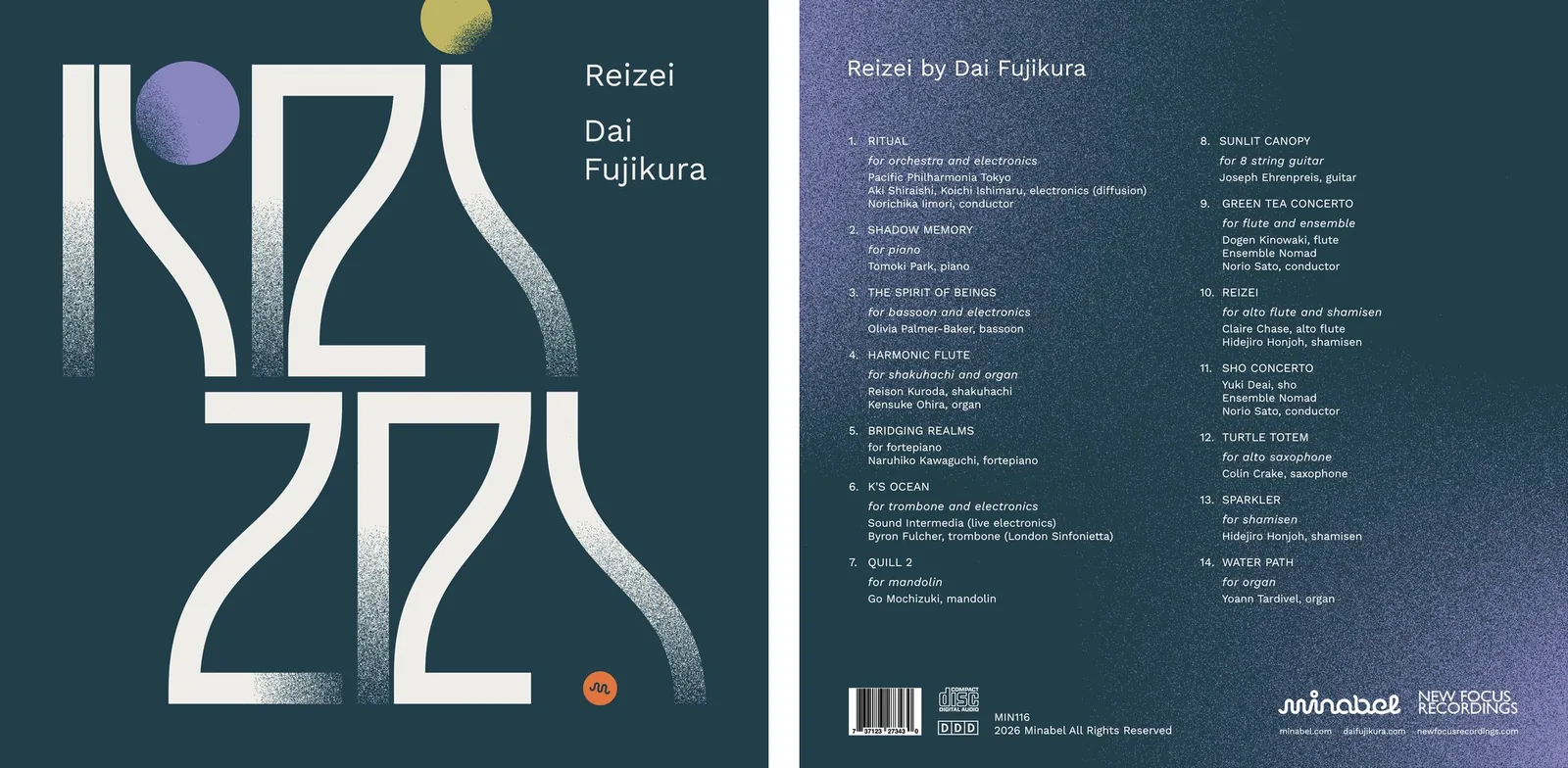
So Fujikura wrote it. The duo is called Reizei, and it now gives its name to his new double album, released by Sony Music Japan in Japan on 14 October and worldwide on his own label, Minabel, on 23 October.
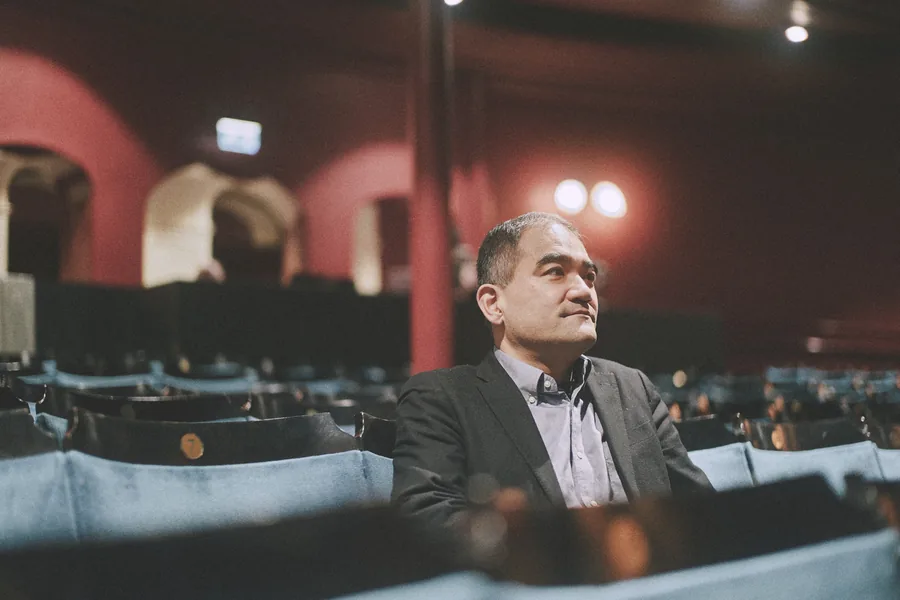
The record gathers fourteen of his works, putting shamisen, shakuhachi and shō beside orchestra, fortepiano, organ, mandolin and electronics. Almost every piece on it began with one particular musician, and those musicians are where Fujikura wanted to start.
Hidejiro Honjoh, Claire Chase and a duo with nothing to play
In his booklet note Fujikura admits his first thought was “who wouldn’t want to play with Claire Chase? Am I a miracle worker?”
When we asked what a listener should catch in the shamisen part, he brought us straight back to that phone call:
“Hidejiro wanted to play with Claire Chase, but no piece existed for shamisen and flute, so I wrote this piece to make that happen.”
Reizei was commissioned jointly by Hakuju Hall in Tokyo and by Chase, with funds from the Music Department at Harvard University. The pair gave the world premiere at Tippet Rise Art Center in Montana on 24 August 2024, and the album recording was made at Hakuju Hall.
The title means cold spring, and Fujikura thinks it was Honjoh’s idea. Chase plays alto flute. Honjoh plays a chuzao, the middle of the three shamisen types, and Fujikura is firm that it is not a tsugaru shamisen, the heavier instrument with its own folk repertoire. In the booklet he calls Reizei a small piece that may one day grow into a double concerto for flute and shamisen.
Writing fingerings for the man who taught him the shamisen
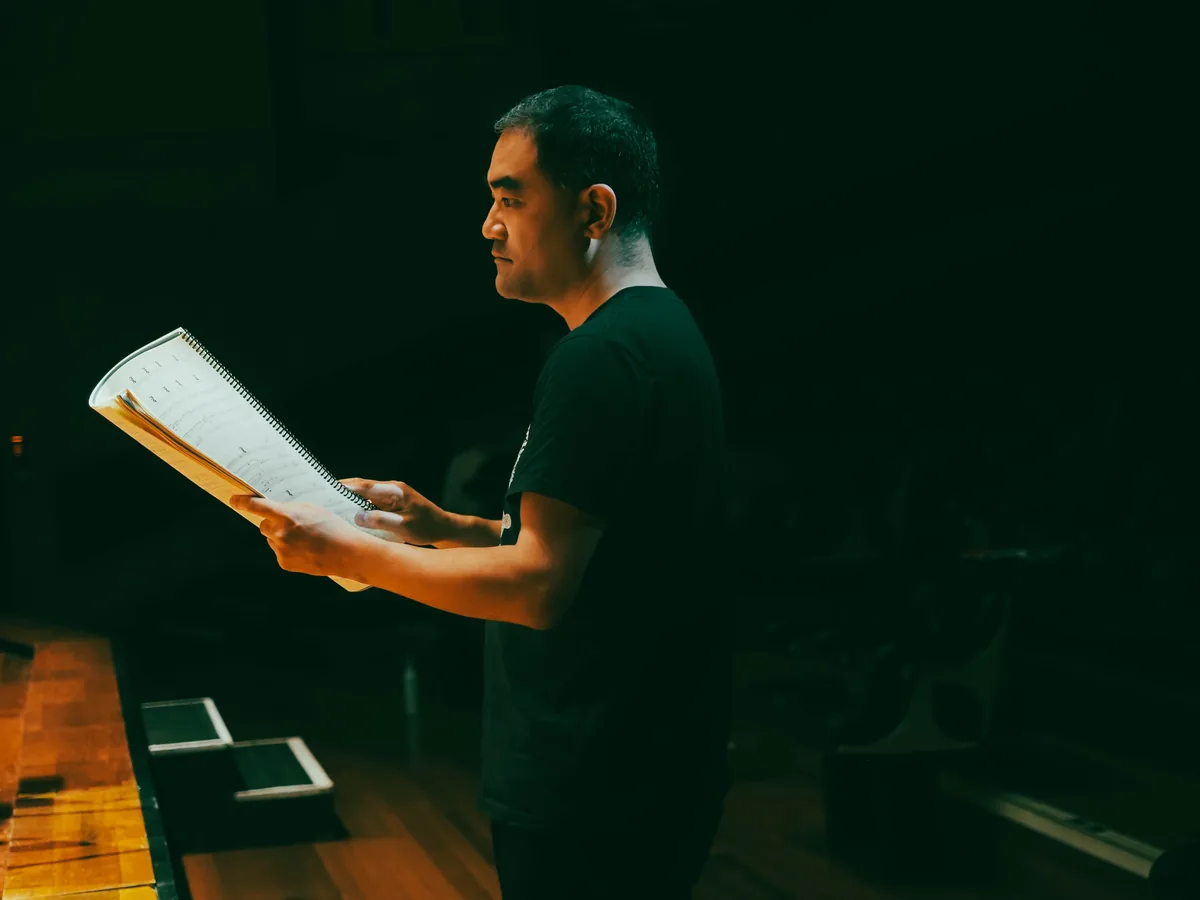
Fujikura plays the shamisen himself while he writes for it, which turned this collaboration into something closer to a lesson:
“Hidejiro is a particularly important example because our relationship also made me a student again. I have been learning the shamisen from him since the pandemic, and I use the instrument while composing.”
Then the roles flip:
“The funny thing is that I even write very specific fingerings and playing instructions into the score. Then I find myself demonstrating them to him, saying, half jokingly, ‘Play it like this!’ It is like one of our shamisen lessons, except we have swapped roles. We end up giggling.”
Honjoh also plays the solo track Sparkler, which began life as a cello piece full of extended techniques. It was Honjoh who suggested a shamisen version, and the cello techniques turned out to sit naturally on his instrument. Fujikura wondered whether he had been writing a shamisen piece all along.
“Changing the instrument can reveal something about the music that I had not noticed before.”
For a very different use of the same instruments, we asked Yasuharu Takanashi how his Naruto band handles shamisen and shakuhachi sounds live.


Mihail Mihaylov chose the title track for its letters
The album could have been named after the Sho Concerto or Ritual, both larger pieces. The reason it was not has nothing to do with the music. Fujikura hands the decision to his designer:
“My album covers and booklets are designed by Mihail Mihaylov, a brilliant designer based in Norway. His starting point is typography: the shapes of the letters, how the words look, and what they mean.”
He sends Mihaylov the list of titles and lets him pick. This time Mihaylov chose Reizei, “and that was great for me!”
Muraiki, the shakuhachi breath that sounds like a gust of wind
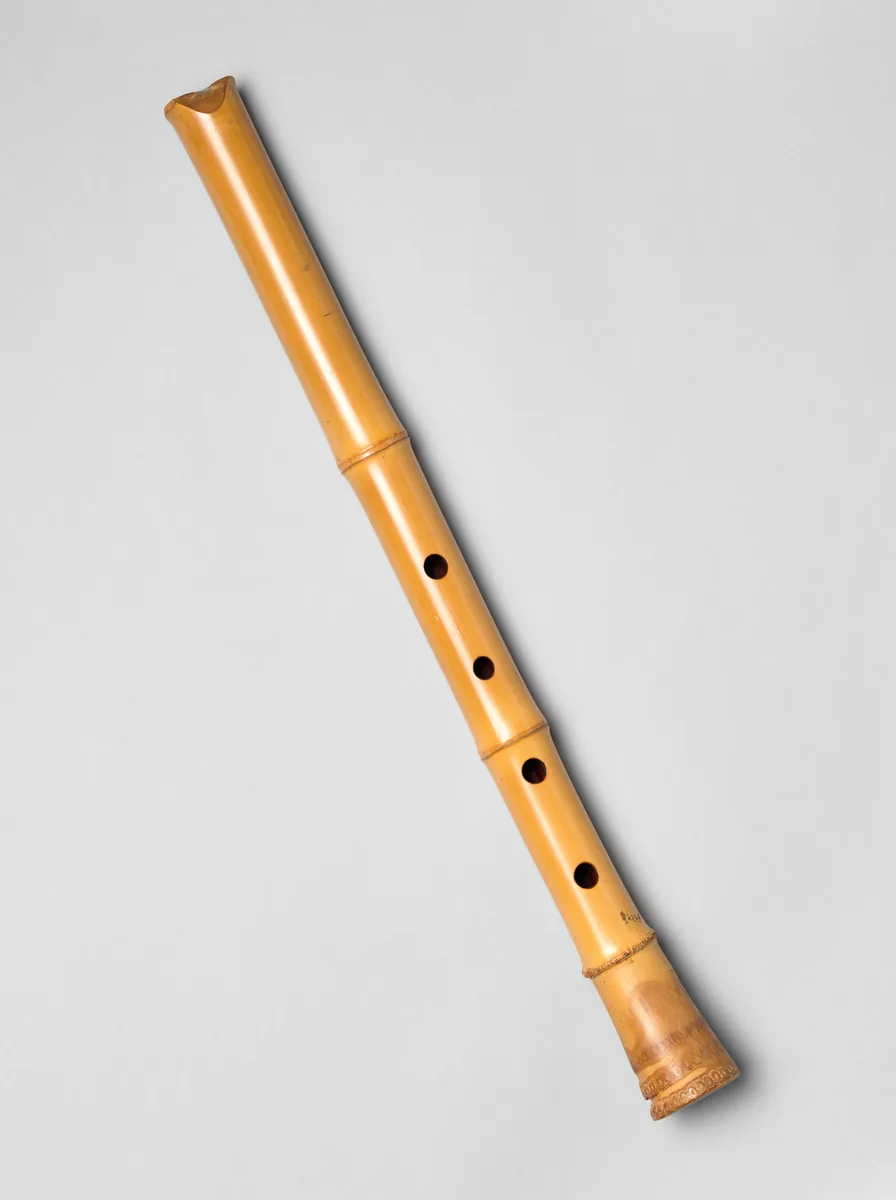
Harmonic Flute pairs the shakuhachi of Reison Kuroda with the organ of Kensuke Ohira, an instrument Fujikura calls the oldest synthesiser in Western music. We asked which of its shakuhachi techniques a first time listener could actually catch:
“Muraiki, for instance: a sudden, forceful breath that makes the sound rough and airy, almost like a gust of wind. You can hear the breath itself becoming part of the musical expression.”
Listen for those bursts against the soft, floating flute stops of the organ.
Yuki Deai’s shō and an ensemble that breathes with it
The shō is the mouth organ of gagaku, the Japanese court music. Lafcadio Hearn, writing in Glimpses of Unfamiliar Japan (1894), described it as “a sort of mouth-organ consisting of seventeen tubes of different lengths”.
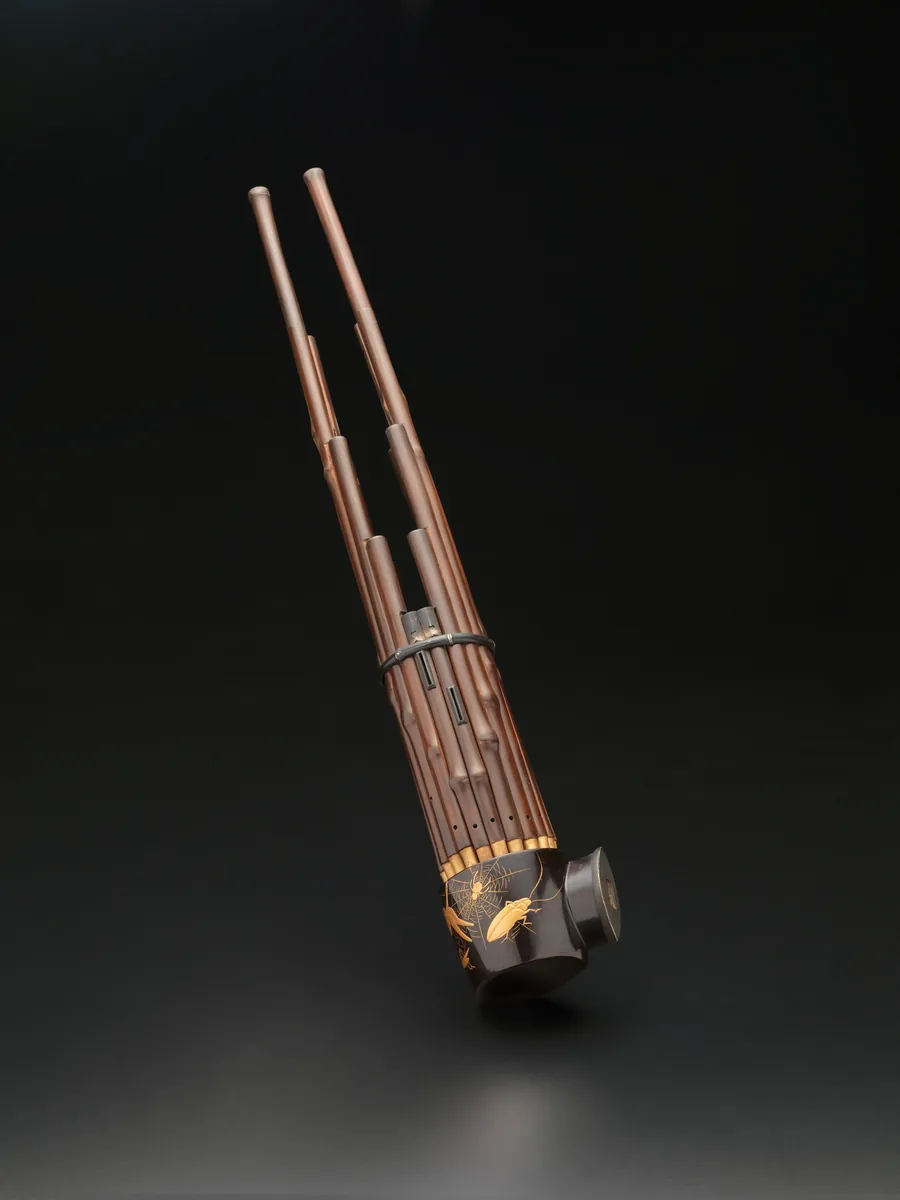
Fujikura wrote his Sho Concerto for Yuki Deai, commissioned by Birmingham Contemporary Music Group and premiered in Birmingham in April 2025. In his booklet note he wants everyone breathing together. In practice, he says, that comes down to this:
“The important thing is how one sound passes and transforms into another. I want the listener to feel the ensemble growing out of the shō’s sound, and then becoming part of it again.”
The album version was recorded live on 1 March 2026 at Tokyo Metropolitan Theatre, with Deai again as soloist and Ensemble Nomad under Norio Sato. It meant something more to him than a second performance:
“It was lovely to hear this piece first in Birmingham, played by another ensemble, but it was great to hear another interpretation of the work, even with the same soloist, at Born Creative Festival, especially as it was the last edition of the festival I was artistic director of.”








Naruhiko Kawaguchi and a fortepiano built in Gdańsk in 1842
Bridging Realms is Fujikura’s third solo piece for fortepiano, written for the specialist Naruhiko Kawaguchi. It was commissioned by the Fryderyk Chopin Institute for the 2nd International Chopin Competition on Period Instruments, and Kawaguchi plays a Wiszniewski instrument built in Gdańsk in 1842. Fujikura sent fragments, and Kawaguchi recorded them on his phone and sent them back.
We asked what an old instrument does that a modern concert grand cannot:
“To me, a fortepiano sounds much more intimate, like speaking to someone you love and care about who is sitting right in front of you. A modern concert grand can do that too, but on a larger scale, like one person addressing a whole audience.”
An instrument that old also makes noise of its own, which left Fujikura with a decision at the mastering desk:
“With such an old instrument, I had to make some difficult decisions while mastering the recording: how much of the mechanical noise should I leave in, and how much should I remove?”
Tomoki Park, and the Notre-Dame organ at midnight
Shadow Memory was commissioned by the pianist Tomoki Park, who was Fujikura’s pupil at the Purcell School at about fifteen. In the booklet Fujikura admits that showing his former student the piece each day made him very nervous.
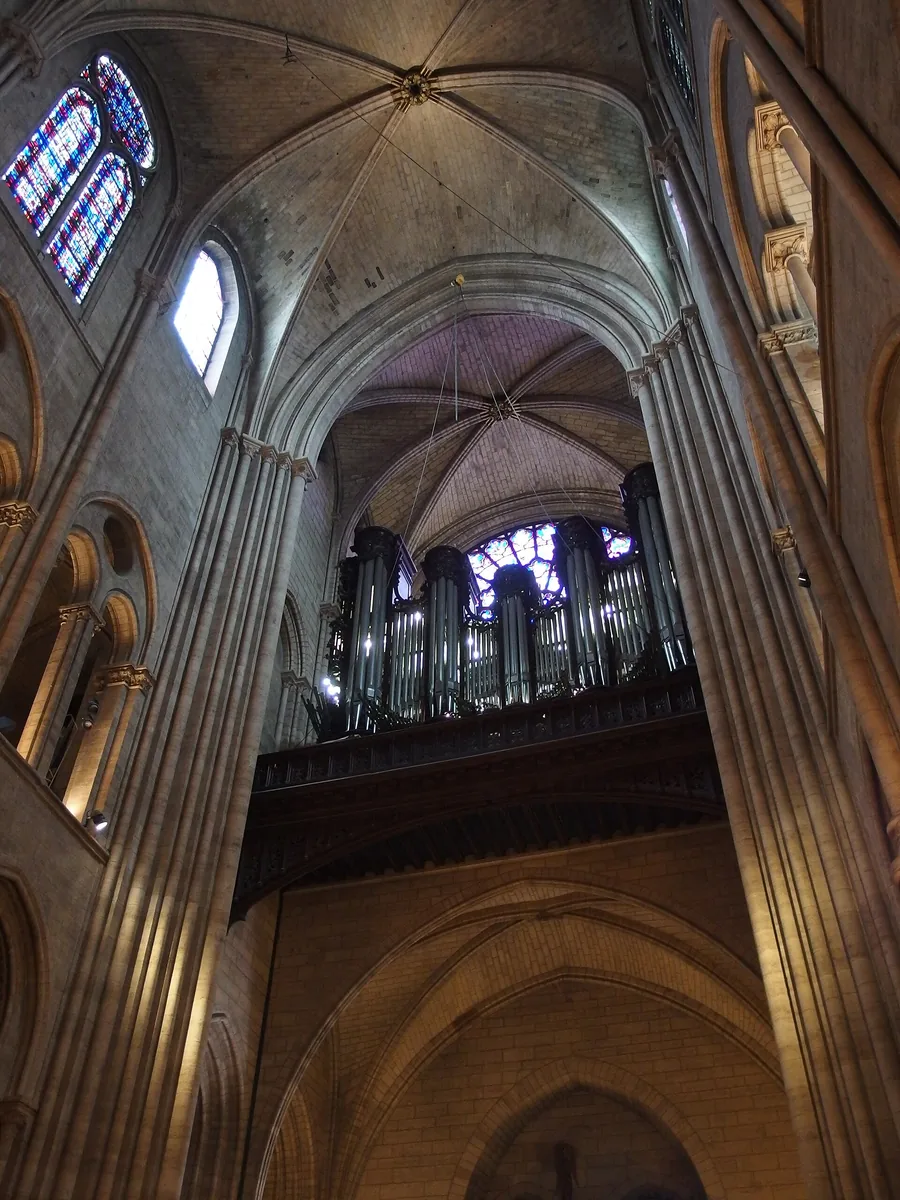
Water Path, for organ, goes back to a text from the organist Yoann Tardivel asking him to come and see an organ at midnight. The organ turned out to be Notre-Dame’s. What stayed with Fujikura was the echo of the empty cathedral, and he wrote the piece imagining “the previous harmony still being in the air when the next one arrives”.
Ritual, the “anti-Boulez” piece to play first
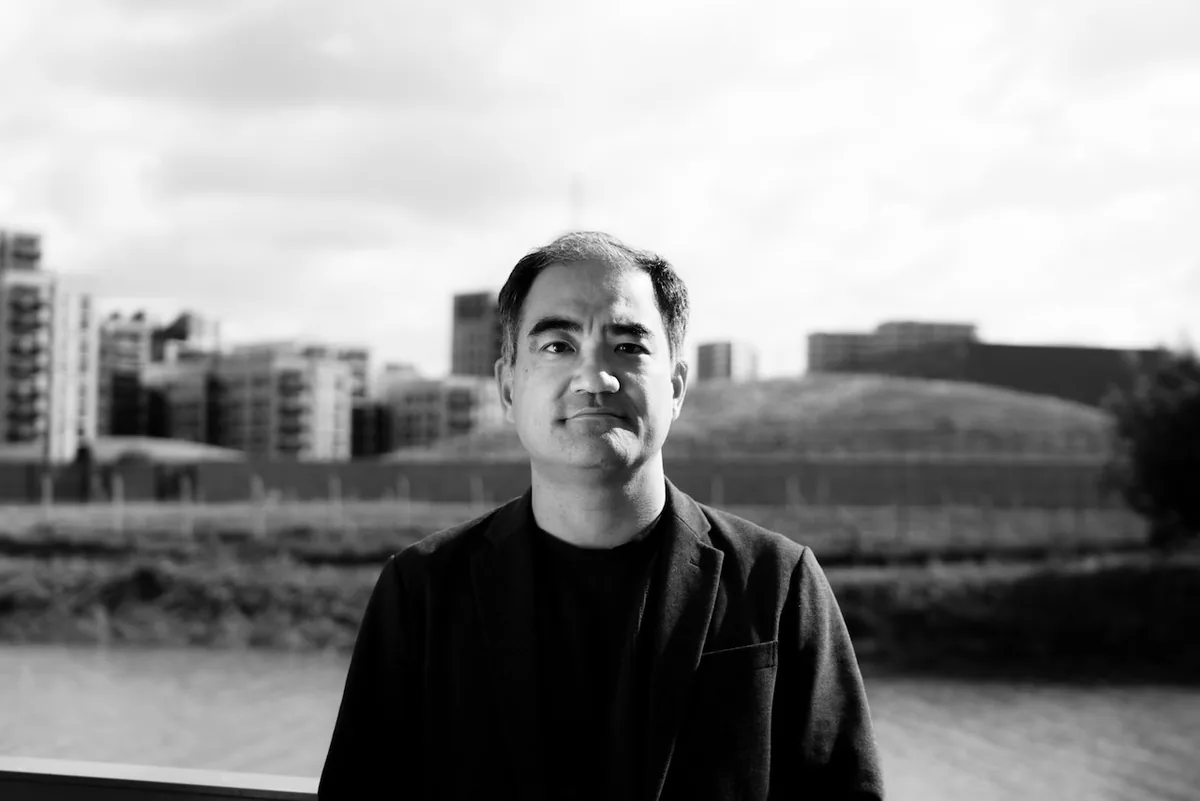
Fujikura calls the album a box of different cookies, all made by him, and would rather you started anywhere. Pressed for one, he picked Ritual.
It was written for the Pierre Boulez centenary in 2025 as a companion to Répons, which Fujikura calls perhaps his favourite piece of all time. On the commissioning call he promised to do everything opposite to what Boulez would do, and “does it sound anti-Boulez?” became the catchphrase while he made the electronics at IRCAM in Paris. The joke, he says, had a serious reason:
“Répons means so much to me that trying to write another version of it, and then having it played just before the masterpiece, as planned for Ritual’s world premiere, would be silly. I would only be disturbing everyone’s experience, especially my own!”
The IRCAM team told him afterwards that they could all hear the affection behind it. If you want the man behind the tribute, he told us about Boulez’s remarkably empty dressing rooms back in August.
A self released record, mixed and mastered by Fujikura
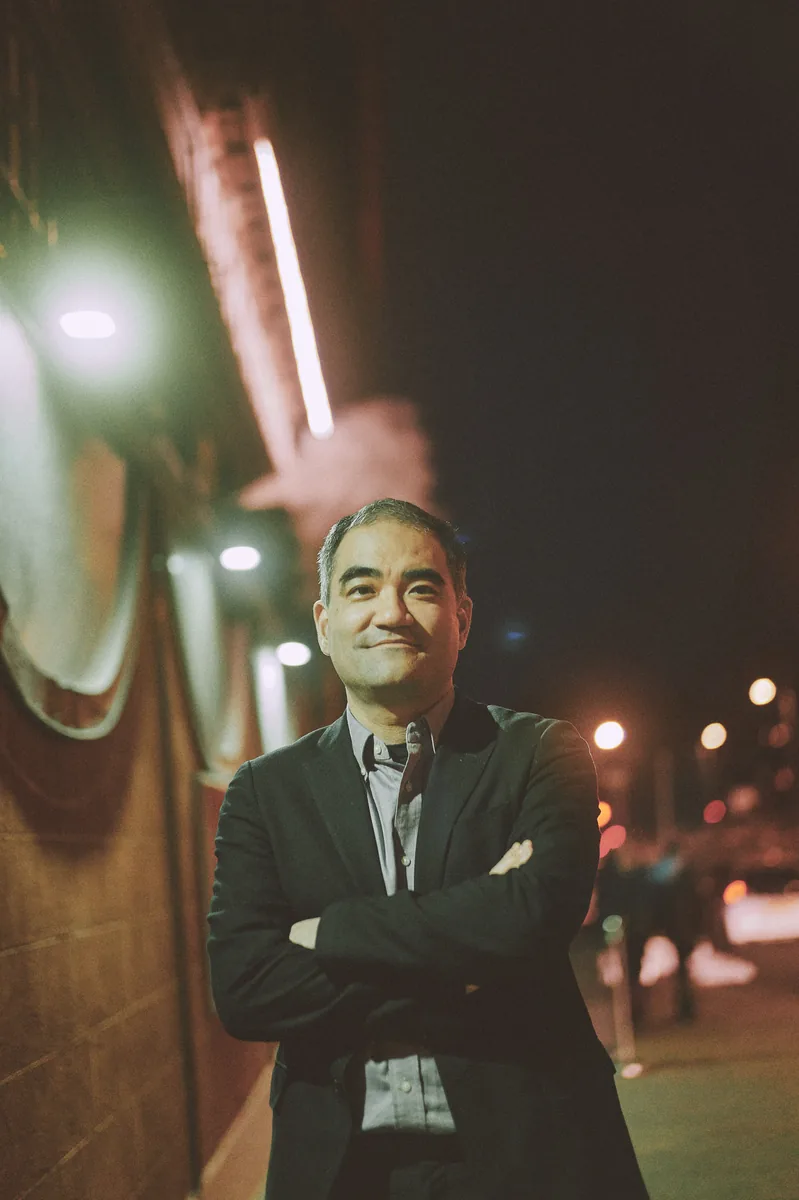
Reizei is a Minabel release, Fujikura’s own label, and he has funded it himself. Sony Music Japan licenses it in Japan, and New Focus Recordings handles distribution outside Japan. Fujikura composed, edited, mixed and mastered every track himself:
“For me, editing, mixing and mastering are musical decisions too. I want to keep the character of each performance while making the movement between a solo instrument, a duo and a larger ensemble feel convincing on the album.”
Reizei is out now in Japan and arrives worldwide as a digital release on 23 October, with more on Fujikura’s own site. Pre-add it on Apple Music using the button below and it will arrive in your library on release day.
You can also order the album as a download, including a high resolution version, from Presto Music, and the Japanese release is listed on Sony Music Japan.
Reizei track list and performers
- Ritual, for orchestra and electronics. Pacific Philharmonia Tokyo, Norichika Iimori (conductor), Aki Shiraishi and Koichi Ishimaru (electronics)
- Shadow Memory, for piano. Tomoki Park
- The Spirit of Beings, for bassoon and electronics. Olivia Palmer-Baker
- Harmonic Flute, for shakuhachi and organ. Reison Kuroda, Kensuke Ohira
- Bridging Realms, for fortepiano. Naruhiko Kawaguchi
- K’s Ocean, for trombone and electronics. Byron Fulcher (London Sinfonietta), Sound Intermedia
- Quill 2, for mandolin. Go Mochizuki
- Sunlit Canopy, for 8 string guitar. Joseph Ehrenpreis
- Green Tea Concerto, for flute and ensemble. Dogen Kinowaki, Ensemble Nomad, Norio Sato (conductor)
- Reizei, for alto flute and shamisen. Claire Chase, Hidejiro Honjoh
- Sho Concerto. Yuki Deai (shō), Ensemble Nomad, Norio Sato (conductor)
- Turtle Totem, for alto saxophone. Colin Crake
- Sparkler, for shamisen. Hidejiro Honjoh
- Water Path, for organ. Yoann Tardivel
Sources and further reading
Lafcadio Hearn, Glimpses of Unfamiliar Japan, Second Series (1894), chapter four, From the Diary of an English Teacher.