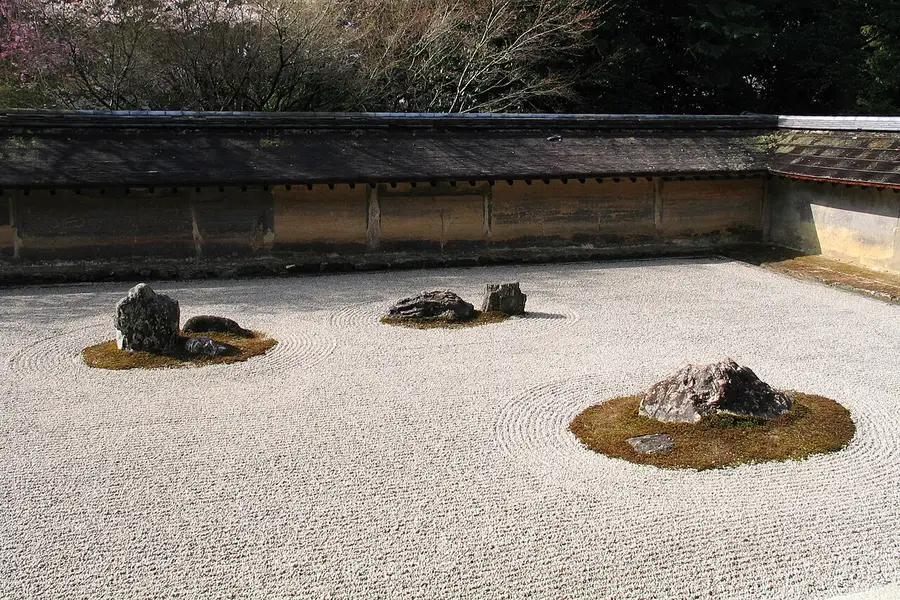
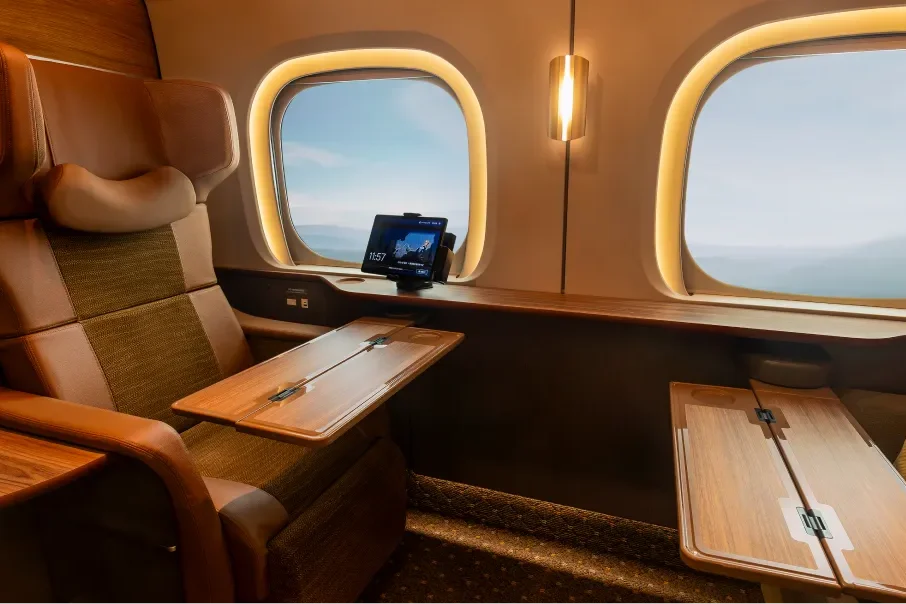
Imagine strolling through a quiet Tokyo neighbourhood at dusk, returning not to a generic hotel room but to a local home where a friendly host swapped lives with you. In a world grappling with rising costs and a craving for “real” experiences, the travel industry is shifting toward authentic models. Home swaps, or house exchanges, are enjoying a renaissance in this new era.
Home Swapping’s Comeback as Trust-Based Travel
In a time of rising accommodation costs, algorithm-driven bookings, and tourist fatigue, more travellers are turning to an old idea made new again: trust-based travel. At its heart, authentic trust-based travel is about genuine connection over commercial transactions.
You’re not booking a hotel, you’re swapping homes with someone on the other side of the world. There’s no payment. No middleman markup. Just a mutual agreement to step into each other’s lives and live like locals.
Think The Holiday (yes, that 2006 movie), but strip away the Christmas cheesiness, the rom-com clichés, and all that “Cameron-Diaz-sobbing-in-an-English-cottage” energy. What’s left is the core idea: living in someone else’s home and soaking up their lifestyle in an entirely different part of the world. And honestly? That part rules.
As Travel Noire notes, home swapping “is, once again, seeing a comeback and making waves in the travel industry.” The appeal is clear: travellers connect with each other’s lives, not just each other’s homes. By swapping houses, “travelers can learn more about other cultures and try out their dream lifestyle”, a win-win that blends adventure with authentic living. This model is part of a broader cultural shift, away from purely transactional tourism and toward experiences rooted in trust, reciprocity, and real-life immersion.
Why Home Swapping Suits Remote Workers
Remote work isn’t just a temporary shift: it’s a permanent upgrade in how we live and work. What began as a niche lifestyle choice under the “digital nomad” banner has now evolved into a much wider, more flexible reality. Today, remote workers range from full-time globe-trotters to professionals who spend a few weeks abroad each year, all looking to blend productivity with new experiences.
In the early days, being a digital nomad meant bouncing between co-living spaces and budget Airbnbs, living spontaneously with your laptop and passport as your constants. Some of us still remember when last-minute hostel bookings were the norm, and cost less than lunch. It was scrappy, exciting, and fuelled by wanderlust.
But times have changed. Airbnbs now cater more to tourists than travellers. In cities like Lisbon and Barcelona, backlash against short-term rentals is reshaping local policy. Long-term leases are inflexible. Today, hostels feel more like overpriced student dorms than places to work.
So where does that leave today’s remote worker, whether they’re on the road full-time or just looking to relocate for a season?
Swaphouse: Home Swaps for Remote Professionals
A platform built for today’s remote professionals, from seasoned nomads to those taking their first few weeks abroad with laptop in tow.
Swaphouse represents a smarter, more sustainable progression of the remote lifestyle. It lets you swap homes with like-minded professionals, people who get the need for fast Wi-Fi, a quiet workspace, and a kettle within reach of your desk. It’s a solution that respects local communities, saves money, and keeps the adventurous spirit of the movement alive.
In fact, home swapping in this day and age feels like the most natural extension of the remote worker philosophy. Sure, the idea of The Holiday (2006) might be as old as it is corny (maybe even cornier) but today it feels freshly relevant, repackaged for a generation of online professionals, frequent business travellers, and globally curious adventurers. Its biggest draw? It solves a modern problem with a surprisingly simple, human-centred solution: trade spaces, cut costs, and live more authentically.
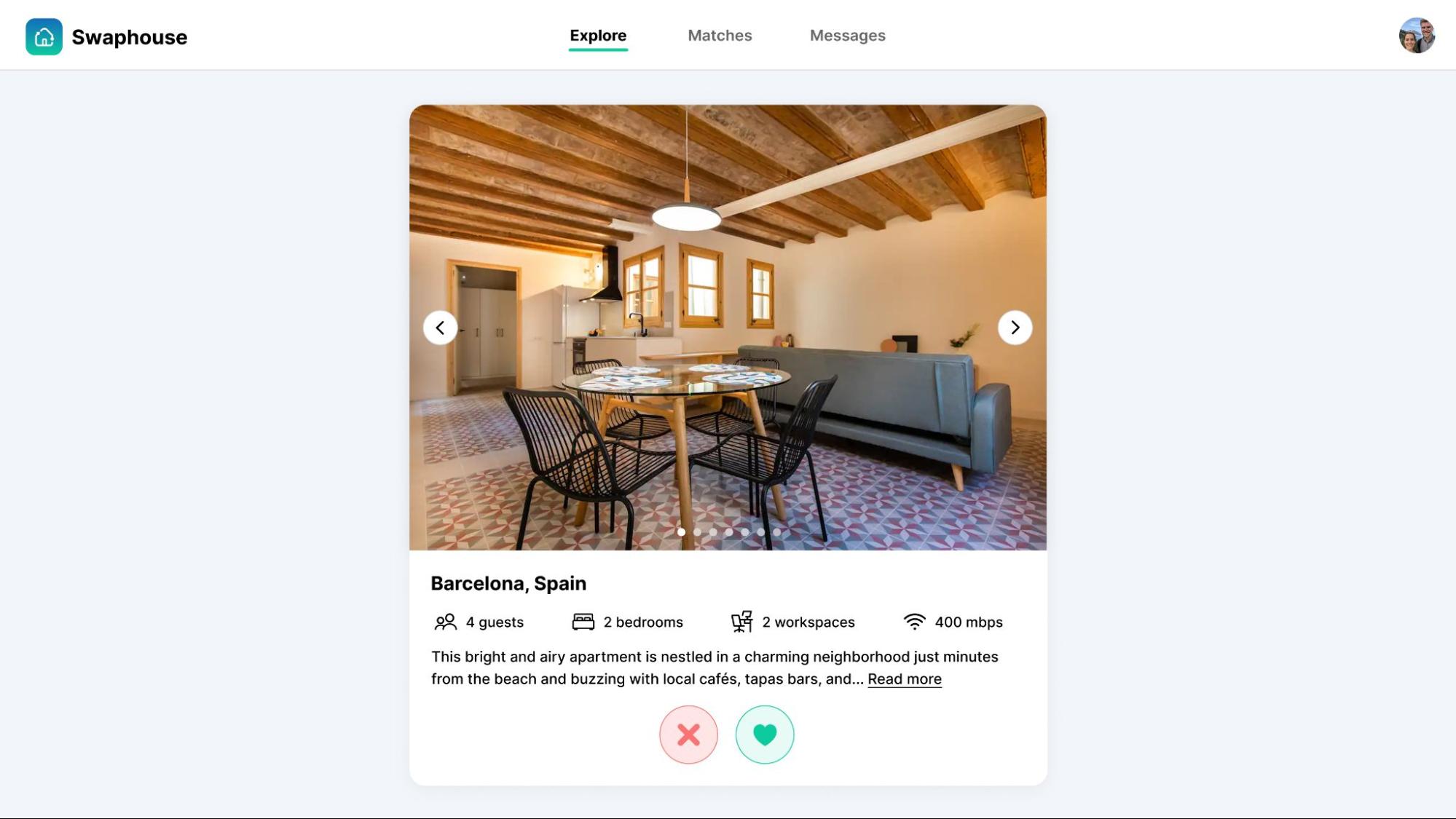 Swaphouse is a global remote work community built on sharing:
- Travel tips
- Visa hacks
- Co-working recommendations
- VPN setups
- And now… homes
Just as remote work redefined the office, Swaphouse is redefining where and how we live while working. It’s cost-free, community-powered, and culturally immersive, values that resonate with both full-time digital nomads and everyday remote workers alike.
If Airbnb is pricing you out, hostels feel too chaotic, and long-term rentals feel like overkill, home swapping might just be the future.




Japan & Home Swapping

For many of us, Japan is THE dream destination, a country where tradition, culture and unique living coexist in dazzling harmony. But as tourism grows and hotel prices climb, the challenge for visitors is clear: how do you experience Japan deeply without breaking the bank?
That’s where home swapping truly shines as the past, present and future of travel. Home swapping in Japan is one of our favourite, yet often overlooked, ways to save money while unlocking a more authentic travel experience. Instead of staying in a generic hotel in Asakusa or Ueno, you could find yourself living as a temporary local giving you a grounded way to experience Japan, all without the inflated cost of short-term rentals.
Swaphouse listings in Japan are especially appealing to global professionals because they’re designed for living, not just sleeping. Think:
- Fully equipped kitchens for cooking with local ingredients from neighbourhood markets
- Reliable, high-speed Wi-Fi (a must for video calls across time zones)
- Workspaces with real desks, not tiny café tables
- Thoughtful hosts who are often fellow remote workers
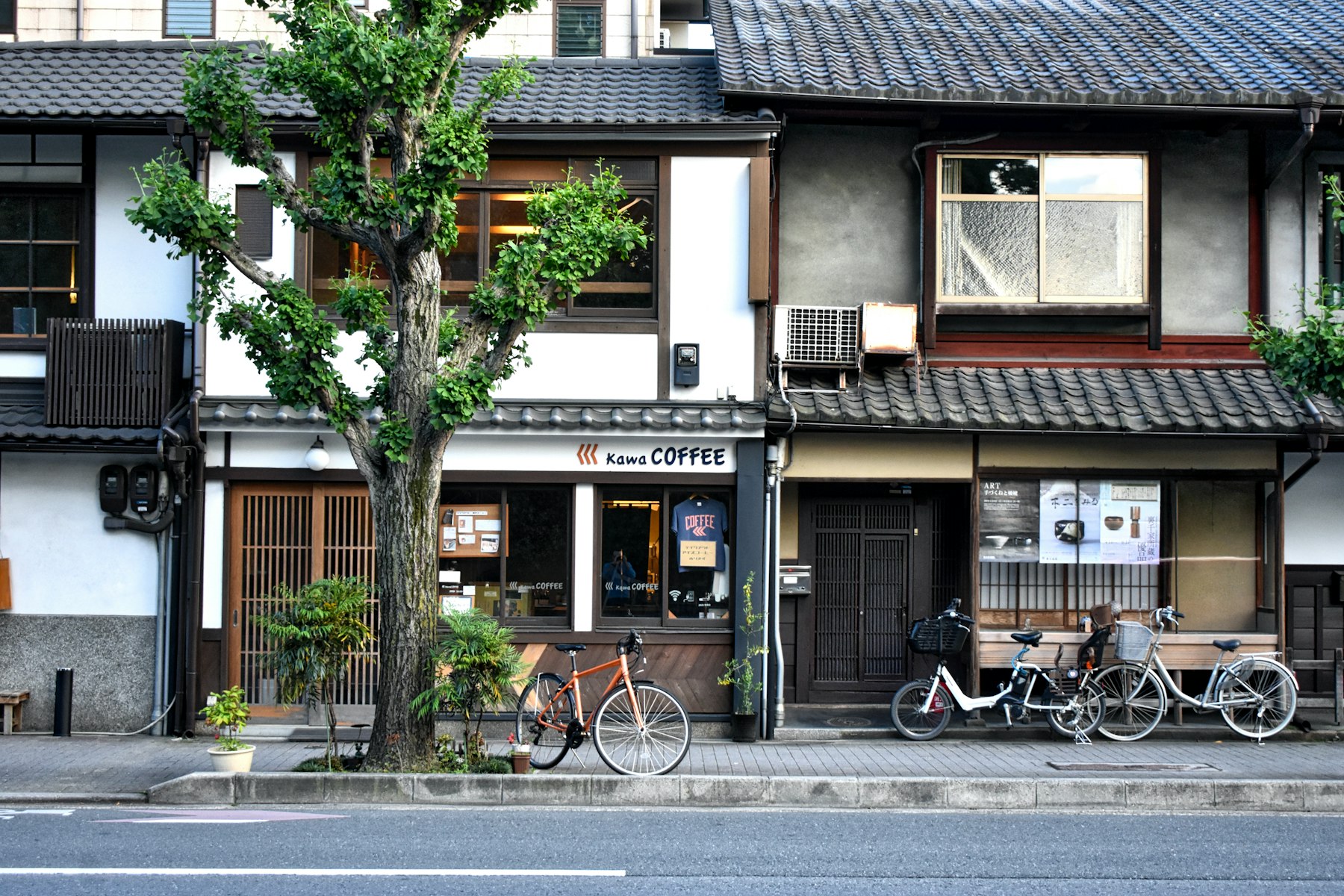
And while the concept of home exchanges may feel new to some, it aligns beautifully with Japan’s deep-rooted culture of hospitality, reciprocity, and community. You’re not just staying in someone’s space, you’re being entrusted with it. That kind of respect resonates.
Most importantly, home swapping is designed for longer stays, which means you’re given the time and space to experience Japan at your own pace. You’re not rushing to cram in temples and tourist hotspots during peak hours or battling crowds in overhyped neighbourhoods. Instead, you can slow down, explore the country piece by piece, go off the beaten path and truly immerse yourself in what matters to you, whether that’s early-morning walks through quiet local streets, discovering hidden coffee shops, or simply living life like a neighbour, not a visitor.
How long you can stay in Japan on a home swap: 90 days for UK visitors
British passport holders do not need to apply for a visa before a home swap in Japan. The UK Foreign Office says you are given permission to stay for up to 90 days on arrival, and you can apply at your nearest immigration office to extend it by another 90 days. Your passport only needs to be valid for the length of your stay, with a blank page for the stamp.
Remote workers should read the next line carefully. The same Foreign Office advice says it is illegal to work in Japan without the correct visa, “no matter how informal or temporary the work”. For longer remote working stays, Japan created a digital nomad status for people working for a foreign employer or foreign clients. It lasts six months with no extension, requires an annual income of at least ¥10 million and private medical insurance covering at least ¥10 million, and is open to nationals of visa-exempt countries that have a tax treaty with Japan, which includes the UK.
Tokyo neighbourhoods for a longer stay
A home swap puts you in a residential street, so pick a neighbourhood you would enjoy living in, not just visiting. These four have quick trains to central Tokyo, local shopping streets and their own Japan Nakama guides.
| Neighbourhood | Getting into town | Why it suits a longer stay |
|---|---|---|
| Koenji | About 10 minutes to Shinjuku on the JR Chuo-Sobu local line | Covered shopping streets, vintage and record shops, live music most nights |
| Kichijoji | Under 20 minutes to Shinjuku on the JR Chuo Line | Inokashira Park on the doorstep, temples, thrift shops and cafés |
| Shimokitazawa | Seven minutes to Shinjuku on the Odakyu Line; Keio Inokashira Line to Shibuya | Independent fashion and vintage stores, just west of Shibuya |
| Nakameguro | Two stops to Shibuya on the Tokyu Toyoko Line; end of the Hibiya Line | Riverside walks under cherry trees along the Meguro River, cafés and restaurants |
House rules to agree with a Japanese host before you swap
- Rubbish: each Tokyo ward sets its own sorting rules and collection days. Ask your host for the local calendar and where the collection point is.
- Shoes and floors: shoes come off at the genkan, the entrance step, and some homes have tatami rooms that need extra care.
- Neighbours: flats are close together and walls can be thin, so ask about quiet hours and where to leave bikes.
- Building rules: check that your host’s lease or building management allows guests to stay while they are away, and agree a key handover plan.
- Bills and internet: confirm the Wi-Fi details, how the bath heater works and whether utilities are shared or split.
Swaphouse’s Match-Based System
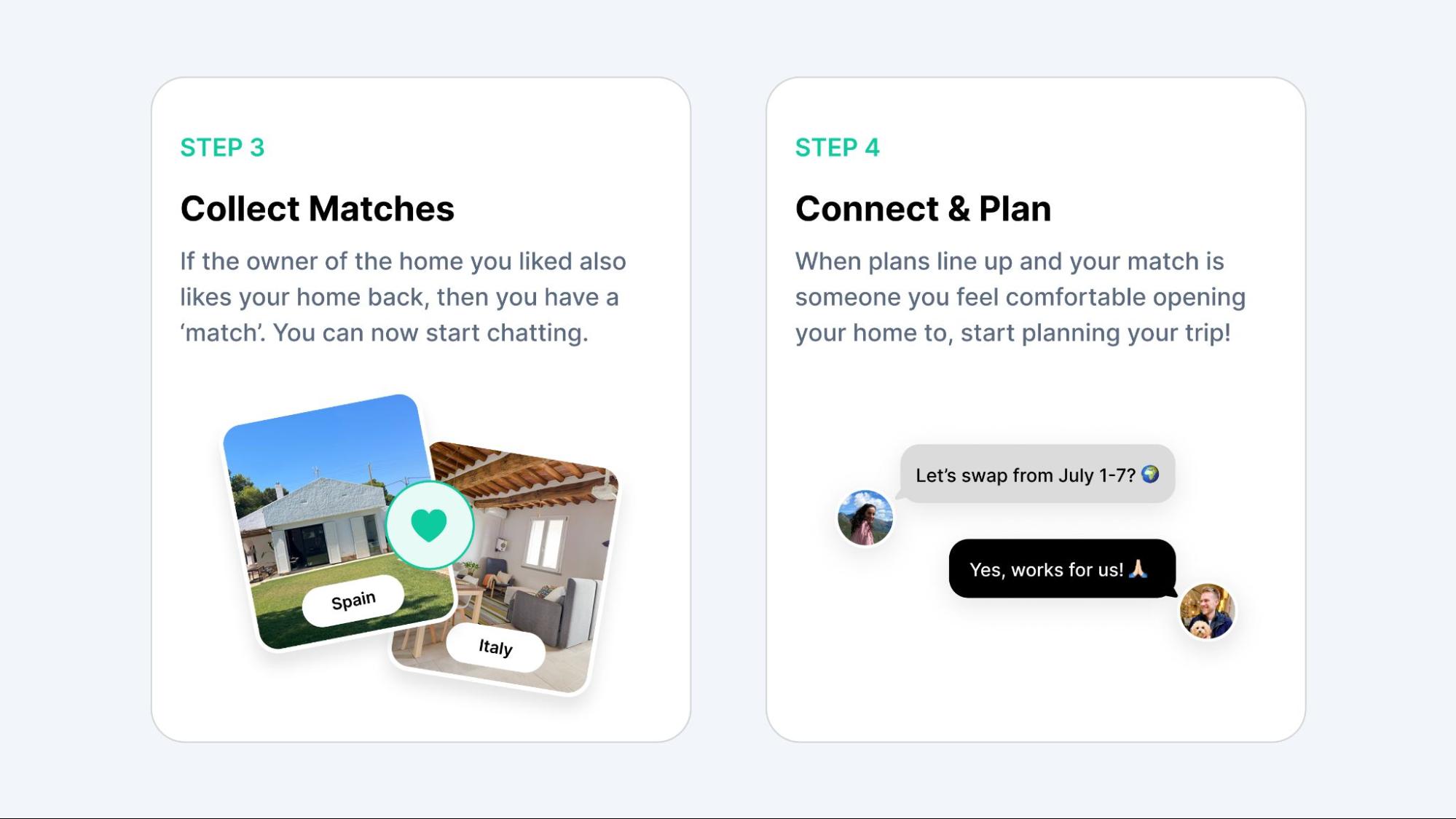
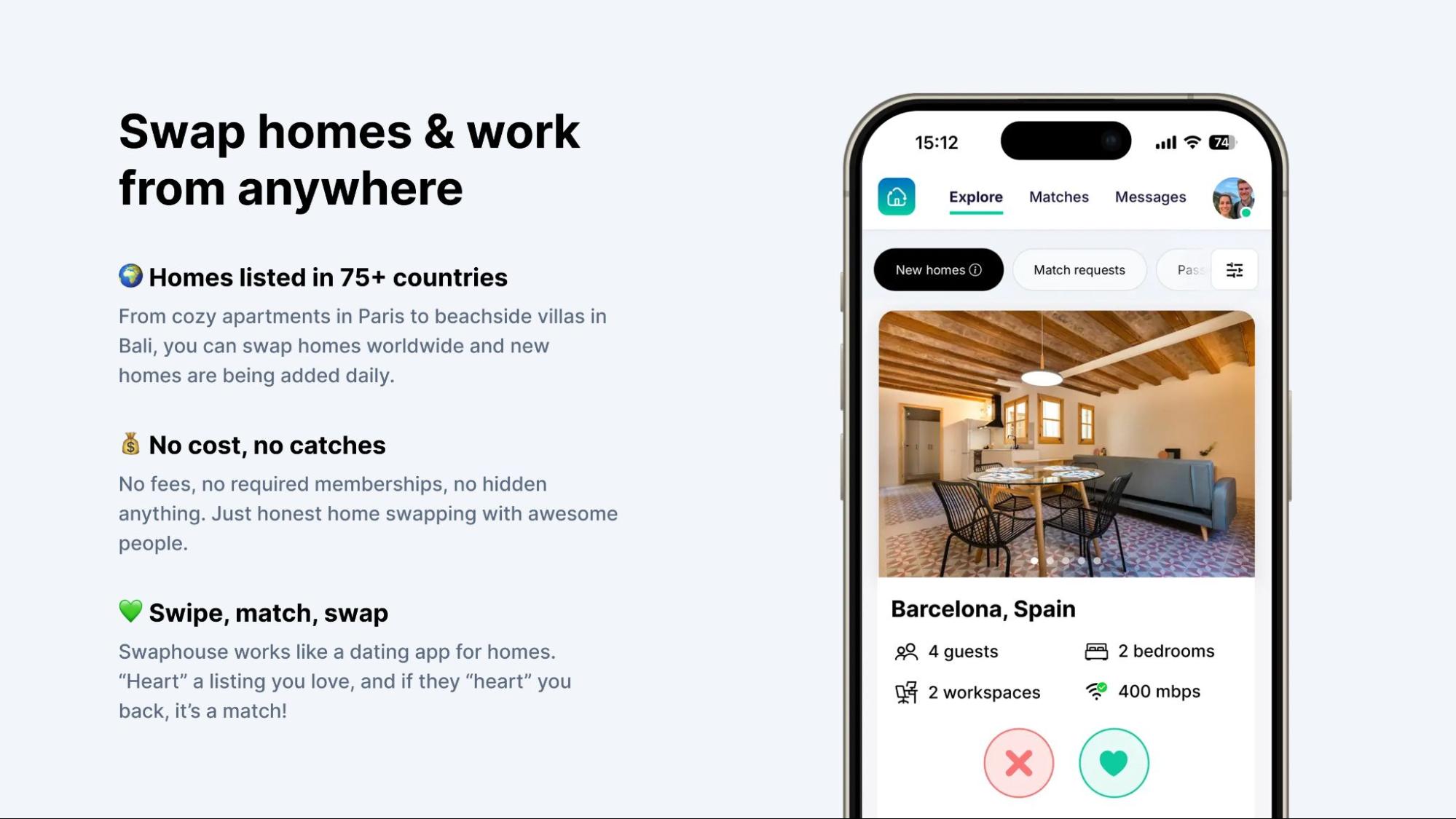
Swaphouse uses a unique match-based system inspired by dating apps to create more efficient, meaningful connections, prioritising quality over quantity. Here’s how the matching process benefits users:
Messages Only from People Whose Homes You Liked
You’ll only receive messages from people whose homes you’ve liked too. No more inbox clutter or unwanted swap requests, just genuine, considered matches.
Every Match Means Mutual Interest
Instead of sending mass requests and hoping for responses, every match indicates mutual interest. That means every conversation is purposeful, saving you time and frustration.
Likes Stay Saved for Future Trips
Likes aren’t time-bound: they stay. Whether you’re planning next month’s getaway or a trip six months from now, your list of interested swappers is ready when you are.
One Home at a Time, Filtered by Wi-Fi, Workspace and Pets
Homes are shown one at a time, based on your filters, location, Wi-Fi, workspace, pets, etc. You can confidently swipe through options, knowing you’re only liking those that fit your needs.
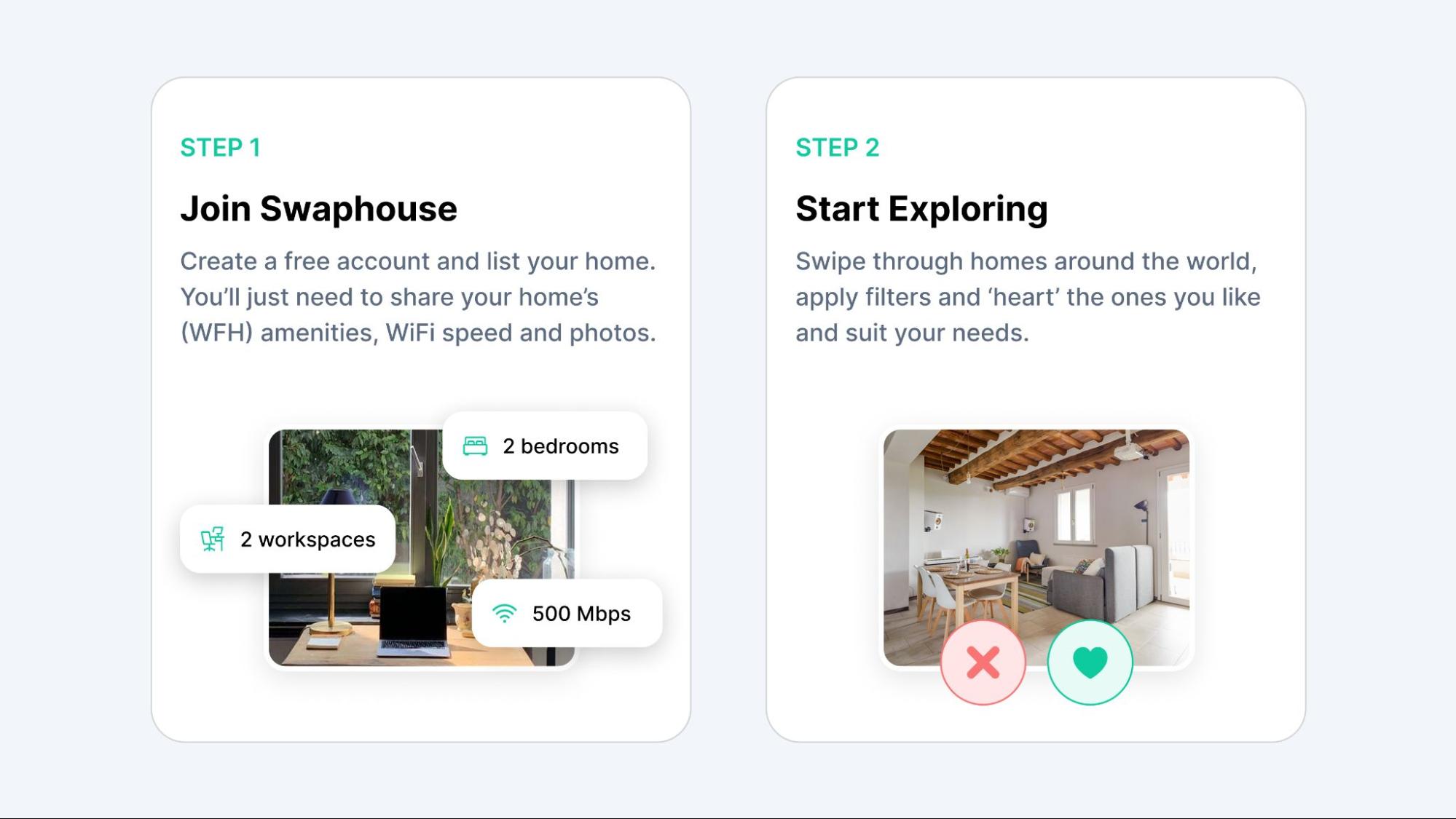
How Swaphouse Works in Four Steps
-
- Sign up & list your home: Use LinkedIn to register and create your profile. Provide details about WFH amenities, test your Wi-Fi speed, and upload great photos. Add a bio, sayings, and your availability to help you stand out.
- Browse & like: Explore one home at a time, using filters for location, bedrooms, Wi-Fi speed, and pet-friendliness. Tap “like” to express interest or “pass” and move on, just like a dating app!
- Match & message: When you and another user like each other’s homes, it’s a match. You unlock a chat to discuss specifics. Many users also hop on a video call to build trust before committing.
- Plan & swap: Coordinate dates, key handovers, house rules, and cleaning expectations. Once everything’s agreed upon, pack your bags and settle into a genuine local home.
From set-up to swap, everything is designed with practical features in mind.
Free Accommodation
No booking fees. No membership costs. No hidden charges. Your only “payment” is offering your own home in return. Swaphouse is truly free, backed by its founders reinvesting their own savings from swapping into running the platform.
They cover hosting, product development, ads, and maintenance without charging users. Here’s what sets them apart:
- Zero cost to swap: Your only obligation is providing your home for others to enjoy.
- Community over profit: The founders prioritise growing a diverse home network, not monetising your stays.
- Transparent funding: Their savings from swapping keep the platform alive, no surprise charges.
Looking ahead, Swaphouse may offer optional extras, like ID/address verification, travel insurance, enhanced search, and boost features, at a small fee. But the core experience, free, trust-based home exchanges, will always remain intact.
Work-Friendly Setups
Every Swaphouse listing is WFH-approved. That means:
- Verified high-speed internet
- Dedicated workspaces or desks
- Hosts who understand the unique needs of remote professionals
More Than 3,800 Homes in Over 100 Countries
With more than 3,800 homes in over 100 countries (as of September 2026), Swaphouse connects digital nomads, flexible remote workers, and travel-driven professionals across the globe. City escapes, rural retreats, beachfront stays, no matter the setting, there’s someone out there looking for a space just like yours.
Simultaneous and Non-Simultaneous Swaps
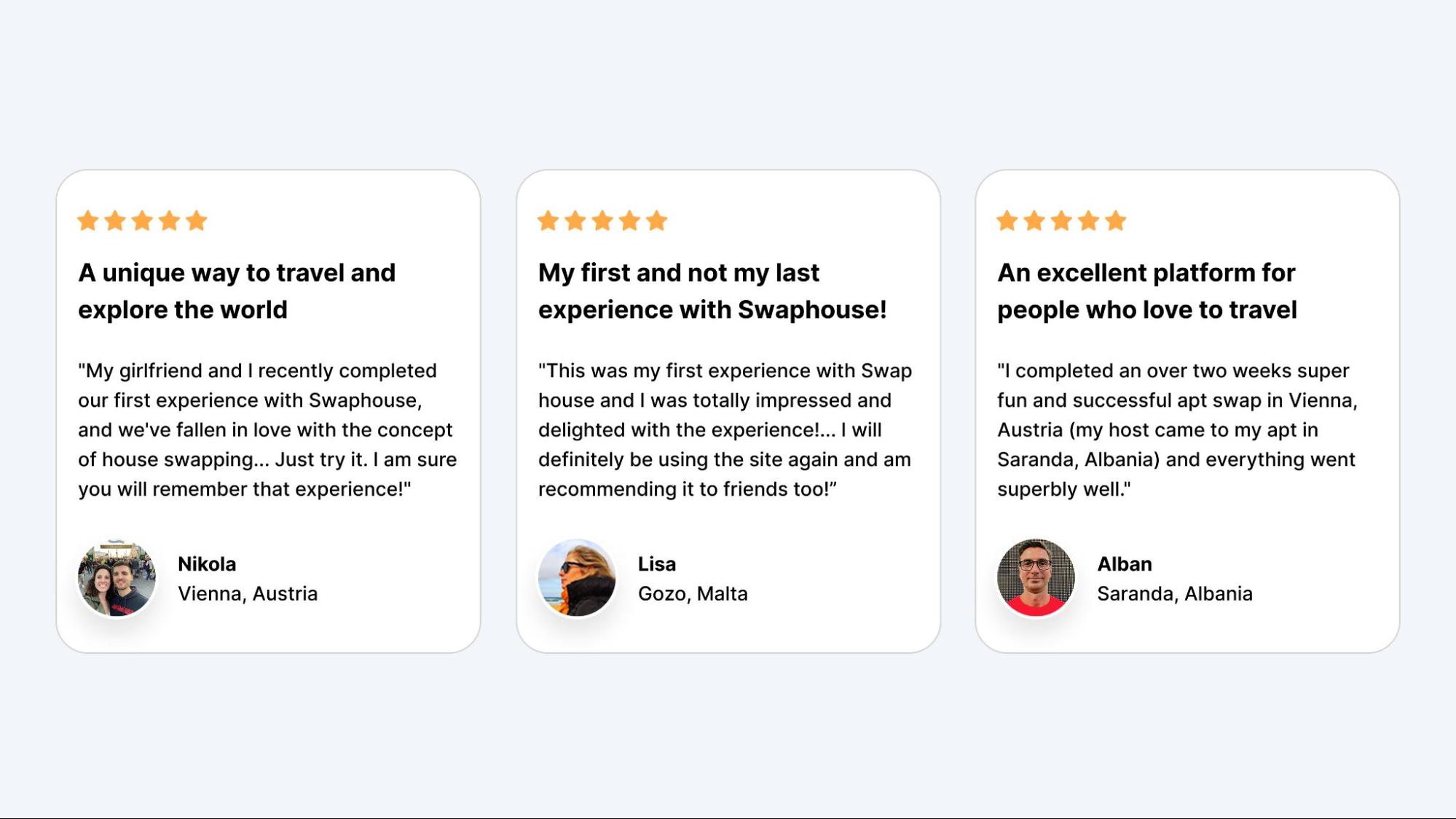
With simultaneous and non-simultaneous swaps, Swaphouse accommodates the unpredictable nature of remote schedules. Some hosts are even “open to offers,” allowing for spontaneous adventures if your travel dates are loose.
And everything, from the messaging system to the swap calendar, is built to facilitate trust and ease between users.




Staying Mobile Without Adding to Local Housing Pressure

In a world where the cost of living is rising everywhere, from East Asia to Spain, platforms like Swaphouse offer more than just savings. They offer the freedom to keep going. House swapping doesn’t contribute to local housing inflation. It doesn’t displace tenants. It doesn’t convert long-term homes into profit-first properties. It’s a reciprocal model that lets digital nomads live in harmony with the communities they visit.
It’s a way to stay mobile without adding to the problem.
Most importantly, it keeps the dream alive:
- Of working from anywhere.
- Of immersing yourself in new cultures.
- Of discovering the world without draining your bank account.
And unlike other options, where you’re either squeezed by nightly prices or locked into a fixed lease, home exchanges give you room to breathe. To live. To connect.
With more than 3,800 homes in over 100 countries, Swaphouse is building a vibrant global network of digital nomads and welcoming homeowners, redefining remote work through freedom, connection, and affordability.
Join the movement and start your home swap journey today.
Follow @swaphouse.io on Instagram or connect with them on LinkedIn to see real stories from the Swaphouse community around the world.
Questions about home swapping in Japan
Yes. Home exchange platforms list homes across Japan, from Tokyo flats to houses in the countryside, and you swap your own home in return rather than paying rent. Agree dates, keys, house rules and cleaning with your host in writing before you travel.
Up to 90 days. The UK Foreign Office says British visitors get permission to stay on arrival and can apply at a Japanese immigration office for one further 90-day extension. Your passport must be valid for the whole stay.
Be careful. The UK Foreign Office warns that working in Japan without the correct visa is illegal, however informal the work. Japan’s digital nomad status allows six months of remote work for a foreign employer or clients if you earn at least ¥10 million a year and hold private medical insurance.
Pick a residential area on a fast line into town. Koenji and Kichijoji sit on the JR Chuo Line west of Shinjuku, Shimokitazawa is seven minutes from Shinjuku on the Odakyu Line, and Nakameguro is two stops from Shibuya. All four have local shopping streets and our own neighbourhood guides.
The digital nomad visa’s income requirement checked against the Immigration Services Agency’s own page on 21 November 2026.