Japan is a country known for its efficient and extensive public transportation system. With a network that includes trains, buses, and subways, travelling in Japan is a breeze for both locals and tourists alike. Explore the ins and outs of how to travel in Japan using this Japan public transportation guide with different kinds of public transit, and learn more about the rich culture of public transportation in Japan.
Navigate This Guide’s Sections
Japan’s Public Transport History, From the 1872 Railway to the Shinkansen
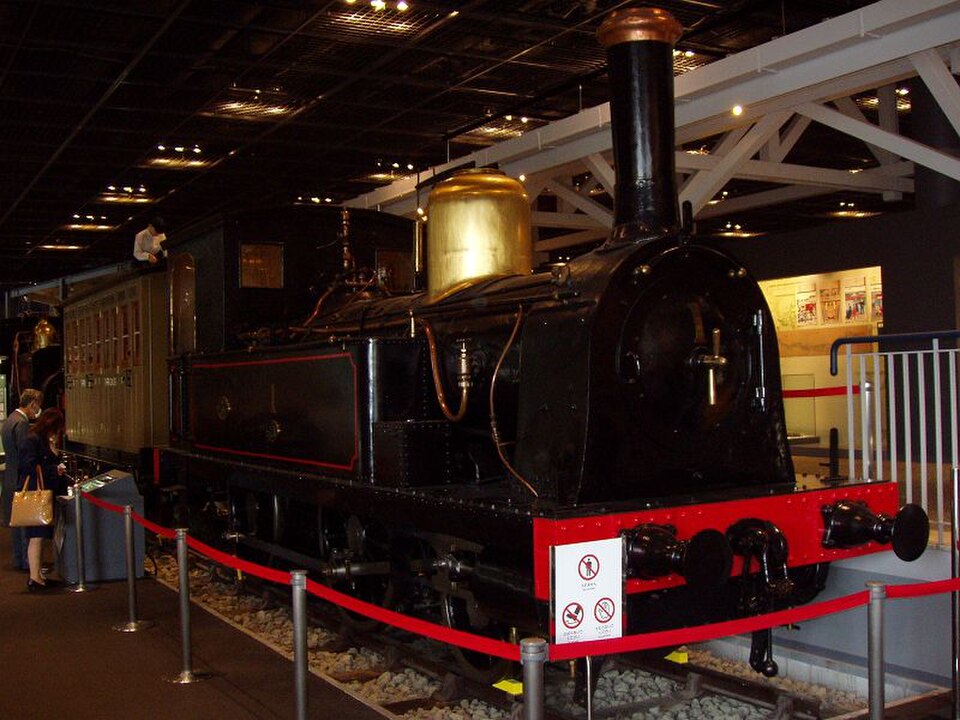
Japan’s public transport story starts in 1872, when the country’s first railway opened between Shimbashi and Yokohama. Private transport followed. Miyata built its first bicycles in 1890, and in 1907 the engineer Komanosuke Uchiyama finished the Takuri, the first petrol car built in Japan. The country’s first subway, today’s Tokyo Metro Ginza Line, opened between Ueno and Asakusa in 1927.
Japan has kept upgrading and expanding its network ever since. The first Shinkansen line opened between Tokyo and Shin-Osaka in October 1964 and changed long-distance travel in the country. Today high-speed trains, subways, buses and ferries link the four main islands and many of the smaller ones.
Understanding how to navigate Japan’s public transportation system is essential for travellers visiting the country. As a traveller in Japan, keep in mind the different kinds of public transportation, how to use them, and which one works best for your itinerary. For more practical advice, read our guide to first-time Japan travel mistakes.


Japan’s Main Ways to Get Around: Trains, Walking, Cars, Bikes and Taxis
JR Trains and the Shinkansen
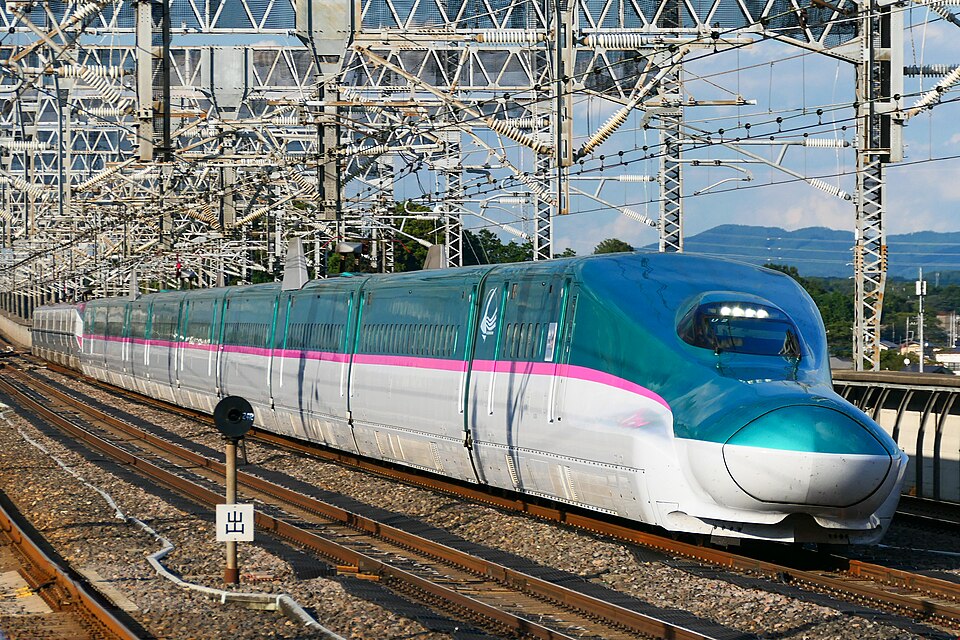
Trains in Japan have earned a reputation for being efficient, punctual, and an integral part of the country’s transportation system. With a system that spans the entire country, Japanese trains are a preferred mode of transportation for both locals and tourists. Most long-distance trains in Japan, including every Shinkansen line, are run by the six passenger companies of the JR Group, which took over from the state-run Japanese National Railways when it was privatised in 1987.
The Shinkansen, also known as the bullet train, is a high-speed rail network that connects major cities across Japan. Its fastest trains, the Hayabusa services on the Tohoku Shinkansen, reach 320 km/h (200 mph), so passengers can cover long distances in a fraction of the time it would take by car.
Walking in Japanese Cities

Walking is part of almost every journey in Japan, because most trips begin and end with a walk to or from the station. The way Japanese cities are designed is one of the reasons it comes so naturally.
Many Japanese cities are densely populated with narrow streets and crowded pavements, making driving a car challenging and time-consuming. As a result, walking becomes a more efficient and convenient option for navigating through the labyrinth of streets and alleyways.
Many neighbourhoods have designated walking paths and pedestrian-friendly zones where residents can gather and socialise while taking a stroll. On foot you also pass the small shrines, shopfronts and back streets that a train window never shows.
Cars and Driving in Rural Japan

Despite the extensive public transportation system in Japan, owning a car in the country is still a viable option for many people, especially in rural areas where public transportation may be limited. Having a car also provides the flexibility of travelling at any time and to any destination without being bound by a timetable.
Japan is also one of the world’s great car-making nations. Japanese cars are known for their high quality, cutting-edge technology, and exceptional reliability. Companies such as Toyota, Honda, and Subaru have built a reputation for producing some of the most well-made and durable cars in the world.
Bicycles in Japanese Towns and Cities

In Japan, bicycles play an important role in commuting as a practical, convenient, and eco-friendly mode of transportation. Bicycles are a common sight in towns and cities, where many households own at least one for commuting, school runs and shopping.
Many cities mark cycle routes on the left edge of the road, often with blue lines and arrows, and some pavements are signed for shared use by bikes and pedestrians. Many people prefer the flexibility and freedom that comes with riding a bike, as it allows them to navigate through narrow streets and alleyways that are inaccessible to cars.
Japanese Taxis and the Toyota JPN Taxi
Taxis in Japan are a convenient and reliable mode of transportation for locals and tourists alike. Colours vary from company to company, and in Tokyo many cabs are now the tall Toyota JPN Taxi, which Toyota finishes in a deep indigo it calls koiai. Drivers usually wear a uniform, which adds to the clean and professional image of the service.
Taxis in Japan are required to have meters that calculate the fare based on the distance travelled and the time taken, so passengers know exactly what they are paying. Drivers must also hold a second-class driving licence, the category Japan requires for anyone who carries paying passengers.

How to Get Around Japan by Train, on Foot, by Car, Bike and Taxi
When travelling in Japan, it’s essential to know which modes of public transportation are most recommended for tourists based on accessibility and budget. Once you’ve figured out which ones suit your trip, here is how to use them.
Train Types, IC Cards and the Japan Rail Pass
To begin with, it is important to familiarise yourself with the different types of train services available in Japan. There are several main types of trains in Japan, including Shinkansen (bullet trains), limited express trains, express trains, local trains, and subway trains.
Next, plan your route and schedule before starting your journey. Japan’s trains run to a strict timetable, so check the schedules, routes and fares on the information boards, maps and signs in the station, and plan your transfers accordingly.
For everyday journeys on local trains, subways and buses, a rechargeable IC card saves queuing for paper tickets. Suica and PASMO cards are sold at station ticket machines, and visitors can also pick up a Welcome Suica, JR East’s card for overseas visitors, which needs no deposit and can be used for 28 days. iPhone and Apple Watch users can add a Suica through the Welcome Suica Mobile app instead. Our Suica and PASMO guide explains how each card works.

If you are travelling long distances, consider purchasing a Japan Rail Pass, which allows unlimited travel on Japan Railways (JR) trains for a set number of days. A 7-day pass bought through an overseas agent costs 53,000 yen for an adult and 27,000 yen for a child aged 6 to 11, following the price change on 1 October 2026, and the JR Group lists every pass type on the Official Japan Rail Pass Website. The pass covers most Shinkansen services, but each ride on a Nozomi or Mizuho on the Tokaido, Sanyo and Kyushu Shinkansen needs a special ticket for pass holders, which costs 4,960 yen per adult between Tokyo and Shin-Osaka. Our JR Pass guide explains what the pass covers and how to reserve seats with it.
For short trips, buy single tickets at the machines or ticket counters in stations, where the fare is set by the distance you travel. Shinkansen fares depend on the distance, the train and the class of seat, and station ticket machines show the exact price before you pay. If you are bringing large luggage on the Tokaido, Sanyo, Kyushu or Nishi-Kyushu Shinkansen, any bag whose length, width and height add up to more than 160 cm needs a reserved seat with an oversized baggage area, booked when you buy your ticket. Board without one and you pay a 1,000 yen fee, and bags over 250 cm are not allowed on board at all. Be sure to check the fare and the correct train line before boarding, as several lines often share the same platform.
Planning a Day on Foot: Shoes, Water and Routes
First and foremost, pack light when walking around Japan. Wear comfortable shoes, such as trainers or walking shoes, as you will be on your feet for long periods. Carry a small backpack with essentials such as a water bottle, snacks, a map or phone with GPS, sunscreen, and a camera to document your trip.

When planning your walking route in Japan, consider the distance you are comfortable walking each day, as well as the sights you wish to see. Japan offers a vast array of walking routes, from city walks through busy streets to quiet nature hikes in the countryside. Research the attractions along your route, such as temples, shrines, gardens, and historic sites, and plan your itinerary accordingly.
Driving Licences, Car Hire and Left-Hand Traffic
To drive in Japan, visitors need one of two documents as well as their own licence. Most need an International Driving Permit issued under the 1949 Geneva Convention, which UK drivers can buy at Post Office branches that issue them before they fly. Drivers with licences from Switzerland, Germany, France, Belgium, Monaco or Taiwan need an official Japanese translation of their licence instead. Either document is valid for up to one year from arrival, and the Japan Automobile Federation sets out the full rules.
From there, you can book a hire car from companies such as ORIX for the length of your trip. ORIX prices start from 6,160 yen for up to six hours in its compact class, with lower rates for longer bookings.

Once you have a car, learn the rules of the road. Japan drives on the left, and a sat nav or map app makes it much easier to find your way around.
When parking, look for designated car parks or paid parking garages to avoid parking illegally and risking a fine. Be aware of parking regulations, toll roads and other traffic laws. Our guide to driving in Japan for UK travellers covers car hire, tolls and winter driving in more detail. In the big cities, trains are usually the quicker option.
Bike Share Prices and Japan’s 2026 Cycling Fines
Bike hire is often available at tourist centres and independent bicycle shops, or through bike share apps such as Docomo Bike Share and Hello Cycling. In Tokyo, Docomo Bike Share costs 165 yen per 30 minutes, and a one-day pass costs 1,650 yen when bought at a convenience store or 2,200 yen on an IC card.
When cycling around Japan, plan your route carefully. Japan has a well-developed network of cycling routes, with many dedicated paths suited to riders of all skill levels.
Research the different cycling routes available and choose one that fits your interests and fitness level. Pack clothing and gear for the weather, plus plenty of water and snacks to keep you energised during your ride.

In Japan, bicycles count as vehicles, so cyclists ride on the left and follow the same rules of the road as drivers. Since April 2026, police can issue on-the-spot fines to cyclists aged 16 and over, including 12,000 yen for using a phone while riding and 6,000 yen for running a red light. Cycling in Japan is generally safe, but stay alert to your surroundings at all times.
Hailing a Taxi, Taxi Apps and Tokyo Fares
Taxis wait at ranks outside train stations, hotels, and other popular tourist destinations. You can also hail one on the street: a red light reading 空車 (vacant) behind the windscreen means it is free. The rear passenger door opens and closes automatically, so leave it to the driver. Taxi apps also work in Japan, such as GO, Uber, and DiDi.
In Japan, taxi fares are calculated on the distance travelled and the time spent in the taxi, and the fare is displayed on a meter inside the taxi. In central Tokyo, the first 1.0 km costs 500 yen following the fare rise in late April 2026, then 100 yen is added for every 232 metres. Many city taxis now take credit cards and IC cards such as Suica, but carry some cash in rural areas, where card payment is less common.

Many taxi drivers in Japan do not speak English, so it helps to have your destination written down in Japanese. You can also use a translation app, or show the driver the exact location on a map.
Which Transport Suits Cities, Long Journeys and the Countryside
For most visitors, the simplest plan is the Shinkansen and JR lines between cities, an IC card for subways and local trains, and walking for the last stretch. Taxis fill the gaps late at night or with heavy bags, bike share works well for short hops around flat neighbourhoods, and a hire car makes most sense in rural areas where trains and buses run less often.
Whichever mix you choose, Japan’s public transport makes it easy to cover a lot of ground, and a little planning before you travel leaves more time for the places you came to see.