The best ryokan in Hakone for a once-in-a-lifetime stay is Gora Kadan, the only Hakone inn with Three MICHELIN Keys. For a hot spring bath on your own terrace, Hakone Ginyu gives every room a private open-air bath over the Hayakawa valley, and for history on a smaller budget, Fukuzumiro, a wooden inn built in 1890, starts at ¥30,950 per person with dinner and breakfast.
Below are eight places to stay or bathe, grouped by the part of Hakone they are in, with the prices, private baths and tattoo rules each one publishes, and how to get there on the Hakone Freepass.
Hakone Ryokan by Area, Price and Private Onsen
| Best for luxury | Gora Kadan, Gora (Three MICHELIN Keys) |
| Best for a private open-air bath | Hakone Ginyu, Miyanoshita: every room has one |
| Best historic inn | Fukuzumiro, Tonosawa, built 1890, from ¥30,950 per person with two meals |
| Best for tattoos | Fukuzumiro and Madoka no Mori allow them in their baths; Hakone Yuryo day spa has welcomed them since April 2025 |
| Getting there | Romancecar from Shinjuku to Hakone-Yumoto, about 80 minutes |
| Hakone Freepass | ¥7,100 for two days from Shinjuku, ¥6,000 from Odawara |
Hakone ryokan compared
Prices are per person, per night, including dinner and breakfast, as each ryokan’s own website showed them on 31 October 2026. Rates change daily, so treat them as the lowest published starting point.
| Ryokan | Area | MICHELIN Guide 2026 | Private bath | From (own site) | Tattoos (published rule) |
|---|---|---|---|---|---|
| Gora Kadan | Gora | Three Keys | Rooms with open-air baths | Shown when you search dates | Not published |
| Madoka no Mori | Gora | Not listed | Every room | ¥65,600 (in-room dinner plan) | Allowed in the large bath |
| Hakone Gora Karaku | Gora | One Key | Check when booking | Not checked | Not checked |
| FUFU Hakone | Gora | One Key | Check when booking | Not checked | Not checked |
| Hakone Ginyu | Miyanoshita | Not listed | Every room, on a terrace | Phone for rates | Not published |
| Fukuzumiro | Tonosawa | Not listed | Bookable private bath | ¥30,950 | No restriction |
| Ichinoyu Honkan | Tonosawa | Not listed | River-side rooms with open-air baths | Shown when you search dates | Not published |
| KAI Hakone | Hakone-Yumoto | Not listed | Check when booking | Shown when you search dates | Not published |

Gora: Hakone’s luxury ryokan
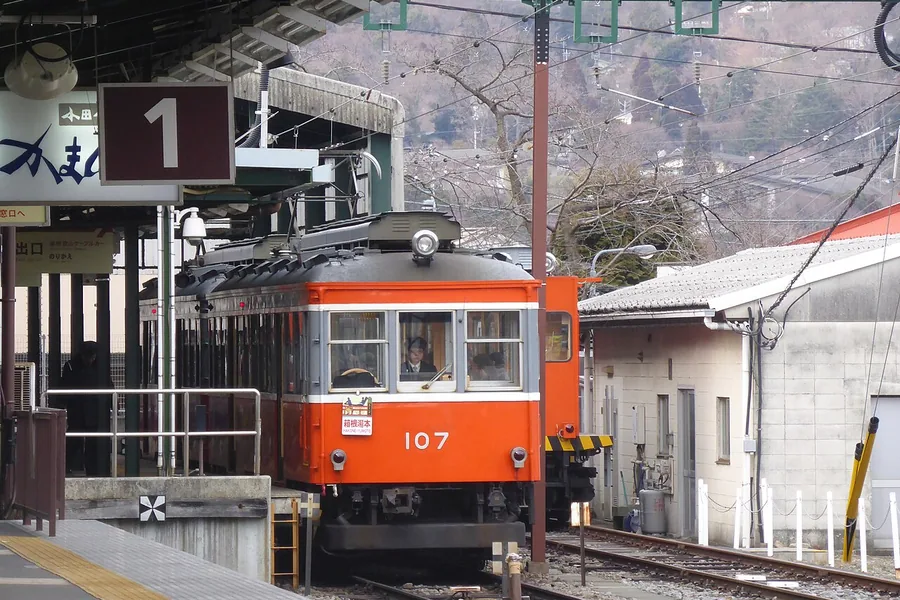
Gora is where the Hakone Tozan Railway ends and the cable car climbs to Sōunzan for the ropeway over Owakudani. Several of Hakone’s best-known inns are here, including Gora Kadan and two One Key holders.
Gora Kadan: Three MICHELIN Keys
Gora Kadan began as a villa of the Kan’in-no-miya imperial household, whose prince opened it to receive his own guests. The ryokan dates the name to 1948. It has 41 rooms and holds Three MICHELIN Keys, the guide’s top distinction for hotels, which the MICHELIN Guide calls “an extraordinary stay”. Room types range from standard Japanese rooms to rooms with an open-air bath and a separate wing, Shinonome. Our guide to Japan’s top ryokans covers its kaiseki and spa in more detail.
Map of Gora Kadan
Madoka no Mori: an open-air bath in all 20 rooms
Also in Gora, Madoka no Mori has 20 rooms, each with its own open-air bath facing the Hakone mountains, fed from two hot spring sources the ryokan owns. Its in-room dinner plan starts at ¥65,600 per person. Check-in is from 3pm to 6pm, check-out 11am. Its FAQ says guests with tattoos can use the large shared bath.
Hakone Gora Karaku and FUFU Hakone: One MICHELIN Key each
Two more Gora inns hold One MICHELIN Key in 2026. Hakone Gora Karaku has 70 rooms, and FUFU Hakone, from a Japanese brand known for modern ryokan, has 39. Both are listed on the MICHELIN Guide’s Hakone page, which links to each one’s booking page.
Miyanoshita: Hakone Ginyu and the Hayakawa valley
Hakone Ginyu stands at about 420 metres above the Hayakawa river, and every one of its rooms has an open terrace over the valley with a private open-air bath and sofas. There is also an infinity bath with a sauna looking across the Hakone mountains, a spa and a fifth-floor bar. Dinner is a monthly changing kaiseki served in your room. Ginyu takes bookings by phone (+81 460-82-3355) from 9am, up to one year ahead; New Year stays open for booking on 1 September each year. It is three minutes’ walk from Miyanoshita Station on the Hakone Tozan Railway.

Map of Hakone Ginyu
Also in Miyanoshita, ESPACIO The Hakone Geihinkan Rin-Poh-Ki-Ryu has One MICHELIN Key and just nine villas, reached by its own cable car down to the river.
Tonosawa: Hakone’s historic inns by the river
Tonosawa is a hot spring village in the Hayakawa gorge about five minutes by car above Hakone-Yumoto, and one of the old “seven hot springs of Hakone”. Two of its inns are registered cultural properties.
Fukuzumiro: a wooden inn from 1890
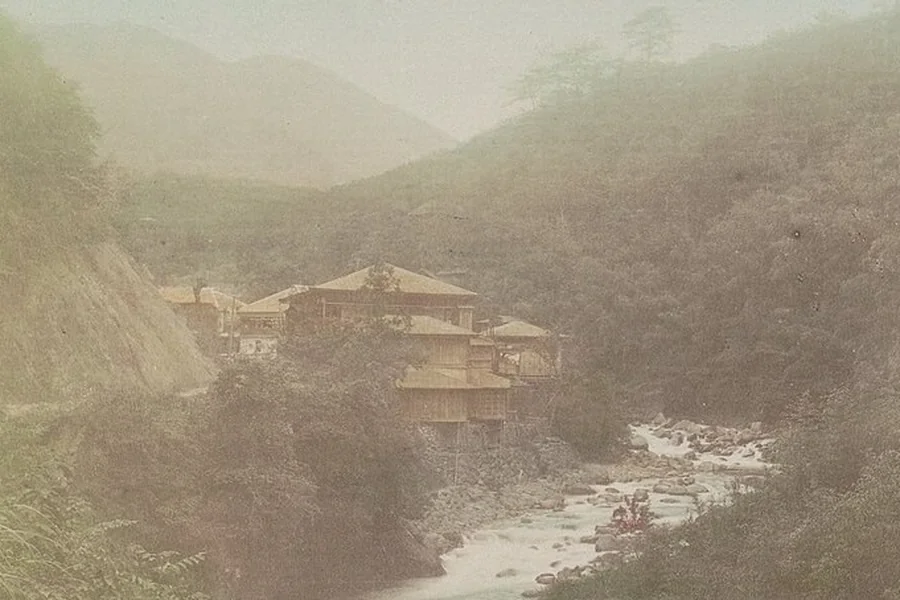
Fukuzumiro opened in Tonosawa in 1890. Its three-storey wooden building is a registered tangible cultural property with 17 rooms, each with different joinery and decoration, some facing the river and some the garden. Meals are brought in several courses so hot food arrives hot. On its rates page, a weekday night on the standard kaiseki plan with dinner and breakfast is ¥30,950 per person for two or three sharing a garden-side room (¥28,750 each for four) and ¥33,150 for a river-side room, including tax, service charge and bathing tax. Its FAQ says the inn has no restrictions on tattoos, and a private bath can be booked.
Map of Fukuzumiro
Ichinoyu Honkan: taking guests since 1630
Tonosawa Ichinoyu Honkan was founded in 1630 and is also a registered tangible cultural property, with traditional Japanese rooms and river-side rooms with open-air baths. It is the original inn of the Ichinoyu group, which now runs nine Hakone properties at what it calls reasonable prices. Stays are close to all-inclusive: drinks, amenities and baby supplies are included, and guests can use the other Ichinoyu inns’ baths.
Hakone-Yumoto: KAI Hakone and a tattoo-friendly day spa
KAI Hakone, part of Hoshino Resorts, sits on the old Tōkaidō road in Hakone-Yumoto Onsen, beside the Sukumo river, about seven minutes by car from Hakone-Yumoto Station. It has 34 rooms and baths lined with hinoki cypress. Its English page says bookings are accepted only from within Japan and points overseas guests to the Japanese pages.
If a ryokan’s baths do not allow tattoos, Hakone Yuryo is the answer. This day-use spa lifted its tattoo restriction on 1 April 2025. Entry is ¥1,500 for adults and ¥1,000 for primary school children, private bath rooms start at ¥8,600 for 120 minutes, and a free shuttle bus takes three minutes from Hakone-Yumoto Station.
Private onsen and tattoos in Hakone ryokan
Most Hakone ryokan have shared baths, and many still ask guests with tattoos not to use them. Three ways round it:
- Book a room with its own bath. Every room at Hakone Ginyu and Madoka no Mori has a private open-air bath, and Gora Kadan sells rooms with one.
- Book a private bath. Fukuzumiro has a private bath you reserve for your group, and it has no tattoo restrictions anyway.
- Use a tattoo-friendly spa. Hakone Yuryo has allowed tattoos since 1 April 2025, and Madoka no Mori allows them in its large bath.
Where a ryokan does not publish a rule, ask before booking. Our Ryokan 101 guide covers the rest of ryokan etiquette, from slippers to yukata to when dinner is served.
Getting to Hakone and using the Hakone Freepass
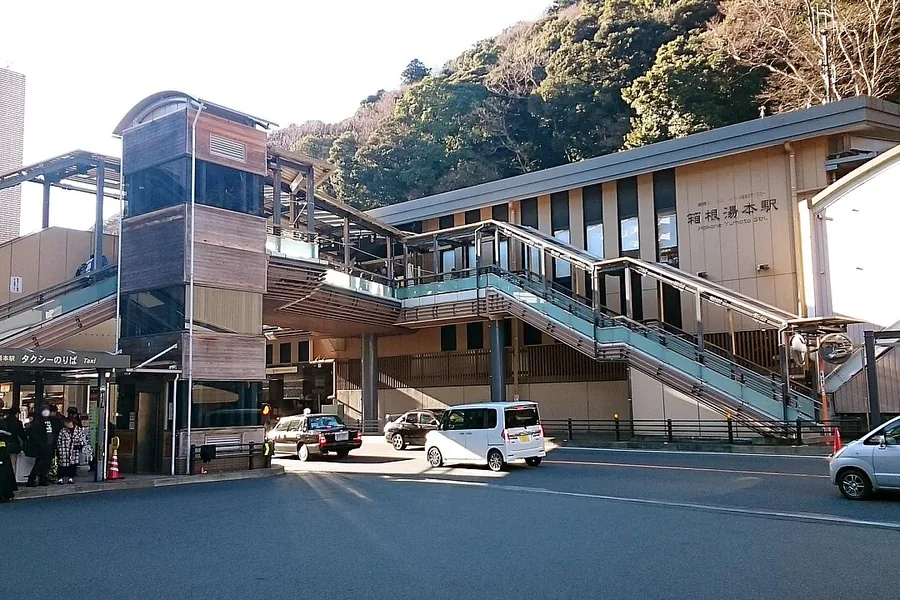
The Odakyu Romancecar runs from Shinjuku to Hakone-Yumoto in about 80 minutes, with all seats reserved. From there the Hakone Tozan Railway climbs to Miyanoshita and Gora. The Hakone Freepass covers eight kinds of transport, including the Tozan train, cable car, ropeway, Lake Ashi sightseeing boats and Tozan buses, and gives discounts at about 70 places.
| Hakone Freepass | Adult | Child (6 to 11) |
|---|---|---|
| 2 days, from Shinjuku (includes the return Odakyu fare) | ¥7,100 | ¥1,600 |
| 3 days, from Shinjuku | ¥7,500 | ¥1,850 |
| 2 days, from Odawara (Hakone area only) | ¥6,000 | ¥1,500 |
| 3 days, from Odawara | ¥6,400 | ¥1,750 |
| Romancecar seat supplement, one way | ¥1,200 | ¥600 |
For what to see between check-in and dinner, from Owakudani to the Open-Air Museum, see our Hakone day trip guide.
Hakone ryokan: questions and answers
Which Hakone ryokan have a private onsen in every room?
Hakone Ginyu in Miyanoshita and Madoka no Mori in Gora both give every room its own open-air hot spring bath. Ginyu’s are on terraces over the Hayakawa valley, and Madoka no Mori’s 20 rooms are fed from the ryokan’s own two hot spring sources. Gora Kadan sells some room types with an open-air bath.
Are there tattoo-friendly ryokan in Hakone?
Yes. Fukuzumiro in Tonosawa says it has no tattoo restrictions, and Madoka no Mori in Gora allows guests with tattoos in its large bath. Hakone Yuryo, a day-use spa three minutes by free shuttle from Hakone-Yumoto Station, lifted its tattoo ban on 1 April 2025. Elsewhere, book a room with a private bath.
How much does a ryokan in Hakone cost?
Published starting rates, with dinner and breakfast, run from ¥30,950 per person on a weekday at Fukuzumiro, a wooden inn from 1890, to ¥65,600 per person at Madoka no Mori. Luxury ryokan such as Gora Kadan show rates only when you search dates. Weekends and holidays cost more.
Is the Hakone Freepass worth it for a ryokan stay?
Usually, yes. The two-day pass from Shinjuku costs ¥7,100 and covers the Odakyu return trip plus unlimited Tozan trains, cable car, ropeway, Lake Ashi boats and Tozan buses. A one-night stay is two days, so the pass covers the classic loop via Owakudani and Lake Ashi. The Romancecar costs ¥1,200 extra each way.
Which area of Hakone is best to stay in?
Gora is best for luxury ryokan and for the cable car, ropeway and Open-Air Museum. Miyanoshita suits valley views, as at Hakone Ginyu. Tonosawa and Hakone-Yumoto are quickest to reach from Tokyo and have the oldest inns, Ichinoyu Honkan from 1630 and Fukuzumiro from 1890.