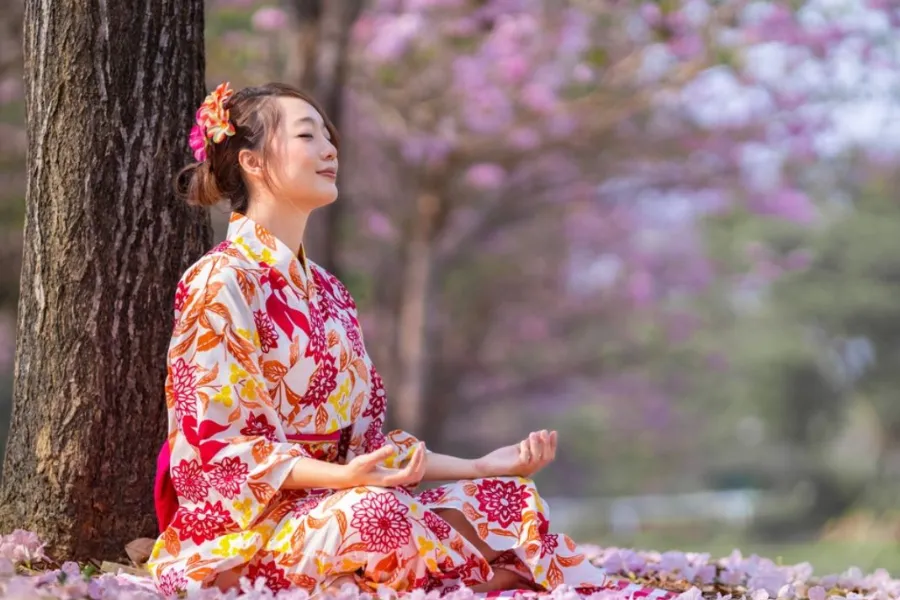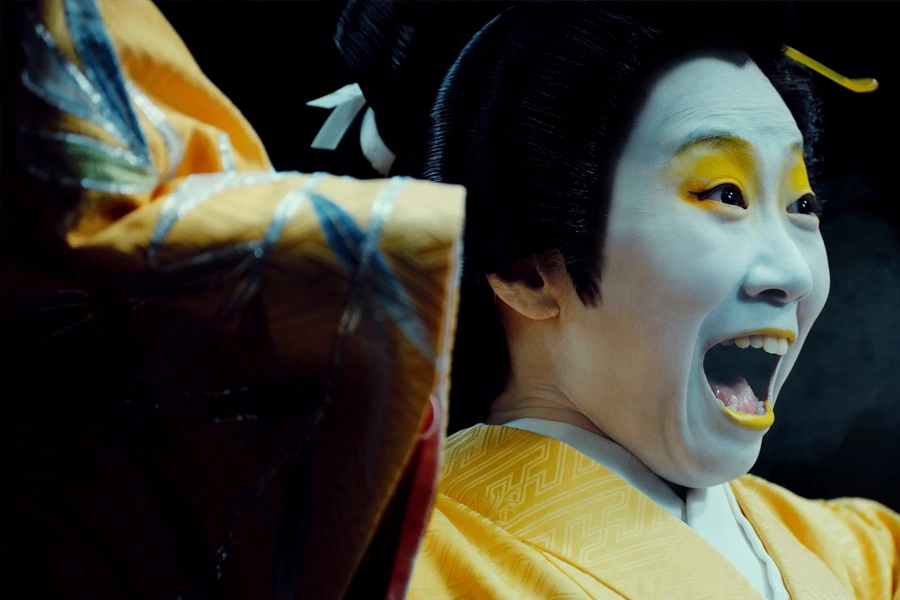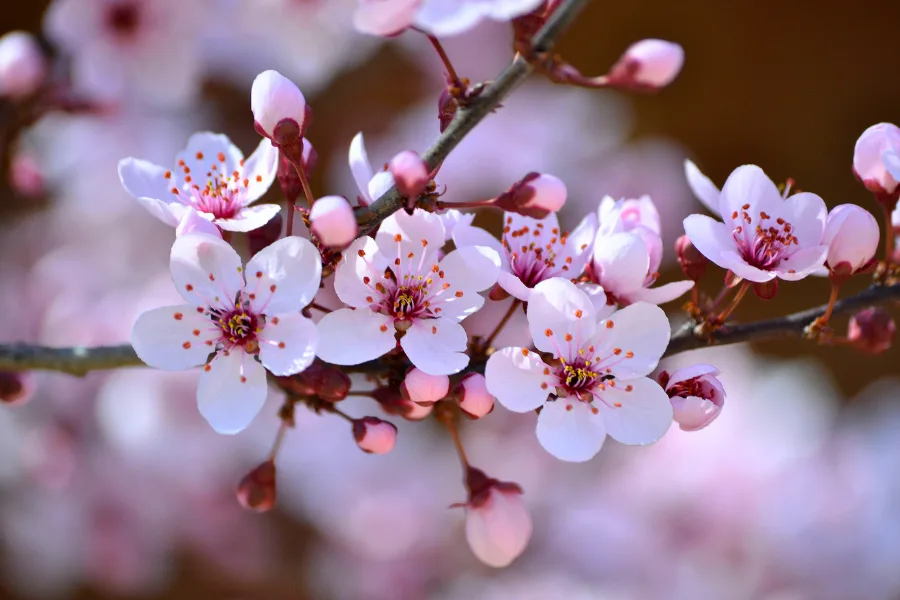
Japan is considered the “Land of the Rising Sun” and the birthplace of sushi — the country where pizza comes from a vending machine. We can go on about the wonders of this island country in East Asia, but there is one thing that astonishes the world more than anything else – Sakura, the cherry blossoms.

Seasons Rituals and Symbolism of Cherry Blossoms
The Background Overview

Cherry blossoms have a history that goes way back to around the 700s, a long time ago. But they became trendy during the Heian period between 794 and 1185. At first, only rich and influential people like the emperor could enjoy looking at the flowers. But as time passed, even regular folks started doing it by the end of the Edo Period. These flowers are gorgeous, but they only stay for a short time. That’s why they became a big part of Japan’s culture. Nowadays, everybody loves having fun under the cherry blossoms, especially during a tradition called Hanami in Spring.


The Symbolism of Cherry Blossoms in Japanese Culture
Over many years, the importance, and meaning of cherry blossoms, also known as Sakura, have significantly changed. There’s more to this than you might think. It’s connected to stories from the past and particular beliefs.
The Brief Lives of the Samurai
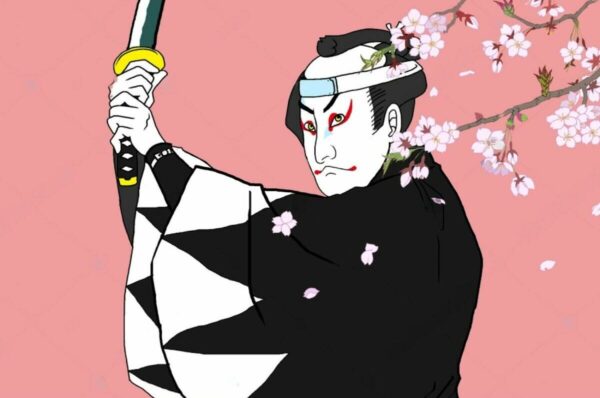
The age of the Samurai between 1185 and 1868 is one of the most significant aspects of Japanese history. Cherry blossoms are often depicted as the lives of the Samurai. Exciting, colourful, and short. When the petals of the flowers start floating down, it’s seen as the downfall of the glorious Samurai era.
A well-known saying sums up the link: hana wa sakuragi, hito wa bushi, meaning that as the cherry is the finest of flowers, the warrior is the finest of men. It appears in Kanadehon Chushingura, the 1748 play about the 47 ronin, and kabuki helped spread the pairing of cherry blossoms and samurai in the middle of the Edo period.
Dying for the Emperor During World War II
Kamikaze pilots typically marked their attack planes with cherry blossoms to symbolise their fall for the emperor. They die like beautiful falling cherry petals for the emperor.
A Symbol of Life and Death
Cherry blossoms can mean diverse things to different folks. They show life and also how it ends. When the trees bloom, it’s like a fresh start with pretty colours, but it also reminds us that life doesn’t last forever. Then, when the petals fall after a few weeks, it’s like things are coming to an end or even death. These blossoms can also stand for beauty and violence. You know, what’s beautiful to one person might not be to another. So, if someone doesn’t see beauty, they might see violence and things being destroyed.
Hanami
When translated literally, Hanami means “flower viewing”. It’s an ancient practice of gazing at the flowers. History shows farmers used to pray and sacrifice offerings under these trees in the hopes of a good harvest. The term Sakura comes from Sa and Kura. They mean rice paddy god and a seat for the god, respectively.

Now, Hanami is one of the most significant festivals in Japan. People from all over the country gather around the public parks and private gardens with their loved ones to witness the enchanting beauty of cherry blossoms.
Emperor Saga’s Cherry Blossom Banquet in 812
The history of hanami at court has a date attached. The chronicle Nihon Koki records that in 812 Emperor Saga held a flower banquet under the cherry blossoms at Shinsen-en, the imperial garden in Kyoto, and this is usually treated as the start of formal cherry blossom viewing. Before then, flower viewing mostly meant admiring plum blossoms, a shift our guide to ume and sakura blossoms explains.
Ueno, Sumida and Asukayama: Hanami in Edo
Hanami spread to ordinary townspeople in Edo, today’s Tokyo. The shogunate planted cherry trees on the hill at Ueno, in the grounds of the shogun family temple Kan’ei-ji, but the gates shut at 6pm and noisy drinking parties were sometimes banned. The eighth shogun, Tokugawa Yoshimune (in power 1716 to 1745), then planted thousands of trees at Asukayama and extended the cherries along about four kilometres of the Sumida riverbank from Mukojima towards Senju, according to Japan’s National Diet Library.
Yozakura: Night Cherry Blossom Viewing
Because Ueno closed at dusk, Edo residents who wanted yozakura, cherry blossoms by night, went to places such as Asakusa instead. The custom lasted: Florence Du Cane wrote in The Flowers and Gardens of Japan (1908) of Tokyo crowds drifting along the Sumida at Mukojima in roofed pleasure boats, gazing at blossom by moonlight, and noted that night cherry blossoms had earned their own name, yozakura. Today many parks and castles light up their trees after dark during the season, which makes yozakura one of the most popular ways to see sakura.
The Sacred Trees Across Japan
There are many particular cherry blossom trees all around Japan. People believe ancient trees have spirits (Kami) living in them (Kodama). Now, let’s explore a few famous sacred Sakura trees in the country.

The Uba-Zakura Cherry Tree
Known as the Milk Nurse tree to the rest of the world, Uba-Zakura is one of the most famous trees in Japan. It’s renowned for the story of a wet nurse who sacrificed her life for a child she cared for. Locals believe her soul still lives in this tree. The tree tied to the legend today stands at Taihoji temple in Matsuyama, Ehime Prefecture, where it is a city designated natural monument. Lafcadio Hearn’s 1904 retelling in Kwaidan places it at a temple called Saihoji in the same old province of Iyo, which is why some guides wrongly put it in Kyoto.
The Jiu-roku-zakura of Matsuyama
Hearn’s Kwaidan (1904) tells the legend of another Iyo tree, the Jiu-roku-zakura, or Cherry-tree of the Sixteenth Day. In the story, an old samurai whose beloved cherry tree had died offered his own life so that it could bloom again. His spirit passed into the tree, which from then on flowered in the snow on the sixteenth day of the first month of the old lunar calendar. The tree linked to the legend, known locally as Jurokunichi-zakura, stood at Ryuonji temple in Matsuyama. Matsuyama City records that it burned in the 1945 air raid on the city, and the trees there now were propagated from it and are no longer the original.
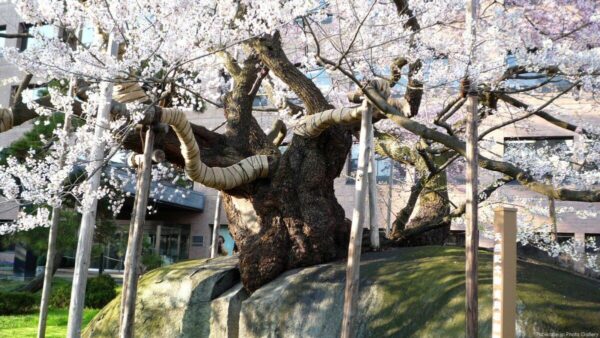
The Ishiwari-Zakura Cherry Tree
This 400-year-old tree is known for splitting a boulder in half as it grew up. It started its life in a small crack in the boulder. Eventually, it overpowered the stone and split it perfectly in half. This tree is a significant tourist attraction in Marioka, Japan.
The Usuzumi-Zakura
This tree is known among locals and tourists for one reason only. It’s pale grey. Cherry blossoms are typically known for their pink or white flowers but not this one. The Usuzumi Zakura is one of Japan’s oldest Sakura, standing strong for over 1,500 years!
Historians believed that Emperor Keitai planted it. The tree is located in the Neodani Valley of Gifu Prefecture.
The Jindai-Zakura
This one is nearly 2,000 years old, making it the oldest cherry tree in Japan. It’s located at the Jindaiji Temple in Hokuto City, Japan. Legend has it that Japan’s 12th emperor, Price Otsu planted it during his first visit to the Yamanashi Prefecture.
Another famous legend associated with the tree is how Buddhist priest Nichiren saved it from dying by praying for its recovery.








The Best Time to Experience Cherry Blossoms in Japan
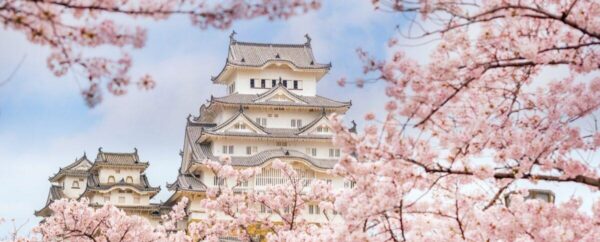
Cherry blossoms or Sakura is a short-lived event; there’s no way to know precisely when it happens. Experts have narrowed the timeline down to any time between March and May. Trees in the Southern part of Japan bloom relatively early. The more north you go, the timeline tends to delay.
Even if you’ve never been to Japan, you’re bound to be exposed to cherry blossoms through poems, novels, and movies. It’s one of the most iconic aspects of Japanese culture that draws millions of tourists annually.
Sources and further reading
- Florence Du Cane, The Flowers and Gardens of Japan (1908)
- Lafcadio Hearn, Kwaidan: Stories and Studies of Strange Things (1904)