To spend real time inside Japan’s living arts, you usually enter through shōkai (紹介, personal introduction) grounded in goen (ご縁, the human connections that link people). Think less “luxury”, more lineage. We spoke with Sébastien Moncus, founder of My Taiken and an insider by marriage in the Hōshō (宝生) school of Noh (能), to learn how invitation-only encounters work, why discretion protects the room, and what changes when guests prioritise rehearsal over spectacle.
Read on to understand how shōkai opens doors, what to expect from an observe-first session, and how to prepare for a private, practice-led encounter.
Who is Sébastien Moncus?
Sébastien Moncus is the founder of My Taiken, based in central Tokyo and established in 2017. Born in Brittany, he joined a Hōshō (宝生) Noh grandmaster family through marriage, which gives him rare access to working theatres, teachers, and rehearsal rooms. He uses that trust to welcome small parties into real practice settings, speaking plainly, keeping the pace human, and making sure guests feel at ease.
Think of Sébastien as a patient guide who knows both sides of the door. He understands what first time visitors find confusing and what masters want to protect. His value sits in three places, credibility with families who carry centuries of craft, clear preparation so guests arrive ready and respectful, and a warm, bilingual presence that turns curiosity into understanding without putting anyone on display.
Origins and intention

Japan Nakama: What first drew you to Japan’s traditional arts, and how did that lead to founding My Taiken?
Sébastien: “Art was always around me growing up. Like many, I met Japan first through manga and anime, but the traditional side—and work culture—felt mysterious enough that I had to see it for myself. As a student I met my wife; her family is the Hōshō grandmaster line of Noh. That changed everything. My Taiken grew from wanting to support this world at a moment Japan was in global focus—think the Olympics—while keeping the core practices intact.”

From outsider to insider
JN: You’re from Brittany. What did it take to be accepted within such an old lineage?
Sébastien: “Respect, patience, and real curiosity. Noh is ancient yet alive; understanding its origins and what shifted over centuries is endlessly fascinating. I was warmly received—many masters perform internationally and welcome exchange. Coming from Brittany and Italy, I recognised the strength of my own cultural roots. You adapt—new codes, new expectations—and you work on yourself to meet them.”
What “invitation-only” actually means
JN: Walk us through an encounter—from first contact to stepping into keiko.
Sébastien: “We know who we welcome and shape content to that person or family. We start with conversation and a gentle primer, then encourage guests to take the lead. It can be hard to know how to behave in a new culture; we stay beside you. I’ve lived that first, slightly unsure moment myself—I want guests to have that same door-opening experience, but in a positive, guided way.”
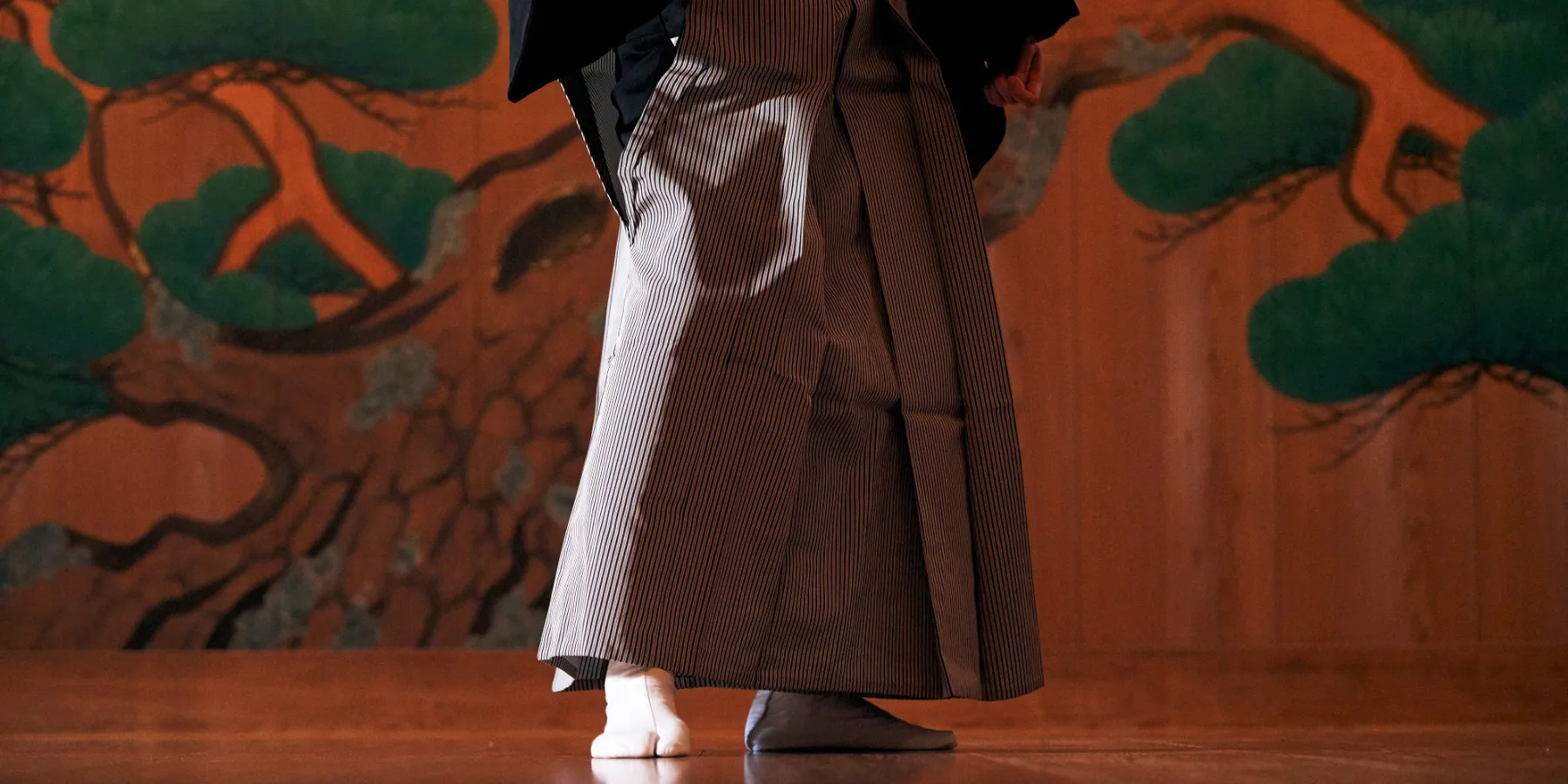
Observe first, then participate: sessions typically open with context (lineage, roles, space), move into a working-pace demonstration (chant, stance, turns), and—only when appropriate—offer light, guided participation. Phones stay away; permitted keepsake photos are private. Names and venues remain unwritten.
Discretion is part of the art
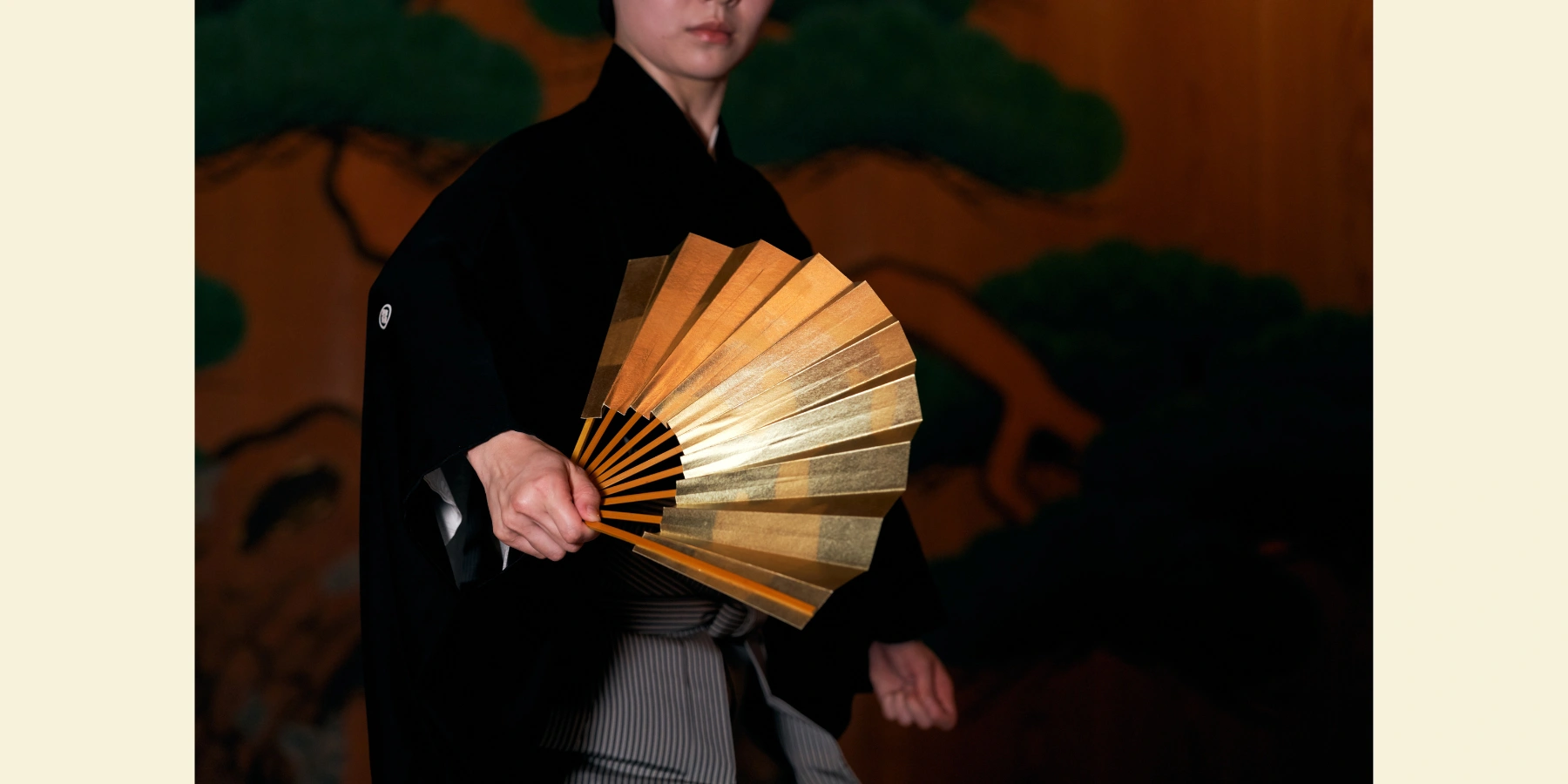
JN: Why “no faces, no posts”?
Sébastien: “Digital tools are useful, but they can’t replace a room shared in real time. Guests come to disconnect, to change pace. Privacy and confidentiality are part of the value—and part of what protects the practice. We share principles, not faces.”
The rule also calms the room. Attention rests on breath, rhythm and tools—the things you remember when the internet is set aside.





Bridges between Brittany and Japan
JN: Do your Breton/Celtic roots echo what you’ve found in Japanese traditions?
Sébastien: “Yes—coastal cultures, strong local languages, myth and story. You see shared ideas of spirituality: yorishiro in Shintō; in Scotland you’ll find trees dressed with cloths for spirits. Noh absorbed influences via the Silk Road; my hometown, Lorient, faced the other end of East-West trade in later centuries. Finding common points is the best way to talk, exchange and create.”
Living in two worlds
JN: How has the family’s traditional arts life changed your perspective—and how have your “fresh eyes” helped in return?
Sébastien: “It reminds you how much there is to learn and why cultural conservation matters. Strangely, living abroad also pulls you towards your own origins. With My Taiken, it’s the right moment to co-create across cultures. At a personal level, values connect people—family, respect, empathy, perseverance—more than language ever could.”
The rhythm of time
JN: What can a busy London professional learn from the pace of Noh, sadō (茶道) or shodō (書道)?
Sébastien: “It depends on the person. For many, it’s mind-opening to feel time slow in these rooms while living in a huge, modern city. We ask for one thing: be present and interact as you wish. You’ll remember the feeling. Your own learning follows.”
Translating nuance
JN: How do you make deeply codified arts legible to first-timers?
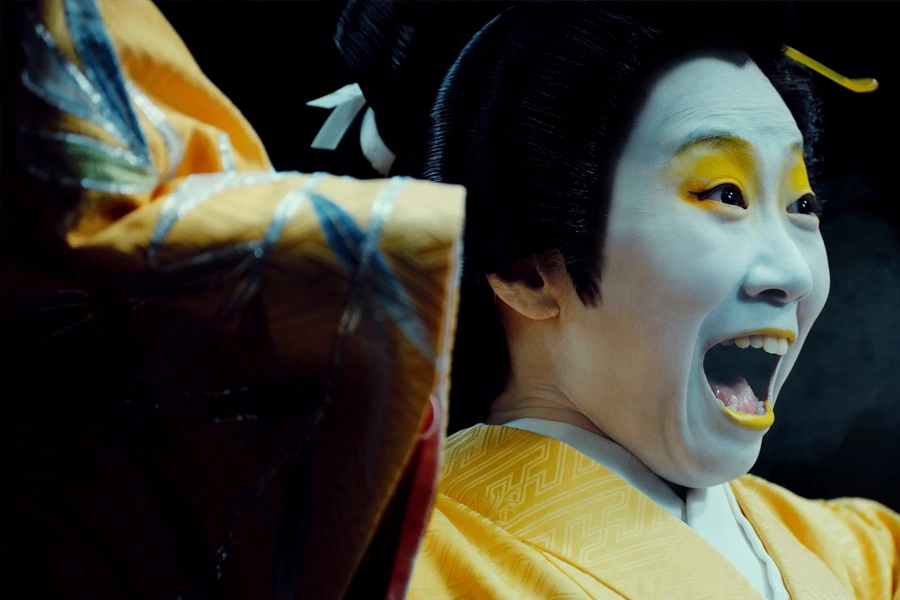
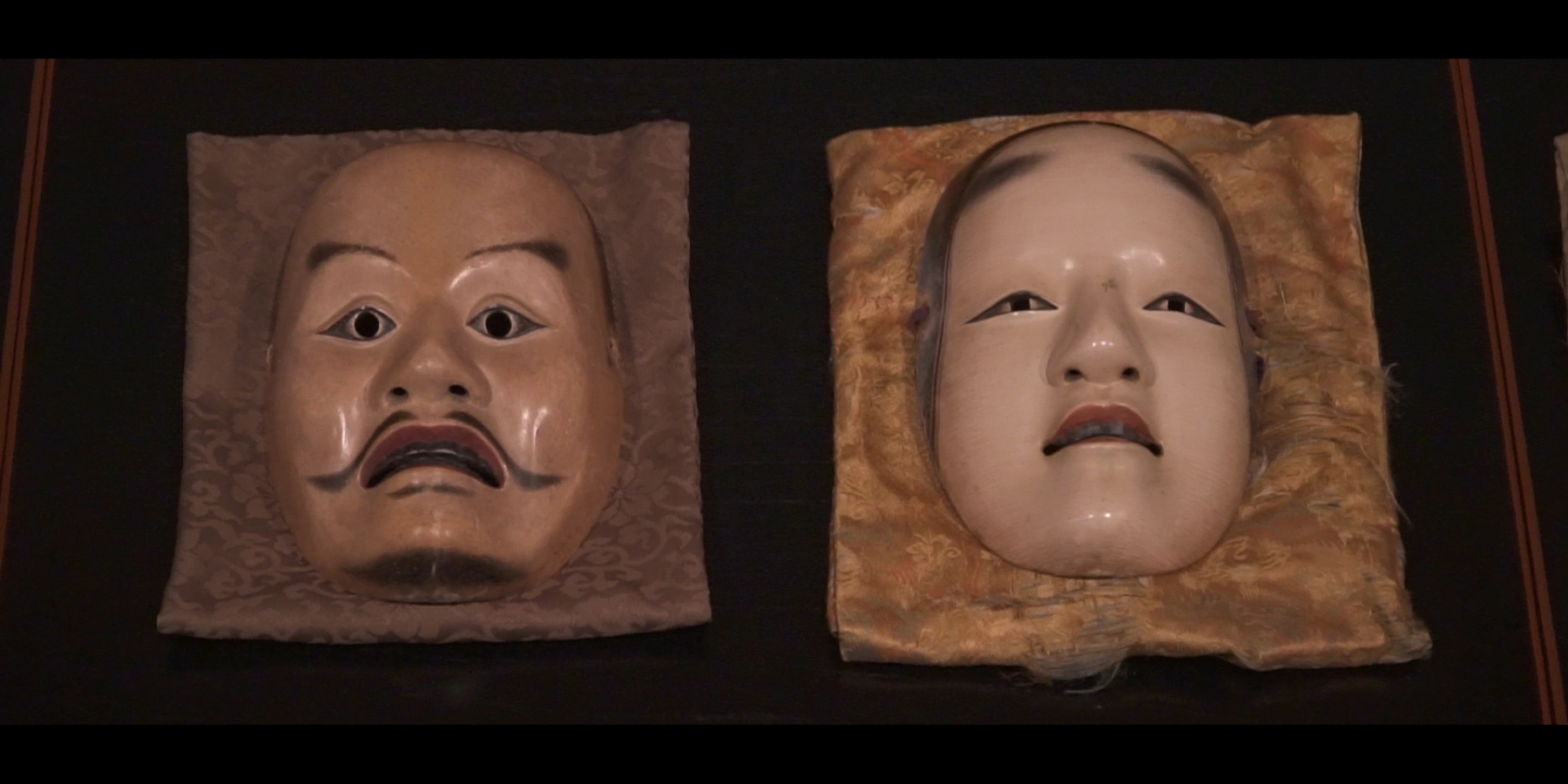
Sébastien: “We keep settings private and personal. Our team and the masters have international experience, so metaphors land and comparisons help. Take Noh: a full play runs 60–90 minutes and can be hard for newcomers. In private we show active sections, explain what to hear and see, and the form clicks.”
Who commissions My Taiken—and why?

Couples, small or multigenerational families, close friends; artists and creatives; CEOs and VIPs; scholars; first-timers and seasoned returners. Motivations vary—authentic practice, personal growth, academic focus, or a clearer window into daily life and craft—yet Noh in particular adapts to many interests.
How a commission unfolds (worked example)
- Window: allow three months for best alignment; one month is often possible; within two weeks, choice narrows sharply.
- Pathway: Enquiry → Shōkai call → Private proposal (teacher, setting, fees) → Preparation notes (etiquette, primers) → Encounter → Quiet follow-up.
- Party shape: very small groups; family visits by arrangement.
- Mode: observe first; guided moments by invitation; bilingual hosting as standard; Sébastien attends.
- What won’t happen: last-minute staging, public posting, or turning practice into a photo-op.
Why small rooms matter
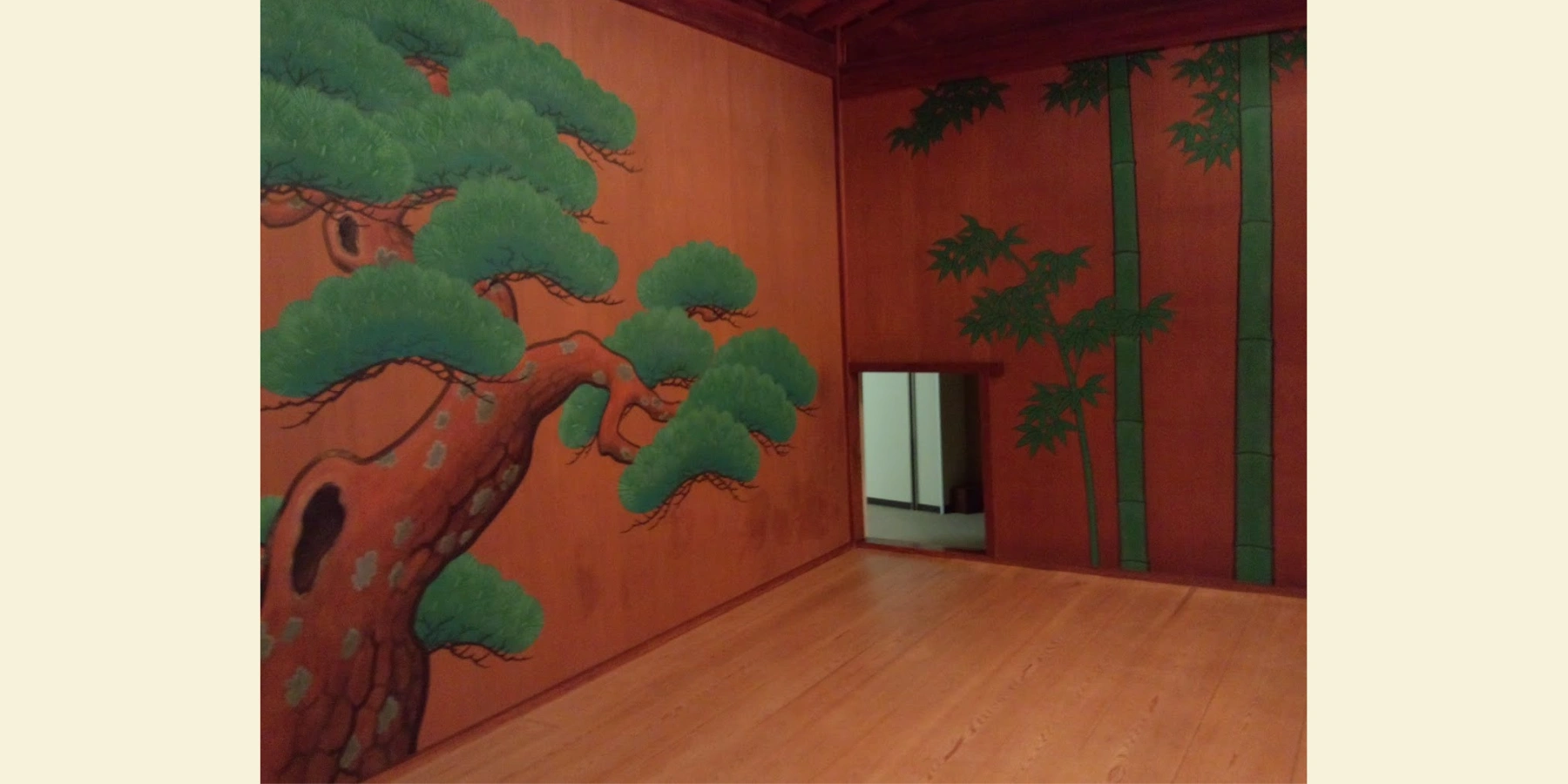
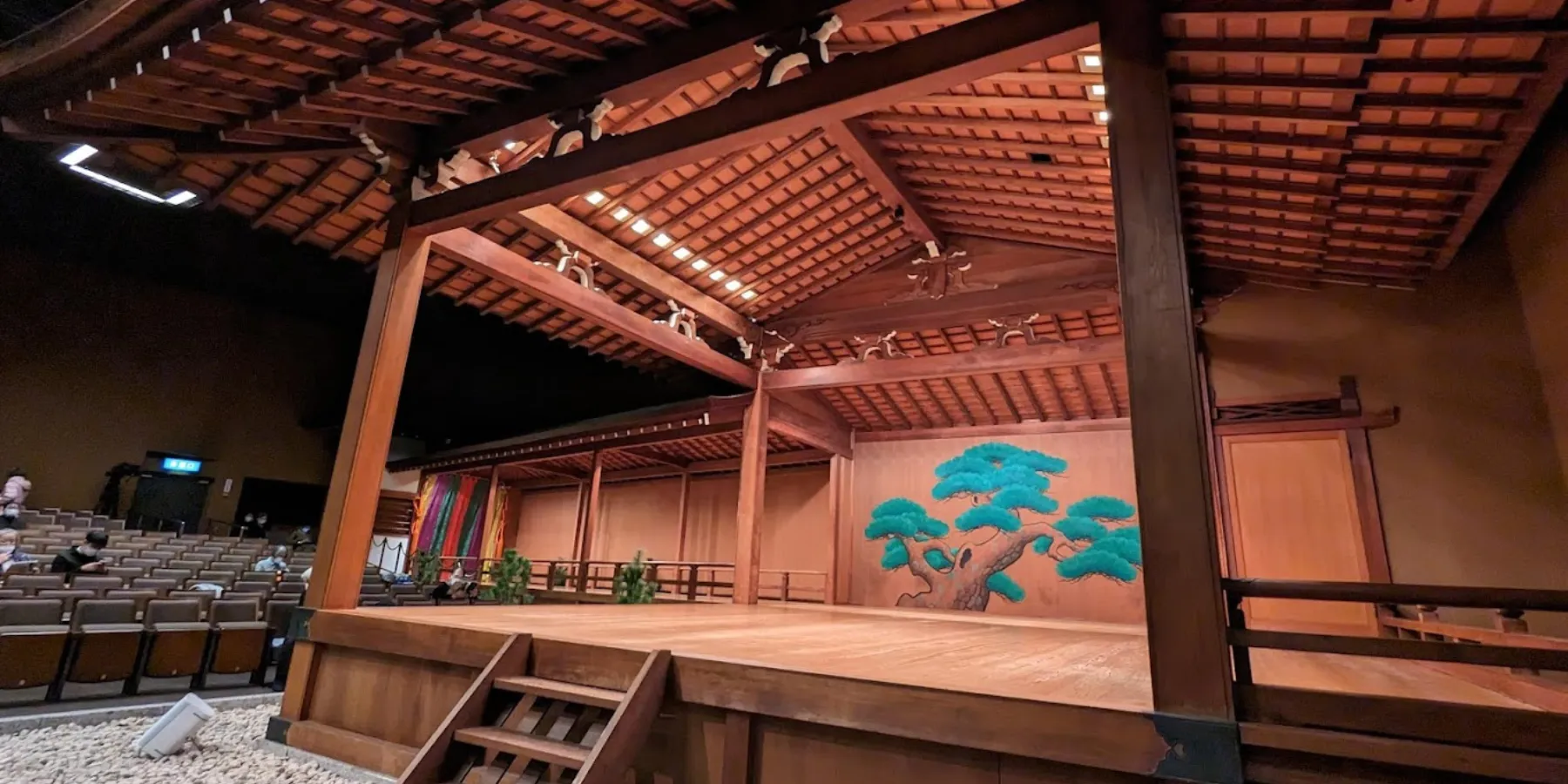
Small parties widen the space for dialogue, keep the pace unhurried, and reduce pressure on masters. Private venues—often working theatres or studios—let guests feel the real architecture, sound and tools, not a staged show.
Boundaries & etiquette
There are rules—especially in sacred or training spaces—but guests are briefed in advance, and the room stays friendly. High-end travellers bring imagination and requests; My Taiken welcomes ideas yet keeps timing respectful. Guests are invited to be actors in their experience, not content collectors.
Tradition today—and tomorrow
The arts remain themselves while finding contemporary expressions: collaborations across film, anime, contemporary galleries. The key to relevance is steady practice and good introductions, not dilution. My Taiken’s role is to host those introductions, design practice-led programmes, and signal to younger masters that their work is valued—sustaining families, workshops and stages.
Practicalities at a glance
- Notice: three months ideal; one month workable; under two weeks generally not accepted.
- Discretion: faces, venues and schedules stay offline; permitted keepsake photos remain private.
- Interpreter: English–Japanese as standard; bilingual pacing so attention stays on the work.
- Contact: request a private introduction via email; proposals are shared privately.
Request an introduction
Email: contact@my-taiken.com (please include interests, dates, and party details). Encounters are prepared on a case-by-case basis.