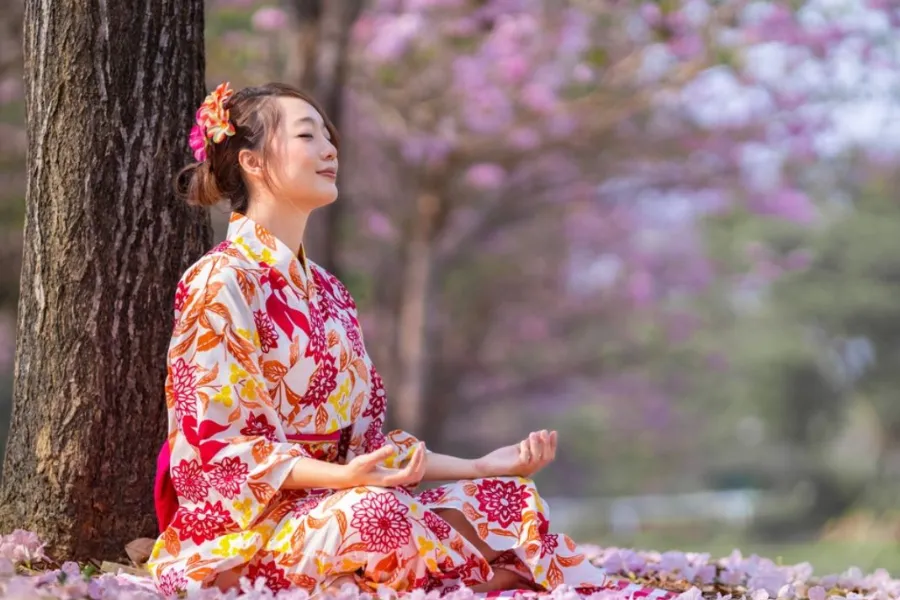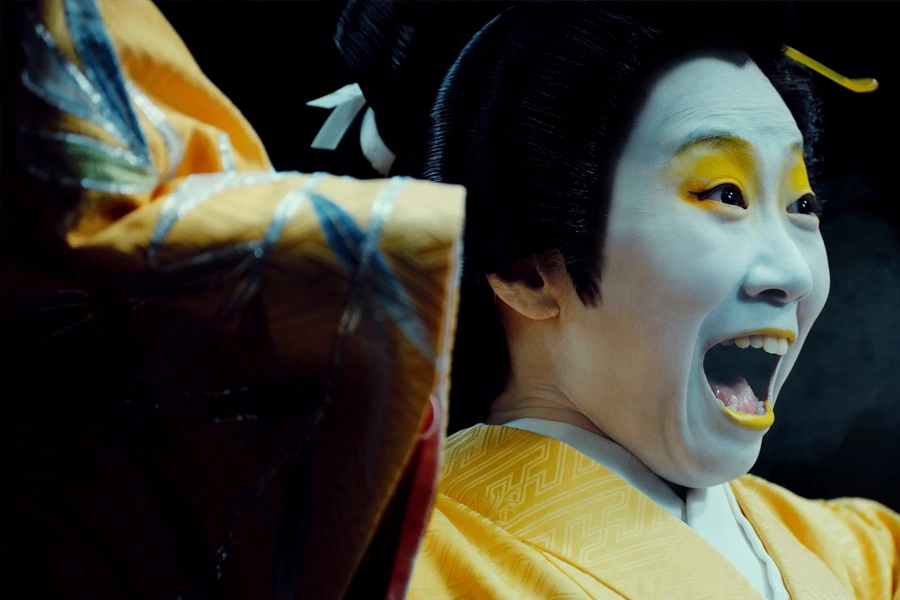
A sensory, object-led journey through Noh (能), tea (茶道), shodō (書道), and ikebana (生け花), where access begins with shōkai (紹介, private introduction) and unfolds through keiko (稽古, practice). Observe first. Prepare well. Names and venues remain unwritten.
My Taiken, founded by Sébastien Moncus, is a house of private introductions to Japan’s living arts. Taiken means “experience”, and that is the promise here: not a tour, but time inside real practice with high-level professionals in Tokyo and beyond. Founded in 2017 and based in central Tokyo, My Taiken works directly with cultural institutions and practitioners to design private, practice-led encounters.
My Taiken also serves travel designers and DMCs as a cultural concierge, offering white-label handling from proposal to preparation notes.
Introductions open doors to Noh, tea, shodō and ikebana with clear preparation notes, observe-first time in the room, small parties and realistic notice windows. Etiquette is part of the learning: phones away, quiet attention, bilingual hosting and interpretation on request. My Taiken’s team does more than translate; they facilitate, keep the pace gentle and make the room feel friendly and comfortable. When ready, write to request an introduction. My Taiken will prepare your visit.
Plan a private introduction to Japan’s living arts with My Taiken.
Request a private introduction: contact@my-taiken.com
Invitation, not promotion
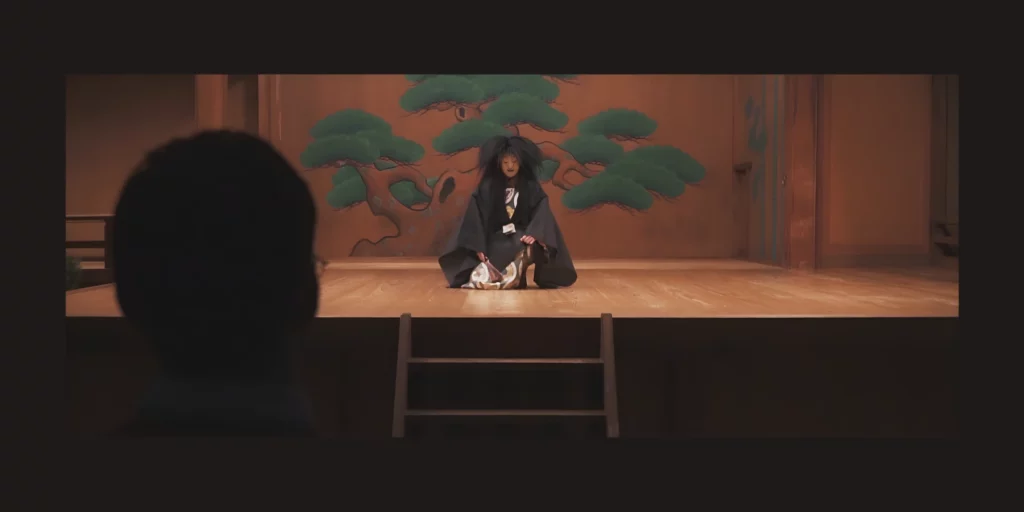
Image credit: My Taiken
Founded by Sébastien Moncus, part of the Hōshō (宝生) Noh grandmaster family by marriage, My Taiken introduces guests to practice carried through from the Muromachi period.
That same era seeded many of today’s arts, shaped by open exchange with neighbours and centuries of Silk Road influence. Encounters are arranged family to family and teacher to student, with etiquette and preparation setting the pace.
The masters in My Taiken’s network regularly collaborate for cultural exchange in Japan and abroad, yet the etiquette that protects each art remains constant.
What sets this apart from “exclusive” or “luxury” offers:
- Lineage access — credible introductions instead of access-speak
- Practice at the centre — time inside rehearsal, not staged display
- Stewardship over spectacle — calm pace, seasonal timing, fair schedules
- Welcomed by families — real domestic and training settings
- Cross-cultural exchange — interpreter and primers so attention stays on the work
This approach balances high-end expectations with preservation and care. It suits travellers, families, and B2B partners who value intimacy, cultural continuity, and the possibility of transformational moments over public display.
The Muromachi context
The Muromachi period, 1336 to 1573, unfolded under the Ashikaga shogunate in Kyoto. Court taste, warrior patronage, Zen thought, and lively exchange with Ming China created conditions where training and refinement mattered as much as display. Many arts that My Taiken works with today either took their classic shape in this era or found the teachers who set their direction.
These are the conditions My Taiken returns you to: a teacher, a room, seasonally attentive tools, and disciplined forms refined in Muromachi Kyoto.
Noh (能)
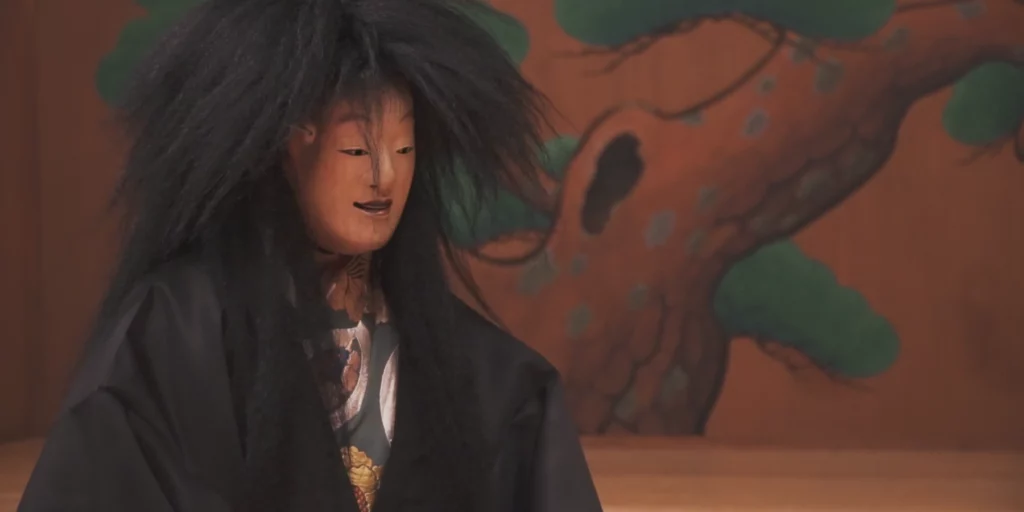
Image credit: My Taiken
Zeami Motokiyo refined the theory, repertoire, and training of Noh under Ashikaga patronage, especially in the orbit of Ashikaga Yoshimitsu. What we recognise as Noh’s cadence and discipline was stabilised then and carried forward by family lineages to the present. Nōgaku is now on UNESCO’s Intangible Cultural Heritage list.
Tea ceremony, sadō (茶道)
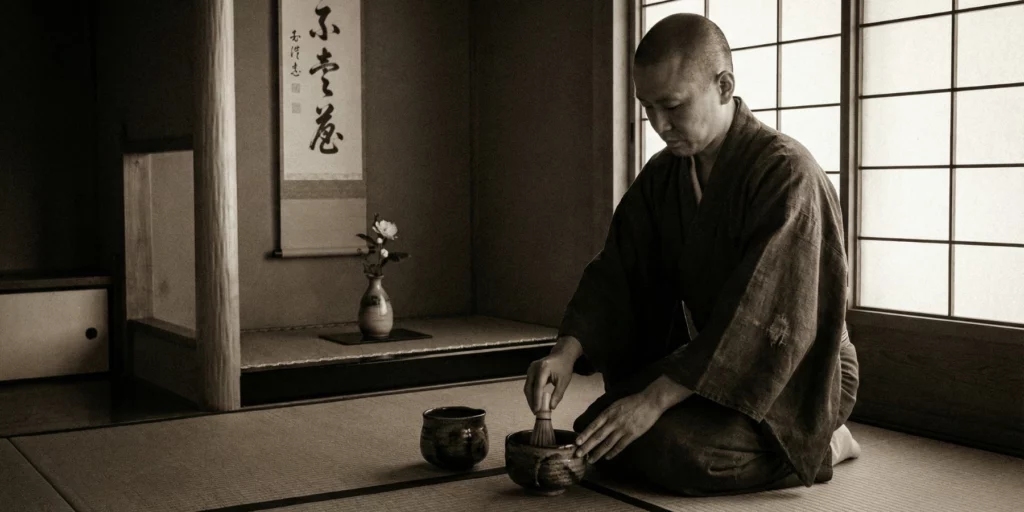
Tea shifted from courtly amusement toward contemplative practice. Murata Jukō is often credited with the early turn to wabi-cha, favouring restraint, seasonality, and moral attention to utensils. Those Muromachi foundations shaped later masters and the etiquette that governs serious tea today.
Ikebana (生け花)

Goyokin (1969)
Temple offerings evolved into formal arranging. The Ikenobō tradition is associated with Rokkaku-dō in Kyoto, while Muromachi texts describe forms that value structure, line, and seasonal feeling. The idea that containers are architecture and that air is part of the composition comes from this milieu.
Shodō (書道)
Zen monasteries transmitted Chinese models and texts, shaping brush technique, posture, and an ethic of repetition. The period’s taste for ink on paper, simplicity, and exactness still guides how shodō is taught and practised.
Exchange and influence
Trade and diplomatic contacts with Ming China moved books, ceramics, lacquer methods, and ideas into Japanese workshops, temples, and theatres. Muromachi elites adopted and adapted these imports, producing a distinctly Japanese synthesis that prized disciplined practice over ornament.
What guests can expect with My Taiken
My Taiken’s introductions place master and guest together in the room, with focus on rhythm, breath, tools and the season.
Sébastien Moncus’s position within the Hōshō grandmaster family connects visitors to a lineage whose methods trace to Muromachi Kyoto. What you meet in each encounter is not a modern stage set but a living continuation of choices made in that period, observe first, prepare carefully, then act with guidance.
Hōshō (宝生) – a living lineage
One of Noh’s four principal schools, the Hōshō line reaches back to the Muromachi period and flourished under Edo patronage, including support from the Tokugawa shogunate and the Kaga domain. The school is recognised for the clarity and refinement of its utai (chant), sustained by regular practice and cultural outreach in Tokyo. Sébastien works as a trusted foreign insider within a grandmaster family, helping arrange private introductions by request.


Noh (能) – Inside a living lineage

Image credit: My Taiken
Witness an art with six centuries of memory. With more than 600 years of history, Noh is a symbolic drama shaped from classical literature and courtly taste. A performance brings carved masks, omote, brocade costumes, chorus and musicians into precise alignment.
Roles interlock: the lead shite, the supporting waki, the hayashi ensemble on drums and flute, and the jiutai chorus. The theatre itself, the nogakudō, is austere yet dignified, designed around historical elements that heighten the experience.
Objects and sound
A fingertip tests the tension of the kotsuzumi; the ōtsuzumi answers; chant settles into the boards. The mask’s eye apertures catch warm light and the matte gofun surface shifts with angle and breath. Stage architecture becomes an instrument: roof, bridge, pillar, polished floor.
In the Hōshō vocabulary, utai is clean and exact, the line carried as much in the body as in the voice. What many expect as a tableau reveals itself as rehearsal. You are not an audience member but a witness to practice. The details will not be photographed; they will be remembered.
Transmission and today

Image credit: My Taiken
Noh is stewarded by the iemoto system, a family-based structure for repertoire, pedagogy and licence. Children begin keiko early, some stepping on stage around the age of three, repeating chants and steps until muscle and memory align. Fewer candidates choose the path today as modern demands compete with discipline and time. Some actors continue long family lines; others enter from outside and commit to years of training before they can claim the art as their own.
The world around Noh continues to shift. Collaborations with singers, anime voice actors and even manga adaptations offer younger audiences a way in, and Japanese cinema has long drawn on Noh’s cadence, masks and stylised gesture, from classic auteurs to contemporary directors. Yet the core remains rehearsal, not display. Nōgaku holds UNESCO Intangible Cultural Heritage status, and the form travels for cultural exchanges and private commissions, but the etiquette that protects it does not change.
The experience by private introduction
Step into a privately owned Noh theatre by introduction for a focused, unhurried encounter. A master dedicated to preserving the essence of Noh will lead the session with a skilled team. Depending on alignment, the time may include an overview of origins and meaning, a demonstration, a guided listening or movement primer, and where appropriate a light hands-on element. Encounters are tailored to the party and held in spaces chosen for calm and clarity.
Prelude to the encounter (checklist)
- Notice window: Please allow three months’ notice. In select cases, one month may be accommodated. Requests within two weeks materially limit access and are generally not accepted.
- Preparation: brief chant and listening primer; footwear guidance; minimal accessories; devices out of sight.
- Party shape: Small, discreet groups only; family visits possible by prior arrangement.
- Mode: Immersive and interactive within etiquette; observe first, then engage in guided dialogue and light practice by invitation.
- Interpreter: English–Japanese, provided by the My Taiken team; Sébastien attends.
What will not happen: What will not happen: no last-minute arrangements. Photos or short clips may be taken with permission for private use only; no social posting.
Tea (茶道, sadō) – Practice, not performance
Yumeji (1991)
The room teaches first
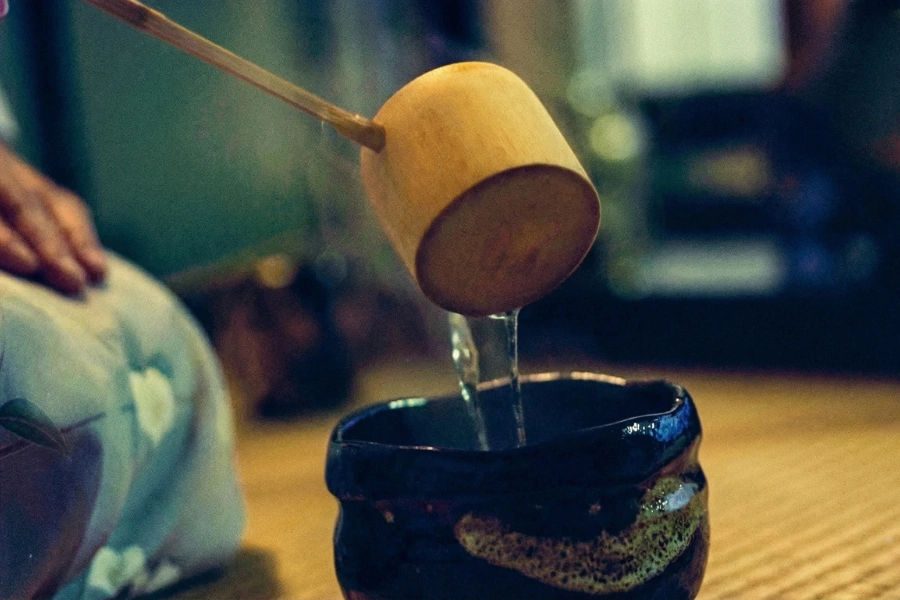
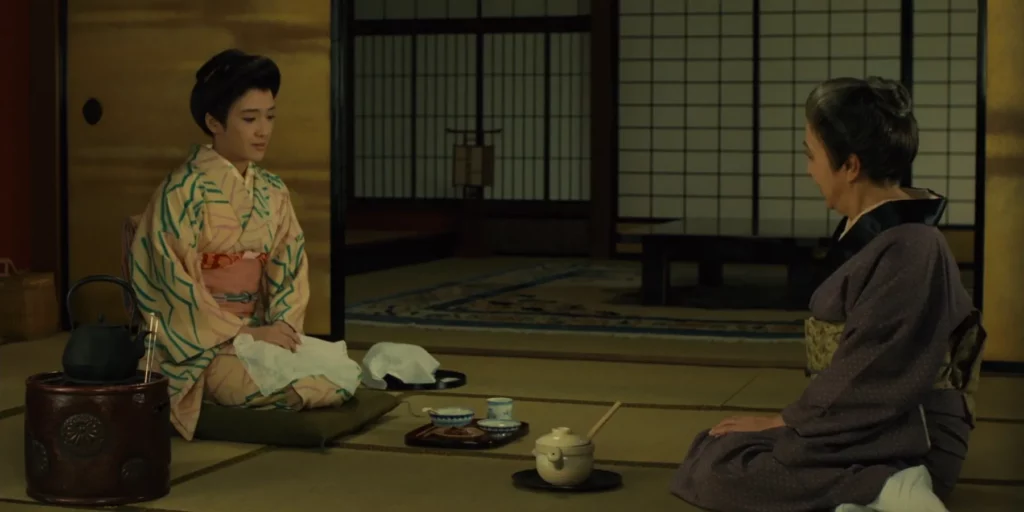
Tea values the meeting itself, ichigo ichie (一期一会), a once-in-a-lifetime encounter. The host prepares matcha in a codified sequence so guests can relax inside the form.
Tatami underfoot, an iron kettle beginning to sing, a seasonal kakemono guiding the eye to one brush line. Tea has more than a millennium of practice behind it. The host prepares finely ground green tea, matcha, with delicacy and a codified sequence of movements so guests can enjoy the whole experience in a structured yet calming atmosphere.
What you will experience
A high-level professional leads the ceremony, often from the Urasenke (裏千家) tradition, recognised internationally and experienced in formal settings for distinguished audiences. Sessions can include a short history of tea, etiquette and rules, a demonstration, and where appropriate a light hands-on moment. Settings are private, serene and unhurried, chosen to match the season and the party.
Calm, conversational, and guided by the host. Bilingual hosting keeps the flow easy; full etiquette notes are shared privately after your enquiry.
Commissioning pathway
Enquiry → Introduction → Proposal (private) → Preparation notes → Encounter → Reflection
Request a private introduction: contact@my-taiken.com
Shodō (書道) – Brush, breath, stroke

Silence (2016)
A living writing practice
Shodō arrived from China in the 6th to 7th centuries along with paper, brushes (fude) and ink (sumi). In Japan it evolved with the kana syllabary into a distinct art that focuses the spirit and gives form to the inner heart. Even when characters look alike, each line carries its own life through pressure, speed and lift. Works are appreciated for stroke order and control, the condition of the text, shades of ink, and the balance of the whole composition.
Ink pools on the stone, the brush lifts to drink, washi waits. The room is quiet. The aim is calm attention rather than display, and a single honest stroke can be enough to understand what the practice asks.
The experience by private introduction
A highly skilled calligraphy master leads a private session shaped to the party. Time may include a short talk on origins, an introduction to materials, a demonstration of brush handling and stroke order, and, where appropriate, a light hands-on moment. Settings are chosen for calm and focus so guests can sense the aroma of ink, the drag of the brush on paper, and the discipline that makes a line true.
Request a private introduction: contact@my-taiken.com








Ikebana (生け花) – Lines that hold flowers
Arrange flowers in harmony with nature
Ikebana has a history of more than seven centuries in Japan. It treats flowers, grasses and branches as living matter, not decoration. The aim is to express the dignity of nature inside a container, guided by discipline, philosophy and quiet concentration. Materials are chosen by season, colours and textures are balanced with intention, and classic codes shape the final form so that calm and clarity read at a glance.
Form, season, and negative space
Containers act like architecture, stems give structure, and air is part of the composition. A winter branch that looks sparse can carry more movement than a crowded bouquet. The kenzan beneath the surface does quiet engineering so the visible line holds. Often the first lesson begins in stillness, watching a master place three elements with conviction before you try a single cut.
The experience by private introduction
A qualified ikebana master leads a private session shaped to your party. Time can include a short history and purpose of ikebana, a live demonstration, guidance on seasonal materials and containers, and, where appropriate, a light hands-on moment. Many of our partners have international recognition and experience at global events. Settings are chosen for calm and focus so attention rests on the work, not the room.
Before you commission
- Choose a season and accept its limits
- Agree a theme or feeling rather than a flower list
- Expect observation first; light guided work only when invited
Request a private introduction: contact@my-taiken.com
Commissioned encounters – what “custom” really means
Custom under shōkai (紹介) means a made-to-measure encounter shaped around your interests with the right teacher at the right time. Contact My Taiken with your focus, travel window and party details. My Taiken will confirm alignment, share brief etiquette notes, then send a private proposal with schedule and fees.
Short preparation notes follow, and the encounter takes place in a calm, private setting.
Request a private introduction: contact@my-taiken.com
The path ahead

Image credit: My Taiken
Introductions, not bookings. That is the thread that runs through every encounter with My Taiken. By entering through shōkai (紹介) and sitting inside keiko (稽古), guests meet living practice rather than a staged display. The result is quiet time in private ceremonies and practice rooms, guided by teachers who carry lineages that reach back more than six centuries to the Muromachi period.
This approach protects what matters. Small parties, no posting, and preparation notes keep attention on the art and help sustain the families and schools that maintain it. In return you gain an intimate window into traditions that have endured, adapted, and continued to teach with patience and care.
Glossary of terms
Ashikaga shogunate (足利将軍家) – Military rulers of the Muromachi period.
Hōshō (宝生) – One of Noh’s four principal schools, noted for clear utai.
Ichigo ichie (一期一会) – The tea ideal of a once-in-a-lifetime meeting.
Iemoto (家元) – Head of a school or lineage who governs teaching and licences.
Ikebana (生け花) – The Japanese art of flower arrangement.
Kaiseki (懐石) – Seasonal multicourse cuisine often linked to formal tea.
Kana (仮名) – Japanese syllabary that shaped native calligraphic styles.
Kakemono or kakejiku (掛物・掛軸) – Hanging scroll used to set theme or season in a tea room.
Kenzan (剣山) – Spiked holder that anchors stems in ikebana.
Keiko (稽古) – Practice or training within a tradition.
Kotsuzumi (小鼓) – Small hand drum used in Noh.
Matcha (抹茶) – Finely ground green tea used in the tea ceremony.
Muromachi period (室町時代) – 1336 to 1573, era when many classical arts took shape.
Nōgaku or Nohgaku (能楽) – Collective term for Noh and Kyōgen theatre.
Nogakudō (能楽堂) – Purpose-built theatre for Noh.
Omote or men (面) – Carved mask worn by the lead Noh actor.
Sadō or chadō (茶道) – The Way of Tea, the formal tea ceremony tradition.
Shite (仕手) – Lead actor in Noh.
Shōkai (紹介) – Private introduction granting access to a practice or master.
Shodō (書道) – The Way of Writing, Japanese calligraphy.
Sumi (墨) – Ink used in calligraphy, often ground on a stone.
Tatami (畳) – Woven straw mat flooring used in traditional rooms.
Urasenke (裏千家) – One of the main schools of the tea ceremony.
Utai (謡) – Chant used in Noh performance and rehearsal.
Wabi-cha (侘茶) – Tea aesthetic favouring restraint and seasonality.
Washi (和紙) – Traditional Japanese paper.
Waki (脇) – Supporting actor in Noh.
Hayashi (囃子) – Ensemble of Noh musicians.
Jiutai (地謡) – Chorus in Noh that supports the action and chant.
Fude (筆) – Brush used for calligraphy.