Sadness and Sorrow is the piano and shakuhachi theme that plays under Naruto’s hardest moments, the sad Naruto song fans recognise from the first three notes.
It is also the most miscredited piece of music in the series. Three different names are attached to it, depending on where you look.
The 2003 Naruto Original Soundtrack credits MUSASHI PROJECT. Most streaming services, sheet music editions and cover videos credit Toshio Masuda, the composer of the original series. Yasuharu Takanashi has said for years that the piece is his.
The 2003 recording on YouTube and on Spotify, where it sits on the original soundtrack album as 哀と悲, track seven. Both list the composer as MUSASHI PROJECT.
Ahead of his first ever performance in the United Kingdom, Japan Nakama asked Takanashi to put it on the record.

Takanashi’s answer

Asked directly whether he composed Sadness and Sorrow, his reply was three words.
I composed it.
He also confirmed that a rerecorded version of the piece appears on Naruto Shippuden Original Soundtrack III.
Toshio Masuda, Musashi Project and Takanashi, and what each one actually did
The three credits are not really in conflict. It is a collective credit being read as an individual one.
Naruto ran from 2002 to 2007 and Toshio Masuda was its composer. That part is not in dispute, and it is why his name sits on the series everywhere you look.
But the 2003 Naruto Original Soundtrack does not put Masuda’s name on every track. Sadness and Sorrow is credited to Musashi Project, the unit Takanashi was part of, and streaming services still list the album under both names. A collective credit tells you which group delivered the music. It does not tell you which member wrote which piece.
Takanashi has described the track as his first ballad for the series. When Naruto Shippuden began in 2007 he took over as composer in his own right, stayed with it to the end of the run in 2017, and carried on into Boruto.
So Masuda scored the series, Musashi Project delivered the album, and Takanashi says this particular piece was his. All three credits describe something real. Only one of them names the person who wrote the notes.
That unit’s name has followed him ever since. Far East Groove, the band he brings to Dingwalls on 2 October, takes its name from the 1998 second album by 六三四 Musashi, founded by guitarist and producer Katsunosuke Kobari. Takanashi confirmed Kobari’s name for this article.
Finding the rerecording
The rerecorded version appears on Naruto Shippuden Original Soundtrack III, where it is titled 届かぬ人に and sits at track 22, running three minutes and twenty seven seconds. Takanashi’s management confirmed for this article that it is the version which stays closest to the structure of the original.
Track 21, ノスタルジア, the Japanese spelling of Nostalgia, is an arranged version built on the same musical motif. Both come from Sadness and Sorrow, which is why the two titles end up standing in for each other.
Twenty years of sheet music, streaming credits and cover videos
Once a credit is printed on an album it travels. Streaming metadata inherited it, sheet music editions copied it, and two decades of cover videos repeated it. Nobody had put the question to Takanashi directly in English, so there was never anything to correct it against.
It is a small thing to put right, but it matters to the people who have been playing this piece on pianos, guitars, flutes and ocarinas for twenty years and want to know whose music they are playing.
Hearing it live
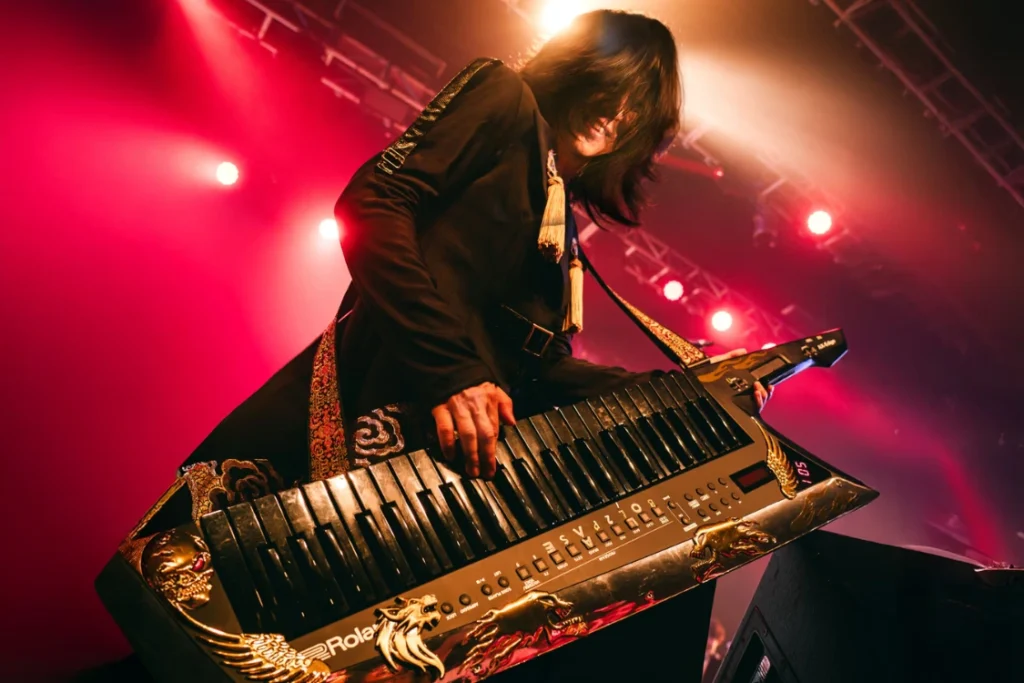
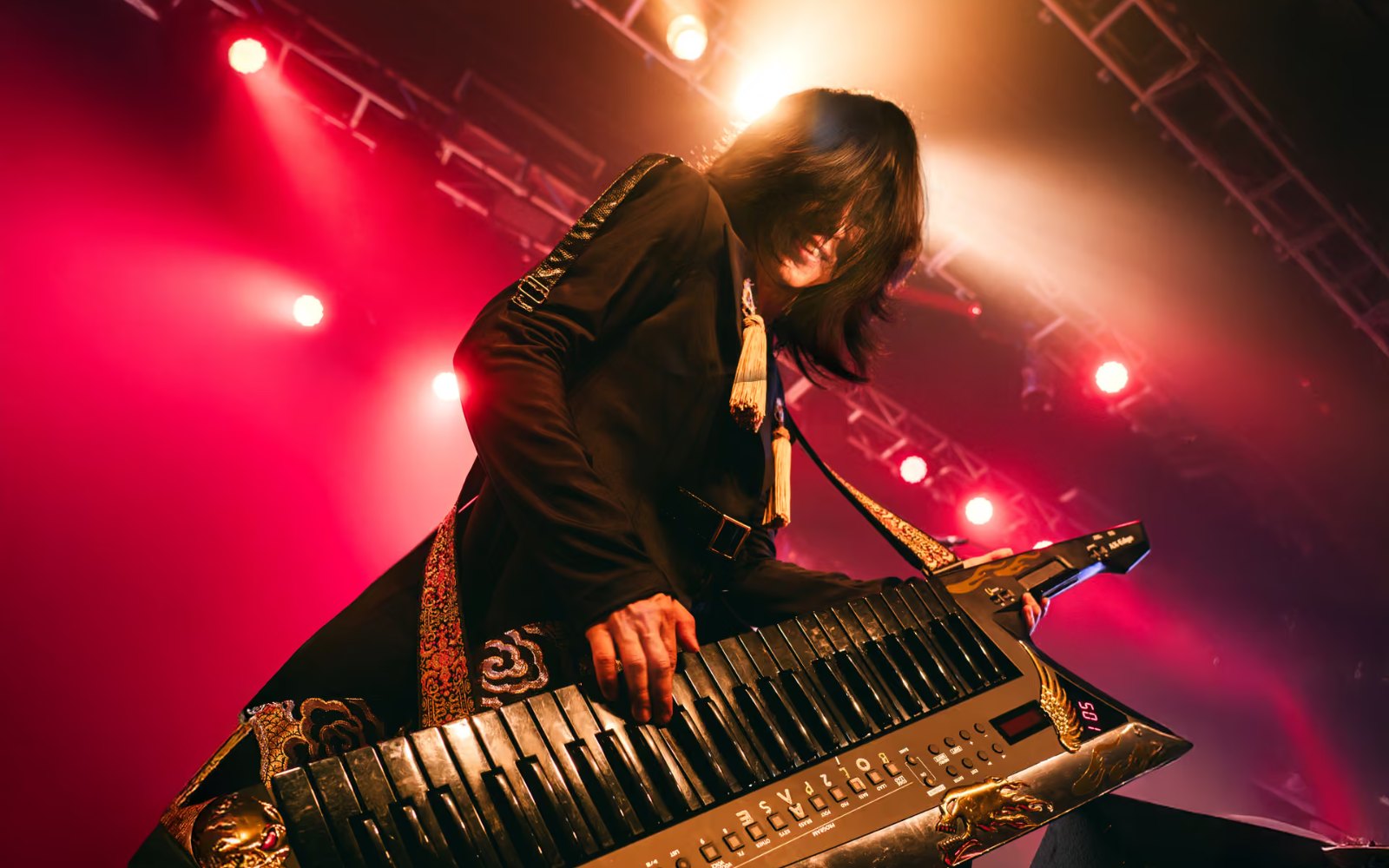
Takanashi plays Dingwalls in Camden on Friday 2 October 2026, his first ever UK show, performing music from Naruto Shippuden and Fairy Tail with Far East Groove.
The full interview covers more, including what the chant under Pain’s theme actually says. Takanashi’s answer: the words are completely invented, and some of them are real words spoken backwards.