Wabi-sabi and kintsugi are two of Japan’s quietly radical ideas, and both turn imperfection from a flaw into something worth keeping. This guide is about living them: the small habits and shifts in perspective that bring their calm into an ordinary day. If you want the background first, our explainer on what wabi-sabi means covers its origins and meaning, and our piece on the philosophy of kintsugi explains the idea behind the gold. Here, the focus is on practice.
Japanese philosophies such as Wabi-Sabi (侘寂) and Kintsugi (金継ぎ) offer a different perspective. Rather than striving for perfection, they encourage us to notice the beauty in imperfection and to accept life as it unfolds. Wabi-Sabi teaches us to appreciate simplicity, naturalness, and impermanence, while Kintsugi shows us that our cracks and scars can be celebrated rather than hidden. Together, they offer practical guidance for mental well-being, helping us cultivate patience, resilience, and self-compassion.
In short, wabi-sabi means finding beauty in things that are simple, imperfect and marked by time, such as a hand-thrown bowl with an uneven rim, a moss-covered stone or a wooden floor worn smooth by years of use.
Wabi-sabi vs kintsugi: what is the difference?
Wabi-sabi and kintsugi are linked but not the same. Wabi-sabi is an aesthetic and outlook, the appreciation of beauty that is imperfect, weathered and impermanent. Kintsugi is a specific craft, the repair of broken pottery with lacquer and gold so the cracks are highlighted rather than hidden. Kintsugi is wabi-sabi made physical: one is the philosophy, the other is what it looks like in the hands.
Understanding Kintsugi (金継ぎ)
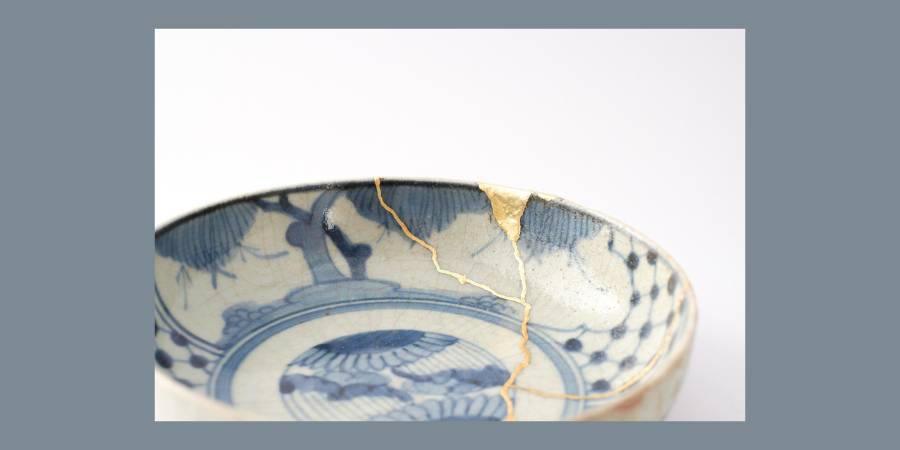
Kintsugi, literally “golden joinery,” is a centuries-old Japanese technique for repairing broken pottery using urushi lacquer mixed with powdered gold, silver, or platinum. Rather than hiding the cracks, Kintsugi highlights them, creating a repaired object that is visually striking and conceptually rich. The philosophy behind Kintsugi is that breakage and repair are not something to disguise but to honour, recognising that flaws and history contribute to an object’s beauty and uniqueness.
There are several technical approaches to Kintsugi:
- Crack Repair (割れ継ぎ, Ware Tsugi): Used for linear breaks, the edges of the broken pieces are glued and filled with lacquer, then dusted with powdered gold.
- Piece Replacement (欠け継ぎ, Kake Tsugi): When fragments are missing, the lacquering technique fills gaps with a gold composite, restoring form while emphasising loss.
- Joint Kintsugi (継ぎ目, Tsugime): Combines broken pieces and gold embellishment to strengthen structural integrity while celebrating imperfections.
Philosophically, Kintsugi reflects principles rooted in Buddhist thought:
- Impermanence (無常, Mujō / Anicca): Everything is transient; even objects change over time.
- Suffering (苦, Ku / Dukkha): Breakage is inevitable, and acknowledging this is part of appreciating life.
- No-Self (無我, Muga / Anatta): Identity and value are not fixed; growth arises through adaptation and repair.
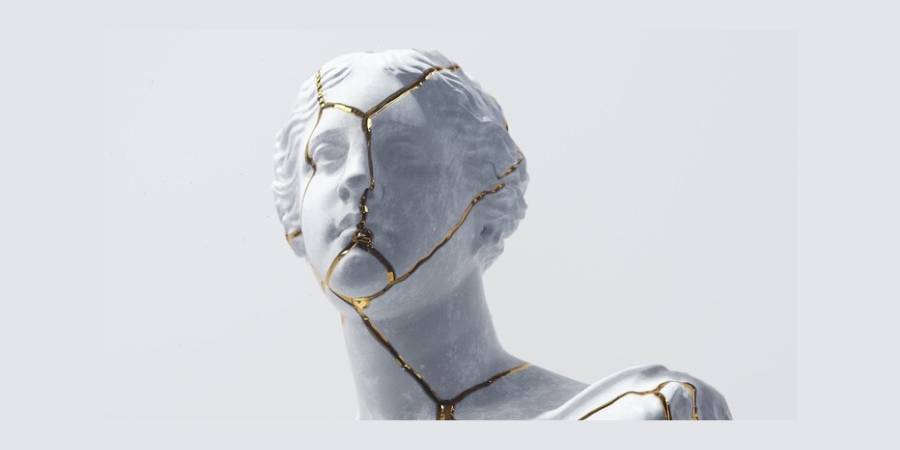
Applied to mental health, Kintsugi is a powerful metaphor: our emotional wounds, failures, and setbacks can become sources of strength and individuality when met with acceptance rather than shame. Neuroscience supports this view, treating our flaws with compassion can enhance neuroplasticity, strengthen emotional resilience, and reduce stress.


Understanding Wabi-Sabi (侘寂)
While Kintsugi emphasises repair, Wabi-Sabi is a broader philosophy that encourages seeing the world and ourselves through the lens of imperfection, impermanence, and incompleteness. The term combines two concepts: Wabi (侘), originally meaning “solitude” or “simple living,” and Sabi (寂), connoting the beauty that comes with age, patina, and quietness. Together, Wabi-Sabi celebrates humility, naturalness, and the understated.
Its seven traditional principles offer a guide to cultivating a Wabi-Sabi mindset:
- Kanso (簡素 / Simplicity): Eliminate clutter and focus on essentials, both physically and mentally.
- Fukinsei (不均斉 / Asymmetry or Irregularity): Embrace imbalance, irregularity, and imperfection as natural qualities.
- Shibumi (渋み / Subtle Elegance): Appreciate quiet beauty and understated refinement over ostentation.
- Shizen (自然 / Naturalness): Accept life as it is, without forcing it to conform to rigid expectations.
- Yūgen (幽玄 / Subtle Grace or Mystery): Notice depth in fleeting, subtle, or ambiguous moments.
- Datsuzoku (脱俗 / Freedom from Conventions): Step outside patterns and embrace spontaneity.
- Seijaku (静寂 / Tranquility): Cultivate calm, stillness, and serenity, even amid imperfection.
Wabi-Sabi is deeply rooted in Zen Buddhism and Japanese tea culture, emphasising mindfulness, attentiveness, and the ability to appreciate transient beauty. In everyday life, it teaches patience and acceptance, encouraging us to slow down and notice details often overlooked.
Sen no Rikyū, the Tea Room and the Raku Tea Bowl
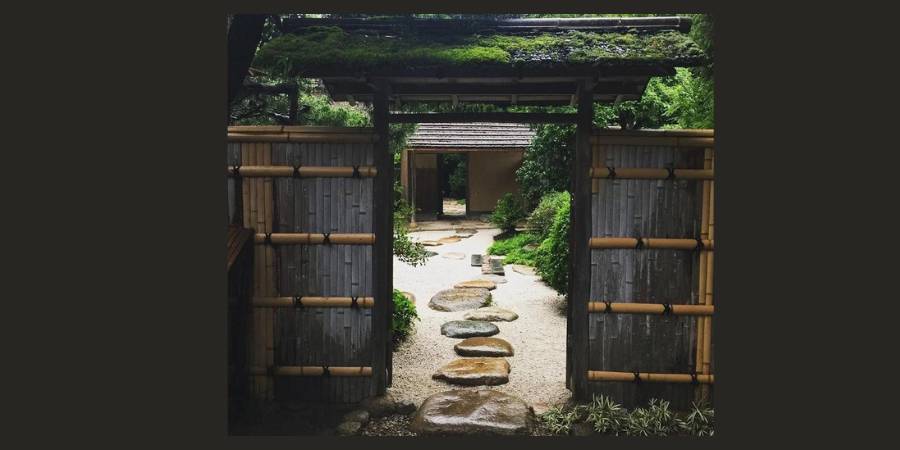
The clearest place to see what wabi-sabi means in practice is the tea room. Kakuzo Okakura, writing in The Book of Tea (1906), called it the “Abode of the Unsymmetrical”, a room “consecrated to the worship of the Imperfect”, where something is purposely left unfinished for the guest’s imagination to complete.
Okakura explained the rules that follow from this. No colour or design should be repeated in the room, so a round kettle is paired with an angular water jar, and a black-glazed tea bowl is kept apart from a black lacquer tea caddy. A vase in the tokonoma alcove is set slightly off centre so that it never divides the space into two equal halves.
He also retold a well-known story about the tea master Sen no Rikyū (1522 to 1591). Rikyū watched his heir, Shōan, sweep and water the garden path until not a leaf was left, then told him that was not how a path should be swept. He stepped into the garden, shook a tree and let a scatter of autumn leaves fall across the stones. Rikyū wanted the garden clean, and natural too, which is wabi-sabi in a single gesture.
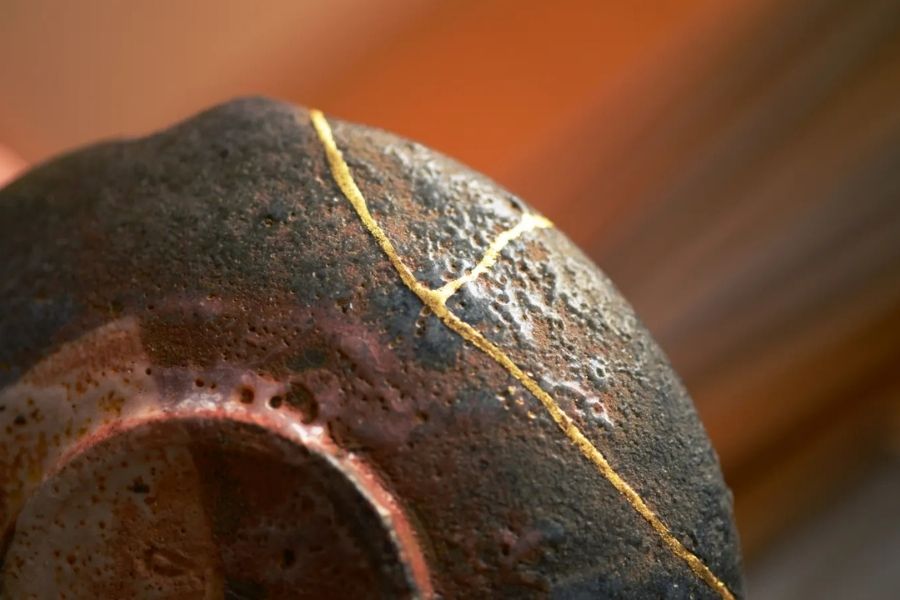
The tea bowls carry the same idea. From the late 16th century the Kyoto potter Chōjirō made Raku bowls to Rikyū’s taste, shaped by hand rather than on a wheel, with uneven walls and thick black or red glazes. They look plain, even rough, yet tea drinkers have treasured them for more than four hundred years, and the Raku family still makes tea bowls in Kyoto today. A Raku bowl is a real, everyday object whose irregularity is the reason it is valued, and kintsugi is one traditional way to mend one that breaks.
Why Our Brains Respond to Imperfection
Humans are naturally wired to look for patterns and predict what will happen next, which is why imperfections or irregularities can feel unsettling at first. This response involves the amygdala, the part of the brain that signals potential threats. Practices that change how we see flaws, such as mindfulness and self-compassion, are linked in psychological research to calmer responses to stress. Studies on self-compassion suggest that meeting our own mistakes with kindness rather than judgement is associated with lower stress, steadier mood and greater emotional resilience over time. Wabi-sabi and kintsugi sit naturally alongside this work, because both encourage noticing imperfection without harsh judgement, which is the same habit these studies point to. Over time, these changes make the brain more resilient, better able to tolerate uncertainty, and more capable of finding meaning and calm in everyday life… even in its cracks and irregularities.
Fostering a Wabi-Sabi and Kintsugi Mindset
Developing a mindset inspired by Wabi-Sabi (侘寂) and Kintsugi (金継ぎ) starts with changing the way we relate to imperfection and challenges. One key aspect is reducing perfectionism. Instead of striving for flawless outcomes in work, relationships, or personal projects, we learn to accept that mistakes and irregularities are part of life.
Another core element is mindfulness, which is actively noticing and appreciating the present moment. Mindfulness can be practised through small routines, such as savouring a cup of tea while paying attention to the surroundings. These simple exercises cultivate awareness and help the mind accept the transient and imperfect nature of life.
Self-compassion is also central. Kintsugi teaches us that cracks are not defects; they are evidence of growth and resilience. Translating this to daily life means speaking to ourselves kindly when we fail, forgiving our own mistakes, and avoiding harsh self-criticism. Over time, this attitude strengthens emotional resilience, making it easier to navigate setbacks without being overwhelmed.
Finally, cultivating a Wabi-Sabi mindset encourages reflection and perspective. Journaling about challenges or noting small daily “imperfections” that turned into meaningful experiences reinforces the idea that life’s cracks can hold value. This shift in perspective trains the brain to interpret difficulties as opportunities rather than threats.








Applying Wabi-Sabi and Kintsugi in Daily Life
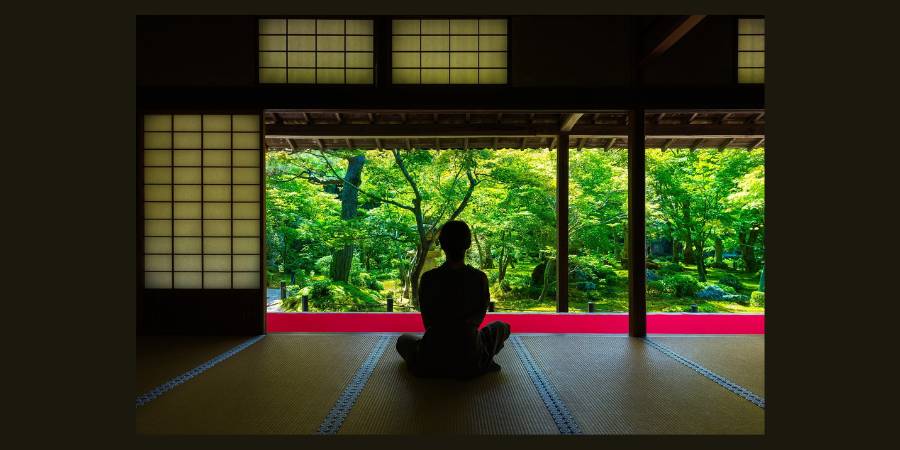
Applying these philosophies goes beyond abstract ideas. It can be integrated into everyday routines, creativity, and lifestyle choices.
Mindful Practices:
- Journaling: Reflect on experiences where things didn’t go perfectly and explore what you learned or appreciated in the process.
- Meditation or Breathwork: Focus on sensations, thoughts, or emotions without judgement, observing them as transient and natural.
- Slow Living: Take time to perform routine tasks intentionally, like washing dishes, gardening, or cooking, noticing imperfections without rushing.
Creative Exercises:
- Art or Pottery: Experiment with painting, ceramics, or even digital art, intentionally leaving asymmetry or “mistakes” and appreciating their aesthetic value.
- DIY Kintsugi Projects: Repair broken objects with gold or metallic paints, not just as decoration, but as a symbolic reminder that repair can create beauty.
Lifestyle Choices:
- Embrace Minimalism: Reduce clutter and focus on essentials, letting go of the pressure for everything to look perfect.
- Accept Natural Ageing: Notice and appreciate changes in your environment, yourself, or personal belongings, like worn furniture, faded fabrics, or grey hair.
- Imperfect Home Décor: Choose handmade or irregular items that show character and history rather than factory-perfect products.
Work and Relationships:
- Forgive Mistakes: Accept that errors happen at work or in relationships, and approach them as learning opportunities. In the same way, accept that you, too, will make mistakes.
- Reduce Self-Criticism: Reframe internal dialogue to be supportive rather than judgemental.
- Value Growth Over Perfection: Focus on incremental progress rather than flawless results, whether in personal goals, teamwork, or creative pursuits.
Wabi-Sabi (侘寂) and Kintsugi (金継ぎ) remind us that imperfection is not a flaw to hide but a natural and valuable part of life. Over time, by embracing cracks, irregularities, and the transient nature of existence, we can build resilience, improve self-compassion, and help individuals engage with life in a calmer, more accepting, and mindful way. The true beauty in life lies in learning to navigate and even celebrate the broken parts of ourselves.
Wabi-sabi and Kintsugi: Frequently Asked Questions
What is the Japanese art of imperfection?
The Japanese art of imperfection refers to two linked ideas, wabi-sabi and kintsugi. Wabi-sabi is the aesthetic of finding beauty in things that are imperfect, ageing and impermanent, while kintsugi is the craft of repairing broken pottery with gold so the cracks are highlighted. Together they treat flaws and wear as something to value rather than hide.
What is the difference between wabi-sabi and kintsugi?
Wabi-sabi is a philosophy and aesthetic, the appreciation of imperfect, impermanent beauty. Kintsugi is a specific craft, repairing broken pottery with gold lacquer. Kintsugi is one physical expression of the wider wabi-sabi outlook: one is the way of seeing, the other is what it looks like in practice.
What does wabi-sabi mean?
Wabi-sabi joins wabi, meaning simplicity and quiet solitude, and sabi, the beauty that comes with age and patina. It is the Japanese idea that imperfection, impermanence and incompleteness are not flaws but a source of calm, understated beauty.
How do you practise wabi-sabi in daily life?
In everyday life wabi-sabi means slowing down and noticing small, imperfect details rather than chasing flawless results. Simple habits help: decluttering to essentials, doing routine tasks mindfully, accepting natural ageing in objects and in yourself, and choosing handmade or worn items over factory-perfect ones.
Can you try kintsugi at home?
Yes. Traditional kintsugi uses urushi lacquer dusted with gold, but beginner kits use food-safe adhesives and gold-coloured powder, so you can repair a broken bowl or cup at home as both a craft and a small act of acceptance.
Sources and further reading
- Kakuzo Okakura, The Book of Tea (1906). Read it free on Project Gutenberg