

A hanten (半纏) is a short, padded Japanese winter jacket with a cotton lining, cut like a haori half-coat and worn over anything from a kimono to pyjamas. It became everyday wear for ordinary people in the Edo period (1603 to 1868), and the best are said to be made from indigo-dyed Kurume Kasuri cotton from Fukuoka.
Japan is known for many unique and creative items and practices. Elegant but functional clothing, which has been adored and worn for centuries, is one of the most intriguing aspects of Japan. Hence, it’s no surprise that traditional pieces that were popular back in the day are now trending again all over the globe. One such distinctive traditional Japanese piece is the Hanten jacket, which is deemed a must-have today!
What is a Hanten Jacket?

The Hanten (“半天” or “半纏”) is a Wafuku (or traditional Japanese clothing) with warm padding, fitted collar, and cotton lining normally worn during winter or cold seasons. Hanten Jackets are shaped like a Haori (Japanese half-coat). Thus, its Japanese characters refer to its jacket look, the character 半 “Han” means “half”, a nod to its short, hip-length cut, and 纏 “Ten” means to wrap or wear. They can be worn over garments such as kimonos, shirts, turtlenecks, or even pyjamas.
The Hanten became an everyday garment for ordinary people during the Edo Period (1603 to 1868), when sumptuary laws kept the haori for the higher classes. Today, this winter coat is designed for men, women, and children, with many even using it as a replacement for cardigans or jackets. However, despite its traditional use for winter seasons, it is also used at night, during festivals, or for various occasions given its lightweight, warm, and breathable material.
What is Hanten Made of?
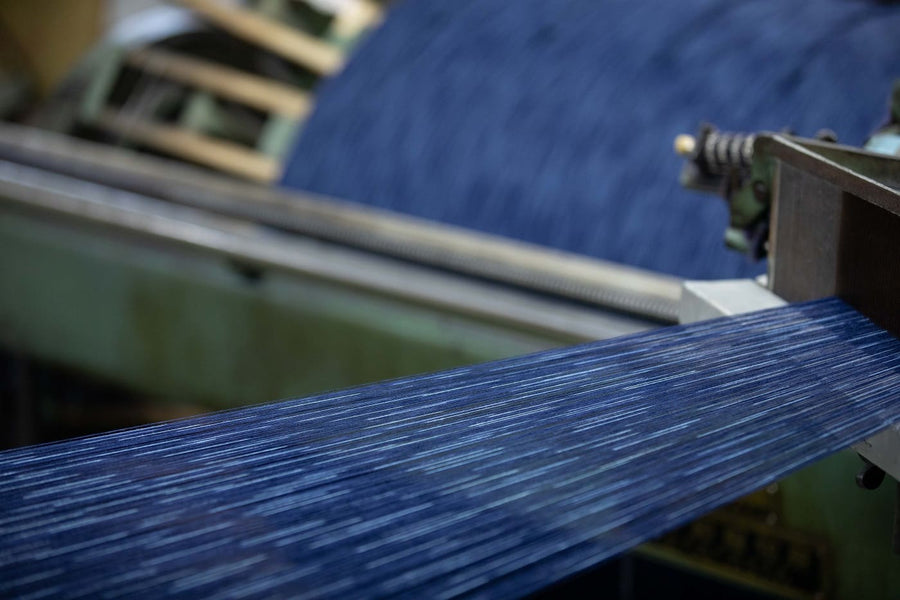
Image Credit: Master Craftsmanship
For a Hanten to be ready to wear, many stages must be achieved. There’s the designing phase, the patterning, weaving, binding, and the dyeing operations that follow.
The material used to make the jacket is essential to these methods. Cotton, synthetics, and silk are the most popular textiles for Hanten jackets.
Cotton
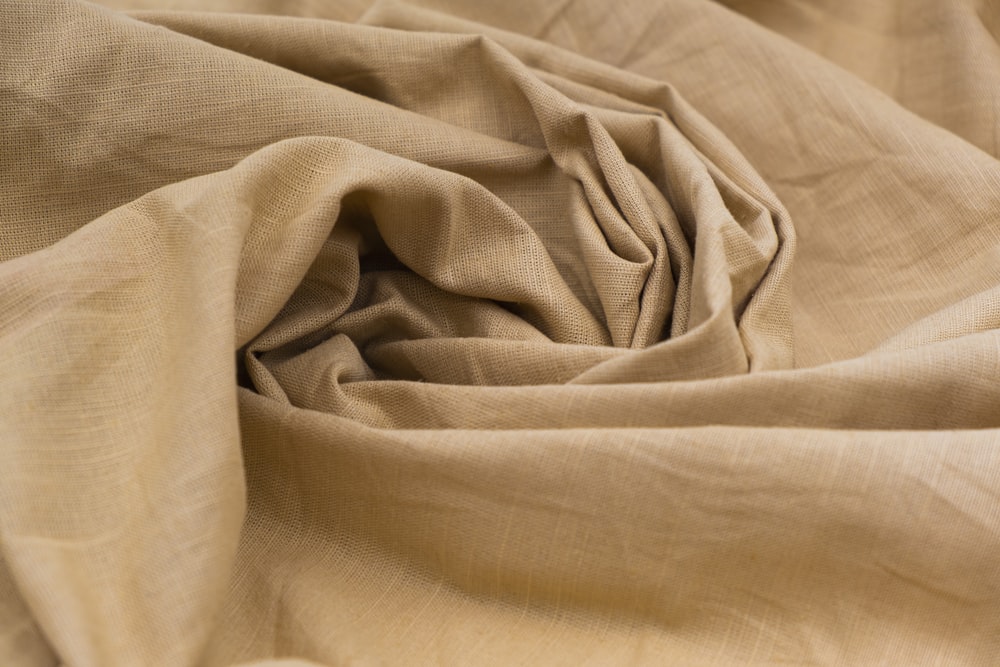
Image Credit: Unsplash.com
The best Hanten winter coats are said to be made using Kurume Kasuri cotton, a type of woven cotton that is dyed with indigo. It is produced uniquely in Kurume City, Fukuoka, and a majority of the production is done by hand.
Quality Hanten use 100% Kurume Kasuri cotton for the outer fabric, with padding of either 100% cotton or a mix of cotton and polyester. The polyester mix makes the padding lighter and longer-lasting while still providing warmth.
Hanten coats made from cotton are ideal for cold weather, and they are noticeably softer to the touch. However, because creating Hanten jackets with cotton is more complicated, it is more expensive compared to one that is made of mixed synthetic material.
Synthetic Fabric

Image Credit: iStock Photo
Hanten jackets can also be made from synthetic fabrics such as polyester or modal. Normally, Hantens made with synthetic fabrics are combined with cotton, typically 70% cotton and 30% polyester, depending on the manufacturer.
Although it is of less quality material compared to pure cotton, it is much more affordable. Because of the material, as well, difficult patterns, symbols, and designs are more doable; hence, Hanten jackets made from polyester come in much more striking pattern designs.
So, if you’re looking for a Hanten coat that is printed or embroidered with special and complicated designs, a winter coat with synthetic fabric is the best choice.
Silk

Image Credit: Unsplash
High-end Hantens made of superior silk are quite uncommon, although they do exist. Silk has long been linked with wealth, and because most Hanten today are made for everyday wear, silk versions are hard to find and expensive.




The Different Types of Hanten
With the rise in popularity of the Hanten jackets, it is expected that there’s a demand for a variety of designs. The three most popular types of Hanten are the sleeveless chanchanko, the mid-length sleeve and the long sleeve.
Short-Sleeve or Sleeveless (袖なし型)

The sleeveless Hanten, known as the chanchanko (ちゃんちゃんこ), is often worn by children because their hands can get dirty without spoiling any sleeves. Chanchanko vests also remain popular among Japanese adults, particularly those of prior generations, since they are reminiscent of old times.
They are commonly used when needing extra warmth but without the hassle of rolling up the sleeves every time. They are also worn by folks who need to carry out tasks that necessitate the hands (e.g., cooking, gardening, or crafting).
Mid-Length Sleeve (半袖)

Image Credit: Unagino-Nedoko
The half-sleeved Hanten is popular because it combines the warmth of long sleeves with the ease of a sleeveless or short-sleeved design.
Long Sleeve (長袖)

Image Credit: Japan Objects
Because of its long and comfy sleeves, long sleeve Hanten jackets are often worn when it’s really cold outside! This winter garment gives the feeling of being wrapped in a warm blanket, without the weight and length.
However, they are noticeably thicker than other versions, and as a result, they are not worn as workwear. Instead, they are usually worn for fashion or comfort, relaxing on the sofa comes to mind.
Japanese Hanten Designs Before and Now

Image Credit: MetMuseum
Having originated in Edo, Japan and going through a revival, we examine how the original style of Hanten has evolved to become a modern favourite. Is there a significant difference between the original and today’s designs, or are the lines blurred?
Traditionally, Hantens were simple, with fabrics woven deliberately and intricately to show a sense of depth throughout the fabric. They were normally designed with nature or religion in mind. Symbols related to Japanese myth, culture, and concepts in Buddhism can be seen, and depictions of Chinese and Japanese flora and fauna are also common.
For instance, designs of cranes, cherry blossoms, pine trees, plum blossoms, and turtles would be used. This is because these symbols were believed to protect them against harm. Many Edo period hanten, especially the shirushi-banten worn by craftsmen and shop workers, also carried the crest or name of the shop or guild on the back.

Image Credit: Grailed
Although traditional designs are still evident in modern versions, there have been fusions of the old and the new within contemporary designs. There are hybrid designs with added hoodies and open-front style that make it easy to wear.
There are also coats with popular design brands imprinted on the jacket itself, such as this one from Sasquatchfabrix x Supreme where the bold and iconic logo and fishtail back are included. Interestingly, there have also been fusions of the traditional kimono with the Hanten, such as this one from Master Craftsmanship.
Japanese Hanten vs Other Similar Japanese Styles
Aside from the Hanten, there are also numerous other Japanese clothing that may seem similar to the Hanten coats. After all, there is a lot of overlap with these clothes.
Haori

Image Credit: BunkAJapan
The Haori is very similar to the Hanten jacket as it can also be worn over a kimono, and it is usually hip- or thigh-length. It looks similar to a shortened kimono with no Okumi or overlapping front panels, and it has thinner collars sewn with the addition of two thin and triangular panels at both side seams.
While Hanten Jackets were freely accessible to everyone throughout the Edo period, the wearing of Haori was reserved for particular social strata. Depending on the fabric and structure, a Haori was highly formal. The habit of hiding an expensive lining inside a plain Haori, still seen today, dates from Edo period sumptuary laws that frowned on open displays of wealth.
Happi

Image Credit: Japan Zone
The Happi is normally dyed with one colour only; emblems and certain patterns are the designs from the seemingly monotonous happi. Often, Happi are adorned with large Kanji or group symbols on the back to label organisations, companies, or events.
Historically, Happi were worn as a kind of uniform, but presently, they are worn during festivals in Japan and by some workers such as farmers. This traditional Japanese clothing has a similar cut to a Hanten, but it normally has a more simple design meant to be very casual.
Hantens were more often used as a warm coat, whereas Happis were traditionally worn as uniforms.
Tanzen
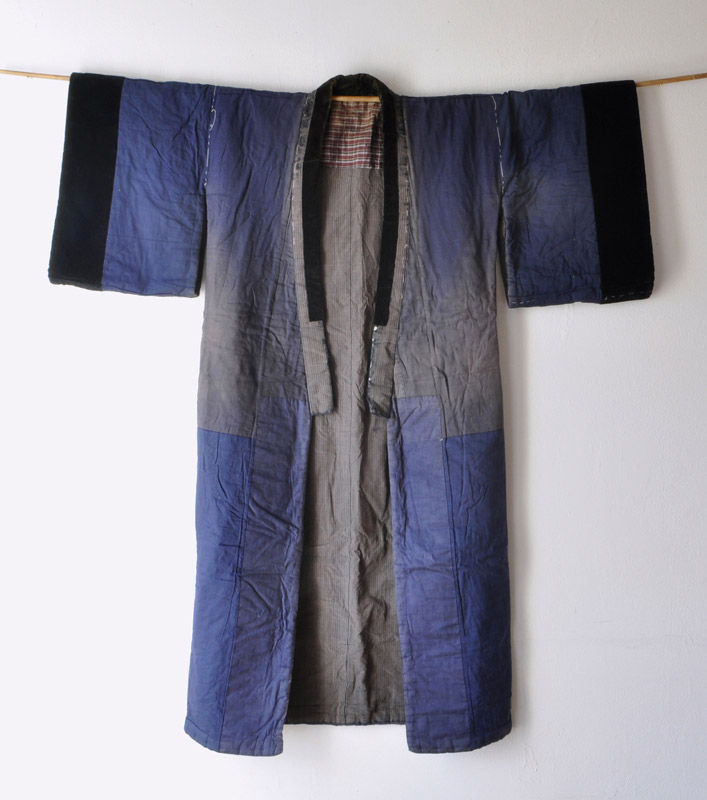
Image Credit: Hotoke-Antiques
The Tanzen is a thickly padded winter garment, and tanzen is the Kansai name for what eastern Japan calls dotera. Confusingly, in Tohoku and Hokkaido the word tanzen usually means a quilted bedcover instead.
Unlike the Hanten which normally stops mid-thigh and is fastened with front strings or is worn open, the Tanzen are full-length outer robes worn left over right, similar to a Kimono or a Yukata, and fastened with an obi (sash).
Noragi

Image Credit: U-Buy
The Noragi coat usually comes down to the hip or slightly above the thigh. Unlike the Haori and the Hanten, this clothing does not need to be worn over a kimono and has simple and informal designs on it. Worn as casual workwear by those who work in the fields or are engaged in physical forms of labour.
Historically and currently, the Japanese Hanten remains ever popular. Because of its large and comfortable fit that allows for effortless mobility that is reminiscent of other traditional Japanese clothes, this is no surprise. Traditional and contemporary elements are well combined in this soft and beautiful piece. Because of this, the Hanten coat is the ideal option for both style and comfort, whether you’re studying, relaxing, or out and about.


