Japanese makeup styles range from the soft, skin-first look most people wear to work to looks built to be noticed: igari makeup with blush swept high under the eyes, gyaru makeup with heavy lashes and bold liner, and the playful kawaii and Harajuku styles. This guide explains where each look came from, from the white oshiroi of the Heian court to 1990s Shibuya, how each one is put together, and the Japanese makeup brands, from Shiseido to Canmake, that you can use to create them.
Evolution and History of Japanese Makeup
The art of traditional Japanese makeup dates back centuries, with evidence of cosmetic use as early as the Heian period (794-1185). During this time, aristocratic women used a variety of materials to enhance their beauty. They applied white face powder made from rice or lead, known as oshiroi, to create a porcelain-like complexion. This trend emphasised pale skin, which was considered a symbol of status and purity.
The Kabuki theatre, which emerged in the Edo period (1603-1868), also played a significant role in shaping Japanese makeup. Actors used exaggerated makeup styles to portray characters, with bold colours and dramatic lines. This theatrical makeup style influenced everyday beauty practices, leading to the adoption of more vibrant colours in cosmetics.
Similarly, geisha culture has greatly impacted Japanese beauty standards. Japanese geisha makeup is known for its meticulous methods, which includes white face paint, red and black accents, and bright lip colours. This traditional artistry not only highlights their skill but also serves as a symbol of femininity and grace.
While current Japanese makeup trends may seem completely different from Japanese traditional makeup, many of them still utilise similar concepts and ideals of status, purity, and different styles and methods of expression.
Characteristics of Japanese Makeup
Emphasis on Skincare
At the heart of Japanese makeup is a strong focus on skincare. The belief that beautiful makeup begins with healthy skin is a fundamental principle in Japanese beauty culture. Many Japanese makeup brands formulate their products with skincare benefits, which is why so many of the Japanese beauty products worth knowing are cleansers, lotions and sunscreens. This approach not only enhances the effectiveness of the makeup but also promotes a radiant and youthful complexion.
Skincare routines in Japan are often elaborate, involving multiple steps such as cleansing, toning, and moisturising. This commitment to skincare ensures that makeup application is seamless and enhances the natural beauty of the skin, rather than masking imperfections. As a result, many Japanese makeup looks aim for a dewy, natural finish, allowing the skin to breathe and glow.
Natural and Minimalist Makeup Aesthetics
In recent years, a minimalist aesthetic has gained prominence in Japanese makeup. Known as “no-makeup makeup,” this trend emphasises enhancing one’s natural features rather than creating a heavily made-up appearance. The goal is to achieve a fresh-faced look, often characterised by lightweight foundations, subtle blush, and soft eye makeup.
This approach aligns with the Japanese cultural ideal of beauty, which values subtlety and elegance. Soft, muted colours dominate the palettes, with pastels and earth tones often taking centre stage. This preference for natural shades reflects a desire for authenticity and a connection to nature, allowing individuals to express themselves without overwhelming their features.



Modern Japanese Makeup Trends
Kawaii Makeup
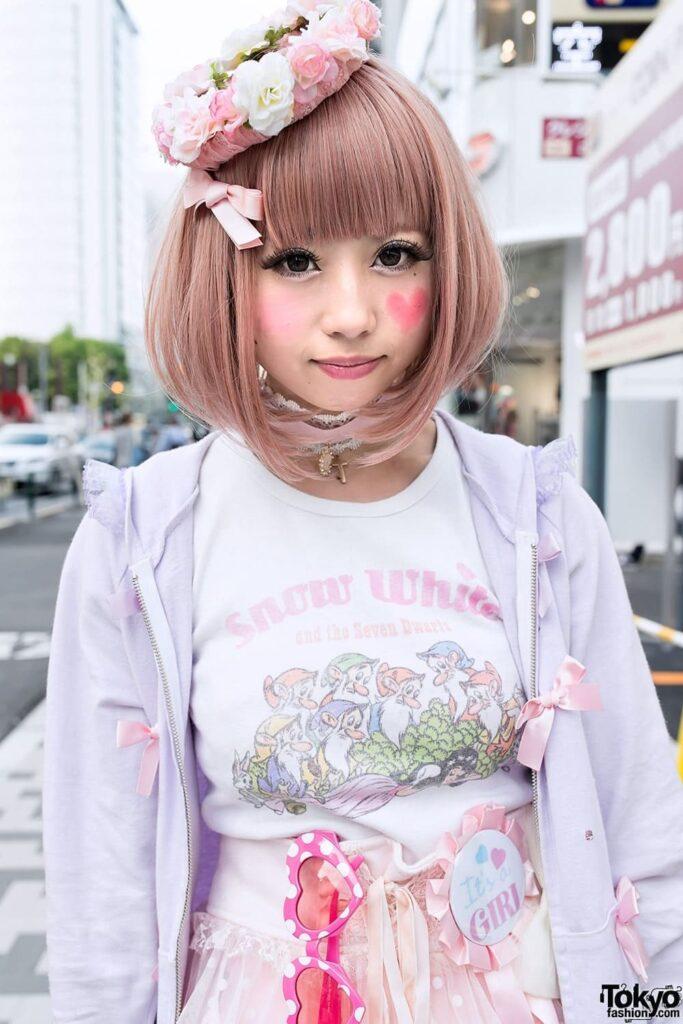
Image Credit: Tokyo Fashion
Kawaii makeup is a vibrant and playful expression of beauty that embodies the Japanese concept of “kawaii,” which translates to “cute” or “adorable.” This makeup style is characterised by its emphasis on youthful features, soft colours, and whimsical aesthetics. Rooted in Japanese culture, kawaii makeup reflects a unique blend of innocence and creativity, making it a beloved trend both in Japan and globally.
One of the most distinctive features of kawaii makeup is its focus on achieving a doll-like appearance. This often involves creating larger-than-life eyes through the use of false eyelashes, dramatic eyeliner, and bright, shimmery eyeshadows. The goal is to enhance the eyes to make them appear wide and expressive, evoking a sense of innocence and charm.
Kawaii makeup often incorporates fun and imaginative elements, such as heart-shaped or star-shaped designs, glitter, and even temporary tattoos. These playful details allow for individual expression and creativity, making each look unique. Accessories, like cute hair clips or headbands featuring characters or themes, are also integral to the kawaii aesthetic, enhancing the overall cuteness of the makeup.
Igari Makeup
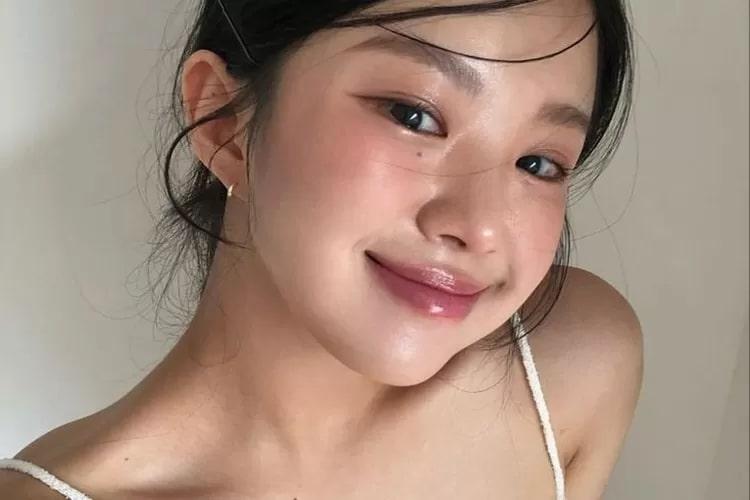
Image Credit: Instagram
Igari makeup, named after the Japanese makeup artist Shinobu Igari and also known as “drunk makeup,” is a distinctive Japanese beauty trend characterised by its playful, youthful aesthetic that mimics the appearance of flushed cheeks and a slightly dishevelled look, as if the wearer has just come from a fun night out. This style combines elements of innocence and a carefree attitude, making it a popular choice among young beauty enthusiasts and those who want a little more blush in their natural Japanese makeup looks.
One of the hallmark features of igari makeup is the focus on rosy, flushed cheeks. Unlike traditional blush application, which often emphasises the apples of the cheeks, igari makeup applies blush higher up on the cheeks, close to the eyes. This placement creates a more youthful and vibrant look, evoking a sense of freshness and spontaneity.
This playful style captures a sense of spontaneity and fun, making it a beloved trend among those seeking a fresh and carefree look. Its unique approach to beauty celebrates individuality and a sense of joy, reflecting the vibrant spirit of contemporary Japanese make-up culture.
Harajuku Makeup
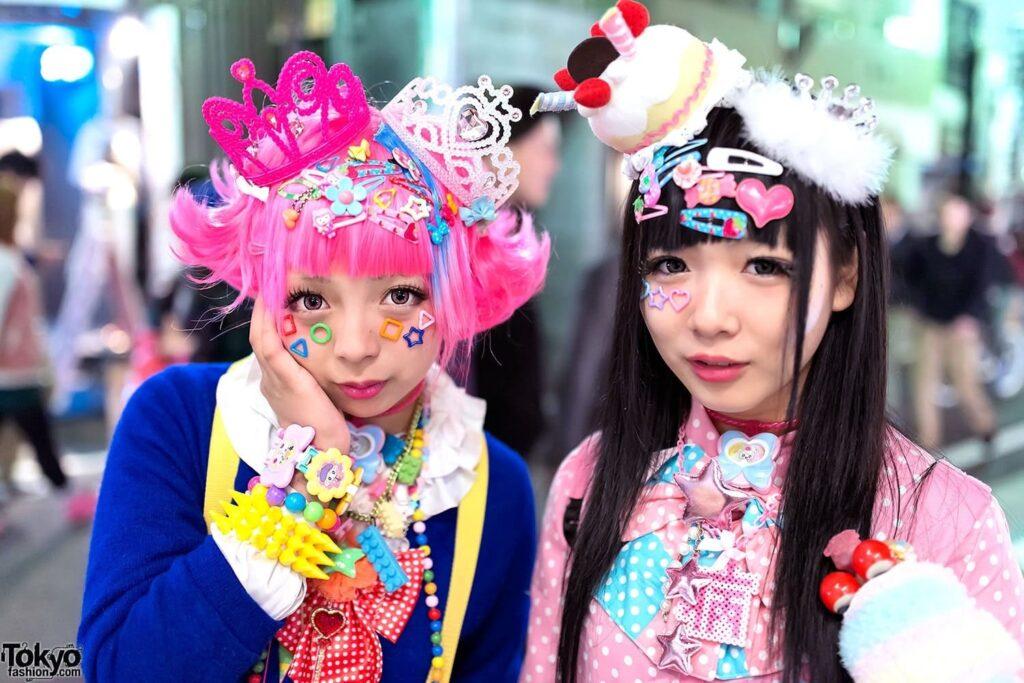
Image Credit: Tokyo Fashion
Harajuku makeup is a bold and eclectic expression of beauty that reflects the vibrant and diverse subcultures of the Harajuku district in Tokyo, Japan. Known for its youthful and innovative fashion scene, Harajuku embraces creativity and individuality, and its makeup styles are no exception. This trend is characterised by its daring use of colours, playful themes, and a spirit of self-expression that challenges conventional beauty standards.
Harajuku eye makeup, one of the most distinctive characteristics of the trend, often features exaggerated shapes and sizes. Large false eyelashes, dramatic eyeliner, and creative eyeshadow placements contribute to a striking appearance that draws attention. Some styles even mimic anime aesthetics, with techniques designed to create larger, more expressive eyes, embodying the cute and fantastical aspects of Japanese pop culture.
Harajuku makeup encourages experimentation and personal expression. Each look can be as unique as the individual wearing it, allowing for a mix-and-match approach that celebrates diversity and creativity. Many looks feature decorative accessories like rhinestones, glitter, and colourful stickers, adding an element of playfulness and fantasy. This freedom of expression has made Harajuku a global phenomenon, inspiring makeup enthusiasts around the world to embrace bold and unconventional styles.
Gyaru Makeup
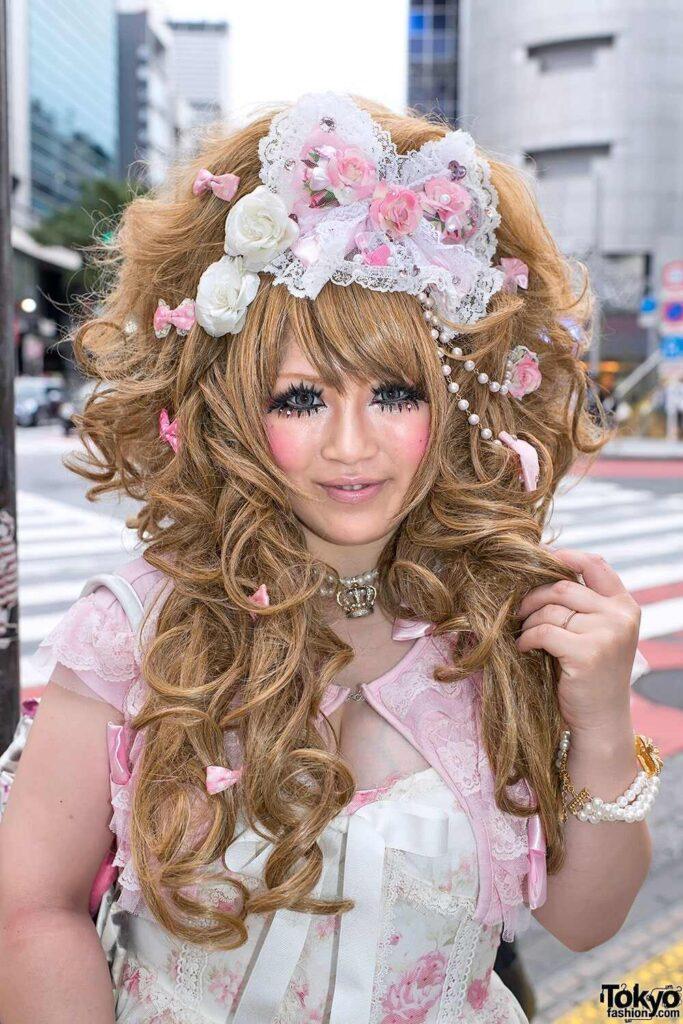
Image Credit: Tokyo Fashion
Gyaru makeup is a distinctive and flamboyant beauty style that originated from the gyaru subculture in Japan during the 1990s. Our guide to gyaru makeup breaks it down style by style, from ganguro’s white concealer to today’s softer Reiwa look. This trend is characterised by its boldness and playful aesthetics, reflecting a youthful spirit and a desire for self-expression. Gyaru makeup is known for its emphasis on dramatic features, vibrant colours, and an overall glamorous look.
One of the most defining characteristics of gyaru makeup is its focus on achieving a striking, doll-like appearance. This is often accomplished through the use of heavy false eyelashes, which create an enlarged eye effect and enhance the overall drama of the look. The eyes are typically accentuated with thick eyeliner and bold eyeshadow in vibrant colours, such as pinks, purples, and blues. This emphasis on the eyes not only draws attention but also adds a playful and youthful vibe to the makeup.
This playful style embraces self-expression and confidence, reflecting the lively spirit of the gyaru subculture. As a dynamic form of beauty, gyaru makeup continues to inspire and empower individuals to embrace their uniqueness and creativity.
Japanese Makeup Brands, from Shiseido to Canmake
Most of the looks above can be put together with brands sold in Japanese department stores and drugstores. These are the names worth knowing, from luxury counters to budget favourites.
Department Store and Luxury Brands
Shiseido is Japan’s biggest cosmetics company. Arinobu Fukuhara founded it as a pharmacy in Ginza, Tokyo, in 1872, and it now sells in around 120 countries and regions.
Clé de Peau Beauté is Shiseido’s luxury skincare and makeup line, launched in 1982 with a French name to set it apart from the main Shiseido brand.
Decorté is the prestige brand of Kosé, the cosmetics company Kozaburo Kobayashi founded in Tokyo in 1946.
Shu Uemura is named after its founder, the makeup artist Shu Uemura (1928 to 2007), who worked on Hollywood films before opening a makeup school in Tokyo in 1964. His first product, a cleansing oil released in 1960, is still popular in Japan, and his company opened its first boutique in Omotesando in 1967. L’Oréal bought control of the brand in 2004.
Drugstore Brands
KATE is Kanebo’s self-makeup brand, launched in 1997 for shoppers who pick their makeup off the shelf without a beauty adviser. Kanebo Cosmetics has been owned by Kao since 2006.
Canmake launched in 1985 and is known for its prices: most of its products cost less than ¥1,000. It belongs to the Ida Group, which also owns Cezanne, an affordable brand on sale since 1964.
Majolica Majorca is Shiseido’s makeup brand aimed at younger buyers.
Tradition versus Modernity
Makeup is not just about aesthetics, it’s a form of self-expression, a celebration of the culture you identify with, and the way you want the world to perceive you. Embrace your unique style, celebrate your individuality, and enjoy the journey of discovering the art of Japanese makeup. Whether you’re channelling a traditional geisha or embracing a contemporary kawaii look, the possibilities are endless, and the beauty of Japanese makeup awaits you.