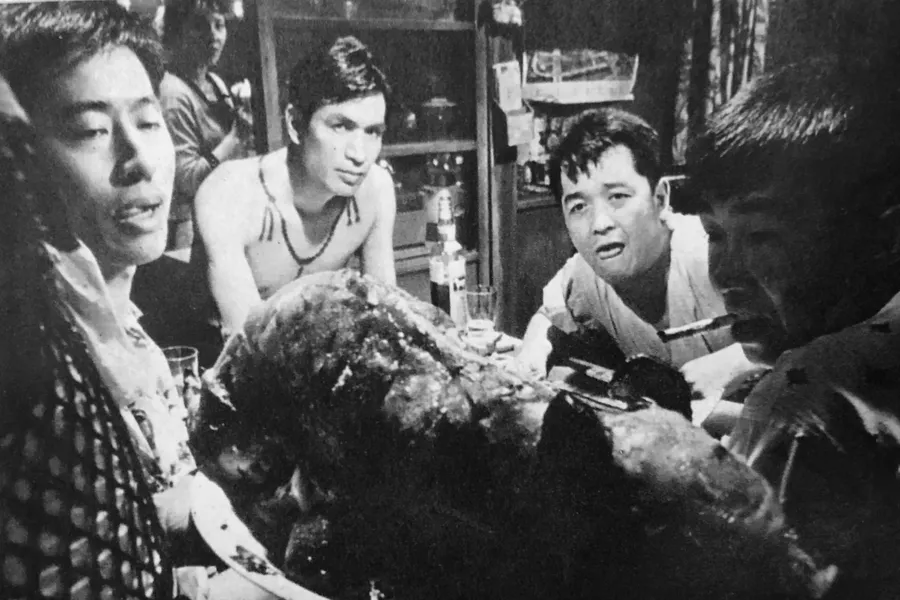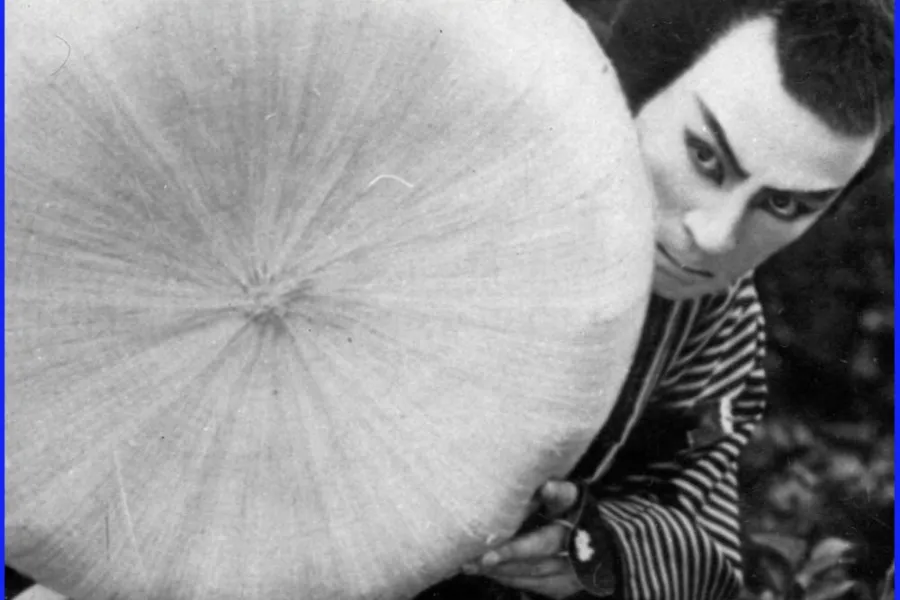
If you love Japanese cinema, this is one to mark down immediately. The ICA is hosting a special screening of 100 Years of Japanese Cinema, Nagisa Ōshima’s acclaimed 1995 documentary that traces the history of Japanese film from its early silent beginnings to the internationally celebrated directors who shaped its legacy.
The film is a fascinating journey through more than a century of Japanese screen history. Using archive footage and Ōshima’s own perspective, it explores the rise of realism, the popularity of war films and comedies, the impact of censorship, and the shifting relationship between Japanese cinema and society itself.
For fans of classic Japanese film, this is a rare opportunity to see Ōshima’s insightful and politically engaged work on the big screen at one of London’s most respected cultural venues.
Nagisa Ōshima's century of cinema
His documentary history of Japanese film, screened at the ICA on The Mall- Address
- Cinema 1, Institute of Contemporary Arts, The Mall, London SW1Y 5AH
- Admission
- £14.00; £13.00 for Member Guests; £12.00 for students; £5.00 for 25 & under; Free for ICA members
- Starts
- August 29, 2026, 4:30 PM
- Ends
- August 29, 2026 5:30 PM
More about the event
- Directed by Nagisa Ōshima
- One of Japan’s most influential and provocative filmmakers, best known for In the Realm of the Senses, Merry Christmas, Mr. Lawrence and his role in the Japanese New Wave.
- A century of Japanese cinema
- A 52-minute documentary tracing Japanese filmmaking from the silent era of the late 1800s through to modern masters including Hayao Miyazaki and Takeshi Kitano.
- Ideal for film lovers
- An accessible introduction to over 100 years of Japanese cinema, highlighting legendary directors, landmark films and the movements that defined one of the world’s richest cinematic traditions.
Who is Nagisa Ōshima?
Nagisa Ōshima was one of Japan’s most important and provocative film directors, known for challenging social norms and making politically charged, visually striking films. Born in Kyoto in 1932, he studied law at Kyoto University before joining Shochiku, where he made his feature debut with A Town of Love and Hope in 1959.
Ōshima became closely associated with the Japanese New Wave, a bold film movement that emerged in the late 1950s and 1960s. This movement rejected safe studio conventions in favour of taboo subjects, experimental form, and sharp criticism of postwar Japanese society, with Ōshima standing alongside filmmakers such as Shōhei Imamura and Seijun Suzuki as one of its defining voices.
His films often pushed boundaries in both content and style, while his international reputation grew through acclaimed works such as In the Realm of the Senses, Merry Christmas, Mr. Lawrence and Empire of Passion. Ōshima remained a key figure in Japanese cinema for decades, and his influence can still be felt in contemporary film culture today.


A Century of Japanese Cinema
100 Years of Japanese Cinema is a deeply personal reflection on the medium he helped redefine. The documentary moves through key eras of Japanese film, from the 1920s and 1930s studio system to postwar change and the emergence of the Japanese New Wave, while also reflecting on Ōshima’s own place within that story.
With excerpts, archive material, and a thoughtful narrative approach, 100 Years of Japanese Cinema is ideal for anyone interested in:
- Interested in learning more about Japanese film history.
- Nagisa Ōshima’s body of work.
- Classic directors such as Ozu, Mizoguchi, Kurosawa, and Kitano.
- The wider cultural and political context behind Japanese cinema.
Institute of Contemporary Arts
A Rare Chance to See Japanese Film History on Screen
This screening is perfect for anyone who wants to go beyond the usual “greatest hits” of Japanese cinema and dig into the history, ideas, and cultural shifts that shaped it. Whether you’re a longtime Ōshima fan or simply curious about the evolution of Japanese film, this ICA screening promises a thoughtful and rewarding watch.
Book your tickets through the ICA website and catch this rare screening while you can.