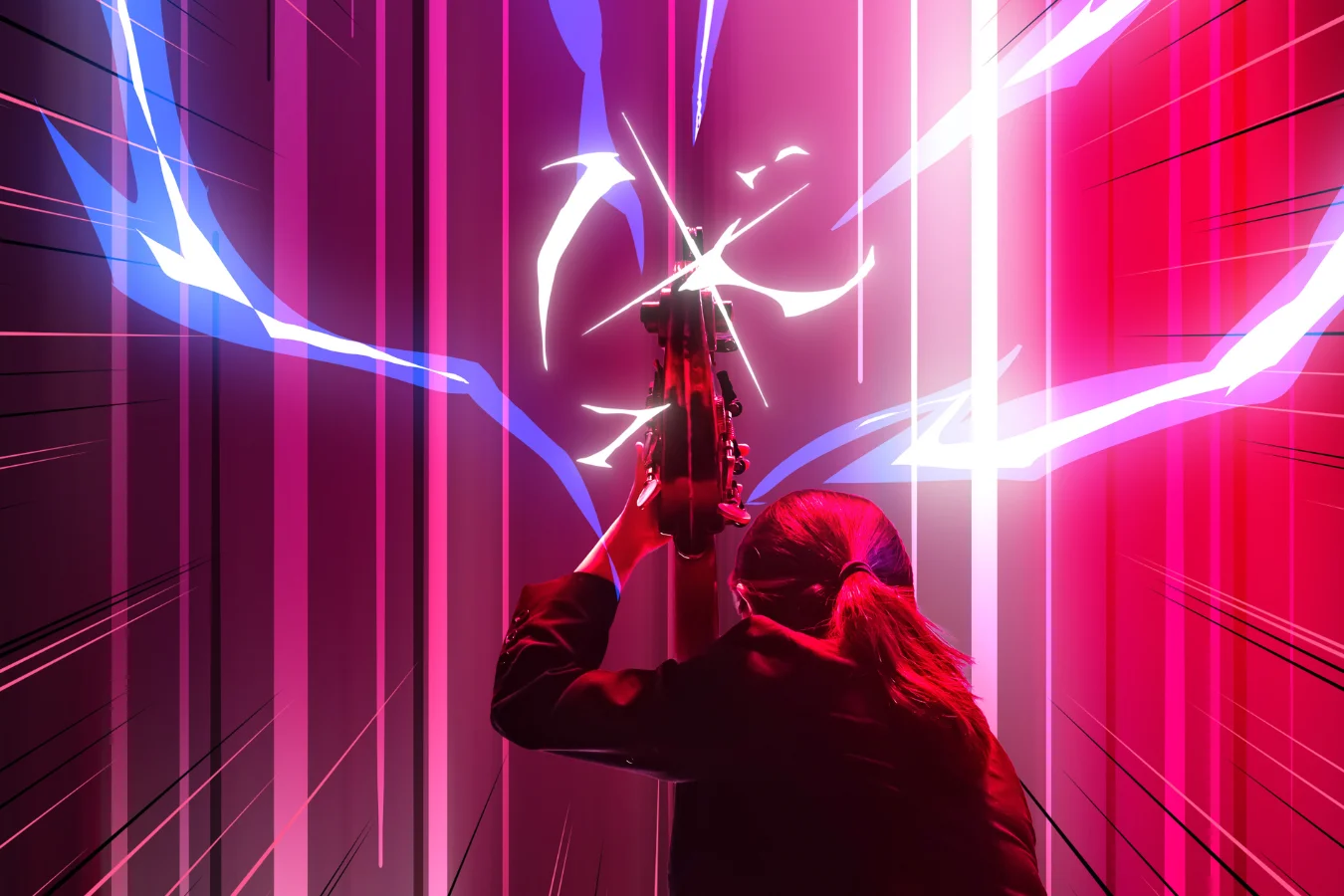
The Sound of Epic Anime brings a full symphony orchestra to the Royal Festival Hall at the Southbank Centre on Friday 25 September 2026, and to Symphony Hall in Birmingham on Sunday 15 November 2026. The programme covers Naruto, One Piece, Demon Slayer, Neon Genesis Evangelion, JoJo’s Bizarre Adventure, Attack on Titan and Studio Ghibli.
So you know what to expect on the night, these are our twelve picks from the programme.

Don’t forget, Japan Nakama readers get 15 per cent off either date with the code NARUTO. Full ticket details below.
- London: use our ticket link below and the code is applied for you when the page opens.
- Birmingham: click the link, choose your seats first, then enter NARUTO at the checkout stage.
The Music, the Moments and the Memories
The rise of the anime concert experience
Live anime music has grown quickly in the UK over the last two years. Attack on Titan brought its official Beyond the Walls concert to OVO Arena Wembley in September 2025 as part of a world tour covering fifteen venues. Naruto: The Symphonic Experience arrives in London and Manchester in 2026. Joe Hisaishi conducts his own Studio Ghibli scores at the Royal Albert Hall this November as part of his world tour. The picture is similar across Europe, where official franchise tours and symphonic programmes now run regularly in cities including Paris, Dortmund and Leipzig.
These shows take different forms. Some are arena productions with footage on screens, some are film screenings with a live score, and some are straight orchestral concerts. The orchestral format has become one of the most popular, and the reason is simple. This music is tied to specific moments fans remember: a theme that played during a character’s final stand, an opening that marked the start of a new season. Hearing those pieces performed by a full orchestra is the closest most fans will get to experiencing them again at that scale.
The Sound of Epic Anime arrives in the UK already well established. The production has played the Konzerthaus Dortmund and Leipzig, and it works with a different local orchestra in every city it visits, which is why the London date is played by the London Concert Orchestra. Its first UK performance was at a sold out Barbican Hall in February 2026, so London and Birmingham are a return visit, with a programme that has already been played and refined across Europe.
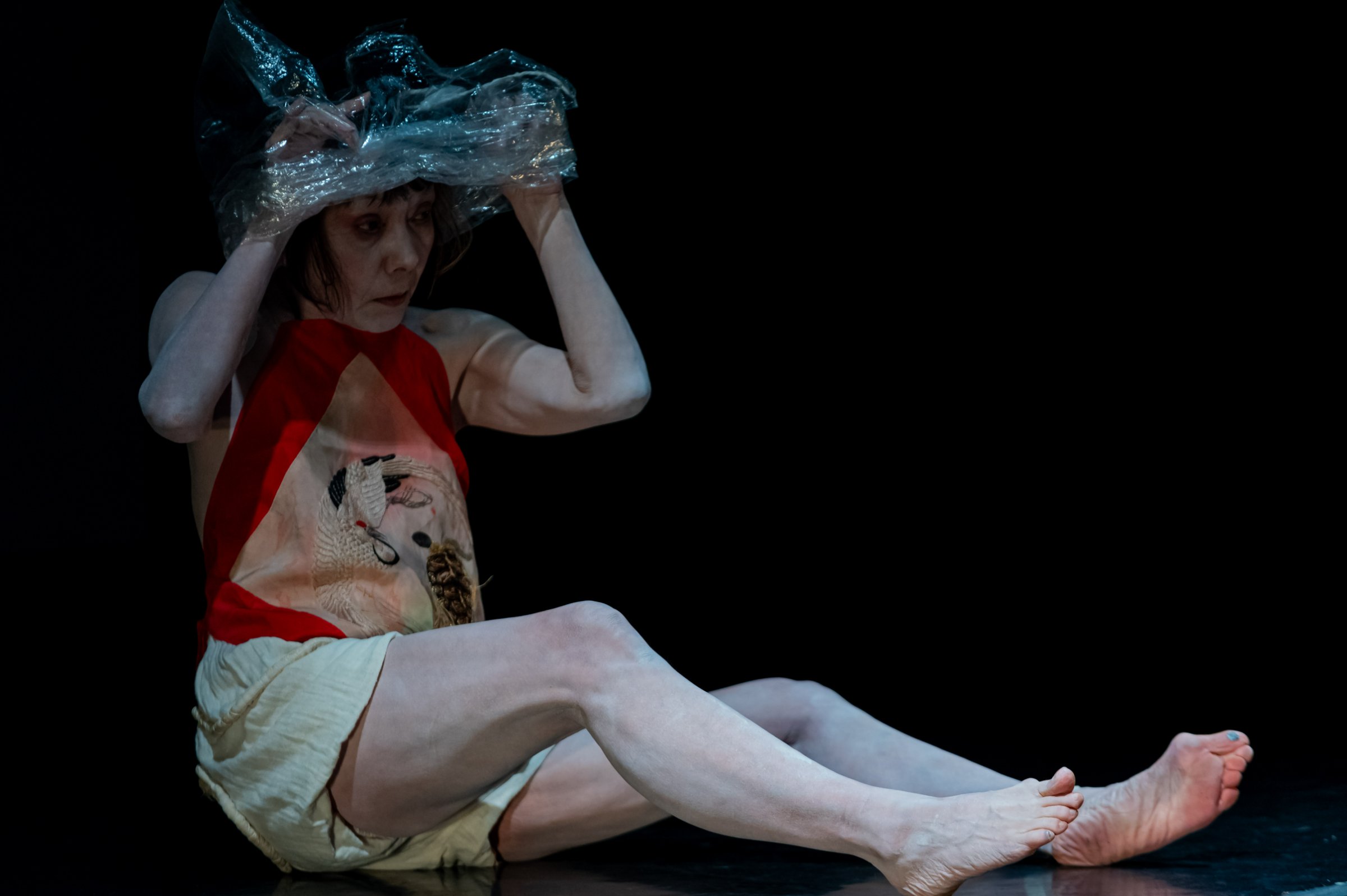

12 Songs We Think Are Worth the Ticket Alone
The twelve pieces below span more than twenty five years of anime music, from a 1999 One Piece opening to the score behind Demon Slayer’s biggest film. Between them they cover both kinds of anime music: the songs everyone can sing, and the score cues fans feel before they can name them. For each, here is what to listen for when the orchestra takes it on.
Naruto, Main Theme
Composed by Toshio Masuda
Where you know it from. This is an instrumental from inside the episodes, and it should not be confused with the opening songs, which changed almost every season. The Main Theme is the recurring score track that played under fights and big moments across the whole original series from 2002 to 2007, whichever opening was running at the time. Most fans can hum it long before they can name it.
The story behind it. Masuda scored the whole of the original series, blending traditional Japanese instruments like the shamisen and shakuhachi with guitar, drums and bass. Almost no shonen anime had used that mix before Naruto. Plenty have since. The album credits are less tidy than that suggests, which is why the credit for Sadness and Sorrow has never been settled. On the Naruto Original Soundtrack, the 2003 album where this track first appeared, the artist credit reads Musashi Project, the unit that performed the score, so that is the name fans will find on Spotify where they might expect Masuda’s.
Why we want to hear it live. Fans first heard this track in episode one, kicking in as Naruto summons a forest full of shadow clones to save Iruka, his first win in the series. From then on it meant something was about to happen, and for a generation of fans it calls up that footage within two bars. It is built on a low, repeating figure that a real string section can sit on properly. Through headphones it is a hook. In a hall, with those images running behind your eyes, it is a foundation.
Naruto Shippuden, Utsusemi (Man of the World)
Composed by Yasuharu Takanashi
Where you know it from. Shippuden, the follow up series that ran from 2007 to 2017, where Takanashi took over the scoring from Toshio Masuda. This is one of its quiet tracks, the music of aftermaths and losses rather than fights.
The story behind it. Utsusemi is a word with two lives. It means the empty shell a cicada leaves behind, and it is also an old term for this fleeting world. For a series about people carrying the weight of previous generations, that is not an accident.
Why we want to hear it live. This is the music Shippuden reached for in its worst moments, and the scene most fans attach it to is the aftermath of Jiraiya’s death, Naruto sitting alone with a teacher’s last lesson. Takanashi writes with more space than the original series score. The pauses do as much work as the notes, and a concert hall full of people holding still is where you actually hear them.
Demon Slayer, Gurenge
Composed by Kayoko Kusano, written and performed by LiSA
Where you know it from. The opening theme of the first season, from 2019. It is probably the most played anime song of the last decade, and it sat at the top of Japan’s karaoke rankings for years after release.
The story behind it. Gurenge means red lotus, a flower that grows out of mud, which is about as direct a summary of Tanjiro’s story as you could ask for. LiSA wrote the lyrics herself, and the song’s success ran far beyond anime audiences in Japan.
Why we want to hear it live. The image this song owns is the very first one it played over: Tanjiro carrying his sister through the snow, the moment the whole series starts. Every episode after that, the opening drums meant Demon Slayer was on. It was built for a voice and a rock band, so hearing an orchestra take it apart and put it back together is the interesting part. The brass has to carry what LiSA’s vocal usually does, and the whole hall will know exactly where every line lands.
Demon Slayer, Rengoku Theme
Composed by Go Shiina
Where you know it from. Demon Slayer: Mugen Train, the 2020 film that became the highest grossing Japanese film of all time, and the character it belongs to: Kyojuro Rengoku, the Flame Hashira.
The story behind it. Shiina wrote it as a character piece rather than a battle theme, which is why it reads as warm rather than aggressive even at full volume. It sounds like the man, and the man is generous before he is fierce.
Why we want to hear it live. One scene: Rengoku’s final stand against Akaza, fighting through the night until the sun rises, telling the young slayers to set their hearts ablaze. It is one of the most rewatched sequences in modern anime, and this theme is why the memory of it feels warm rather than bleak. A live brass section will do something here a recording cannot. It is written for weight, and weight is a room, not a speaker.
One Piece, We Are!
Composed by Kohei Tanaka, performed by Hiroshi Kitadani
Where you know it from. The very first One Piece opening, from 1999, the one that launched the series. More than twenty five years later it remains the song a crowd reacts to fastest.
The story behind it. Tanaka has spent a career moving between anime, video games and stage work, and We Are! carries that. It is written like a curtain up number, built to announce an adventure rather than soundtrack one.
Why we want to hear it live. The scene is the original opening itself: Luffy on the Going Merry’s figurehead, arms wide, the crew assembling behind him one by one. The series thought so too, bringing the song back for episode one thousand with that imagery recreated. It is already a song about a crew pulling in the same direction. Handing it to sixty six musicians is the obvious next step, and it is the piece on this list most likely to get an audience singing.
Neon Genesis Evangelion, The Cruel Angel’s Thesis
Composed by Hidetoshi Sato, lyrics by Neko Oikawa, performed by Yoko Takahashi
Where you know it from. The opening of Evangelion, from 1995, and arguably the most recognisable four bars in anime music. Thirty years on it still ranks among the most sung karaoke tracks in Japan.
The story behind it. Worth getting right, because a lot of places get it wrong. Yoko Takahashi sang it and is often credited as though she wrote it. The music is Hidetoshi Sato’s and the lyrics are Neko Oikawa’s, written early enough in production that the series was still taking shape.
Why we want to hear it live. Here the scene is the opening sequence itself, one of the most imitated pieces of editing in anime: the rapid cuts, the title cards, Rei’s stare, Unit 01 rising, every image locked to the beat. Fans have watched it hundreds of times, which is exactly why the orchestral version works. Everyone knows the vocal line. Very few people have heard what is going on underneath it, and with the footage running from memory, the underneath is what the hall reveals.
JoJo’s Bizarre Adventure, Tabidachi
Composed by Yugo Kanno
Where you know it from. Kanno has scored the JoJo’s anime from Stardust Crusaders onwards, and his work is more orchestral and considerably stranger than the series’ meme heavy reputation suggests.
The story behind it. JoJo’s is known for its fashion, its poses and its internet afterlife, and the music tends to get overlooked. Kanno writes properly symphonic material for it, with the kind of orchestration you would expect from a film score.
Why we want to hear it live. Tabidachi means setting out, and it carries the feeling JoJo’s does better than almost any series: a group of strange, doomed, magnificent people starting a journey they will not all come back from. This is exactly the music that gets flattened by streaming. The detail is in the middle of the arrangement, which is the first thing a compressed file loses and the first thing a hall gives back.
JoJo’s Bizarre Adventure, Il Vento D’Oro
Composed by Yugo Kanno
Where you know it from. Golden Wind, the fifth part of the series, set in Italy and aired from 2018. The title is Italian for the golden wind, and online the track goes by another name entirely: Giorno’s Theme.
The story behind it. It has had a strange second life as one of the internet’s most recycled pieces of music, to the point where millions of people know the piano build without knowing where it comes from. In the show it belongs to Giorno Giovanna, and it plays when he takes control of a fight.
Why we want to hear it live. The scene everyone will be picturing is the Cioccolata fight: the piano starting up as Giorno begins an uninterrupted, minutes long beatdown, the full orchestra crashing in as it becomes clear he is not going to stop. The track is pure theatre, from the slow introduction to the hit everyone in the room will be waiting for, and it belongs in a hall with an acoustic rather than in a set of earbuds.
Attack on Titan, Bauklotze
Composed by Hiroyuki Sawano, performed by Mika Kobayashi
Where you know it from. The first season, from 2013, in the quieter moments rather than the loud ones.
The story behind it. Bauklotze is German for building blocks, and the lyrics are sung in German too by vocalist Mika Kobayashi, a fit for a story obsessed with walls and what they keep out. Sawano writes anime music with the vocabulary of a film composer, and this is the clearest example of it.
Why we want to hear it live. The scene fans attach it to comes in the first season’s still moments: soldiers inside the walls after Trost, counting what the fight cost them, the song’s lone voice hanging over the wreckage. Sawano’s writing needs the full range of an orchestra to work, from that single voice to everything at once. It is the piece on this list that most obviously wants a concert hall.
Your Name, Sparkle
Composed and performed by RADWIMPS
Where you know it from. Makoto Shinkai‘s Your Name, from 2016, the biggest anime film of its decade outside Ghibli.
The story behind it. RADWIMPS worked with Shinkai during production rather than scoring the film afterwards, so the music was written into the film rather than laid on top of it. That is rare, and you can hear it in how precisely the song moves with the scenes it accompanies.
Why we want to hear it live. The scene is kataware doki, the twilight moment on the crater rim when Taki and Mitsuha finally stand face to face after a whole film of missing each other. Sparkle is the sound of that meeting, and it is the sequence most people replay when they think of the film. It is a rock song at heart, so hearing what an orchestra does with the long build is the appeal.
The Studio Ghibli pieces
Joe Hisaishi has more works in this programme than any other composer, and for a British audience this is probably the part of the evening that needs the least explaining. His Ghibli scores have been sitting in the background of a lot of people’s childhoods.
Spirited Away, One Summer’s Day
Composed by Joe Hisaishi
Where you know it from. The piano theme that opens Spirited Away, from 2001, and returns through the film at its gentlest moments.
The story behind it. The Japanese title is Ano Natsu e, roughly towards that summer. It is a very simple piece of writing, and it works because it refuses to push the feeling at you.
Why we want to hear it live. The scene is the film’s first: Chihiro sulking in the back seat of the family car, flowers wilting on her lap, ordinary life about to end at a tunnel mouth. The theme carries all of that before anything strange has happened. A grand piano in a hall built for orchestral sound is a completely different instrument to a piano through a laptop, and this piece is where the difference will show most.
My Neighbour Totoro, Ending Theme
Composed by Joe Hisaishi, performed by Azumi Inoue
Where you know it from. The 1988 film that most British audiences meet Ghibli through, and specifically the song that plays over the closing credits.
The story behind it. Here is the fact almost nobody knows. Hisaishi wrote the music, but the lyrics to the song were written by Hayao Miyazaki himself.
Why we want to hear it live. The scene is the ending itself: the credits rolling over the sisters’ ordinary days, their mother finally home, the song turning the whole film into something children sing on the way out of the room. Generations of Japanese children have grown up singing it. It is playful writing, full of small details in the woodwind that get lost at normal listening volume, and it is the piece most likely to make a room full of adults grin at each other.
The Orchestra, the Setup and the Sound
The Barbican performance had 66 musicians, with harp, grand piano and a full brass and percussion section. Soloists step out in front of the conductor through the evening for violin, cello, piano and flute moments, which is where a lot of the atmosphere comes from.
There are no screens. The hall itself is lit, so the orchestra is what you watch. That is a deliberate choice and it changes the evening. Without footage to follow, the music has to hold your attention on its own, and it does.
An orchestra alone could not cover this programme, so it does not try. Electric guitar, synthesiser and a rhythm section join the players on several pieces. Sawano’s Attack on Titan writing effectively requires it, and the same goes for anything that began life as a rock song rather than a score.
The performance runs approximately two hours and ten minutes, including an interval. The London date is conducted by Michael England, with the London Concert Orchestra. There is no separate host either. Michael England introduces pieces from the podium himself, around eight short links across the evening.
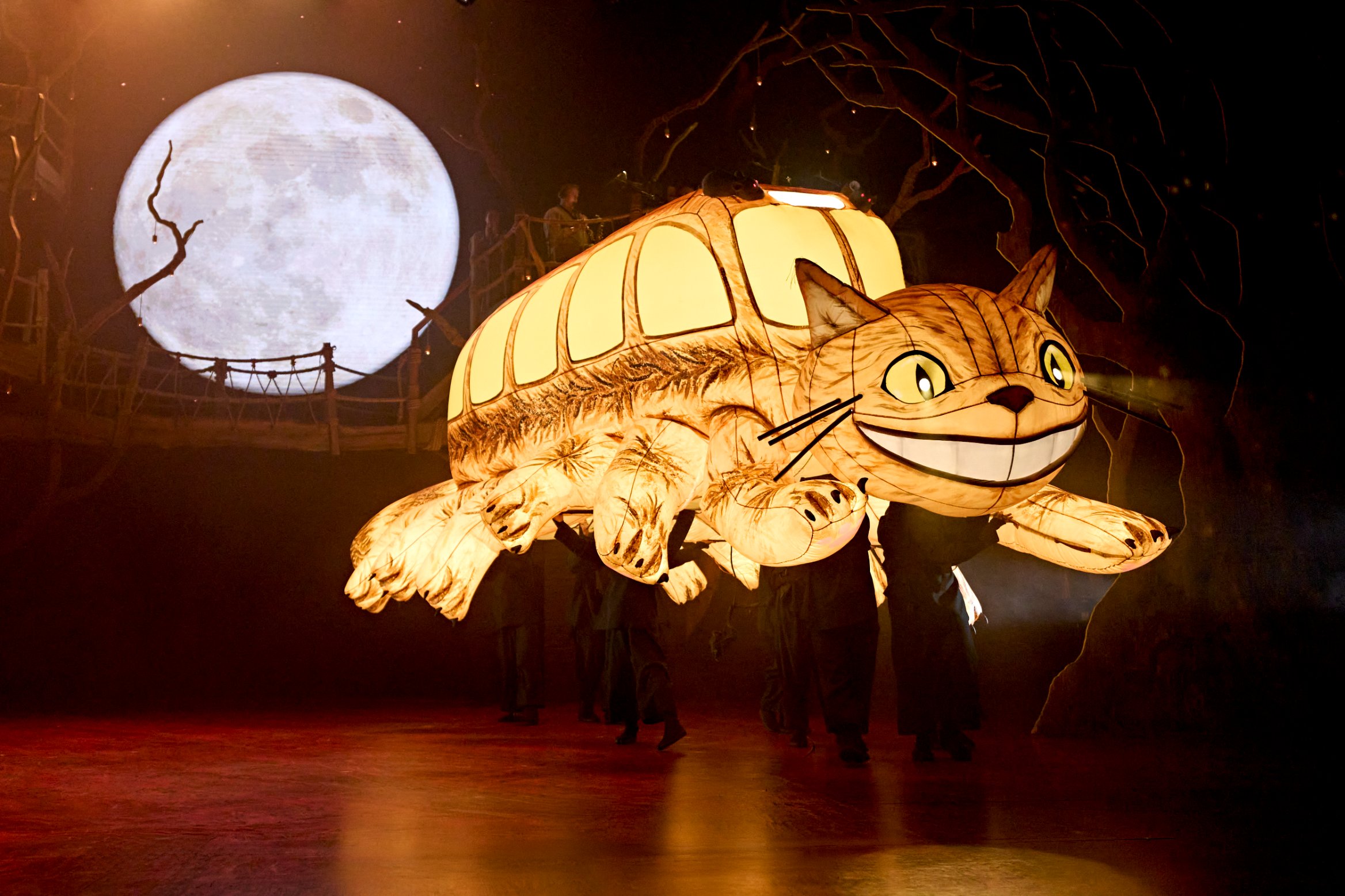
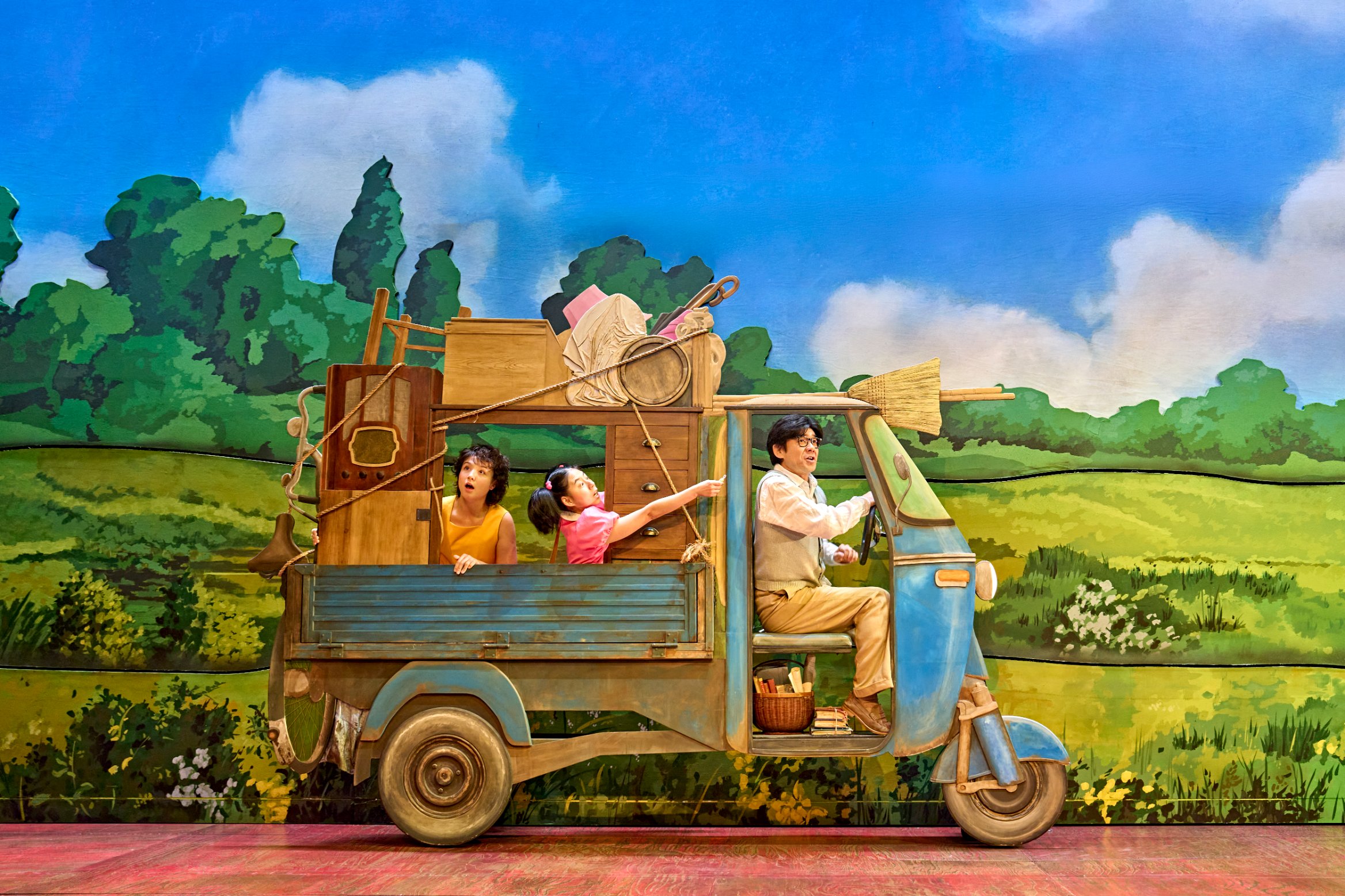
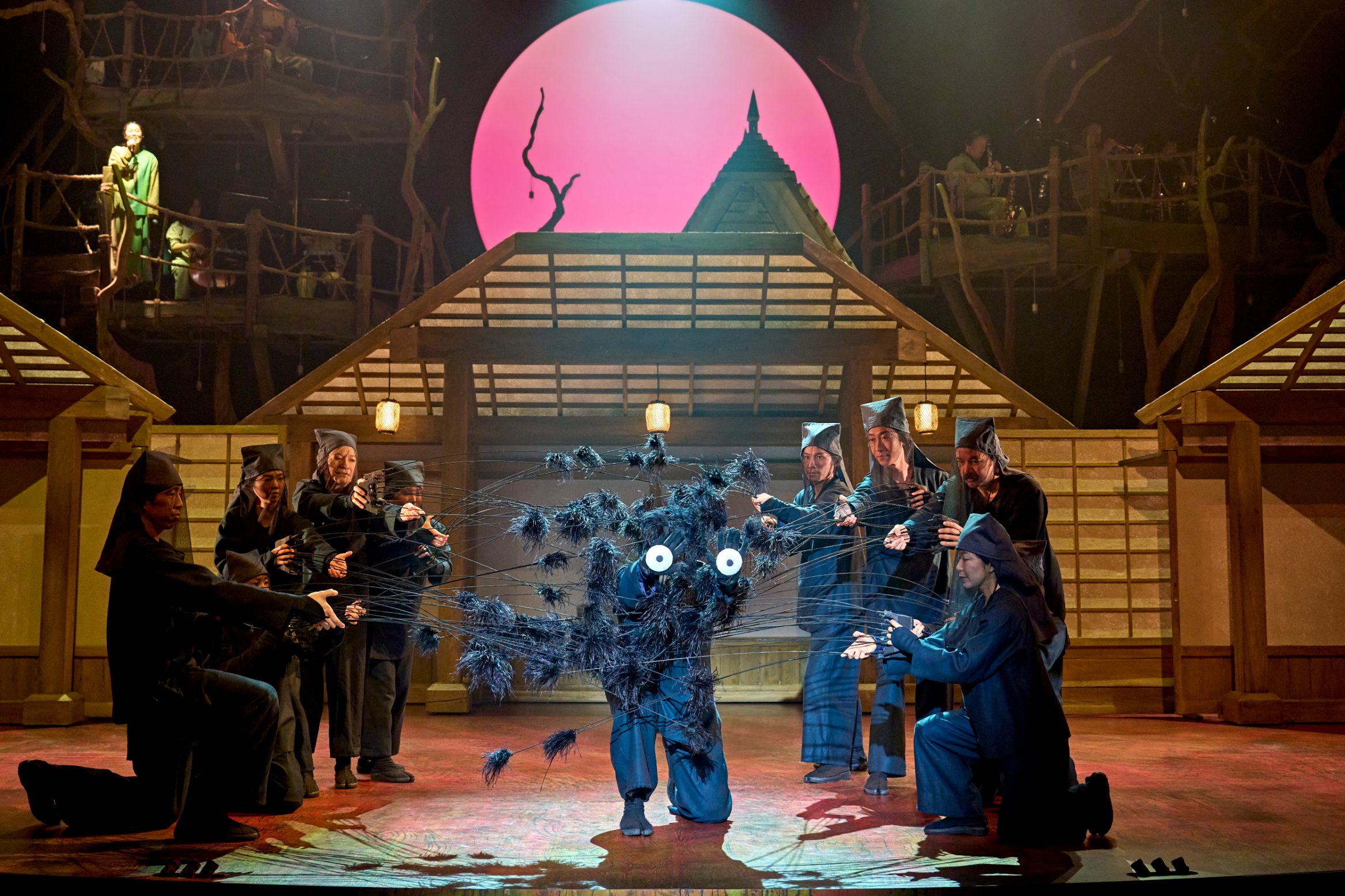

Listen before you go
The official orchestral album is on Spotify, and it is worth a run through before the night so you know what to listen for. Worth knowing: the concert includes pieces that are not on the record, and at least one that is, Kiki’s Delivery Service, is performed in a different arrangement live. So treat the album as a preview rather than the full picture.
Tickets and our Nakama reader offer
London
Royal Festival Hall, Southbank Centre, Belvedere Road, SE1 8XX
Friday 25 September 2026, 7.30pm. Tickets from £25.50.
Book the London performance
Royal Festival Hall
Birmingham
Symphony Hall, Broad Street, B1 2EA
Sunday 15 November 2026, 3pm. Tickets £20.50 to £55.50.
Book the Birmingham performance
Symphony Hall
How to claim 15 per cent off
The code is NARUTO and it works at both venues, but the two ticketing systems handle it differently. At the Southbank Centre, enter it in the promotional code box at the top right while you are selecting tickets, before you choose seats. At Symphony Hall, choose your seats first and enter the code at the checkout stage.