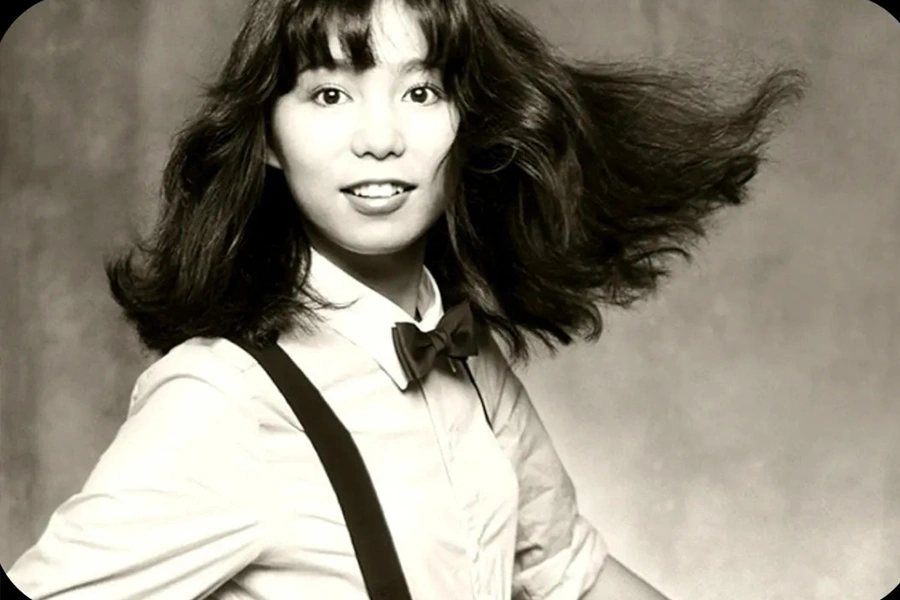
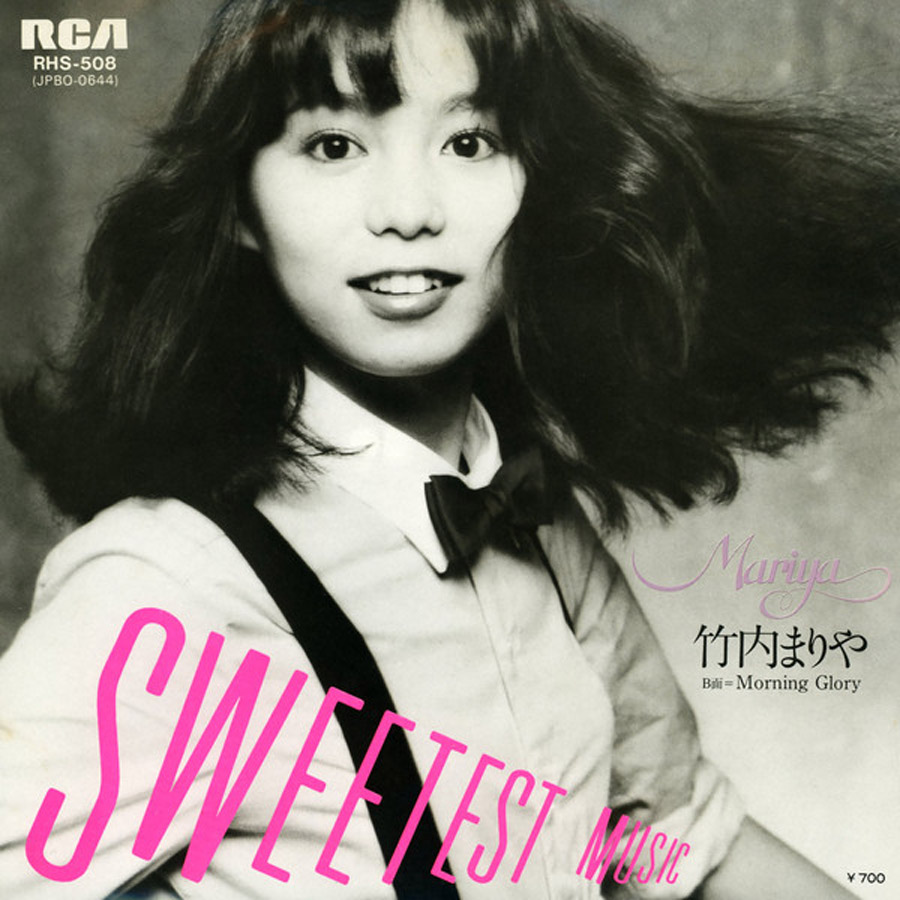
It was 2017 when a curious YouTube recommendation plopped into everyone’s Home pages. A video starring a black-and-white photo of a girl smiling with her hair whooshing behind her entitled “Plastic Love – Mariya Takeuchi” was uploaded by a user named “Plastic Lover” to the platform. Not long after its upload, it gained over a million views and a whopping 24 million more before being stricken for copyright later on. Nonetheless, the song would eventually make its comeback (with Warner Music even making an official music video for it in 2019), and netizens from all over the world would crown this as their initiation into the now widely popular City Pop genre, the freshest entry to join the catalogue of internet-based music.
Today we learn more about the Showa Era 1980s genre of City pop and how it was boosted back to its former glory by the YouTube algorithm in 2017.
City pop is the polished, urban Japanese pop of the late 1970s and the 1980s, made by artists such as Tatsuro Yamashita, Mariya Takeuchi and Miki Matsubara, mixing Western pop, funk and jazz-tinged arrangements with Japanese lyrics about city life and love. It sold in Japan during the bubble years of 1980s Japan, then found a second, global audience online four decades later.
Japanese city pop: key facts
- Peak years: late 1970s to the 1980s
- Artists to start with: Tatsuro Yamashita, Mariya Takeuchi, Miki Matsubara, Taeko Ohnuki, Anri, Junko Ohashi
- Albums to start with: For You (Tatsuro Yamashita, 1982), Variety (Mariya Takeuchi, 1984), Pocket Park (Miki Matsubara, 1980)
- First viral moment: Plastic Love, spread by a fan upload on YouTube in 2017, then given an official video in 2019
- Second viral moment: Mayonaka no Door (Stay With Me), number one on Spotify’s global viral chart for 15 days running in December 2020
Japanese City Pop: From Tatsuro Yamashita to Plastic Love
What is City Pop?
City Pop is a loosely defined subgenre of music combining Western pop styles and imagery with Japanese lyrics illustrating the transnational, urban culture of the 1970s onward.
The genre was born in Japan’s post-war economic boom era when numerous cultural exports entered the country and thus influenced the lifestyle and musical scene at the time. City pop was most distinctly identified by its upbeat, futuristic production combined with its retro visuals.
Tatsuro Yamashita’s “For You” invokes this distinct visual style. The album is only one of many works adorning Yamashita’s genre-defining discography, earning him the title “King of City Pop” (besides the title “husband of Mariya Takeuchi,” coincidentally enough). The cover sports a fictional 50’s-style gas station reminiscent of the palm tree-lined roads of California, complementing the album’s lighthearted guitar, jazzy brass, and overall West Coast sound.

City Pop Artists and the Songs to Start With
These six artists span the genre’s peak years, from Taeko Ohnuki’s 1977 album Sunshower to Junko Ohashi’s 1984 album Magical. Each song links to an upload from the artist’s own channel or their record label.
| Artist | Song to start with | Where it first appeared | Listen (official) |
|---|---|---|---|
| Tatsuro Yamashita | SPARKLE | Opening track of the album For You, 21 January 1982 | Music video (2023), Tatsuro Yamashita channel |
| Mariya Takeuchi | Plastic Love | Track two of the album Variety, 25 April 1984 | Official music video (2019) |
| Miki Matsubara | Mayonaka no Door (Stay With Me) | Debut single, 5 November 1979; also on the album Pocket Park, 25 January 1980 | Official lyric video, Pony Canyon |
| Taeko Ohnuki | Tokai (City) | The album Sunshower, 25 July 1977 | Official audio with translation, PANAM |
| Anri | Last Summer Whisper | Track two of the album Heaven Beach, 21 November 1982 | Official video, Anri channel |
| Junko Ohashi | Telephone Number | The album Magical, 1 July 1984 | Official lyric video, Universal Music Japan |
Tatsuro Yamashita
For You, the album with the gas station cover described above, opens with SPARKLE. Yamashita’s 1980 album Ride on Time came first, and his 1983 single Christmas Eve is still a seasonal fixture in Japan.
Mariya Takeuchi
Plastic Love sits second on Variety, Takeuchi’s 1984 album. Her official channel also carries a 2000 live version from the Nippon Budokan with Yamashita on guitar.
Miki Matsubara
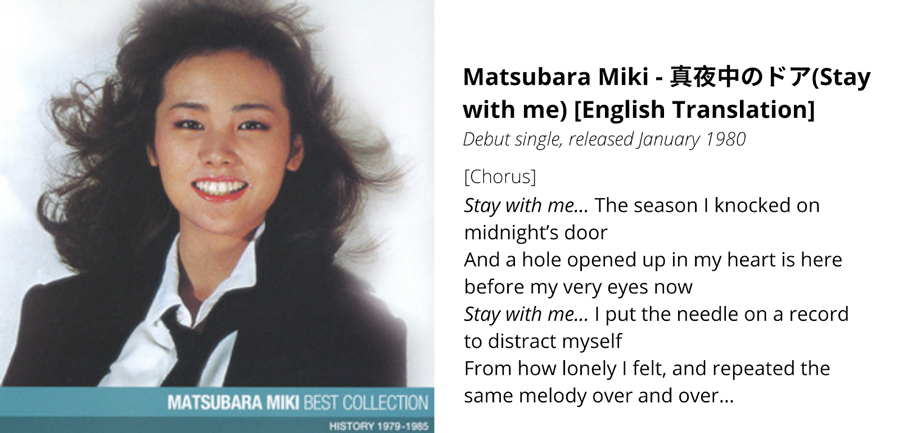
Matsubara released Mayonaka no Door (Stay With Me) as her first single in November 1979, and it opened her career. Four decades later it became the song of the revival’s second wave, as the timeline below shows.
Taeko Ohnuki, Anri and Junko Ohashi
Ohnuki’s Sunshower (1977) is the earliest record here, and Tokai, its fourth track, translates as “the city”. Anri’s Last Summer Whisper comes from Heaven Beach (1982) and Ohashi’s Telephone Number from Magical (1984); both now have official uploads on YouTube, so you can start there.
What makes City Pop so addictive?
According to Sommet and Kato (2021), 575 self-identified City Pop fans from Facebook and/or Reddit said City Pop stood out for three main reasons:
- It’s high quality. Although the genre was born in the ’80s, having already seen the likes of The Beach Boys and The Beatles in their prime, the classic production value at the time combined with the melodic sophistication and otherness of Japanese artists revived the genre’s popularity.
- It reminds them of other genres they’re fondly familiar with. Many of the listeners belonging to Anglophonic Asian countries cited similar local subgenres of pop music that were popular in the early 2000s, like Indonesian pop or Canto-pop. With many listeners being in their young adult years, city pop then became a tribute to their childhoods.
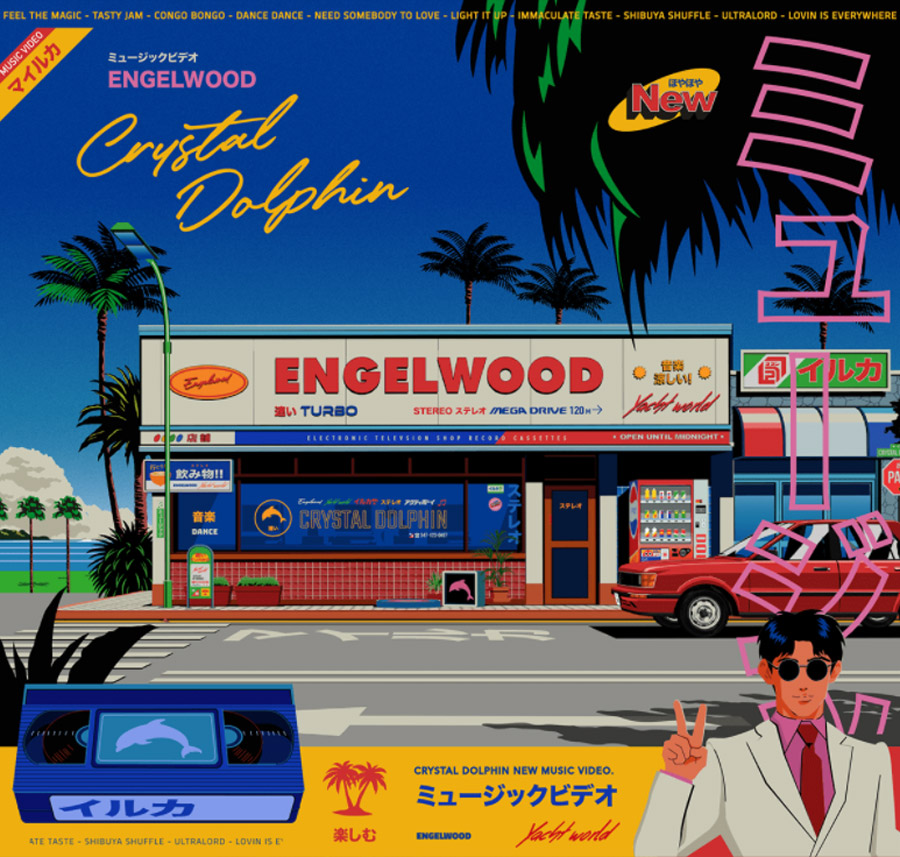
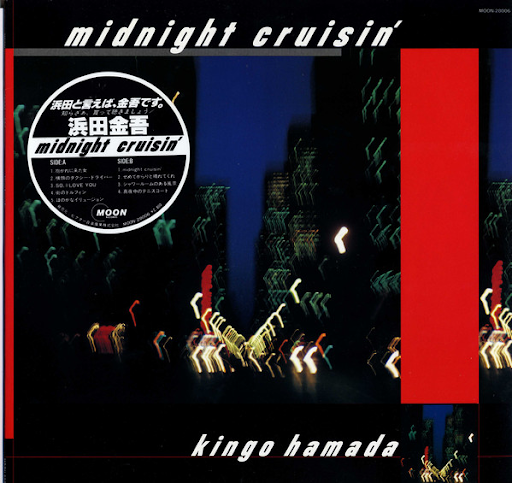
- It helps them discover other genres of music. City Pop is often sampled by other popular genres of music, such as future funk, vaporwave, lo-fi hip hop, and indie music. Otherwise, they can also get immortalised into memes. One example is Kingo Hamada’s Dolphin in Town, a song popularly known for its dolphin scatting soundbite and for being the song sampled by Engelwood in the future funk hit “Crystal Dolphin.”
City Pop: the timely yet timeless music genre of the 2010s
City Pop is best known for its positive feelings of “happiness” and “love” communicated by the upbeat instrumentals, spirited vocals, and colourful imagery, but its strongest quality is its “nostalgia,” or its capacity to make any listener yearn for the 1980s Japan. Many listeners project the economically prosperous image of Japan into their listening experience, visible through the bright and promising imagery of the neon-lit city.
However, listeners who have done personal deep dives into the music genre and the lyrics of city pop acknowledge its role as an escapist outlet for current circumstances, like the COVID-19 pandemic or the poor economy. Additionally, the lyrics of the most popular works on City Pop on YouTube by Takeuchi and Matsubara centre on seeking love from a special someone despite their loneliness, amplified by the vastness of the city. These lyrics are often overlooked in favour of the funky overture of the genre’s “California sound.” These themes of loneliness also find their way into new City Pop interpretations, albeit more subtly.




How Plastic Love and Mayonaka no Door Went Viral
The revival happened in two waves, three years apart. Plastic Love found its audience through YouTube’s recommendations; Mayonaka no Door reached the charts after a cover version on YouTube sent listeners to Spotify.
| Date | What happened |
|---|---|
| 5 November 1979 | Miki Matsubara releases Mayonaka no Door (Stay With Me) as her debut single on Pony Canyon |
| 25 April 1984 | Mariya Takeuchi releases Variety, with Plastic Love as track two |
| 2017 | A fan account called “Plastic Lover” uploads Plastic Love with a black and white photo of Takeuchi, and YouTube’s algorithm spreads it worldwide |
| 2019 | Takeuchi’s official channel publishes a Plastic Love music video directed by Kyotaro Hayashi |
| Late October 2020 | Indonesian YouTuber Rainych posts a cover of Mayonaka no Door, and the original climbs streaming charts around the world |
| December 2020 | Mayonaka no Door spends 15 days in a row at number one on Spotify’s global viral chart; Pony Canyon publishes an official lyric video |
| 10 March 2021 | Pony Canyon reissues the single on 7-inch vinyl after fans pre-order it through its Package Order Project |
Japan’s CD Journal reported the Spotify run and the reissue in December 2020, noting that club DJs and playlist curators had been playing the song before Rainych’s cover pushed it into the charts.
Nostalgia for 1980s Tokyo, Heard Around the World
City Pop is popular among a widely diverse dispersal of people located all across the world, as opposed to a tight-knit community or scene. Nonetheless, it remains a powerful subgenre of contemporary music. The genre is pleasing to listen to, combining the best of both worlds, a distinctly Western sound and the novelty of the Japanese language. City pop also originates in a highly loaded era of Japanese history, iconic for its fever dream level of opulence.
City pop appeals to nostalgia at its essence, for better or for worse. May it be to yearn for an idealized urban utopia like 1980s Japan or to escape the political and economic turmoil blanketing one’s future in uncertainty, the inherently Japanese genre may very well be here to stay for the long run.
City Pop: Questions and Answers
What is city pop?
City pop is Japanese pop music from the late 1970s and the 1980s that blends Western pop, funk and jazz-tinged arrangements with Japanese lyrics about urban life. The name describes a mood more than a strict sound. Tatsuro Yamashita, Mariya Takeuchi and Miki Matsubara are the artists most often used to define it.
Who is called the king of city pop?
Tatsuro Yamashita. His albums Ride on Time (1980) and For You (1982) are the usual starting points for new listeners. He is also married to Mariya Takeuchi, whose Plastic Love became the genre’s best-known song online.
Why did Plastic Love go viral?
In 2017 a fan upload of the 1984 song, with a black and white photo of Takeuchi as its thumbnail, began appearing in YouTube recommendations around the world. Millions of new listeners found it that way. In 2019 Takeuchi’s official channel answered with a proper music video directed by Kyotaro Hayashi.
What does Mayonaka no Door mean?
Mayonaka no Door means “the midnight door”. In Miki Matsubara’s 1979 song the singer remembers knocking on that door and crying “don’t go home” to a past love, which is where its English subtitle, Stay With Me, comes from. It reached number one on Spotify’s global viral chart for 15 days in a row in December 2020, 41 years after release.
Is city pop the same as J-pop?
Not quite. J-pop is the broad name for mainstream Japanese pop, while city pop is one earlier style in its history, centred on the late 1970s and the 1980s. Our guide to J-pop for beginners shows how the two connect.
What is the difference between city pop, vaporwave and future funk?
City pop is the original 1970s and 1980s music. Vaporwave and future funk are later internet genres that sample it, as the section on what makes city pop addictive explains. Engelwood’s Crystal Dolphin, built on Kingo Hamada’s Dolphin in Town, is a well-known future funk example.