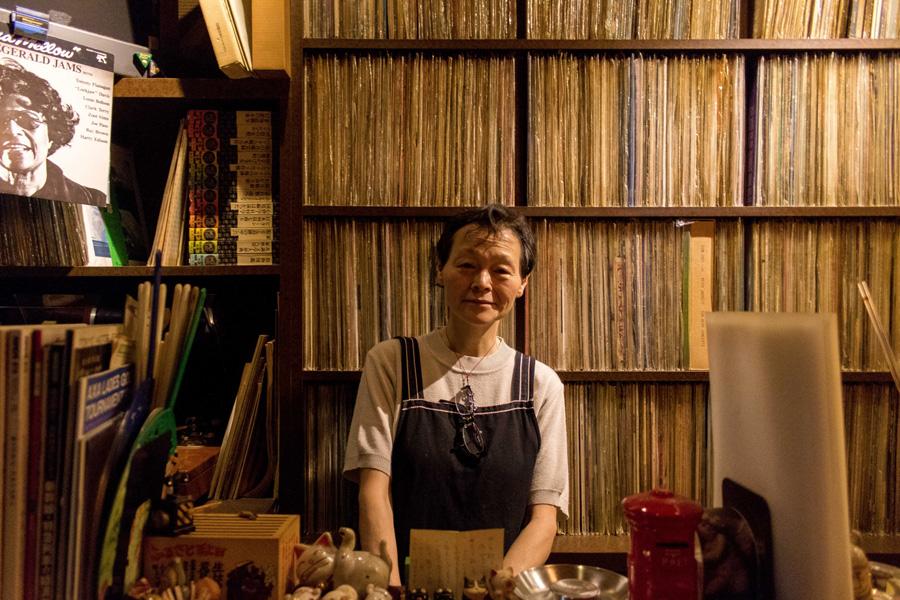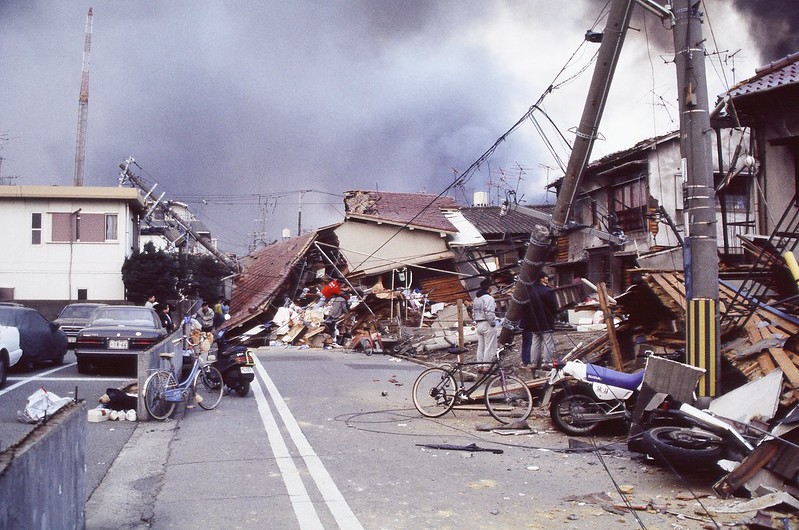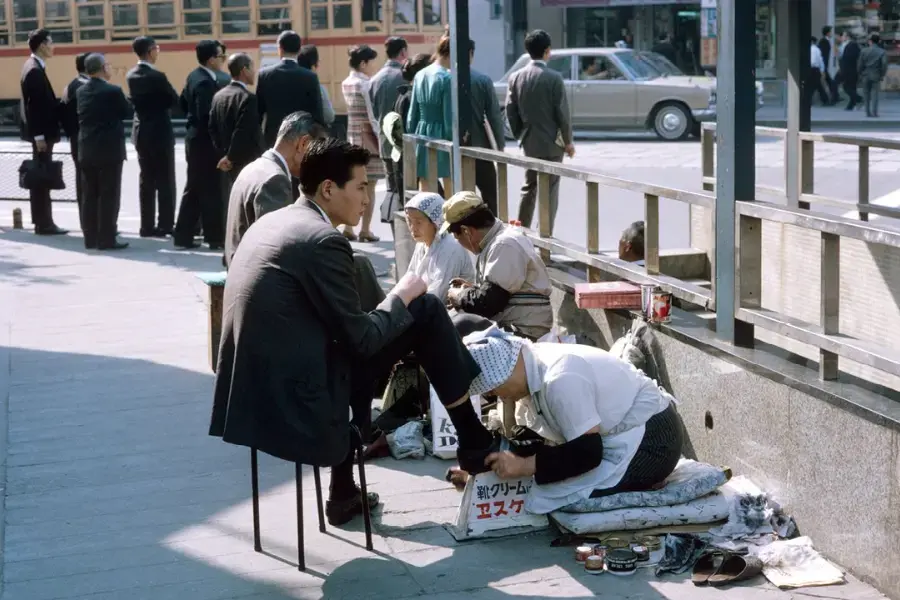
There’s something magnetic about old photographs of Japan. Neon signs glowing against a twilight sky. Salarymen crossing wide Tokyo boulevards. Couples laughing in smoky jazz cafés. These fleeting moments, captured on 35mm film during the Shōwa era, feel both distant and strangely familiar—echoes of a Japan that shaped the country we recognise today.
Through faded slides and long-forgotten negatives, the Showa35mm project resurrects a world of colour, optimism and everyday life. What began as a chance discovery has become a carefully restored archive of mid-century Japan—preserving not just images, but atmosphere, texture and memory. In revisiting these frames, we’re invited to step back into a period of rapid change and rediscover the quiet beauty of the ordinary.

The Showa35mm collection, spearheaded by Alex Sinclair, is a testament to this sentiment, offering a window into the past. The Showa era, a time of immense change and growth for Japan, has left an indelible mark on the nation’s history. Today, as the world races ahead, there’s a growing nostalgia for the aesthetics and values of this bygone era.
The Showa35mm
The Showa35mm Collection: A Glimpse into the Past

Discovering the Collection
It all began with a serendipitous find on eBay. Alex, while curating images for his photography book on Osaka, chanced upon an original slide. This seemingly innocuous purchase led to the discovery of over 800 photographs, each painstakingly catalogued, restored, and presented to the world.
Historical Significance

The Showa35mm collection is not just a bunch of old photos. It’s a time capsule, capturing Japan’s rapid transformation post-1950. Steering clear of wartime politics, the collection celebrates the dawn of colour film in both commercial and personal photography. These images, though clicked by anonymous photographers, are nothing short of artistic masterpieces.


Restoring the Past: The Process Behind Showa35mm
Restoration Techniques
Reviving these old slides is a meticulous process. Each slide is delicately removed from its original cardboard frame and placed in a new plastic one. Using 99% pure isopropyl alcohol, the film is cleaned to perfection, ensuring its longevity.
Time and Effort

Once cleaned, a dedicated 35mm film scanner brings the image to life in a whopping 70-megapixel format. But the work doesn’t stop there. Photoshop becomes the next tool of choice, where dust, scratches, and color imbalances are rectified. Each image can take anywhere between 5 to 30 hours to restore to its original glory.
The Cultural Significance: Why Showa Matters Today
The Modern Showa Revival

The Showa aesthetic is making a comeback. As skyscrapers replace traditional buildings, there’s a yearning for a return to the old-school Japanese aesthetic. A sense of cultural identity seems to be fading, and many are seeking to reconnect with it.
The Role of Showa35mm
Showa35mm is not just a project; it’s a movement. It offers a tangible connection to the past, showcasing the everyday lives of ordinary Japanese people, and drawing parallels to our modern existence.
Alex Sinclair: The Man Behind the Lens

Alex’s Connection to Japan
Language was Alex’s gateway to Japan. A mere episode of ‘Terrace House‘ ignited his passion for the Japanese language, culminating in him aceing the N4 test in 2019—this linguistic journey intertwined with his love for photography, giving birth to the Showa35mm project.
Alex’s Background and Achievements
Hailing from the Dublin/Wicklow punk scene, Alex carries with him a DIY spirit. With a B.A. in Photography from the Dublin Institute of Technology, his portfolio is as diverse as it is impressive. From self-published zines to award-winning blogs like DigitalFaun, Alex’s journey, be it in sportswriting or learning Japanese, has given him a unique lens to view the world.



Showa35mm – ‘Tokyo, 1966’ Print: A Piece of History
Details of the Print
For those who wish to own a fragment of this historical journey, the ‘Tokyo, 1966’ print is up for grabs at €50.00. Printed on premium Hahnemuhle Fine Art Paper, the 297mm x 210mm print is a collector’s dream.
Purpose and Availability
This exclusive offer is not just a sale; it’s a fundraiser for the upcoming Showa35mm projects. Every penny earned goes back into the project. And while the frame isn’t part of the deal, buyers are promised free worldwide shipping, with deliveries starting from 29 September 2023.
Showa35mm is more than a photo collection; it’s a journey back in time. As the world around us morphs and changes, projects like Showa35mm serve as a poignant reminder of the beauty in the mundane, urging us to find art in our everyday lives.
FAQs
- What is the Showa era?
- The Showa era spans from 1926 to 1989, marking a significant period of transformation for Japan.
- How did Alex Sinclair start the Showa35mm project?
- Alex stumbled upon an original slide on eBay while collecting images for his photography book, leading to the discovery and restoration of over 800 photographs.
- What is the significance of the ‘Tokyo, 1966’ print?
- It’s a fundraiser for the Showa35mm project, allowing enthusiasts to own a piece of history while supporting the initiative.
- How are the photographs in the Showa35mm collection restored?
- Each slide is cleaned with isopropyl alcohol, scanned using a 35mm film scanner, and then refined in Photoshop to address imperfections.
- Why is there a resurgence in the Showa aesthetic?
- As modernity takes over, there’s a growing nostalgia for the old-school Japanese aesthetic and a desire to reconnect with a fading cultural identity.