Osamu Dazai (1909 to 1948) is best known in English for two novels, No Longer Human (1948) and The Setting Sun (1947), and most readers should start with No Longer Human, a short, confessional novel about a man who feels he cannot be human among other people. Both are available in Donald Keene’s classic translations from New Directions and in newer versions by Juliet Winters Carpenter from Tuttle, and Dazai’s short stories are now being translated faster than at any time since his death.
Below is every major Dazai book in English with its Japanese year, translator and publisher, which to read first, how the translations of No Longer Human differ, the new books still coming out, and why a detective in Bungo Stray Dogs carries his name.
Osamu Dazai: key facts
- Real name: Shūji Tsushima (津島修治)
- Born: 19 June 1909, Kanagi, Aomori Prefecture
- Died: 13 June 1948, Tokyo, aged 38
- Best-known books: No Longer Human (人間失格, 1948) and The Setting Sun (斜陽, 1947)
- Main English publishers: New Directions (New York) and Tuttle Publishing
- Next English book: The Phoenix, translated by Sam Bett, New Directions, 23 February 2027
Osamu Dazai's Books, From Schoolgirl to No Longer Human
No headings found.
Osamu Dazai’s Books in Order, With Translators
| Japanese year | English title | Japanese title | Translator | Publisher and English year |
|---|---|---|---|---|
| 1935 | The Flowers of Buffoonery | 道化の華 (Dōke no hana) | Sam Bett | New Directions, 2023 |
| 1939 | Schoolgirl | 女生徒 (Joseito) | Allison Markin Powell | One Peace Books, 2011 |
| 1940 | Run, Melos! | 走れメロス (Hashire Merosu) | Ralph F. McCarthy | Kodansha, 1988, in Run, Melos! and Other Stories (out of print) |
| 1944 | Return to Tsugaru | 津軽 (Tsugaru) | James Westerhoven | Kodansha International, 1985 |
| 1945 | Otogizōshi: The Fairy Tale Book of Dazai Osamu | お伽草紙 (Otogizōshi) | Ralph McCarthy | Kurodahan Press |
| 1947 | Villon’s Wife (story) | ヴィヨンの妻 (Viyon no tsuma) | Donald Keene | New Directions, in Early Light, 2022 |
| 1947 | The Setting Sun | 斜陽 (Shayō) | Donald Keene / Juliet Winters Carpenter | New Directions, 1956 / Tuttle, 2025 |
| 1948 | No Longer Human | 人間失格 (Ningen shikkaku) | Donald Keene / Mark Gibeau (as A Shameful Life) / Juliet Winters Carpenter | New Directions, 1958 / Stone Bridge Press, 2018 / Tuttle, 2024 |
| 1948, unfinished | Good-Bye | グッド・バイ | Ralph McCarthy | New Directions, 2026, in the collection Good-Bye |
The story collections, which pull from across his career, are listed in the section on new translations below. Dazai’s first English translations came out in the US in the 1950s; in Britain, Peter Owen published Keene’s No Longer Human in 1959.


Where to Start Reading Osamu Dazai
- Start with No Longer Human. It is short, at around 160 to 190 pages depending on the edition, and it is the book everyone else is talking about. New Directions still describes it as one of the ten bestselling books in Japan.
- Then The Setting Sun. A ruined aristocratic family after the war, told by Kazuko, a daughter who decides to break with her class. It gave Japanese the phrase “people of the setting sun” for the fallen post-war aristocracy.
- If you want something lighter: Schoolgirl. A single day in the life of a teenage girl, told in her own voice.
- If you want to see him laugh: Otogizōshi. Dazai retells Japanese folk tales in a book published in 1945, in the last months of the war.
- If you want the backstory: The Flowers of Buffoonery. Yozo Oba, the narrator of No Longer Human, recovers in a seaside sanatorium after a failed suicide attempt, years before the novel.
A note before you start: suicide runs through Dazai’s books and his life, and No Longer Human in particular is a bleak read. If you are struggling yourself, Samaritans can be reached free in the UK and Ireland on 116 123.
No Longer Human: Which English Translation to Read
No Longer Human is told mostly through three notebooks left by Yozo Oba, a man who has played the clown since childhood to hide how alien other people feel to him, and who slides into drink, failed love affairs and drugs. Dazai finished it weeks before his death in June 1948, it was published a month after he died, and much of it follows his own life closely. The Japanese title, Ningen shikkaku, means roughly “disqualified as a human being”.
| Translation | Publisher | Year | What to know |
|---|---|---|---|
| No Longer Human, Donald Keene | New Directions | 1958 (hardback reissue 2022) | The classic version most readers know; Peter Owen published it in Britain in 1959 |
| A Shameful Life, Mark Gibeau | Stone Bridge Press | 2018 | Retitled to bring out the meaning of Ningen shikkaku |
| No Longer Human, Juliet Winters Carpenter | Tuttle | 2024 | A completely new contemporary translation |
If you are buying one copy, Keene’s is the one quoted in most writing about the book, and Carpenter’s is the most recent. There are also two manga versions in English: Usamaru Furuya’s from 2009, and the horror artist Junji Ito’s from 2017.
The Setting Sun (1947): Kazuko, Naoji and the Fallen Aristocracy
The Setting Sun was serialised in the magazine Shinchō between July and October 1947, at the height of Dazai’s post-war fame. Kazuko, 29, lives with her widowed mother in the Izu countryside after the family loses its money. Her brother Naoji comes home from the war addicted to opium, and Kazuko sets her heart on having a child by Uehara, an older, hard-drinking novelist. Dazai drew Kazuko from the diary of Shizuko Ōta, a writer who was his lover.
Donald Keene’s translation came out in September 1956. Tuttle published Juliet Winters Carpenter’s new version in May 2025, and in March 2024 an illustrated manga retelling by Cocco Kashiwaya. For the war and the defeat that shaped this generation of writers, see our introduction to the Buraiha, the “decadent school” of post-war writers, which places Dazai alongside Oda Sakunosuke and Sakaguchi Ango.

Run, Melos!, Schoolgirl and Dazai’s Short Stories
In Japan, Dazai’s most-read work may be a story every schoolchild meets. “Run, Melos!” (1940) reworks Friedrich Schiller’s ballad Die Bürgschaft: Melos, a shepherd sentenced to death by a tyrant, leaves his friend as hostage while he races home for his sister’s wedding, and must make it back before sunset. It has been used in Japanese middle school textbooks since 1956. The English version by Ralph F. McCarthy gave its title to a Kodansha collection in 1988, which is now out of print.
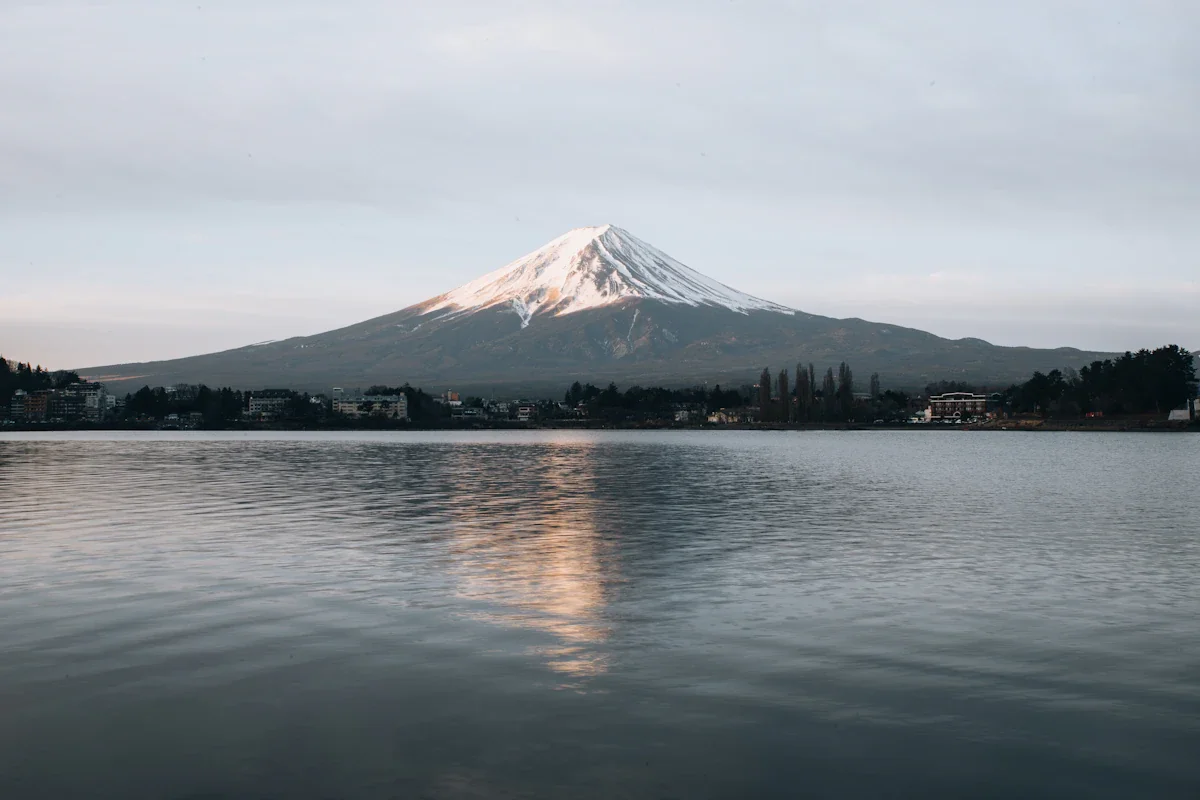
“Schoolgirl” (1939) is the other easy way in, and Allison Markin Powell’s translation is still in print from One Peace Books. “Villon’s Wife” (1947), in Keene’s translation, follows the wife of a drunken, thieving writer who finds she cannot be defeated by anything he does. New Directions now prints it in Early Light (2022), with “One Hundred Views of Mount Fuji” and the title story about his family surviving the bombing of Kōfu.
New Osamu Dazai Translations, 2023 to 2027
Dazai has had a second life in English this decade, helped by readers on TikTok, a trend The New York Times wrote about in March 2023. New Directions has been working through his stories with two translators, Sam Bett and Ralph McCarthy.
| Book | Translator | Publisher | Published | What is in it |
|---|---|---|---|---|
| The Flowers of Buffoonery | Sam Bett | New Directions | 7 March 2023 | The novella that introduces Yozo Oba, 96 pages |
| Self-Portraits: Stories | Ralph McCarthy | New Directions | 6 February 2024 | Autobiographical stories, long out of print in English |
| The Real Osamu Dazai: A Life in Twenty Stories | James O’Brien | Tuttle | 2024 | Twenty stories, including “Memories” and “The Sound of Hammering” |
| The Beggar Student | Sam Bett | New Directions | 10 December 2024 | A writer called Osamu Dazai meets a high school boy by a river, 96 pages |
| No One Knows | Ralph McCarthy | New Directions | 4 February 2025 | 14 stories, many narrated by women, six of them new to English |
| Good-Bye | Ralph McCarthy | New Directions | 21 July 2026 | Eleven pieces, ending with his unfinished last novel |
| The Phoenix | Sam Bett | New Directions | 23 February 2027 | First English translation: Sachiyo, a young woman in prewar Tokyo who wants to act |
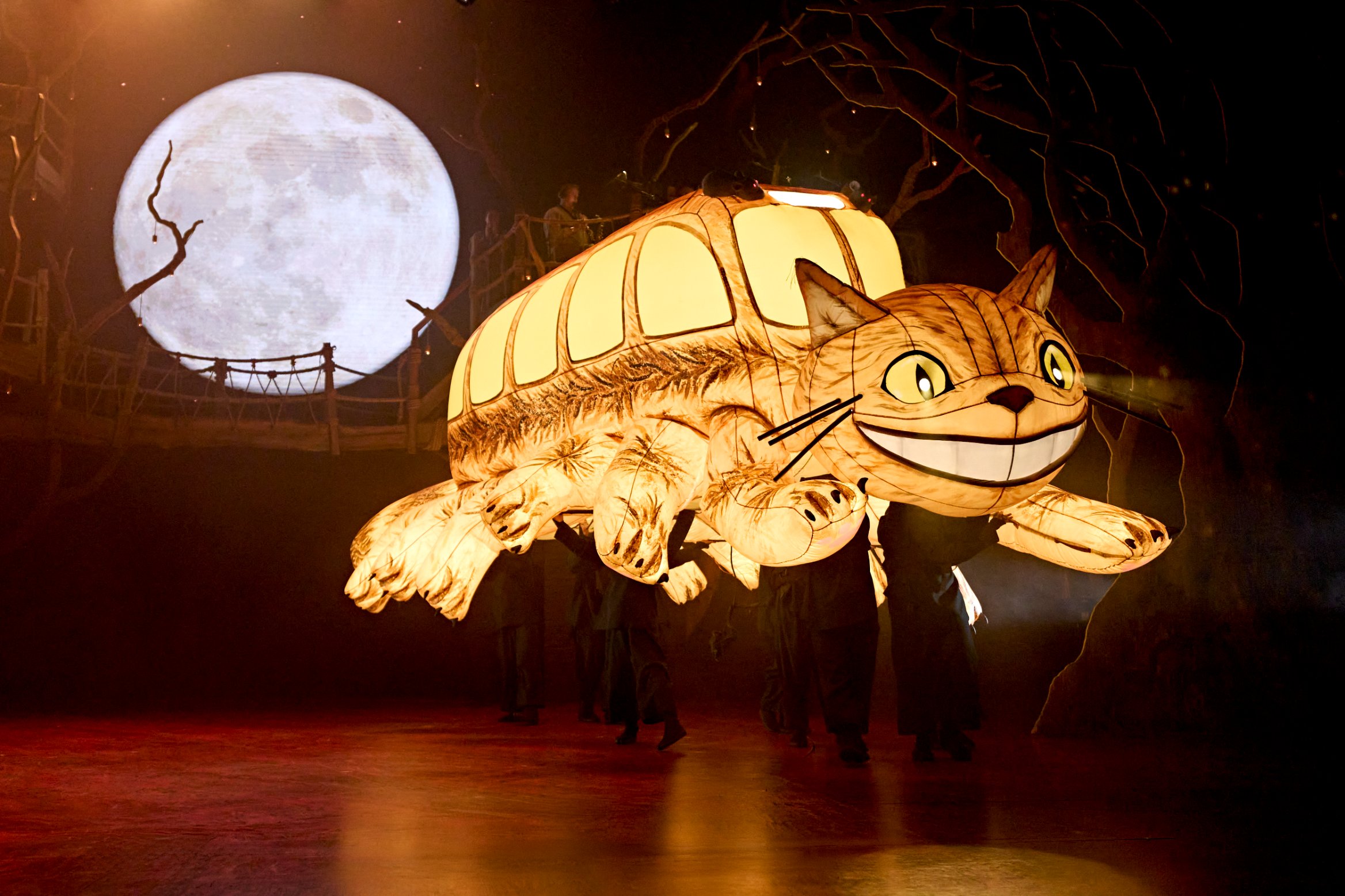
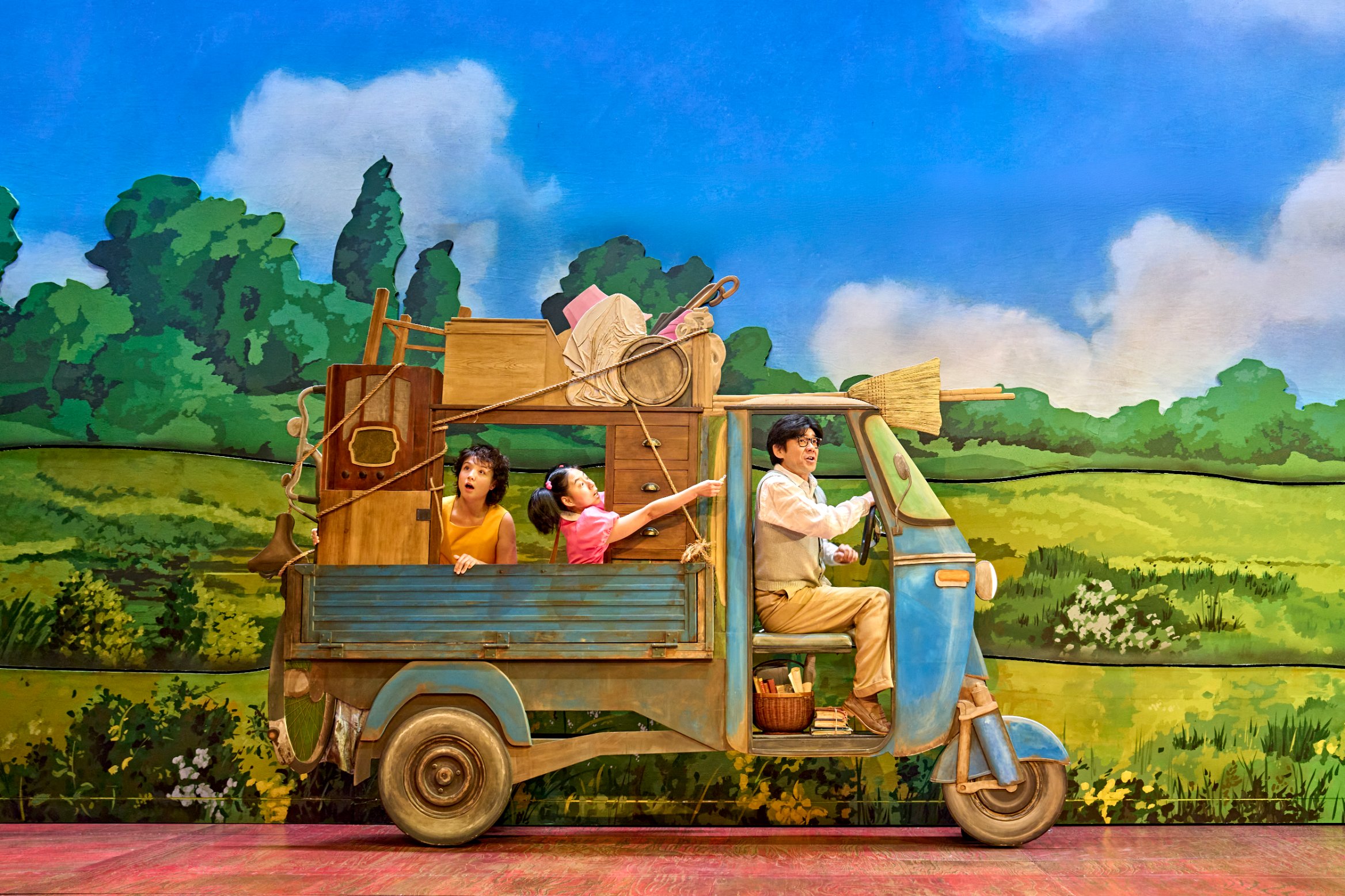
Good-Bye, the comic novel Dazai was writing for the Asahi Shimbun when he died, has also been staged in London: Kyoto’s Chiten Theatre Company brought its version of Dazai’s Good-Bye to the Coronet Theatre in March 2024.
Dazai in Bungo Stray Dogs: The “No Longer Human” Ability
Many younger readers meet Dazai first as a character. Bungo Stray Dogs, a manga by Kafka Asagiri and Sango Harukawa serialised in Young Ace since 2012, names its characters after famous writers and gives them powers based on their books. Its Osamu Dazai is a detective at the Armed Detective Agency and a former Port Mafia executive, voiced by Mamoru Miyano in Japanese and Kaiji Tang in English. His ability is called No Longer Human, and it cancels any other ability he touches.
Asagiri made Dazai a main character after reading No Longer Human, and the detective’s running joke about suicide echoes the real writer’s life. The anime by Bones began in April 2016 and reached a fifth season in 2023, and the manga has more than 16 million copies in print. Other characters are named after Atsushi Nakajima, Ryūnosuke Akutagawa and Fyodor Dostoevsky, and the Dazai character’s popularity has helped revive interest in his books.
Dazai, the Buraiha and Dostoevsky
Dazai’s idol was Ryūnosuke Akutagawa, whose suicide in 1927 shook him as a teenager. His other great influence was Dostoevsky, whose self-destructive heroes are close cousins of Yozo Oba; our feature on Dostoevsky’s influence on Japanese writers traces the line from Akutagawa to Dazai. One writer who could not stand him was the young Yukio Mishima, who met him at a dinner in December 1946 and later wrote that his disgust for Dazai’s literature was “ferocious”.
Where to Find Dazai in Japan: Kanagi and Mitaka

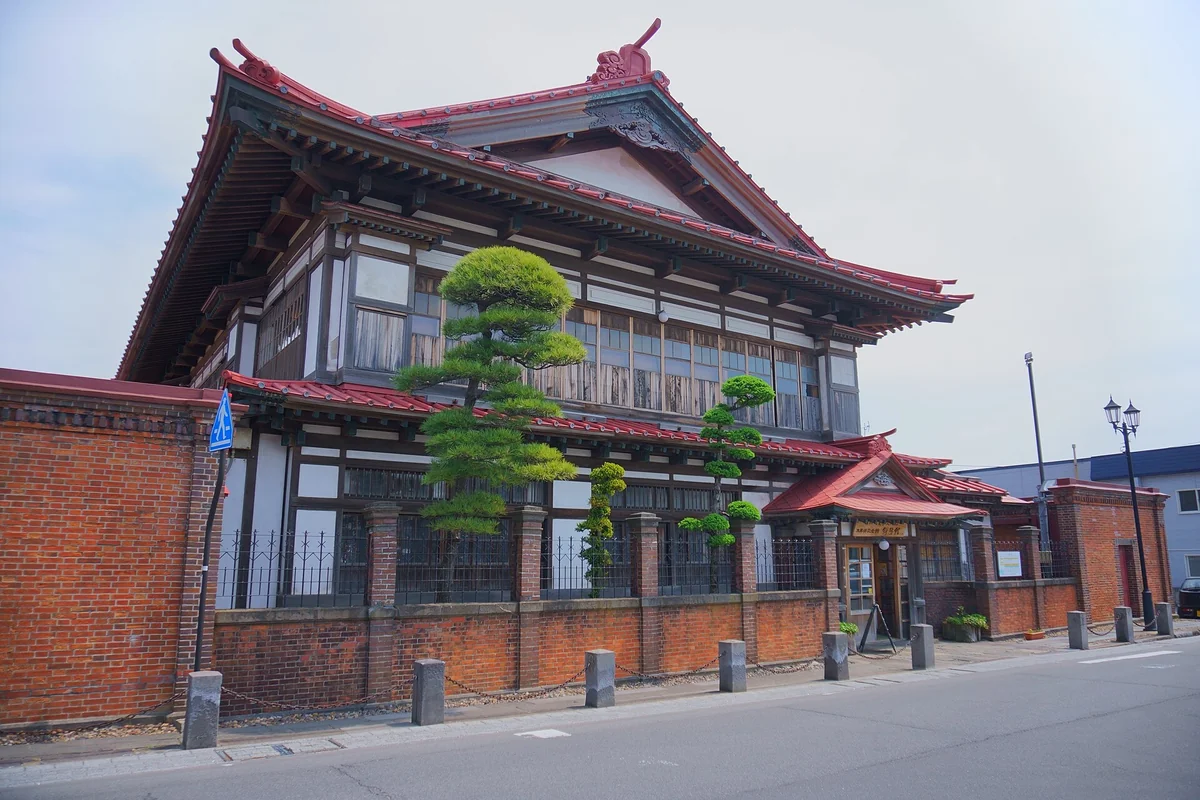
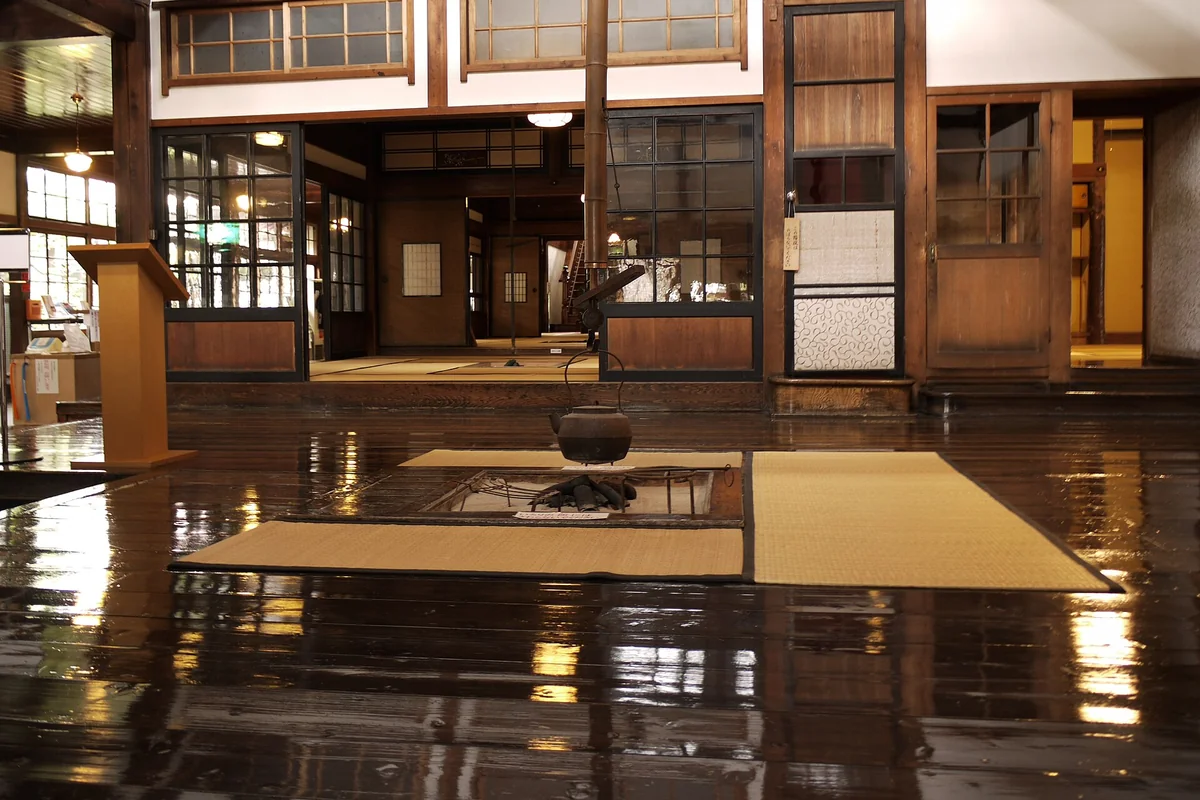
Dazai was born in the Shayōkan, the huge mansion his landowning family had just completed in Kanagi, now part of Goshogawara in Aomori Prefecture. It is now the Dazai Osamu Memorial Hall, and its name comes from The Setting Sun. The local Tsugaru Railway even has a diesel train nicknamed “Hashire Merosu”, after Run, Melos!
He spent his last years in Mitaka, in western Tokyo. On 13 June 1948 he and Tomie Yamazaki drowned in the Tamagawa Aqueduct near his house, and he is buried at Zenrin-ji temple in Mitaka, opposite the grave of the novelist Mori Ōgai, whom he admired. The city’s Dazai Osamu Literary Salon, run by the Mitaka City Sports and Culture Foundation, still holds regular readings of his work.
Osamu Dazai Books: Questions
Which Osamu Dazai book should I read first?
Start with No Longer Human, his last completed novel and his best known outside Japan. It is short and readable in a weekend. Follow it with The Setting Sun for his portrait of post-war Japan, or Schoolgirl for something lighter. If you know Dazai from Bungo Stray Dogs, No Longer Human is the book his character’s ability is named after.
Which translation of No Longer Human is best?
Donald Keene’s 1958 translation for New Directions is the classic and the most widely quoted. Mark Gibeau’s 2018 version, titled A Shameful Life, is published by Stone Bridge Press. Juliet Winters Carpenter’s 2024 translation for Tuttle is the newest and uses contemporary English. Any of the three is a sound choice for a first read.
How many books did Osamu Dazai write?
Dazai wrote two major novels, The Setting Sun and No Longer Human, an unfinished novel, Good-Bye, and dozens of short stories and essays between 1933 and 1948. In English, besides the novels, there are more than ten collections and novellas, including Schoolgirl, Otogizōshi and seven new books from New Directions and Tuttle between 2023 and 2027.
Is Osamu Dazai in Bungo Stray Dogs a real person?
The character is named after the real novelist Osamu Dazai (1909 to 1948), and his power, No Longer Human, takes its name from Dazai’s last novel. The manga’s creator, Kafka Asagiri, built the character after reading that book. The detective’s personality is fiction, but his obsession with suicide echoes the real writer’s life.
How did Osamu Dazai die?
Dazai died by suicide on 13 June 1948, aged 38, drowning with Tomie Yamazaki in the Tamagawa Aqueduct in Mitaka, Tokyo. Their bodies were found on 19 June, which would have been his 39th birthday. He had finished No Longer Human weeks earlier and was writing Good-Bye for the Asahi Shimbun newspaper.