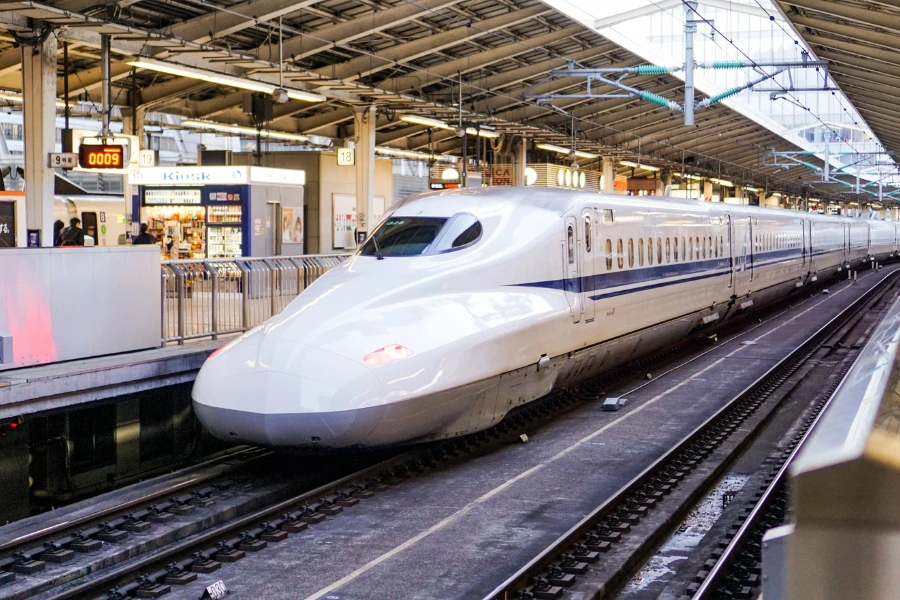
Travelling on a Japan bullet train, also known as the Shinkansen, is an incredible experience, offering speed, comfort, and convenience. For travellers, staying connected while journeying through Japan’s diverse landscapes is essential. A modern eSIM, like Jetpac eSIM, ensures that you maintain internet access wherever you go, making communication, entertainment, and navigation seamless. This guide explains how to use a Jetpac eSIM for connectivity on Japanese trains, ensuring a smooth and connected travel experience throughout Japan.
What You’ll Find in This Guide
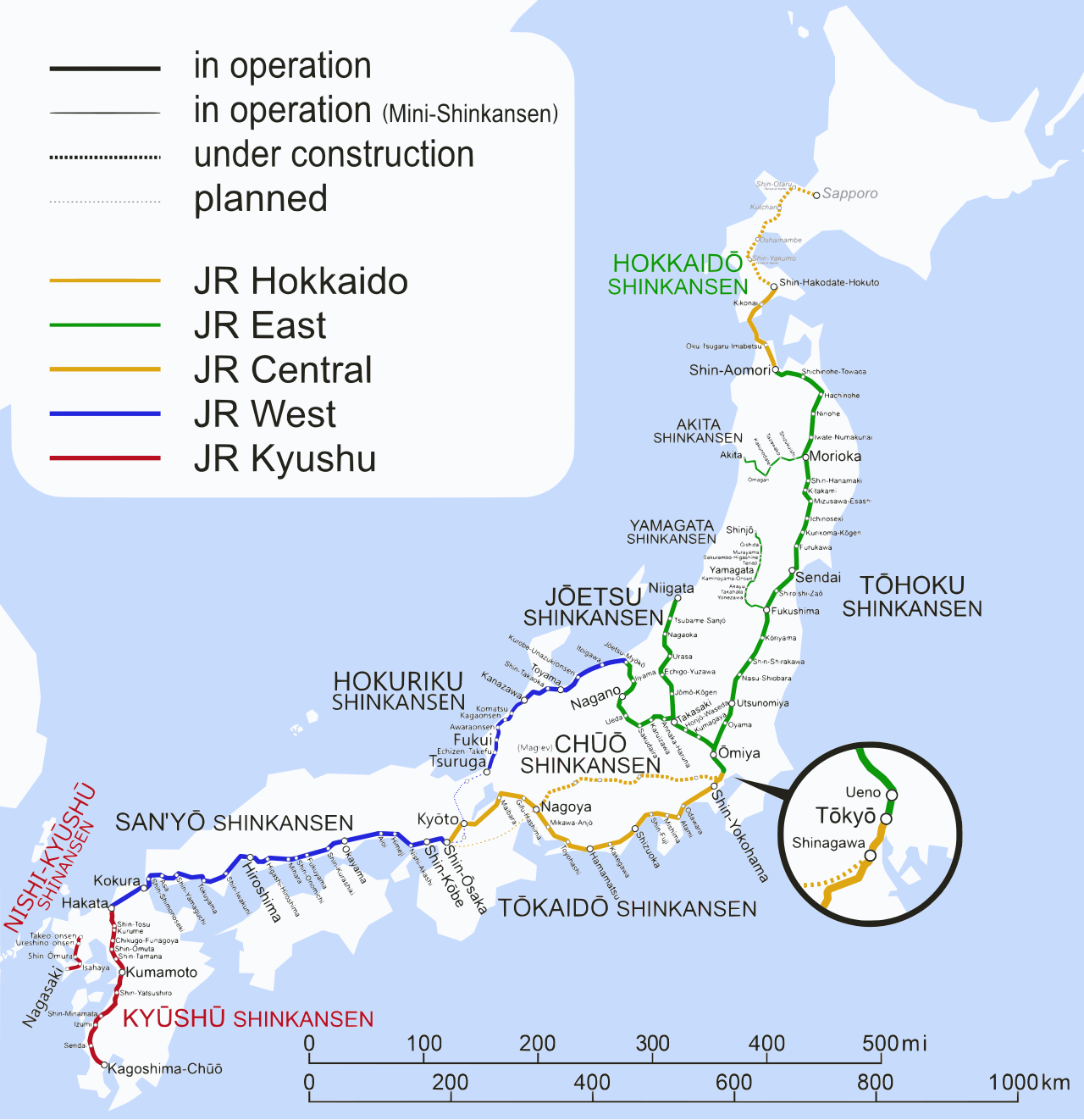
Image Credit: NZ 토끼들 / Wikimedia Commons, CC BY-SA 4.0
What is the Japan Bullet Train (Shinkansen)?
Riding the Hayabusa from Tokyo to Hokkaido, filmed by travelgeek on YouTube
The Shinkansen, or Japan Bullet Train, is Japan’s fast and efficient rail system. It allows travellers to swiftly explore various parts of the country, with routes covering much of it. For instance, travelling from Tokyo to Osaka is much more convenient than flying or using slower trains.
The Shinkansen’s benefits are numerous, including its incredible speed, which can reach up to 320 km/h, significantly reducing travel time. Comfort is also a key feature, with spacious seating and clean facilities enhancing the travel experience. Furthermore, the Shinkansen’s punctuality is legendary, with trains known for their precise schedules. Free Wi-Fi is available on board, and an eSIM such as Jetpac keeps you online when that connection drops, making it easier to stay connected throughout your journey.


Rail Passes, Luggage, Snacks and Etiquette on the Shinkansen
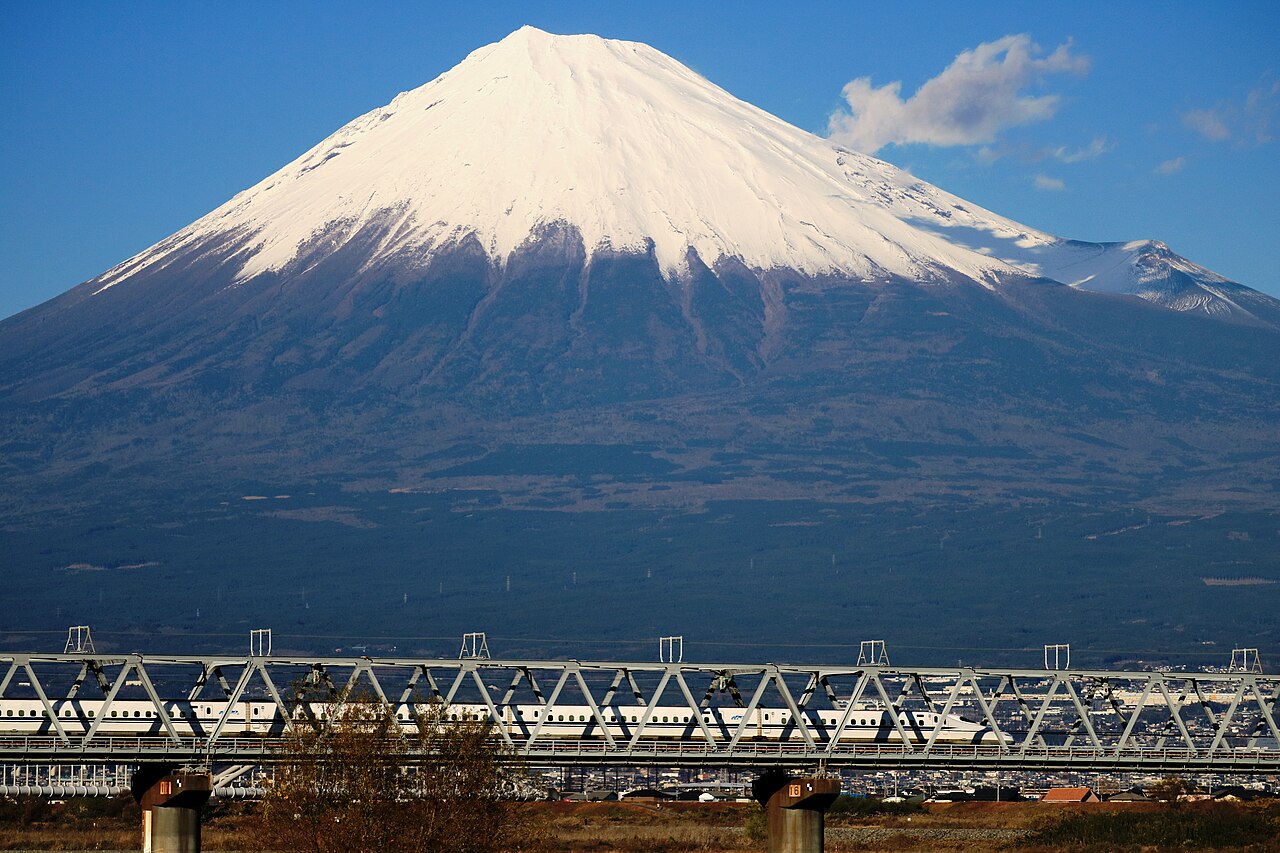
Image Credit: Alpsdake / Wikimedia Commons, CC BY-SA 4.0
Travelling on a Shinkansen is smooth and enjoyable, especially with a few essential tips in mind. First, consider the Japan Rail Pass (JR Pass), which gives unlimited rides on JR lines, including most Shinkansen services, and can be good value if you are covering long distances. Nozomi and Mizuho trains are the exception, as pass holders need a separate special ticket to ride them. Buying the pass online from the official website before you arrive also lets you reserve seats in advance, so you can board the Shinkansen easily.
When packing for your trip, remember to travel light! The Shinkansen has overhead racks and luggage spaces, but smaller bags are easier to store and move, and many stops last only a minute or two, so you do not want heavy luggage to make you miss your station. On the Tokaido, Sanyo, Kyushu and Nishi-Kyushu Shinkansen, a bag whose length, width and height add up to more than 160 cm needs a reserved seat with an oversized baggage area, which costs nothing extra, and bags over 250 cm are not allowed on board. Board with an oversized bag and no reservation, and you will be charged a 1,000 yen fee.
Before boarding the train, take advantage of the vending machines and convenience stores to stock up on snacks. Eating is allowed on the Shinkansen, and given the long travel times, it’s pleasant to enjoy some snacks while watching a movie or catching up on work using your Jetpac eSIM.
Understanding and adhering to Japanese etiquette is also essential. The Japanese are known for their punctuality, politeness, and cleanliness. Set your phone to silent mode and avoid making or taking calls in your seat; if a call cannot wait, step out to the deck area by the doors between carriages. Keep noise levels down and put food and drink waste in the bins on the train or at the station. This ensures a pleasant journey for everyone on board.
Shinkansen Free Wi-Fi, Tunnels and Using an eSIM on Board

Image Credit: Jetpac
Staying connected on the Shinkansen is straightforward. Every Tokaido, Sanyo and Kyushu Shinkansen train carries the free Shinkansen_Free_Wi-Fi network: you sign up with an email address or a social media account, and the connection asks you to log in again every 30 minutes. JR East runs its own free JR-EAST FREE Wi-Fi network on its Shinkansen trains, which also needs an email registration. The newer N700S trains on the Tokaido and Sanyo lines have a power outlet at every seat, so you can keep your phone charged as you go. The onboard signal can still drop, especially in tunnels or remote areas, so a Jetpac eSIM gives you a second, steadier connection throughout Japan.
Using an eSIM on the Shinkansen offers numerous advantages for travellers. Firstly, it ensures you stay connected to the internet throughout your journey, making navigating, communicating, and entertaining yourself easier. It is easy to purchase and activate without needing a physical SIM card. Additionally, eSIMs like Jetpac are cost-effective, helping avoid expensive roaming charges.
There will be a few connectivity dead spots throughout your journey, and an eSIM helps with this problem, keeping you online whether you are travelling from Fukuoka to Hokkaido or exploring the bustling streets of Tokyo.
Make sure your eSIM is activated and working before you start your journey, so you are online from the first station and stay connected throughout your travels.
Travel Apps for Shinkansen Timetables and Navigation

Reliable internet connection can help you with your Japan travel
Using travel apps can significantly enhance your Shinkansen experience. Top travel apps are essential for navigating the Shinkansen and other parts of Japan. They act as a travel guide when you’re going around travelling on foot or via a Japan bullet train.
These travel apps provide essential information and enhance your experience by making it easier to navigate Japan, stay informed about train schedules, and discover local attractions. They are helpful for first-time visitors to Japan, offering valuable insights and recommendations.
Check out Japan Nakama’s list of top travel apps here!








The Kyushu Shinkansen and Hokkaido Shinkansen Routes
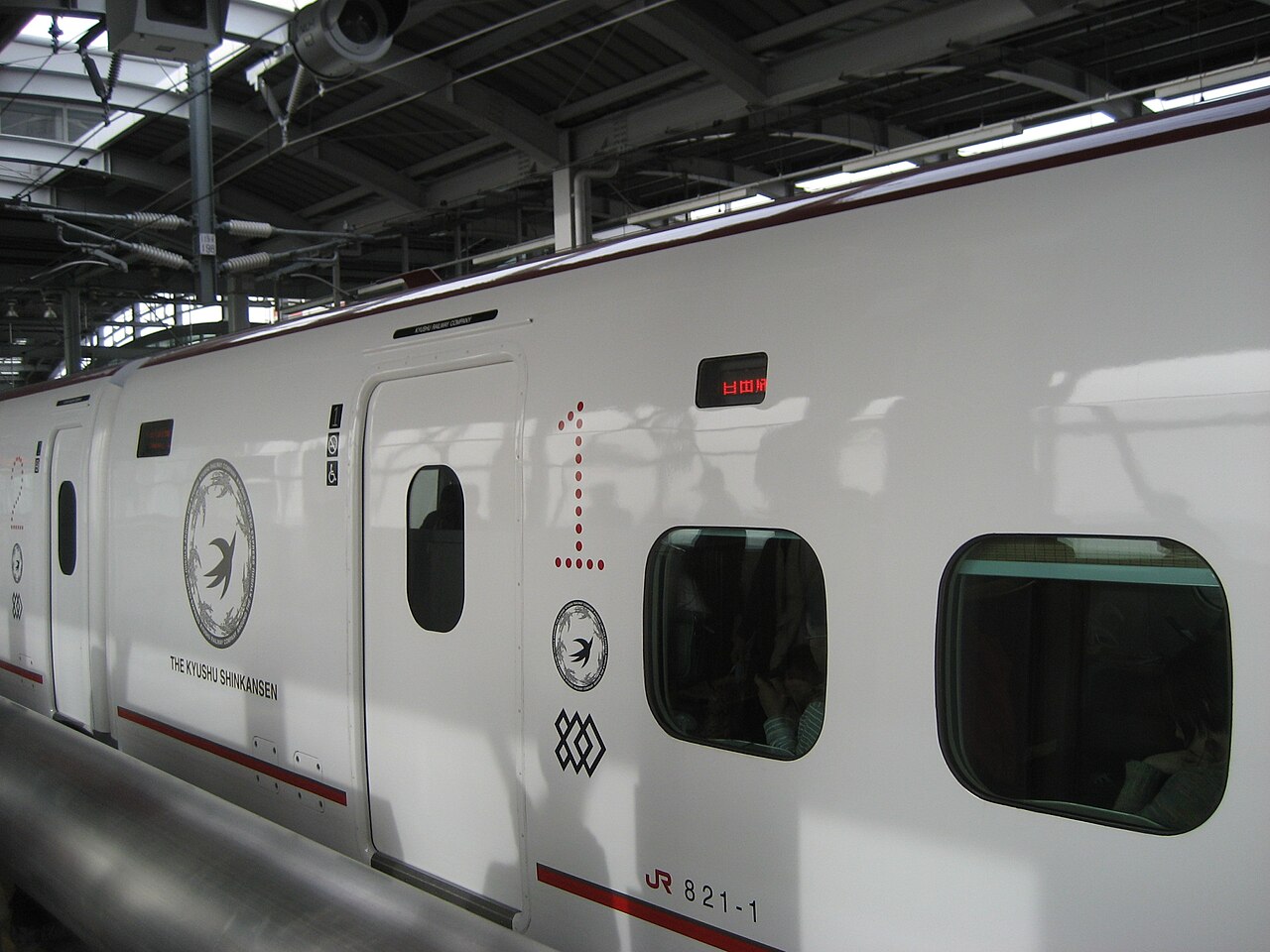
Image Credit: Nagono / Wikimedia Commons, CC BY-SA 3.0
Japan’s Shinkansen network covers various routes, allowing travellers to explore different parts of the country efficiently. Two notable routes are the Kyushu Shinkansen and the Hokkaido Shinkansen.
The Kyushu Shinkansen runs from Hakata Station in Fukuoka in the north to Kagoshima-Chuo in the south, crossing Kyushu, the third-largest island in Japan. The line stops at notable destinations such as Kumamoto, home to Kumamoto Castle, and Sendai, the station for Satsumasendai in Kagoshima Prefecture, which is a different city from the better-known Sendai in northern Japan. The Kyushu Shinkansen offers a quick and efficient way to explore the island’s hidden gems. Reliable internet access is provided by Jetpac eSIM, ensuring you can plan your trip itinerary, communicate with locals, and navigate the area with ease.
The Hokkaido Shinkansen connects Shin-Aomori to Shin-Hakodate-Hokuto, passing through the 53.85 km Seikan Tunnel, which runs for about 23.3 km beneath the Tsugaru Strait between Honshu and Hokkaido. Mobile phone signal has covered the whole tunnel since 2019. The line is popular in winter, when snow covers the landscape around Hakodate. The main service on this line is the Hayabusa, and through trains from Tokyo, such as the Hayabusa 5, reach Shin-Hakodate-Hokuto in 3 hours 57 minutes. With Jetpac eSIM, you can stay connected throughout your trip, enjoying the scenery and discovering local attractions such as the Hakodate Morning Market and Mount Hakodate.
Staying Online With a Jetpac eSIM From Kyushu to Hokkaido
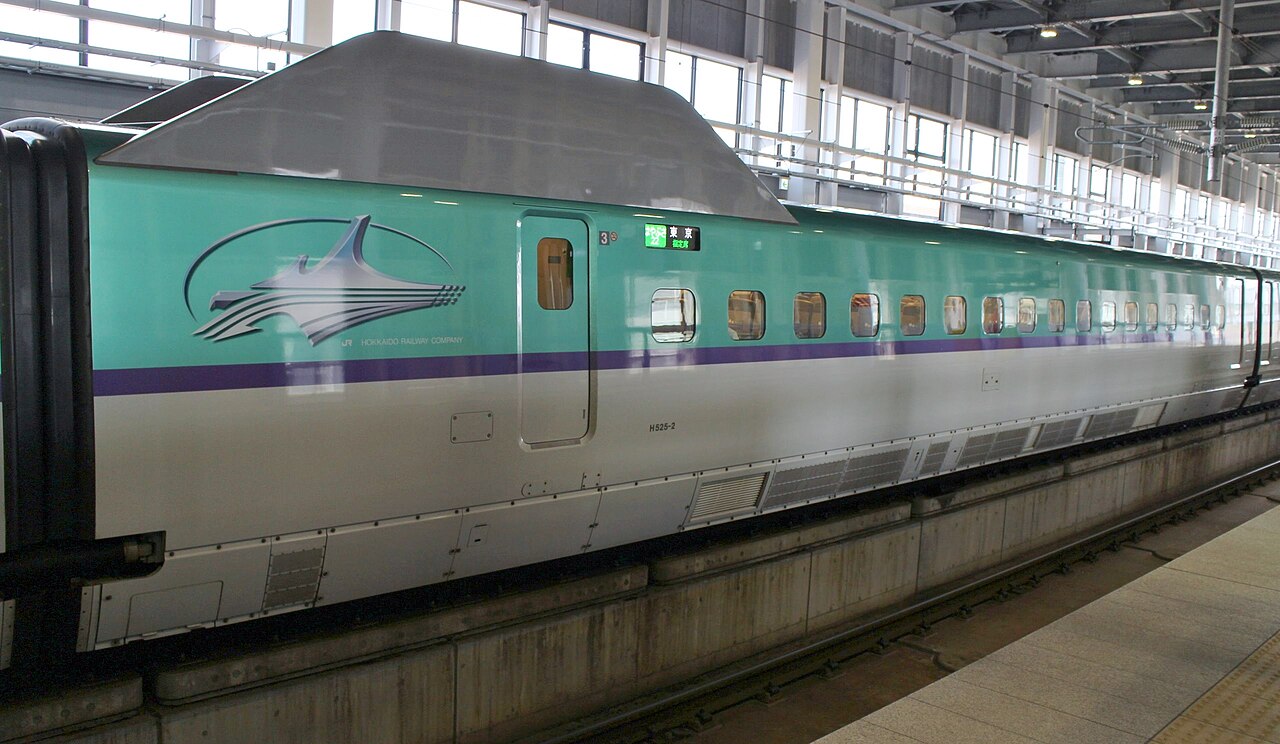
Image Credit: Rsa / Wikimedia Commons, CC BY-SA 3.0
Travelling on Japan’s Bullet Train with a Jetpac eSIM ensures a connected and enjoyable experience. The eSIM provides reliable internet wherever you are, maximising your experience on a Japan Bullet Train. Dependable internet connectivity will enhance your Japan travel experience. Enjoy the comfort and efficiency of the Shinkansen, and make your trip a breeze with a Jetpac eSIM. You’ll remain connected while exploring the north, south, or anywhere between!