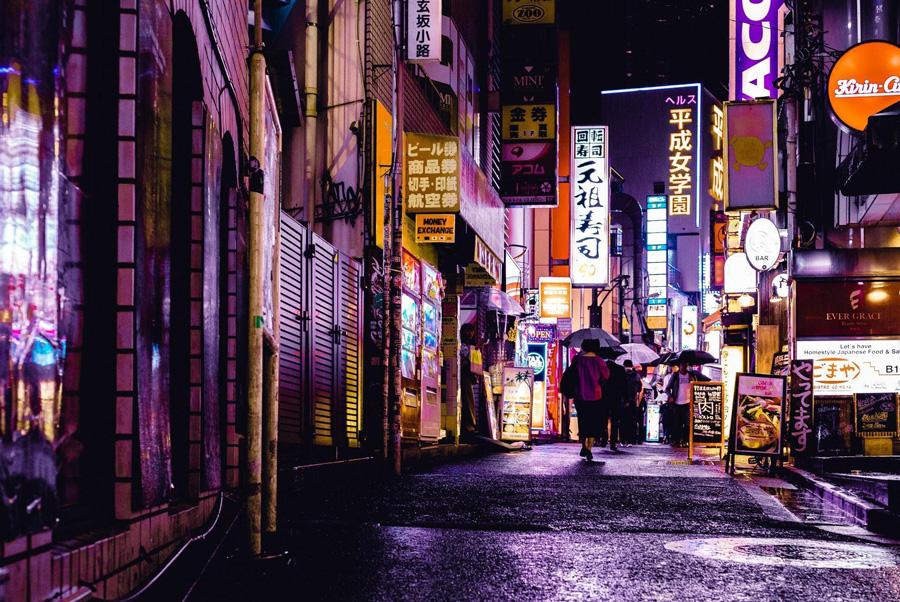
Life moves fast in busy Japan, especially for overseas students looking for extracurricular fun. Higher education institutions in Japan are renowned for turning out well-rounded individuals, particularly in the technological sectors.
The society there is primarily urban, which presents a variety of difficulties. The capital city of Tokyo is where the great bulk of foreign and local students are concentrated. Students are under pressure to adapt to changing trends that occur virtually every day.
Young people in Japan, like young people everywhere, love to keep up with the latest trends, and everyday prices have been climbing too. In 2022, higher import and energy costs pushed up the price of everything from mayonnaise to beer, and even the 10 yen Umaibo corn snack went up by 20% for the first time in 43 years, as the BBC reported. Fun and luxury come only after the necessities have been met, so here is how an average student, with no additional support, can make ends meet each month on a student food budget in Japan.
Student Food Budget
Vending Machines for Drinks, Snacks and Hot Soup
Walking around major Japanese cities, you will find all kinds of vending machines on almost every street. Compared with many other countries, Japan has low levels of vandalism and petty crime, which helps explain why vending machines are so widespread there.
With no staff to pay, the machines have become a practical way to buy drinks, countless snacks and even hot canned soups at any hour, and some sell hot meals too.


Student Commuter Passes for Trains in Japan
Students can get around easily in Japan thanks to its highly effective train system. Students at schools designated by the rail operator can also buy a discounted student commuter pass (tsūgaku teikiken) covering the route between the stations nearest their home and their school, using a commuting certificate issued by the school. The best case, of course, is a flat close enough to your college to skip the train altogether, but if that is not possible, a commuter pass keeps travel costs down.
Supermarkets, Konbini and Gyomu Super
Japanese neighbourhoods are full of convenience stores such as 7-Eleven, FamilyMart and Lawson. They are handy for an onigiri or a drink on the way to class, but students watching every yen tend to do their main food shop at a local supermarket or a discount chain instead.
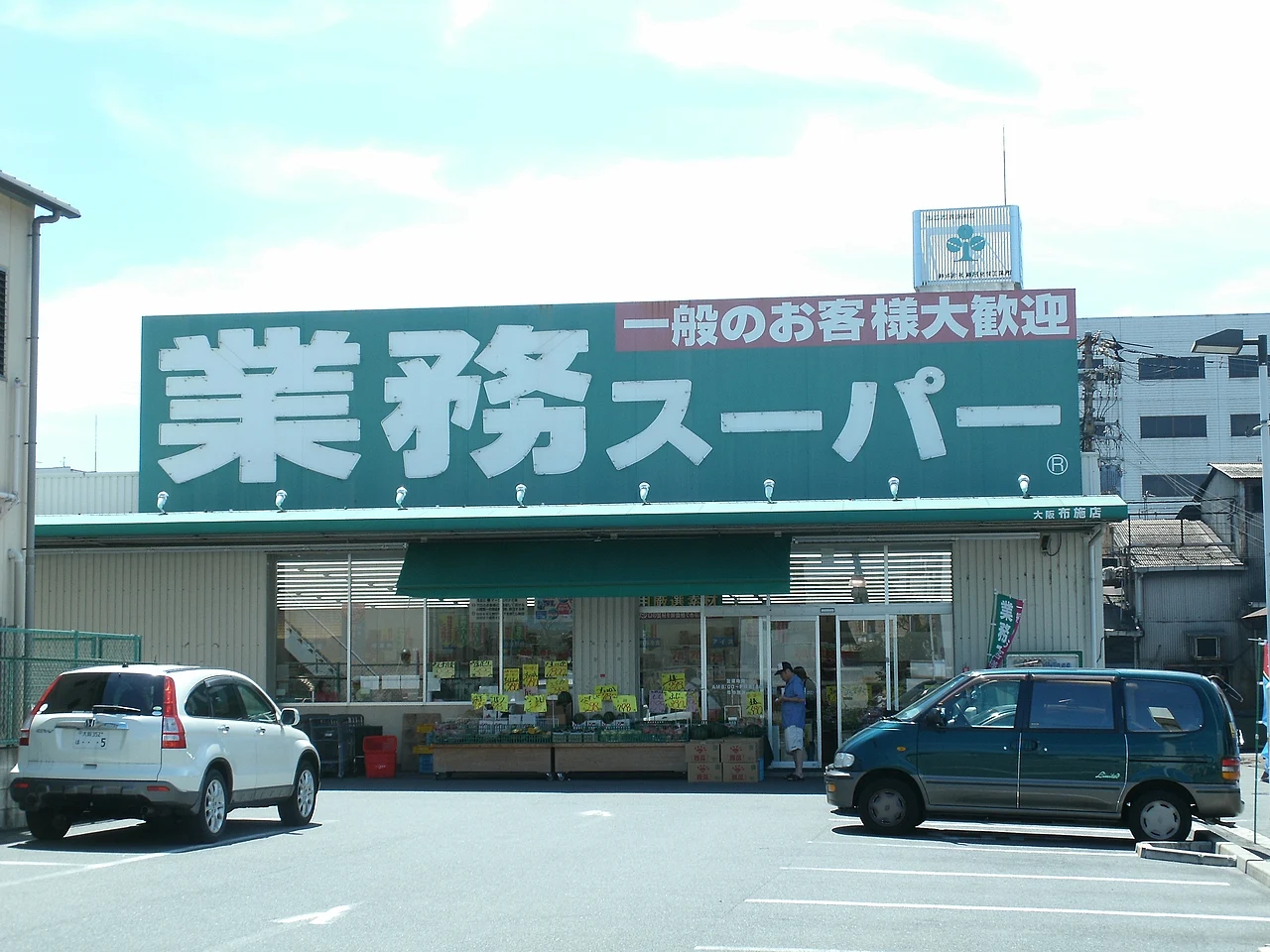
One example is Gyomu Super, run by Kobe Bussan. The name means “business supermarket”, but the signs outside welcome everyday shoppers, and the chain has branches from Hokkaido to Okinawa. It works on an everyday low price policy instead of weekly specials, and sells large packs of frozen vegetables, own brand staples made in its group factories and goods imported from around the world, including a good range of halal products. Many supermarkets also mark down bento, sushi and side dishes with discount stickers later in the day, which is one of the easiest ways to eat well for less.
Cooking at Home and Freezing Meals in Bulk
Students do not have a lot of spare time, so cooking at home is not a particularly popular choice, but buying raw ingredients instead of ready-made meals can save you considerable money. If you can fit three meals a day into your schedule, cooking for yourself can be as enjoyable as it is cheap. Then again, you can cook in bulk and freeze portions for later to buy some time.
Studying in Japan can be demanding, with intensive courses and high expectations, so cooking a big batch at the weekend saves both time and money during a busy week.








Udon Chains, Gyudon Bowls and Campus Cafeterias
Cheap as they are, ready-made meals get boring, so you will eat out now and then. Plenty of very affordable eateries still serve decent meals, and udon restaurants are a good place to start. Self-service is common at udon chains such as Marugame Seimen. You just select the size of the bowl you want before adding your preferred toppings and side dishes. This is Japanese fast food, so it is quick, inexpensive and still tastes good.
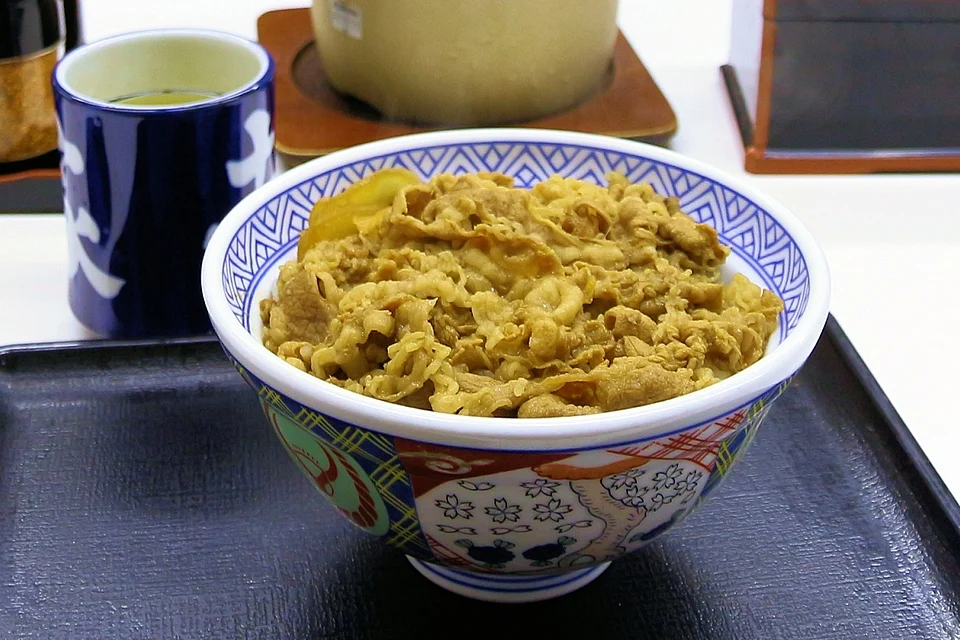
Gyudon, thin sliced beef and onion over rice, is the other student staple. At the time of writing, a regular (nami) bowl costs 498 yen at Yoshinoya and 480 yen at Sukiya, while Matsuya charges 480 yen for its gyumeshi, with free miso soup when you eat in. These are eat in prices including tax, as listed on each chain’s own site in October 2026. Prices can vary by branch, and Sukiya adds a 7% late night charge to orders placed between 10pm and 5am.
Many universities also have a campus cafeteria (gakushoku), often run by the university co-operative, with set meals priced for students.
The drawback is choice. Chain and cafeteria menus are kept short to control costs, so options can be limited if you have allergies or follow a special diet. Yoshinoya, Matsuya and Marugame Seimen all publish allergen information on their official sites, which is worth checking before you order.
Making a Student Food Budget Last the Month
Students are notorious for constant cash struggles. This is a time when you want the most but have the least, so students need to be wise with their limited resources and minimise wasteful spending. As this guide shows, with a bit of snooping around and sensible choices, it is possible to live frugally while keeping a bit of joy and a healthy lifestyle.