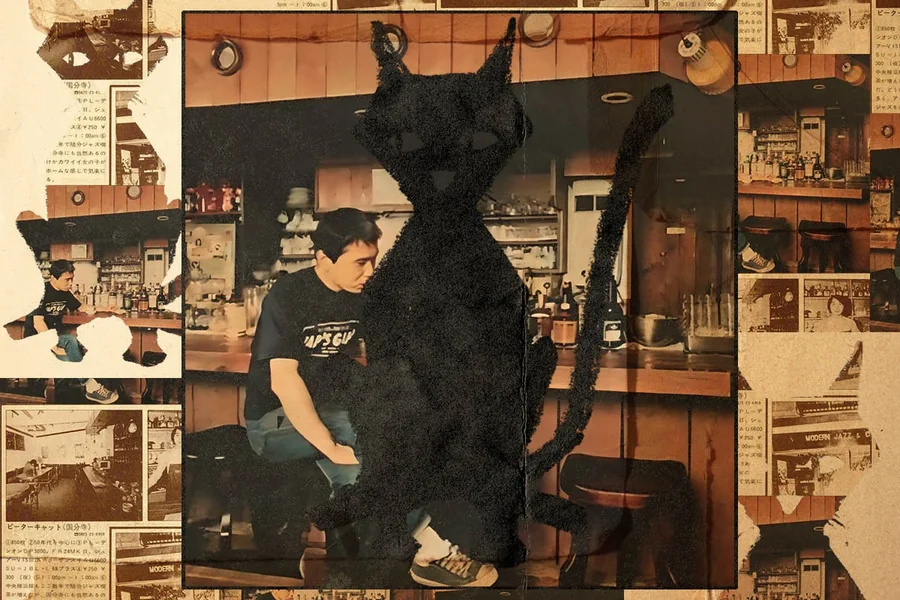
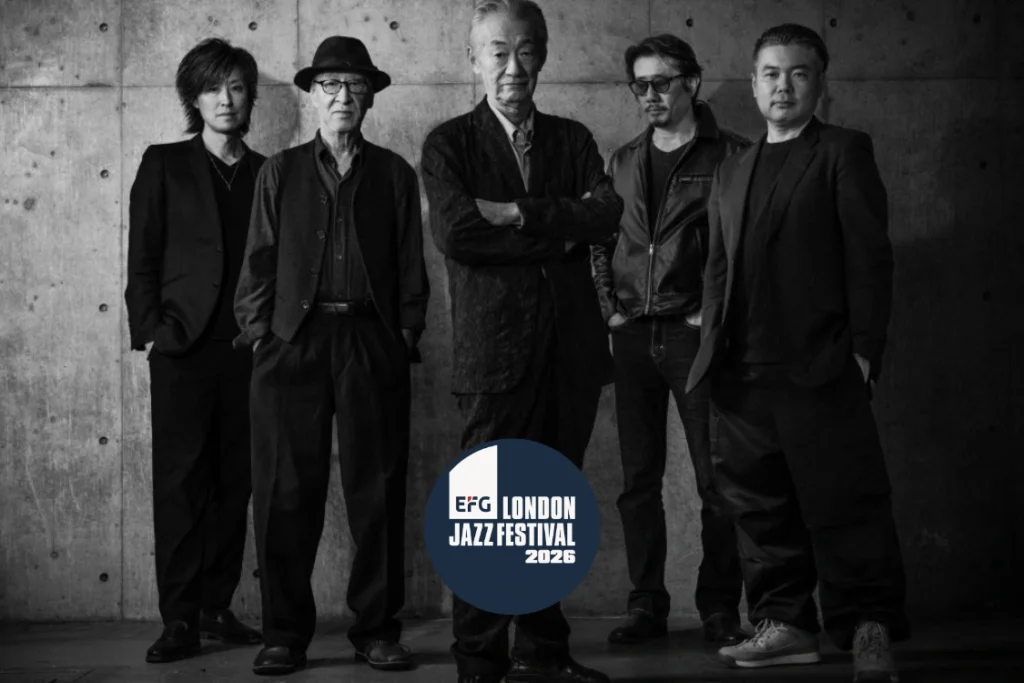
The darkness of the night is adorned by the neon-lit streets of Shibuya. The hum of amps setting up fill basement venues. The moment deviates from the usual vibrant stages of Jpop. In Japan, the underground music scene is alive.
Painting the picture
 Photo Credits: TimeOut
In Japan, underground doesn’t necessarily mean hidden. It means intimate: a scene that fosters its own culture. The heart of the scene beats in live houses (ライブハウス): compact, often basement-level rooms where the stage is close enough for sweat to matter. Venues are usually standing-room only, and entry almost always comes with a compulsory drink ticket (1D or one-drink system, more commonly known as dinka), a small economic ritual that keeps the ecosystem alive.
Musically, the underground diverges into micro-genres and niche experiments that vary from each other. For instance, noise rock explores blown-out distortion and catharsis, while dream pop features gauzy vocals floating over warm reverb. Meanwhile, math rock has knotty rhythms and is known for its precision.
Other genres featured in the scene are as follows:
- Shoegaze: heavy on pedalboards and guitars.
- Indie folk: soft storytelling for small rooms.
- Experimental electronica: laptop-driven sound sculpture pushing dance floors sideways.
DIY is a badge of pride in the underground. Bands self-release EPs on cassettes, fold paper zines, screen-print their own T-shirts, and run their merch tables—proof that the scene is built not just on music, but on craft and community.
Sound and Style
Japan’s underground is a convergence point: Western punk, grunge, and shoegaze fused with the melodic ease of city pop and the narrative threads of local folk traditions. Fashion mirrors this cross-pollination with thrifted outfits, DIY patches, anti-idol silhouettes, and haircuts that range from blunt cuts to neon streaks.
Photography rules vary: some venues prohibit any shooting, while others allow non-flash snaps. Lyrically, acts often explore isolation, city grind, and identity, with an increasing number of bilingual hooks reflecting Japan’s globally wired youth culture.
Where the scene lives
Want to get in on the hype and experience the scene for yourself? Here are a couple of notable venues you might want to check out.
Shimokitazawa (下北沢): Indie Heartland

Photo Credits: Asahi Super Dry
Shimokitazawa still feels like a neighborhood that prioritizes creativity over convenience. Its narrow lanes hide second-hand shops, tiny record stores, and basement live houses where indie, garage rock, and bedroom-pop acts take center stage. Shows here are warm, communal, and low-stakes in the best way: Audiences come to discover rather than to document. The area’s redevelopment brought shinier storefronts, but the underground spirit endures in its intimate rooms and wandering musicians sharing flyers at station exits.
Venues: Shelter (@shimokitazawa_shelter on IG), THREE (@shimokitazawa_three on IG), Mosaic (@LiveHouseMOSAiC on X)
Nearest station: Odakyū Line / Keiō Inokashira Line (Shimokitazawa)
Typical door: ¥2,500–¥3,500 + 1D (¥600–¥700)
Kōenji (高円寺): Punk, Noise, and Zine Culture

Photo Credits: TimeOut, Kisa Toyoshima
If Shimokitazawa has indie charm, Kōenji is controlled chaos. Long associated with the Tokyo punk movement, it’s a tangle of thrift stores and artist-run bars. Zine culture thrives here. Photographers, illustrators, and bands boast handmade booklets at bar counters between sets. You’ll encounter noise duos, hardcore matinees, and experimental nights.
Venues: High
Nearest station: JR Chūō Line (Kōenji)
Typical door: ¥2,000–¥3,000 + 1D
Shinjuku and Shibuya: Bigger Rooms, Touring Acts
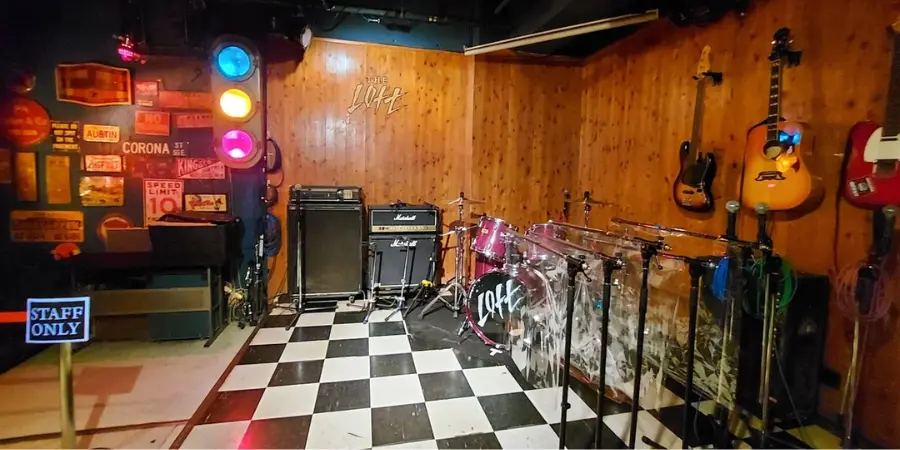
Shinjuku and Shibuya form the high-volume hubs of Tokyo’s live-house circuit. These districts host slightly larger rooms with proper lighting rigs and frequent touring bands. Shinjuku’s side alleys give you everything from metal shredders to synth-pop showcases, while Shibuya showcases the polished, eclectic influence of Shibuya-kei. Crowds here are mixed: locals, superfans, expats, and travelers seeking their first taste of the underground. And because last trains matter in Tokyo, audiences often dash out around 00:10—an unofficial encore signal.
Venues: Shinjuku LOFT (@shinjukuloft on IG), Shibuya O-Nest (@nest.shibuya on IG)
Nearest stations: JR/Shinjuku; JR/Tokyu/Shibuya
Typical door: ¥3,000–¥4,000 + 1D
Osaka & Kyoto: Student Energy and Weeknight Gems

Where Tokyo’s scene is sprawling, Osaka and Kyoto feel tightly knit. In Namba and Shinsaibashi, shows draw students, service workers, and off-duty musicians who bar-hop between sets. Crowds here move more, talk more, and collaborate more, often leading to spontaneous guest features. Kyoto, with its universities and art schools, leans experimental: ambient nights, modular synth collectives, and folk revivalists. Weeknight shows can be surprisingly packed, making the Kansai circuit ideal for artist discovery.
Venues: Osaka’s Conpass (@conpass_osaka on IG), Hokage (@musicbarhokage on IG); Kyoto’s GATTACA (@gattaca_kyoto on IG)
Nearest stations: Osaka-Namba/Shinsaibashi; Kyoto-Kawaramachi
Typical door: ¥2,000–¥3,500 + 1D
Regional Pockets: Smaller Cities, Strong Identities
Japan’s underground is not a Tokyo-Kansai monopoly. Nagoya nurtures tight-knit rock and emo communities (e.g., Tiny7). Fukuoka supports garage and indie surf scenes (e.g., The Dark Room). Sapporo, shaped by long winters, leans toward heavier guitar music and synthwave (e.g., Spiritual Lounge).

Ready to experience the scene?
Finding gigs is easy once you know where to look. Ticket platforms like LivePocket, e+ (イープラス), and Pia list most shows, though many fans still rely on venue calendars or band announcements on social media. Tools like Bandsintown help if you want recommendations in English.
Buying in advance usually saves around ¥500, but smaller shows often have door spots available. On the night, you’ll queue outside, pay, and receive a wristband plus the standard 1D drink ticket—redeemable for beer, cola, or canned cocktails.
Etiquette is low-key: avoid flash photography, be aware of the pit if you’re up front, and support artists by picking up a CD or T-shirt at the buppan (物販) table. The last trains run around 00:30 in Tokyo, with Osaka and Kyoto similar, so plan your exit or be ready for a long café wait until dawn.
Most live houses are loud, and while many regulars don’t wear plugs, it’s smart to carry your own. Accessibility varies widely—small venues may have narrow staircases or no elevators—so checking ahead helps.
Expect to spend ¥2,500–¥4,000 + 1D per show. Cash is still common for door tickets and merch, though many venues now accept QR payments. Because live houses operate on thin margins, closures, relocations, and renamings are frequent—always double-check the calendar and address before heading out.
Small rooms can sell out, especially on weeknights when locals go out after work. Arrive early if you want a good spot; in a 100-cap room, ten minutes can be the difference between seeing the vocalist’s face or just the backs of heads.
Artists you can listen to
Japan’s underground scene can feel overwhelming at first, but a handful of artists offer reliable entry points into its many subcultures. From long-established innovators to digital-native hitmakers and rising bands shaping the future, these names form a balanced starting map for exploring the country’s most exciting sounds. Here’s who to cue up first.
Cornelius
Cornelius crafts hyper-detailed Shibuya-kei pop that treats sound design like architectural art.
Asian Kung-Fu Generation
Asian Kung-Fu Generation delivers melodic, guitar-focused anthems that helped define Japan’s 2000s alt-rock wave.
Sakanaction
Sakanaction blends sleek electronic pulses with poetic songwriting to create emotionally charged electro-rock.
Vaundy
Vaundy mixes smoky vocals with smooth, genre-blurring production to create pop songs that feel both intimate and effortless.
Eve
Eve pairs rapid-fire rhythms with vivid, narrative lyrics to build animated indie-pop worlds.
ZUTOMAYO
ZUTOMAYO layers dense production and dramatic alt-pop arrangements under powerful, expressive vocals.
Yorushika
Yorushika weaves airy indie-pop with themes of memory, longing, and loss to create bittersweet, cinematic songs.
Macaroom
Macaroom combines whispery dream-pop vocals with glitchy electronic textures to produce minimalist, otherworldly soundscapes.
Kroi
Kroi fuses funk, psych-rock, and R&B into fluid, groove-driven tracks that feel both retro and futuristic.