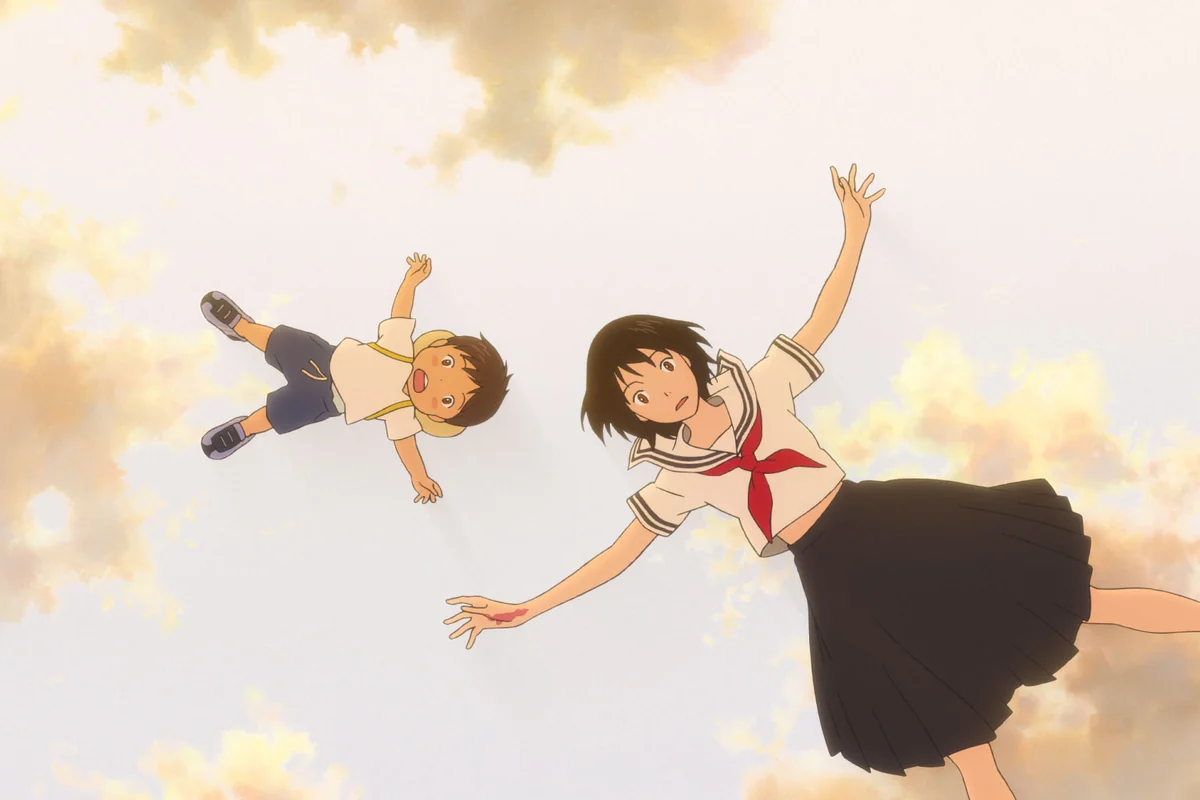
Mamoru Hosoda has directed seven original feature films: The Girl Who Leapt Through Time (2006), Summer Wars (2009), Wolf Children (2012), The Boy and the Beast (2015), Mirai (2018), Belle (2021) and Scarlet (2025), which reached UK cinemas on 13 March 2026. Start with The Girl Who Leapt Through Time or Wolf Children; five of the seven are on Disney+ in the UK, and the other two can be rented.
Below is every film in order with its runtime and where to watch it legally in the UK, a section on each film with its official trailer, his earlier Digimon and One Piece work, and the studio he set up to make them, Studio Chizu.
Mamoru Hosoda: key facts
- Born: 19 September 1967, Kamiichi, Toyama Prefecture
- Studio: Studio Chizu, founded with producer Yuichiro Saito in 2011, based in Suginami, Tokyo
- Feature films: seven as director since 2006, plus Digimon and One Piece films for Toei Animation
- Biggest awards: an Academy Award nomination for Mirai; five Japan Academy Prizes for Animation of the Year
- Highest-grossing film in Japan: Belle (2021)
- Latest film: Scarlet, released in Japan on 21 November 2025 and in UK cinemas on 13 March 2026
Mamoru Hosoda's Films, From Time Leaps to Scarlet
No headings found.
Mamoru Hosoda Films in Order, and Where to Watch Them in the UK
| Year | Film | Japanese title | Runtime | Studio | Watch in the UK (31 October 2026) |
|---|---|---|---|---|---|
| 2006 | The Girl Who Leapt Through Time | 時をかける少女 | 98 min | Madhouse | Disney+; rent or buy on Apple TV and Sky Store |
| 2009 | Summer Wars | サマーウォーズ | 114 min | Madhouse | Disney+ (marked as leaving soon); rent or buy on Apple TV and Sky Store |
| 2012 | Wolf Children | おおかみこどもの雨と雪 | 117 min | Studio Chizu with Madhouse | Disney+; rent or buy on Apple TV and Sky Store |
| 2015 | The Boy and the Beast | バケモノの子 | 120 min | Studio Chizu | Rent or buy on Apple TV, Rakuten TV and Sky Store; Blu-ray |
| 2018 | Mirai | 未来のミライ | 98 min | Studio Chizu | Disney+; rent or buy on Apple TV and Sky Store |
| 2021 | Belle | 竜とそばかすの姫 | 121 min | Studio Chizu | Disney+; rent on BFI Player, Apple TV, Rakuten TV and Sky Store |
| 2025 | Scarlet | 果てしなきスカーレット | 111 to 112 min | Studio Chizu | Rent or buy on Apple TV, Rakuten TV and Sky Store |
Streaming line-ups change every month, so check the service before you settle down to watch. Scarlet’s runtime is listed as 111 minutes by some sources and 112 by others.

Which Mamoru Hosoda Film to Watch First
- For a perfect first film: The Girl Who Leapt Through Time. A schoolgirl learns she can jump back in time and spends the gift on small, selfish things, until she sees what it costs. It is funny and bittersweet.
- For his most moving film: Wolf Children. Thirteen years in the life of a young mother raising two children who are half wolf.
- For a big crowd-pleaser: Summer Wars. A rogue AI attacks a virtual world while a huge family gathers for their great-grandmother’s 90th birthday.
- For the newest: Scarlet. A medieval princess seeks revenge in a land of the dead, in a style that mixes hand-drawn and digital animation.
Before the Features: Digimon, Howl’s Moving Castle and One Piece
Hosoda joined Toei Animation in 1991 and spent six years as an animator before directing. His first big chance came with two Digimon Adventure films, a short in 1999 and Our War Game! in 2000; outside Japan they were edited together into Digimon: The Movie (2000).
In September 2001 Studio Ghibli announced him as director of Howl’s Moving Castle. The project stopped in April 2002, and Hayao Miyazaki later directed it himself. Back at Toei, Hosoda directed One Piece: Baron Omatsuri and the Secret Island (2005), often called the darkest of the One Piece films, and a short for Louis Vuitton with the artist Takashi Murakami, Superflat Monogram (2003). He left Toei in 2005.
The Girl Who Leapt Through Time (2006)
Madhouse, the studio behind Satoshi Kon’s films, had the rights to Yasutaka Tsutsui’s 1967 novel and offered it to Hosoda. With the writer Satoko Okudera and the character designer Yoshiyuki Sadamoto, he made a new story: Makoto Konno, a Tokyo high school student, finds she can “time leap” and uses it for trivial things, until she learns how many leaps she has left. The heroine of the original novel appears as Makoto’s aunt.
It opened on 15 July 2006 in only 21 cinemas in Japan, then spread by word of mouth to more than 100 and ran for 40 weeks. It won the Japan Academy Prize for Animation of the Year.


Summer Wars (2009): Ueda, the Jinnouchi Family and OZ
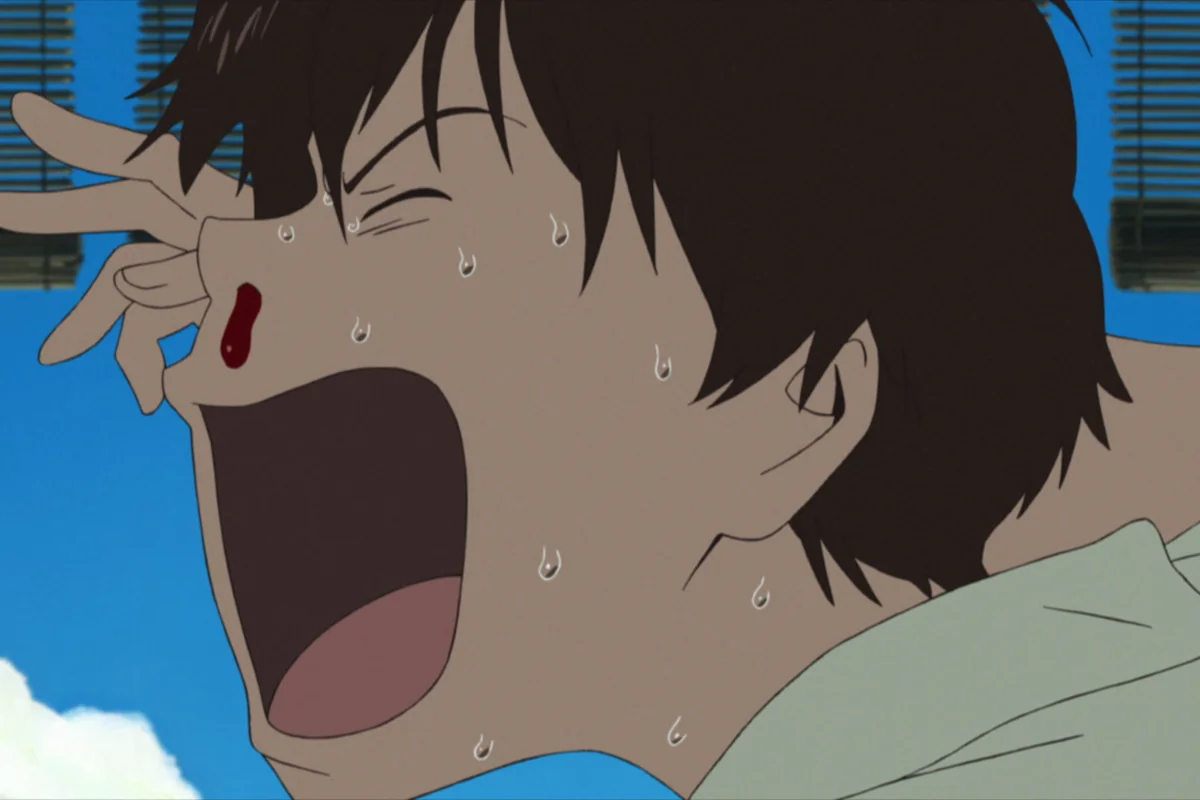
Kenji, a shy maths prodigy, agrees to pose as the fiancé of an older student, Natsuki, at her great-grandmother’s 90th birthday in Ueda, Nagano. That night he solves a code sent to his phone, and by morning a rogue AI called Love Machine has hijacked OZ, the virtual world that runs everything from shopping to government paperwork. Natsuki’s sprawling family, the Jinnouchi, descended from a samurai clan, take on the AI from their old country house.
Hosoda set it in Ueda because the area was once ruled by the Sanada clan and he had visited his fiancée’s family home there. It was his first original story, released on 1 August 2009, and the first Japanese animated film in competition at the Locarno Film Festival. Vue brought 4K remasters of Summer Wars and Wolf Children back to UK cinemas in August 2025.
Wolf Children (2012): Hana, Ame and Yuki
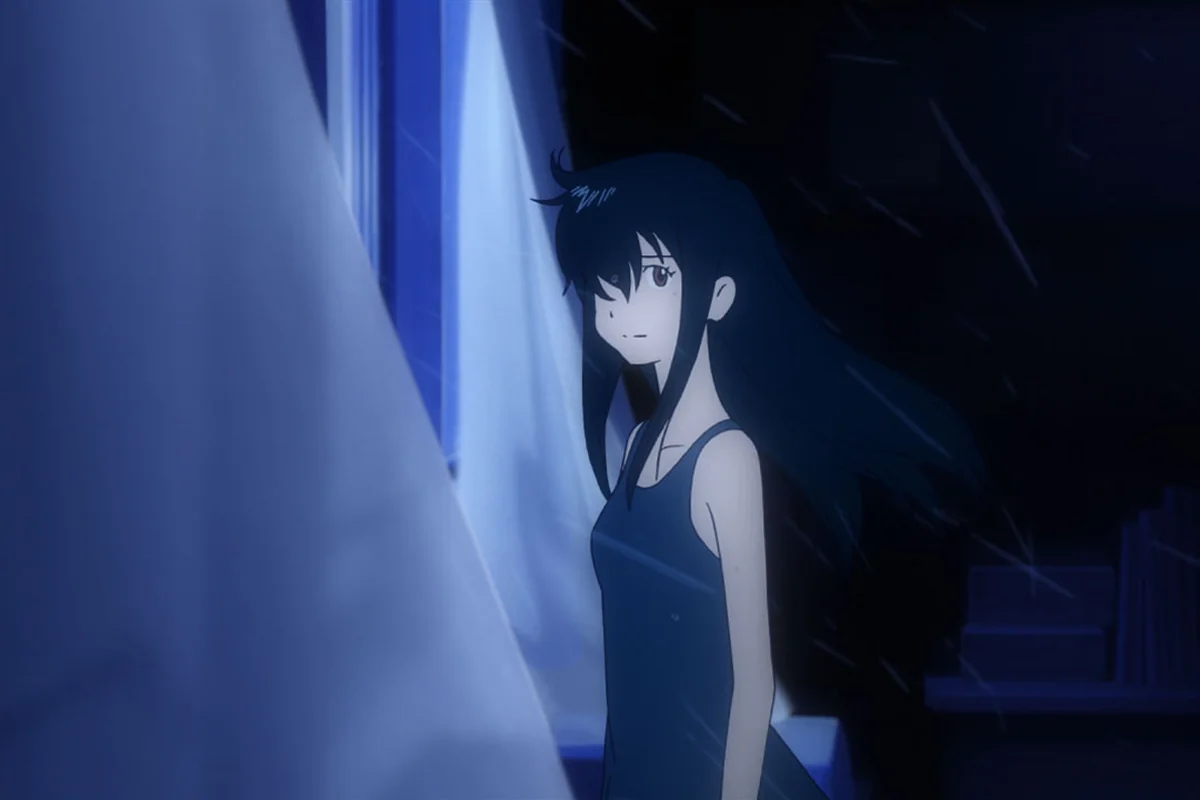
Hana, a university student in Tokyo, falls in love with a man who turns out to be a wolf. After he dies, she raises their two children, Yuki and Ame, alone, and moves to a run-down farmhouse in the countryside so that they can choose for themselves whether to live as humans or wolves. The story covers 13 years, and the village was modelled on Kamiichi in Toyama, Hosoda’s home town.
It was the first film made by Studio Chizu, released in Japan on 21 July 2012, and it took around ¥4.2 billion at the Japanese box office. It tops several published rankings of his films, and we put it at number one in our list of anime to watch before you die.
The Boy and the Beast (2015): Shibuya and Jūtengai
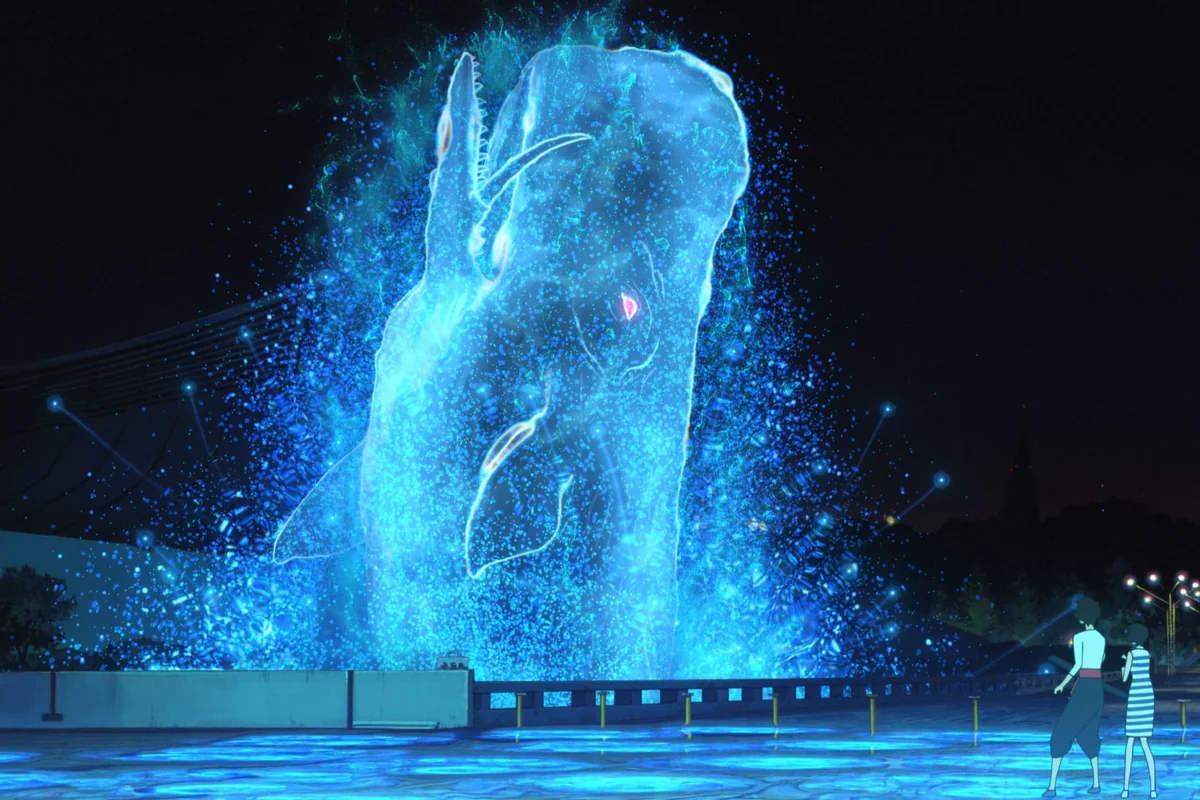
Ren, a nine-year-old who has lost his mother, runs away into the streets of Shibuya and follows a bear-like warrior, Kumatetsu, into Jūtengai, a hidden city of beasts. Kumatetsu needs an apprentice to become the next lord, Ren needs a father, and the two spend years arguing their way into a bond. It was the number one film in Japan on its opening weekend in July 2015 and took ¥5.85 billion there.
It had its UK premiere at the BFI London Film Festival on 16 October 2015, and StudioCanal released it in the UK and Ireland. It is the one Hosoda film not on a UK subscription service at the time of writing.
Mirai (2018): The Academy Award Nomination
Kun, a four-year-old, is furious when his baby sister Mirai takes his parents’ attention. Then he wanders into the garden and meets visitors from the family’s past and future, including Mirai as a teenager. It premiered at the Directors’ Fortnight in Cannes in May 2018 and opened in Japan on 20 July.
Mirai was nominated for Best Animated Feature at the 91st Academy Awards in 2019, the first Japanese animated film not made by Studio Ghibli to be nominated. It also won the Annie Award for Best Independent Animated Feature and the Japan Academy Prize for Animation of the Year.
Belle (2021): Suzu, Kōchi and the Virtual World of U
Suzu, 17, lives in rural Kōchi Prefecture and has not been able to sing since her mother died rescuing a child from a flooded river. In U, a vast online world, she becomes Belle, a singer with millions of fans, until a mysterious dragon crashes one of her concerts. Hosoda drew on Beauty and the Beast, and returned to the online-world setting of Summer Wars.
It premiered at Cannes on 15 July 2021, opened in Japan the next day and became Hosoda’s highest-grossing film in Japan. Anime Limited released it in the UK, and Ochi in Kōchi, the town the film’s backgrounds were based on, has since become a stop for anime fans.
Scarlet (2025): Hosoda’s Hamlet and Its UK Release
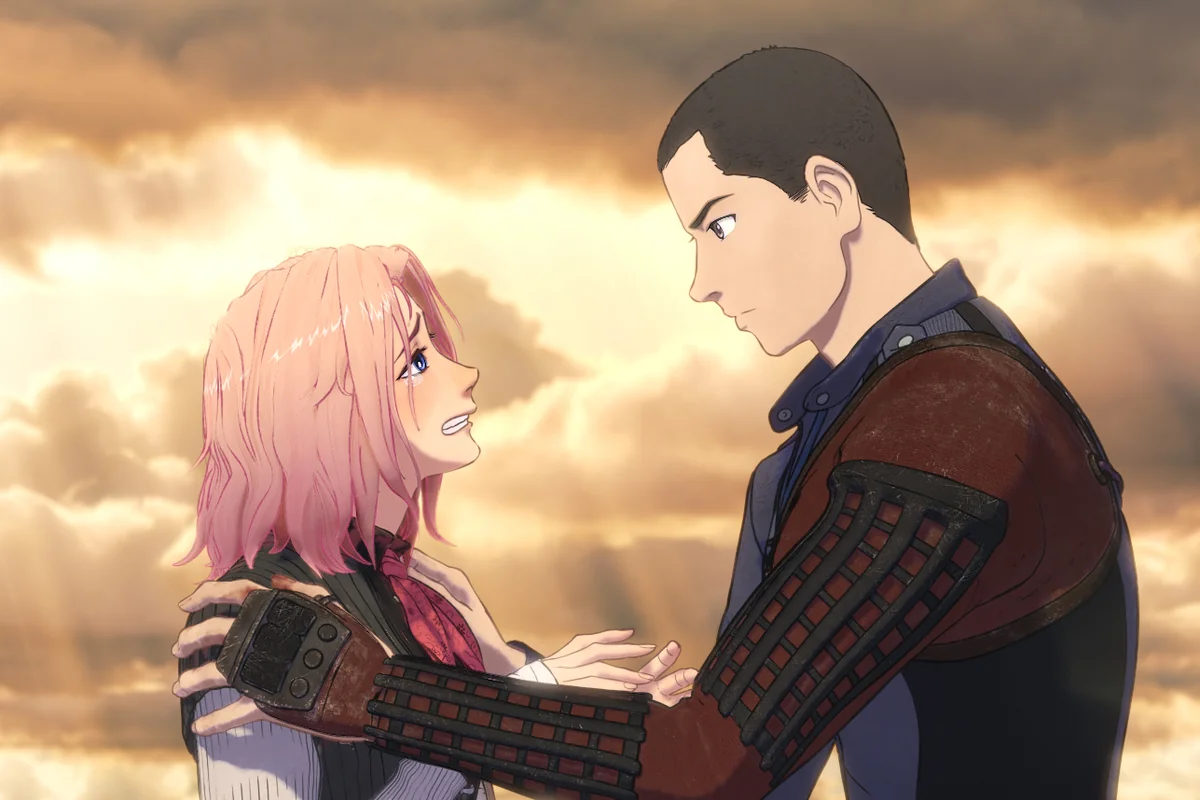
Scarlet is Hosoda’s first feature set outside modern Japan. Inspired by Hamlet, it follows Scarlet, a sword-fighting princess in 16th-century Denmark whose father is murdered by his brother Claudius. Poisoned, she wakes in a land of the dead and meets Hijiri, a paramedic from present-day Japan, who shows her a life beyond revenge. The Japanese voice cast is led by Mana Ashida, Masaki Okada and Koji Yakusho.
It took four and a half years to make, longer than any of his earlier films, and Hosoda set out to avoid both traditional 2D and “Hollywood-style CG”. It premiered out of competition at the Venice Film Festival on 4 September 2025, opened in Japan on 21 November 2025 and, according to Studio Chizu’s release schedule, reached UK cinemas on 13 March 2026, through Sony Pictures. It was nominated at the 53rd Annie Awards. In the UK it is now available to rent or buy digitally.
Studio Chizu: The Studio Hosoda Built in 2011
Hosoda and his producer Yuichiro Saito, who had both worked with Madhouse, founded Studio Chizu (スタジオ地図; chizu means “map”) in 2011 to make Wolf Children. Saito described it as an “auteur’s studio” for Hosoda, and its logo is a drawing of Makoto Konno from The Girl Who Leapt Through Time. Every Hosoda film since 2012 has been made there, and three of them have won the Japan Academy Prize for Animation of the Year. As of 31 October 2026 Studio Chizu’s own site lists no new feature after Scarlet.
Seeing Hosoda’s Films in UK Cinemas
Hosoda’s films come back to the big screen through re-releases and festivals. For new Japanese animation in British cinemas every November, Scotland Loves Anime at Picturehouse Central runs from 12 to 15 November 2026, after its Glasgow weekend. If you like Hosoda’s mix of real Japanese towns and the fantastic, Makoto Shinkai’s films are the natural next step.
Mamoru Hosoda Films: Questions
Wolf Children (2012) tops several published rankings of his work, for its story of a mother raising two half-wolf children over 13 years. The Girl Who Leapt Through Time (2006) is the most popular first watch, and Mirai (2018) is his most decorated, with an Academy Award nomination. Five of his films have won the Japan Academy Prize for Animation of the Year.
No. Studio Ghibli hired him to direct Howl’s Moving Castle in 2001, but the project stopped in 2002 and Hayao Miyazaki directed it instead. Hosoda made his first two features at Madhouse and co-founded his own company, Studio Chizu, in 2011. Every Hosoda film from Wolf Children onwards has been made at Studio Chizu.
As of 31 October 2026, The Girl Who Leapt Through Time, Summer Wars, Wolf Children, Mirai and Belle are on Disney+ in the UK. The Boy and the Beast and Scarlet are available to rent or buy on Apple TV, Rakuten TV and Sky Store. Summer Wars was marked as leaving Disney+ soon, so check before you plan to watch.
Scarlet, a fantasy inspired by Hamlet about a princess seeking revenge in a land of the dead. It premiered at the Venice Film Festival on 4 September 2025, opened in Japan on 21 November 2025 and in UK cinemas on 13 March 2026. Studio Chizu had not announced another feature as of 31 October 2026.
Loosely. Hosoda’s 2006 film is a new story inspired by Yasutaka Tsutsui’s 1967 novel of the same name. Its heroine, Makoto Konno, is a new character, while the novel’s heroine, Kazuko Yoshiyama, appears as Makoto’s aunt, who explains to her what a time leap is. You do not need to read the novel first.