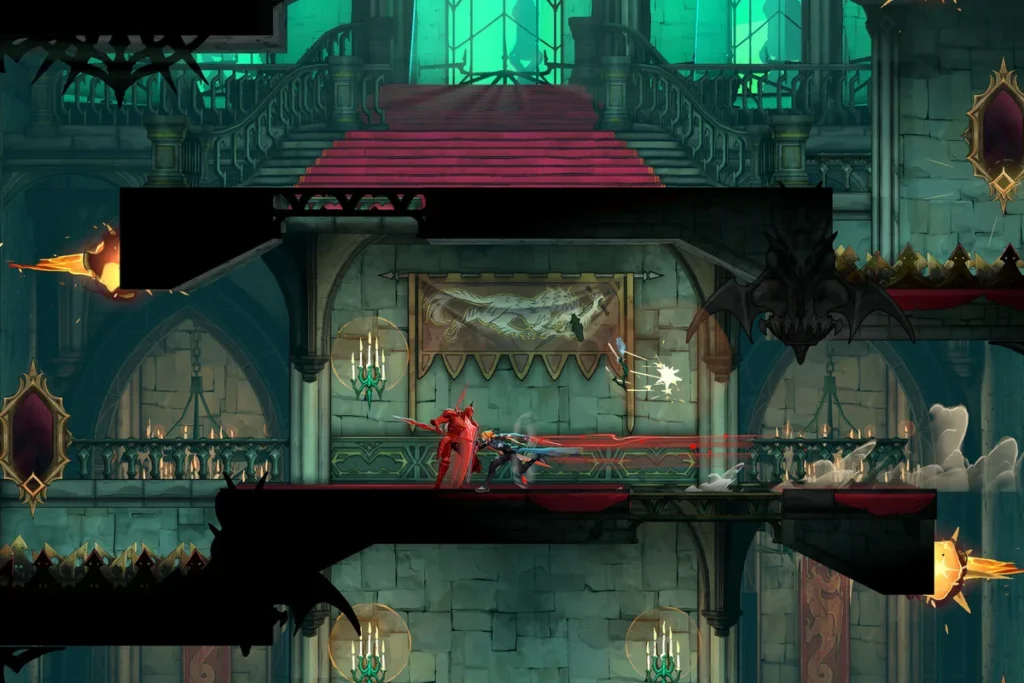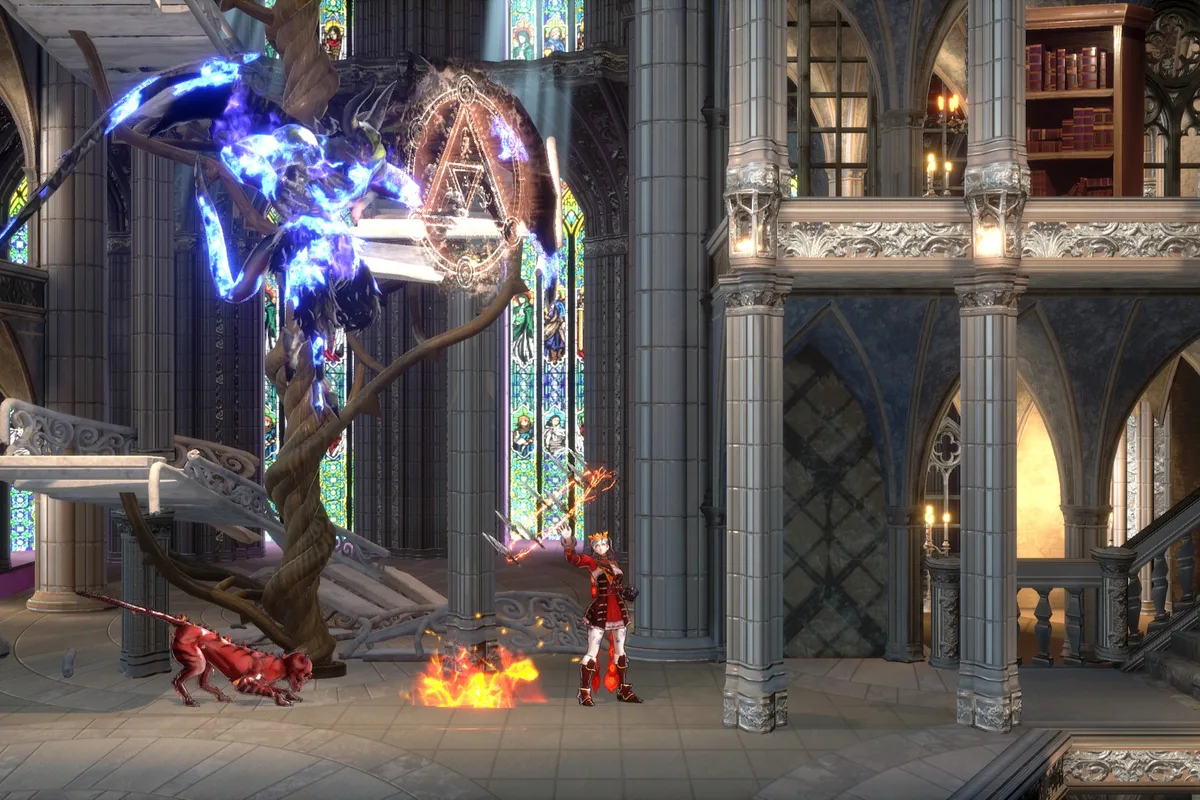
Metroid and Castlevania both started out on the Famicom Disk System, a floppy disk add-on for Nintendo’s console in Japan. Nintendo released Metroid on 6 August 1986, and Konami’s first Castlevania followed on 26 September.
More than a decade later, fans joined the two names into one word, Metroidvania, for games built the way the later games in both series were. This explainer covers what the word means, where it came from and which Japanese games show it best.
How Metroid and Castlevania Became One Genre
Metroidvania Meaning: One Connected Map You Unlock as You Go
A Metroidvania is a side-scrolling action game set across one large, connected map. Parts of the map are closed off at first, and you open them by finding new abilities or items, such as a double jump or a way to break a certain kind of wall.
That means going back through places you have already been, now able to reach what you could not before. A map screen fills in as you explore, and finding your own way through it is much of the fun.
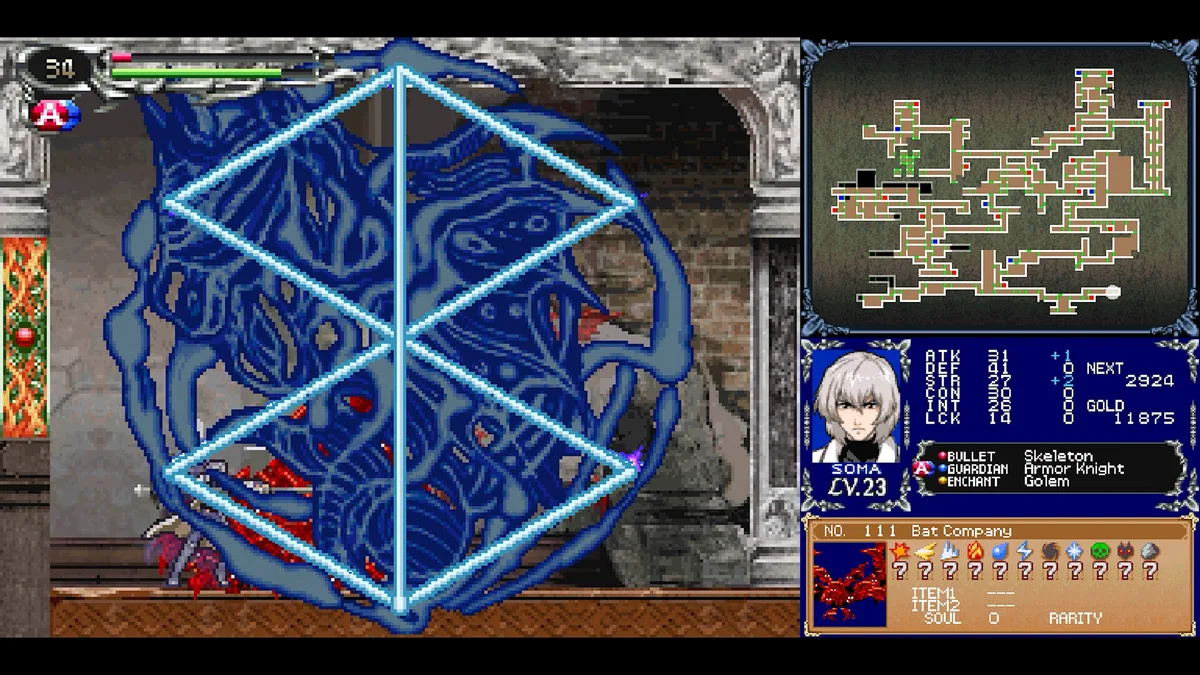
The Castlevania side of the genre adds ideas from role-playing games, so your character levels up and collects equipment as well as new abilities.


Metroid in 1986 and Super Metroid in 1994
Metroid put Samus Aran in an alien base laid out as one connected space, where new equipment opened up new areas. Nintendo built on that with Super Metroid, released in Japan on 19 March 1994, which gave players a full map screen and a much larger world.
When people say Metroidvania, Super Metroid is usually the Metroid game they mean. It is playable today on Nintendo Switch through the Nintendo Switch Online service.
Castlevania: Symphony of the Night and Koji Igarashi
Early Castlevania games were built from stages played in order. Castlevania II: Simon’s Quest in 1987 tried a more open world, and Symphony of the Night, released on the PlayStation in Japan on 20 March 1997, turned the whole of Dracula’s castle into one map to explore.
The game was directed by Toru Hagihara. Koji Igarashi, a programmer and scenario writer on it, became assistant director part way through, and went on to produce the series for years. He has said his main influence was Nintendo’s The Legend of Zelda: A Link to the Past, more than Metroid, as he told GameSpot in 2020.
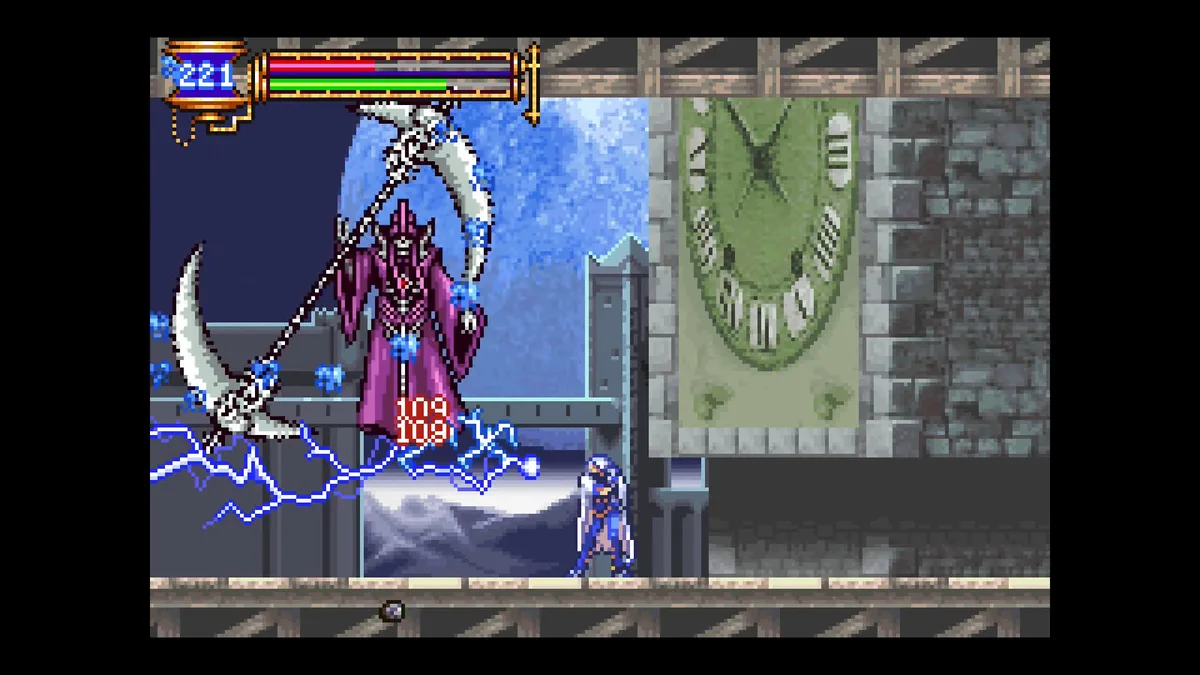
Symphony of the Night became the pattern for the Castlevania games that followed on the Game Boy Advance and Nintendo DS, from Circle of the Moon in 2001 to Order of Ecclesia in 2008. Our guide to the Castlevania games in order lists them all.
Who Came Up With the Word Metroidvania
Nobody is certain. The word was in use among fans and writers by the early 2000s, first for the Castlevania games that played like Super Metroid and then for the whole genre.
The American games writer Jeremy Parish did more than anyone to spread it, though he credits his former 1UP.com colleague Scott Sharkey with using it first, as Nintendo Life reported. Igarashi has said he did not invent the word. Fans of his games also use Igavania, from his nickname, IGA.




Japanese Metroidvanias to Play Now
These are the Japanese games we would point a newcomer to first.
| Game | Released | Where to play it now |
|---|---|---|
| Super Metroid (Nintendo) | 19 March 1994 in Japan | Nintendo Switch Online |
| Castlevania: Symphony of the Night (Konami) | 20 March 1997 in Japan | Castlevania Requiem (PlayStation 4), iOS and Android |
| Castlevania: Aria of Sorrow (Konami) | 8 May 2003 in Japan | Castlevania Advance Collection |
| Castlevania: Order of Ecclesia (Konami) | 23 October 2008 in Japan | Castlevania Dominus Collection |
| Bloodstained: Ritual of the Night (ArtPlay) | 18 June 2019 | PlayStation 4, Xbox One, Nintendo Switch, PC |
| Castlevania: Belmont’s Curse (Konami, with Evil Empire) | 15 October 2026 | PlayStation 5, Xbox Series X|S, Nintendo Switch, PC |
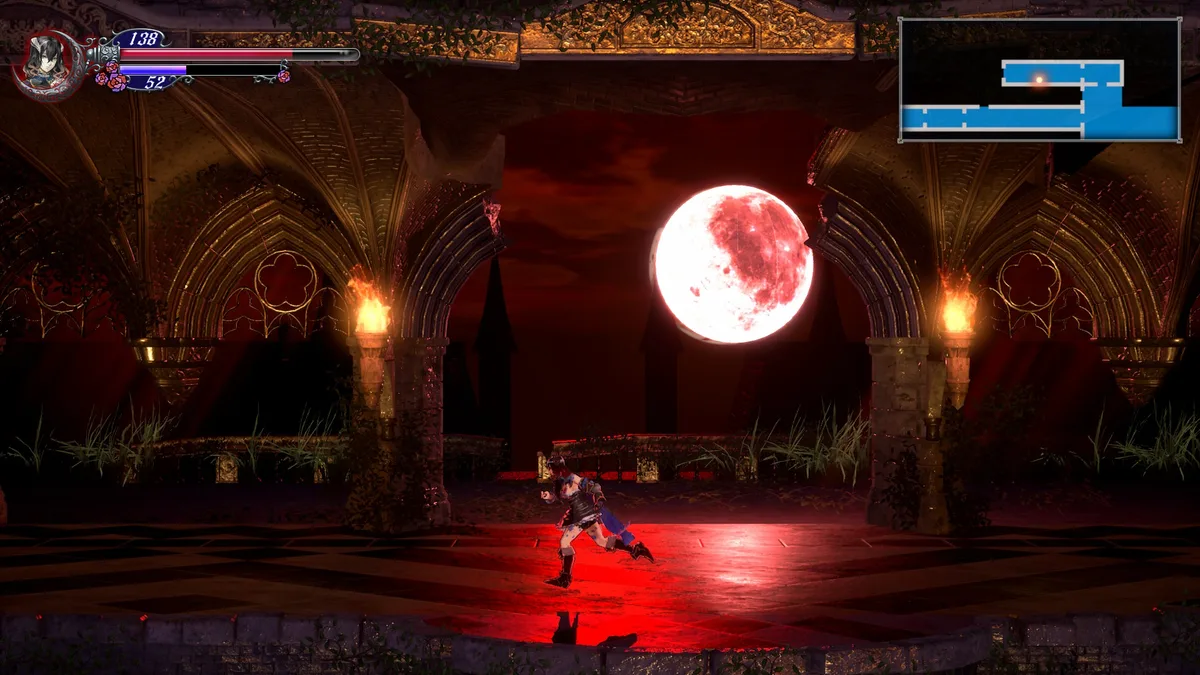
Bloodstained is Igarashi’s own game, made at his studio ArtPlay after he left Konami and funded through Kickstarter in 2015. Belmont’s Curse is Konami’s newest Castlevania, built with Evil Empire, the French studio behind the later updates to Dead Cells.
The music of these games has its own following. A 25 piece power rock orchestra plays four decades of it at the Castlevania 40th Anniversary concert at the Eventim Apollo in London on 14 March 2027.
Metroidvania Questions and Answers
A Metroidvania is an action game set on one connected map, where new abilities open up areas you could not reach before. The word joins the names of Metroid and Castlevania.
Because Nintendo’s Super Metroid and Konami’s Castlevania: Symphony of the Night are the two games that set the pattern. The word was first used for Castlevania games that played like Super Metroid.
No. The early games were made of stages played in order. Symphony of the Night in 1997 and most of the Castlevania games after it follow the Metroidvania pattern.
No one person is confirmed. Jeremy Parish popularised it and credits his 1UP.com colleague Scott Sharkey with using it first, and Koji Igarashi has said it was not him.